0%
Dagestan. Documentary Project. 2015
THE RIFLE.
I found myself in Dagestan on assignment for Condé Nast Traveller. It was a promotional tour organized by some government ministry or other - I honestly cannot remember which one. Things tend to be rather complicated there, and I never made much effort to untangle them. Our group included prominent figures from the worlds of glossy magazines and business. I remember being greeted by a minister and a jeep full of armed guards. They drove demonstratively through the city without paying the slightest attention to traffic regulations. By then I had learned not to be surprised by anything, so I simply watched the world passing by.
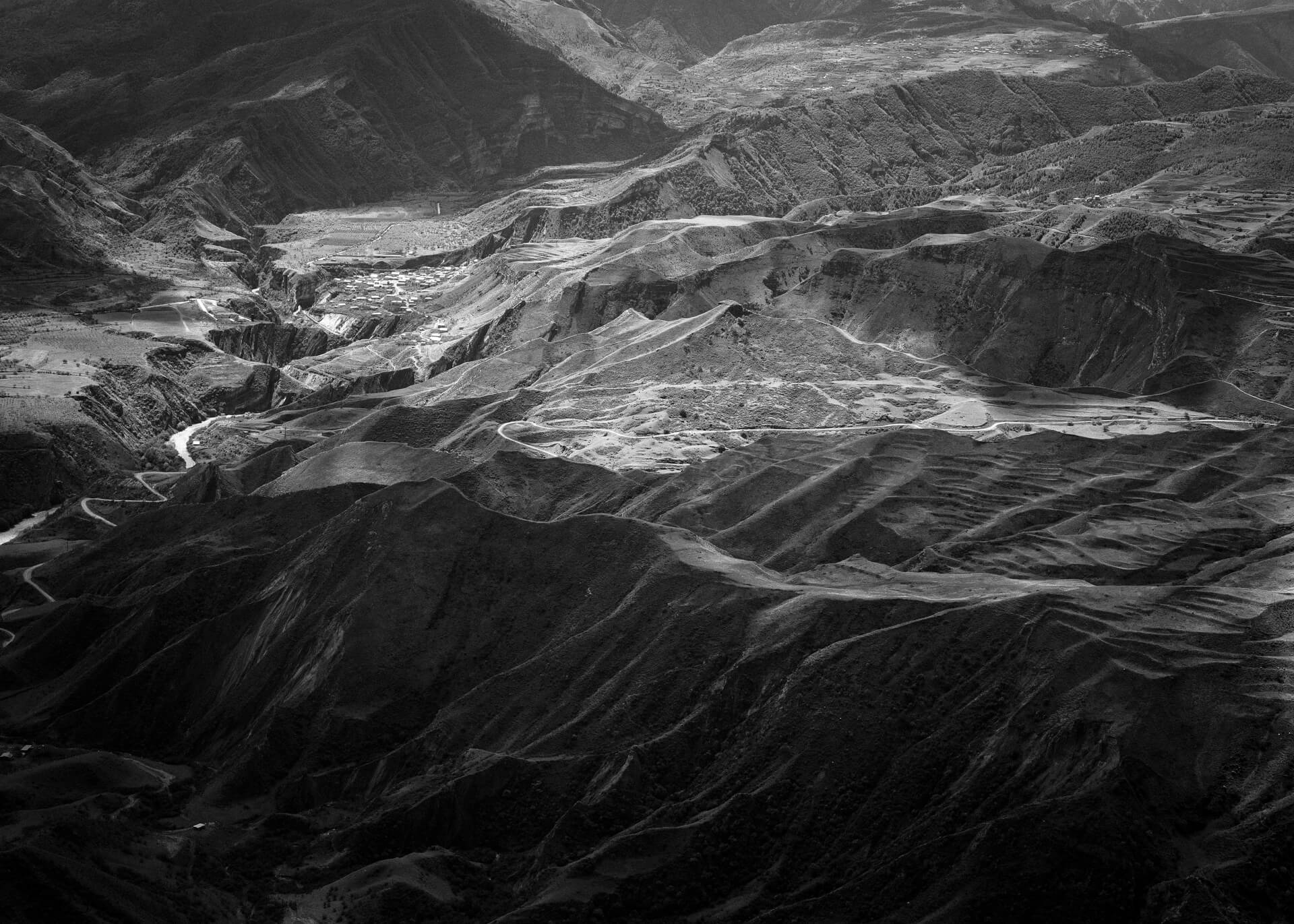
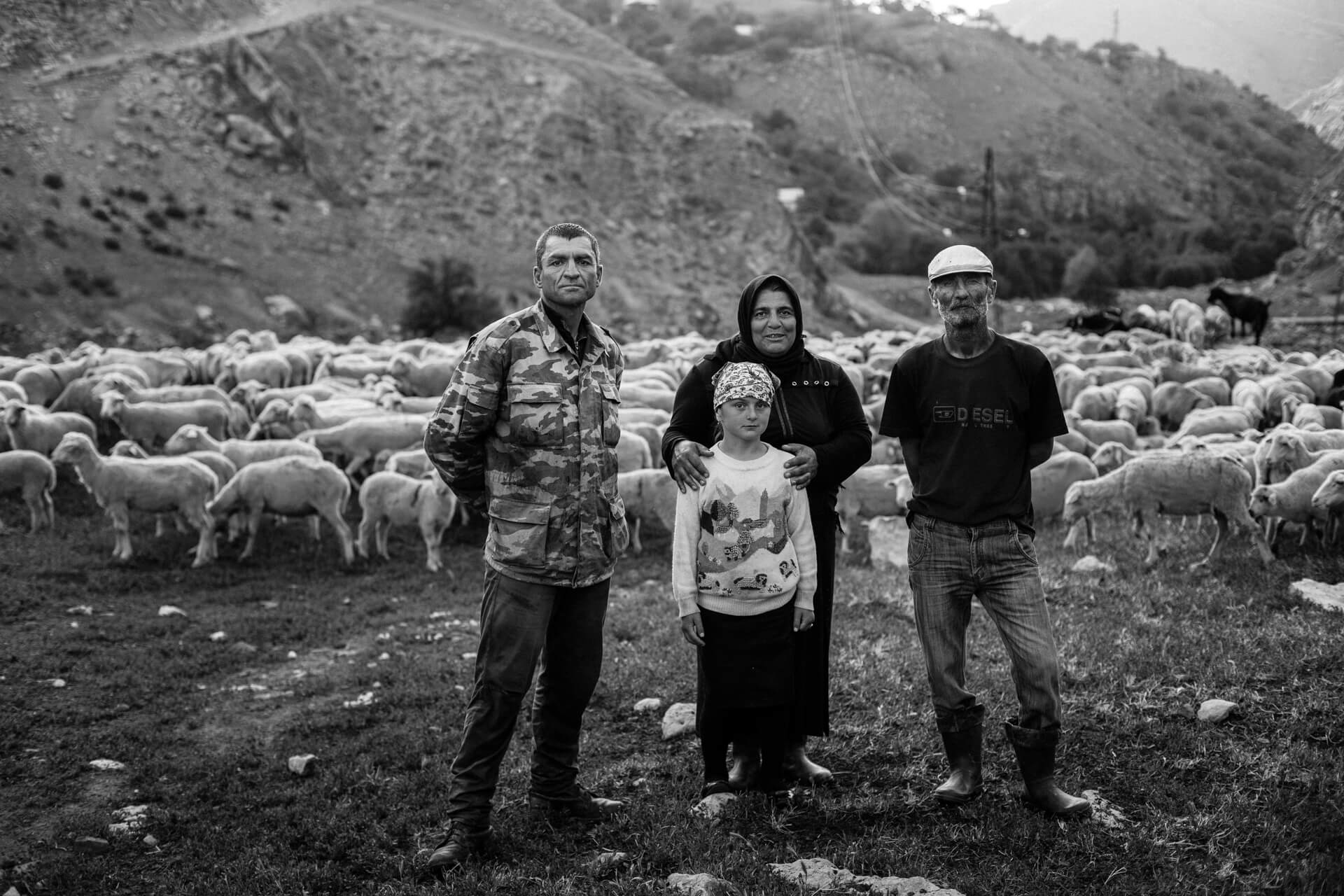
We were heading into the mountains, to Gunib, the administrative center of the district. Mountainous Dagestan, the homeland of the Avar people, is entirely different from the Dagestan that stretches along the Caspian Sea. Even the people seem different. The Avars are tall, broad-shouldered, remarkably warm, and genuinely hospitable.
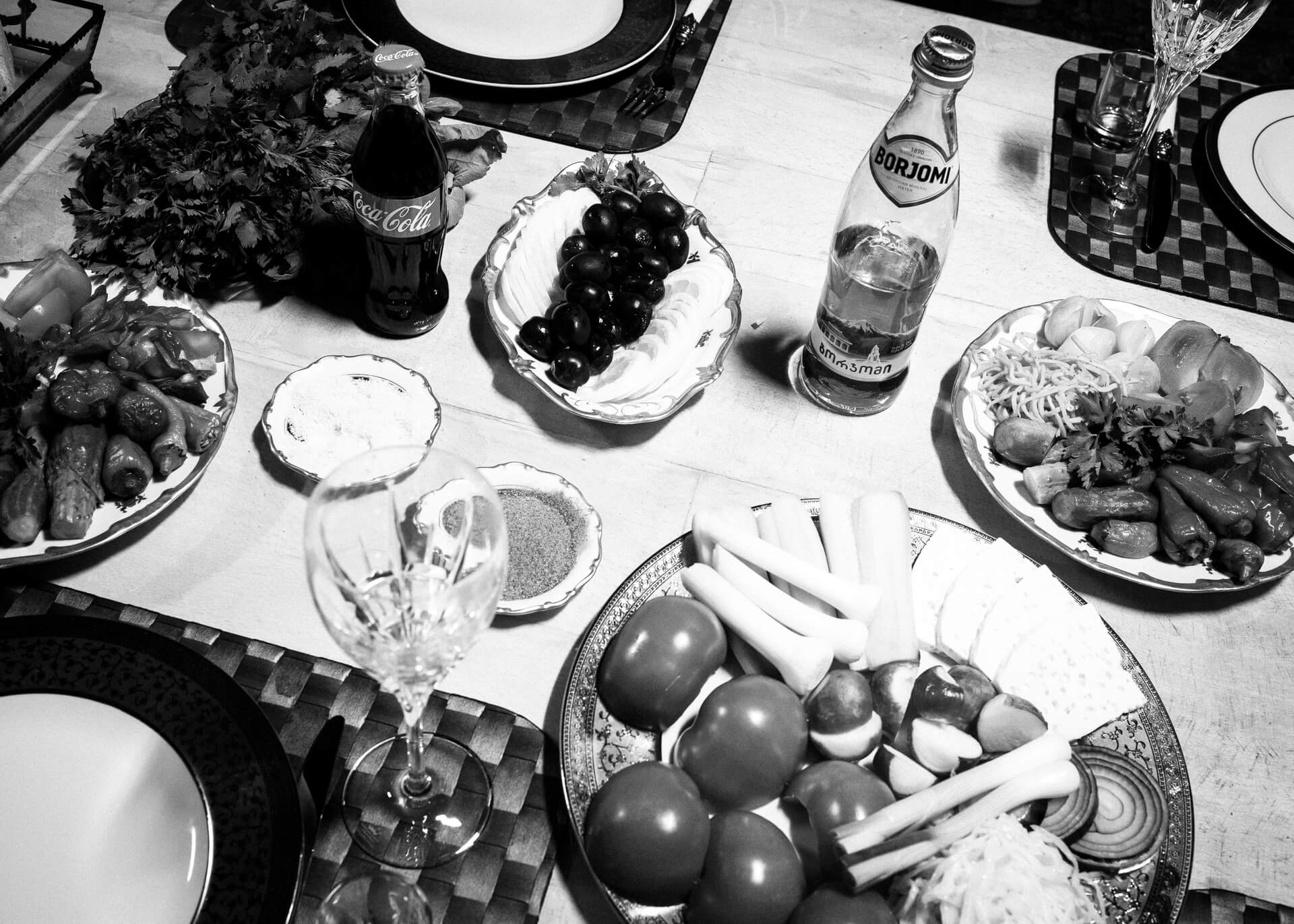
At the time, however, I knew none of this. The first two days disappeared into an endless succession of banquets as we moved from one restaurant to another and from one host to the next. There were interminable toasts, an endless parade of appetizers and main courses. Breakfast merged seamlessly into lunch, which drifted almost imperceptibly into dinner. I grew restless. Although I am not particularly sociable by nature, I somehow became acquainted with the Minister of Education. His name was Getinuaz. On the third day I persuaded him to rescue me from yet another feast and show me something genuinely interesting.
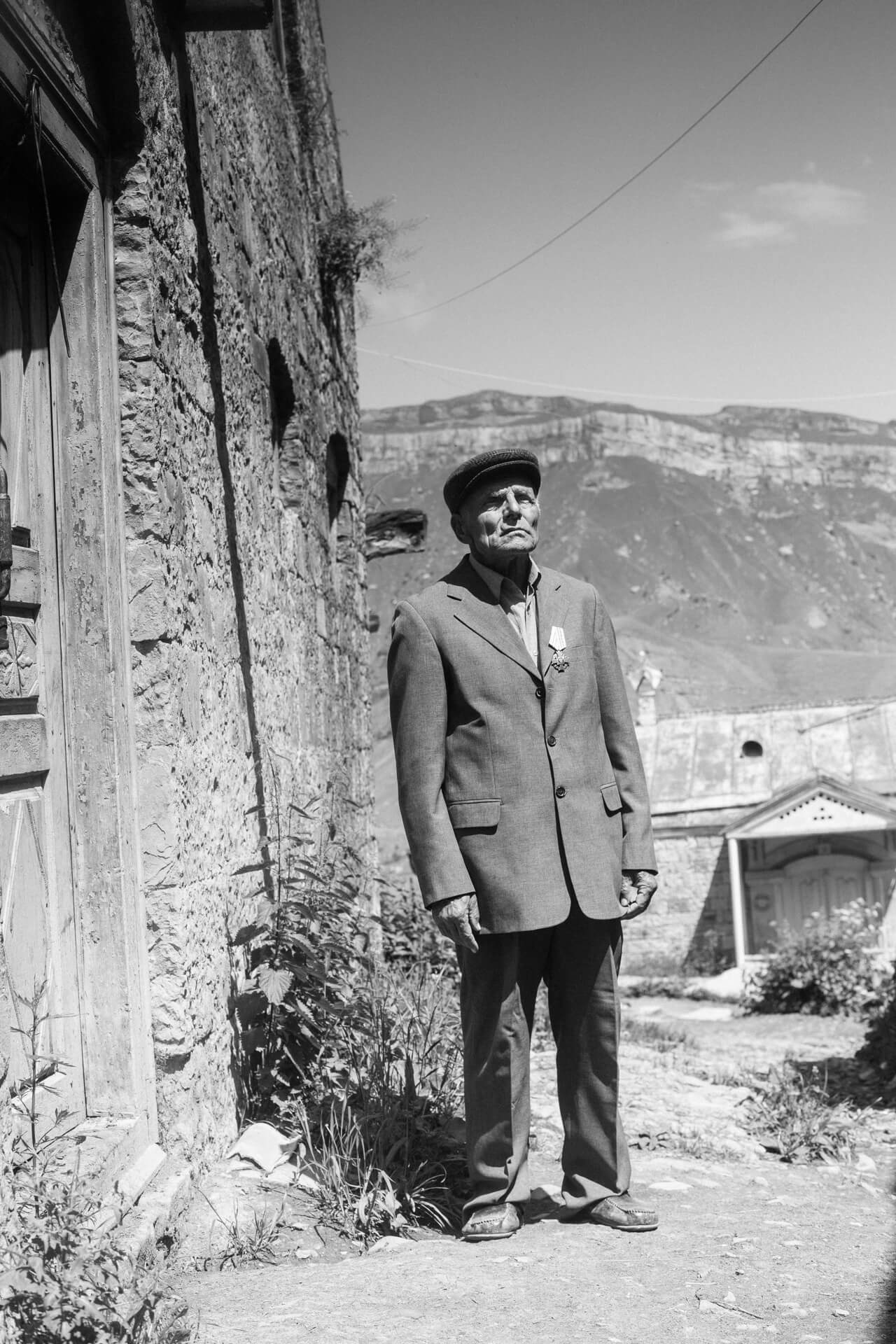
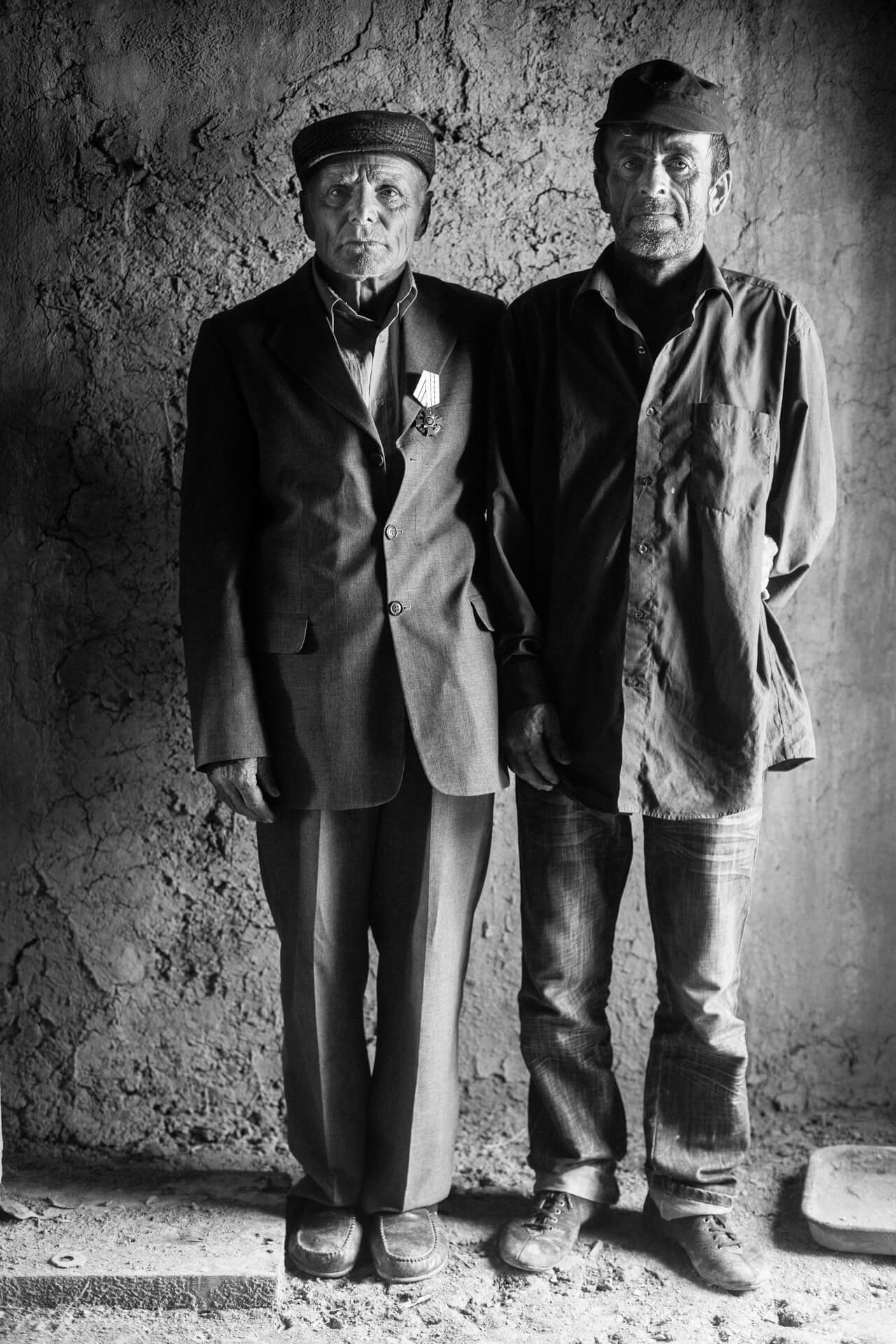
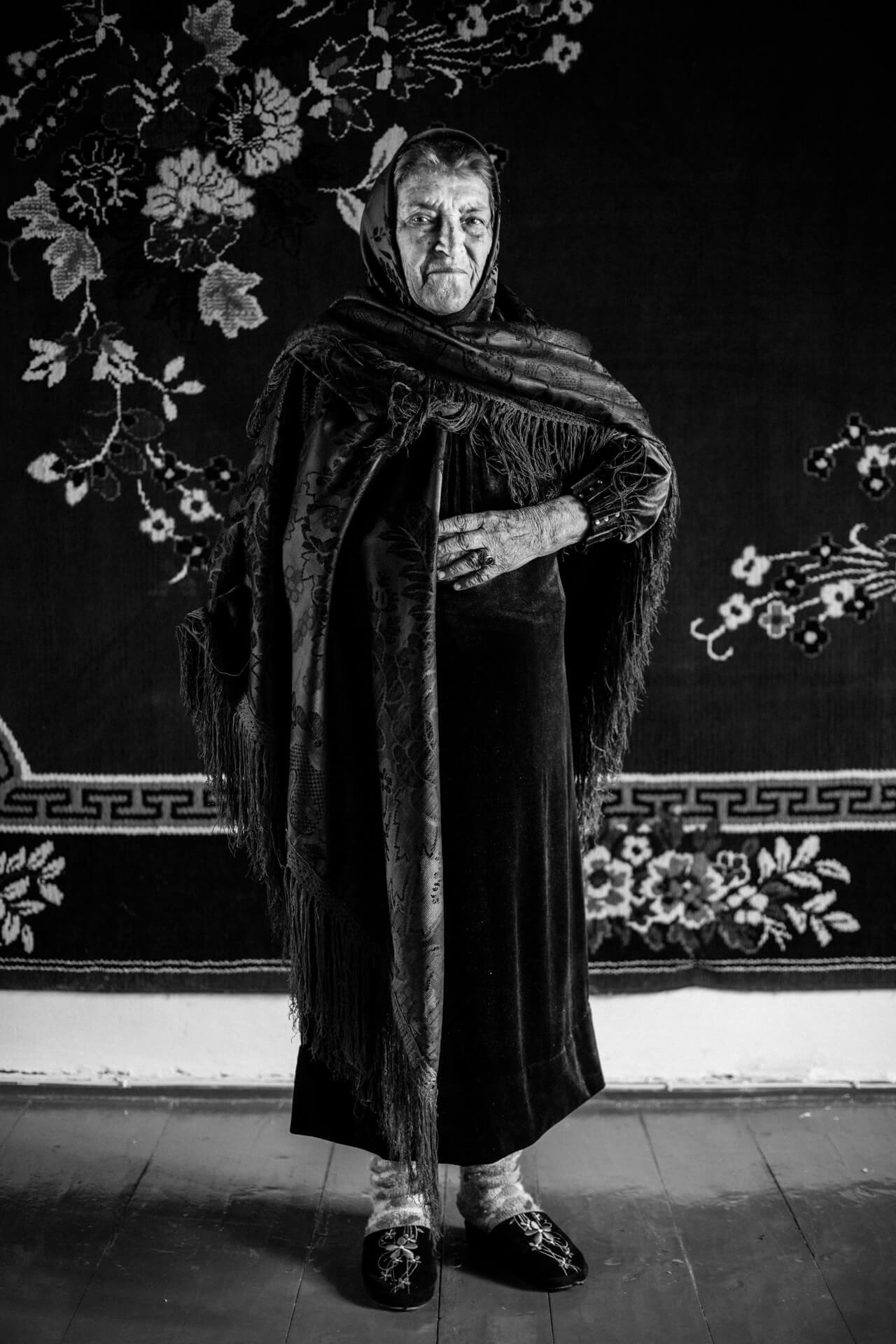
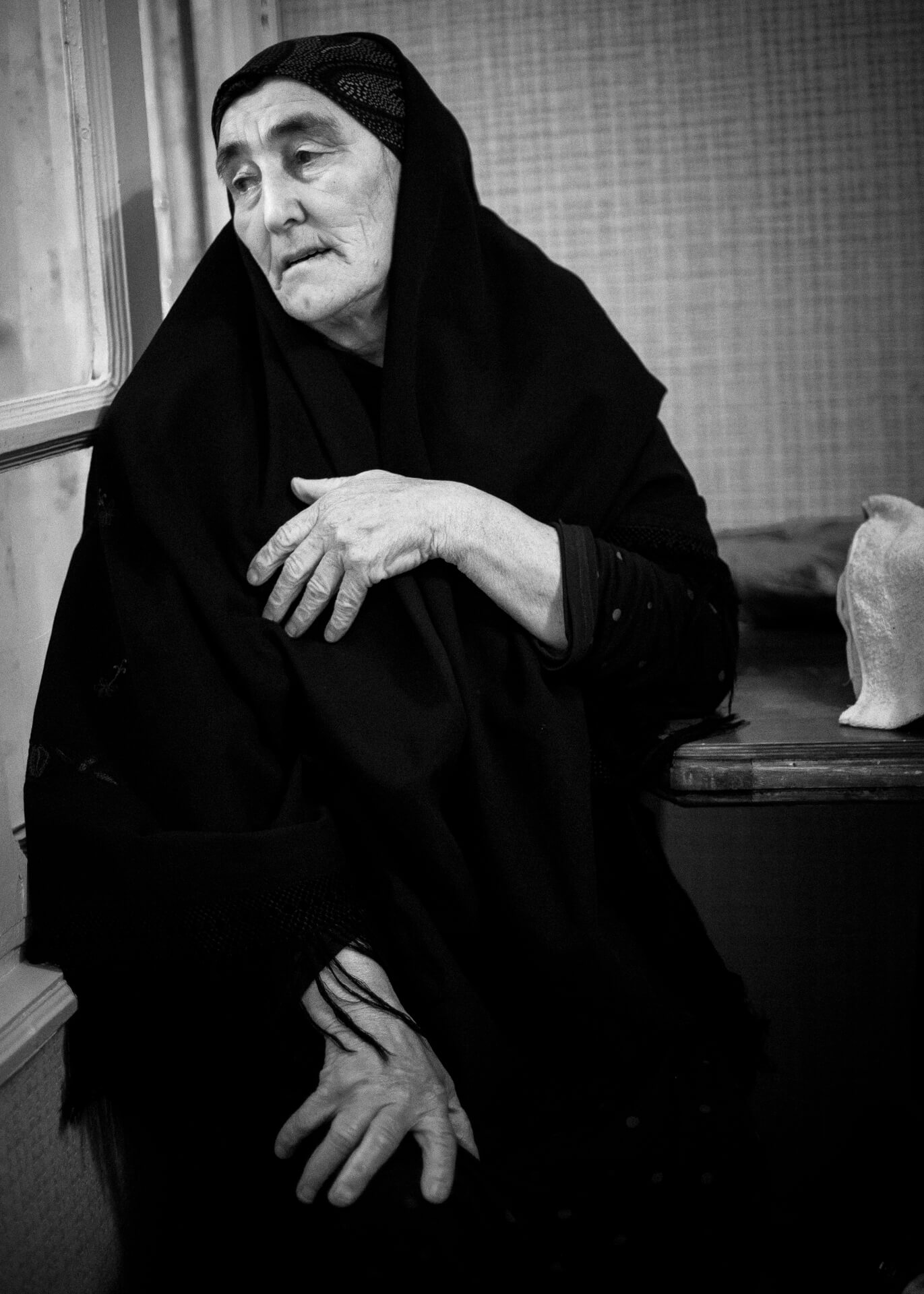
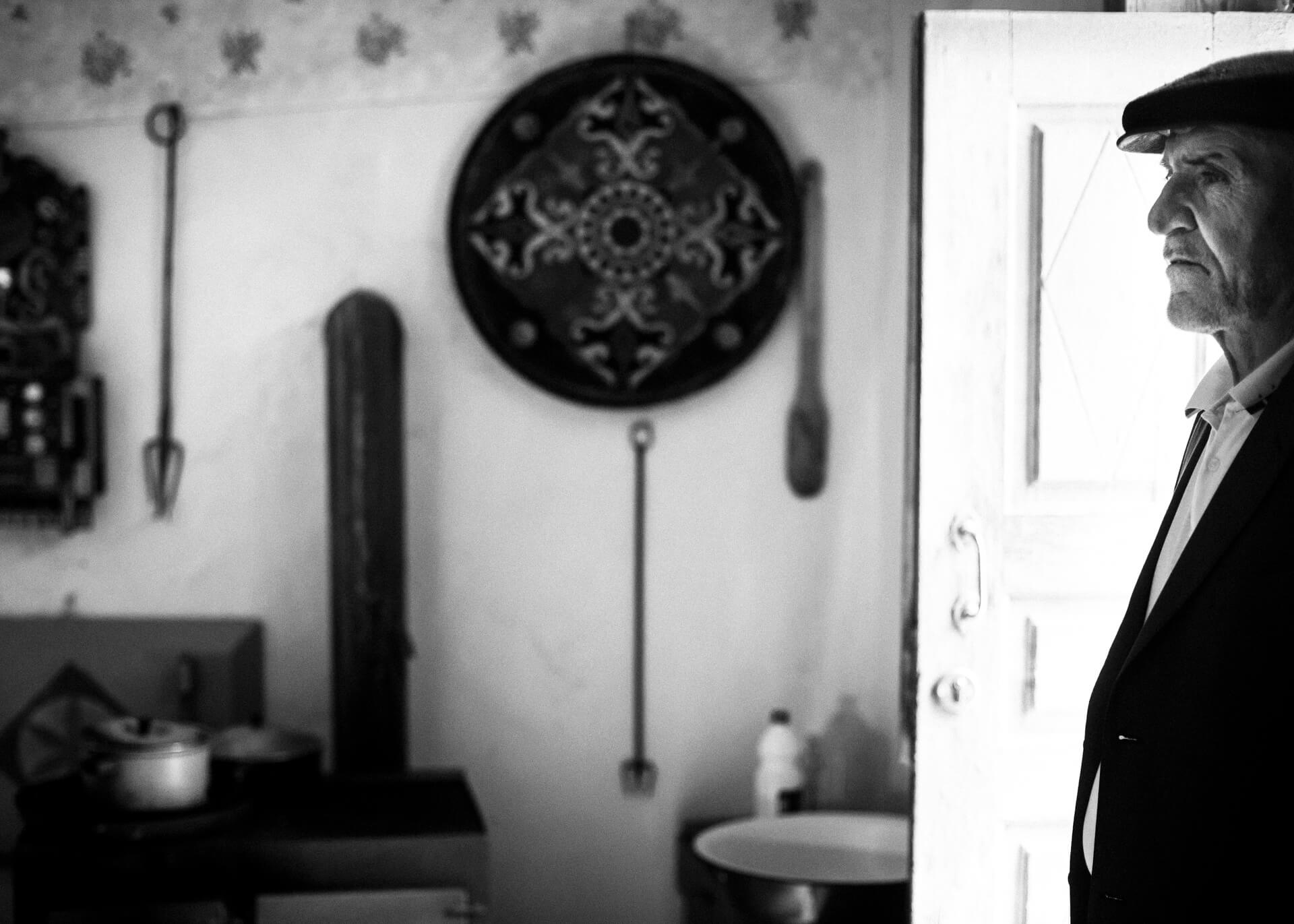
It was the ninth of May. We drove down into a river valley where several old huts stood scattered among the trees. Friends of Getinuaz were celebrating the holiday there. Vodka. Shashlik. In principle, nothing had really changed. At least here I was free to walk around with my camera. I quietly made portraits and photographed the young apple trees covered in blossom.
I found myself in Dagestan on assignment for Condé Nast Traveller. It was a promotional tour organized by some government ministry or other - I honestly cannot remember which one. Things tend to be rather complicated there, and I never made much effort to untangle them. Our group included prominent figures from the worlds of glossy magazines and business. I remember being greeted by a minister and a jeep full of armed guards. They drove demonstratively through the city without paying the slightest attention to traffic regulations. By then I had learned not to be surprised by anything, so I simply watched the world passing by.
We were heading into the mountains, to Gunib, the administrative center of the district. Mountainous Dagestan, the homeland of the Avar people, is entirely different from the Dagestan that stretches along the Caspian Sea. Even the people seem different. The Avars are tall, broad-shouldered, remarkably warm, and genuinely hospitable.
At the time, however, I knew none of this. The first two days disappeared into an endless succession of banquets as we moved from one restaurant to another and from one host to the next. There were interminable toasts, an endless parade of appetizers and main courses. Breakfast merged seamlessly into lunch, which drifted almost imperceptibly into dinner. I grew restless. Although I am not particularly sociable by nature, I somehow became acquainted with the Minister of Education. His name was Getinuaz. On the third day I persuaded him to rescue me from yet another feast and show me something genuinely interesting.
It was the ninth of May. We drove down into a river valley where several old huts stood scattered among the trees. Friends of Getinuaz were celebrating the holiday there. Vodka. Shashlik. In principle, nothing had really changed. At least here I was free to walk around with my camera. I quietly made portraits and photographed the young apple trees covered in blossom.
One of the trees had a rifle hanging from its branches. I raised my camera toward it when suddenly one of the locals - the most talkative of the group - appeared beside me.
"You can't photograph the rifle! It's a weapon."
With that, he took it down from the tree. Then, almost immediately, he turned back to me and asked whether I would like to fire it.
I have always been completely indifferent to firearms. They have never fascinated me in the slightest.
"No," I replied. "I've already got my own weapon."
Holding up my camera, I smiled.
"A photo rifle."
I hoped the joke might steer the conversation elsewhere.
It did not.
The cheerful Avar refused to give up. Grabbing the rifle, he insisted that I absolutely had to shoot it - otherwise I couldn't possibly call myself a man.
Here we go, I thought with a sigh. Everything had been going so well...
He kept pressing the rifle into my hands while I laughed it off, explaining that I had never fired a gun before. Well... except once, as a child, at the shooting gallery in Gorky Park. That was true. I had genuinely never handled firearms. During my military service I had been a gunner in an infantry fighting vehicle and fired its cannon exactly once - somewhere into an empty field. At my oath ceremony they somehow forgot to issue me a rifle altogether.
The Avar was so warmly persistent that eventually I ran out of excuses. Pointing across the river, he showed me a bottle standing on a rock. Whether someone had forgotten it there or placed it deliberately as a target, I had no idea. Delighted that he had finally persuaded me, my enthusiastic instructor thrust the rifle into my hands.
I dropped onto one knee and took aim, just as I had done years earlier at the shooting gallery with my father.
"You can't photograph the rifle! It's a weapon."
With that, he took it down from the tree. Then, almost immediately, he turned back to me and asked whether I would like to fire it.
I have always been completely indifferent to firearms. They have never fascinated me in the slightest.
"No," I replied. "I've already got my own weapon."
Holding up my camera, I smiled.
"A photo rifle."
I hoped the joke might steer the conversation elsewhere.
It did not.
The cheerful Avar refused to give up. Grabbing the rifle, he insisted that I absolutely had to shoot it - otherwise I couldn't possibly call myself a man.
Here we go, I thought with a sigh. Everything had been going so well...
He kept pressing the rifle into my hands while I laughed it off, explaining that I had never fired a gun before. Well... except once, as a child, at the shooting gallery in Gorky Park. That was true. I had genuinely never handled firearms. During my military service I had been a gunner in an infantry fighting vehicle and fired its cannon exactly once - somewhere into an empty field. At my oath ceremony they somehow forgot to issue me a rifle altogether.
The Avar was so warmly persistent that eventually I ran out of excuses. Pointing across the river, he showed me a bottle standing on a rock. Whether someone had forgotten it there or placed it deliberately as a target, I had no idea. Delighted that he had finally persuaded me, my enthusiastic instructor thrust the rifle into my hands.
I dropped onto one knee and took aim, just as I had done years earlier at the shooting gallery with my father.
The amusing thing was that I often photographed portraits handheld at impossibly slow shutter speeds - one fifteenth or even one eighth of a second. To avoid camera shake, you have to become completely still. Don't move. Slow your heartbeat. Exhale. Press the shutter gently. If your subject remains motionless, the portrait stays perfectly sharp.
I did exactly the same thing now.
I held my breath.
And squeezed the trigger.
The bottle burst soundlessly into a glittering cloud of shattered glass.
The man was speechless.
He left me alone for the rest of the evening.
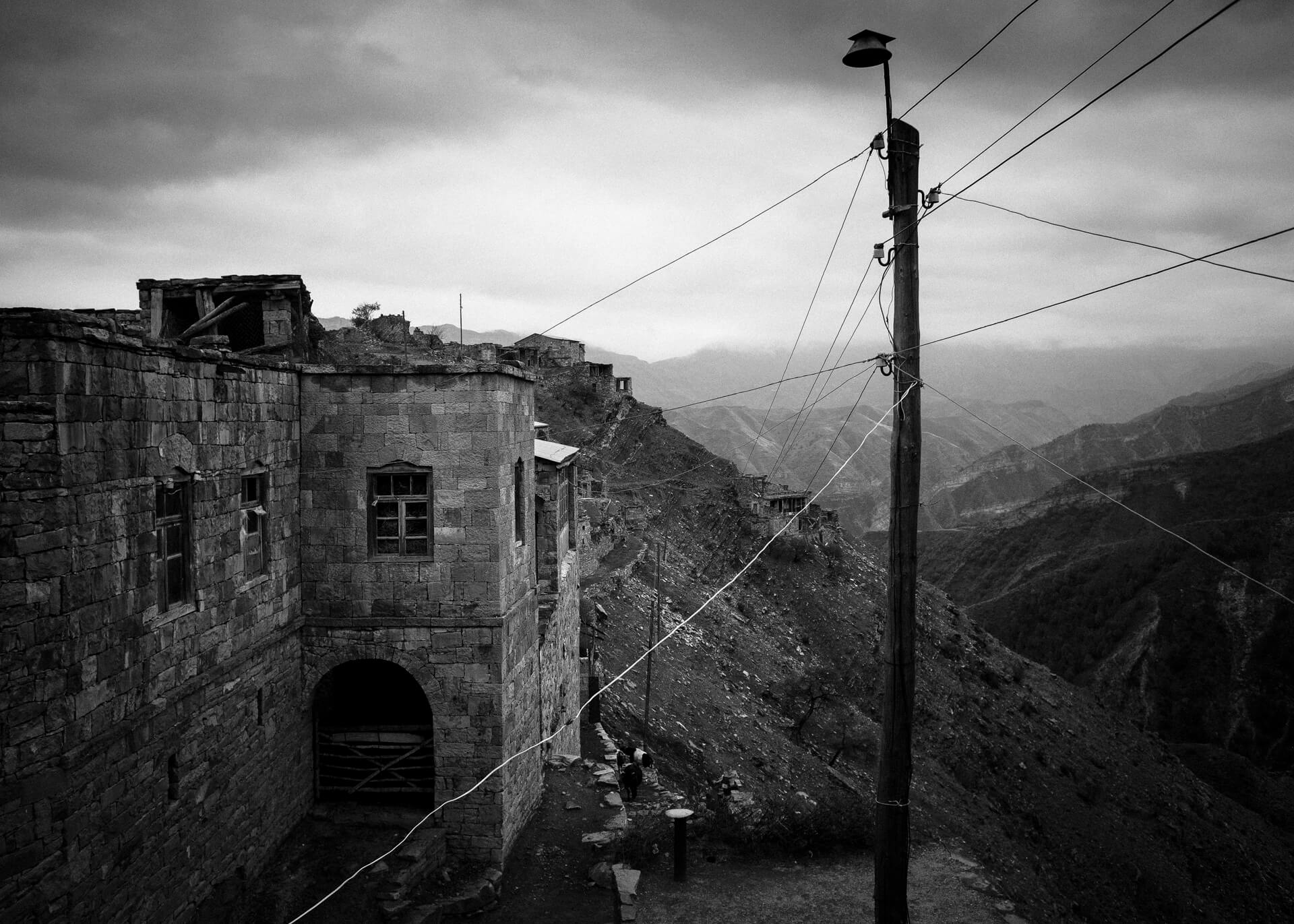
The following day, quite unexpectedly, everyone seemed to have grown tired of drinking, and we were taken to visit the mountain villages surrounding Gunib. The one that remained with me was Chokh.
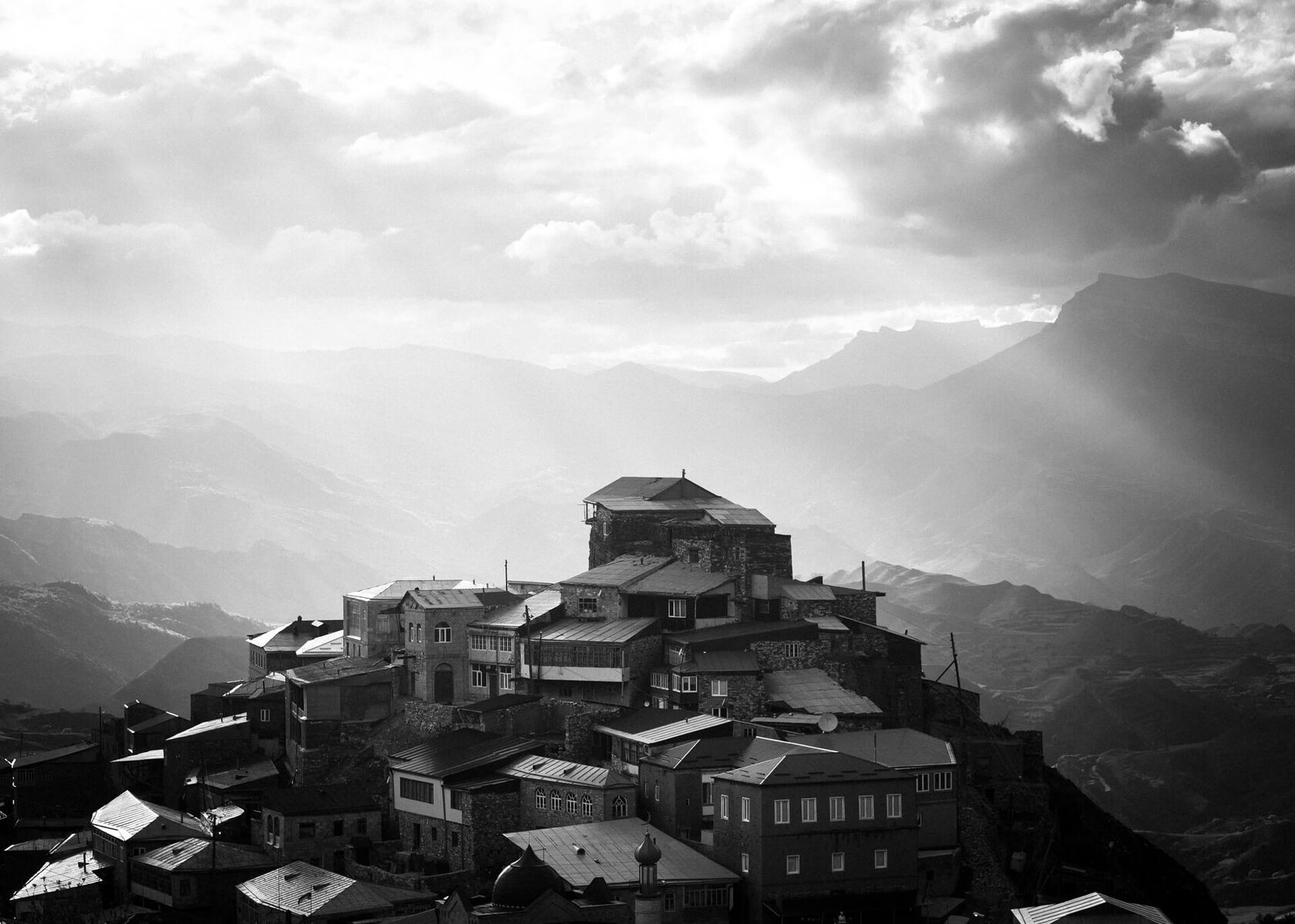
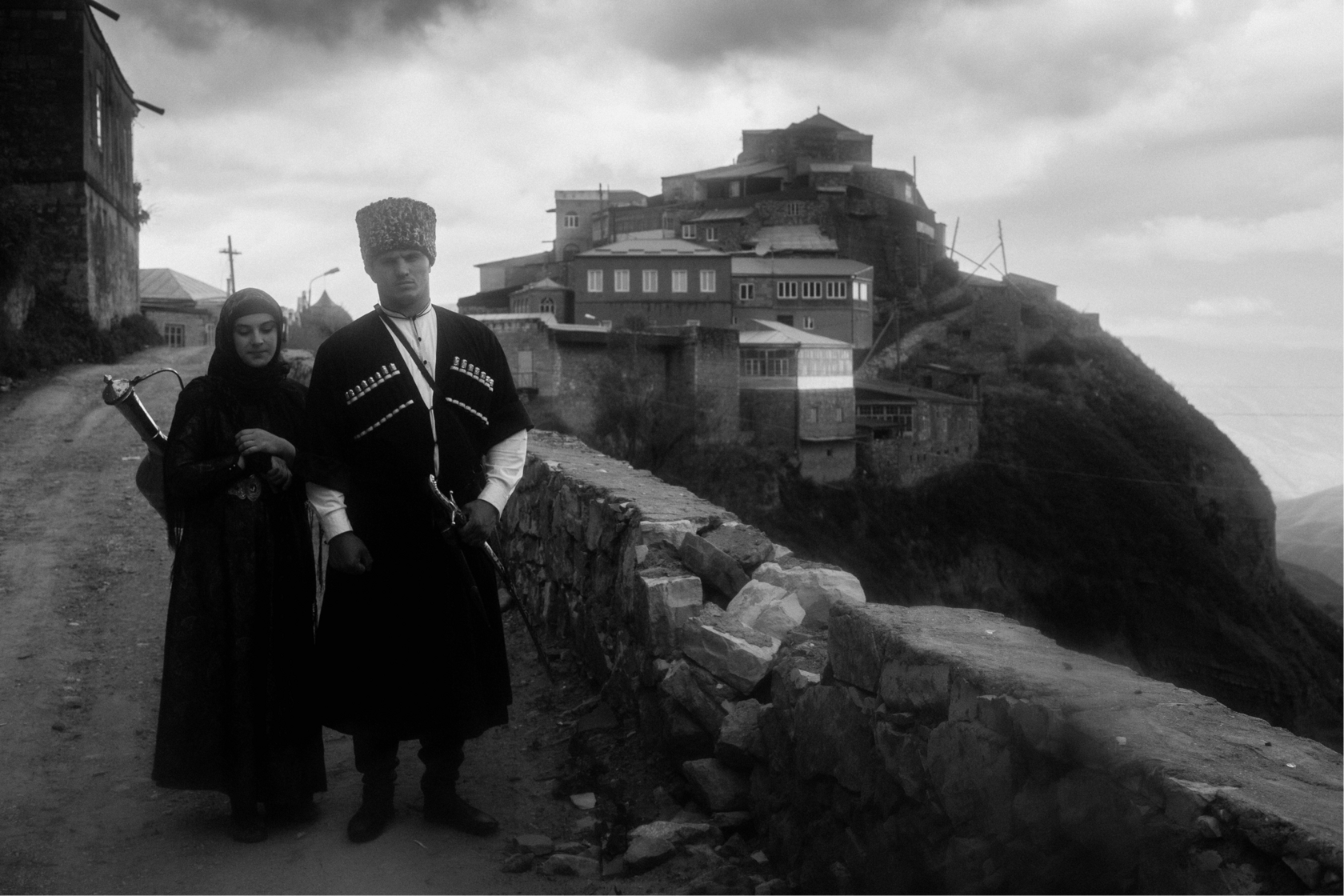
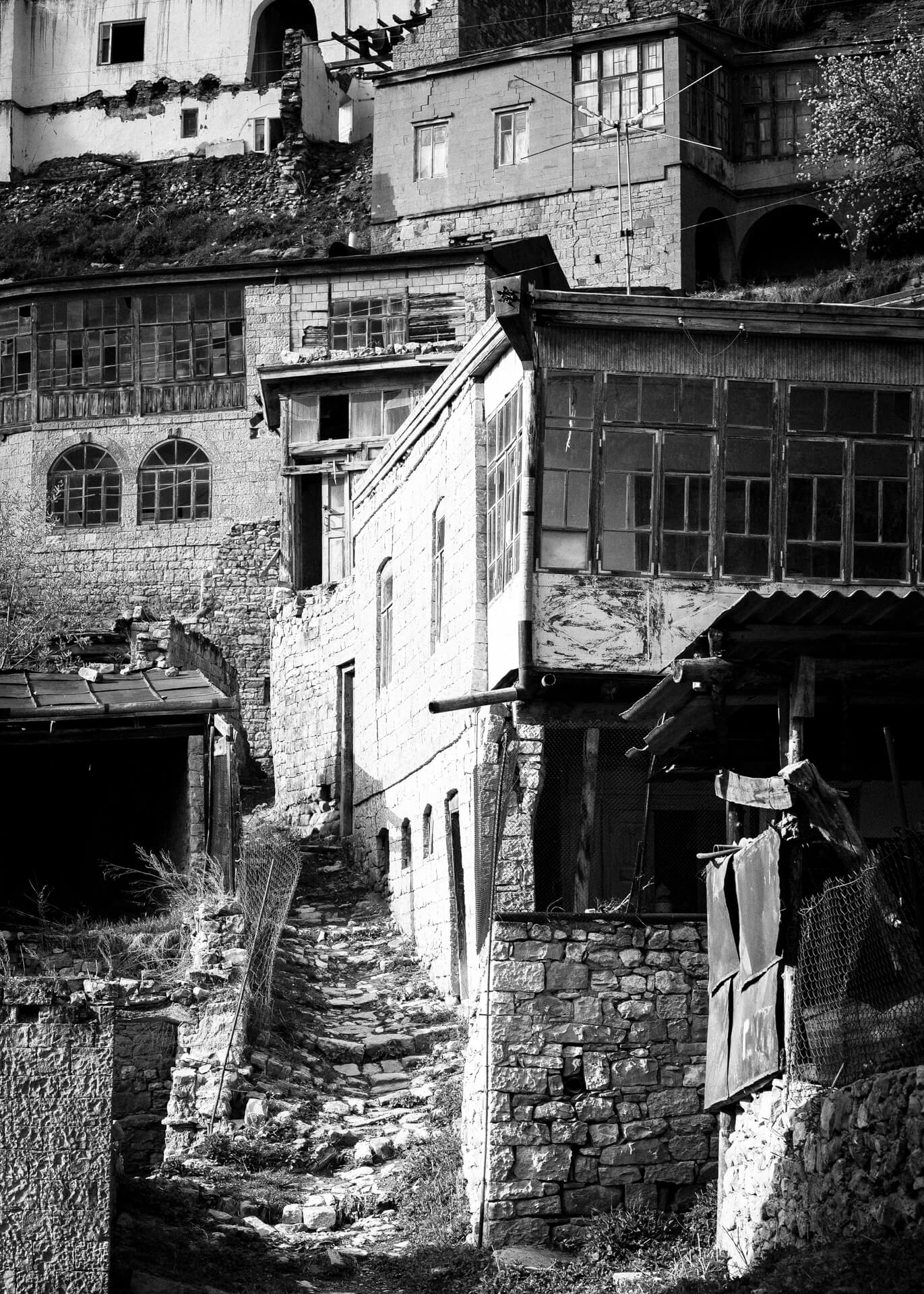
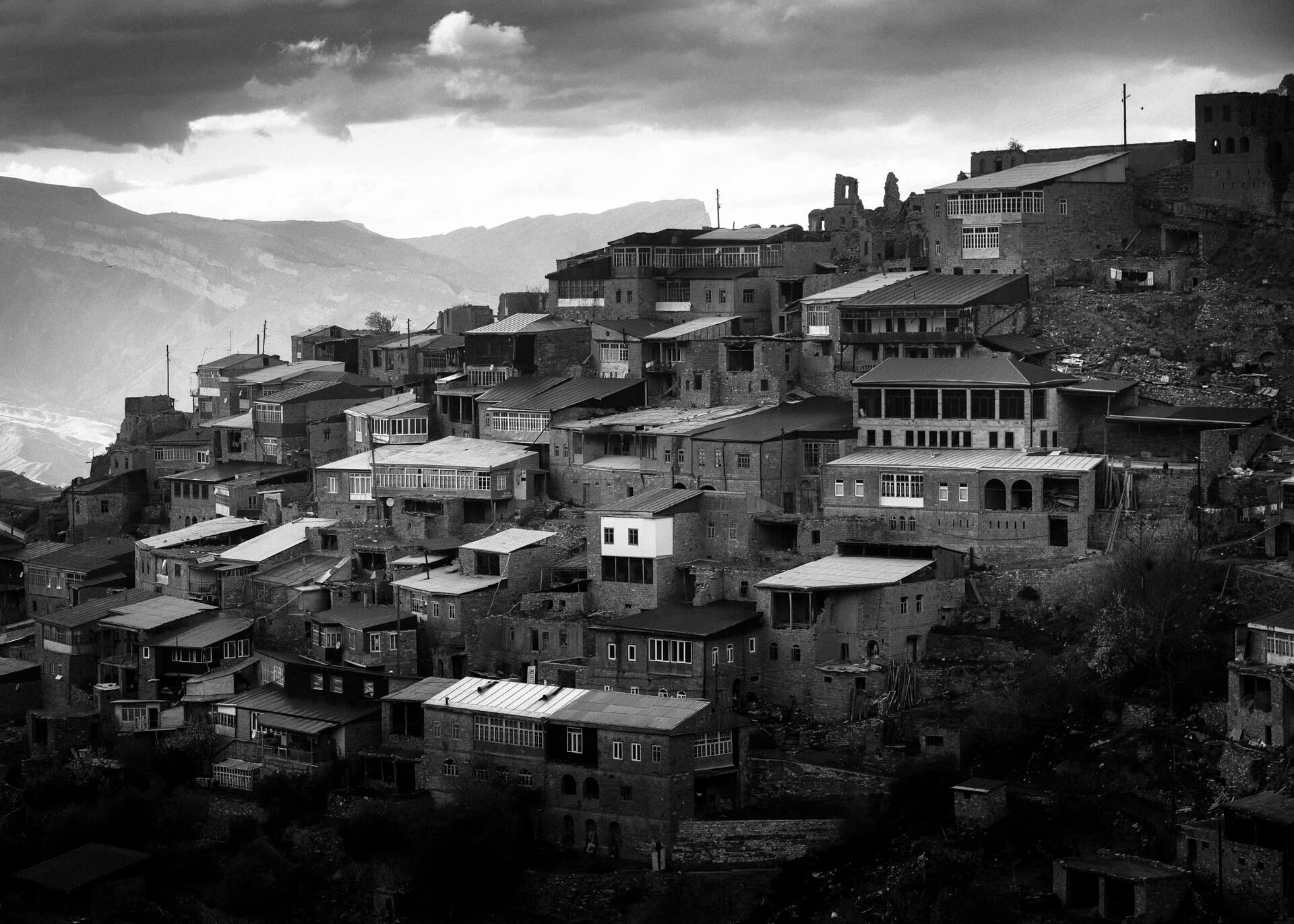
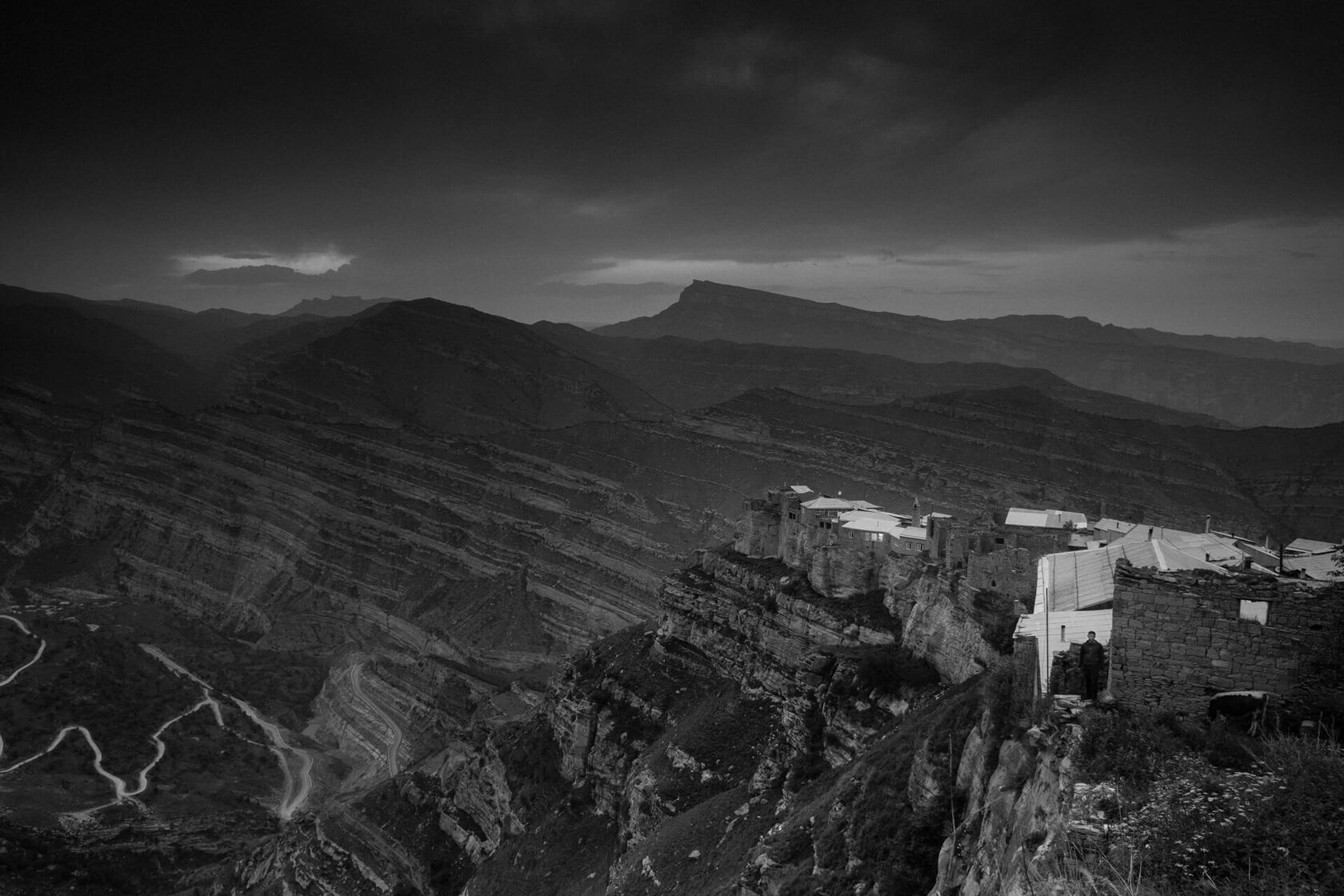
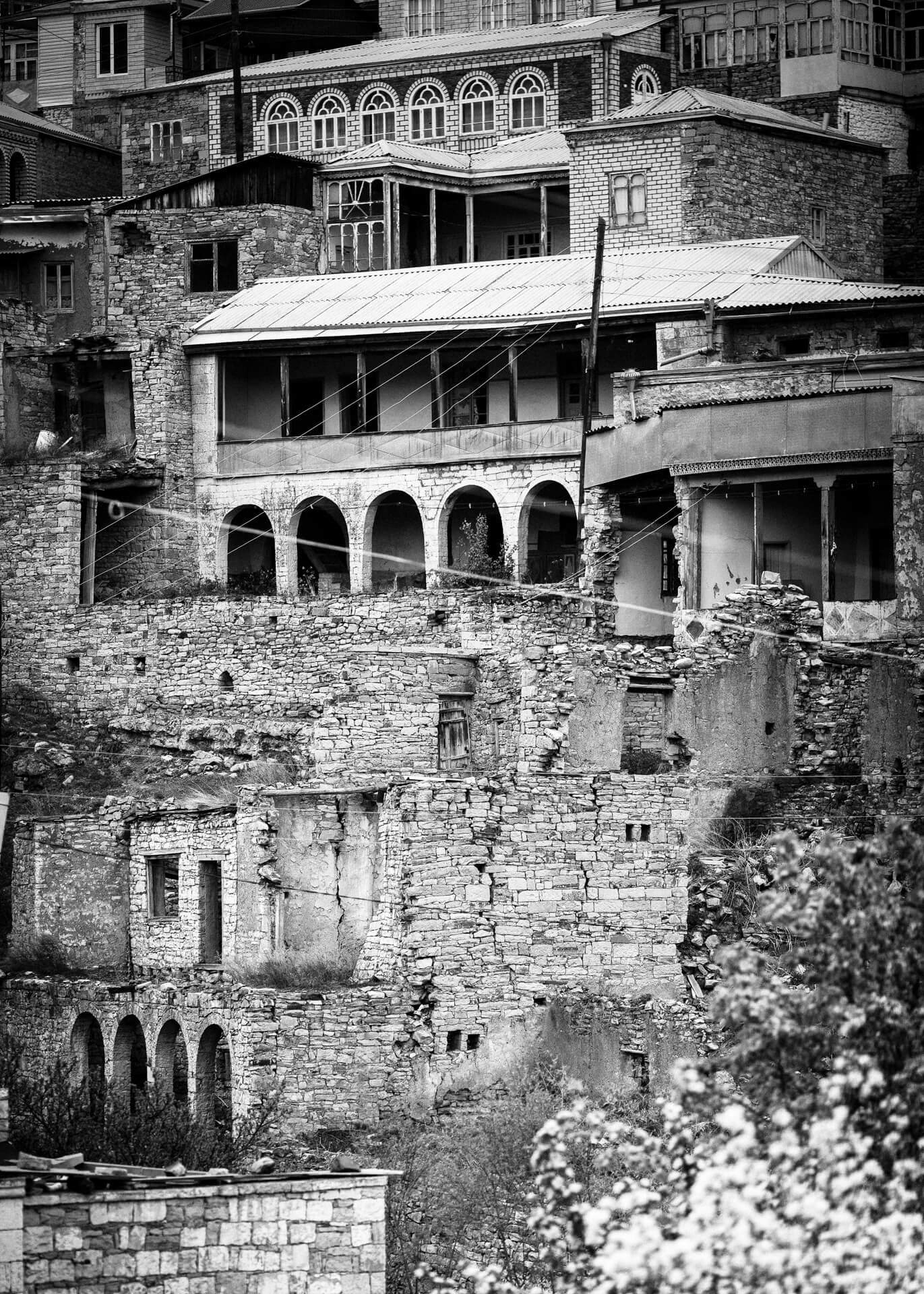
Built into the mountainside, it resembled a medieval fortress lifted straight from the set of a historical film. I slipped away from the group and wandered alone through its narrow streets with my camera. Eventually I climbed to a higher viewpoint. Houses and terraces clung to the slope, climbing one above another until the entire village seemed to rise into the sky like some enchanted mushroom, its rooftops glowing in the last rays of sunlight.
The view was breathtaking.
Clouds hid the sun, yet beams of light broke through them, pulling the fairy-tale town out of the gathering dusk.
The opening photograph for the story had found itself.
At that moment I promised myself I would return.
When they drove us to the airport, Getinuaz warmly invited me to come back as his guest.
I smiled.
"Thank you. I'll be back soon. It was a pleasure meeting you."
I did exactly the same thing now.
I held my breath.
And squeezed the trigger.
The bottle burst soundlessly into a glittering cloud of shattered glass.
The man was speechless.
He left me alone for the rest of the evening.
The following day, quite unexpectedly, everyone seemed to have grown tired of drinking, and we were taken to visit the mountain villages surrounding Gunib. The one that remained with me was Chokh.
Built into the mountainside, it resembled a medieval fortress lifted straight from the set of a historical film. I slipped away from the group and wandered alone through its narrow streets with my camera. Eventually I climbed to a higher viewpoint. Houses and terraces clung to the slope, climbing one above another until the entire village seemed to rise into the sky like some enchanted mushroom, its rooftops glowing in the last rays of sunlight.
The view was breathtaking.
Clouds hid the sun, yet beams of light broke through them, pulling the fairy-tale town out of the gathering dusk.
The opening photograph for the story had found itself.
At that moment I promised myself I would return.
When they drove us to the airport, Getinuaz warmly invited me to come back as his guest.
I smiled.
"Thank you. I'll be back soon. It was a pleasure meeting you."
THE RIFLE.
I found myself in Dagestan on assignment for Condé Nast Traveller. It was a promotional tour organized by some government ministry or other - I honestly cannot remember which one. Things tend to be rather complicated there, and I never made much effort to untangle them. Our group included prominent figures from the worlds of glossy magazines and business. I remember being greeted by a minister and a jeep full of armed guards. They drove demonstratively through the city without paying the slightest attention to traffic regulations. By then I had learned not to be surprised by anything, so I simply watched the world passing by.
We were heading into the mountains, to Gunib, the administrative center of the district. Mountainous Dagestan, the homeland of the Avar people, is entirely different from the Dagestan that stretches along the Caspian Sea. Even the people seem different. The Avars are tall, broad-shouldered, remarkably warm, and genuinely hospitable.
Read more
I found myself in Dagestan on assignment for Condé Nast Traveller. It was a promotional tour organized by some government ministry or other - I honestly cannot remember which one. Things tend to be rather complicated there, and I never made much effort to untangle them. Our group included prominent figures from the worlds of glossy magazines and business. I remember being greeted by a minister and a jeep full of armed guards. They drove demonstratively through the city without paying the slightest attention to traffic regulations. By then I had learned not to be surprised by anything, so I simply watched the world passing by.
We were heading into the mountains, to Gunib, the administrative center of the district. Mountainous Dagestan, the homeland of the Avar people, is entirely different from the Dagestan that stretches along the Caspian Sea. Even the people seem different. The Avars are tall, broad-shouldered, remarkably warm, and genuinely hospitable.
Read more
Contacts
*Instagram is owned by Meta, an organization recognized as extremist and banned in the Russian Federation
*Instagram is owned by Meta, an organization recognized as extremist and banned in the Russian Federation
©2026.