0%
Prints
materials.
If you would like to purchase a work for your home, office, or collection, please select the series that interests you and get in touch with me to discuss available sizes, finishing options, and pricing.
If you would like to purchase a work for your home, office, or collection, please select the series that interests you and get in touch with me to discuss available sizes, finishing options, and pricing.
The series presented here features original photographs taken in different countries around the world over the course of many years. Each photograph is available as a museum-quality fine art print, produced using professional-grade archival
The series presented here features original photographs taken in different countries around the world over the course of many years. Each photograph is available as a museum-quality fine art print, produced using professional-grade archival materials.
If you would like to purchase a work for your home, office, or collection, please select the series that interests you and get in touch with me to discuss available sizes, finishing options, and pricing.
If you would like to purchase a work for your home, office, or collection, please select the series that interests you and get in touch with me to discuss available sizes, finishing options, and pricing.
Russian Harbin. 2009
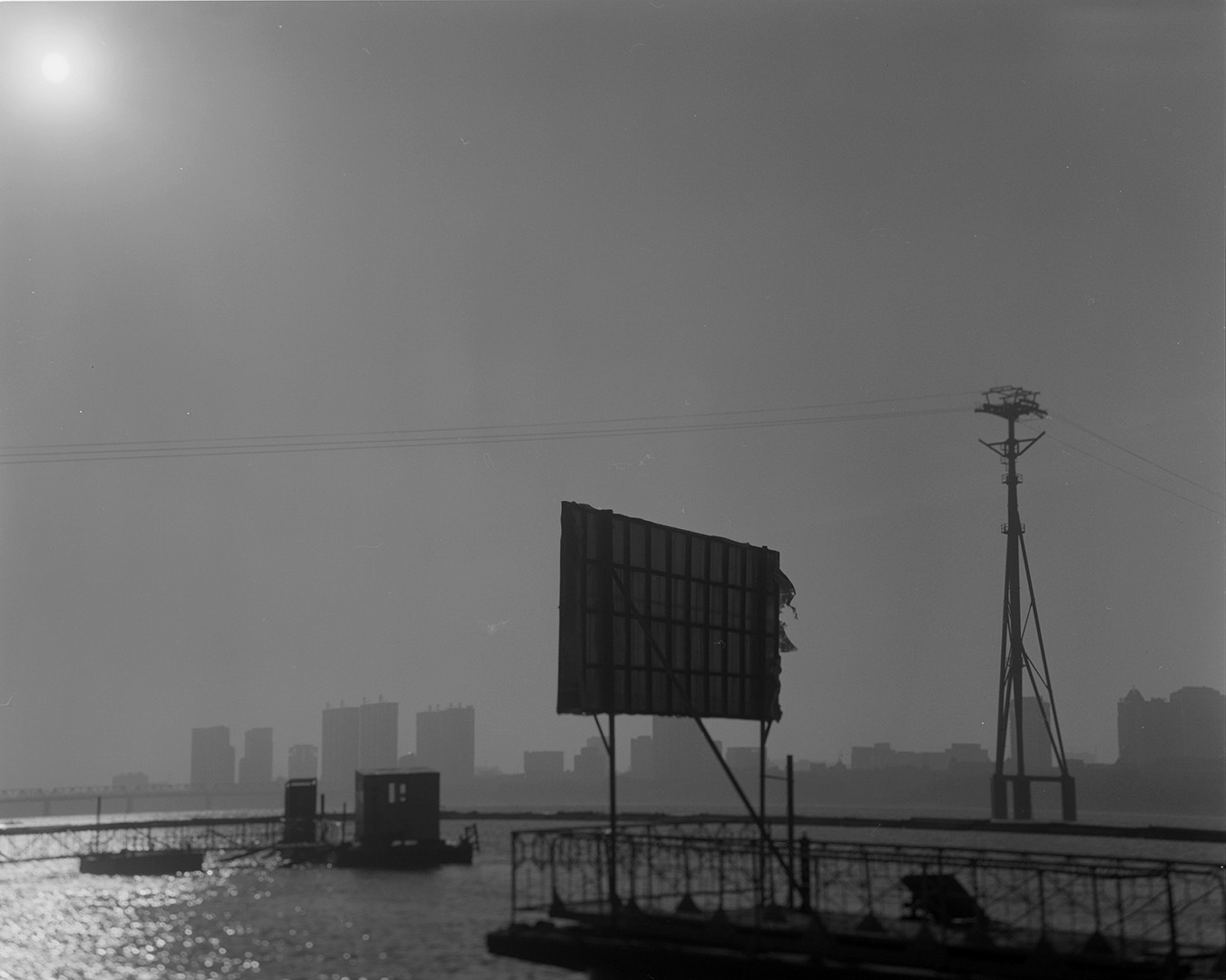
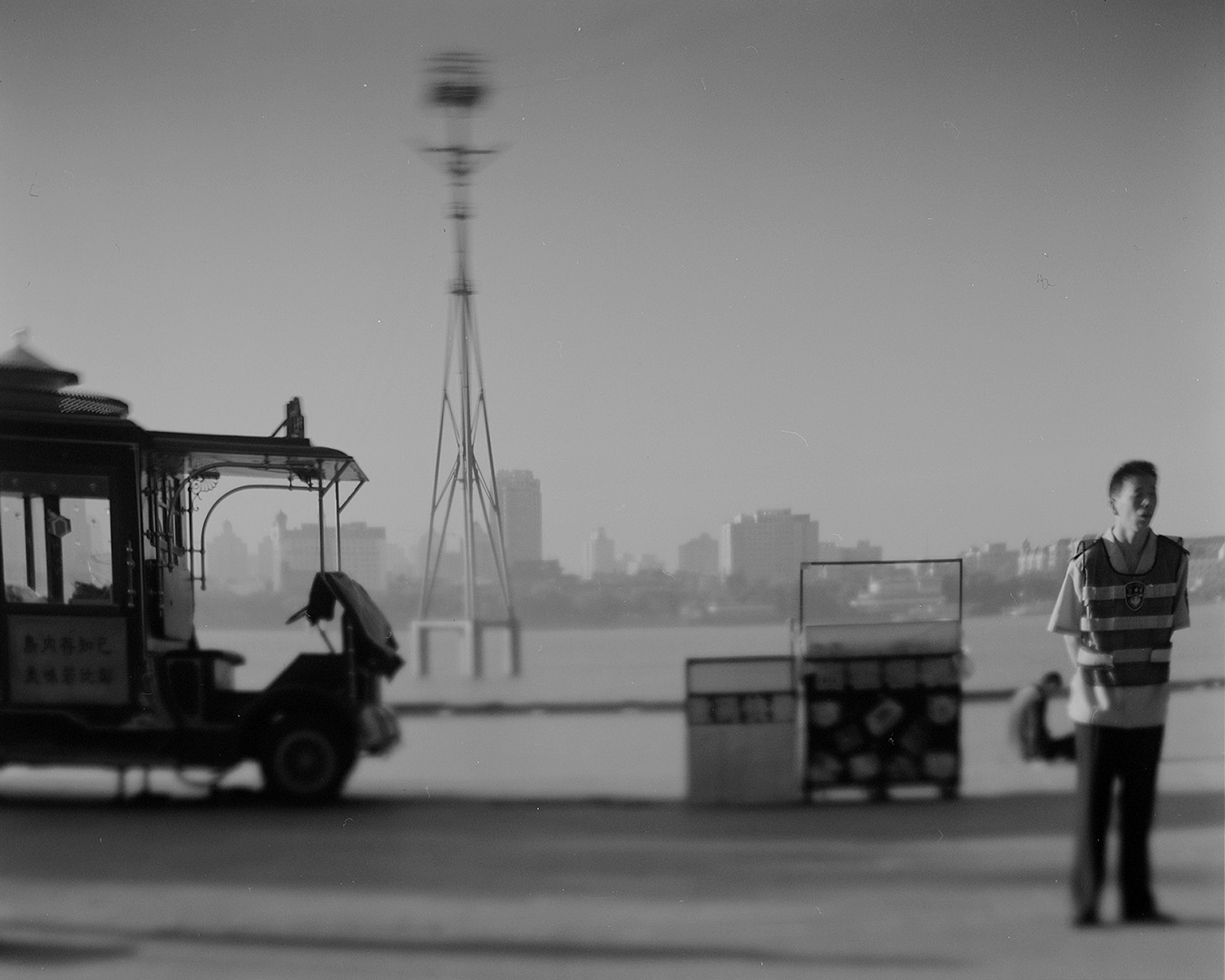
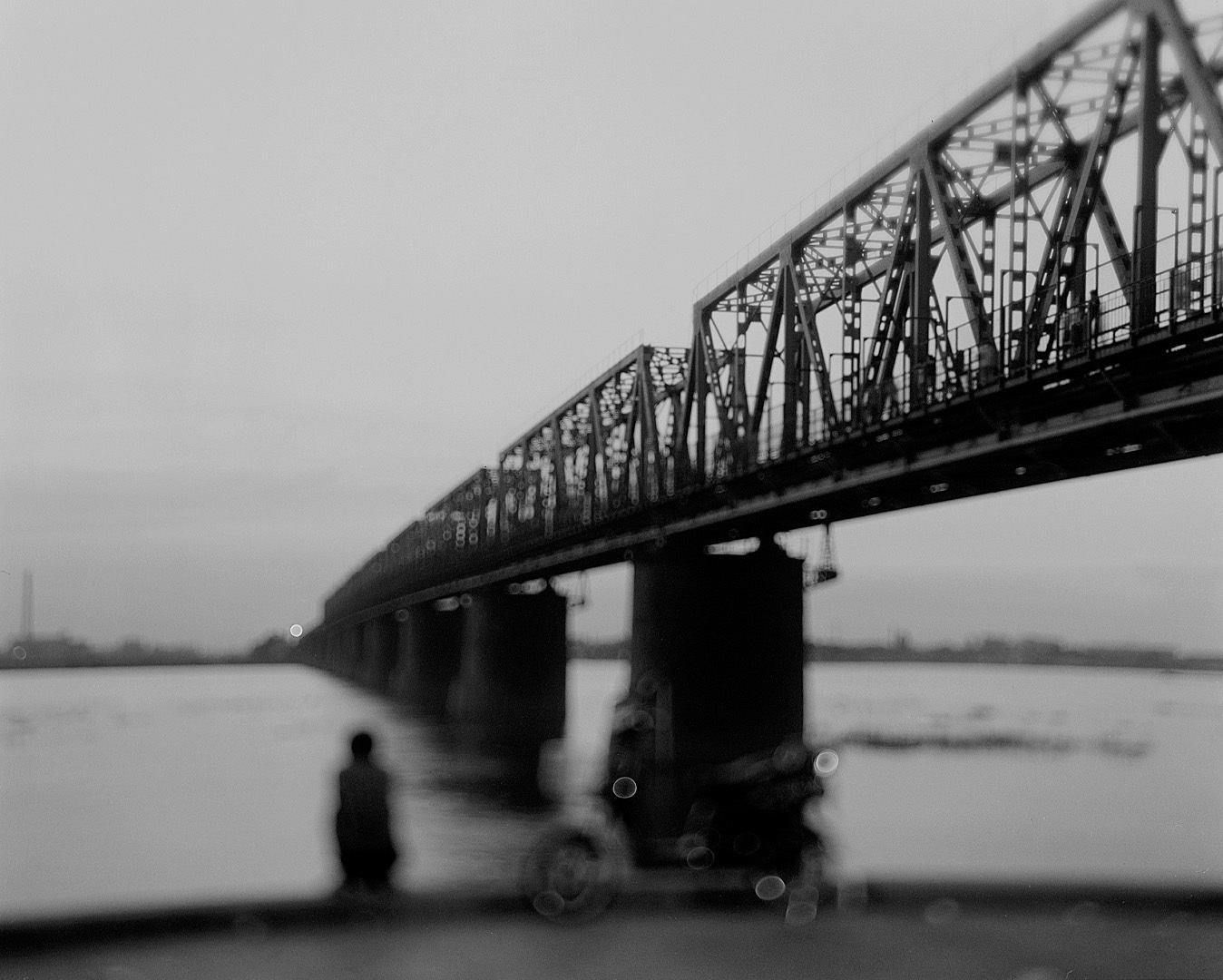
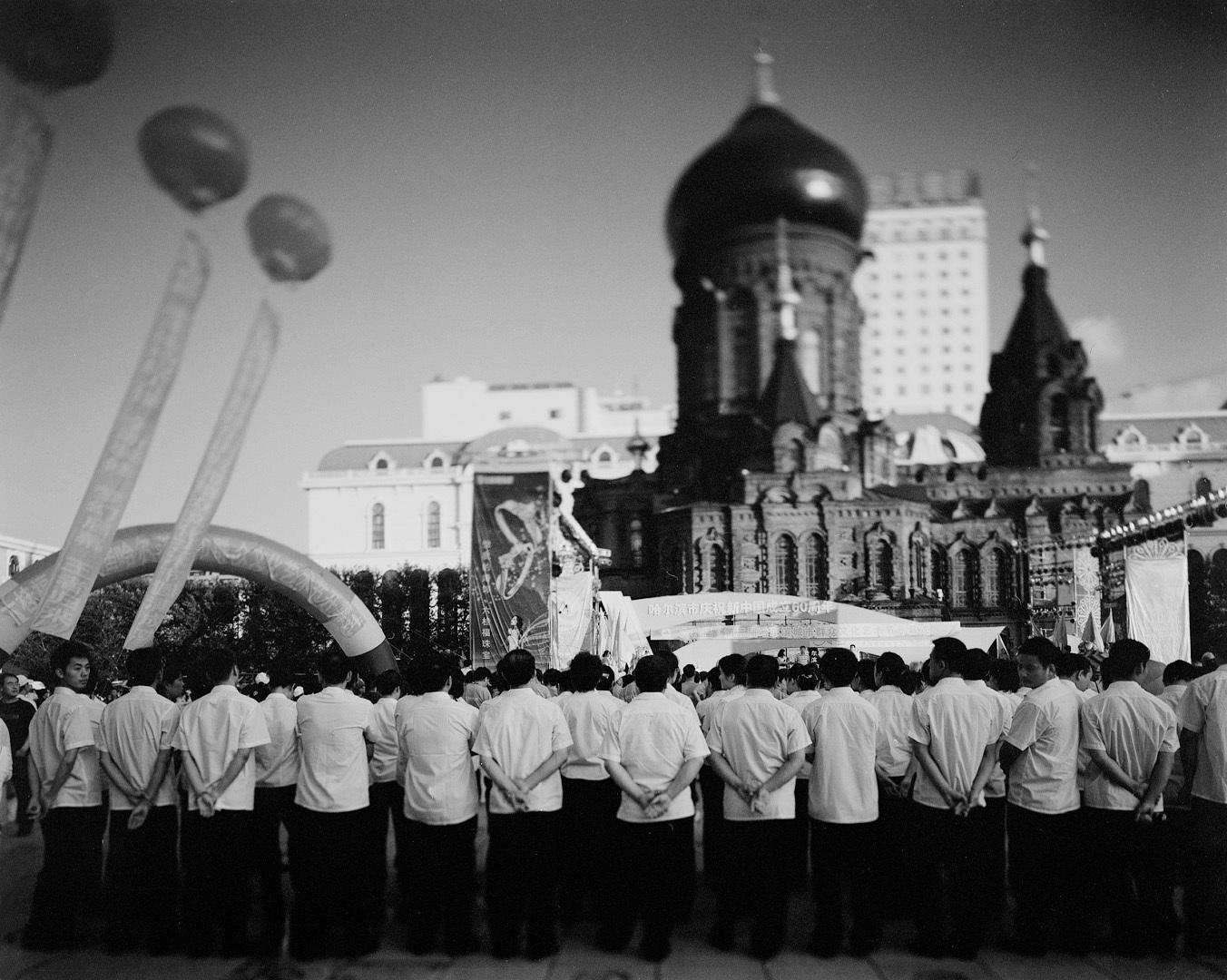
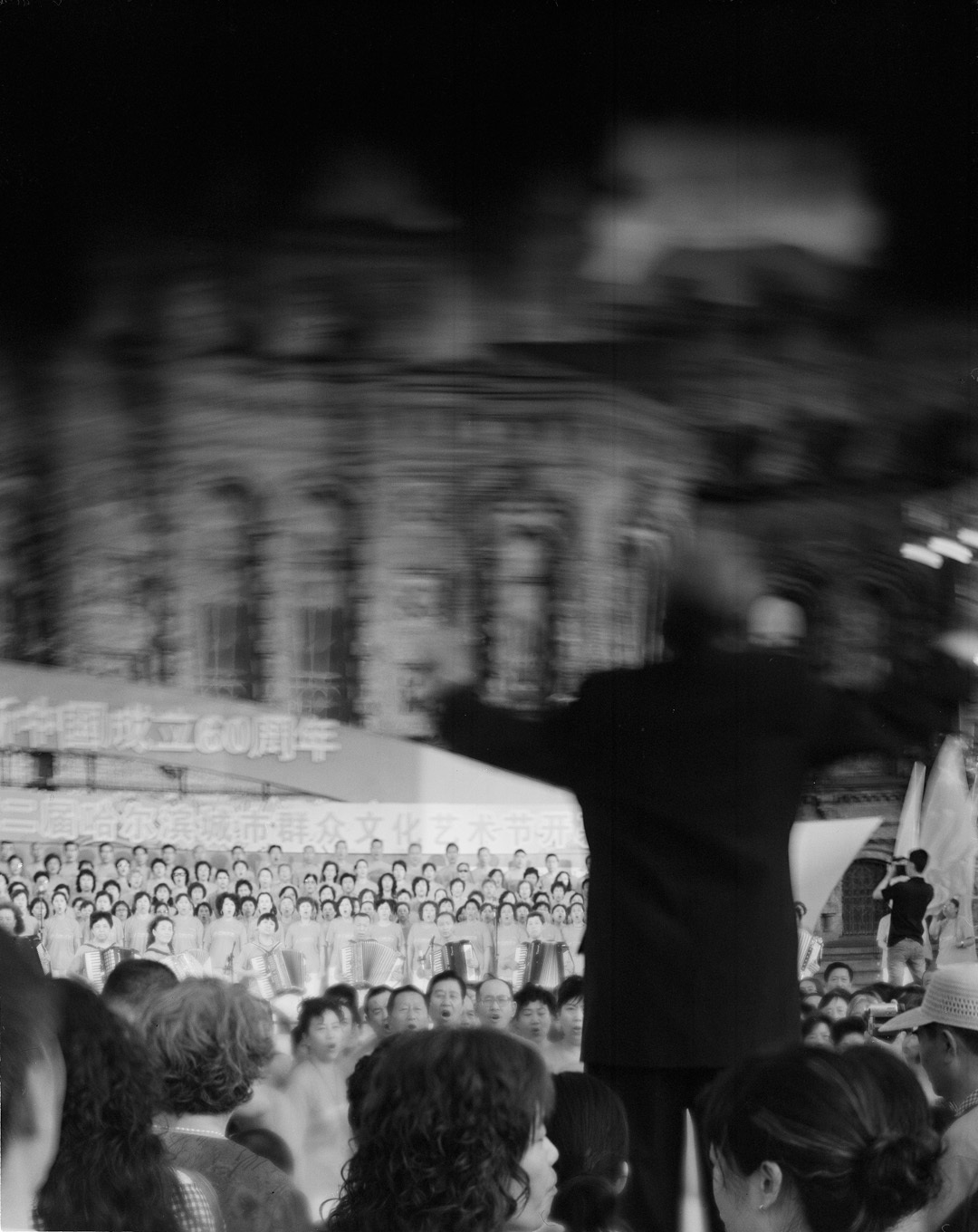
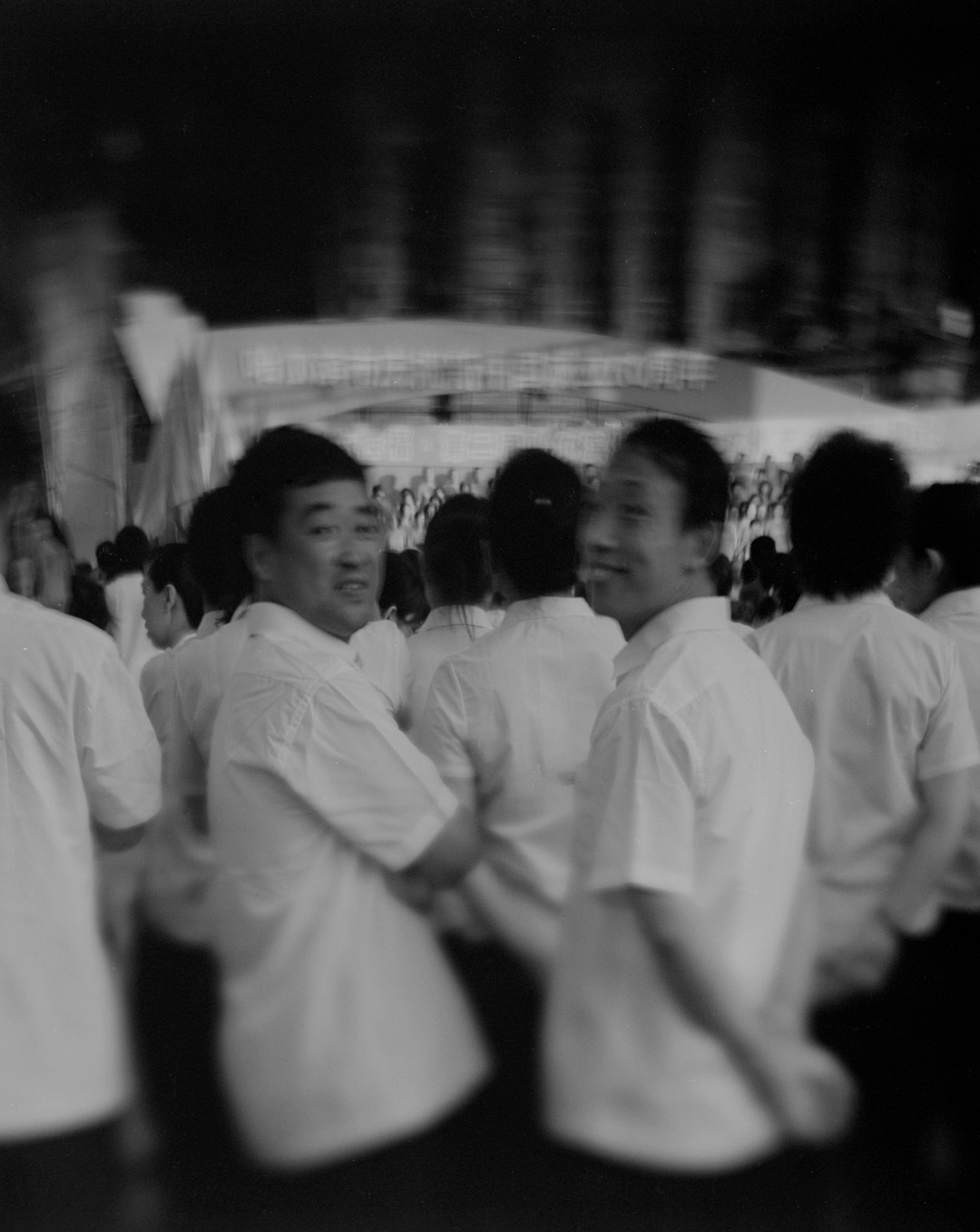
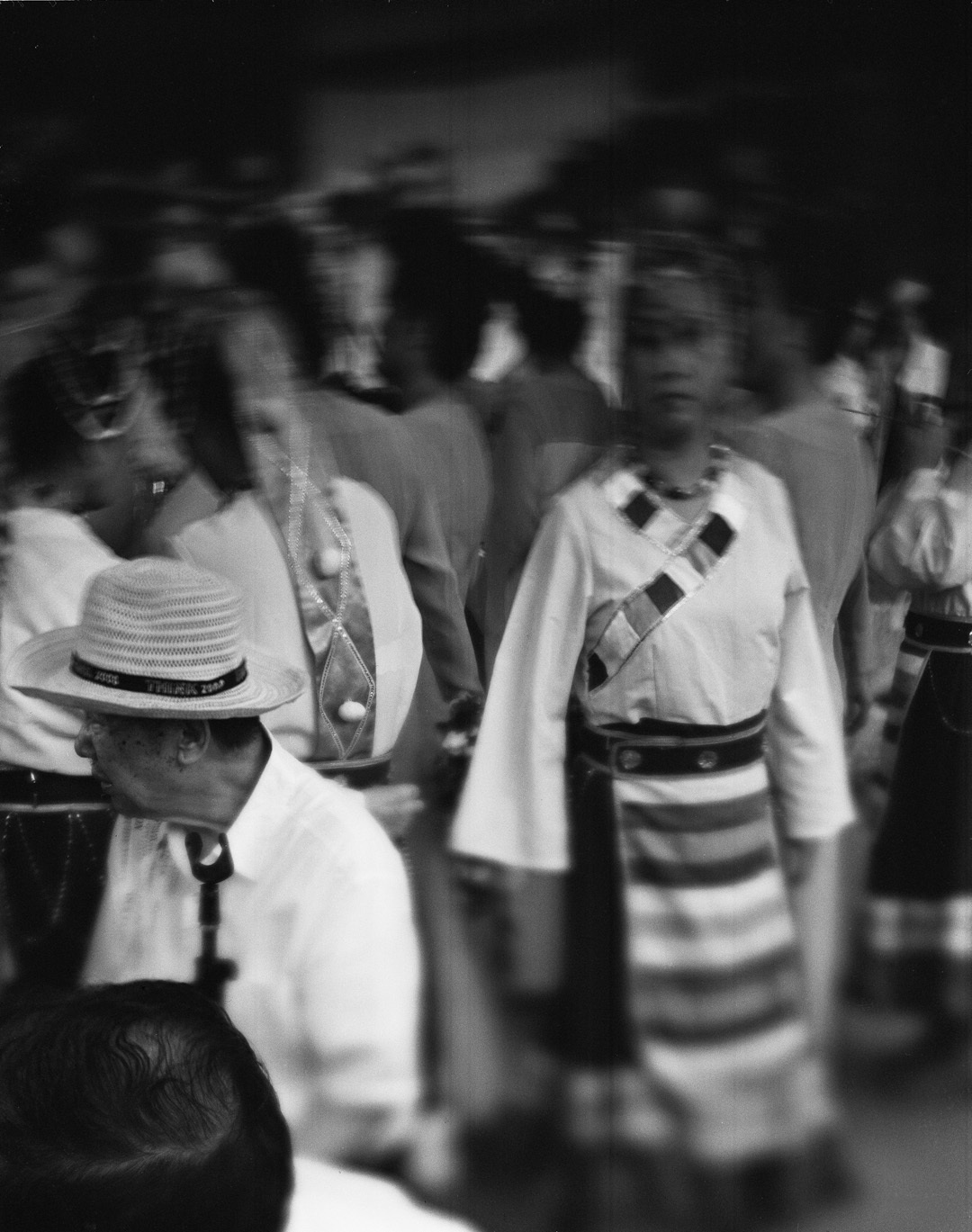
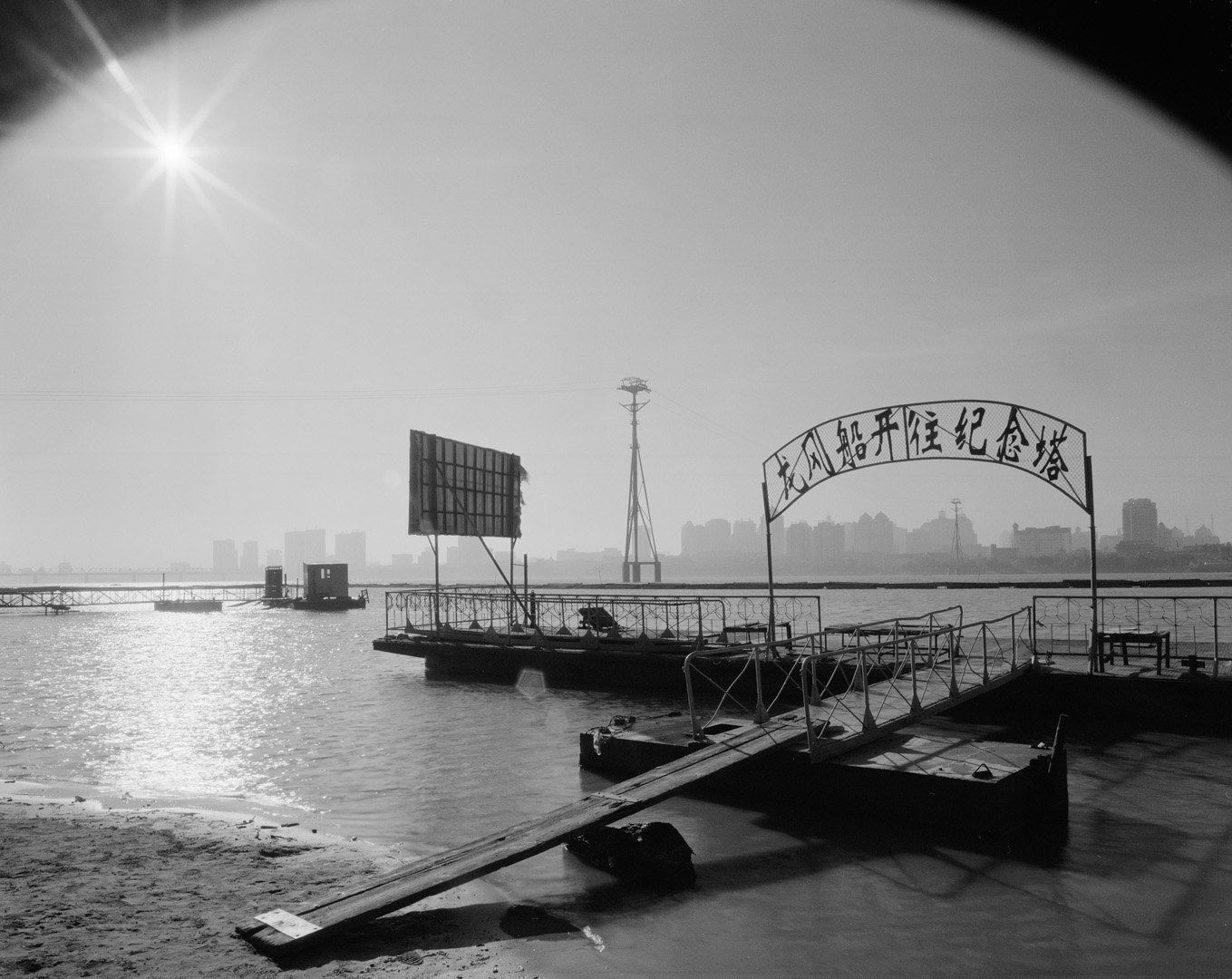
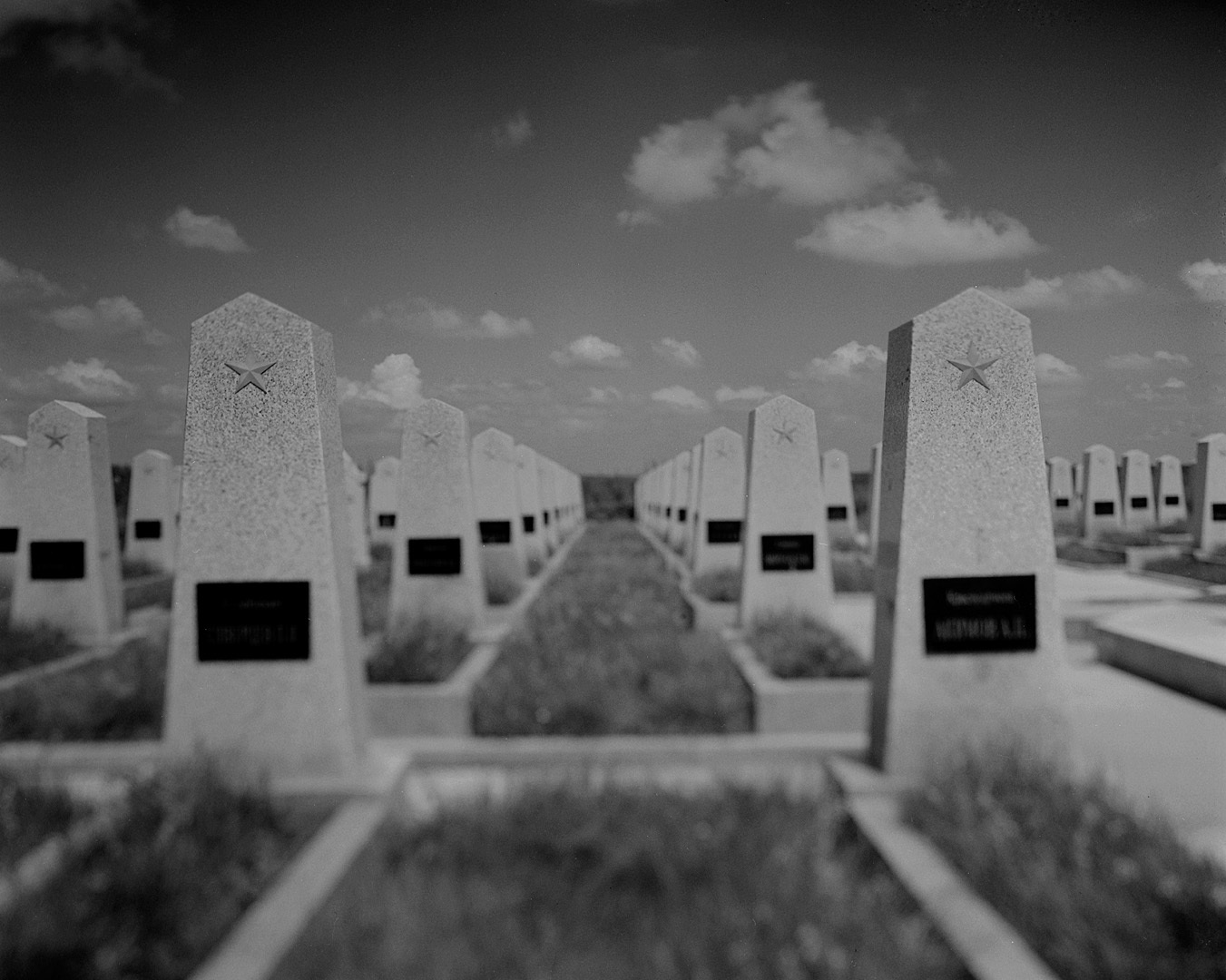
…Russian Harbin was founded in 1898, growing out of a small village with the construction of the Chinese Eastern Railway (CER). In December 1918, during the Russian Civil War, defeated White Army soldiers and refugees retreated to the city, turning it into a major center of Russian emigration. The Orthodox Cathedral of Saint Sophia became one of its most recognizable landmarks… Today, Harbin is almost entirely Chinese, yet traces of its Russian cultural heritage remain. Cemeteries, churches, houses, and bridges — everything carries a certain nostalgia for a once-great empire…
In 2009, a Harbin newspaper wrote: “A new tourist entertainment center has opened on Sun Island, staffed by ethnic Russians. The village offers residents and tourists an opportunity
In 2009, a Harbin newspaper wrote: “A new tourist entertainment center has opened on Sun Island, staffed by ethnic Russians. The village offers residents and tourists an opportunity
to experience Russian culture. Singers, artists, and dancers from Vladivostok and Khabarovsk work there as performers and service staff…”
Russian Reporter magazine sent me to photograph this “Russian” village. I arrived in Harbin. The Russian Village looked like a pitiful theatrical spectacle, a provincial amateur performance of “Russianness” staged for Chinese tourists. Vodka, kvass, black bread, and traditional Russian shirts… (Domestic tourism is extremely popular in China.)
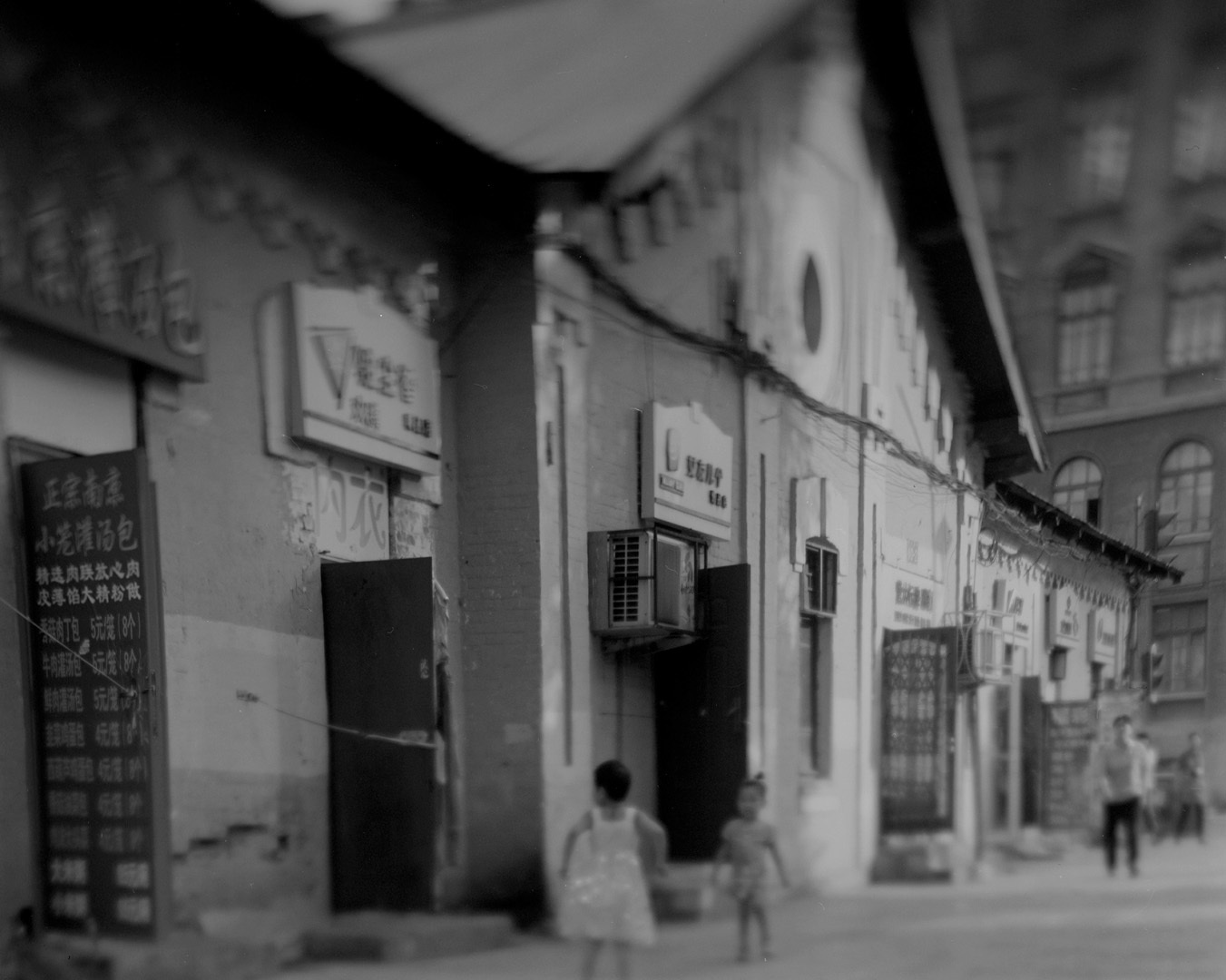
Leaving this circus behind, I went into the city center. An extraordinary feeling came over me. It was a surreal sight: an abandoned and occupied city. Architecturally, old Harbin looked like a nineteenth-century Russian town. BUT there was
Russian Reporter magazine sent me to photograph this “Russian” village. I arrived in Harbin. The Russian Village looked like a pitiful theatrical spectacle, a provincial amateur performance of “Russianness” staged for Chinese tourists. Vodka, kvass, black bread, and traditional Russian shirts… (Domestic tourism is extremely popular in China.)
Leaving this circus behind, I went into the city center. An extraordinary feeling came over me. It was a surreal sight: an abandoned and occupied city. Architecturally, old Harbin looked like a nineteenth-century Russian town. BUT there was
not a single Russian in sight! I felt as though I had entered a theater where someone had forgotten to change the scenery: the actors had left, while the audience had climbed onto the stage and simply stayed there to live.
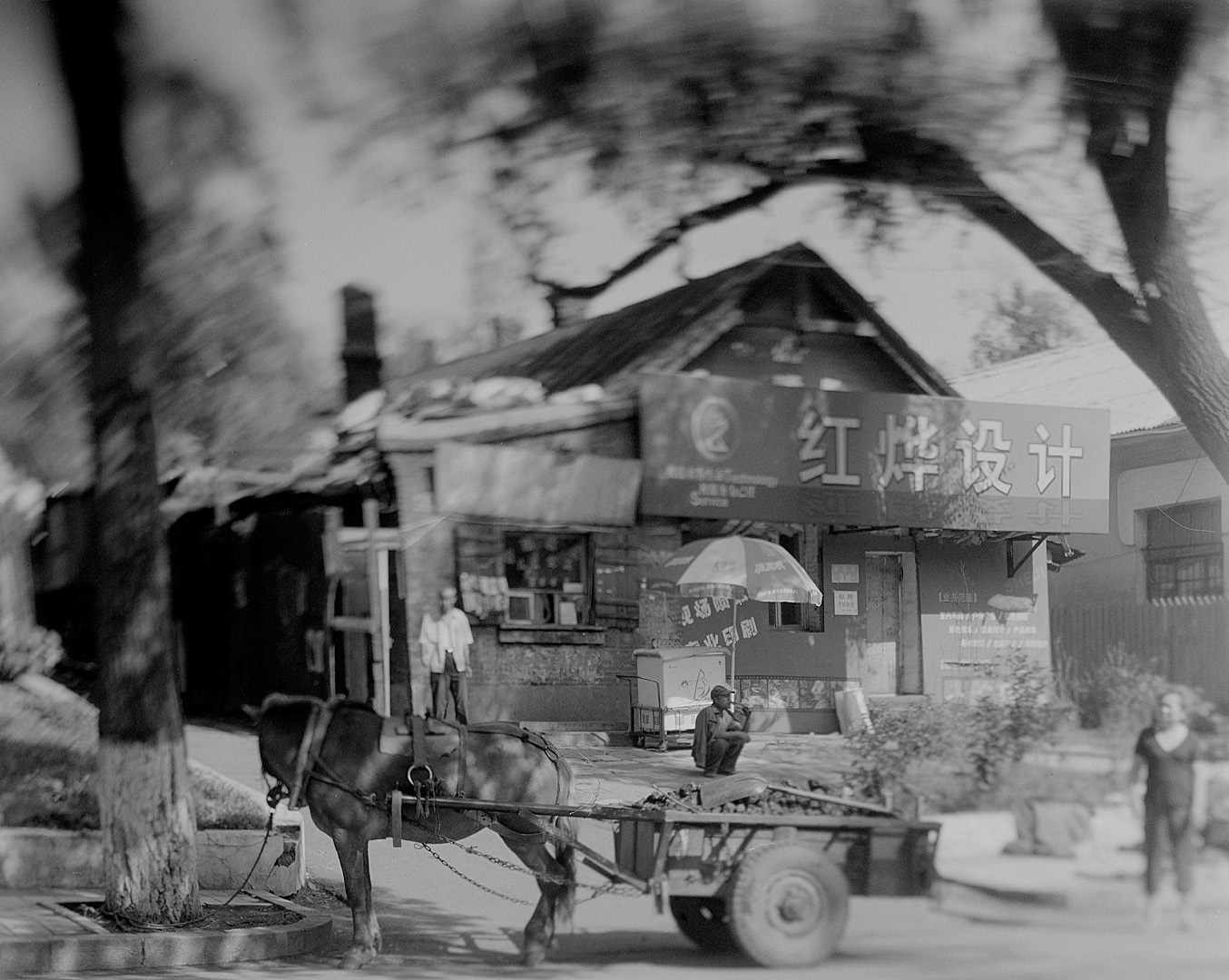
There was an entire neighborhood of Russian wooden houses built around 1900. Many of them apparently had no toilets, because I saw primitive outdoor latrines and Chinese residents bustling around in long underwear with towels… Advertisements covered in Chinese characters hung on the walls of old Russian wooden houses… This was the real Russian village — alive, smelling of everyday life, almost enough to bring tears to your eyes, but alive. Even without the Russians, who were now working as “ethnic Russians” over on Sun Island…
There was an entire neighborhood of Russian wooden houses built around 1900. Many of them apparently had no toilets, because I saw primitive outdoor latrines and Chinese residents bustling around in long underwear with towels… Advertisements covered in Chinese characters hung on the walls of old Russian wooden houses… This was the real Russian village — alive, smelling of everyday life, almost enough to bring tears to your eyes, but alive. Even without the Russians, who were now working as “ethnic Russians” over on Sun Island…
…Russian Harbin was founded in 1898, growing out of a small village with the construction of the Chinese Eastern Railway (CER). In December 1918, during the Russian Civil War, defeated White Army soldiers and refugees retreated to the city, turning it into a major center of Russian emigration. The Orthodox Cathedral of Saint Sophia became one of its most recognizable landmarks… Today, Harbin is almost entirely Chinese, yet traces of its Russian cultural heritage remain. Cemeteries, churches, houses, and bridges — everything carries a certain nostalgia for a once-great empire…
In 2009, a Harbin newspaper wrote: “A new tourist entertainment center has opened on Sun Island, staffed by ethnic Russians. The village offers residents and tourists an opportunity to experience Russian culture. Singers, artists, and dancers from Vladivostok and Khabarovsk work there as performers and service staff…”
Read more
In 2009, a Harbin newspaper wrote: “A new tourist entertainment center has opened on Sun Island, staffed by ethnic Russians. The village offers residents and tourists an opportunity to experience Russian culture. Singers, artists, and dancers from Vladivostok and Khabarovsk work there as performers and service staff…”
Read more
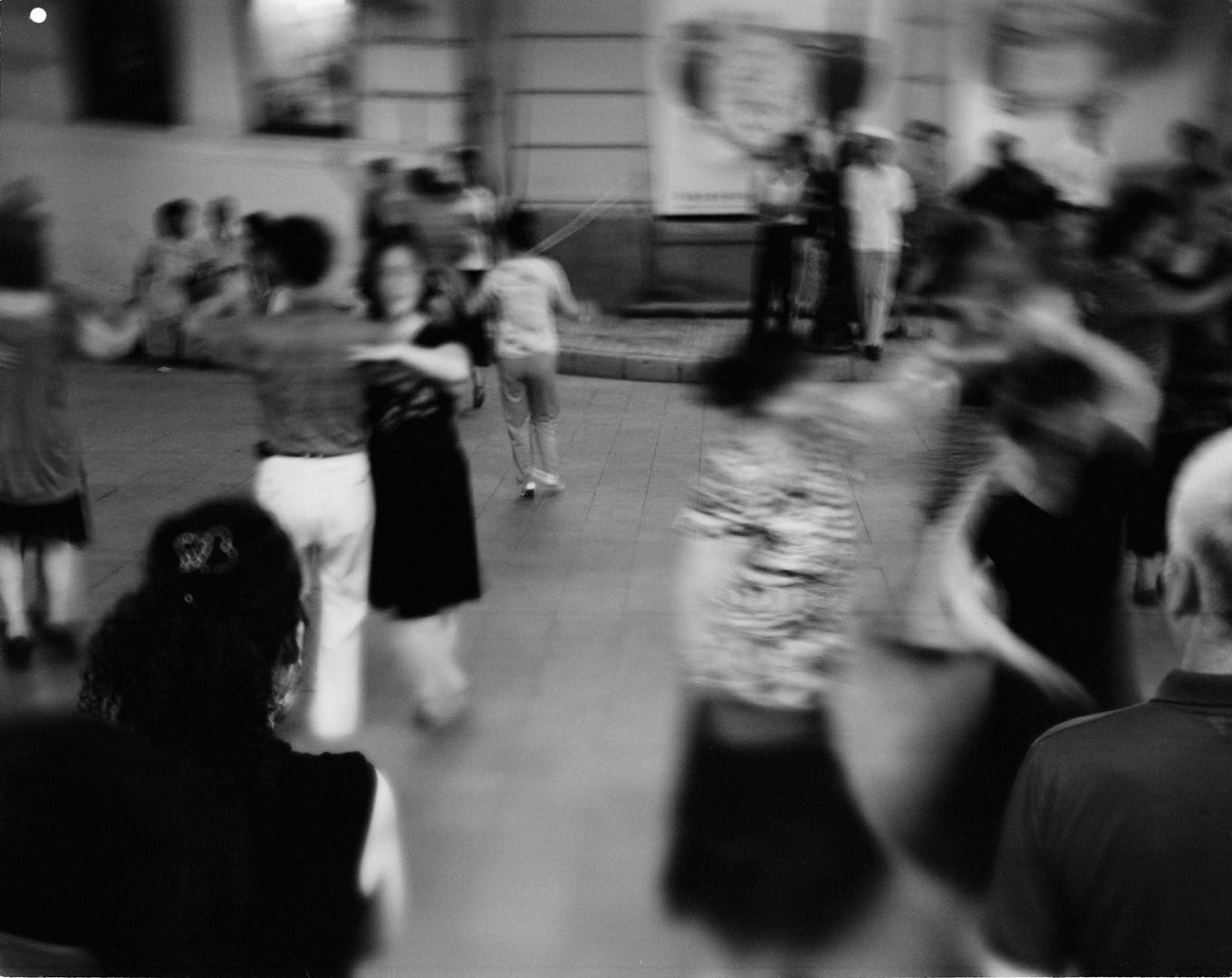
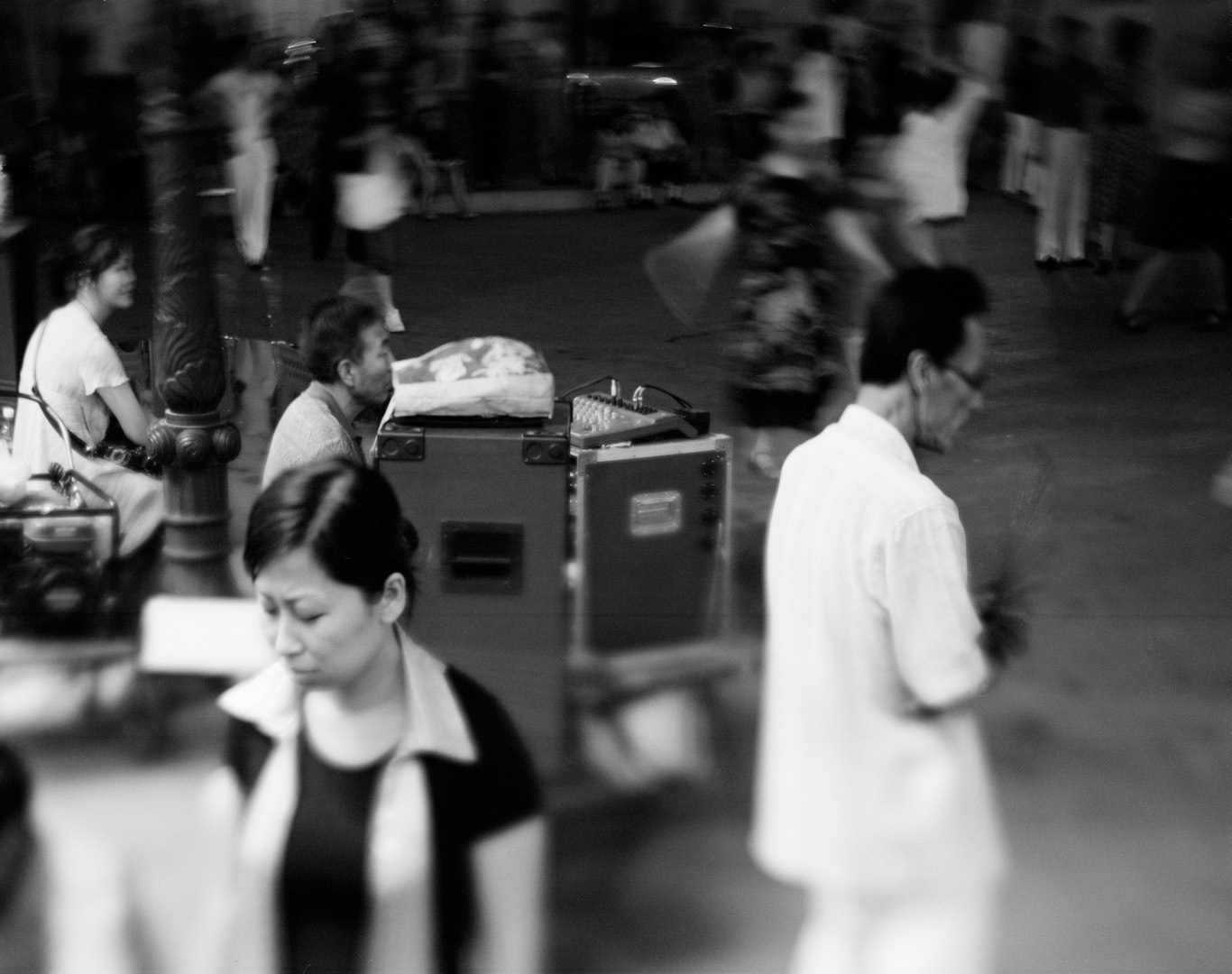
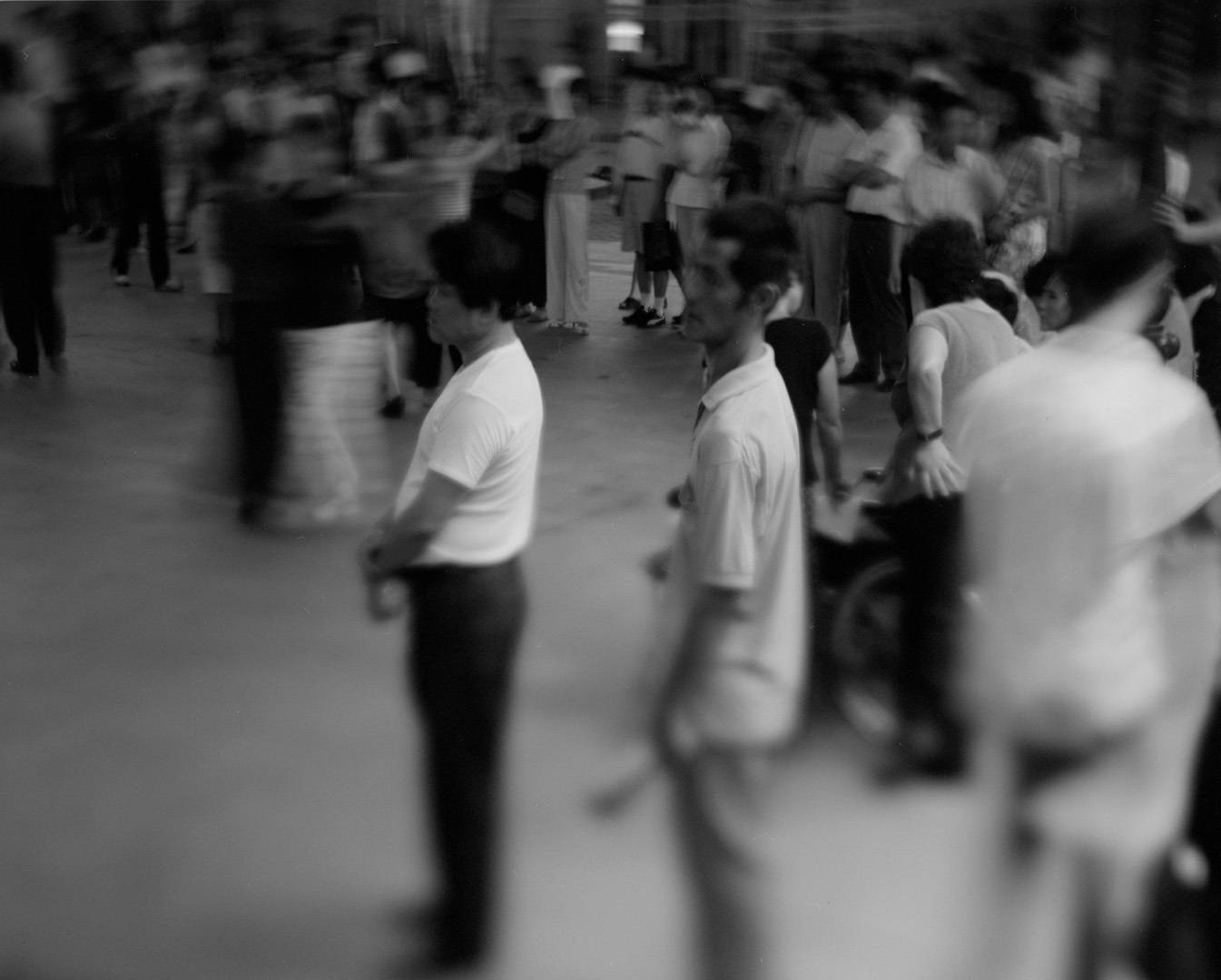
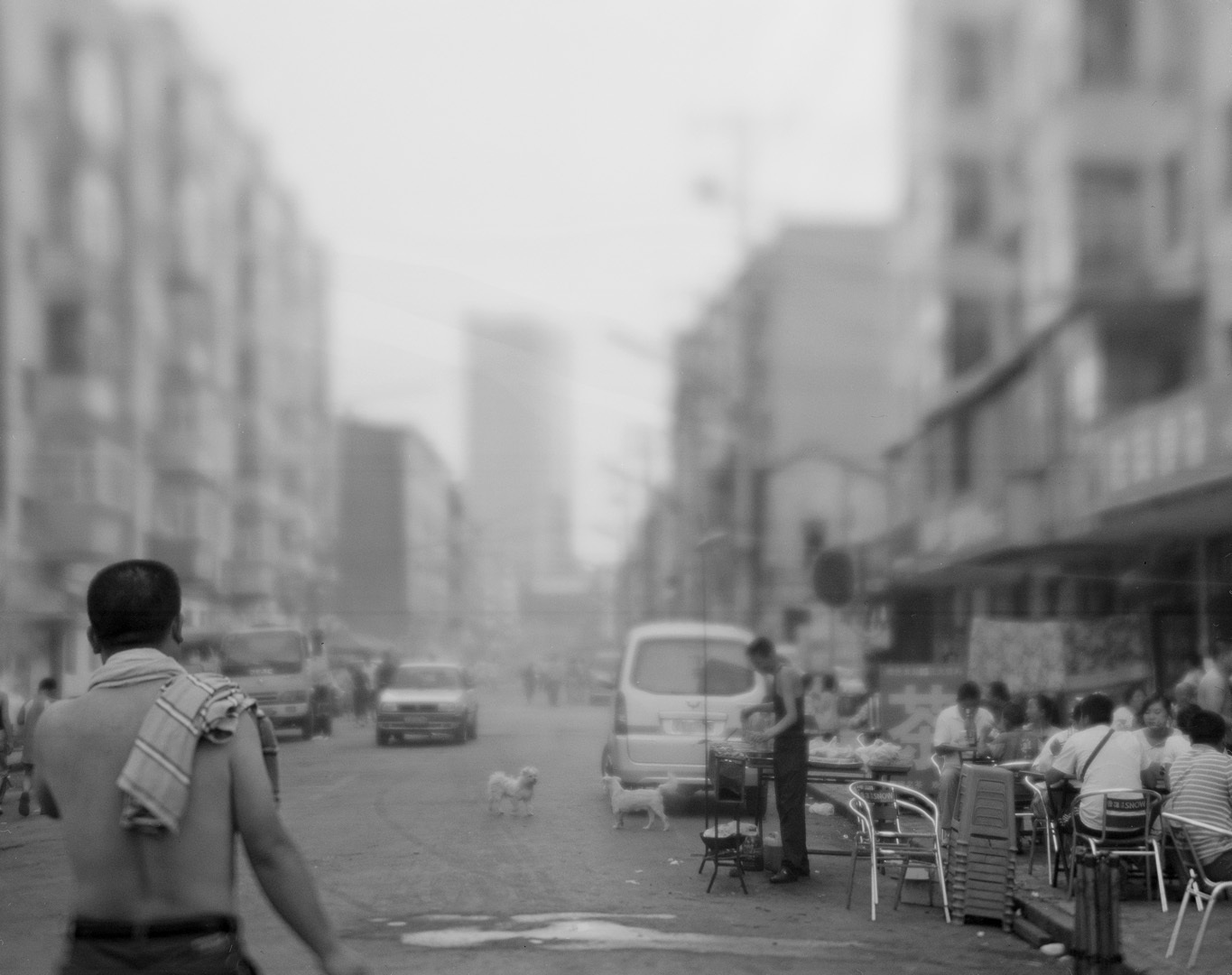
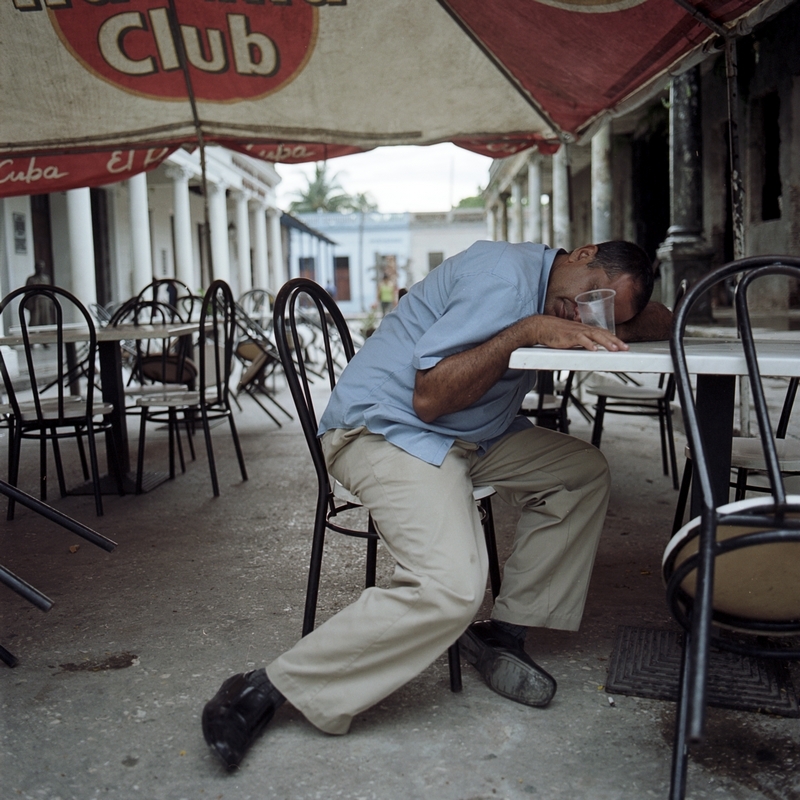
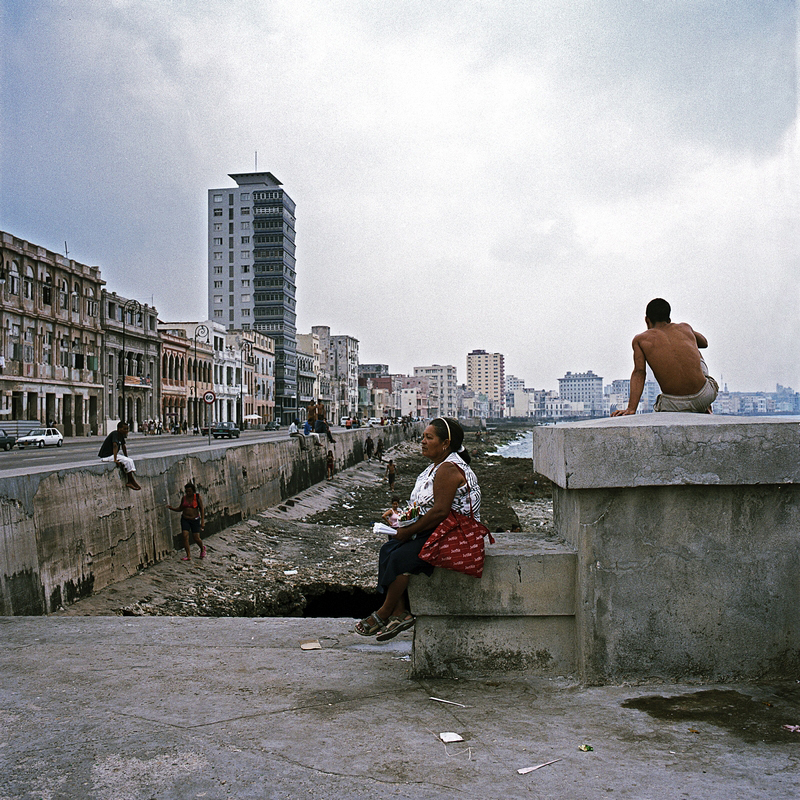
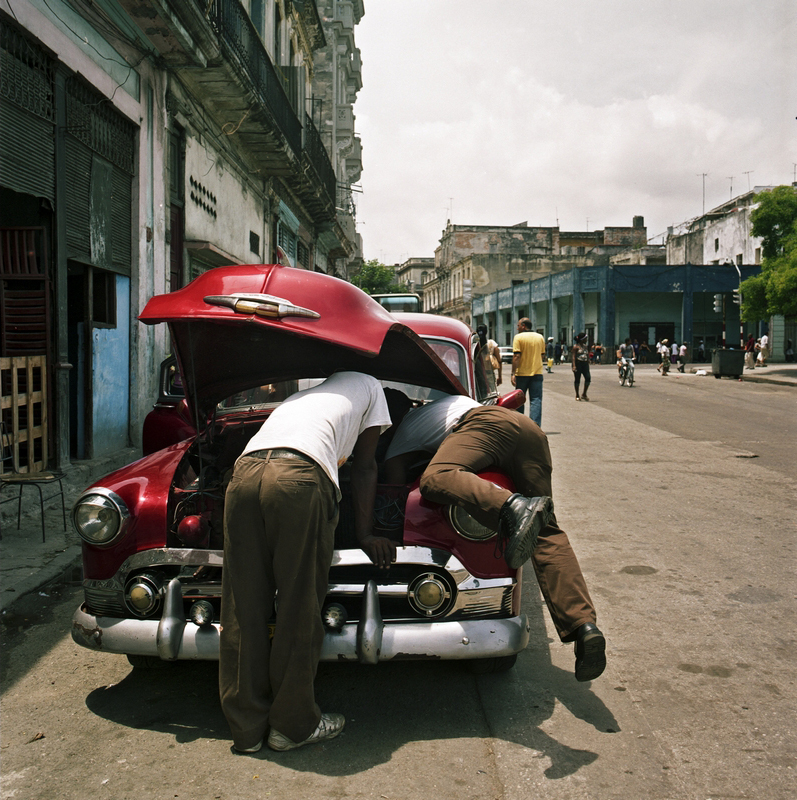
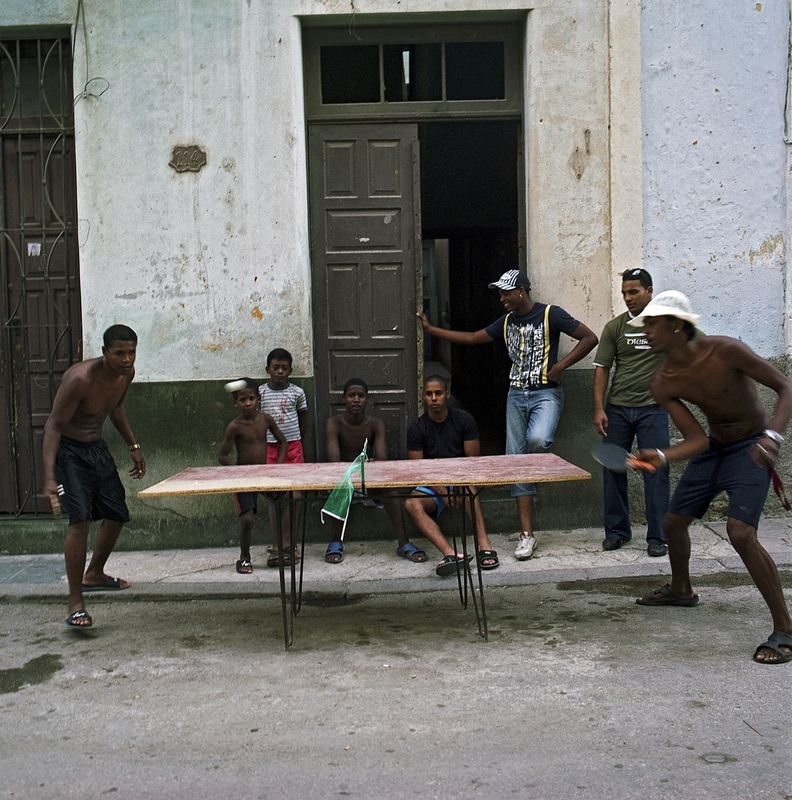
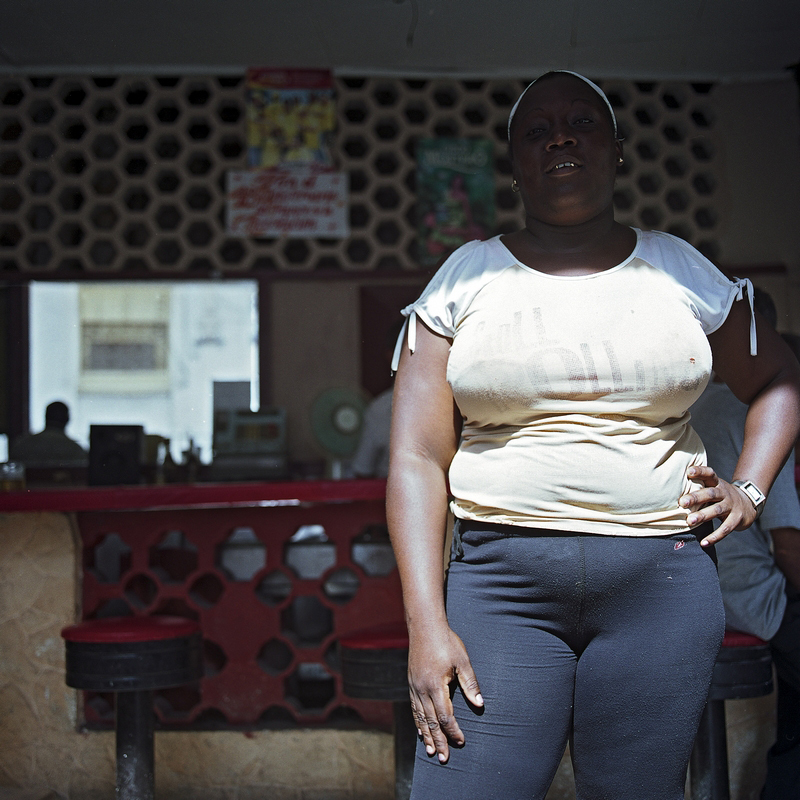
Havana. Black & White. 2007
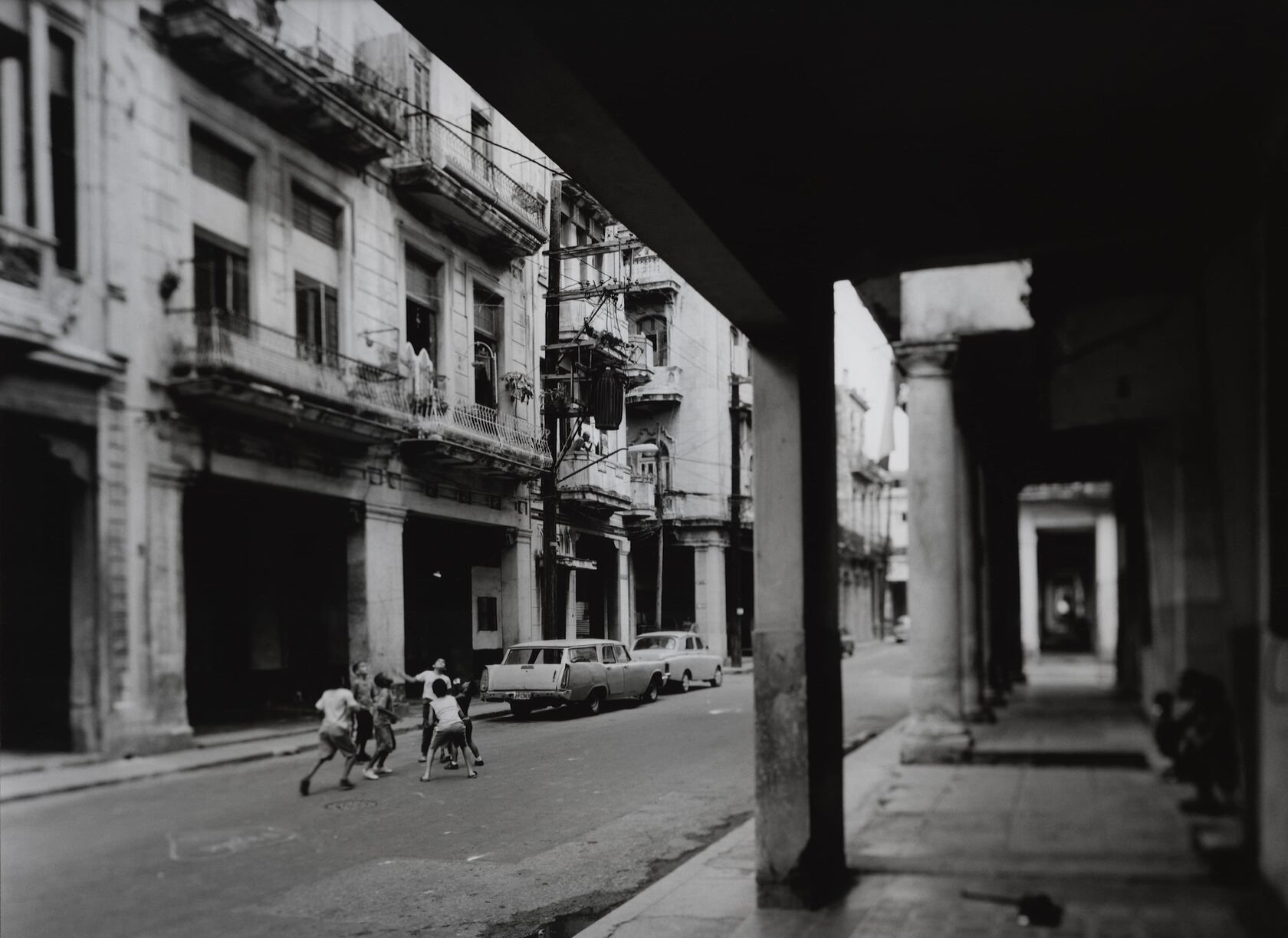
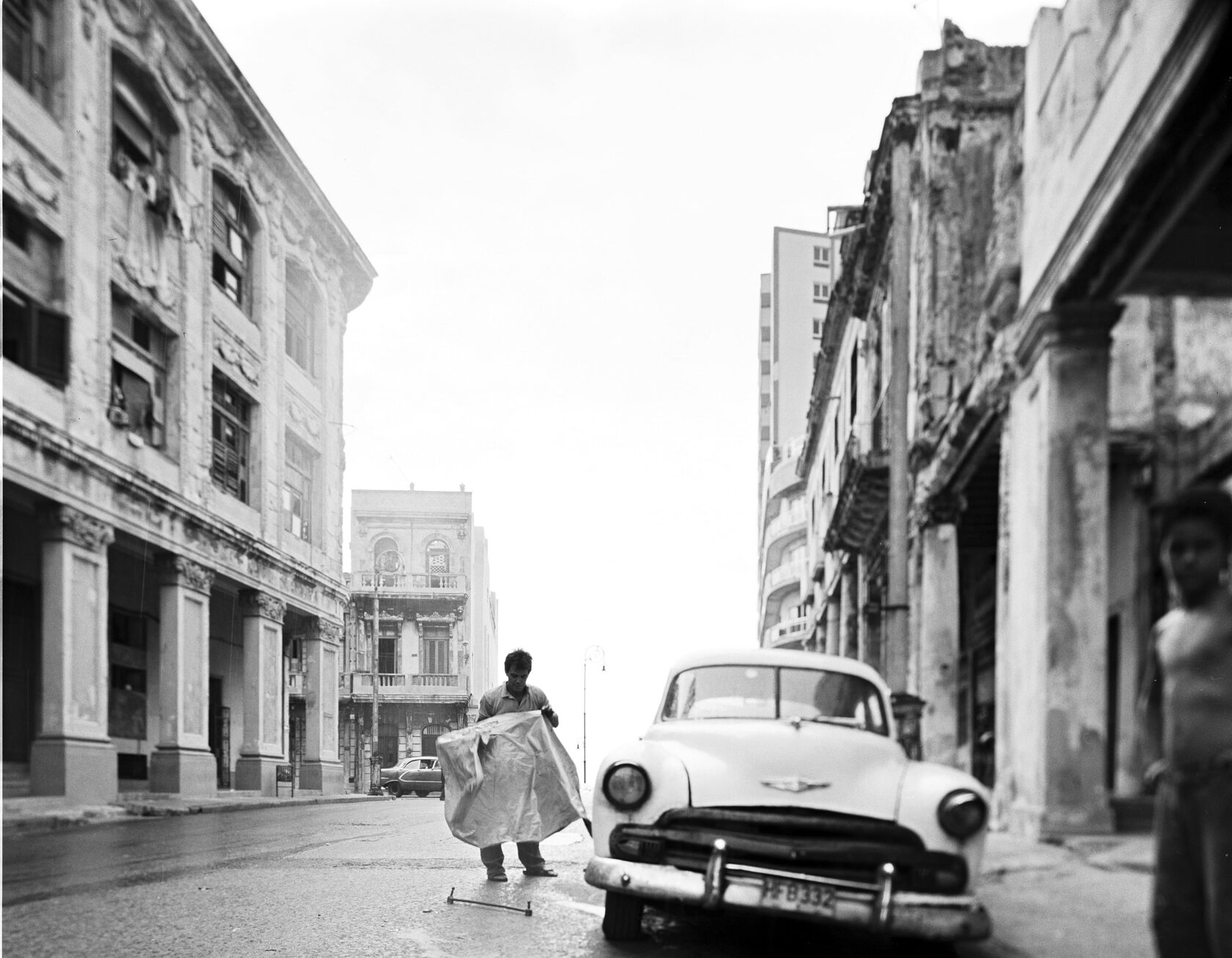
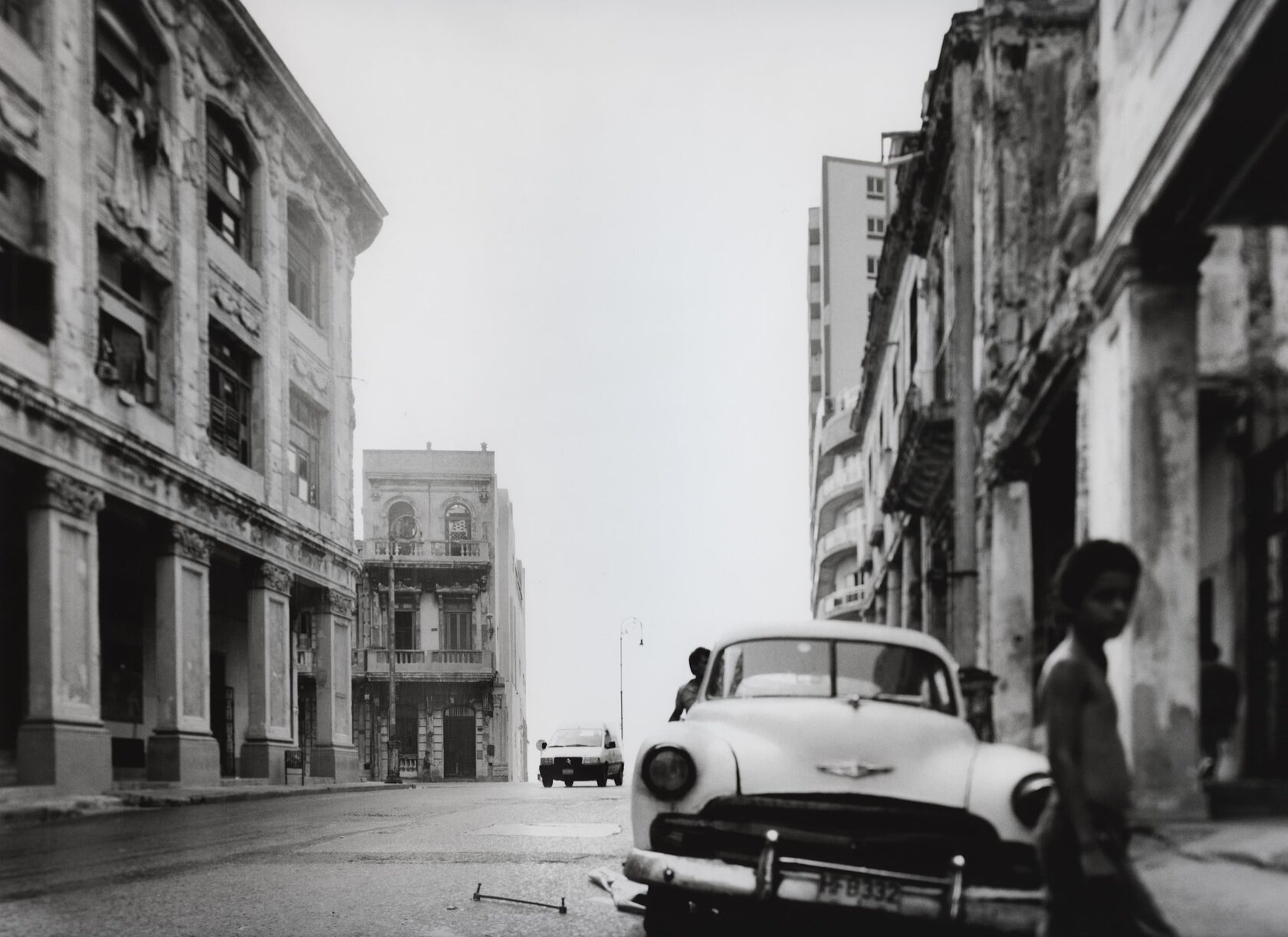
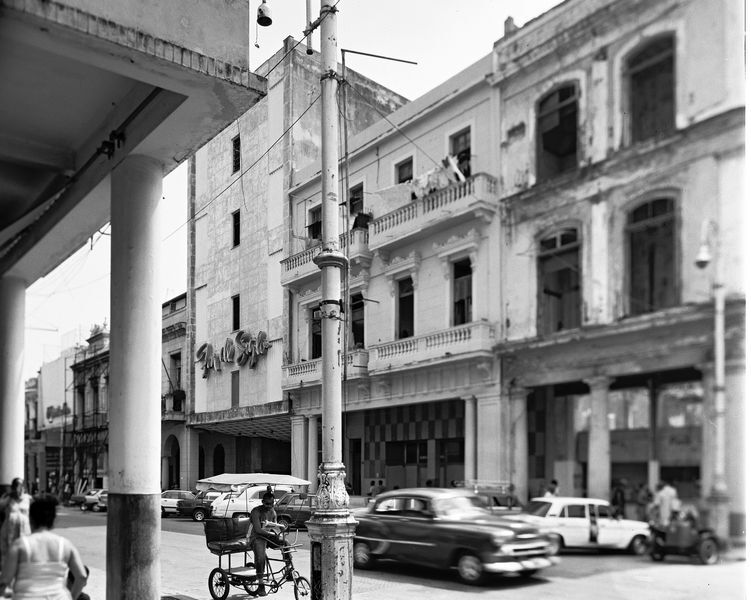
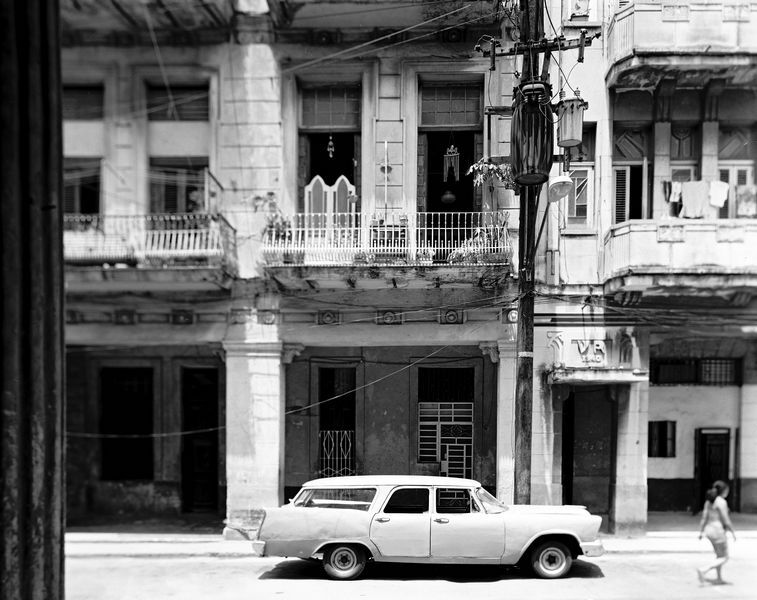
Havana in Color. 2007
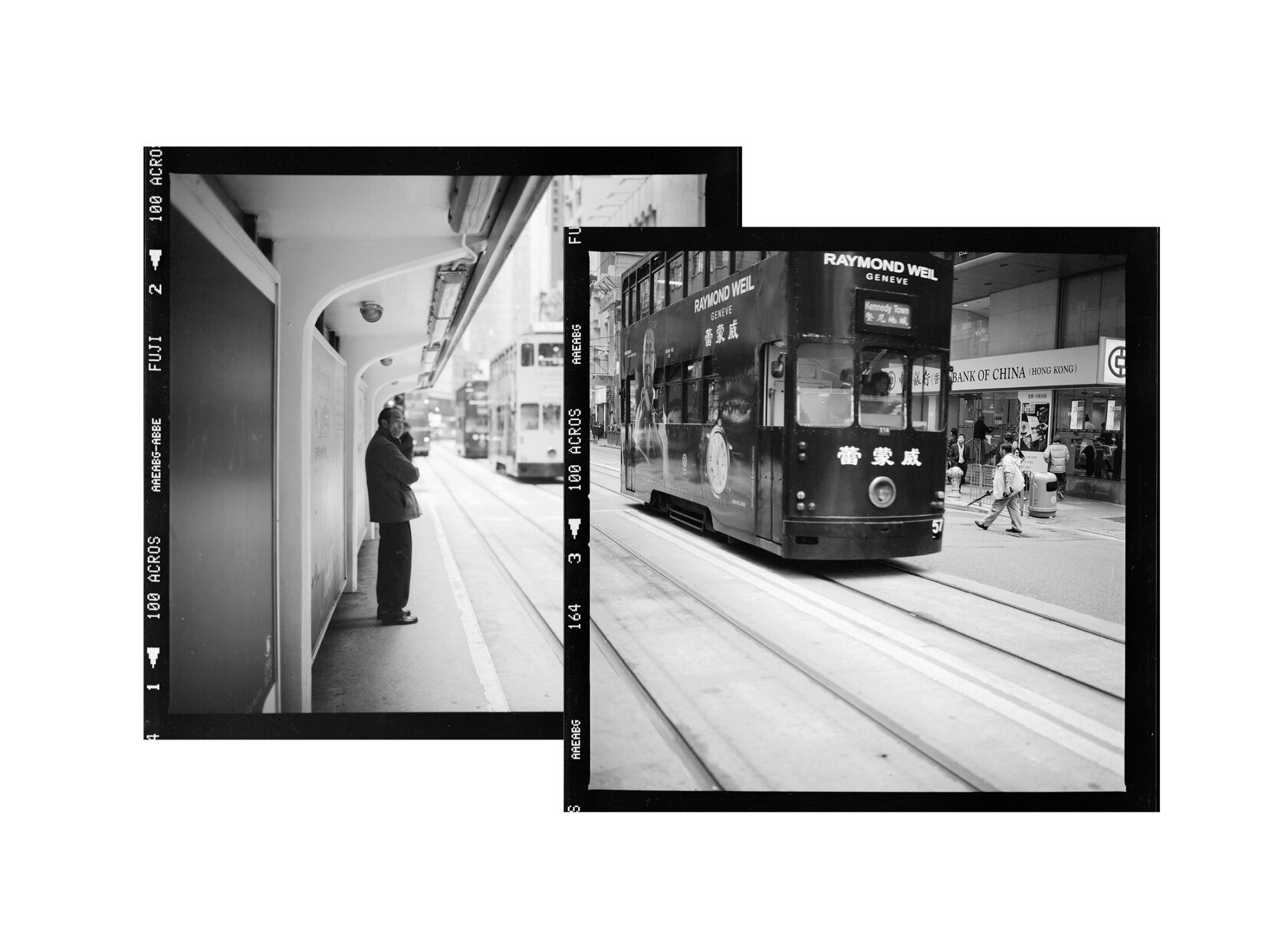
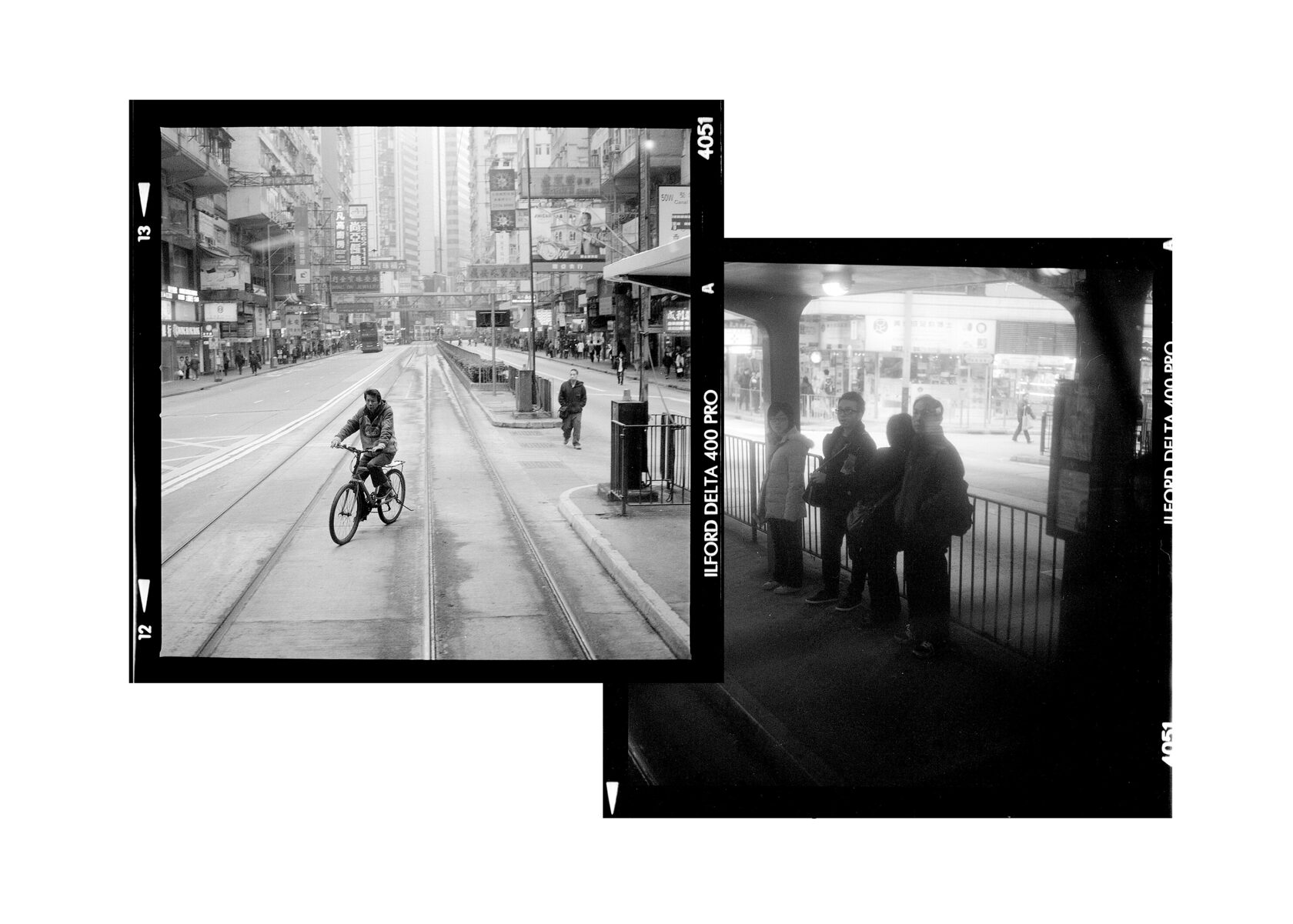
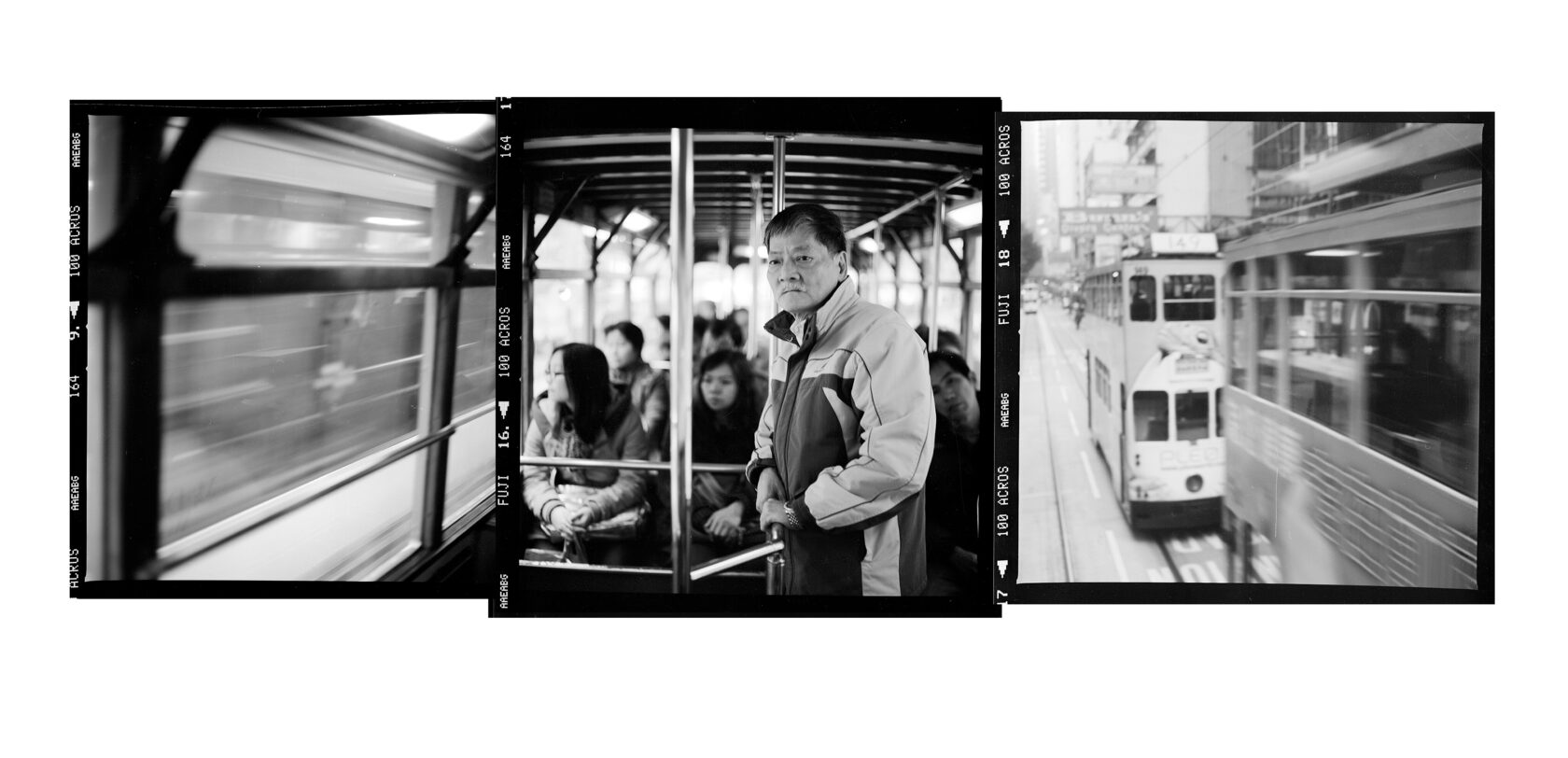
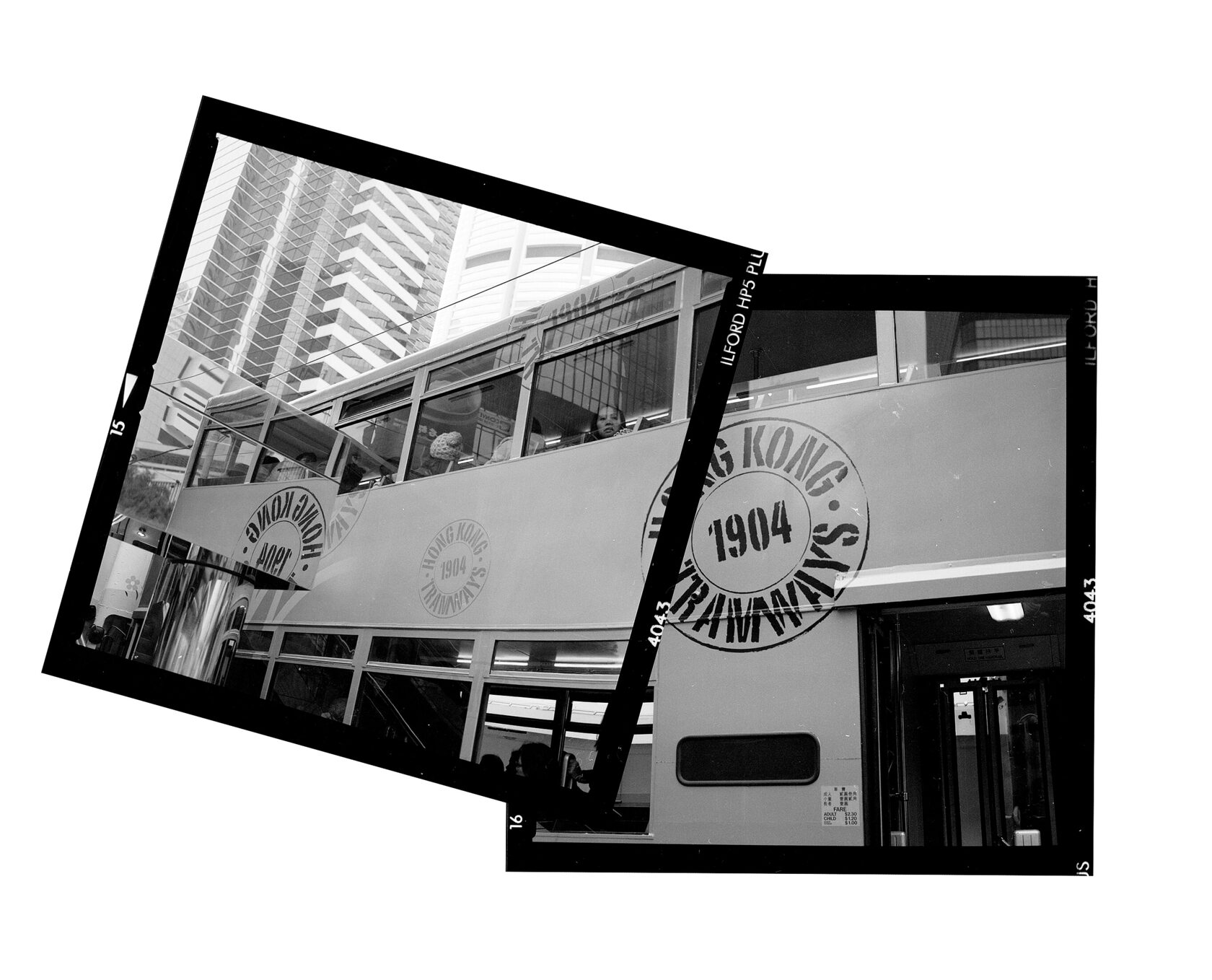
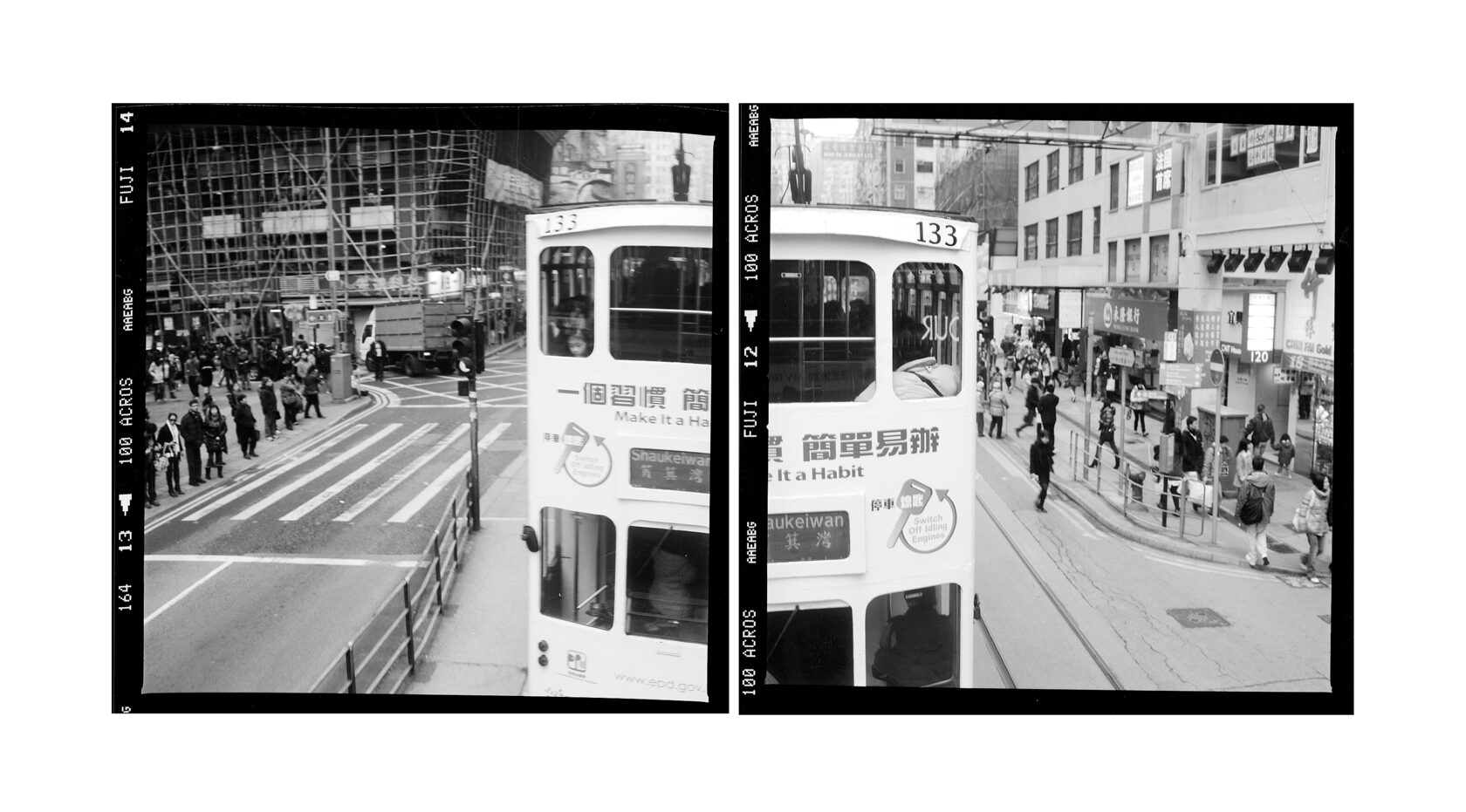
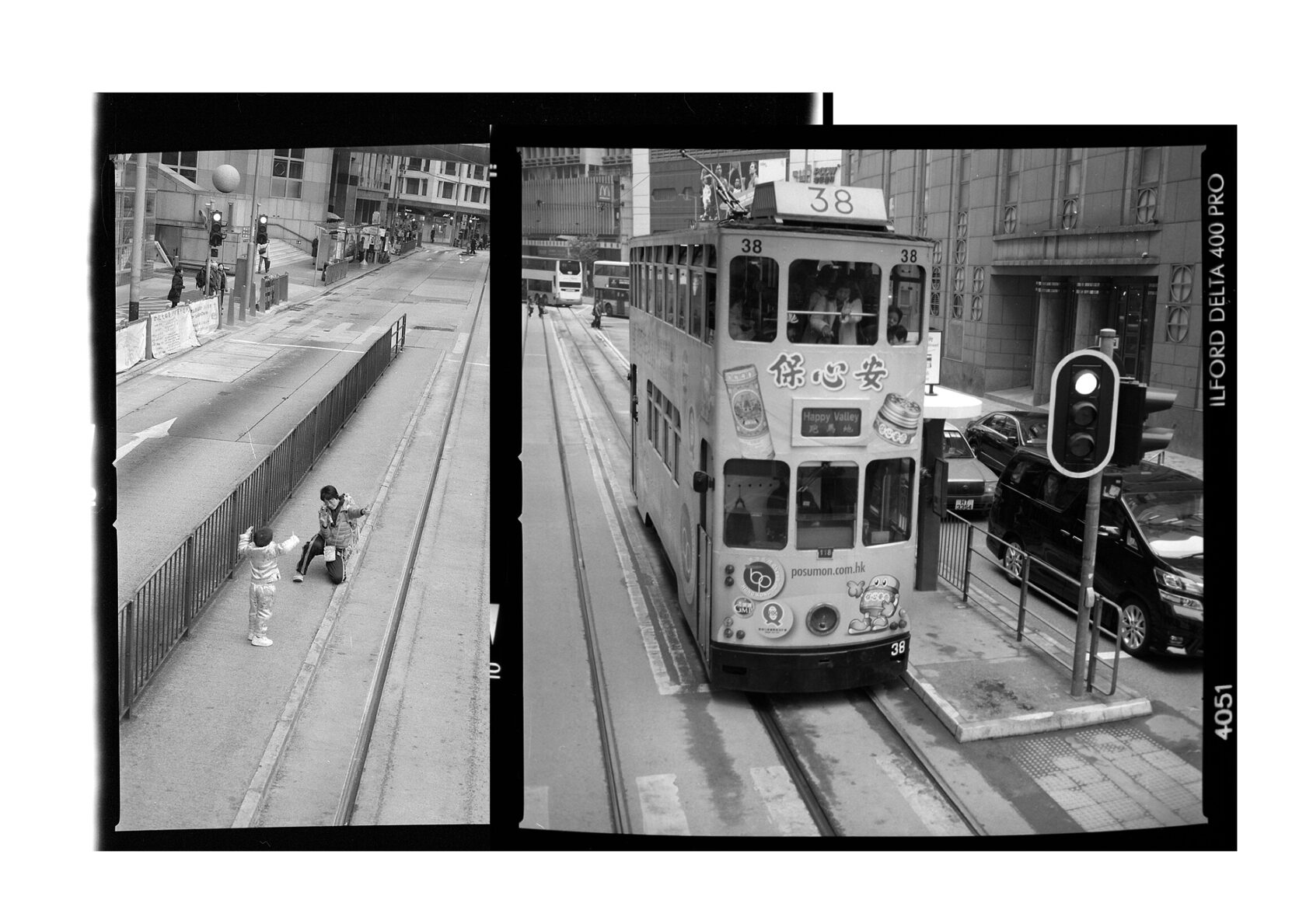
HK. Time Travel. 2015
The View from a Tram Window…
The idea for this series first came to me during an earlier trip to Hong Kong. At the time, however, I had no idea how to approach it.
These trams date back to the beginning of the twentieth century. Everything - the materials, the sounds, the movement - creates the complete illusion of another era. Yet outside the windows stretches a modern metropolis, separated from the tram by almost a century. You sit on the upper deck of this rattling vehicle from the 1900s, and somehow find yourself entering the
The idea for this series first came to me during an earlier trip to Hong Kong. At the time, however, I had no idea how to approach it.
These trams date back to the beginning of the twentieth century. Everything - the materials, the sounds, the movement - creates the complete illusion of another era. Yet outside the windows stretches a modern metropolis, separated from the tram by almost a century. You sit on the upper deck of this rattling vehicle from the 1900s, and somehow find yourself entering the
year 2112. A journey through time.
The idea of photographing these panoramas came from cinema, as an analogue to black-and-white motion picture film. Their stepped, uneven rhythm emerged unintentionally when I abandoned the tripod in favor of greater mobility.
Later I realized that this became photography's advantage over film. It gave me far greater freedom in constructing the image. It is, in a way, half a step back from cinema toward photography. I decide what my frame will be: a complete, balanced composition that exists as a photograph in its own right, or an image that
The idea of photographing these panoramas came from cinema, as an analogue to black-and-white motion picture film. Their stepped, uneven rhythm emerged unintentionally when I abandoned the tripod in favor of greater mobility.
Later I realized that this became photography's advantage over film. It gave me far greater freedom in constructing the image. It is, in a way, half a step back from cinema toward photography. I decide what my frame will be: a complete, balanced composition that exists as a photograph in its own right, or an image that
flows seamlessly into the next, like a sequence in a film.
As for direction, I am both the photographer waiting for the decisive moment and the director shaping the development of the narrative. Every photograph within the panorama is a photograph in itself, yet together they become a story unfolding through time, since as much as an hour may pass between two neighboring frames. That allows me to choose a narrative within the events as they naturally occur, while still remaining a documentary observer.
As for direction, I am both the photographer waiting for the decisive moment and the director shaping the development of the narrative. Every photograph within the panorama is a photograph in itself, yet together they become a story unfolding through time, since as much as an hour may pass between two neighboring frames. That allows me to choose a narrative within the events as they naturally occur, while still remaining a documentary observer.
The View from a Tram Window…
The idea for this series first came to me during an earlier trip to Hong Kong. At the time, however, I had no idea how to approach it.
These trams date back to the beginning of the twentieth century. Everything - the materials, the sounds, the movement - creates the complete illusion of another era. Yet outside the windows stretches a modern metropolis, separated from the tram by almost a century. You sit on the upper deck of this rattling vehicle from the 1900s, and somehow find yourself entering the year 2112. A journey through time.
The idea of photographing these panoramas came from cinema, as an analogue to black-and-white motion picture film. Their stepped, uneven rhythm emerged unintentionally when I abandoned the tripod in favor of greater mobility.
Later I realized that this became photography's advantage over film. It gave me far greater freedom in constructing the image. It is, in a way, half a step back from cinema toward photography. I decide what my frame will be: a complete, balanced composition that exists as a photograph in its own right, or an image that flows seamlessly into the next, like a sequence in a film.
As for direction, I am both the photographer waiting for the decisive moment and the director shaping the development of the narrative. Every photograph within the panorama is a photograph in itself, yet together they become a story unfolding through time, since as much as an hour may pass between two neighboring frames. That allows me to choose a narrative within the events as they naturally occur, while still remaining a documentary observer.
The idea for this series first came to me during an earlier trip to Hong Kong. At the time, however, I had no idea how to approach it.
These trams date back to the beginning of the twentieth century. Everything - the materials, the sounds, the movement - creates the complete illusion of another era. Yet outside the windows stretches a modern metropolis, separated from the tram by almost a century. You sit on the upper deck of this rattling vehicle from the 1900s, and somehow find yourself entering the year 2112. A journey through time.
The idea of photographing these panoramas came from cinema, as an analogue to black-and-white motion picture film. Their stepped, uneven rhythm emerged unintentionally when I abandoned the tripod in favor of greater mobility.
Later I realized that this became photography's advantage over film. It gave me far greater freedom in constructing the image. It is, in a way, half a step back from cinema toward photography. I decide what my frame will be: a complete, balanced composition that exists as a photograph in its own right, or an image that flows seamlessly into the next, like a sequence in a film.
As for direction, I am both the photographer waiting for the decisive moment and the director shaping the development of the narrative. Every photograph within the panorama is a photograph in itself, yet together they become a story unfolding through time, since as much as an hour may pass between two neighboring frames. That allows me to choose a narrative within the events as they naturally occur, while still remaining a documentary observer.
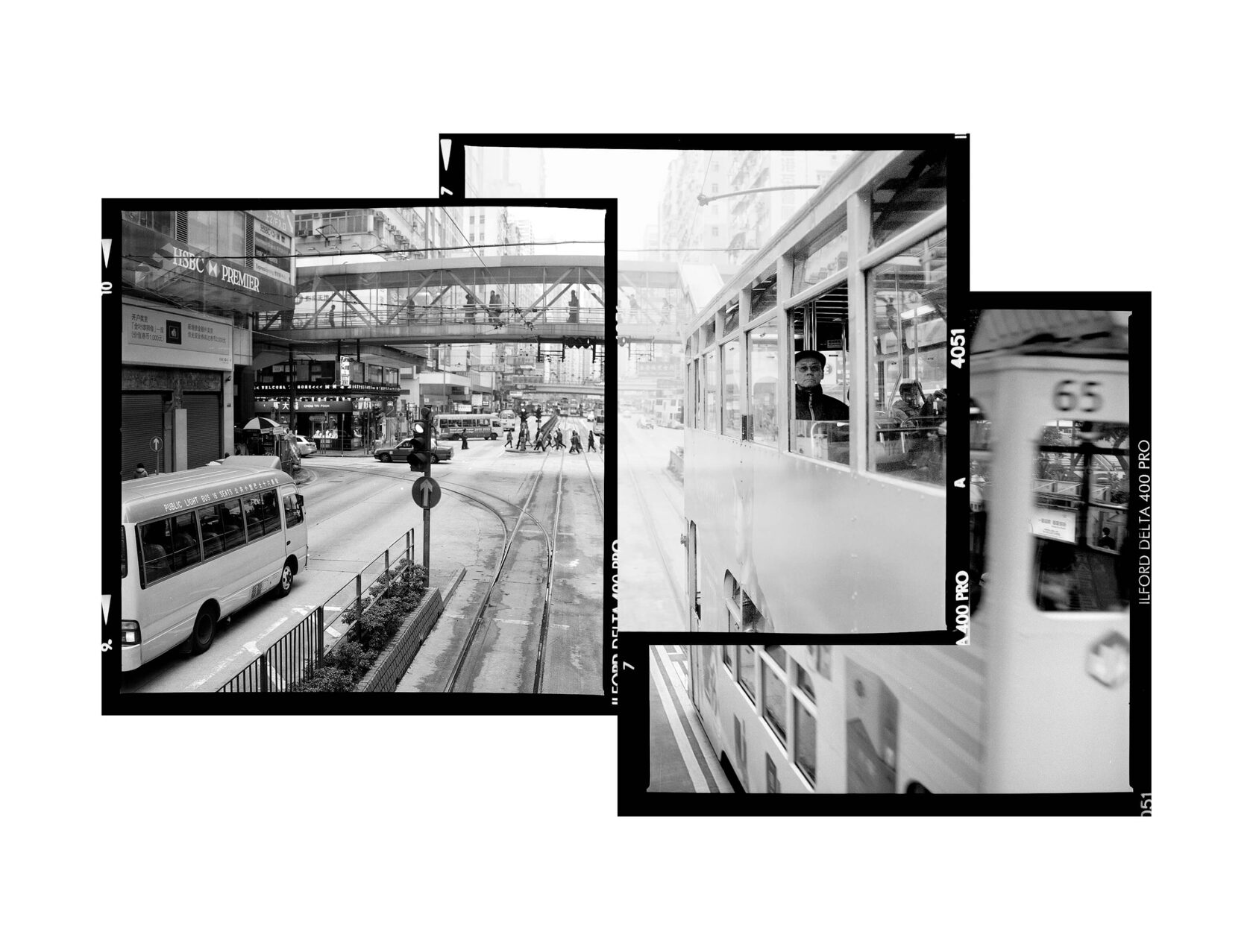
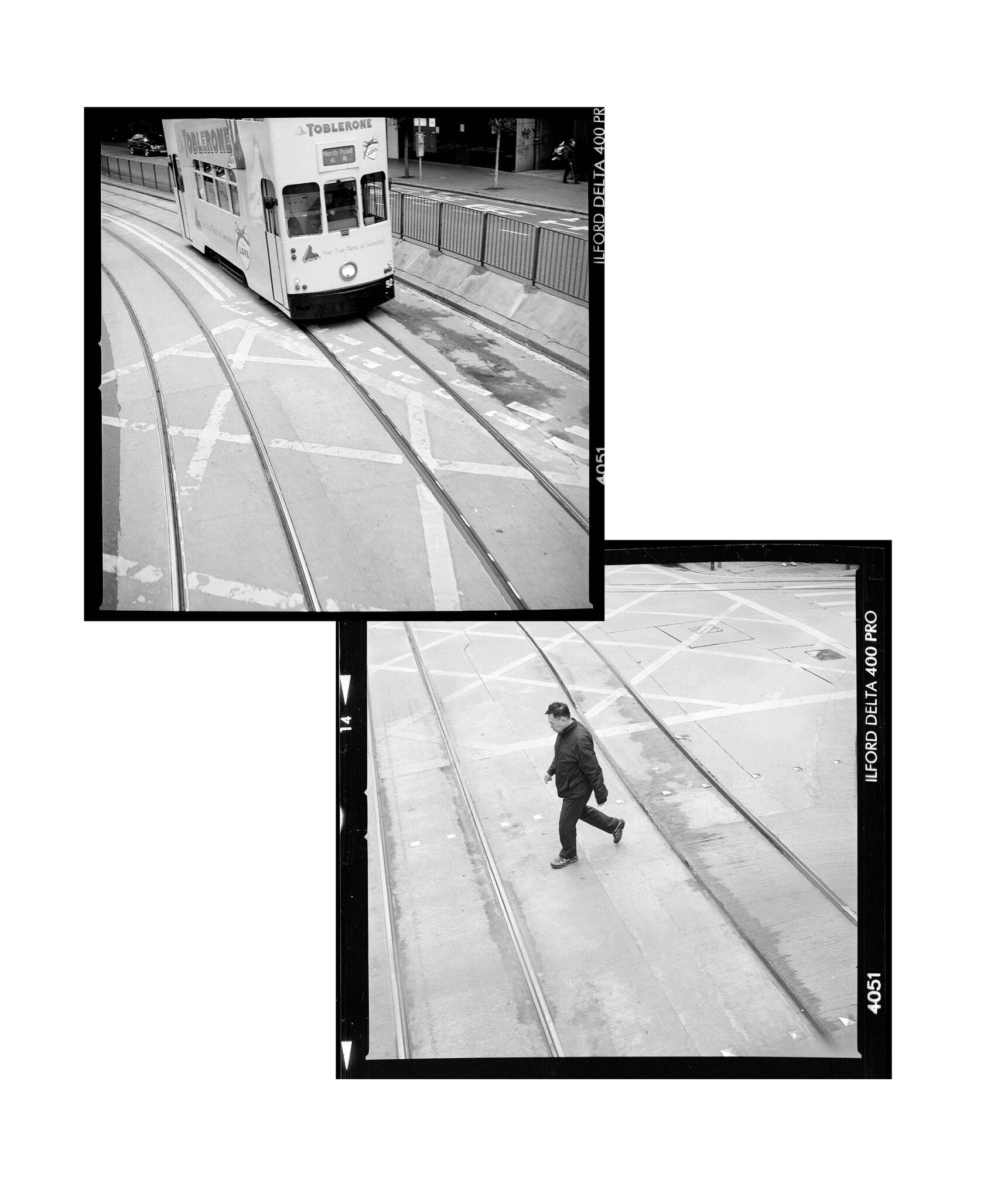
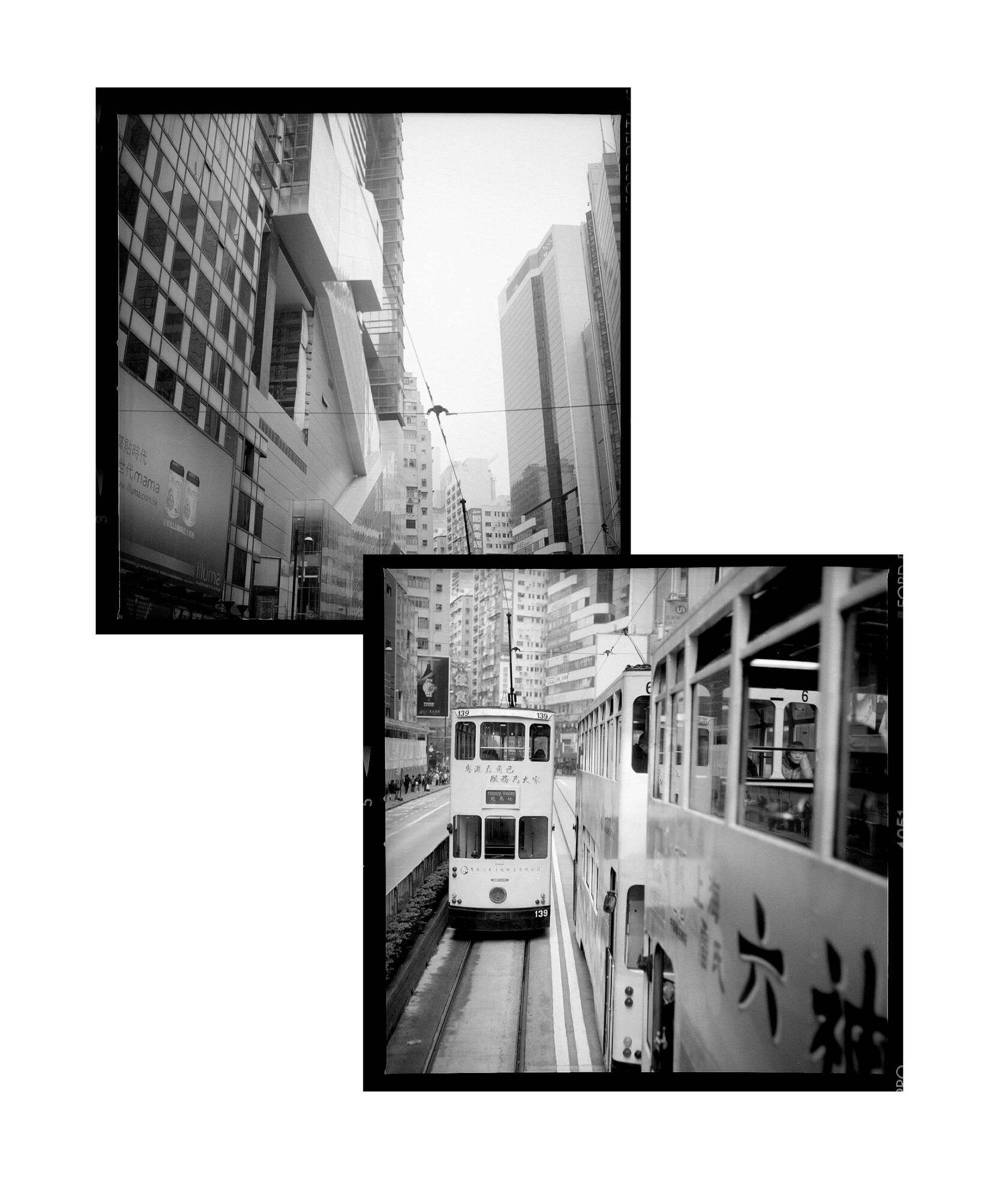
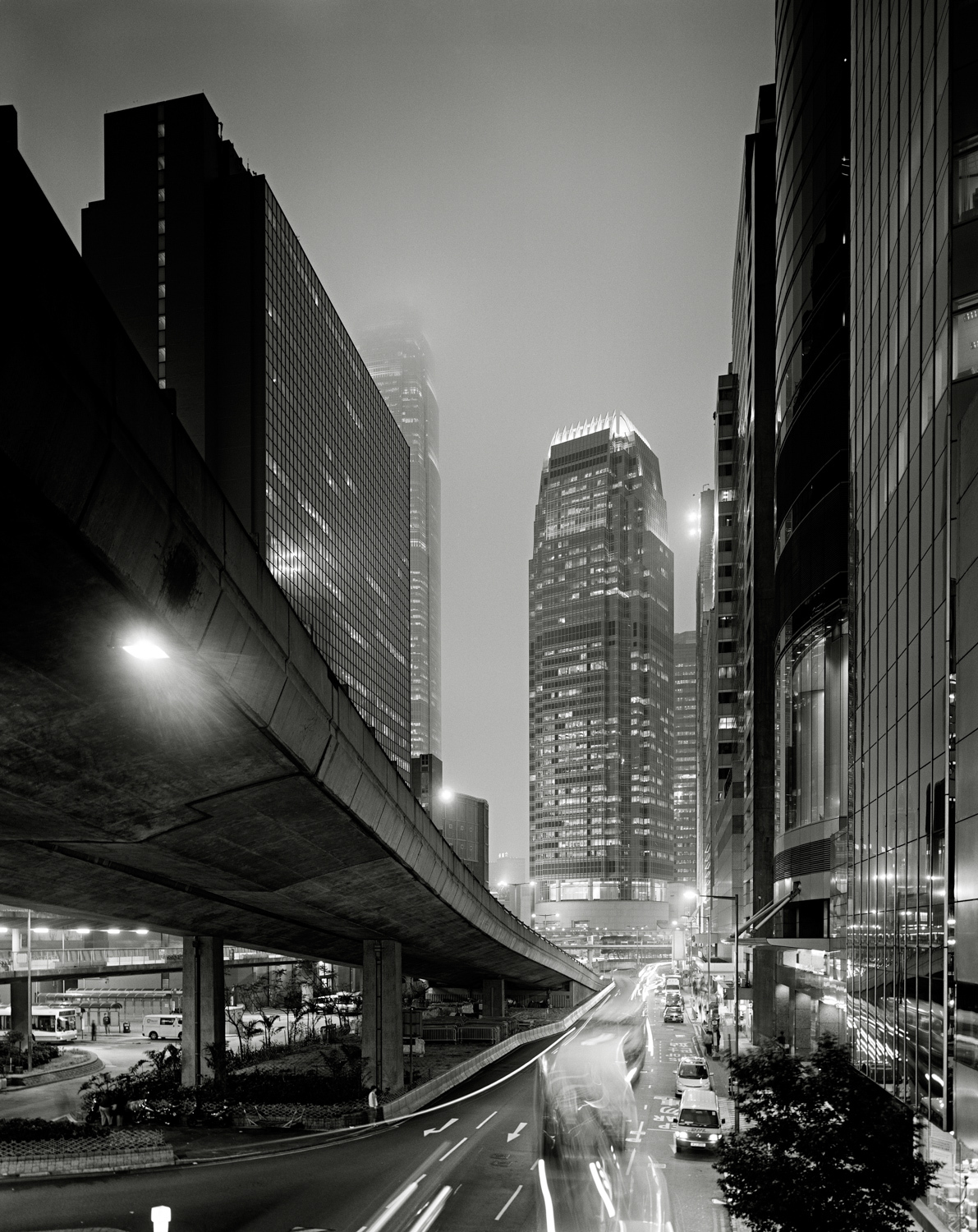
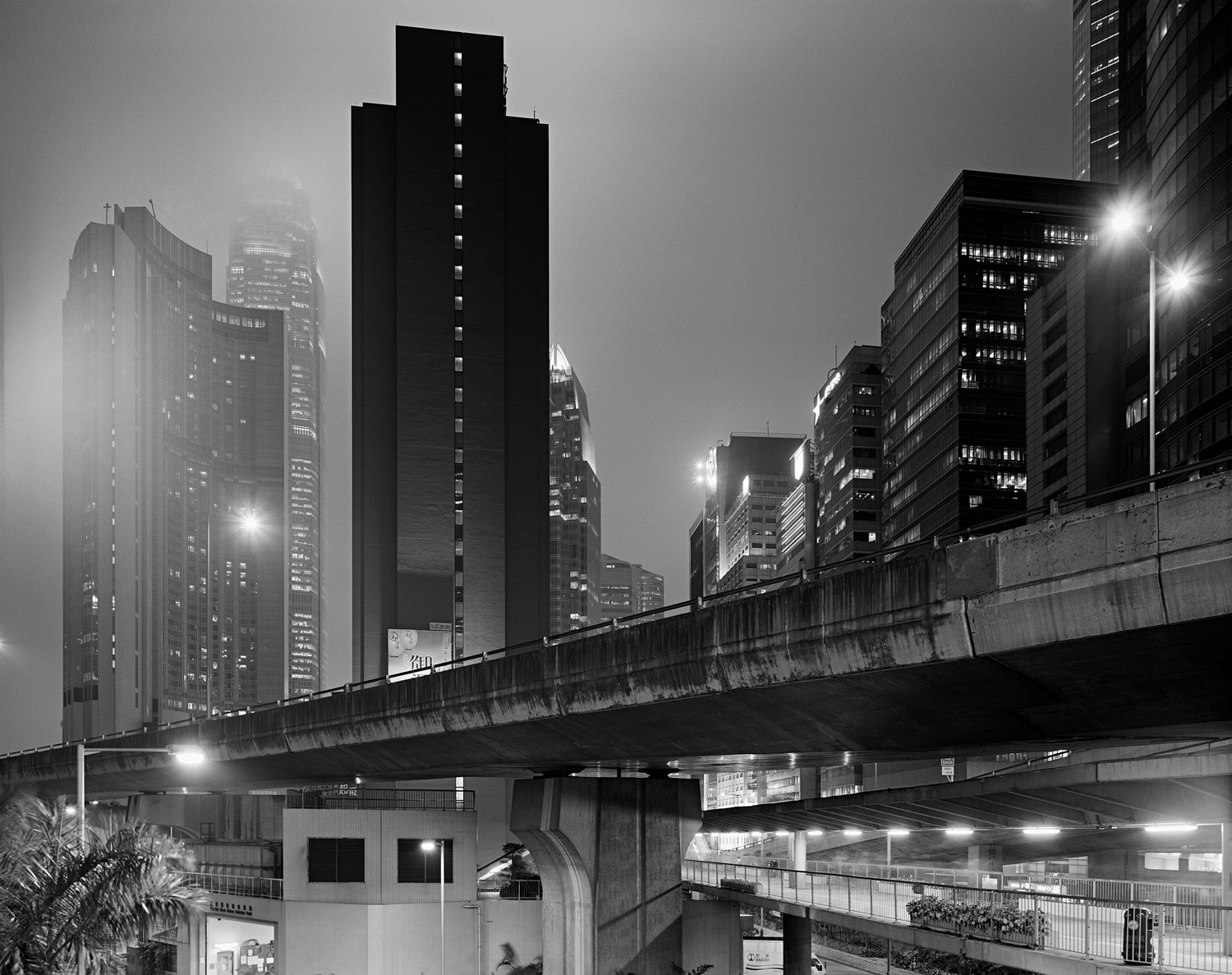
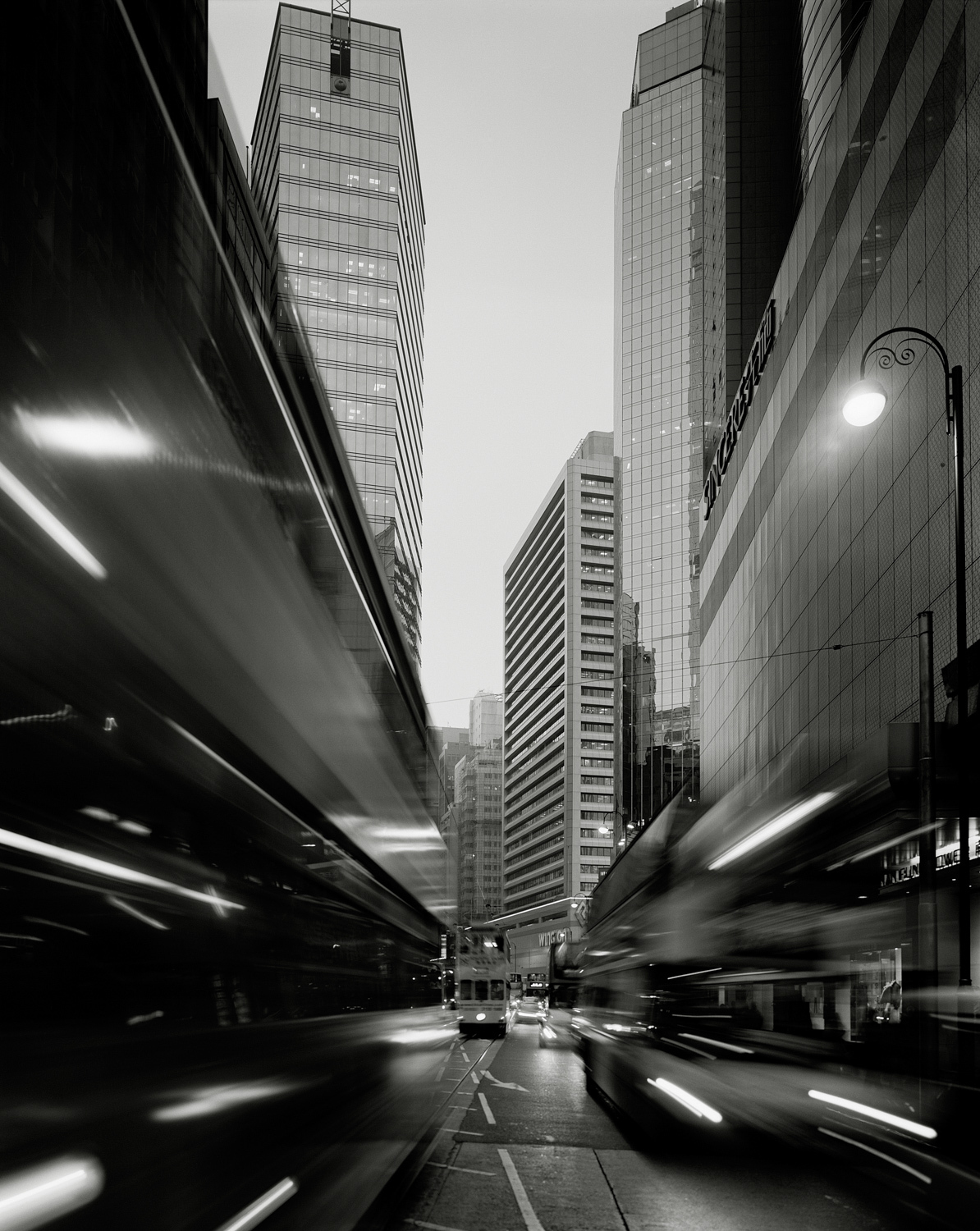
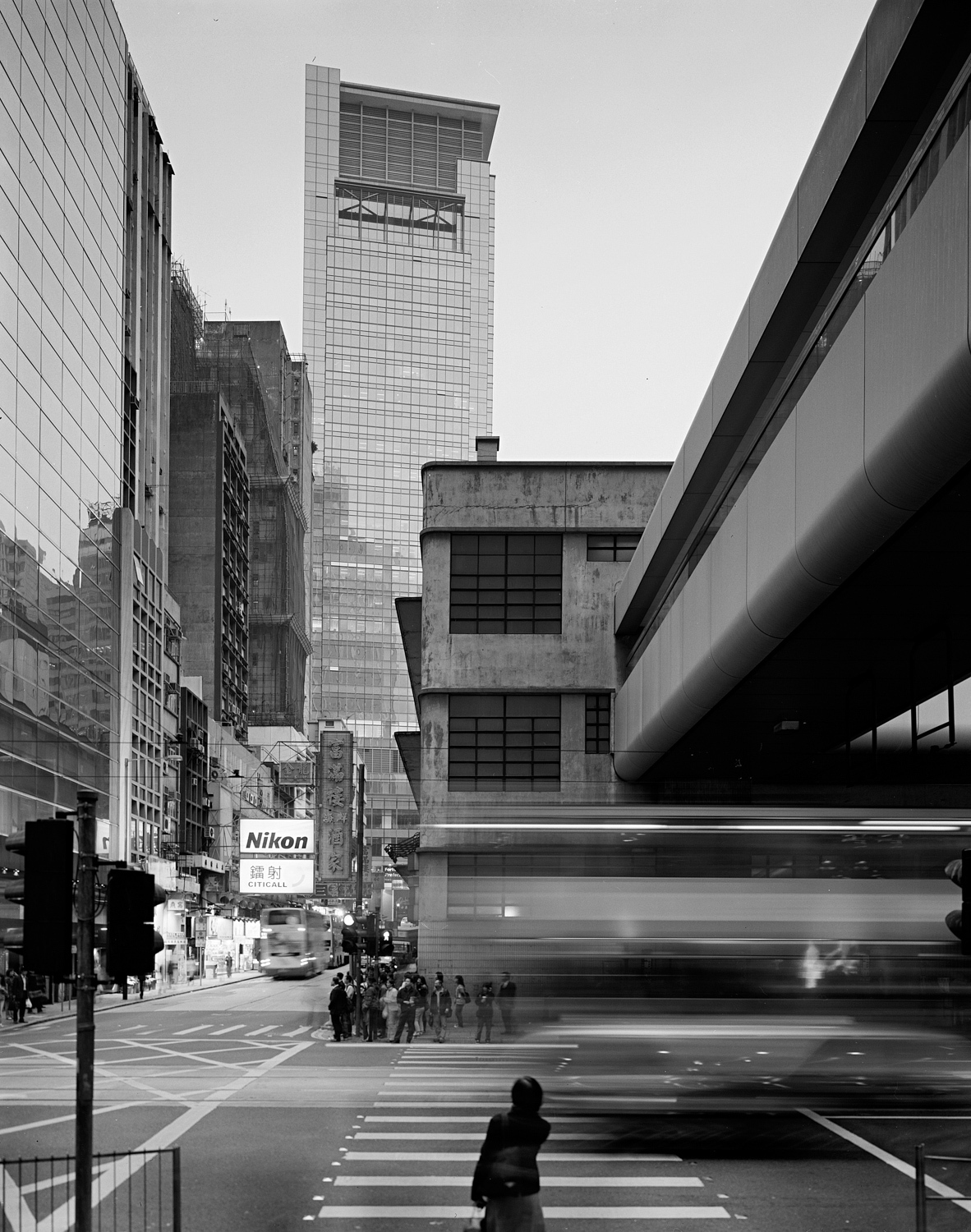
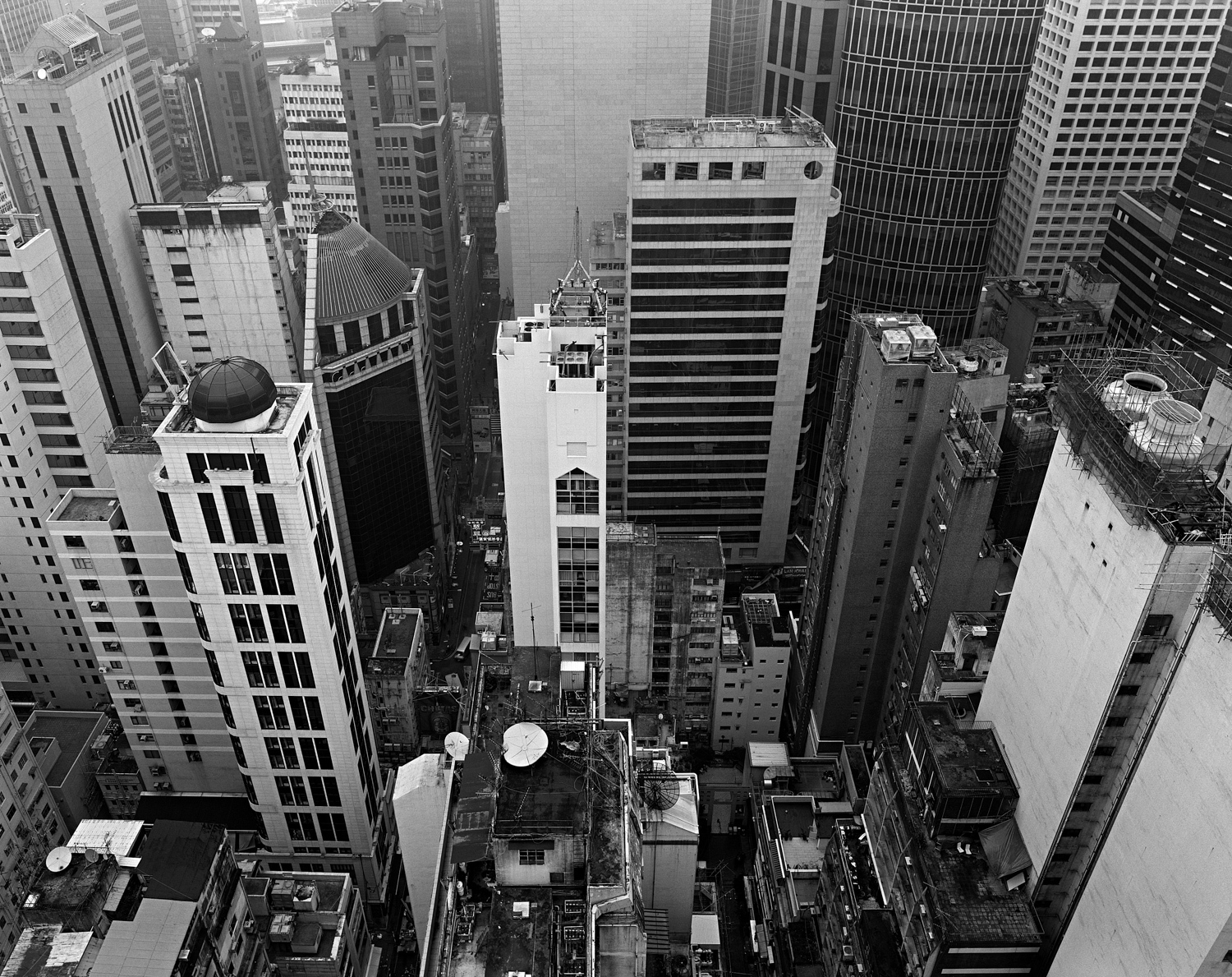
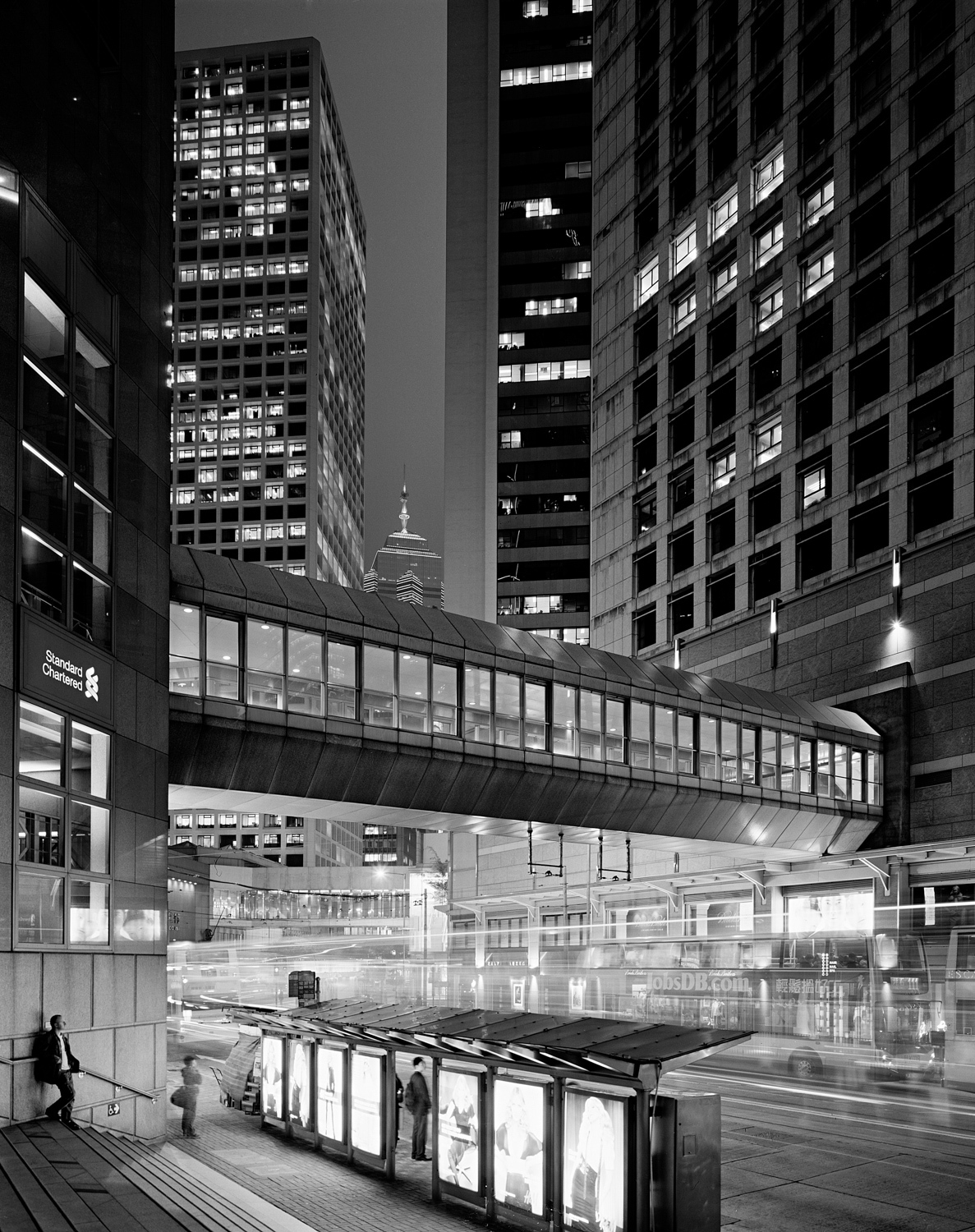
Hong Kong Vertical. 2007
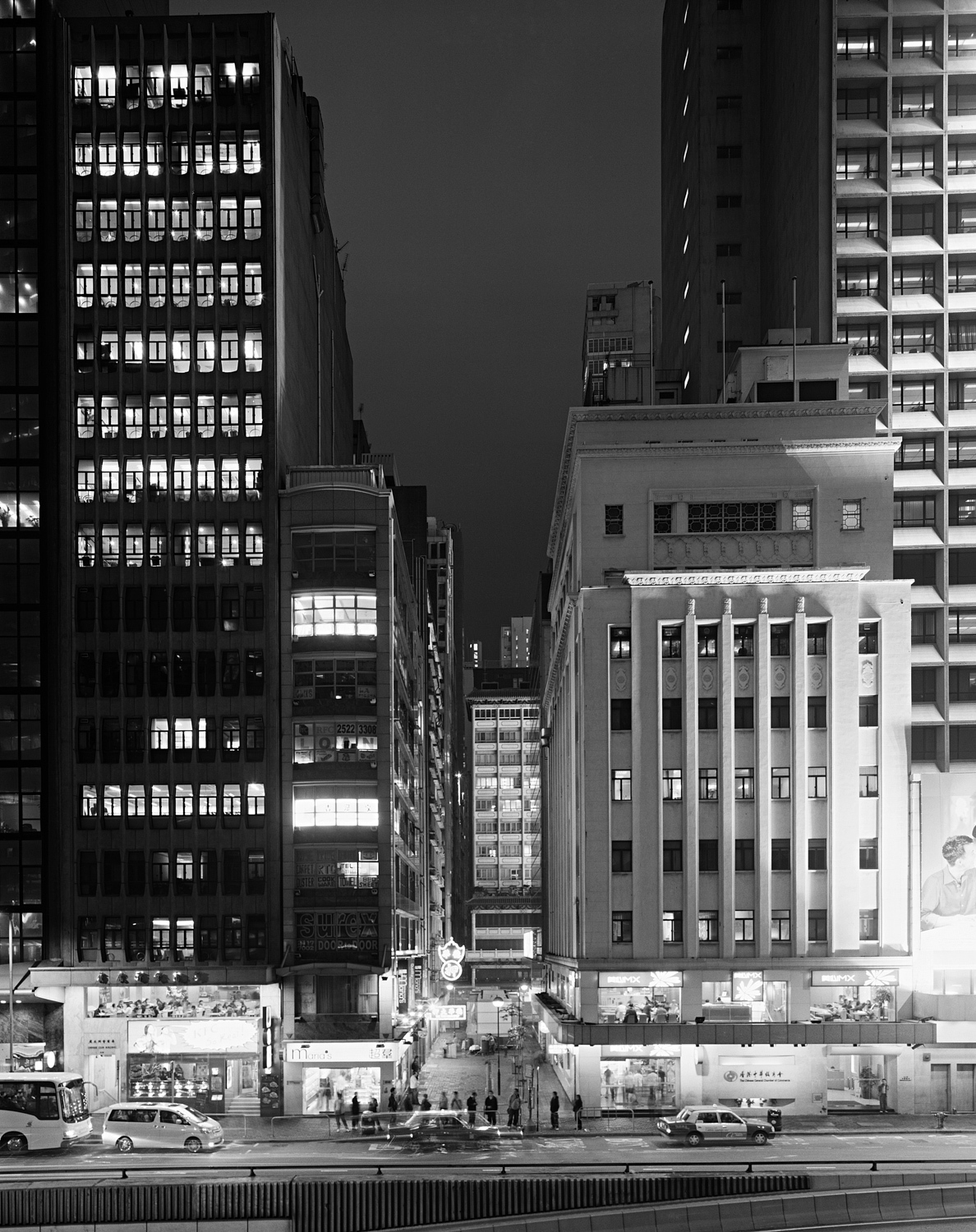
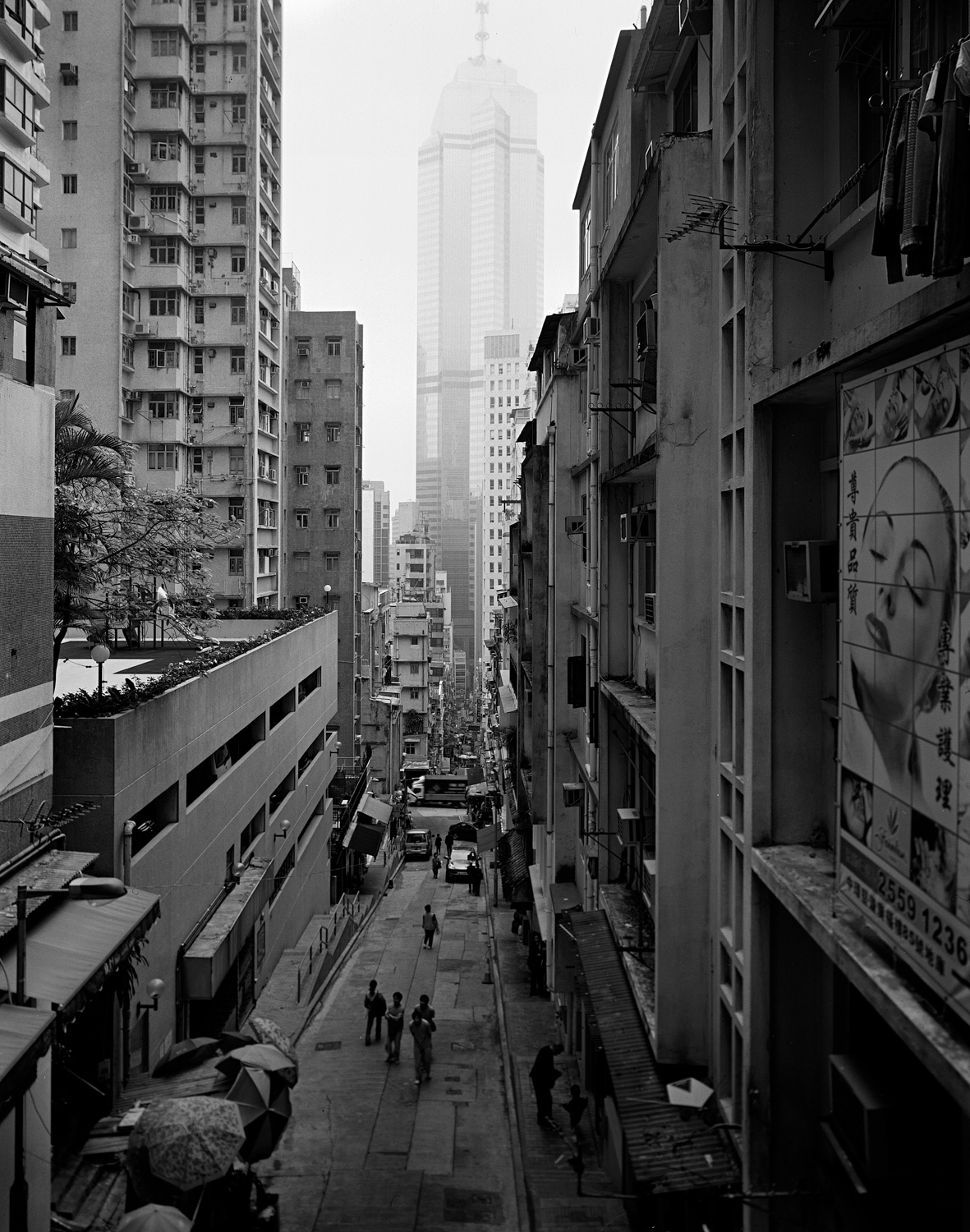
Hong Kong is all about vertical and horizontal lines. Parallels and intersection. Hong Kong is a pure architecture of the space in the format of black and white photography. This place is a symbol of aspiring upward line. This is a concentrate of the industrial landscape, a world a million miles of walls and windows, pressed into the camera frame. Hong Kong for me is a place where photography and inspiration perfectly match each other.
Hong Kong is all about vertical and horizontal lines. Parallels and intersection. Hong Kong is a pure architecture of the space in the format of black and white photography. This place is a symbol of aspiring upward line. This is a concentrate of the industrial landscape, a world a million miles of walls and windows, pressed into the camera frame. Hong Kong for me is a place where photography and inspiration perfectly match each other.
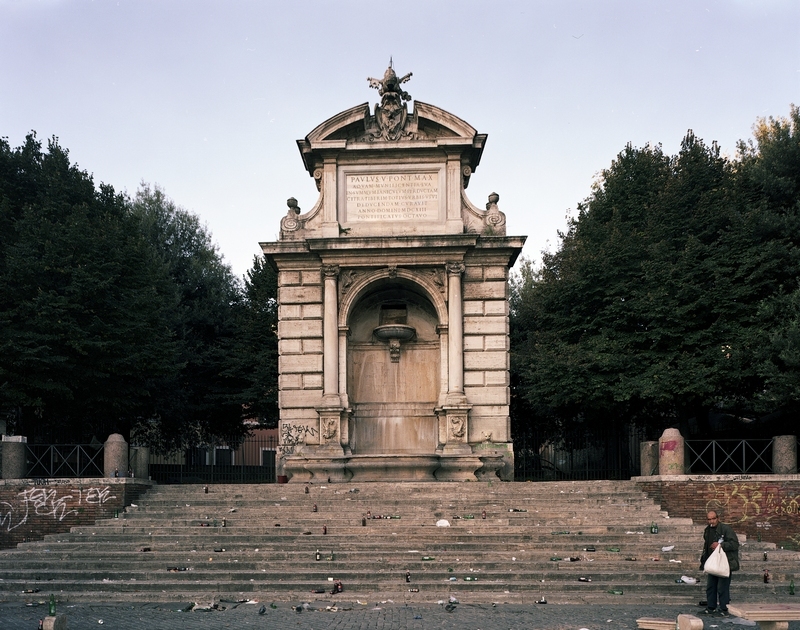
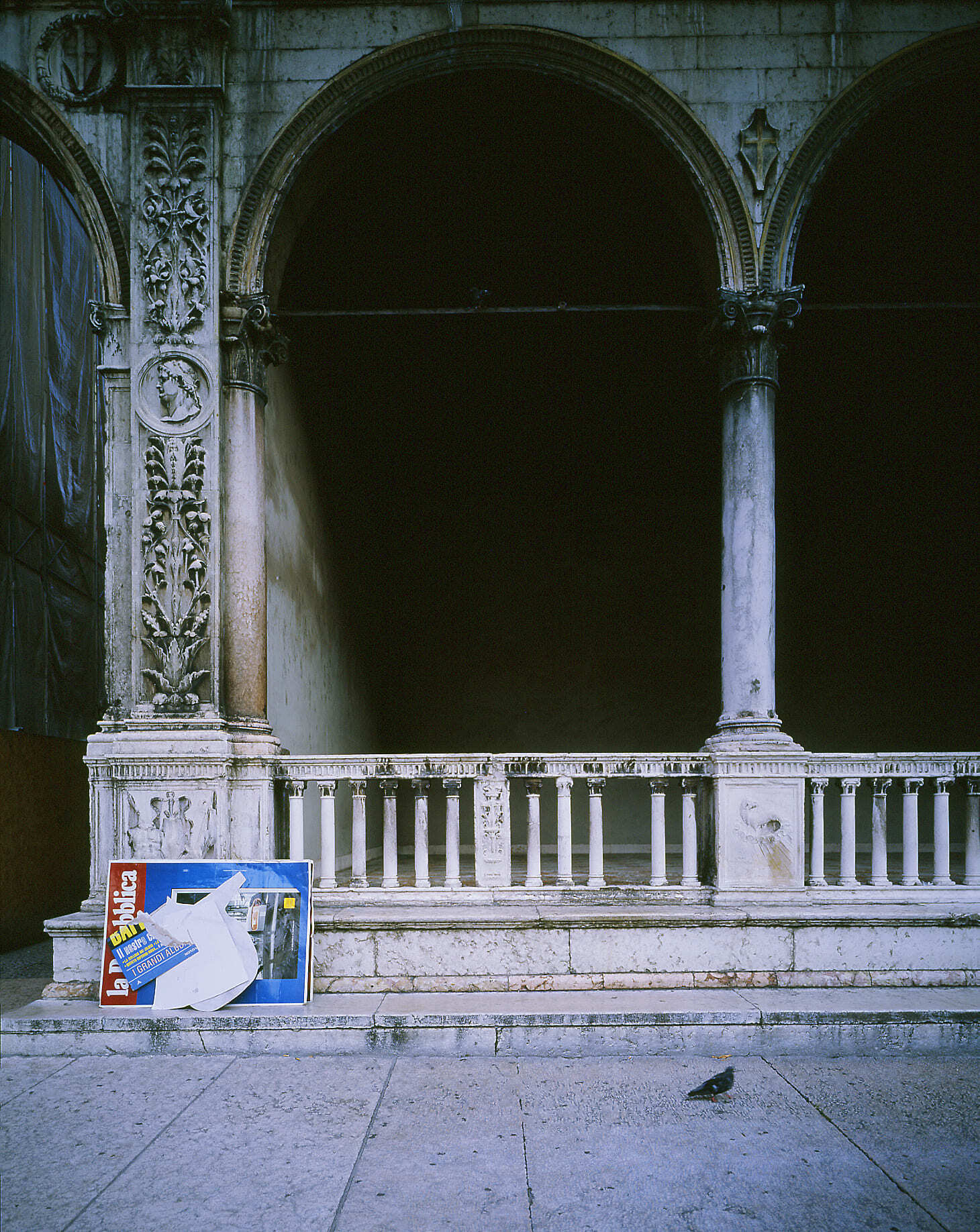
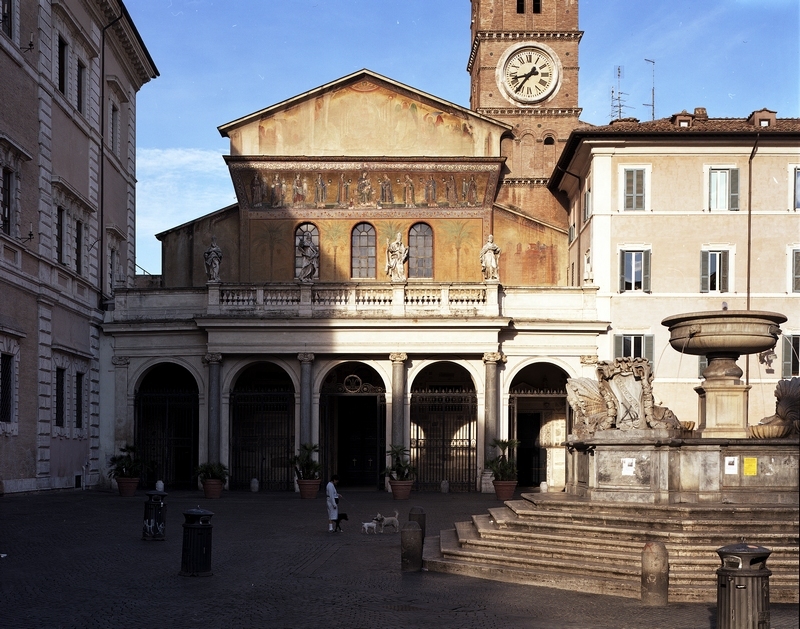
Italy in Color. 2006
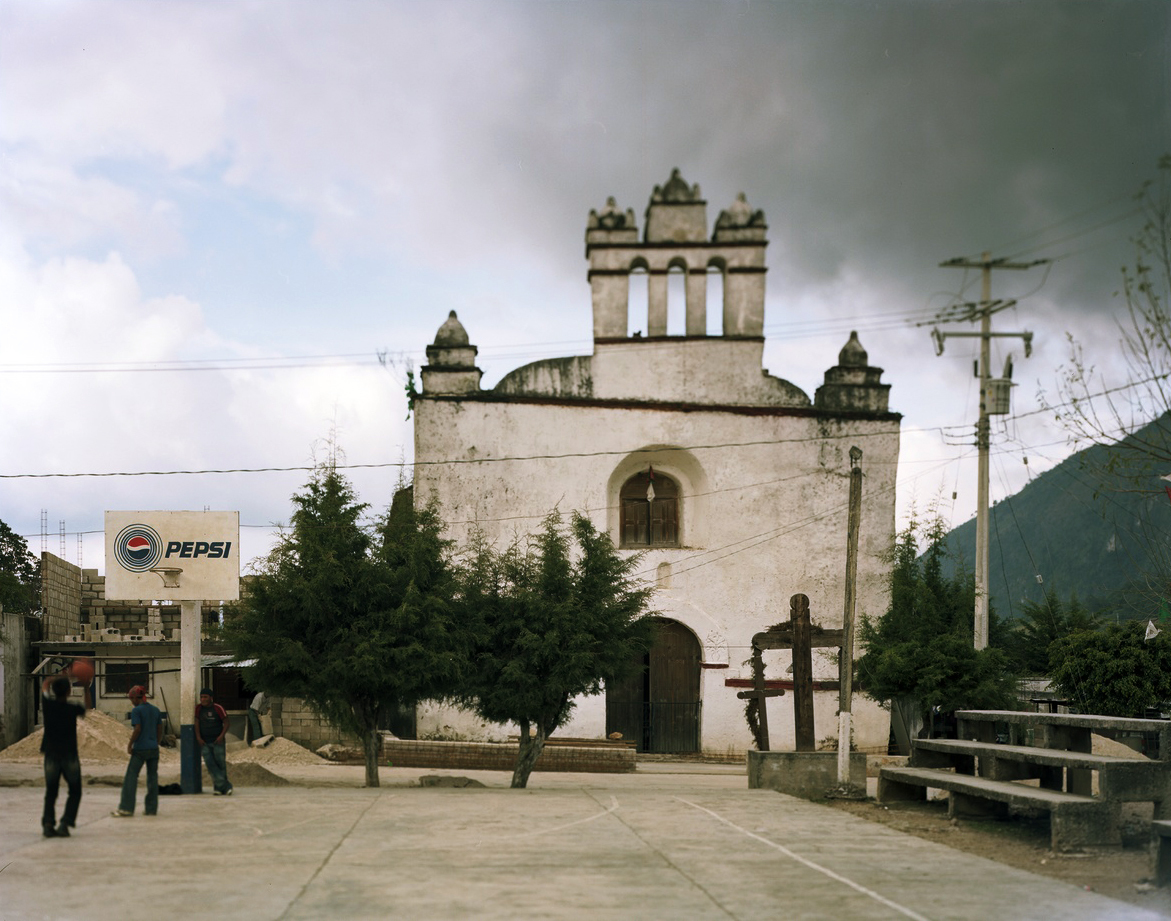
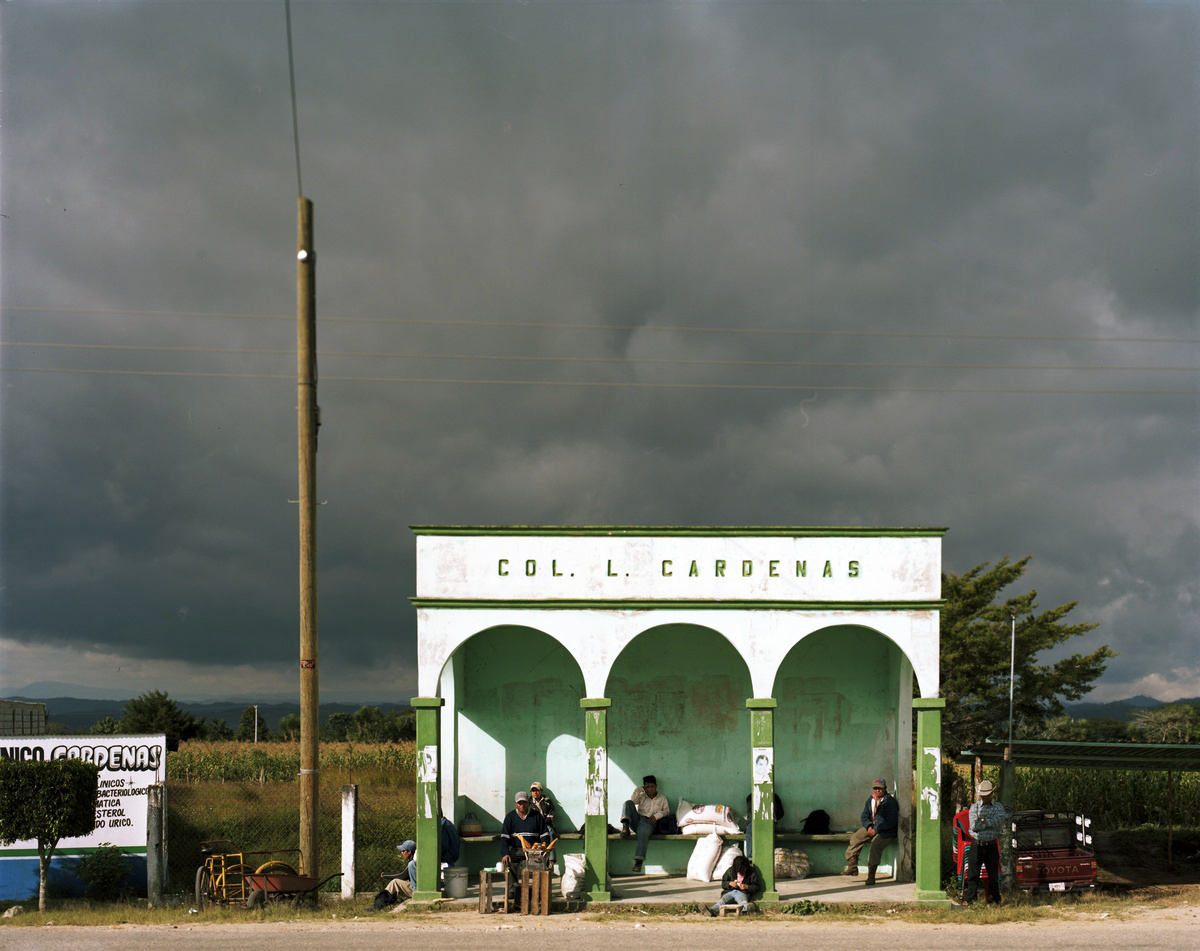
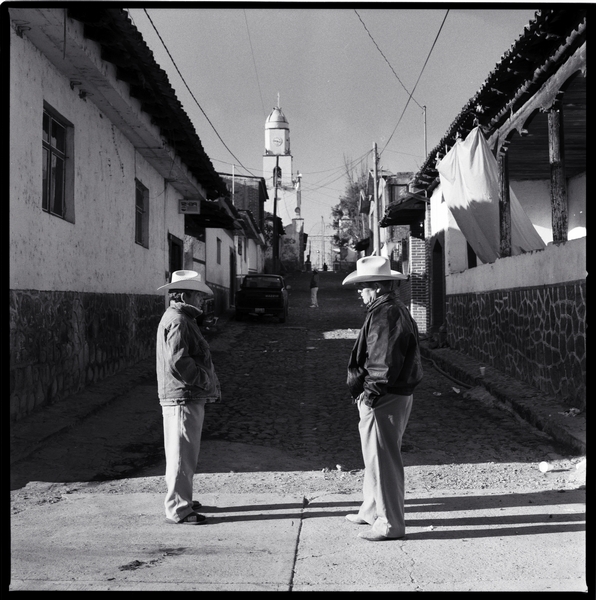
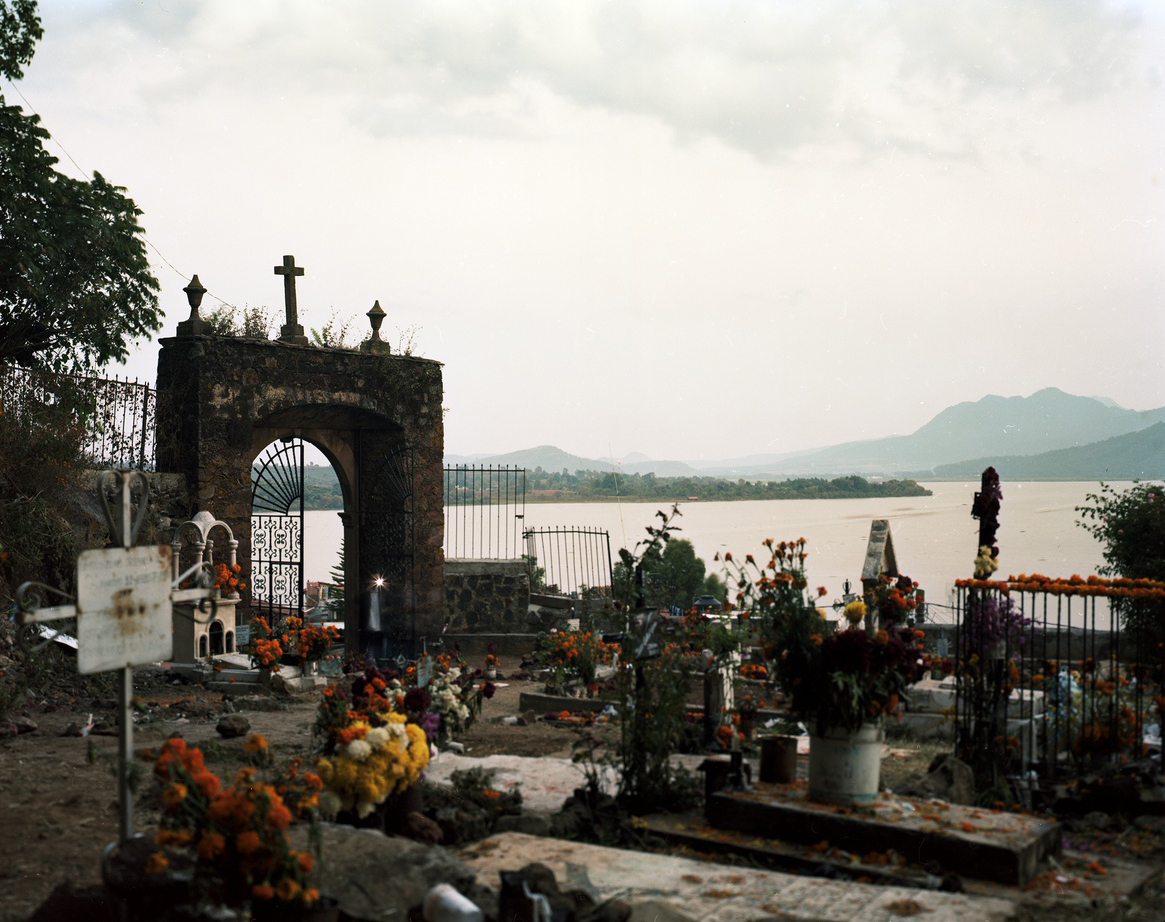
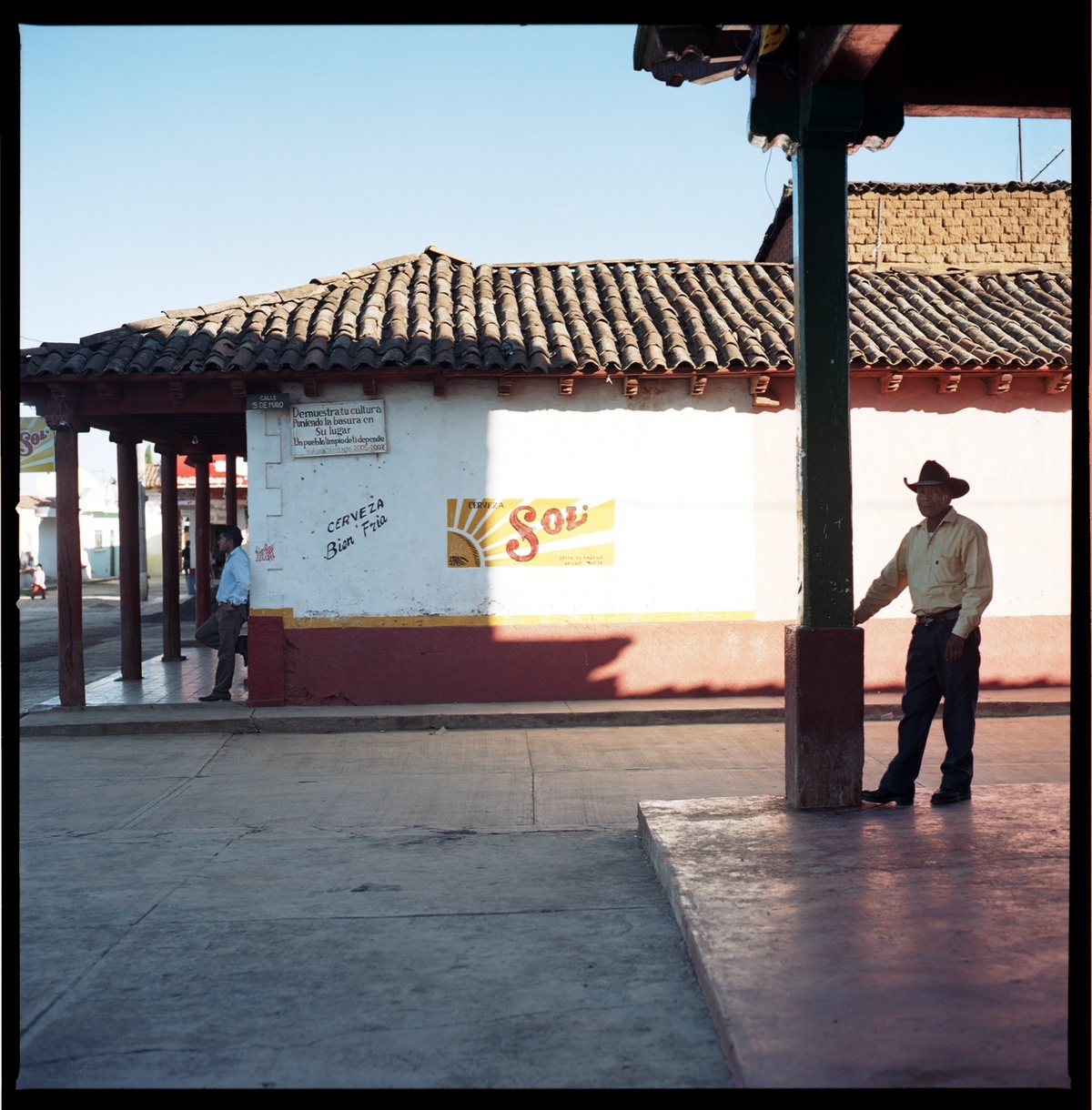
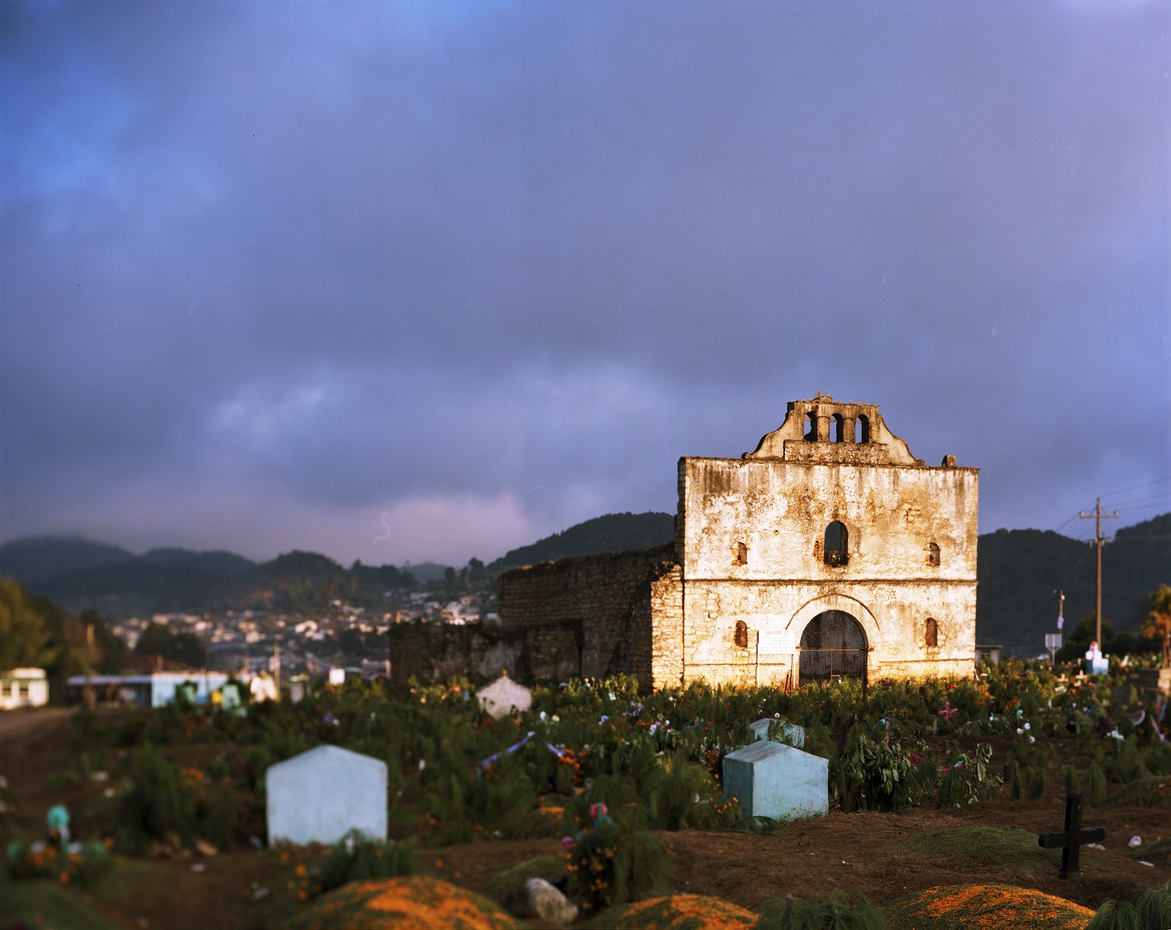
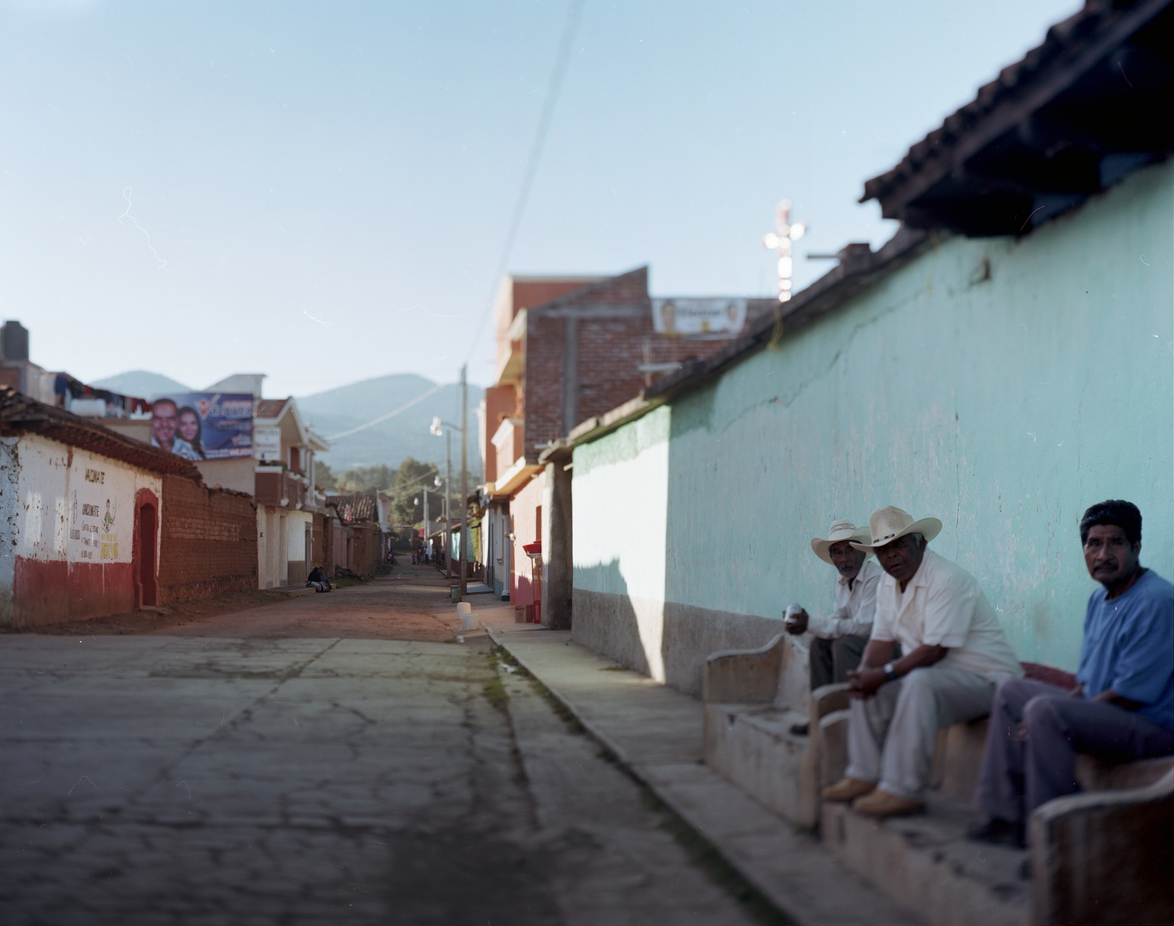
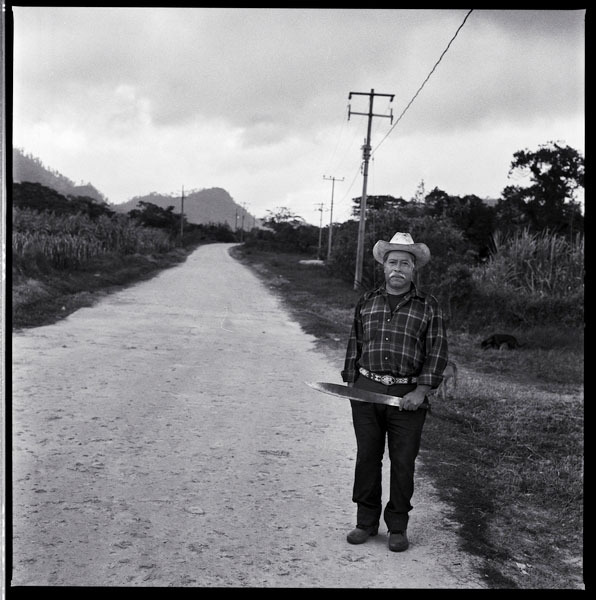
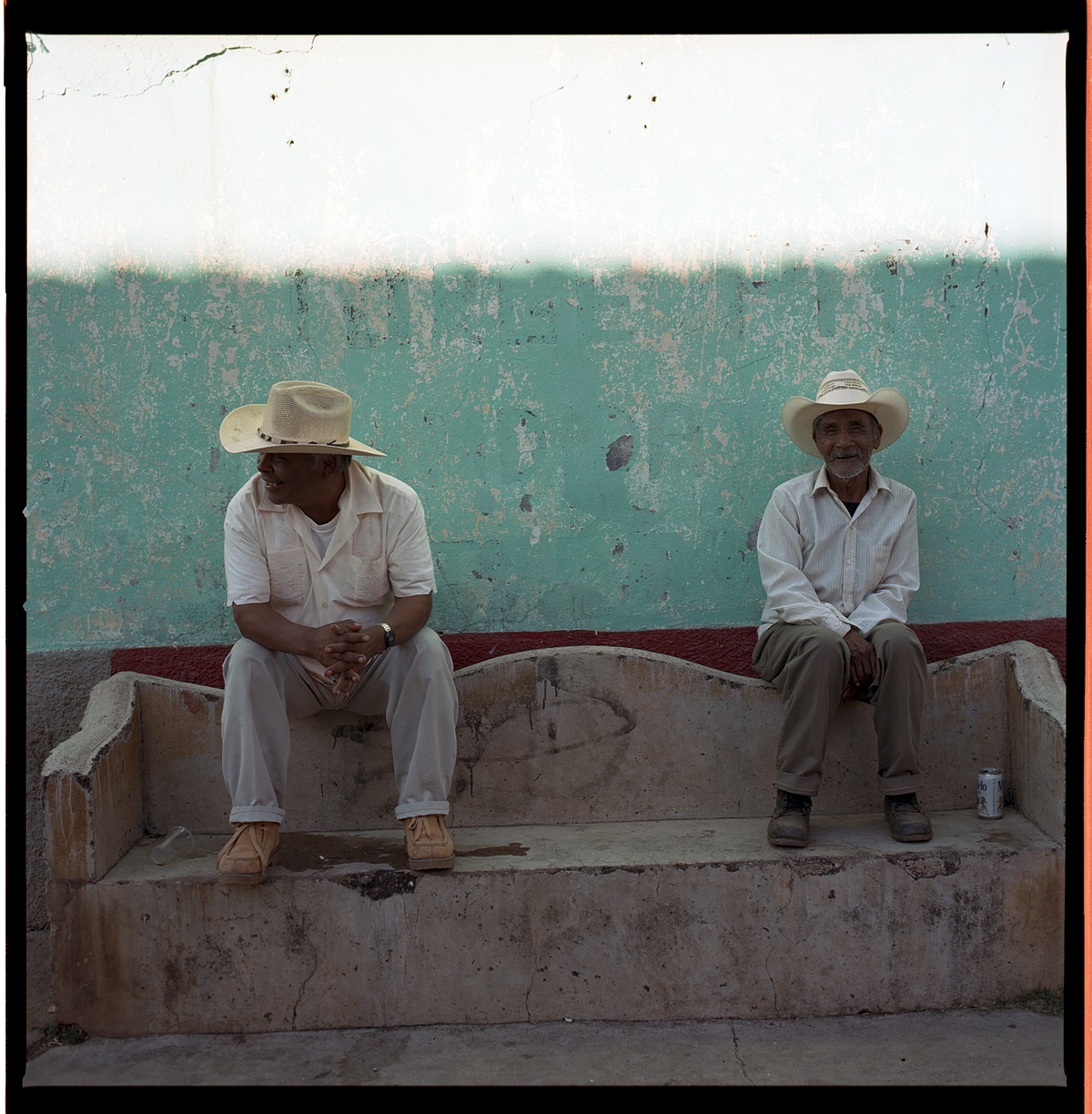
Mexico. Day of the Dead. 2007
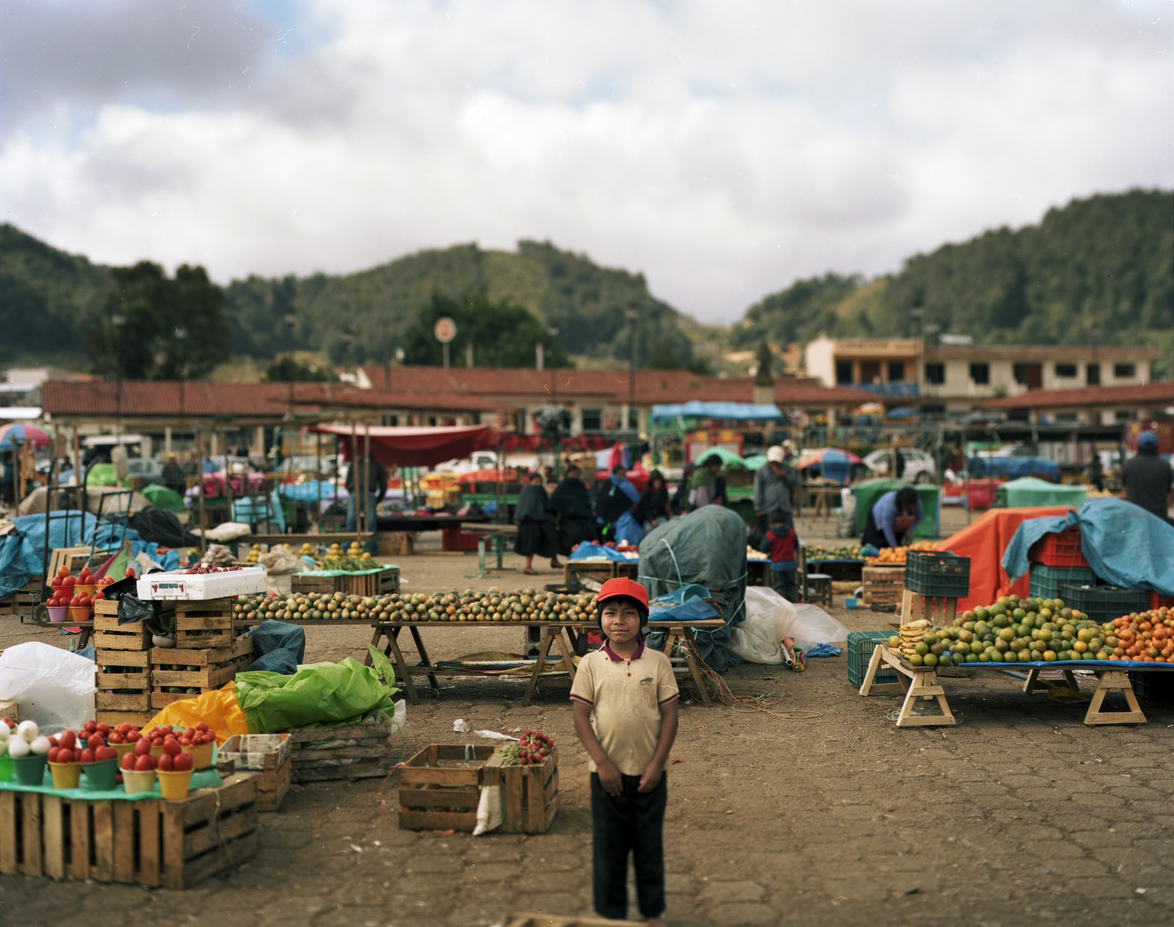
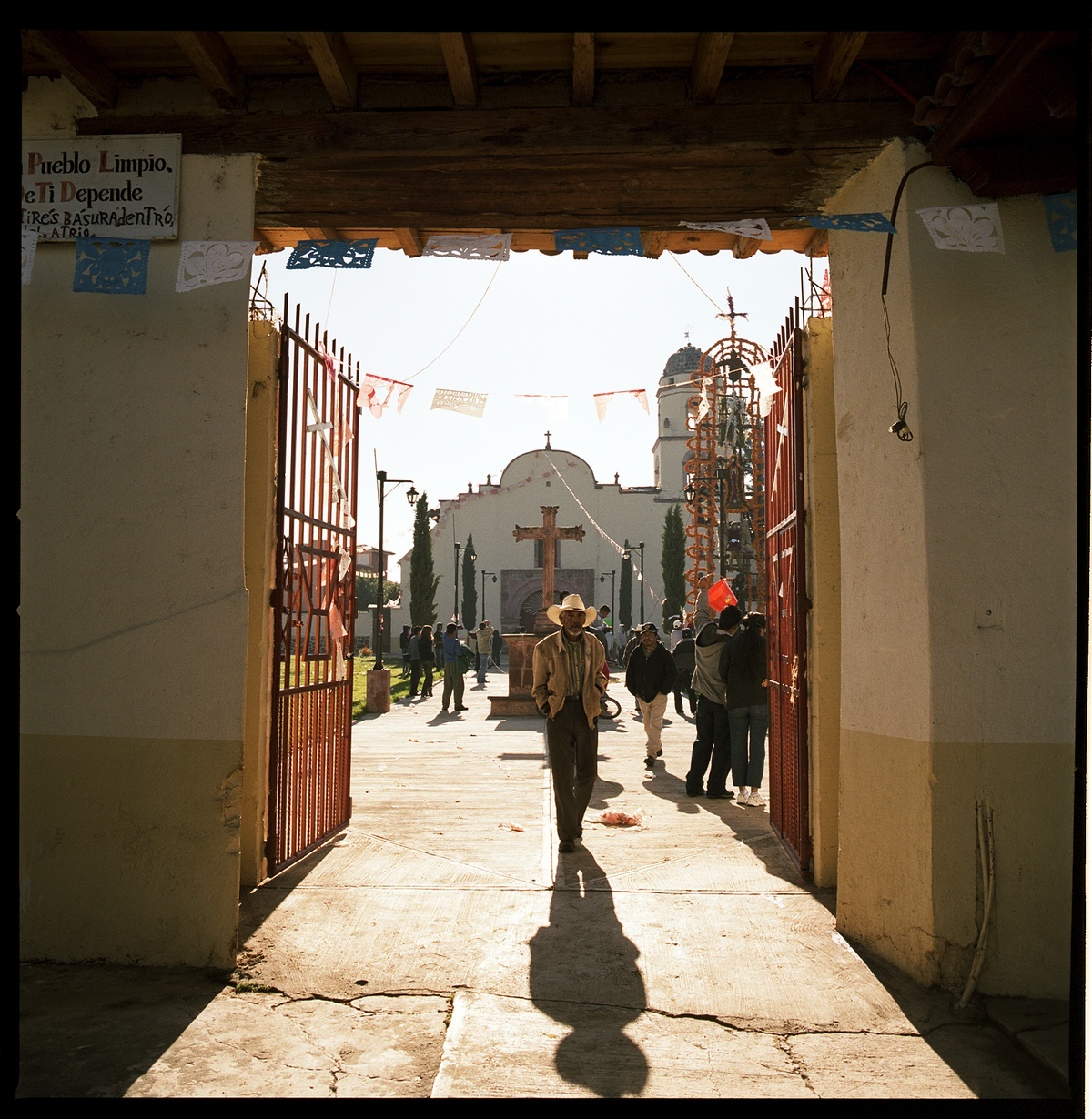
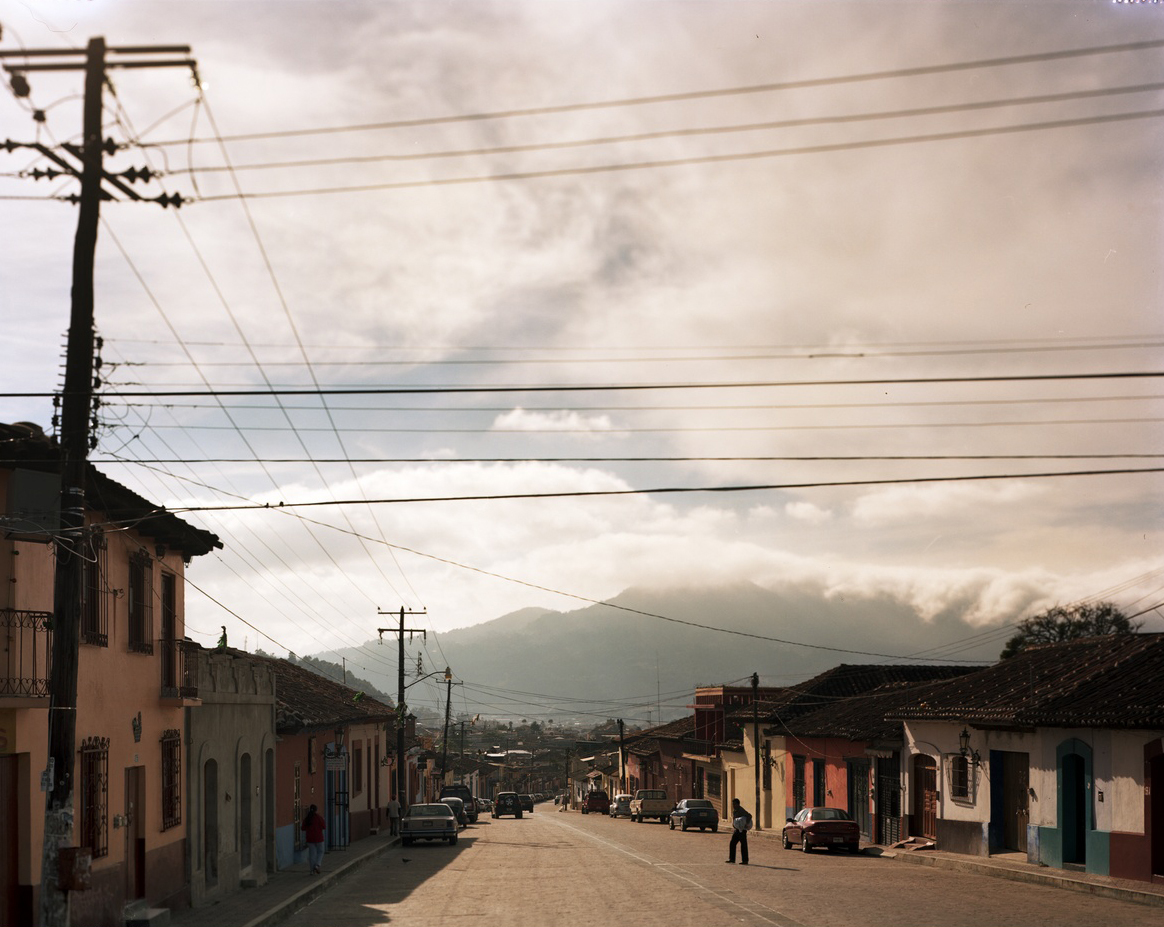
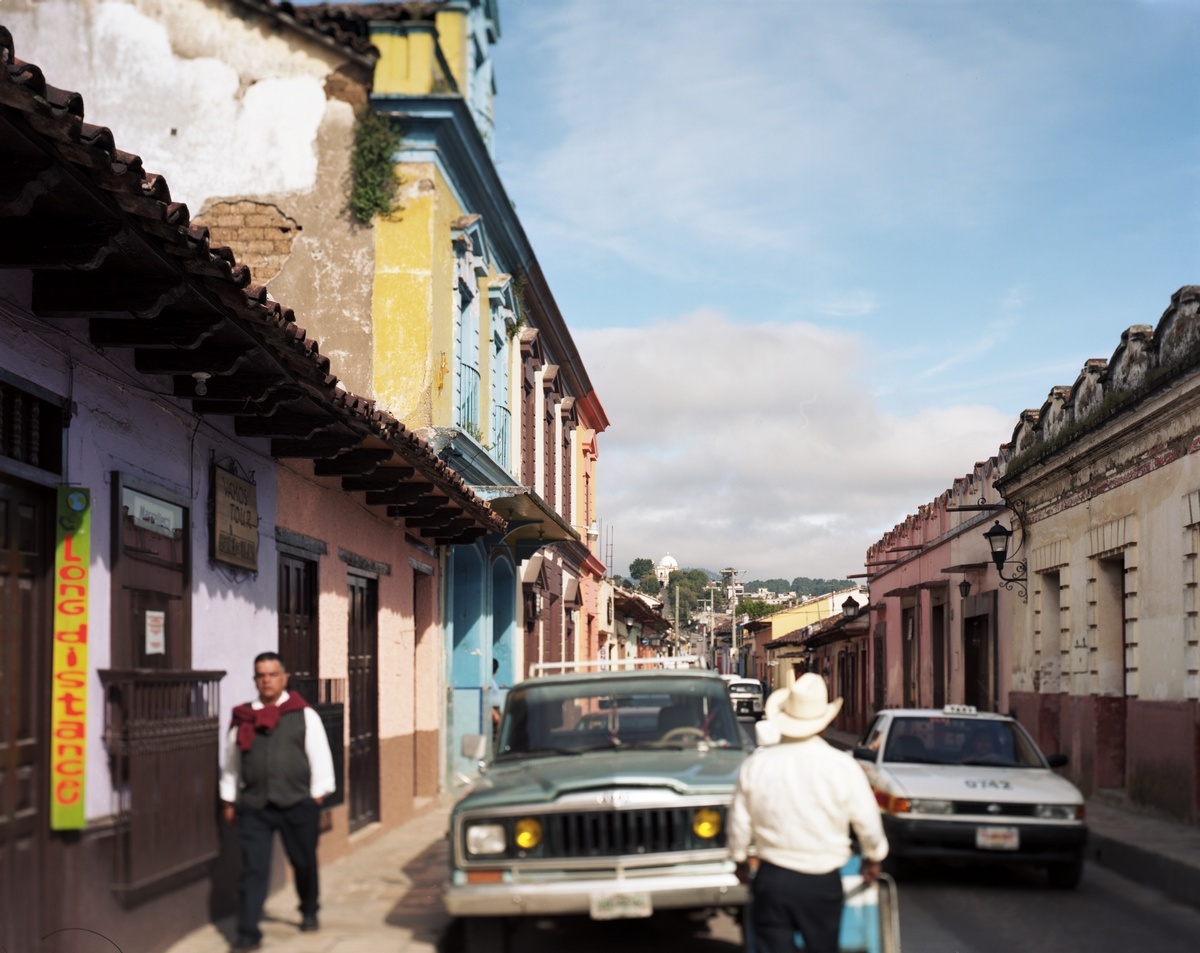
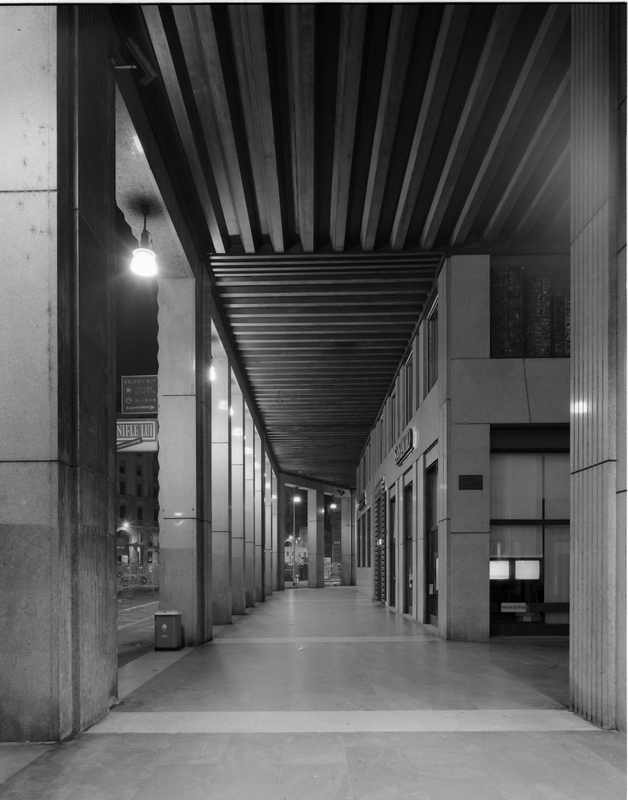
Milan at Night. 2007
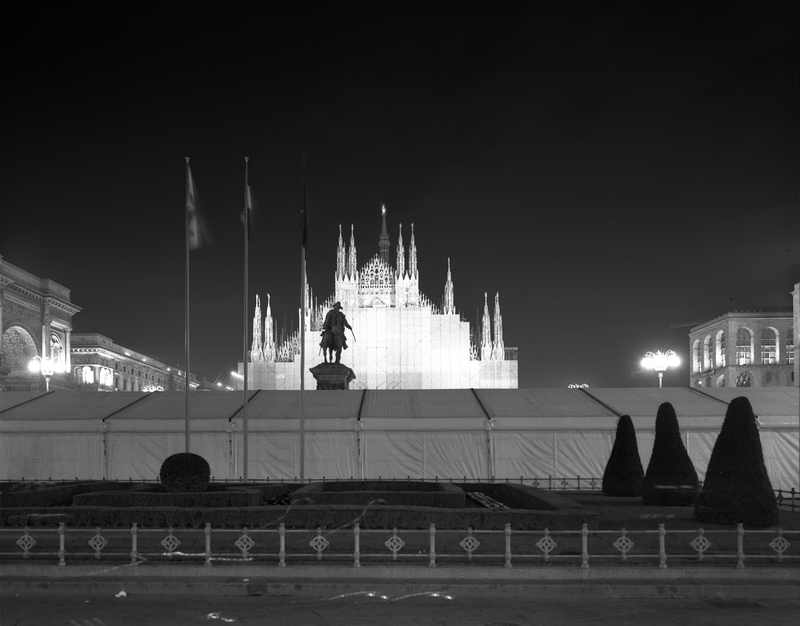
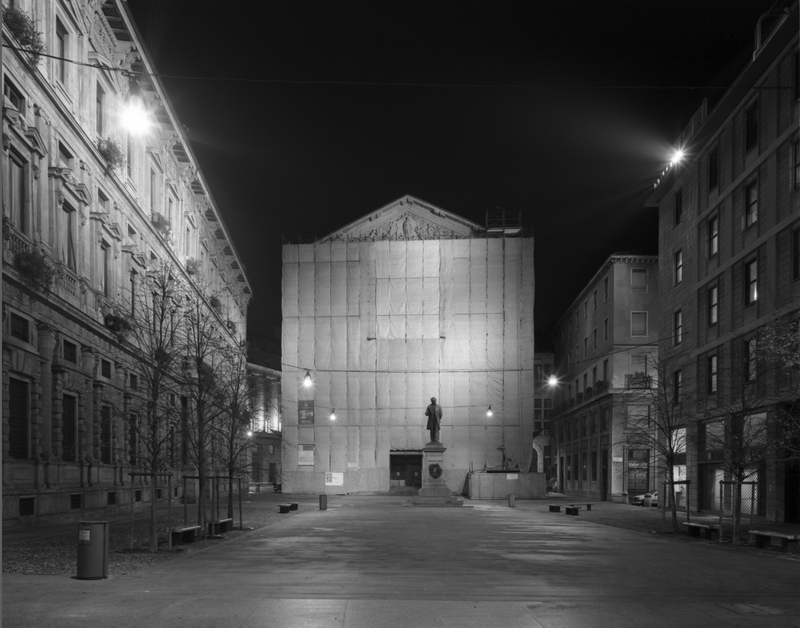
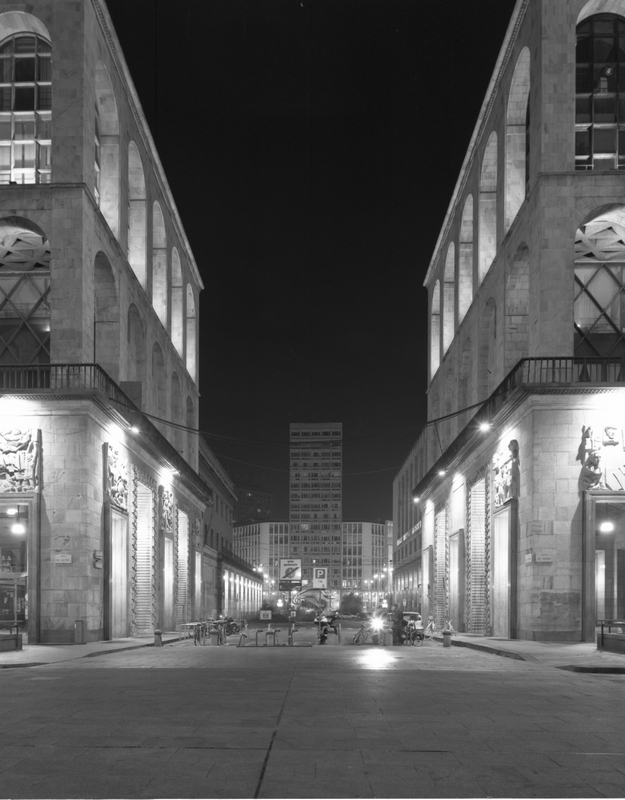
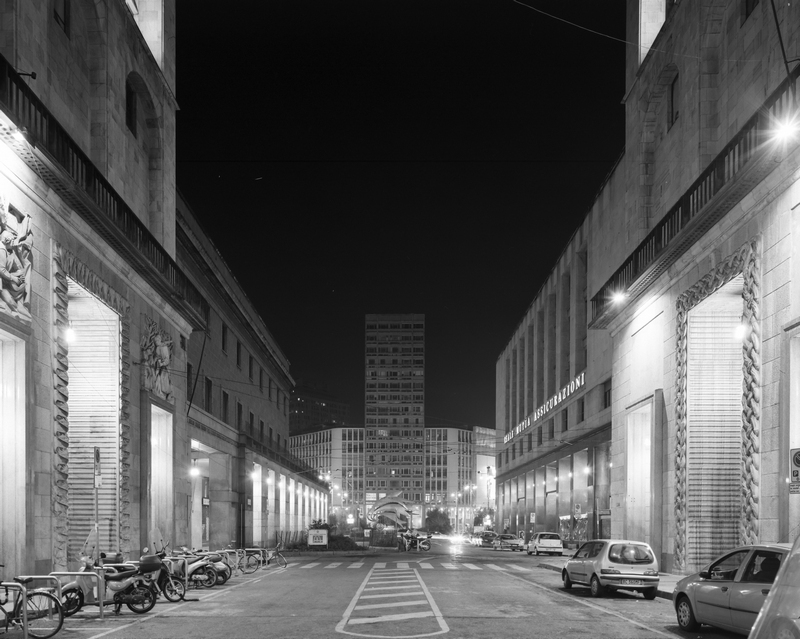
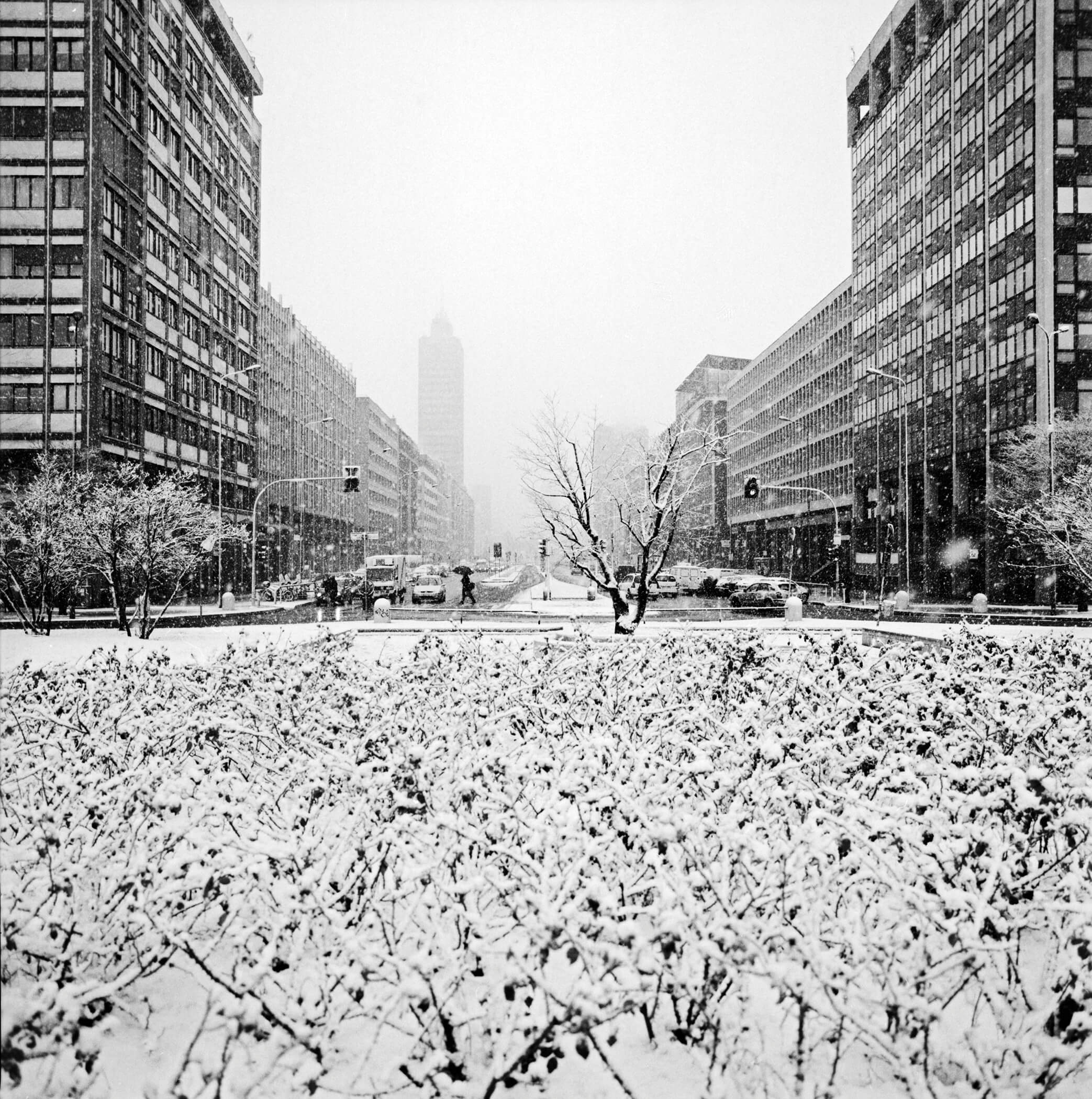
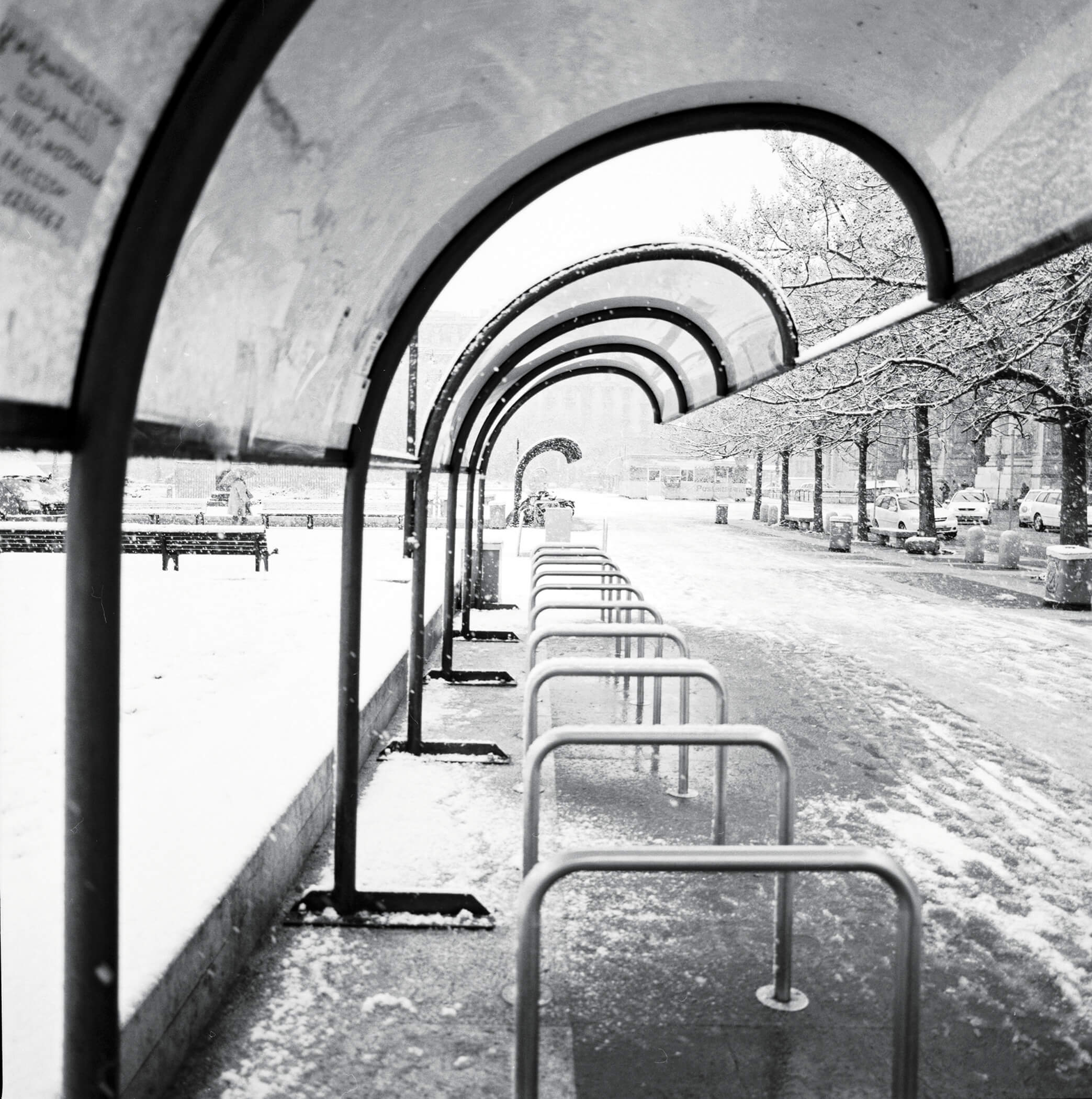
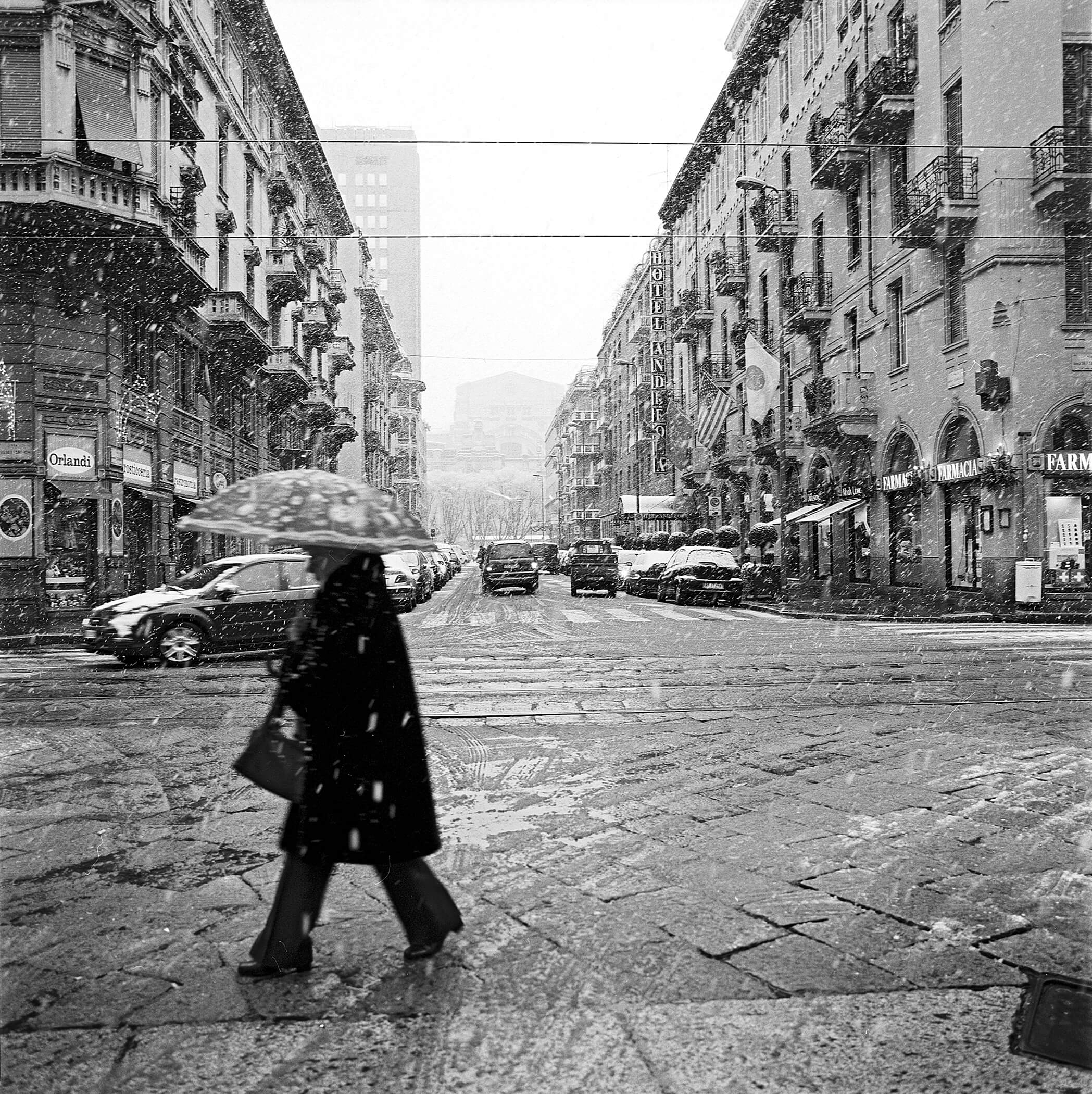
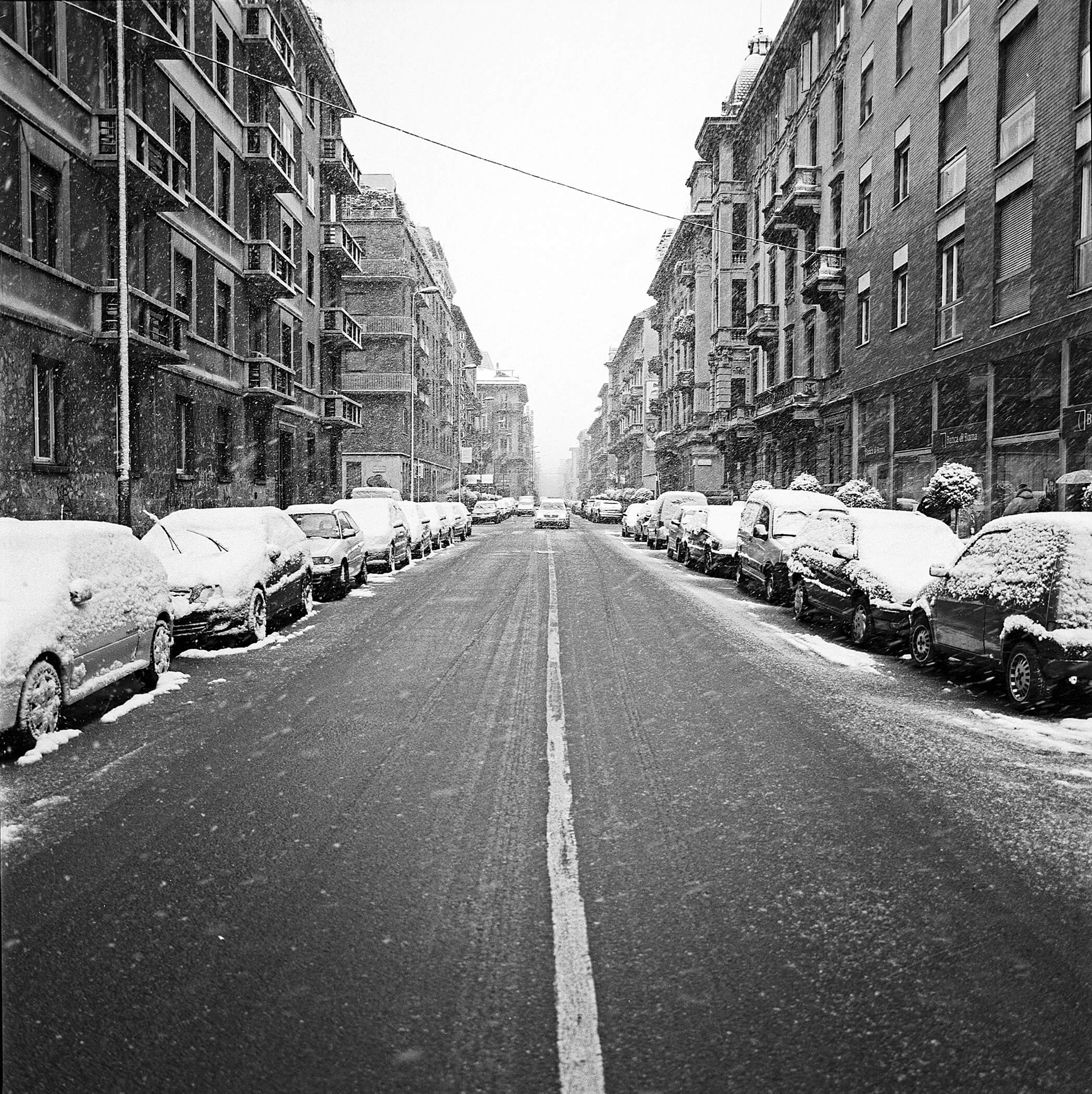
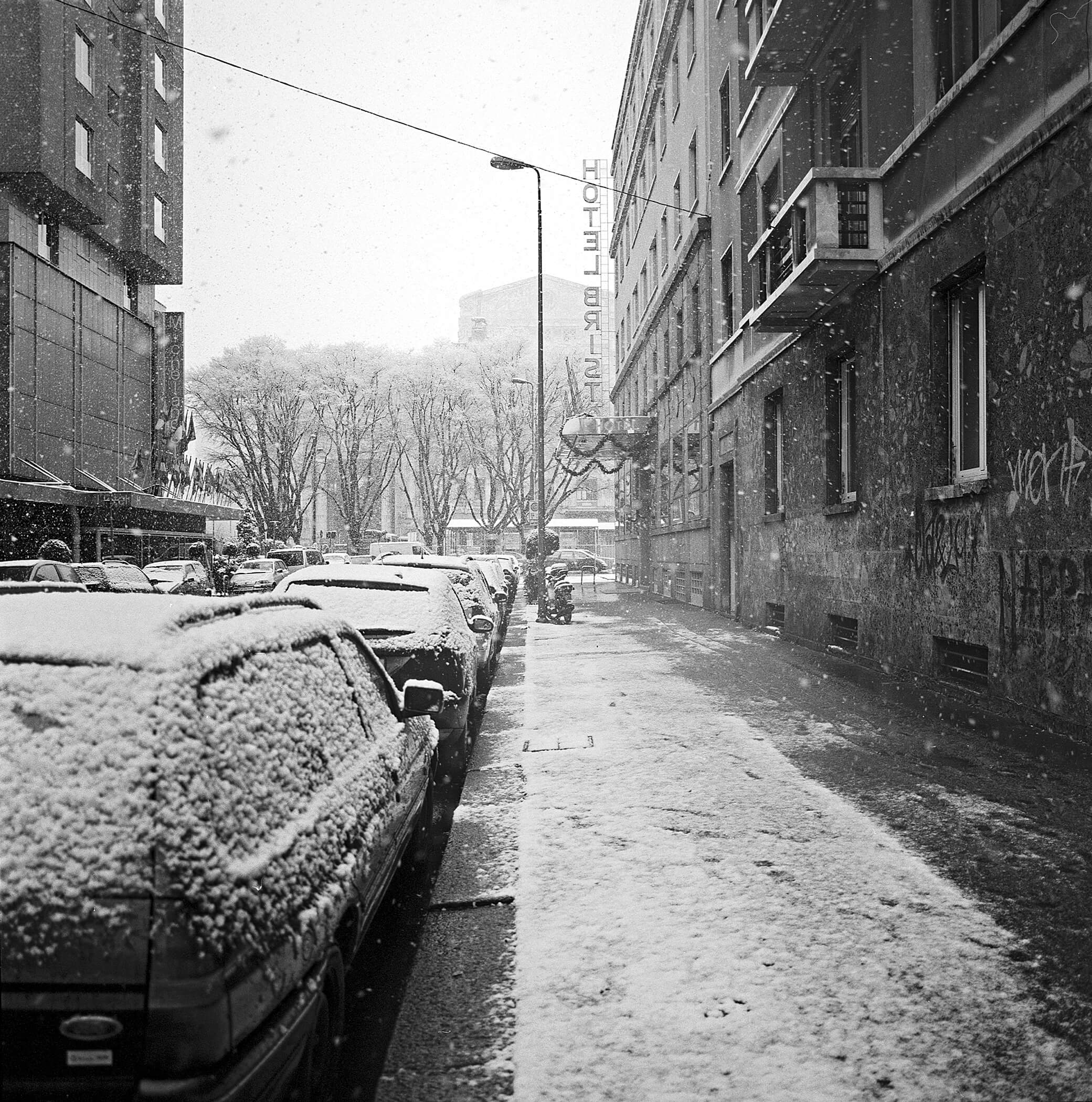
Milan under Snow. 2007
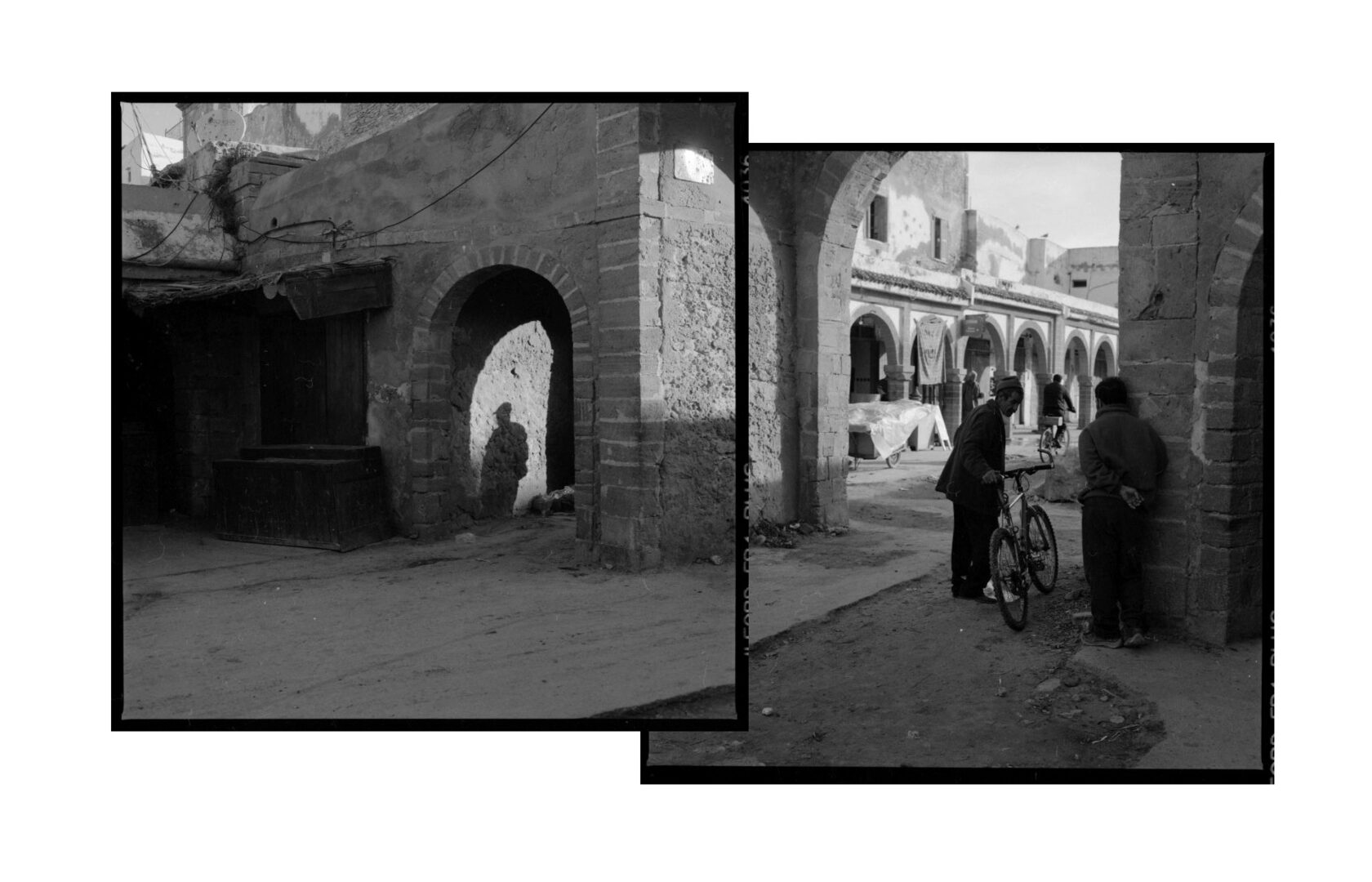
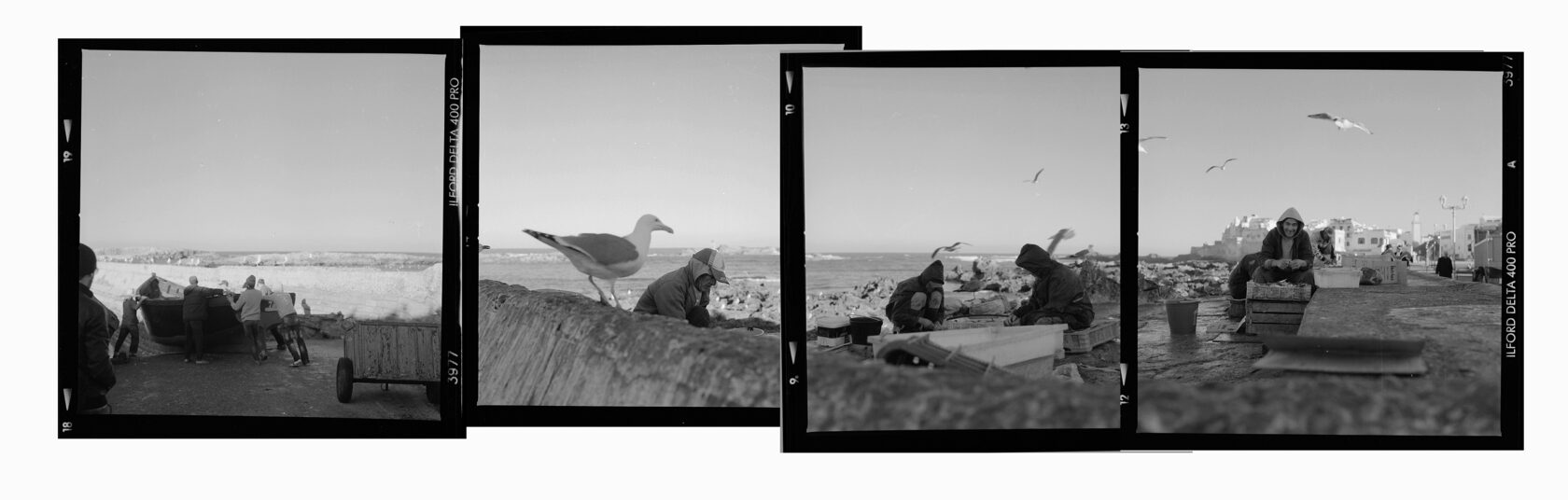
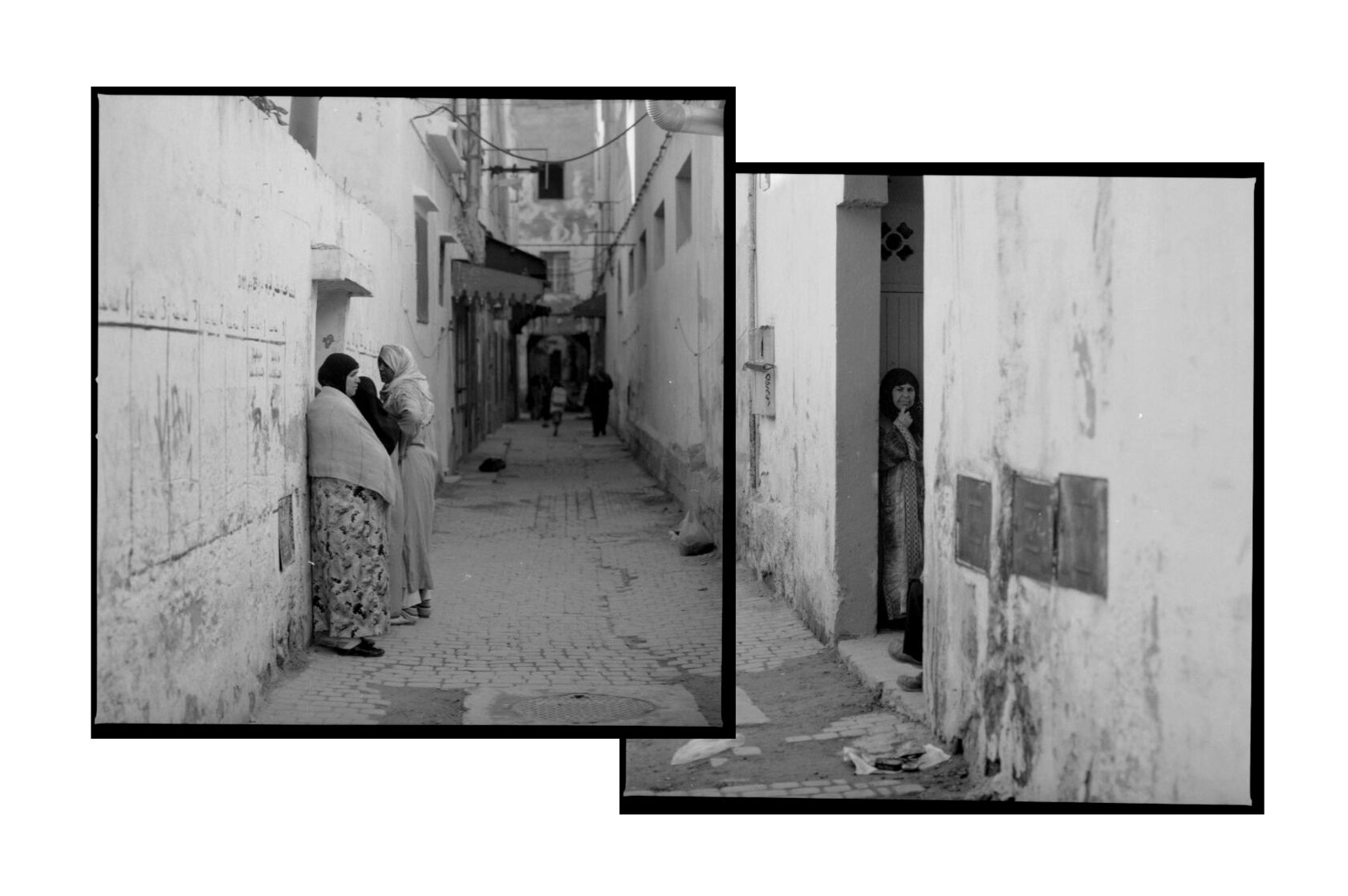
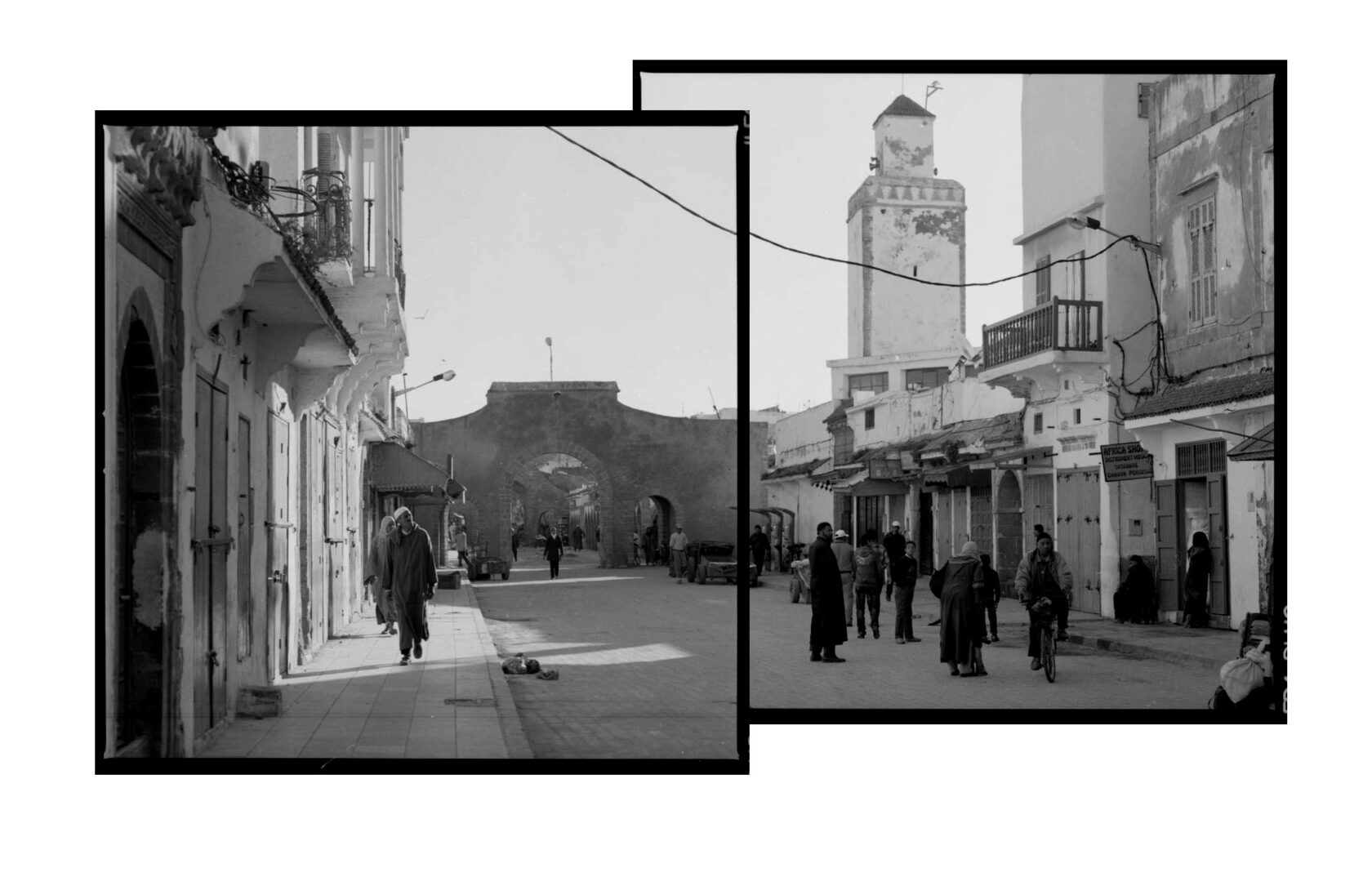
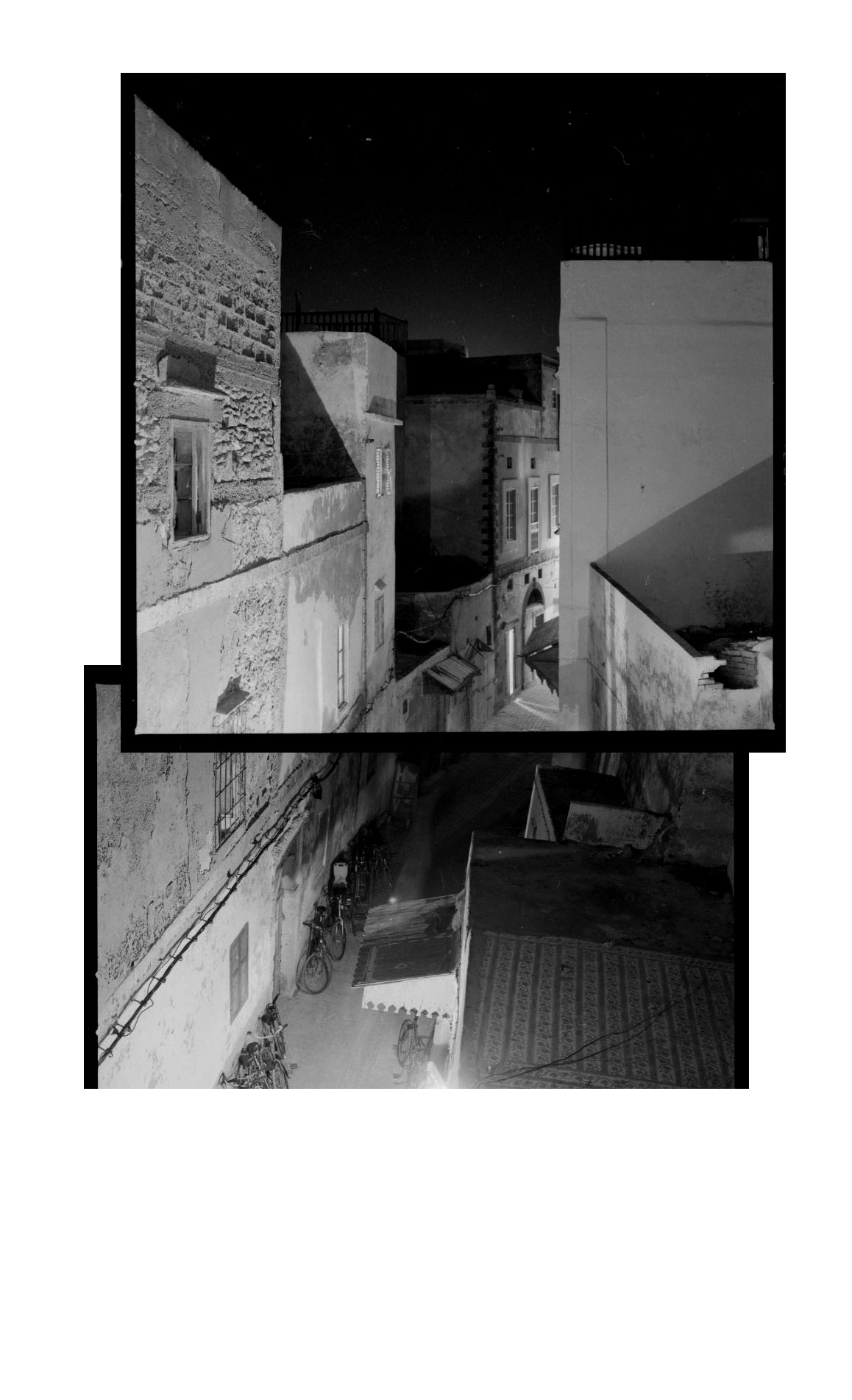
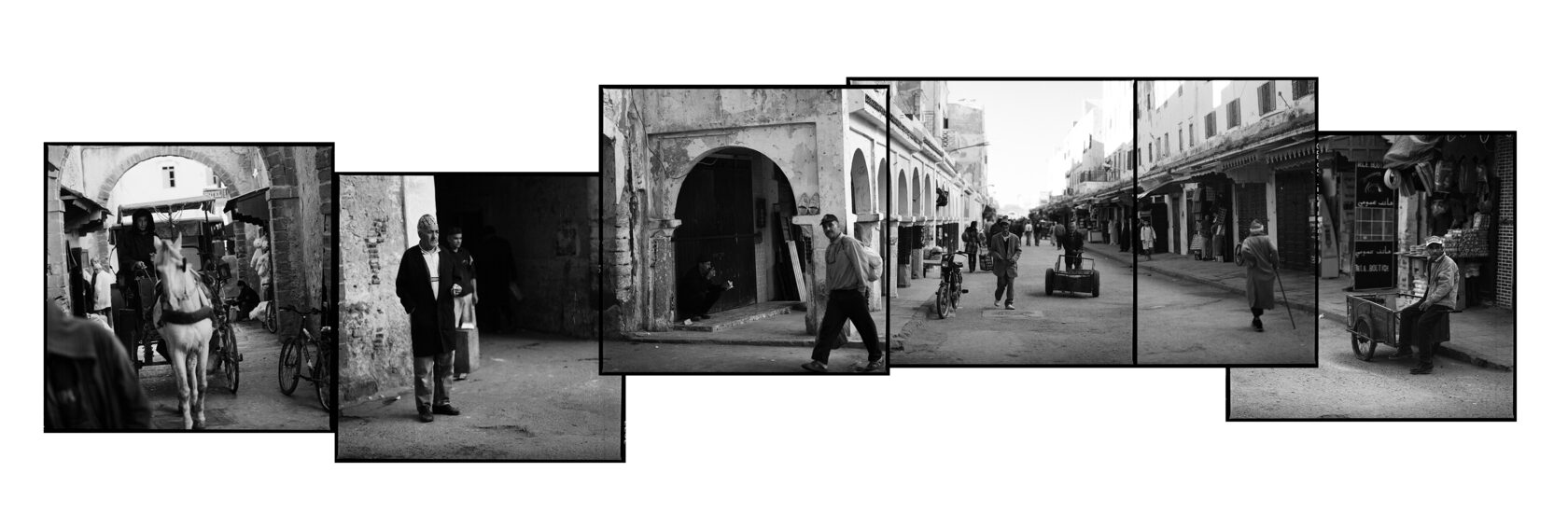
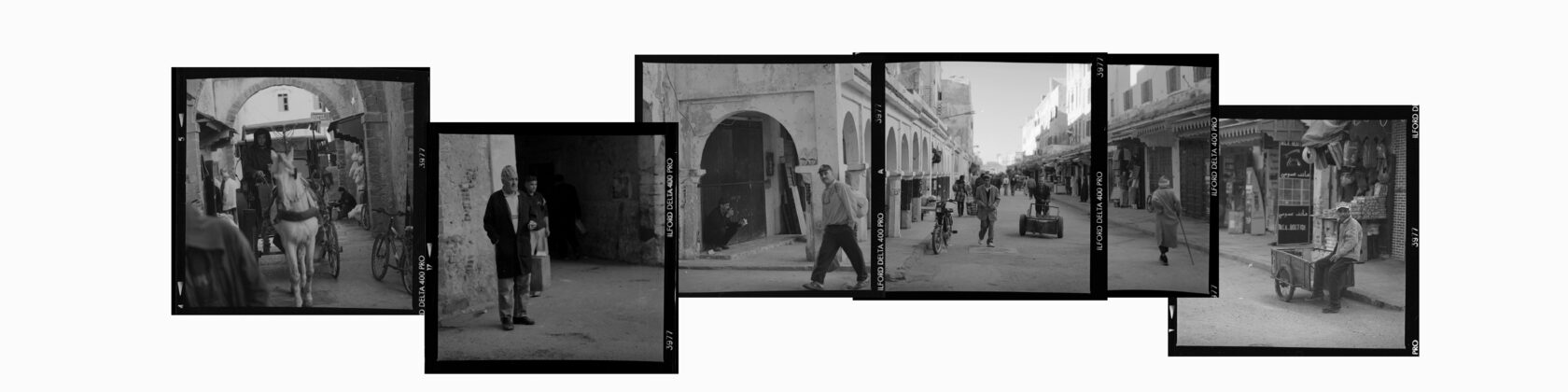
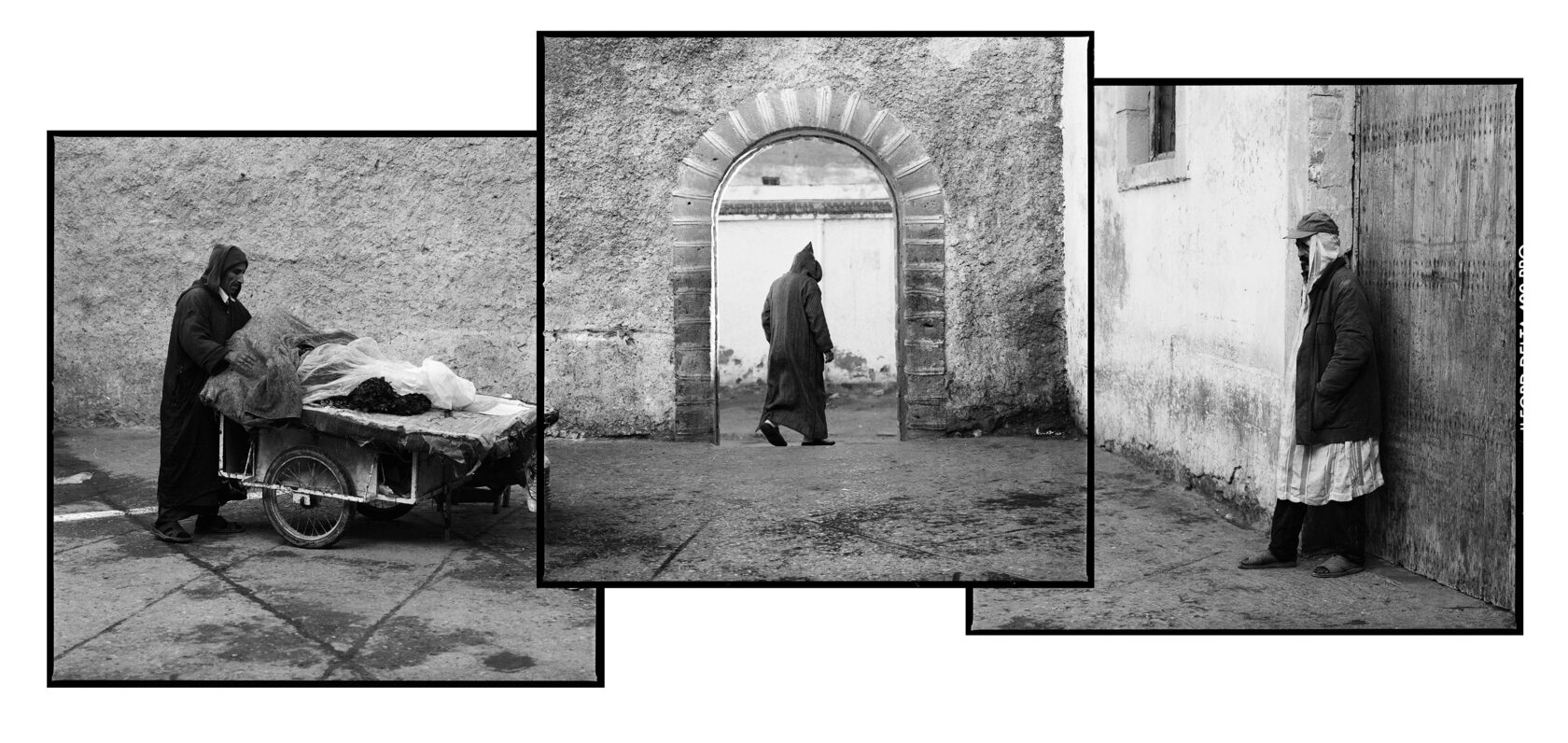
Morocco. Black & White. 2007–2011
How I Photograph in Large Format
When I work in large format, I begin by setting up the tripod and assembling the camera. Most of the time, what I am looking at is, conventionally speaking, a wide shot.
Then I disappear beneath the dark cloth, and suddenly I am inside the scene itself. It feels almost like stepping into a film. People appear upside down, and everything is reversed. That is where a certain sense of detachment comes from, along with an
When I work in large format, I begin by setting up the tripod and assembling the camera. Most of the time, what I am looking at is, conventionally speaking, a wide shot.
Then I disappear beneath the dark cloth, and suddenly I am inside the scene itself. It feels almost like stepping into a film. People appear upside down, and everything is reversed. That is where a certain sense of detachment comes from, along with an
almost obsessive focus on composition. Under the cloth, I have deliberately removed myself from ordinary reality.
I carve a rectangle out of the world before me, with an aspect ratio of 1:1.25. Everything beyond its borders simply ceases to exist. I no longer see it. For me, it is not there.
Within that carefully chosen fragment of the world, I want to find not only the subject but also the world that surrounds them. I need to see the person, the atmosphere of their life, the
I carve a rectangle out of the world before me, with an aspect ratio of 1:1.25. Everything beyond its borders simply ceases to exist. I no longer see it. For me, it is not there.
Within that carefully chosen fragment of the world, I want to find not only the subject but also the world that surrounds them. I need to see the person, the atmosphere of their life, the
relationships between every element in the frame - everything. Because I have only one exposure.
Large-format photography gives me that discipline.
When I pick up another camera, especially a six-by-six, I see only a fragment of that larger picture through the viewfinder. My first instinct is always to assemble those fragments into a complete whole - to reconstruct, somehow, a small world of my own.
Large-format photography gives me that discipline.
When I pick up another camera, especially a six-by-six, I see only a fragment of that larger picture through the viewfinder. My first instinct is always to assemble those fragments into a complete whole - to reconstruct, somehow, a small world of my own.
How I Photograph in Large Format
When I work in large format, I begin by setting up the tripod and assembling the camera. Most of the time, what I am looking at is, conventionally speaking, a wide shot.
Then I disappear beneath the dark cloth, and suddenly I am inside the scene itself. It feels almost like stepping into a film. People appear upside down, and everything is reversed. That is where a certain sense of detachment comes from, along with an almost obsessive focus on composition. Under the cloth, I have deliberately removed myself from ordinary reality.
I carve a rectangle out of the world before me, with an aspect ratio of 1:1.25. Everything beyond its borders simply ceases to exist. I no longer see it. For me, it is not there.
Within that carefully chosen fragment of the world, I want to find not only the subject but also the world that surrounds them. I need to see the person, the atmosphere of their life, the relationships between every element in the frame - everything. Because I have only one exposure.
Large-format photography gives me that discipline.
When I pick up another camera, especially a six-by-six, I see only a fragment of that larger picture through the viewfinder. My first instinct is always to assemble those fragments into a complete whole - to reconstruct, somehow, a small world of my own.
When I work in large format, I begin by setting up the tripod and assembling the camera. Most of the time, what I am looking at is, conventionally speaking, a wide shot.
Then I disappear beneath the dark cloth, and suddenly I am inside the scene itself. It feels almost like stepping into a film. People appear upside down, and everything is reversed. That is where a certain sense of detachment comes from, along with an almost obsessive focus on composition. Under the cloth, I have deliberately removed myself from ordinary reality.
I carve a rectangle out of the world before me, with an aspect ratio of 1:1.25. Everything beyond its borders simply ceases to exist. I no longer see it. For me, it is not there.
Within that carefully chosen fragment of the world, I want to find not only the subject but also the world that surrounds them. I need to see the person, the atmosphere of their life, the relationships between every element in the frame - everything. Because I have only one exposure.
Large-format photography gives me that discipline.
When I pick up another camera, especially a six-by-six, I see only a fragment of that larger picture through the viewfinder. My first instinct is always to assemble those fragments into a complete whole - to reconstruct, somehow, a small world of my own.
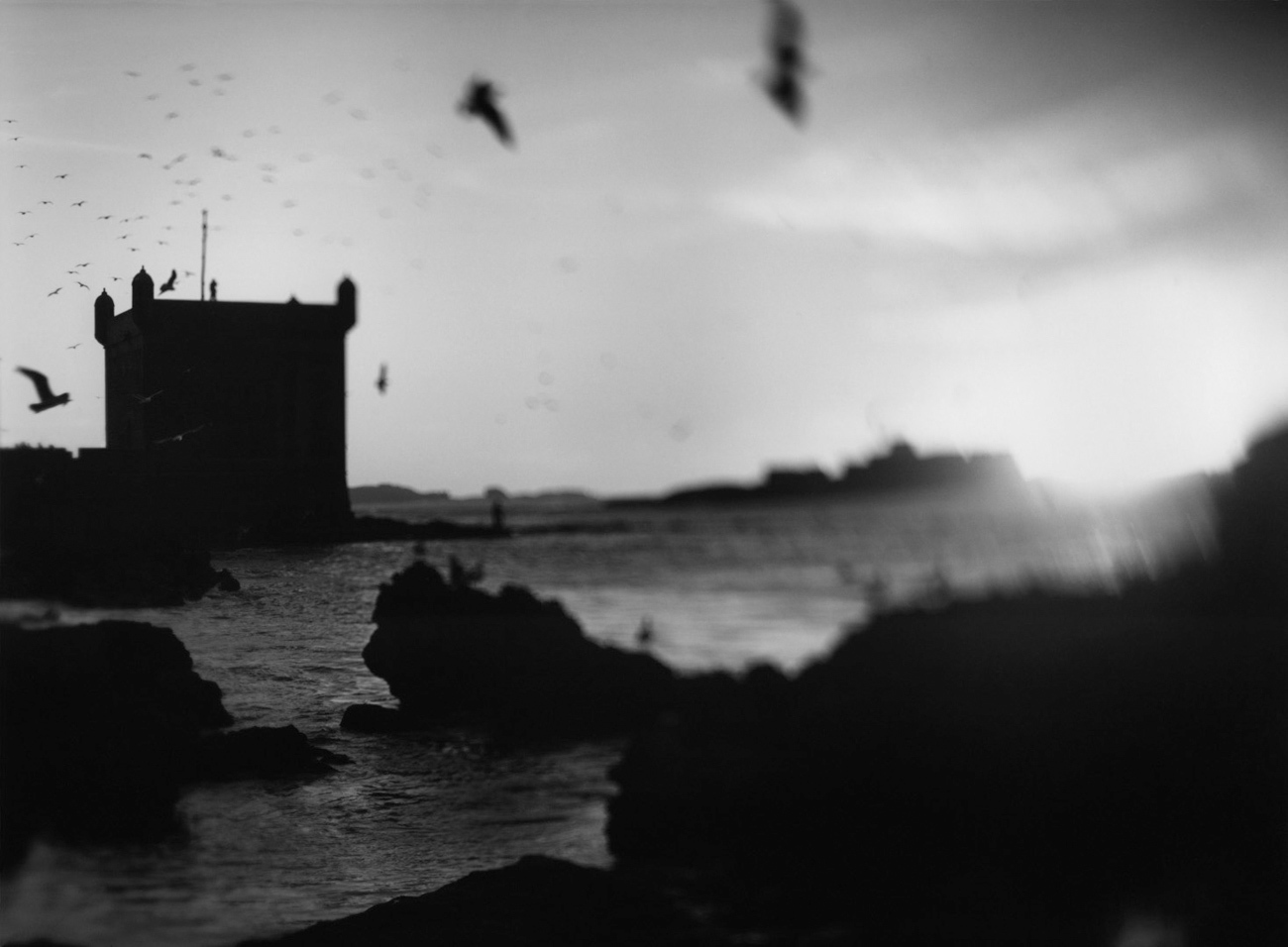
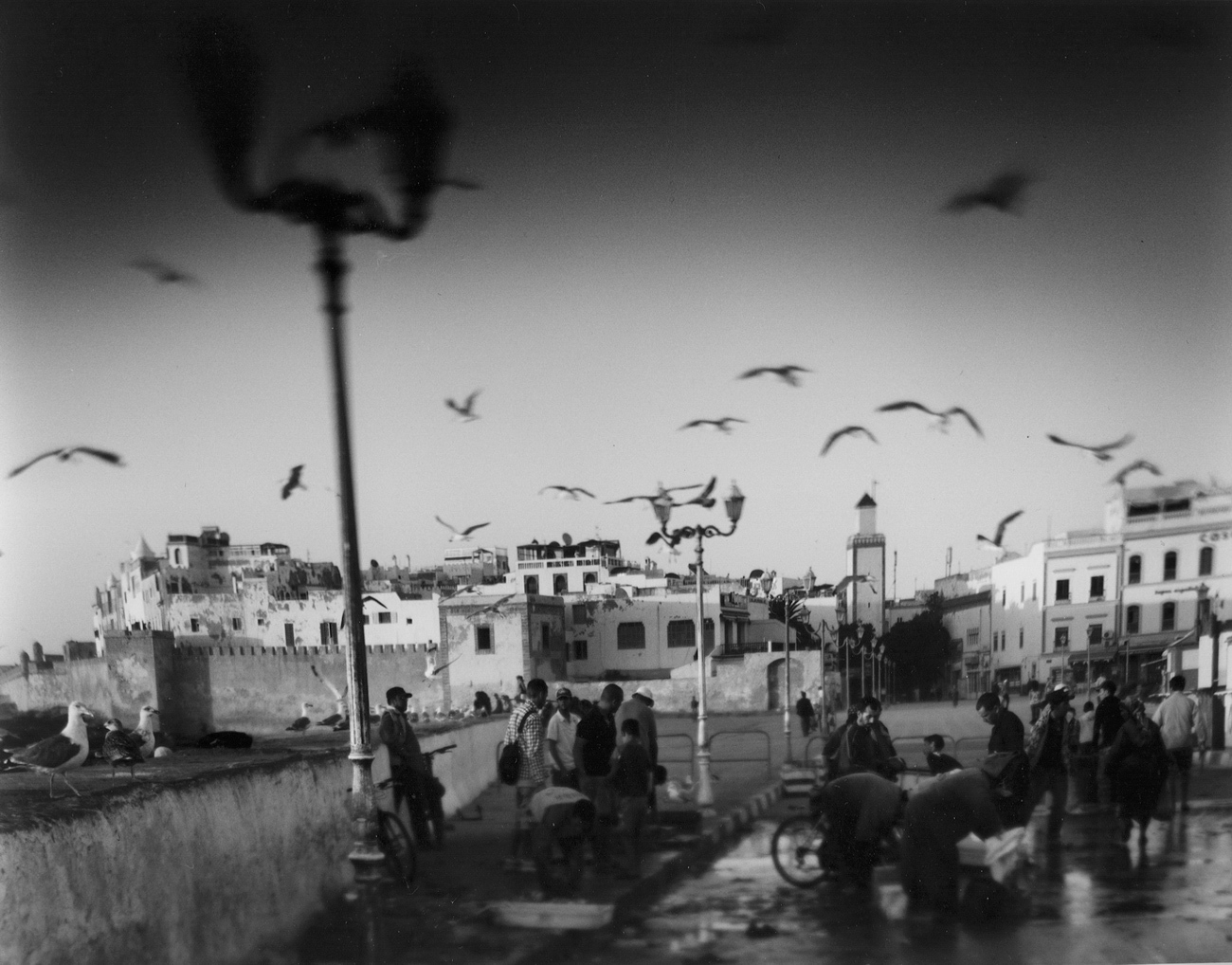
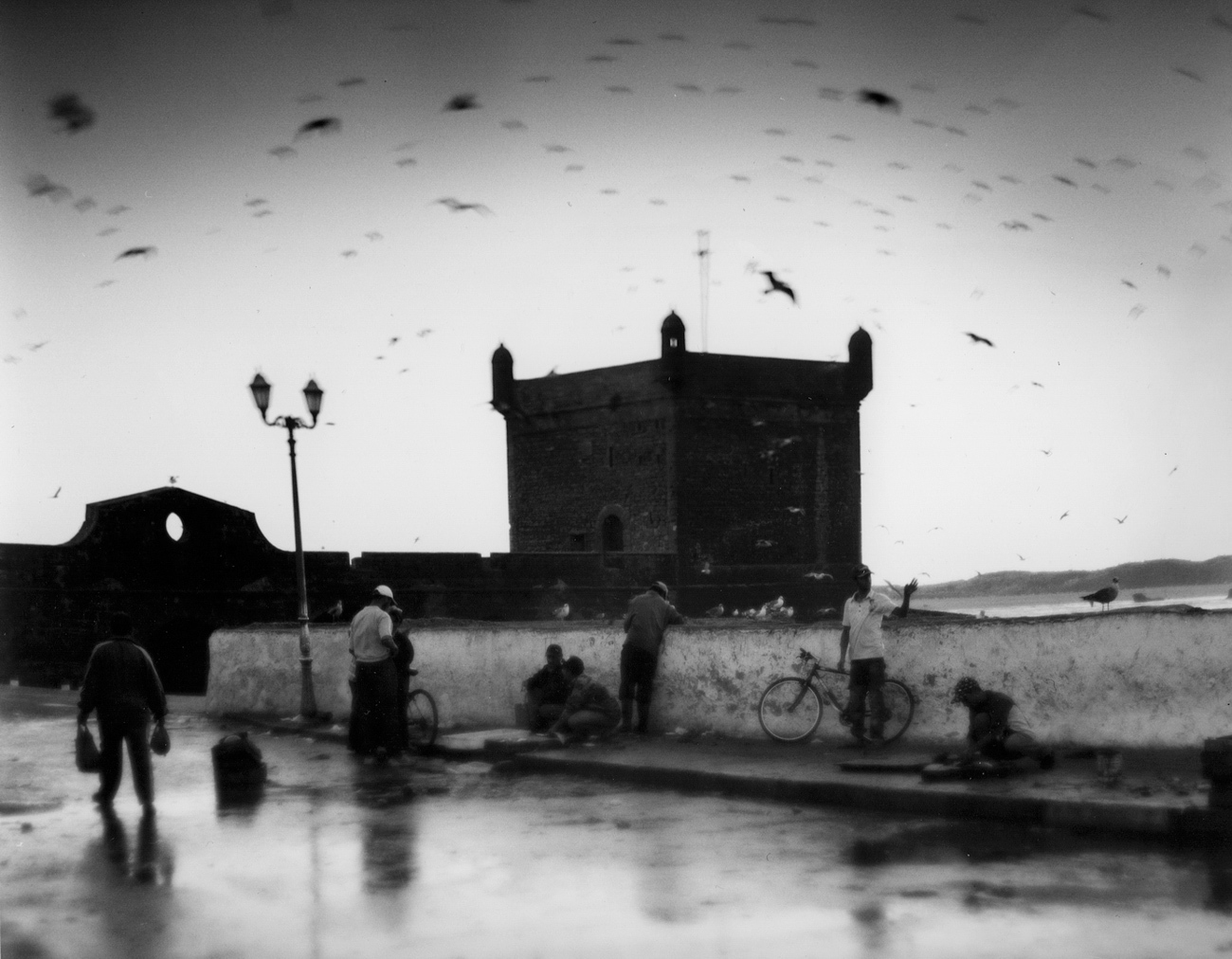
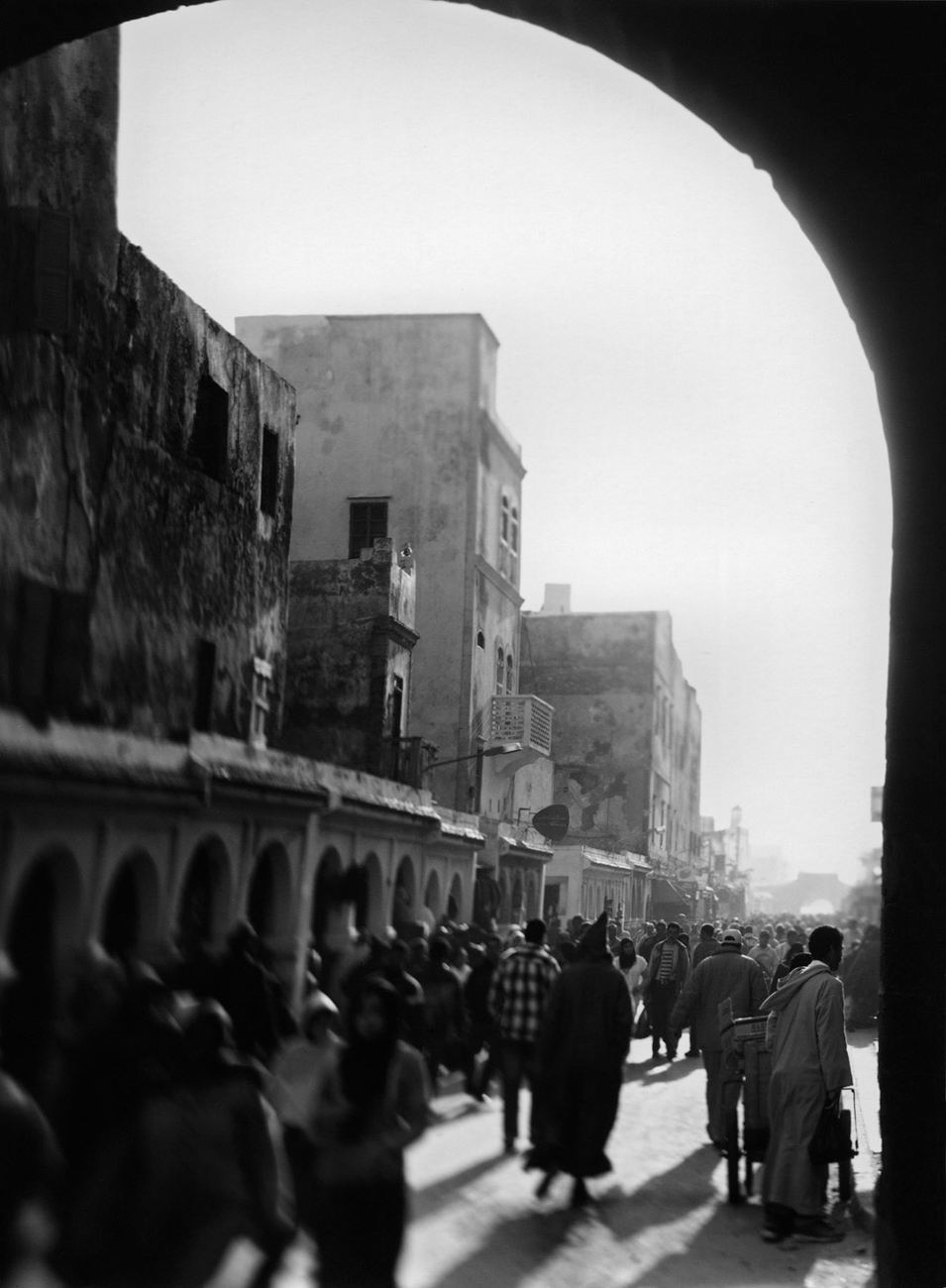
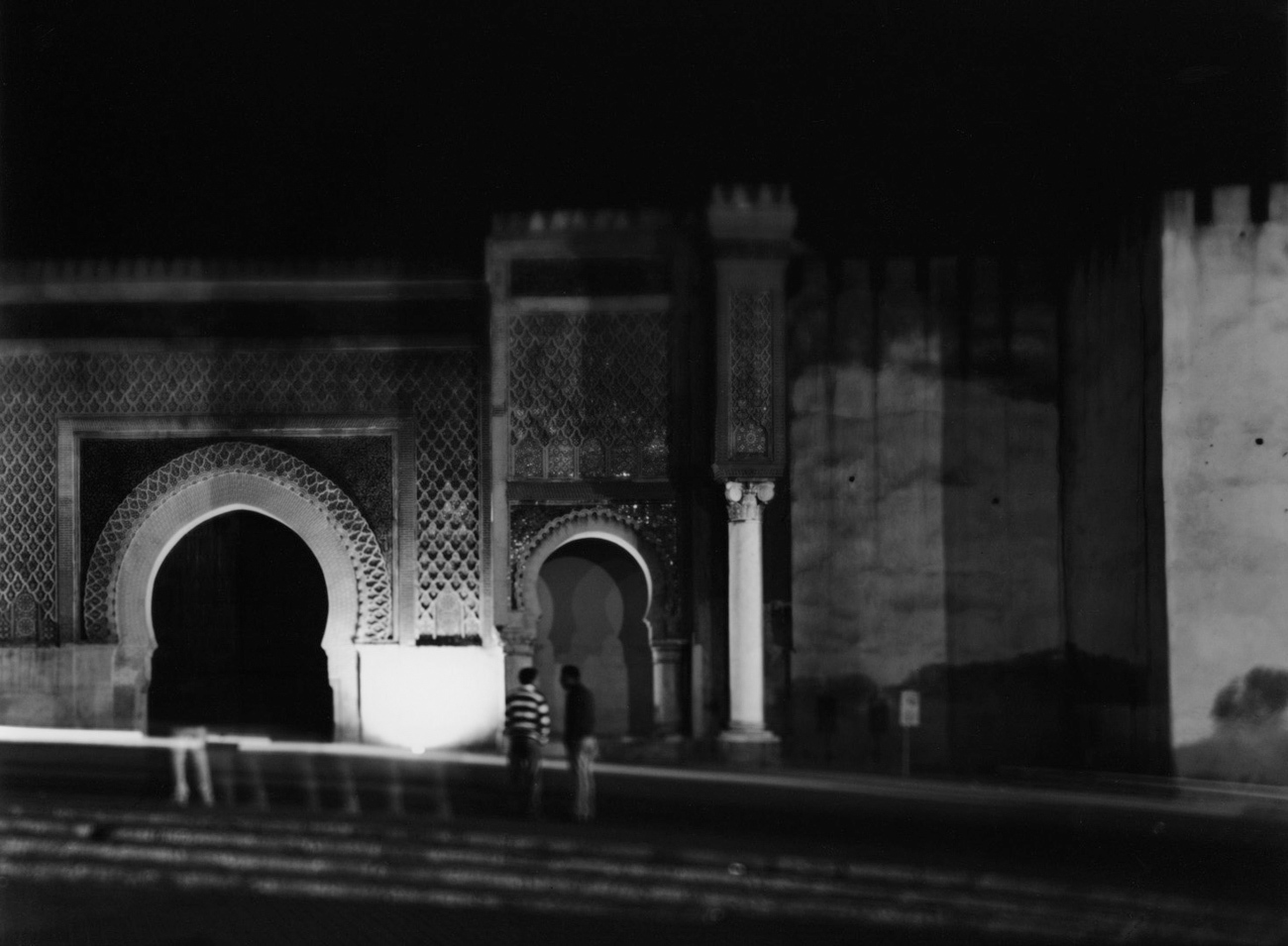
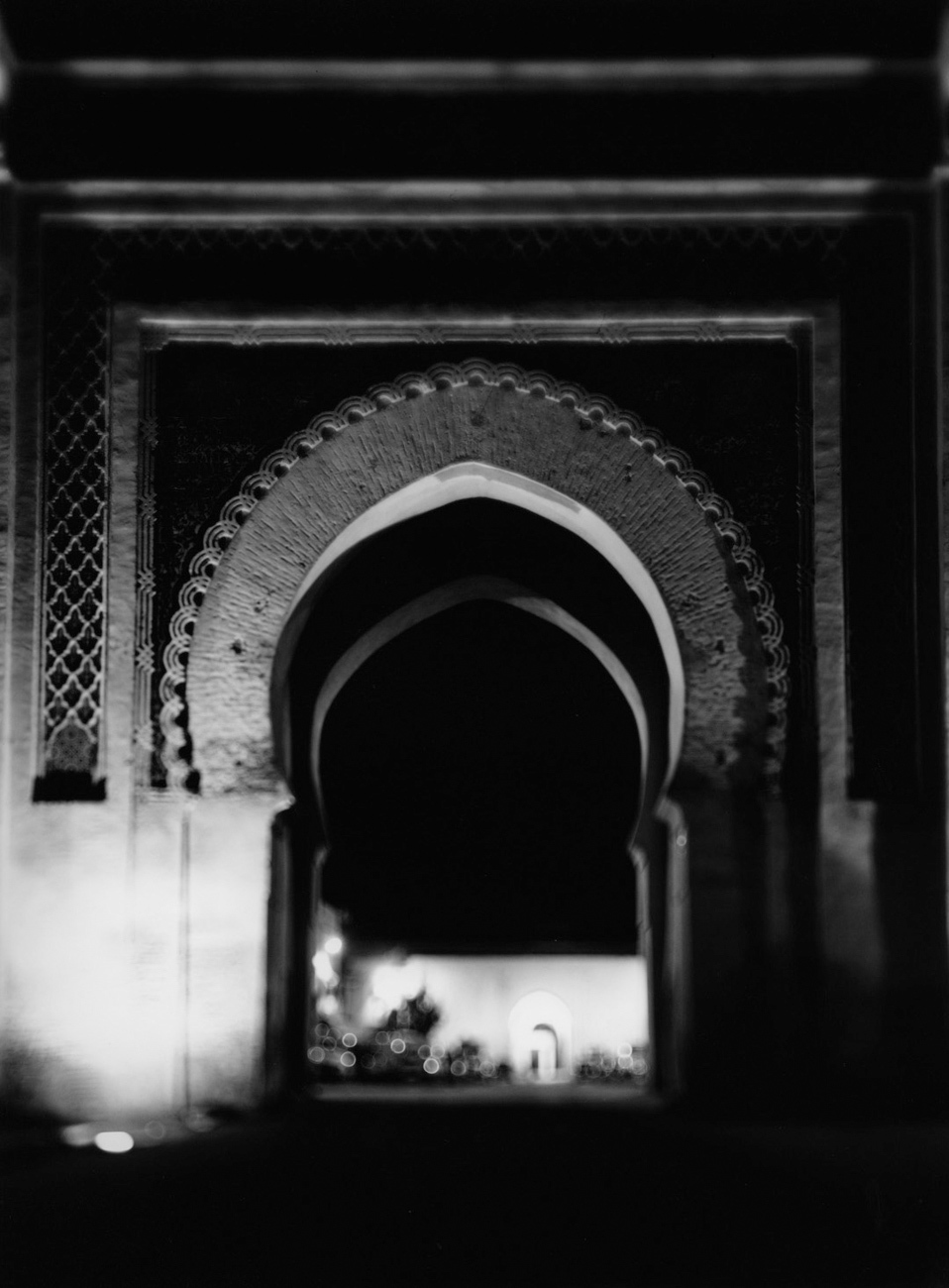
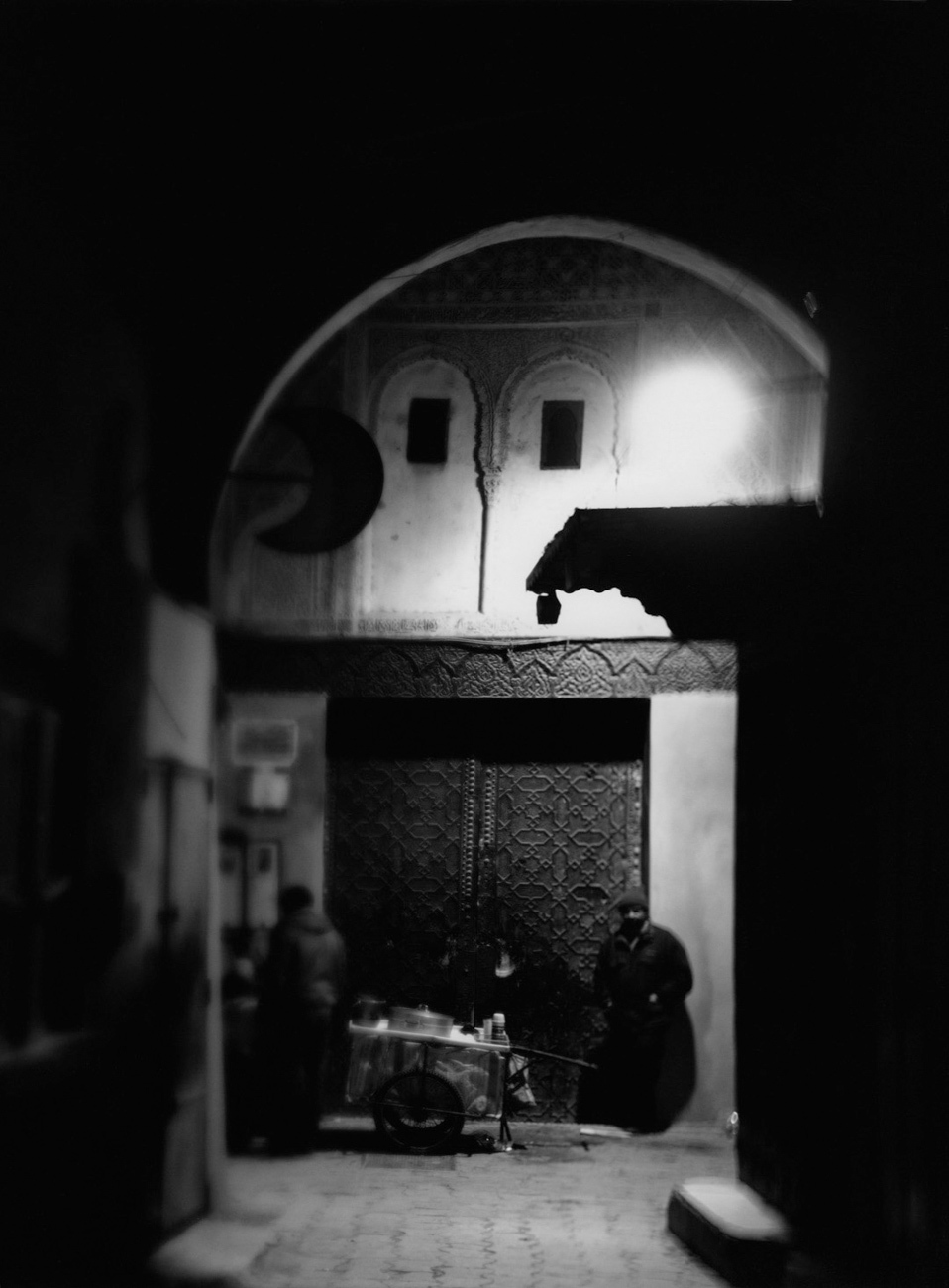
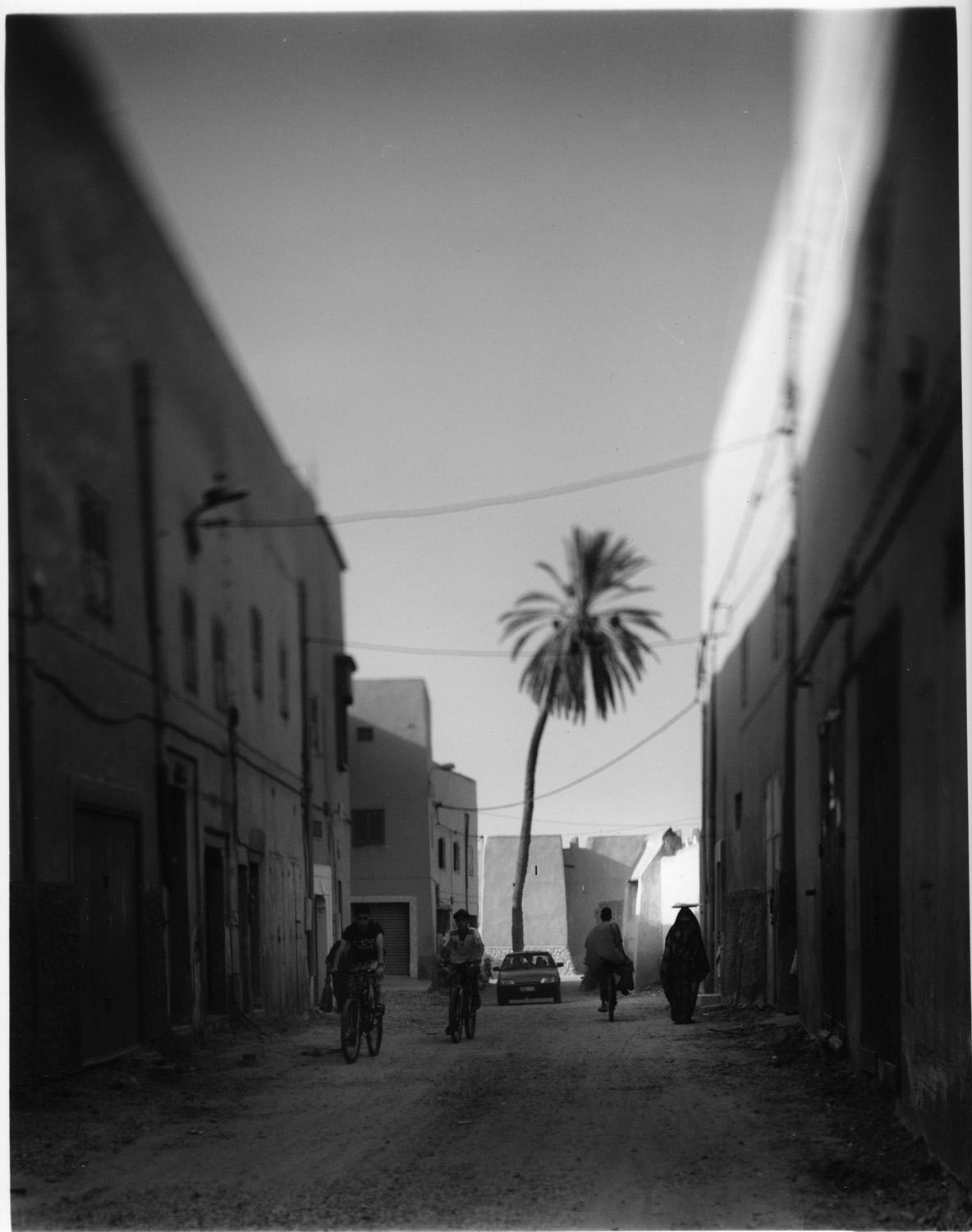
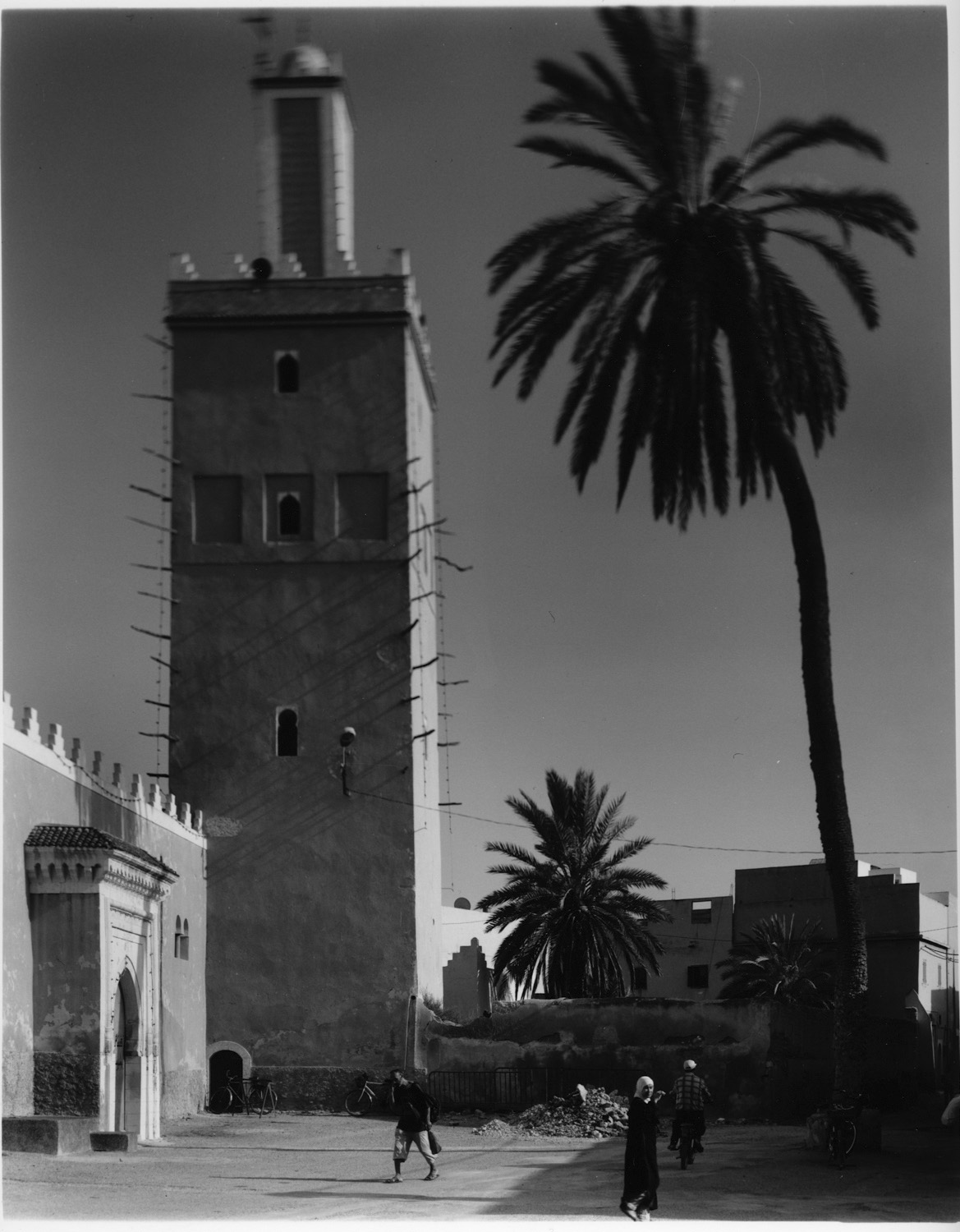
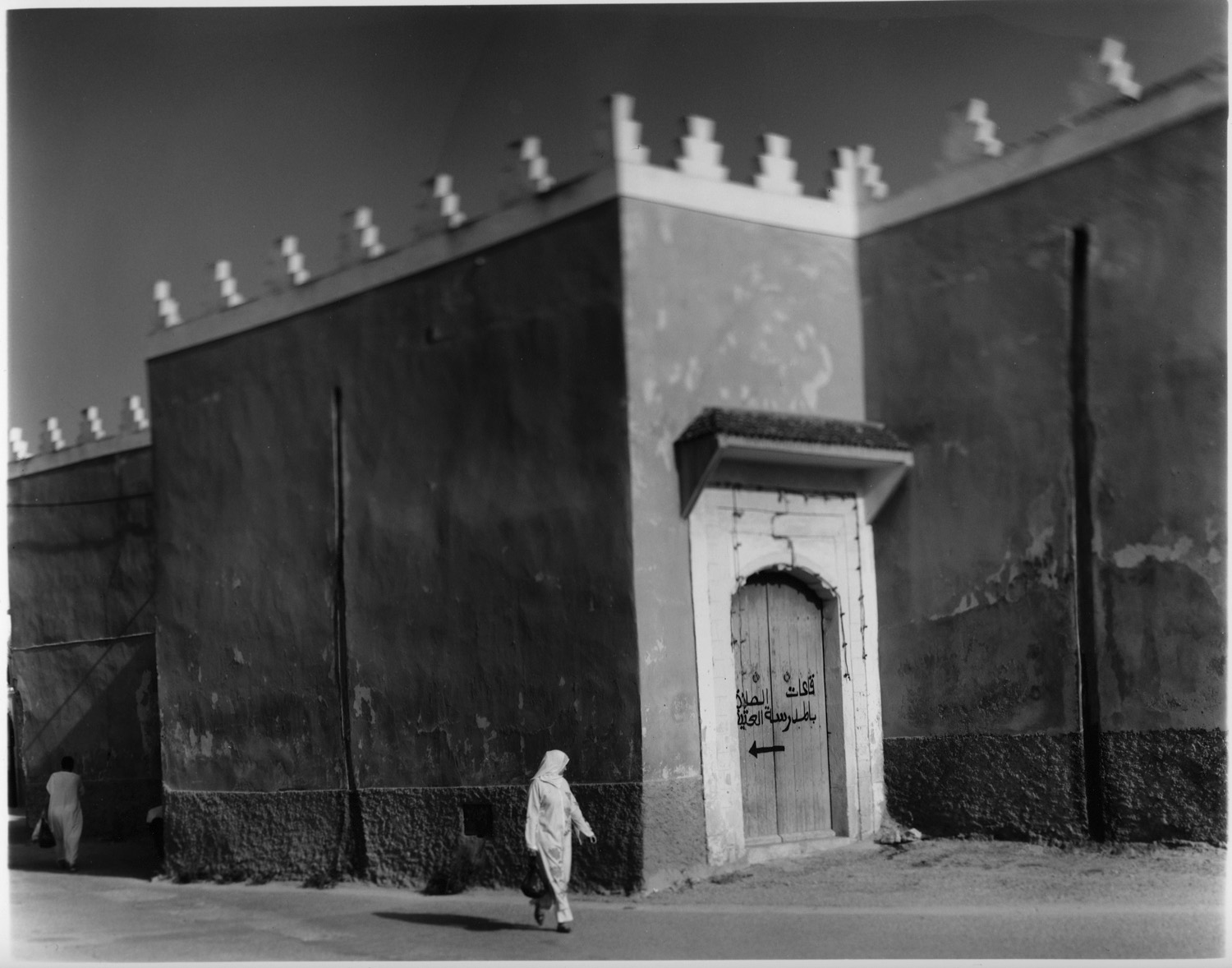
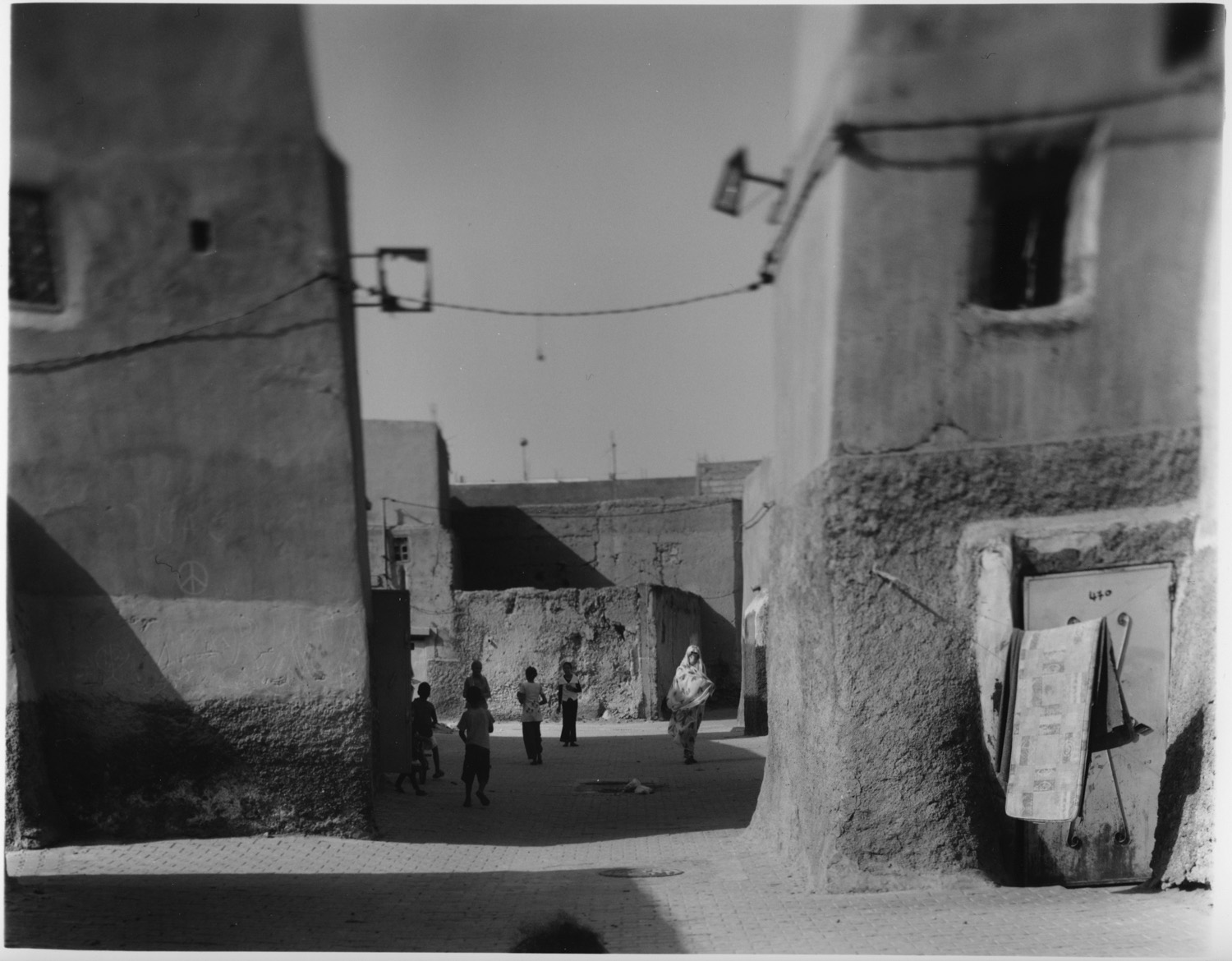
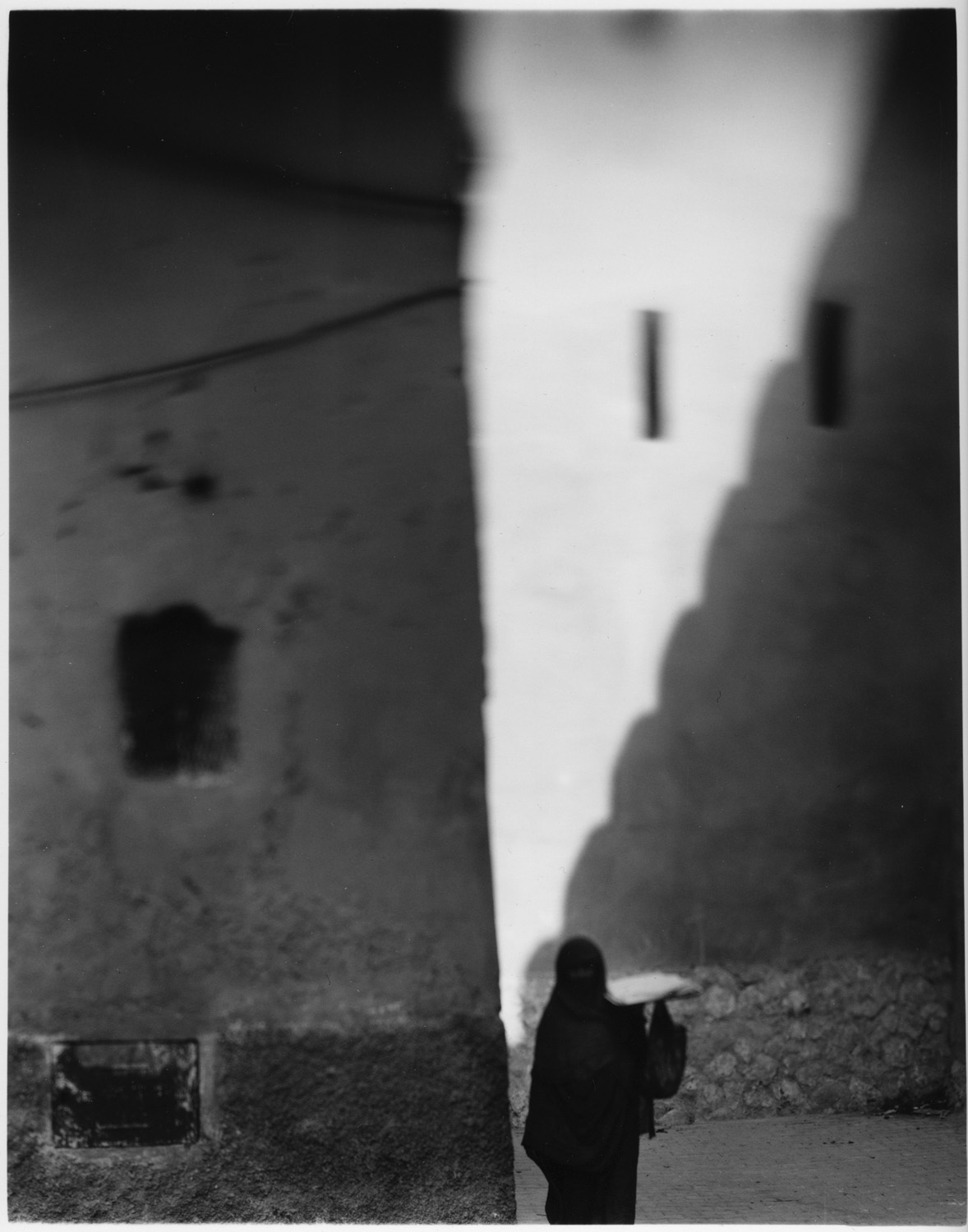
Morocco. Color Panorama. 2007–2011
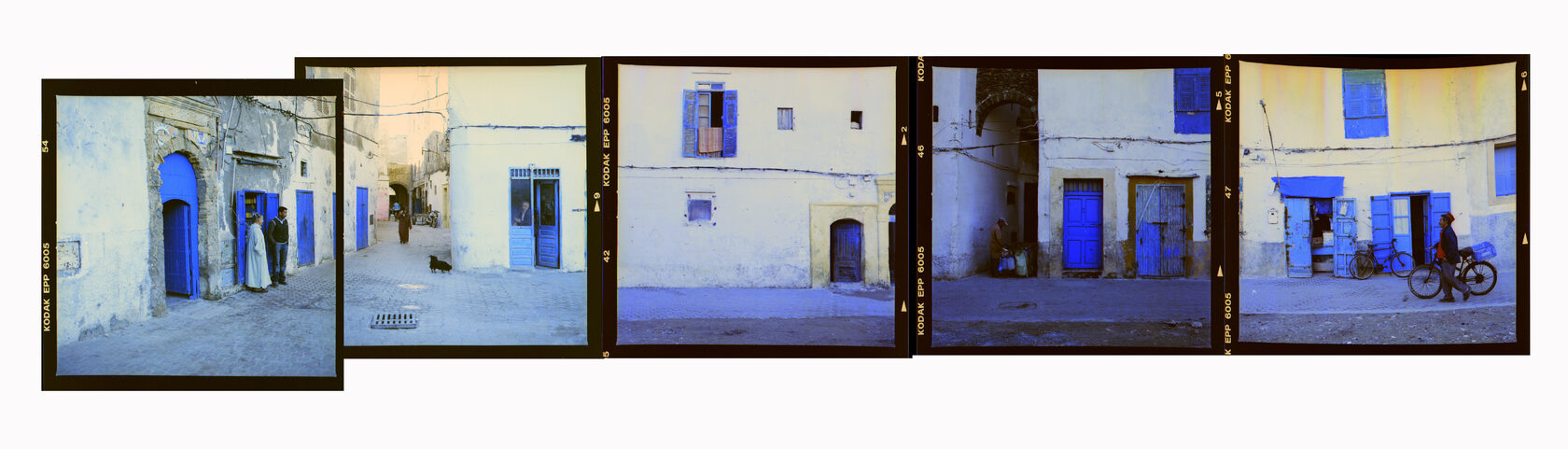
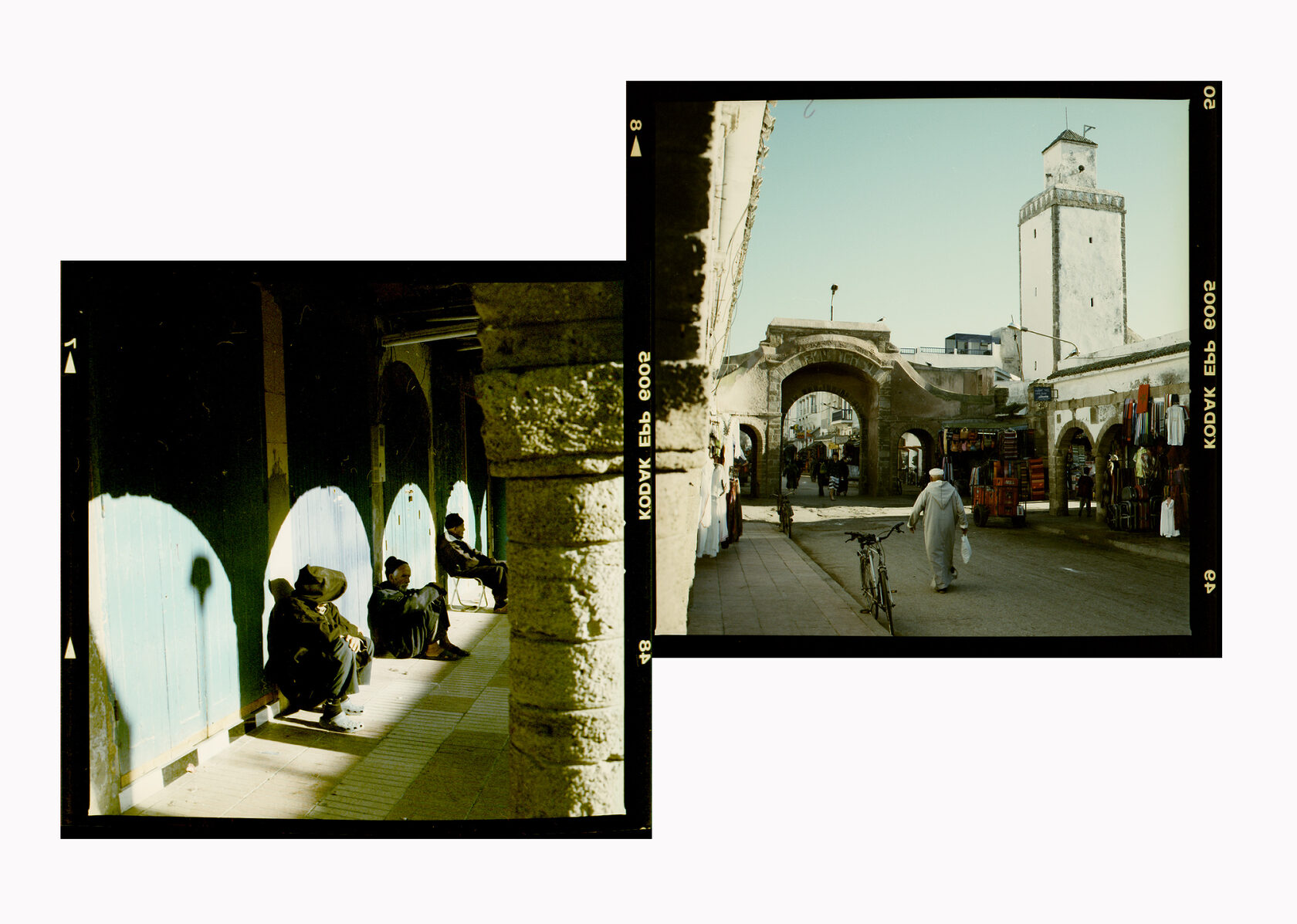
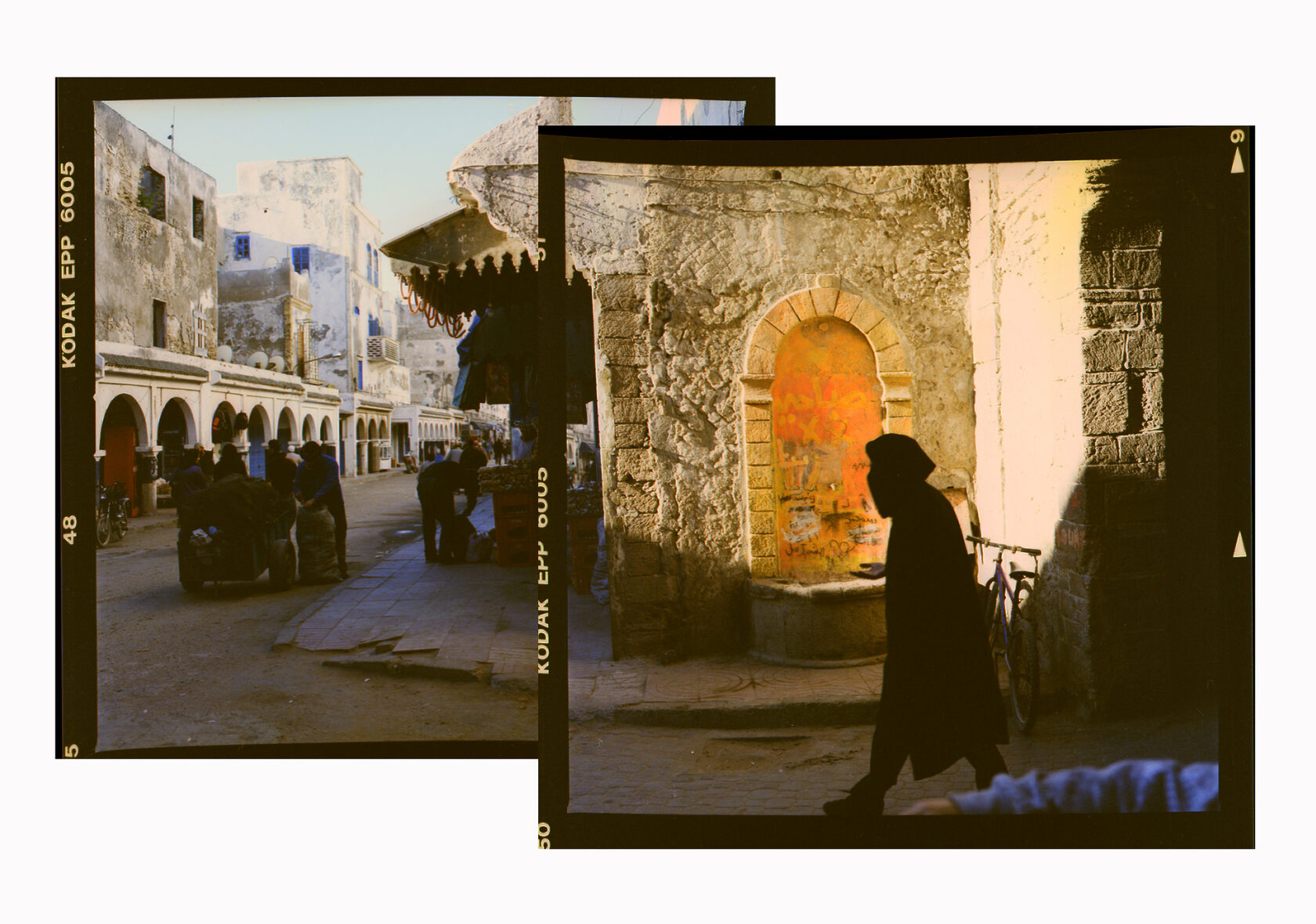
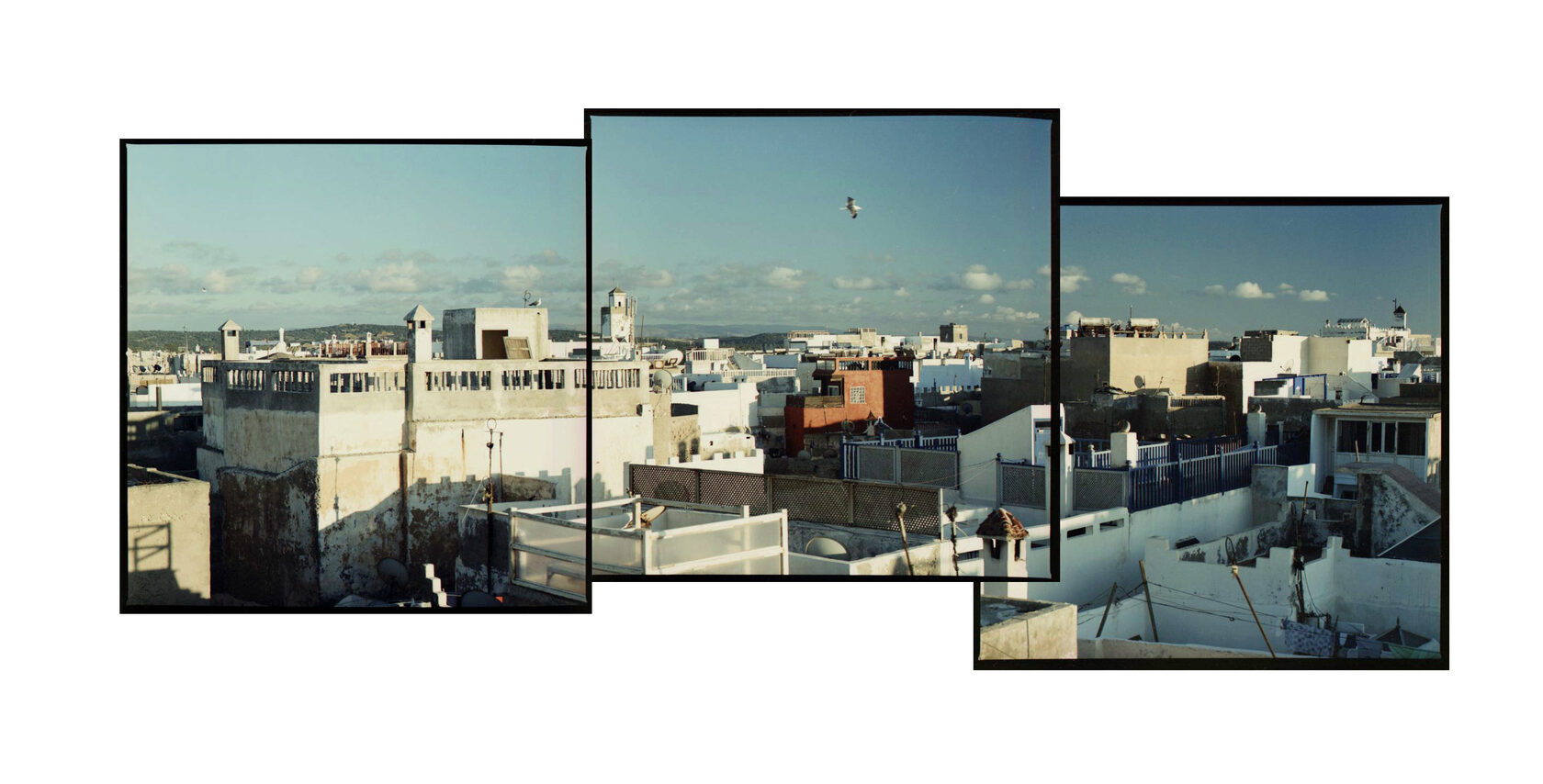
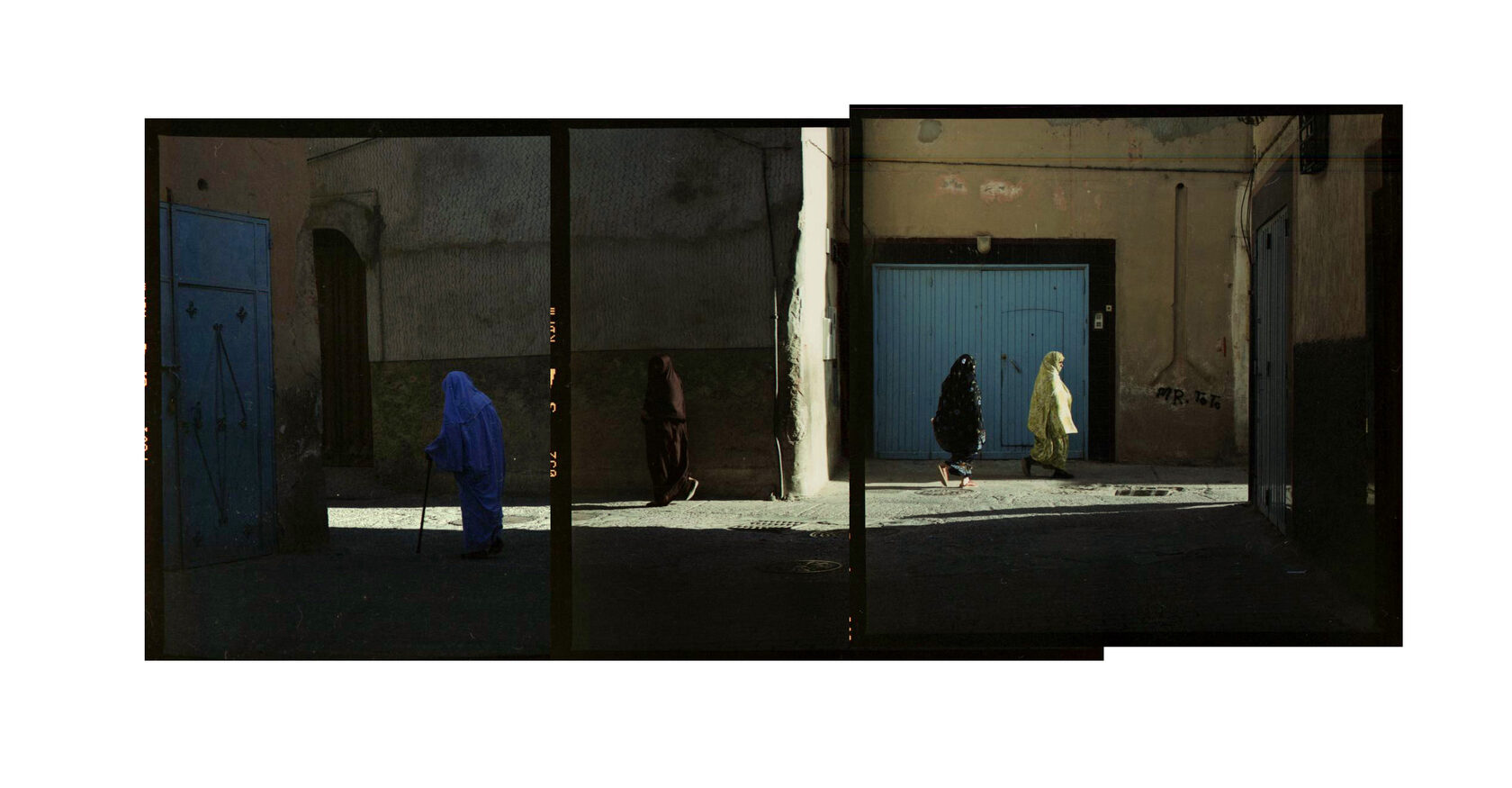
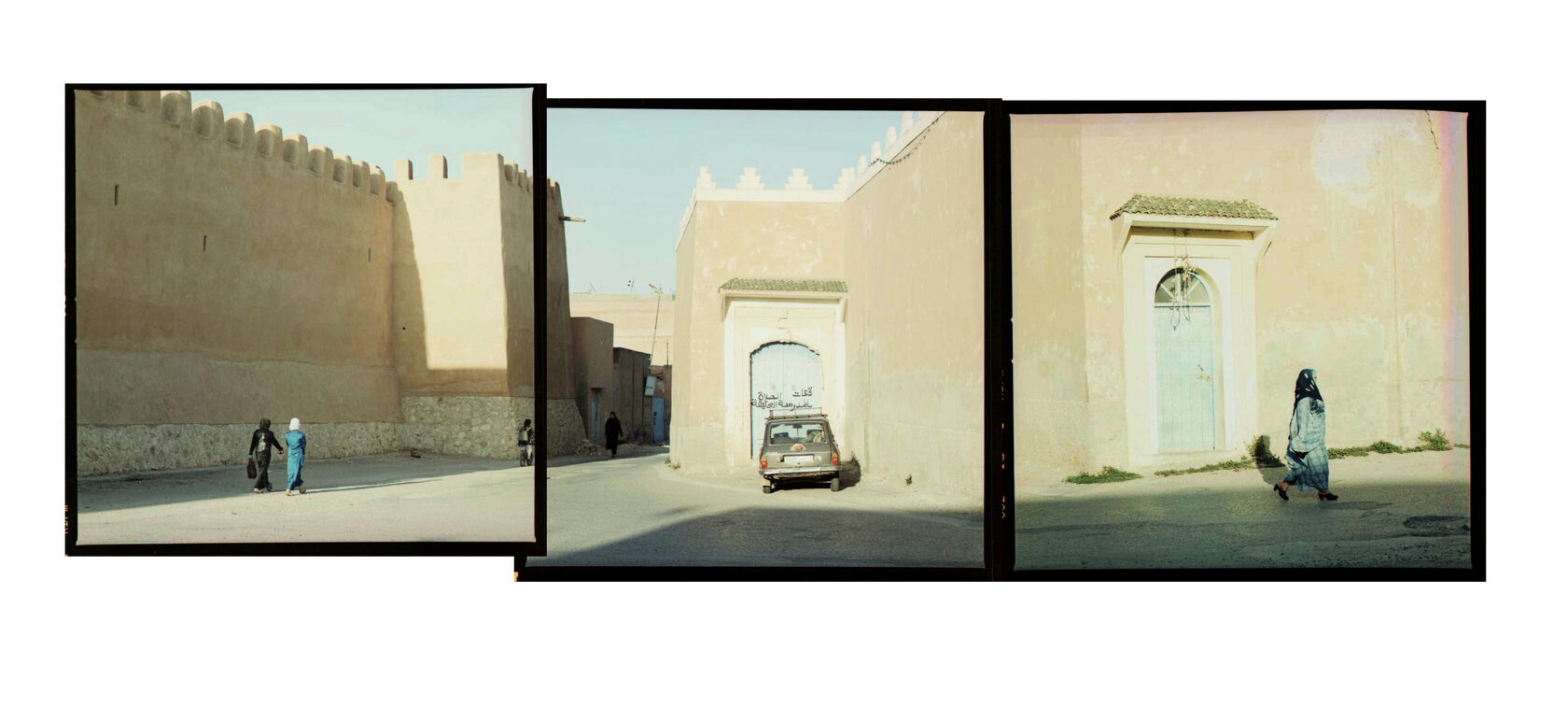
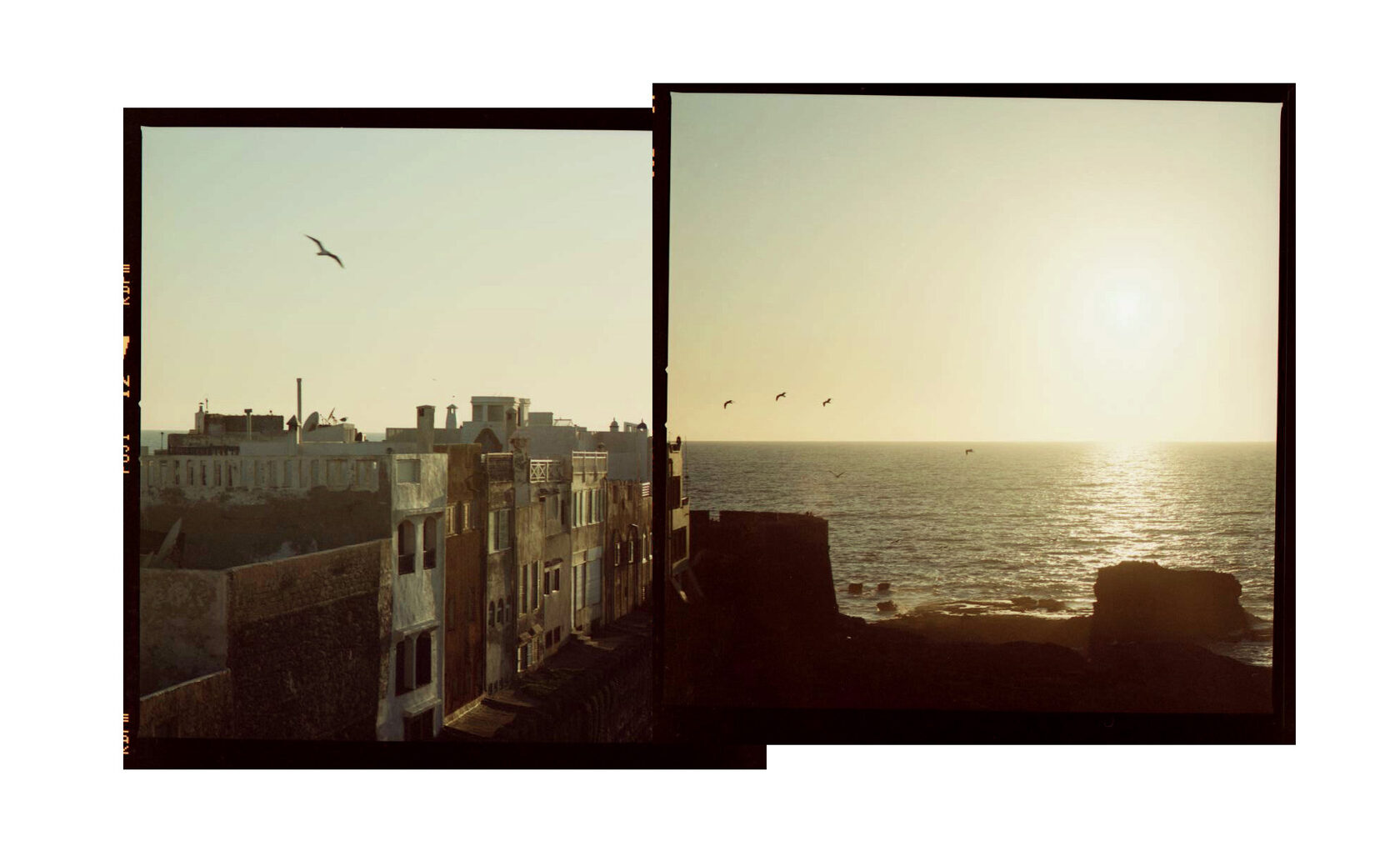
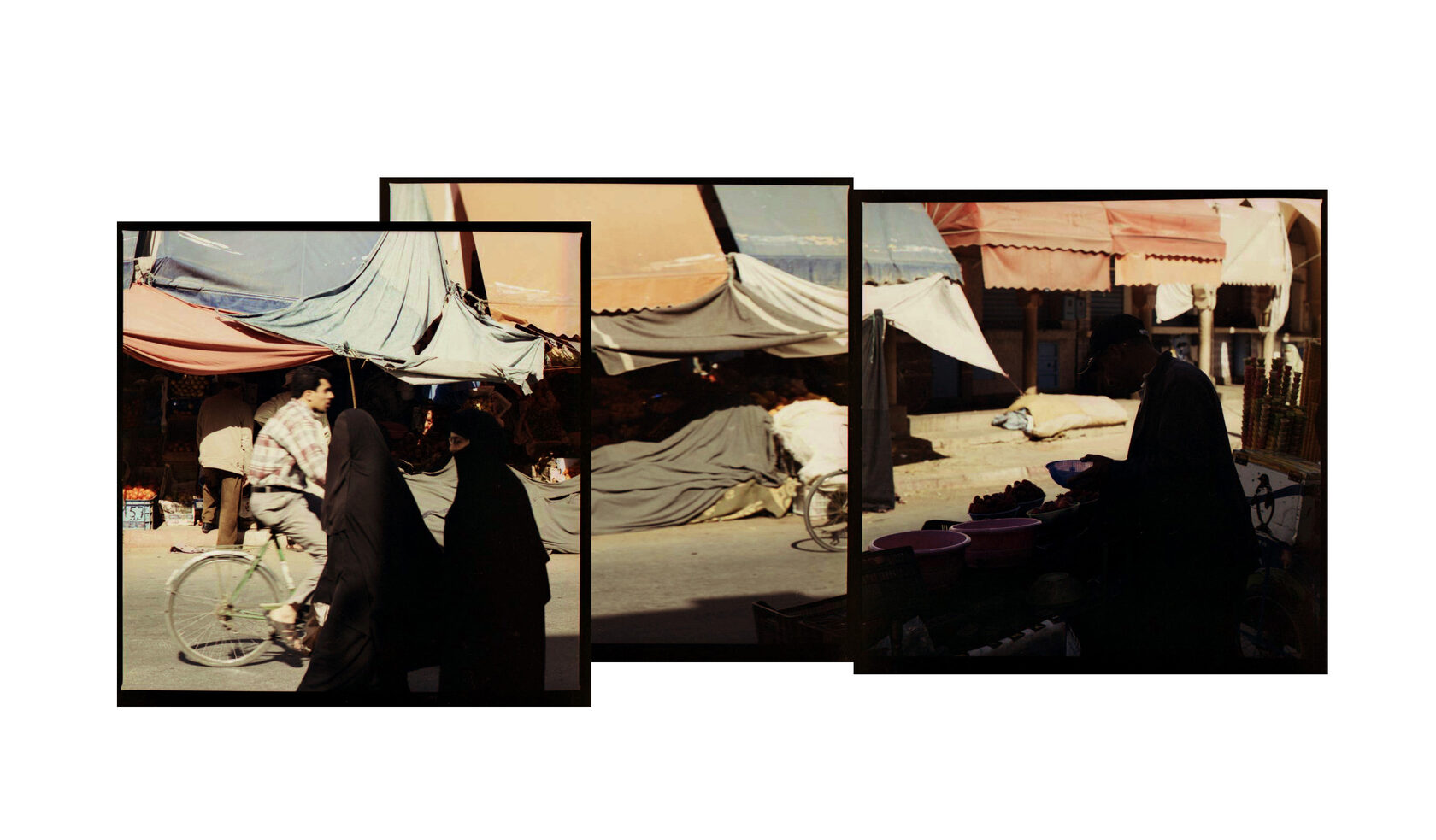
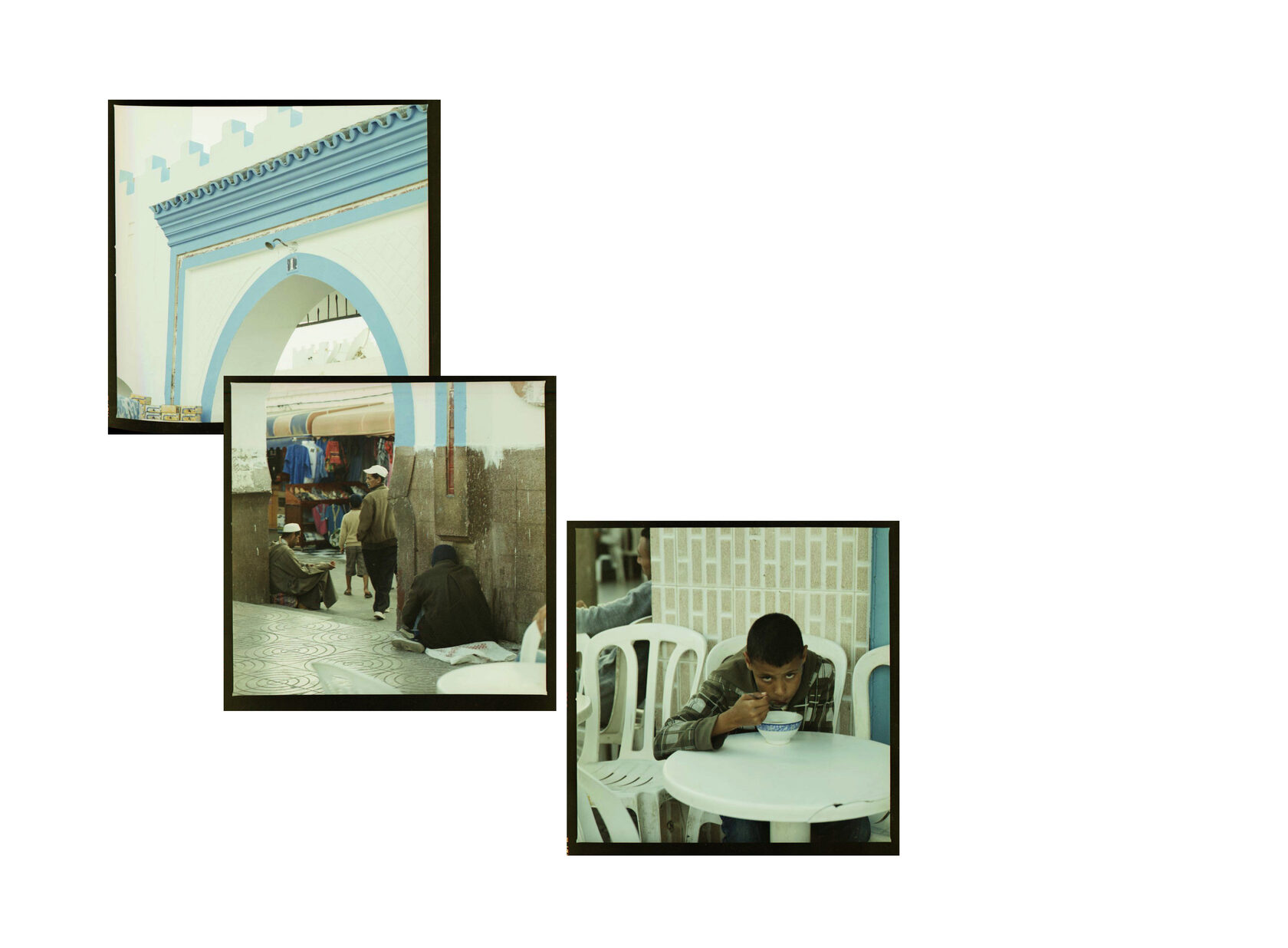
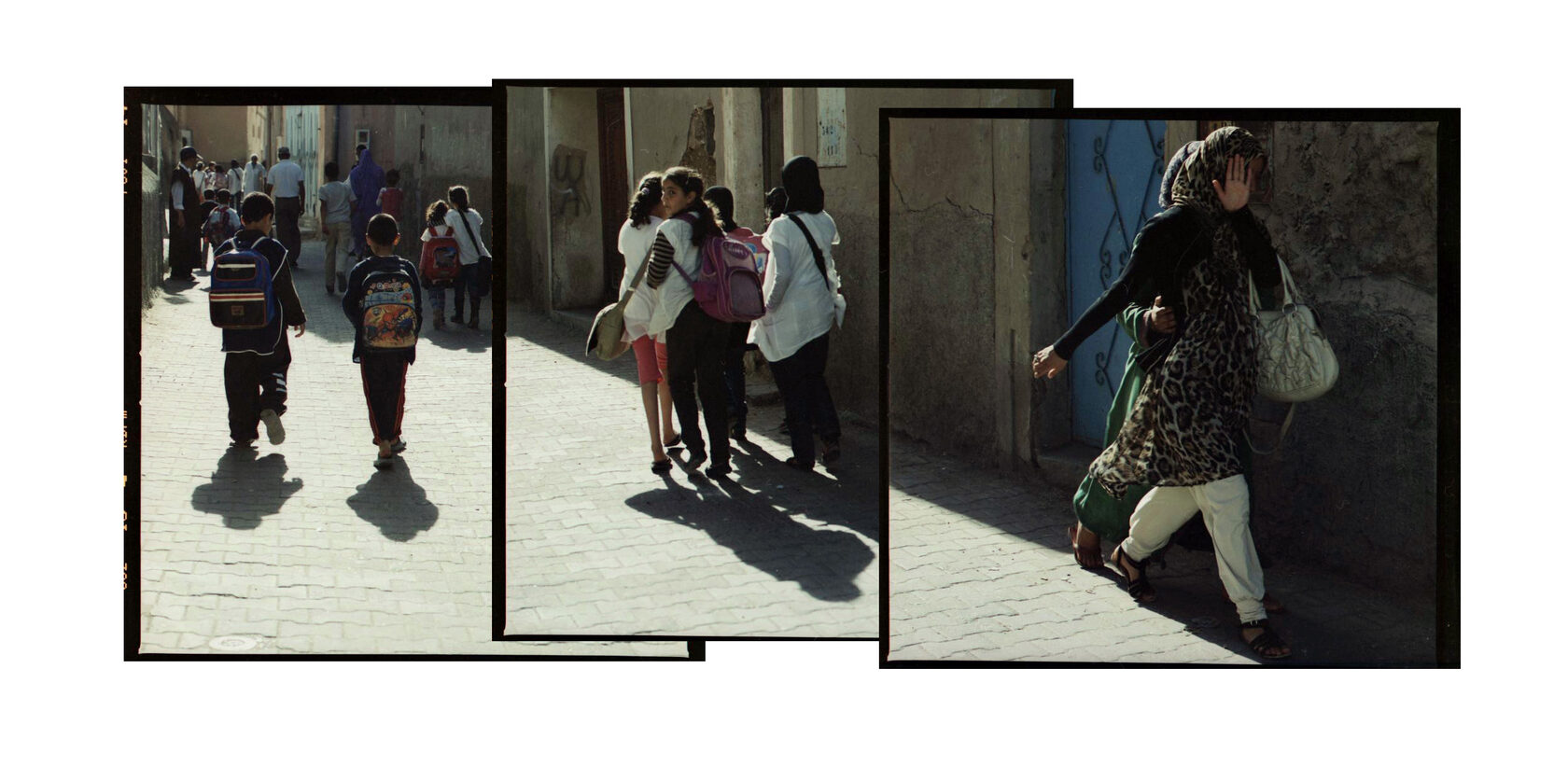
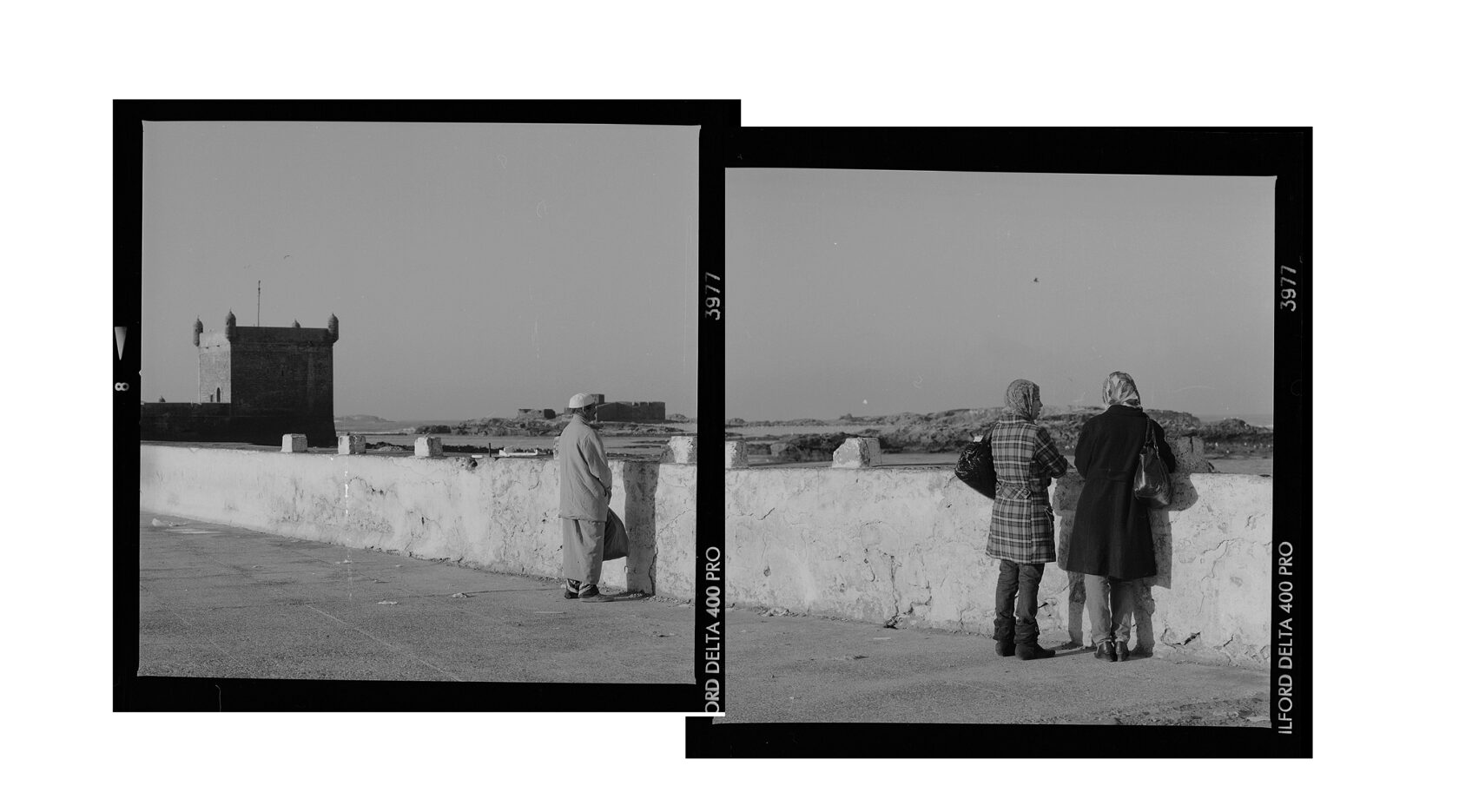
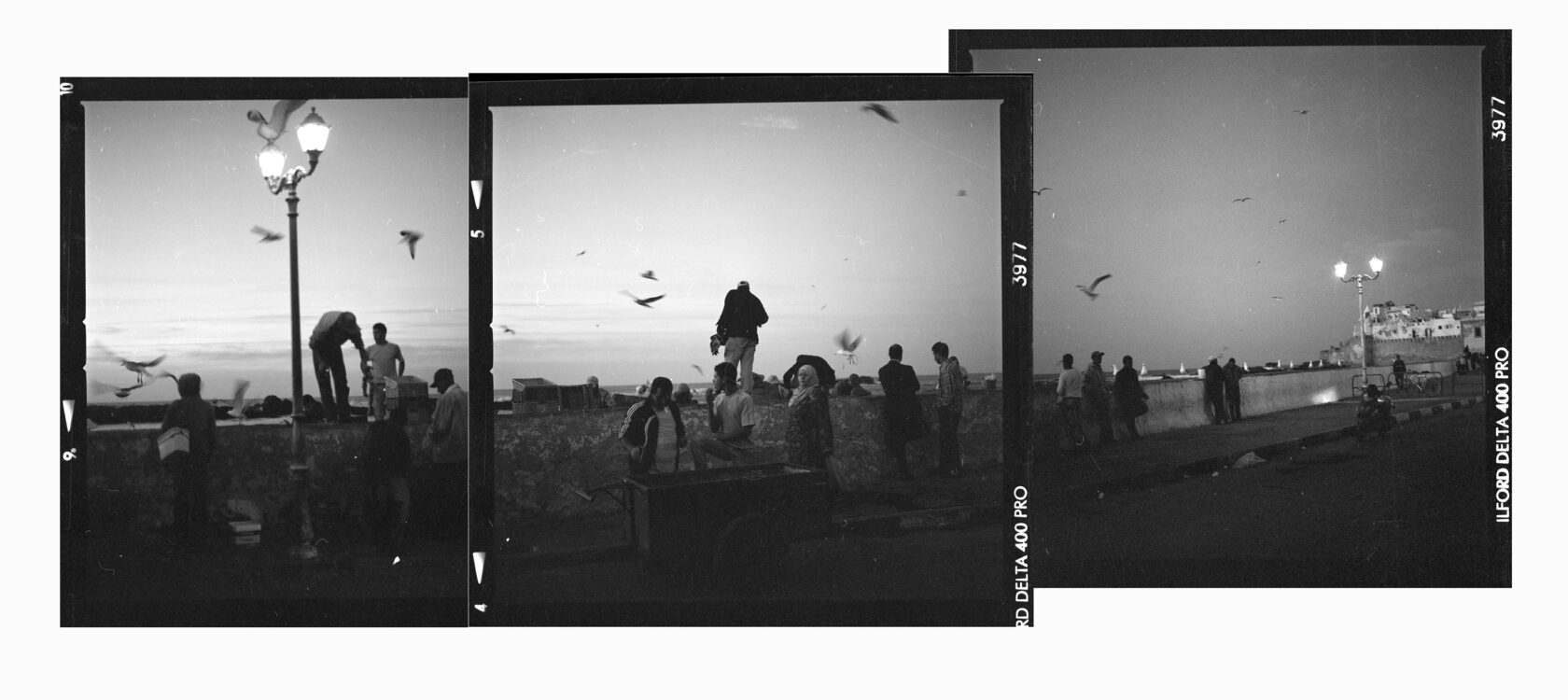
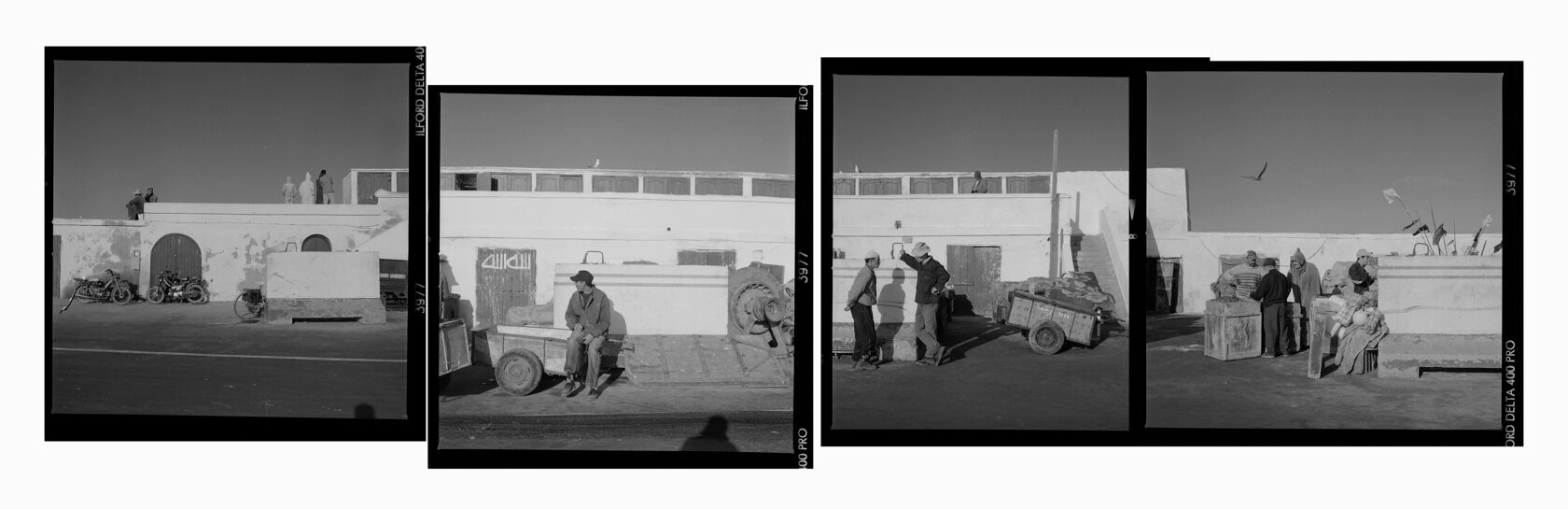
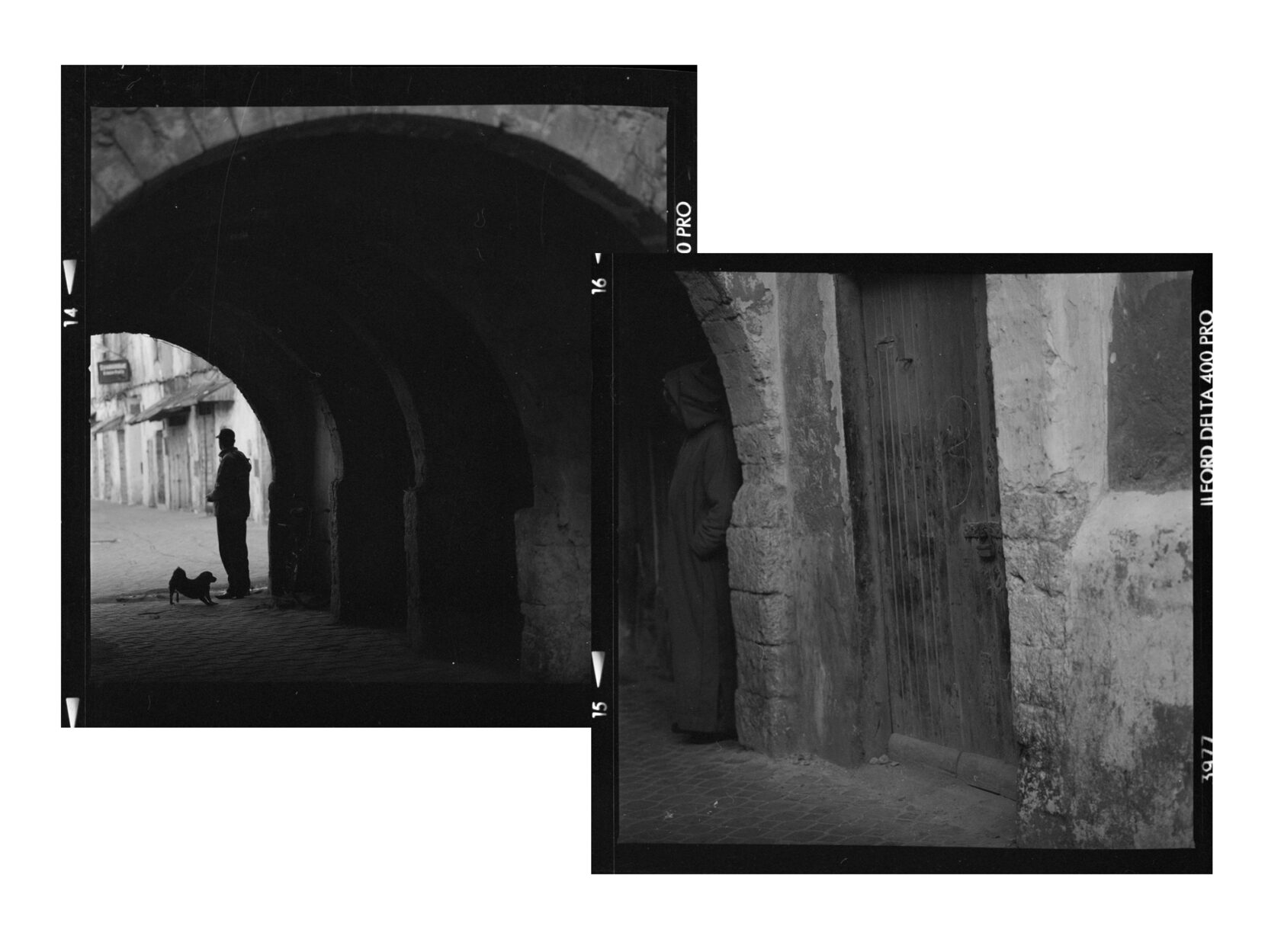
Morocco. Essaouira. Black & White. 2007–2011
Moscow in Color. 2010
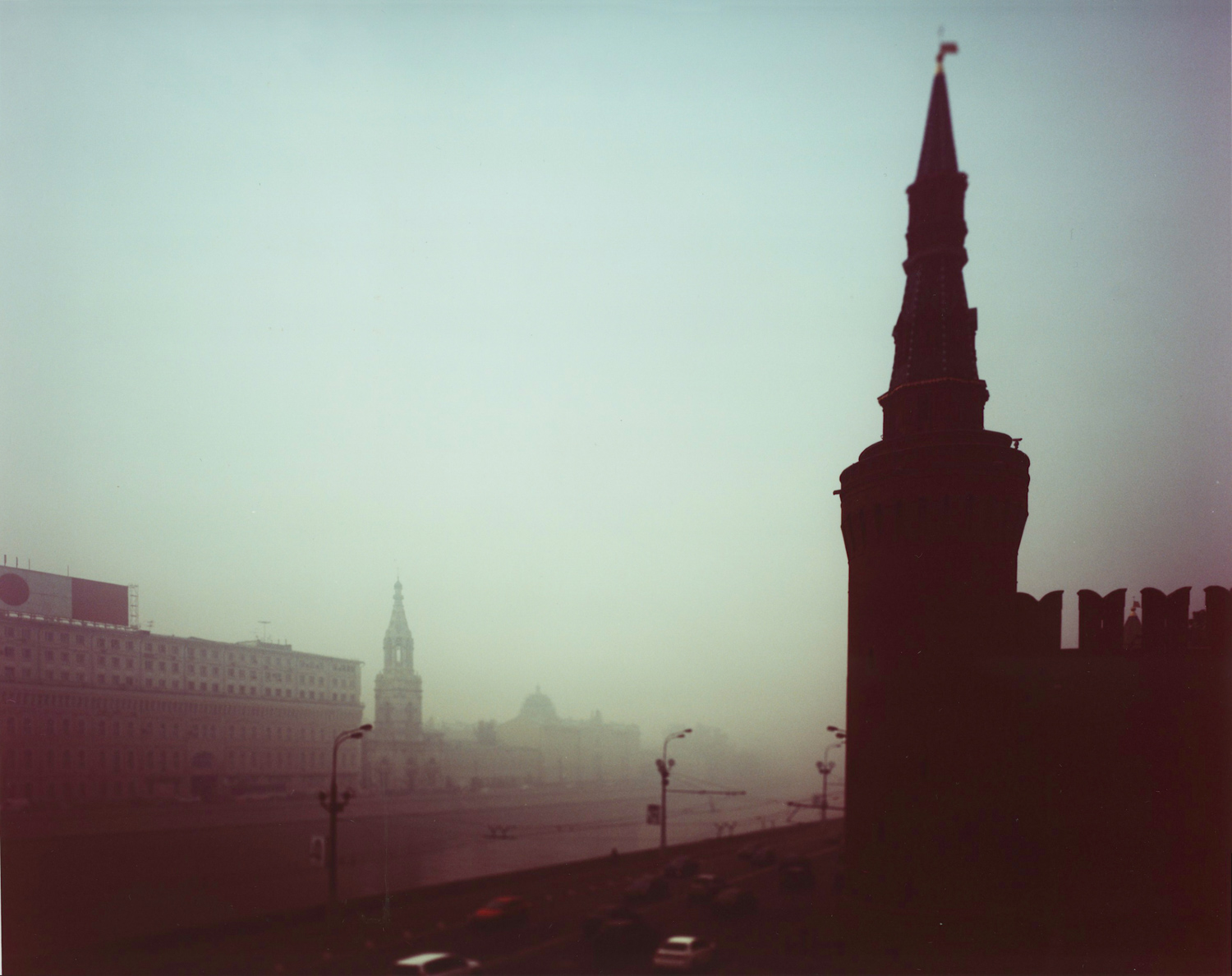
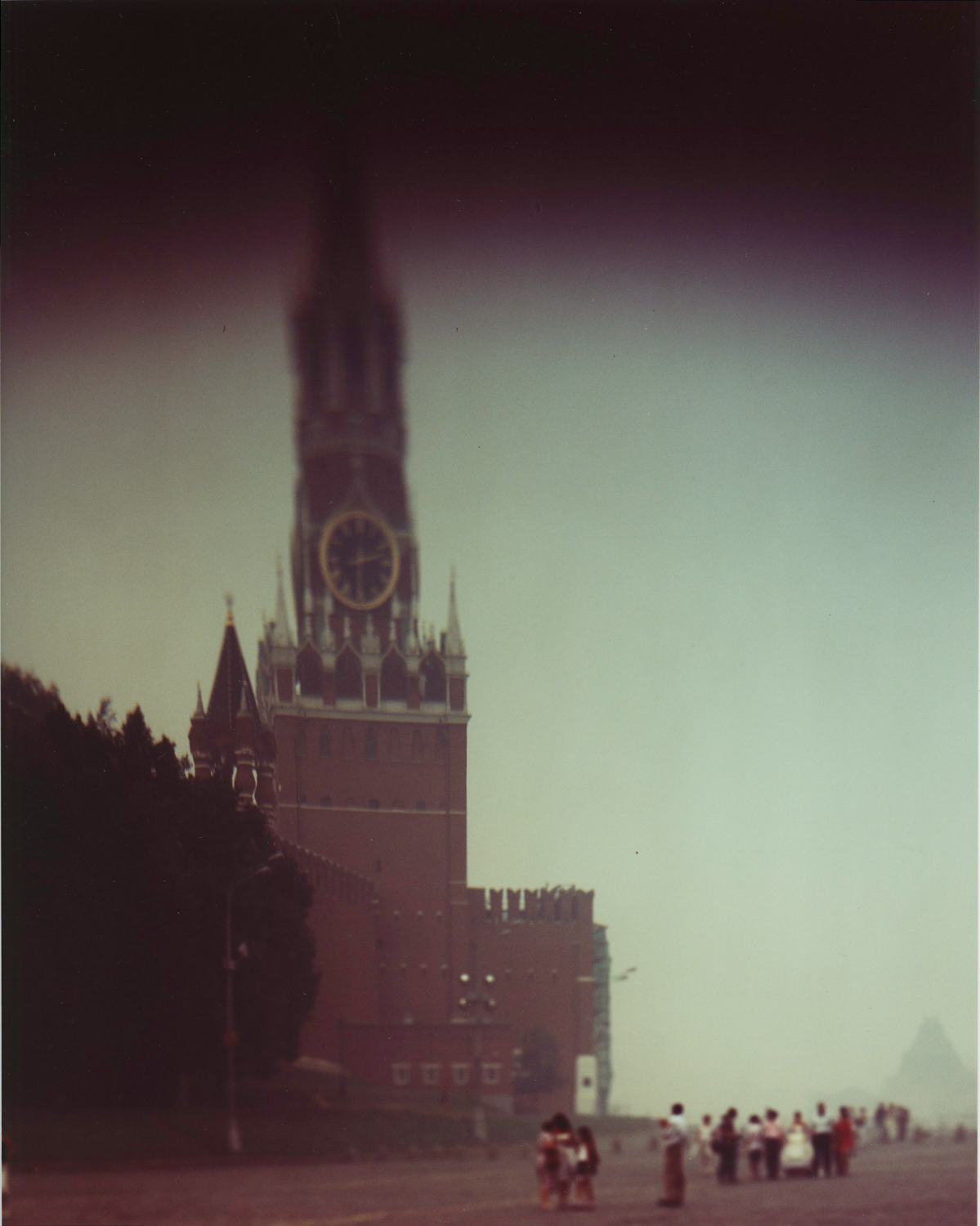
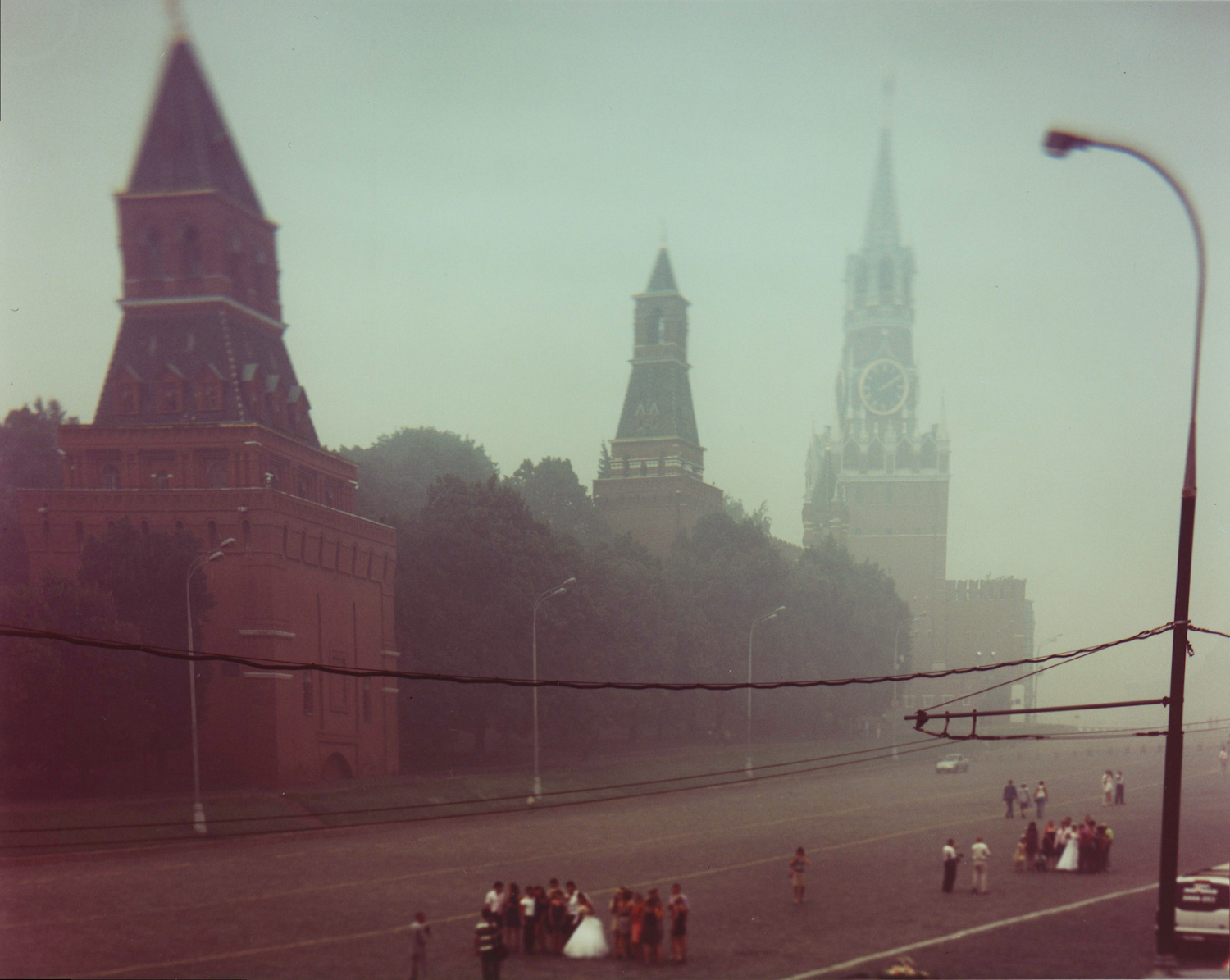
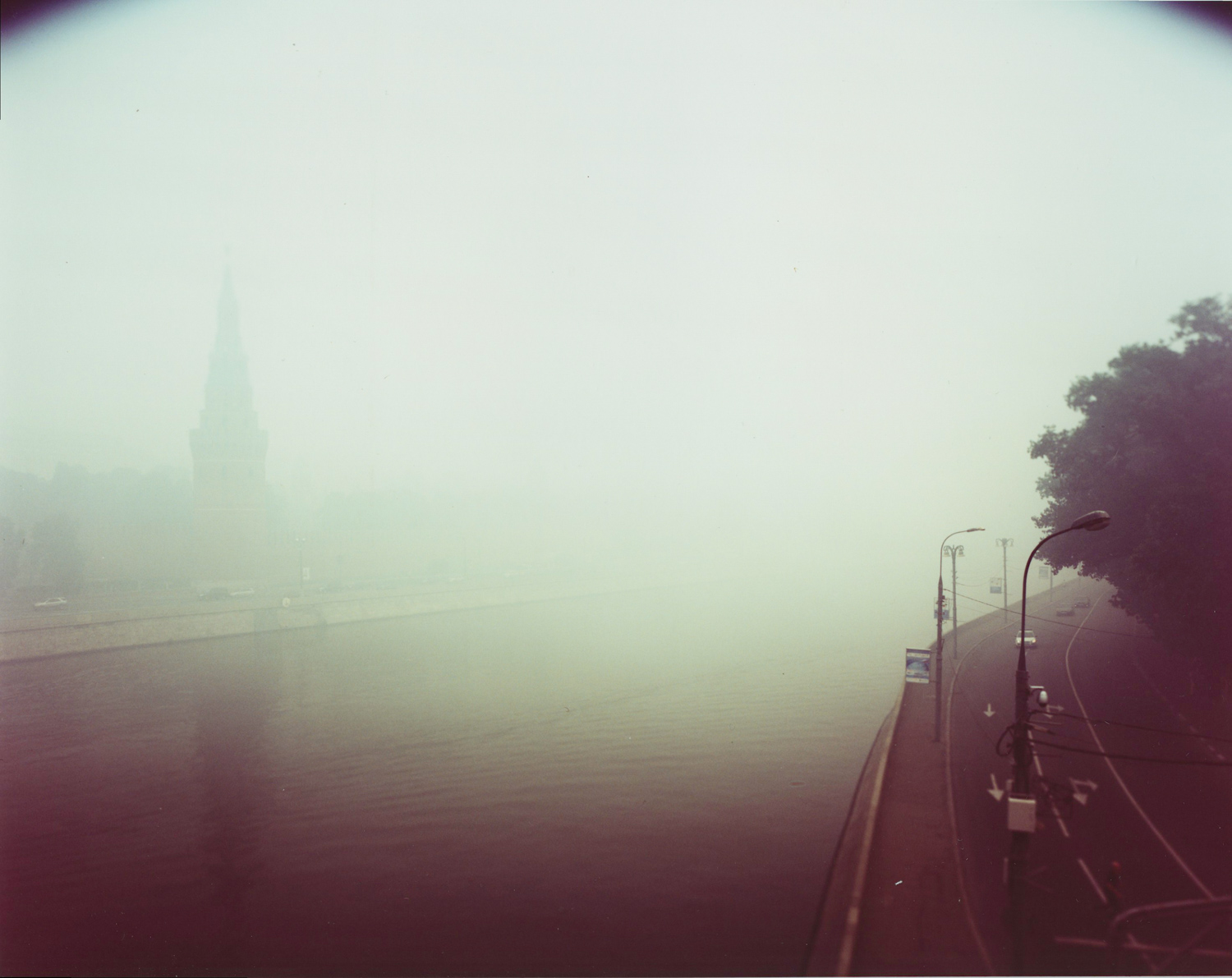
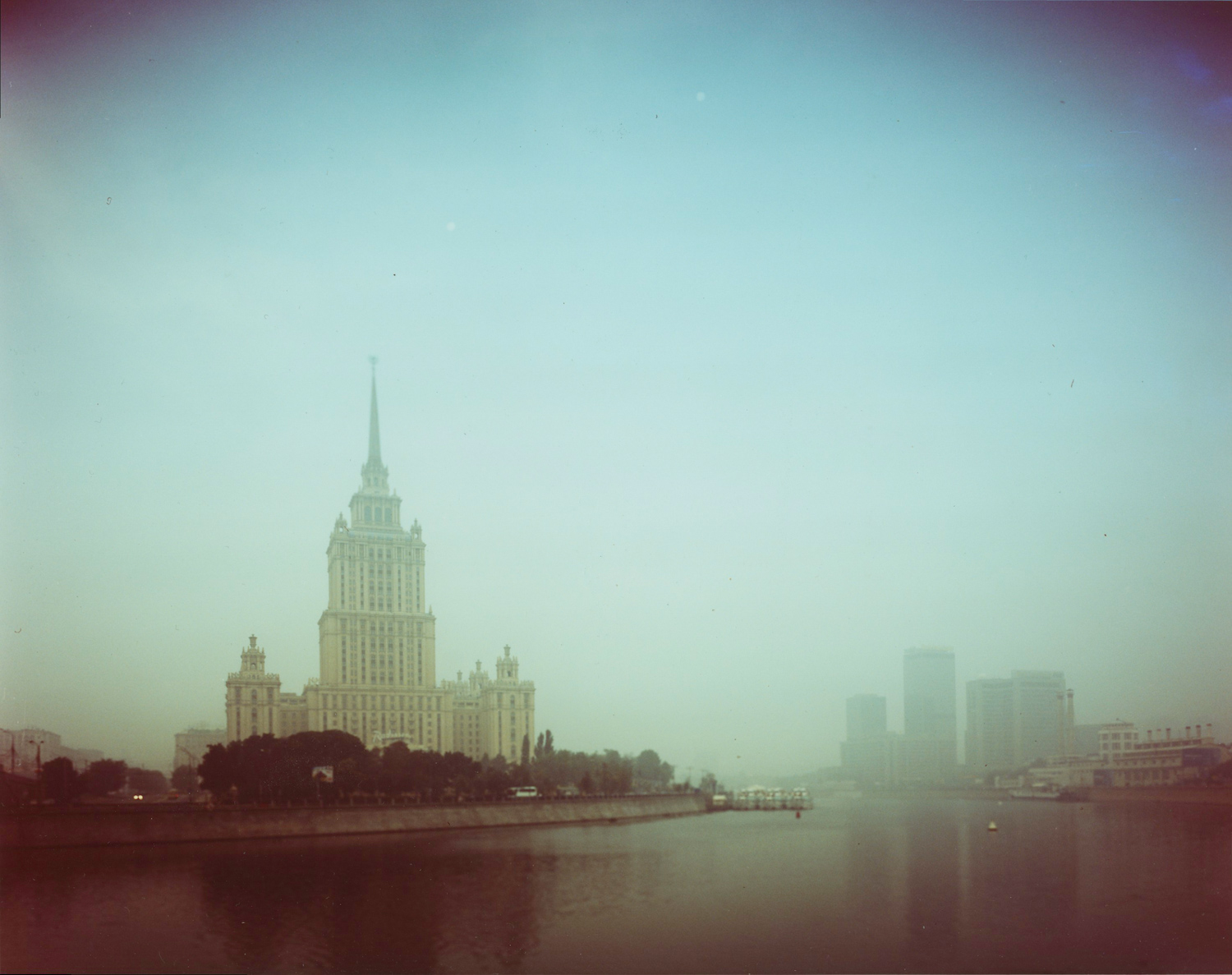
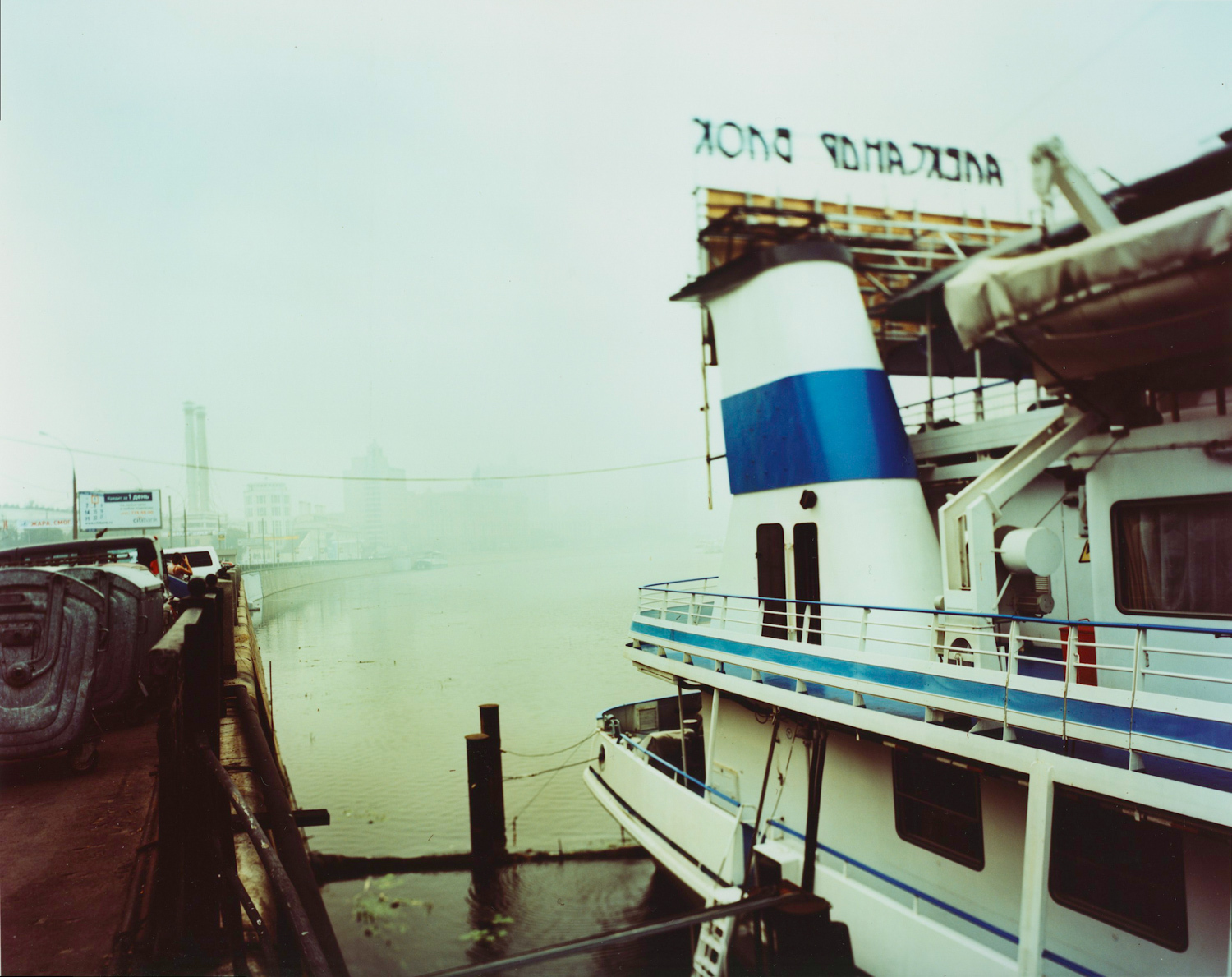
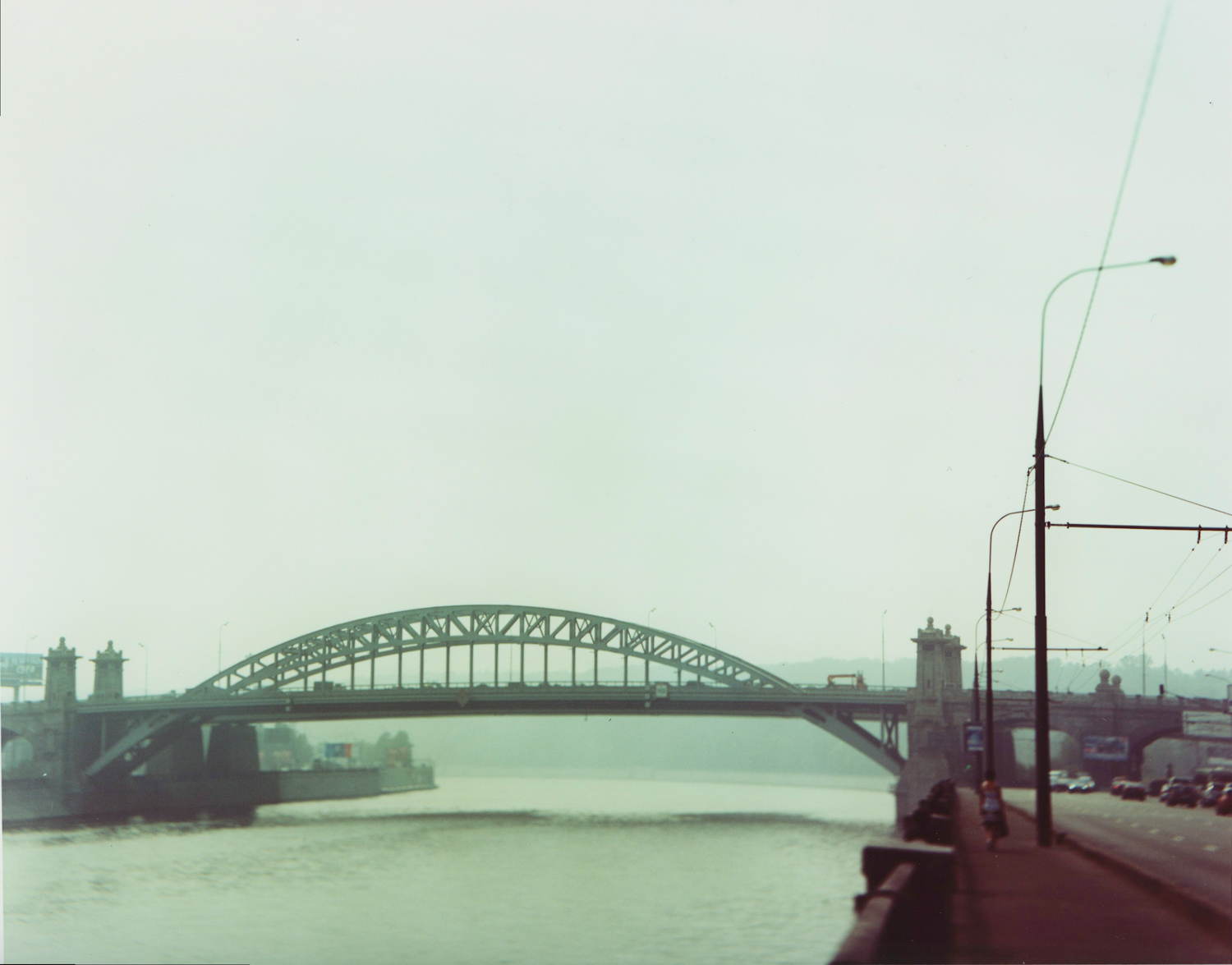
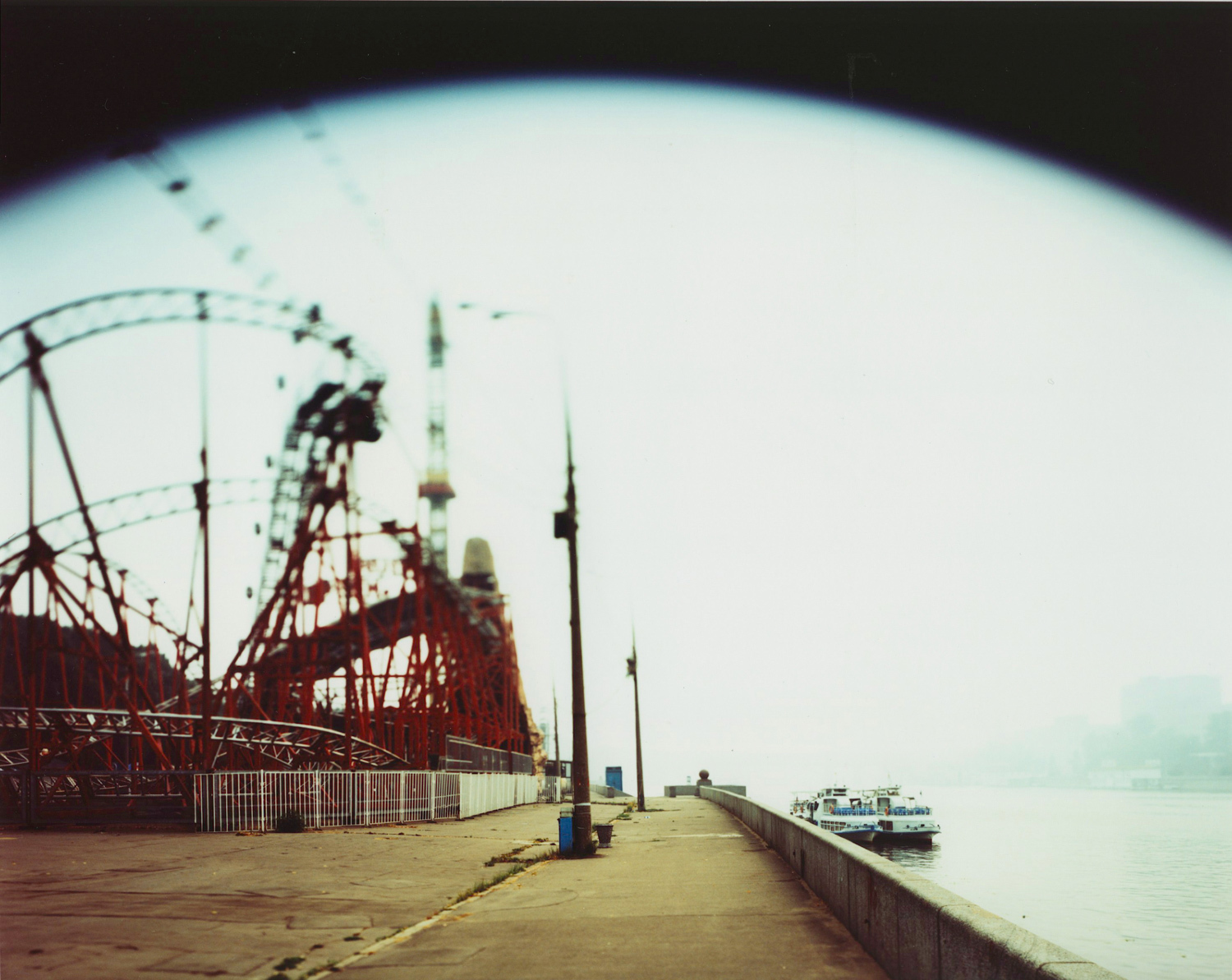
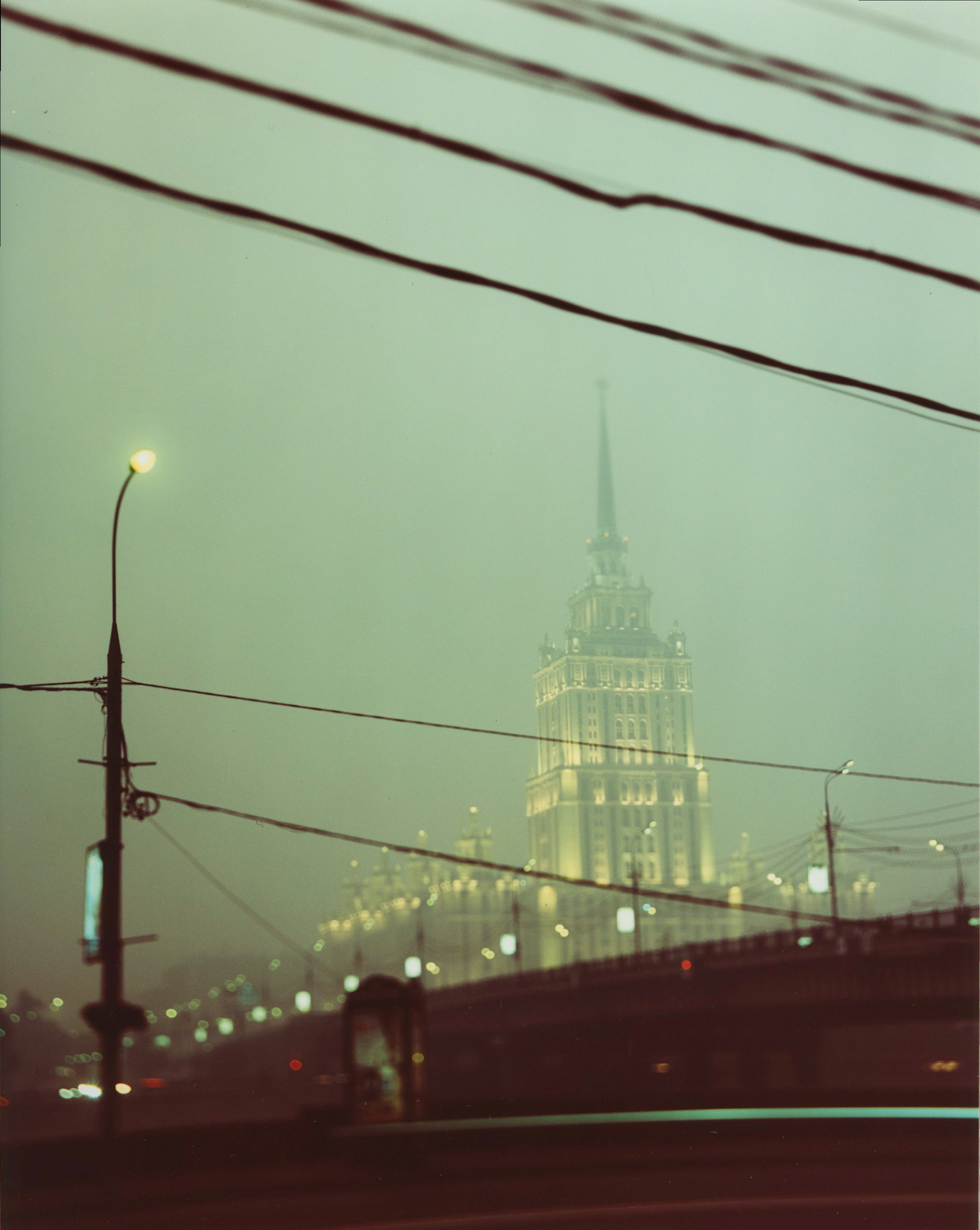
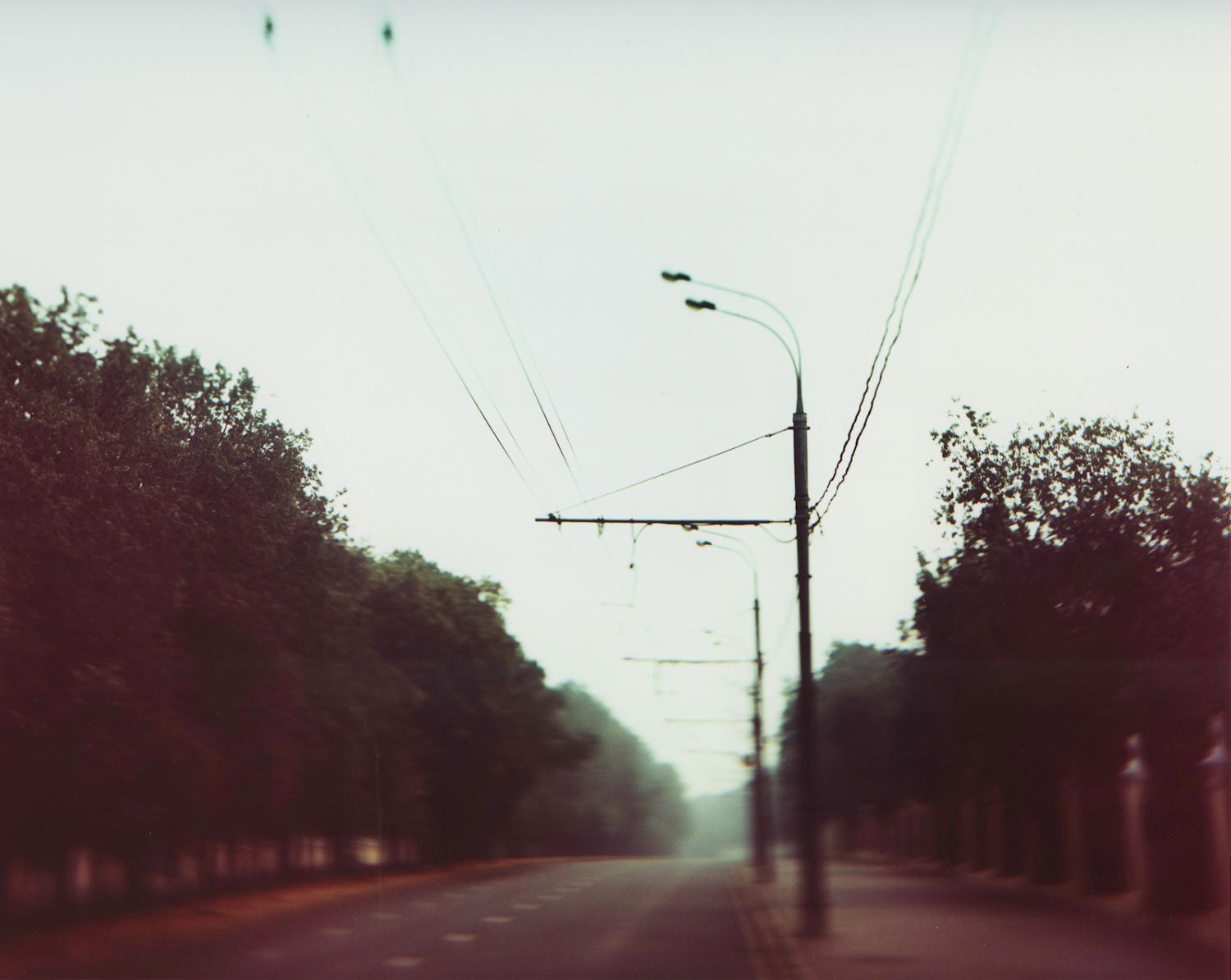
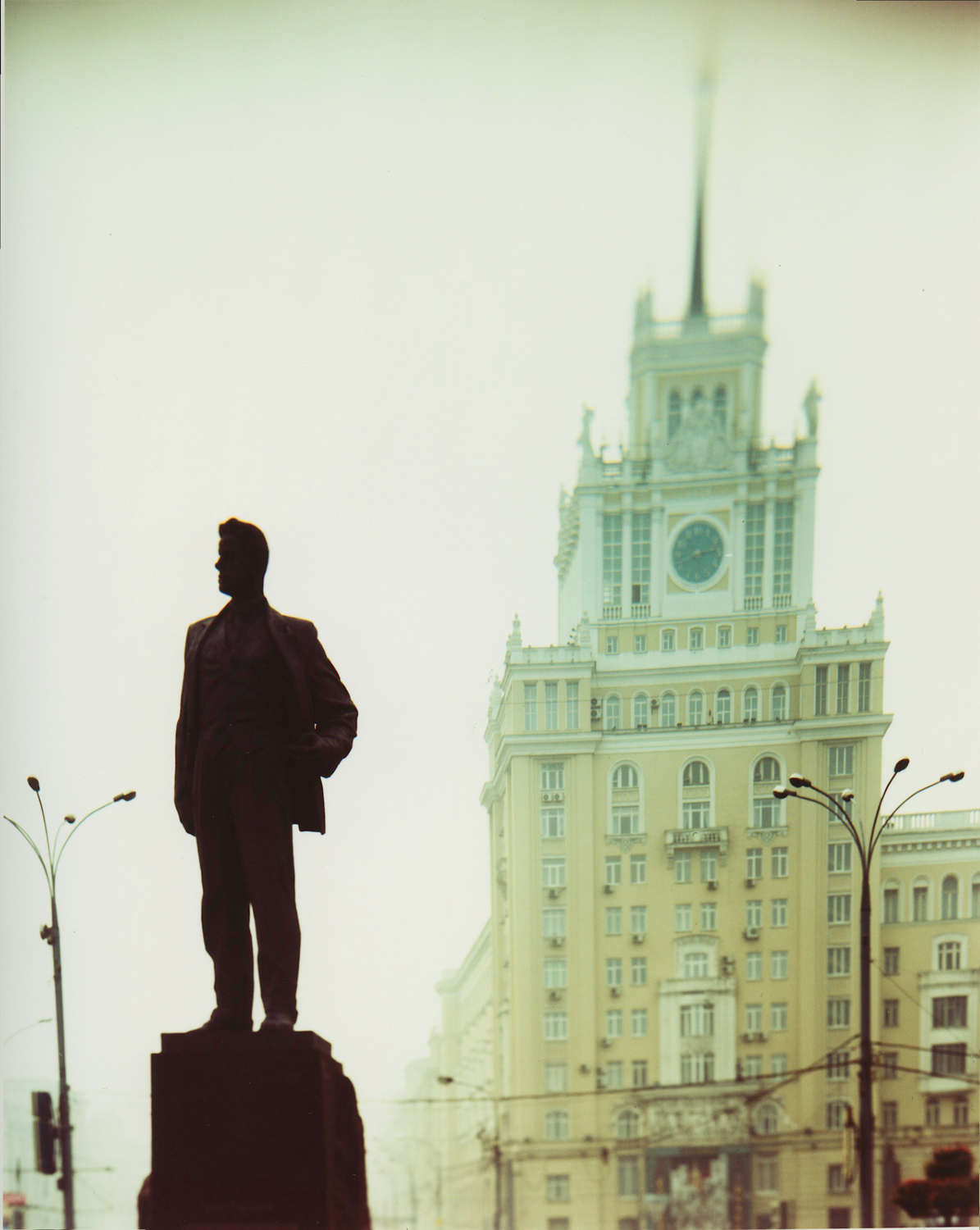
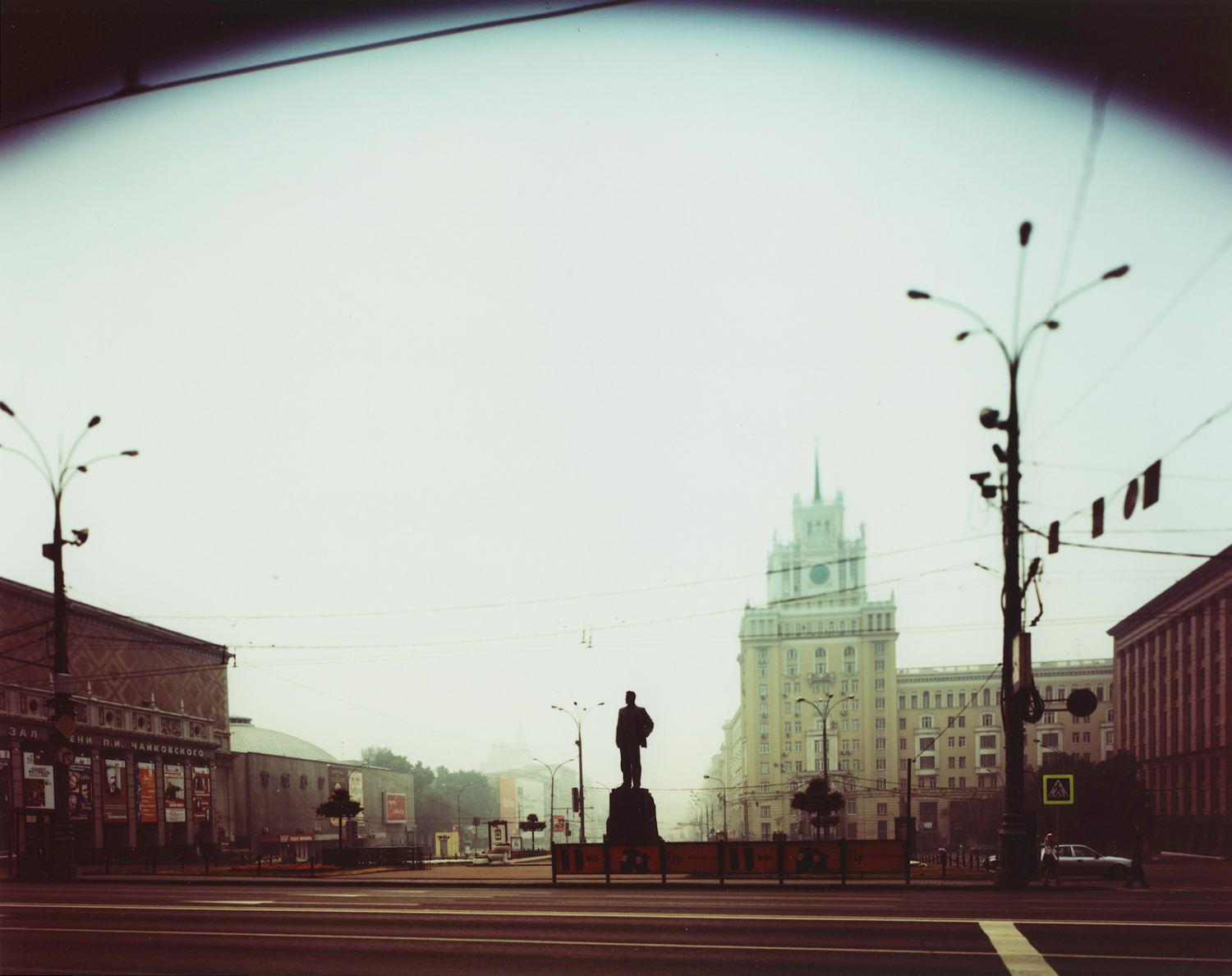
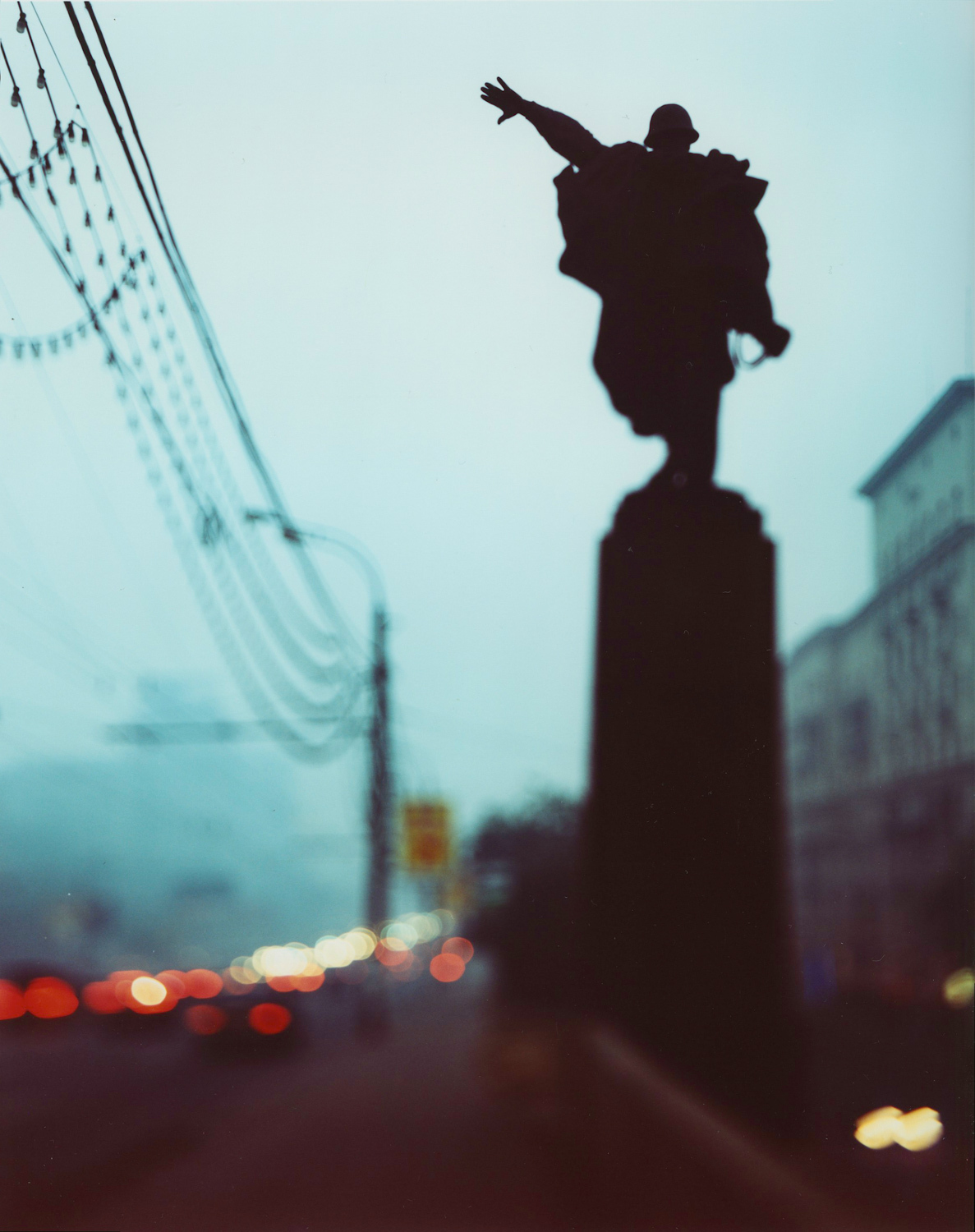
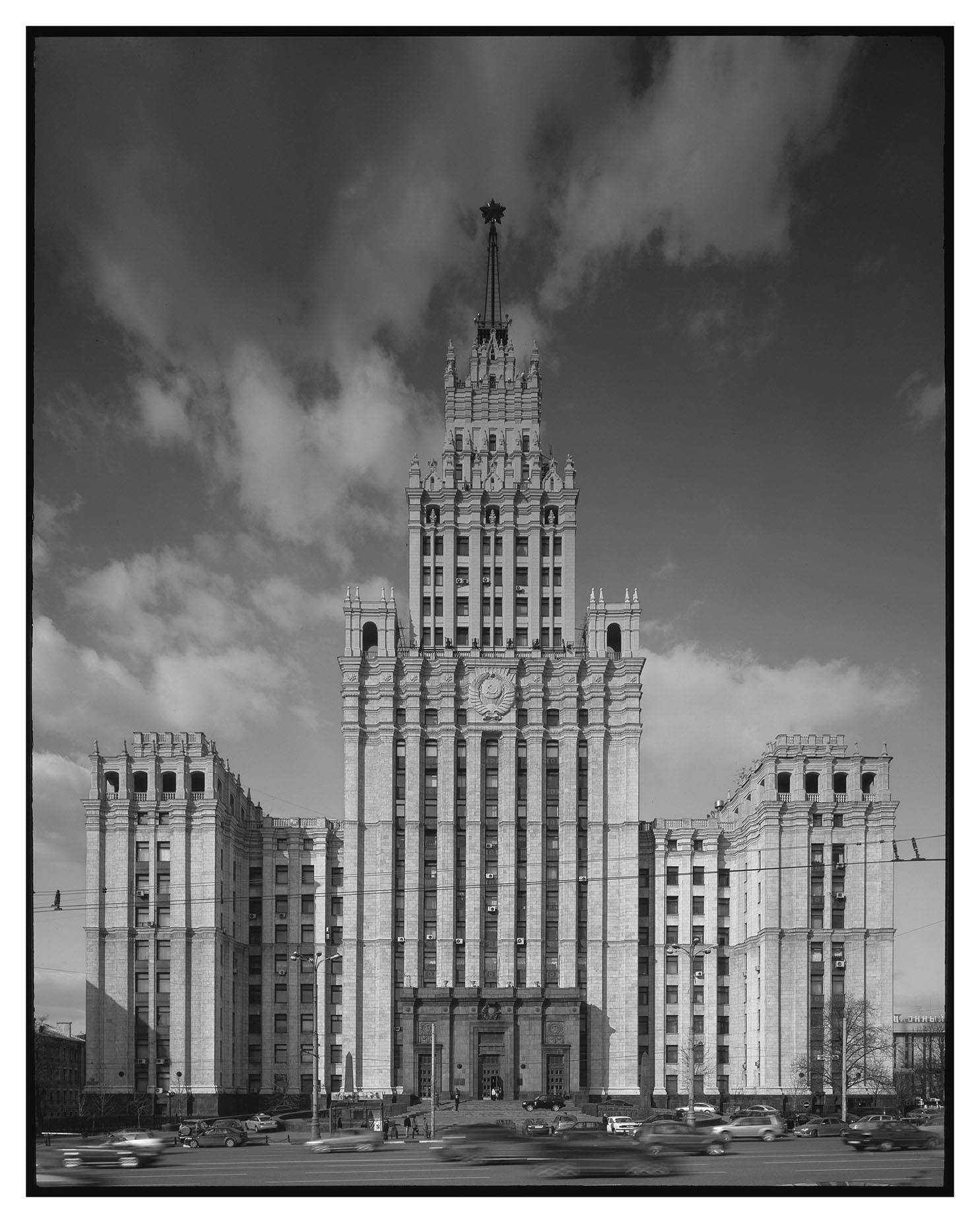
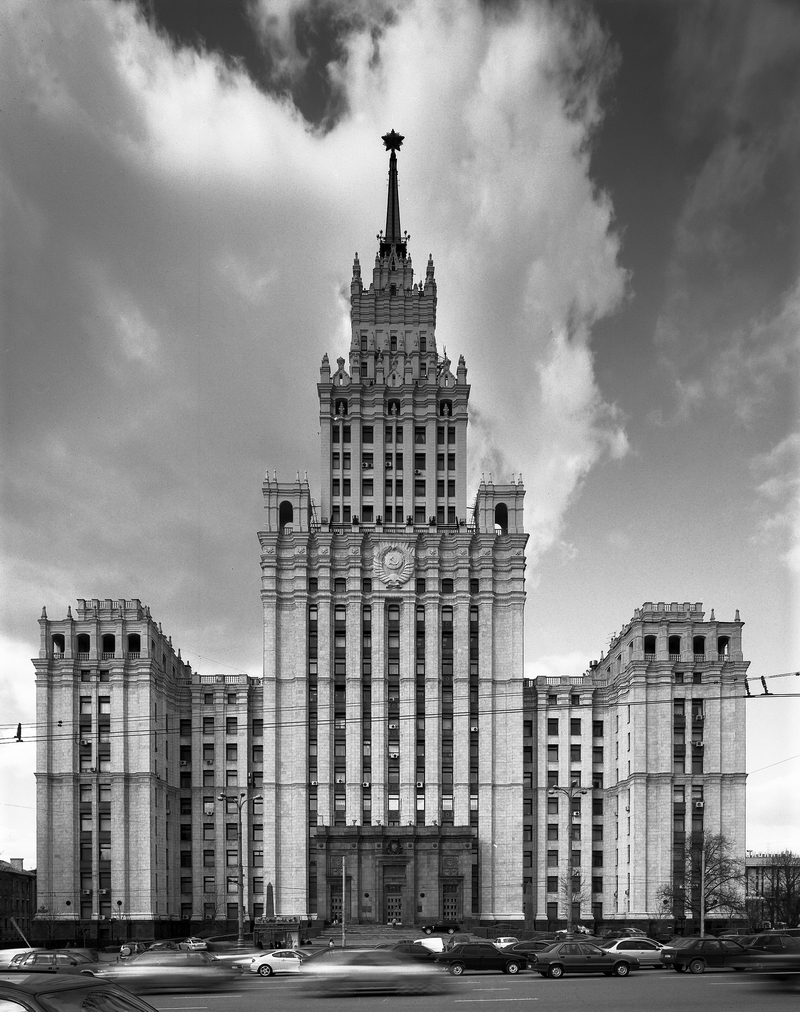
Moscow Monumental. 2005
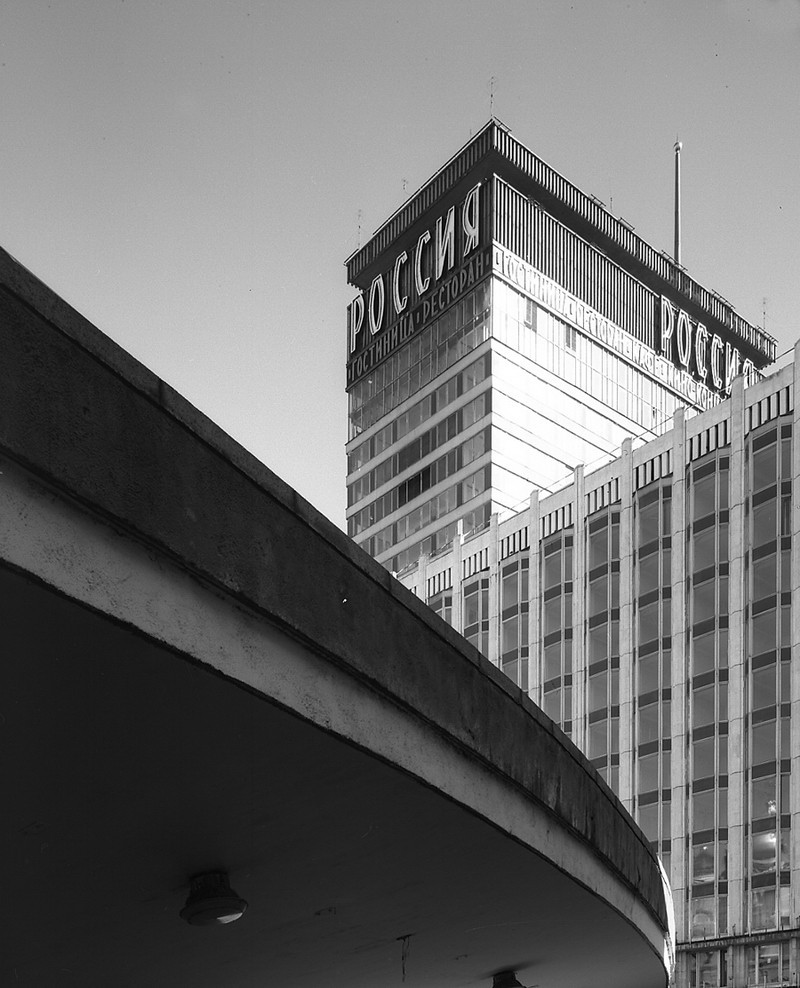
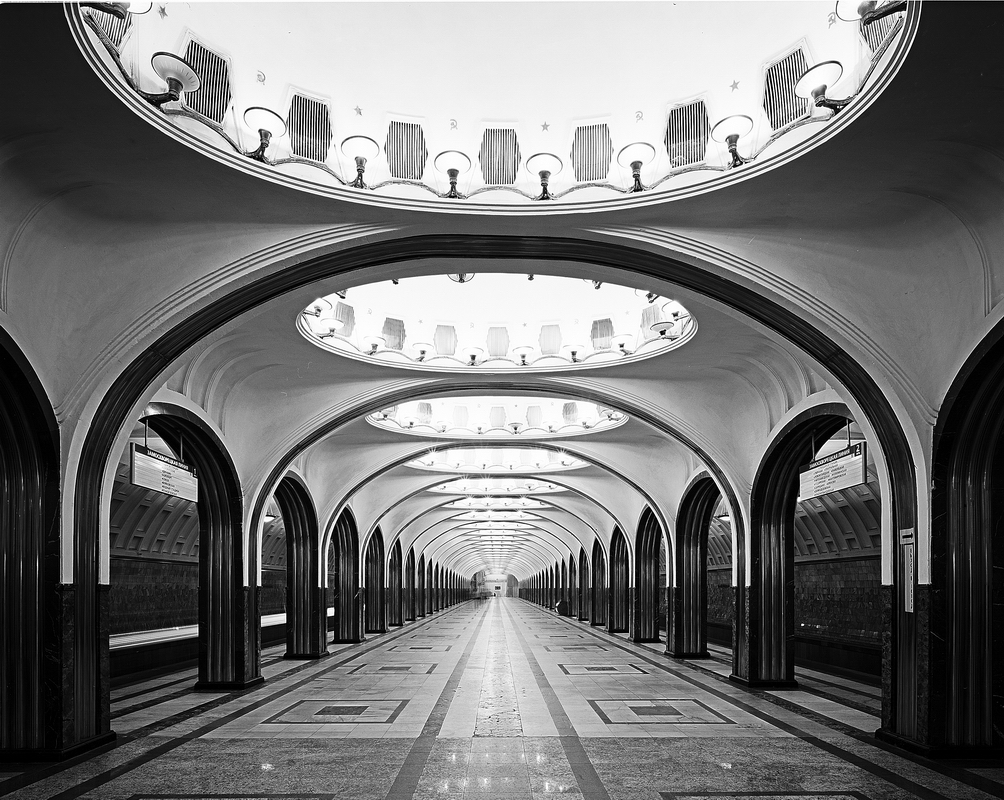
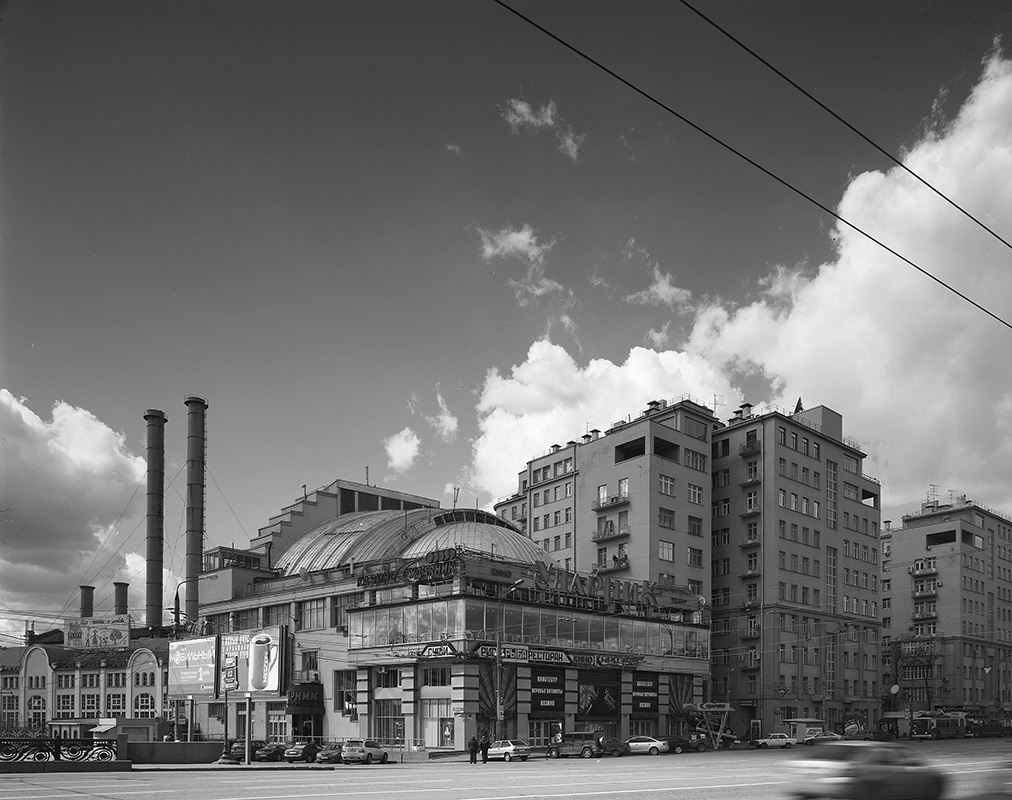
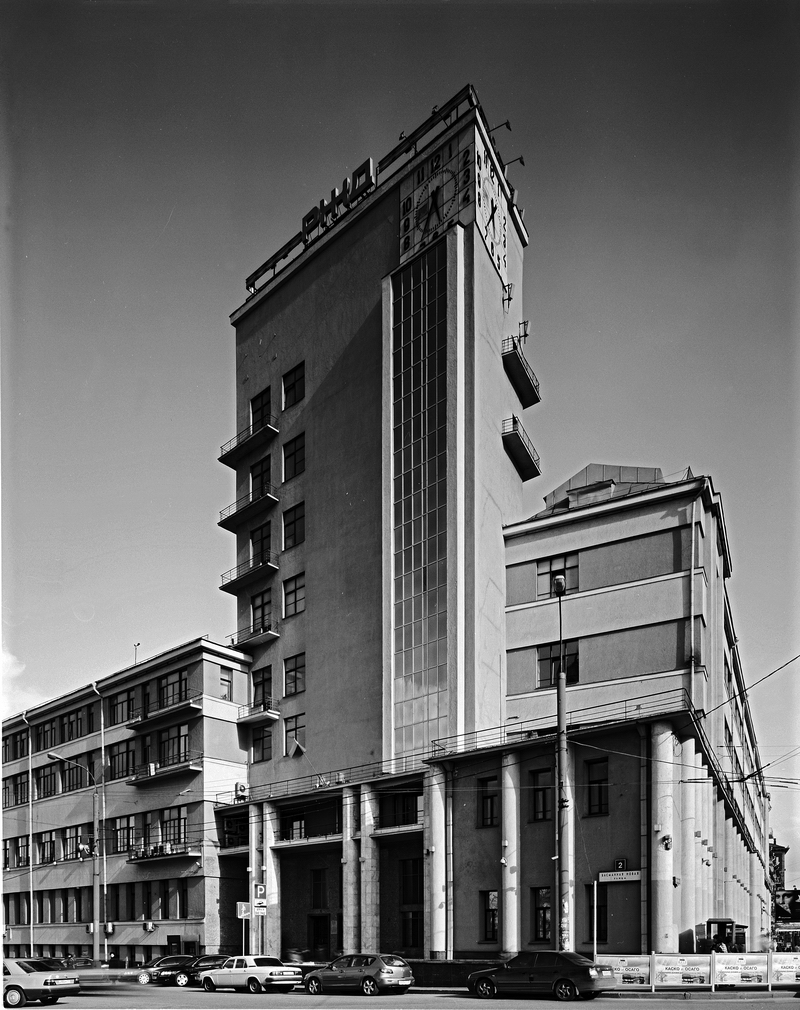
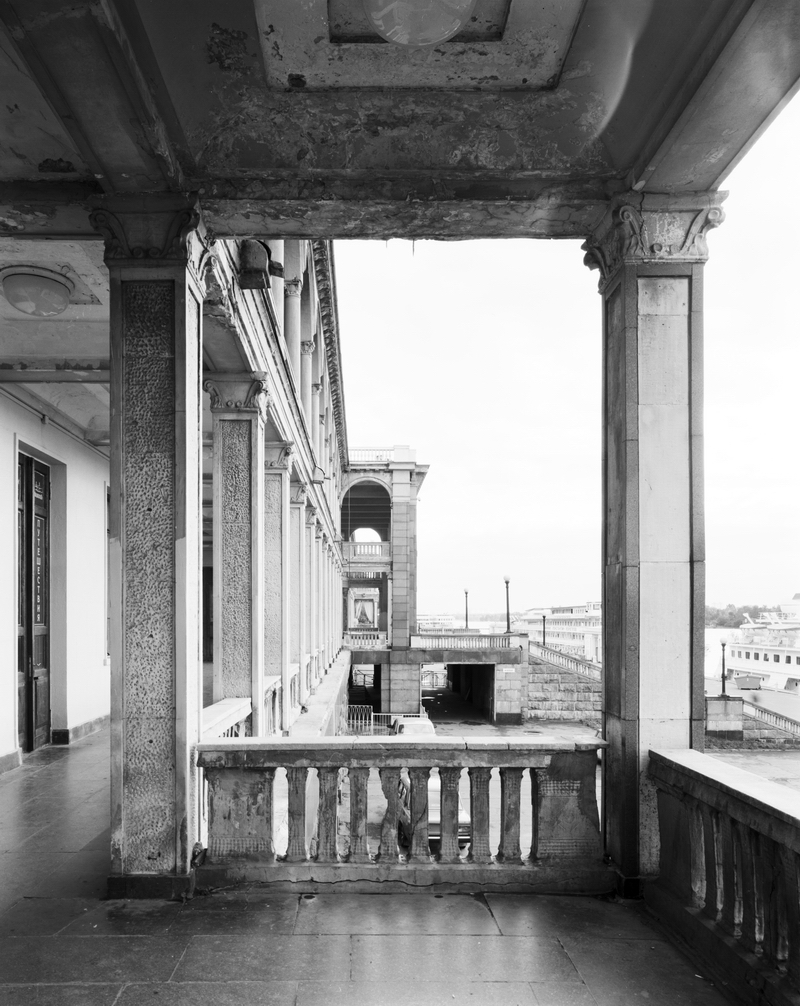
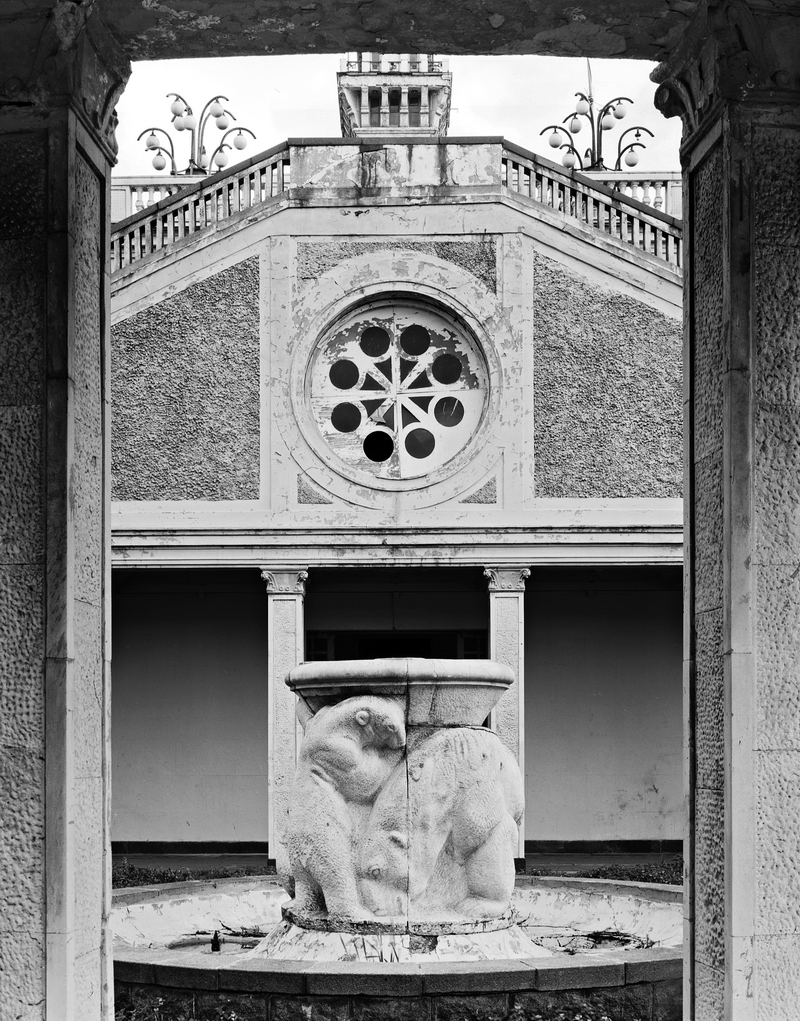
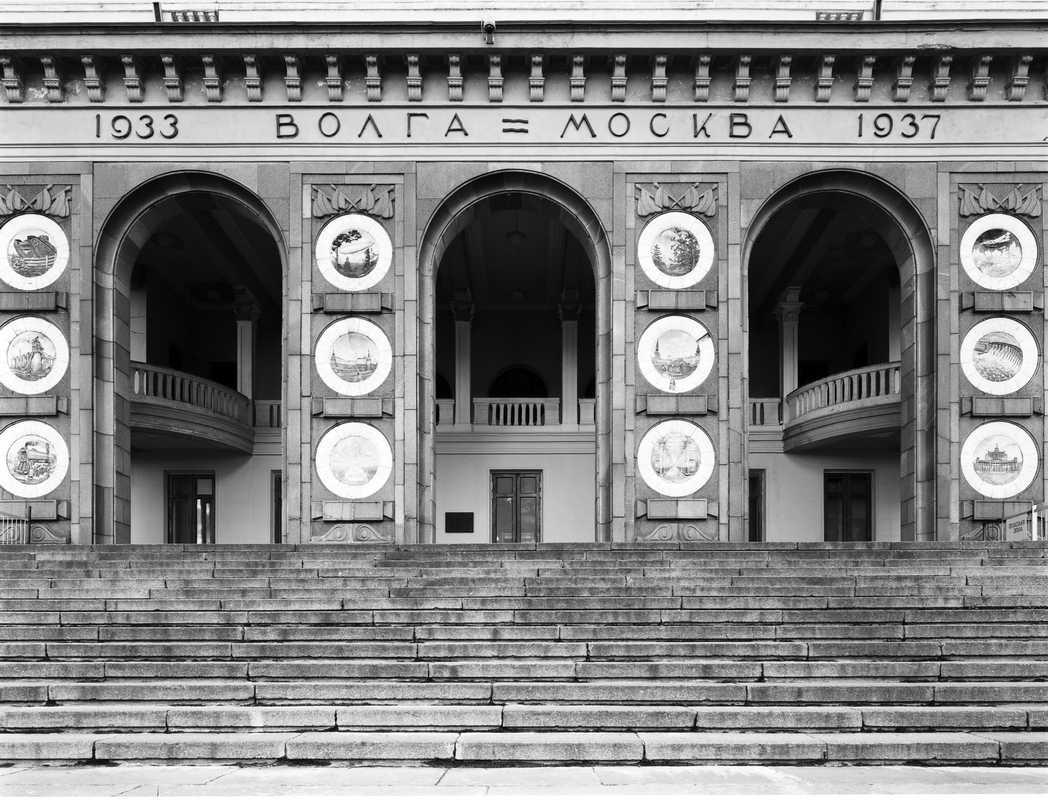
Moscow Twilight. 2012
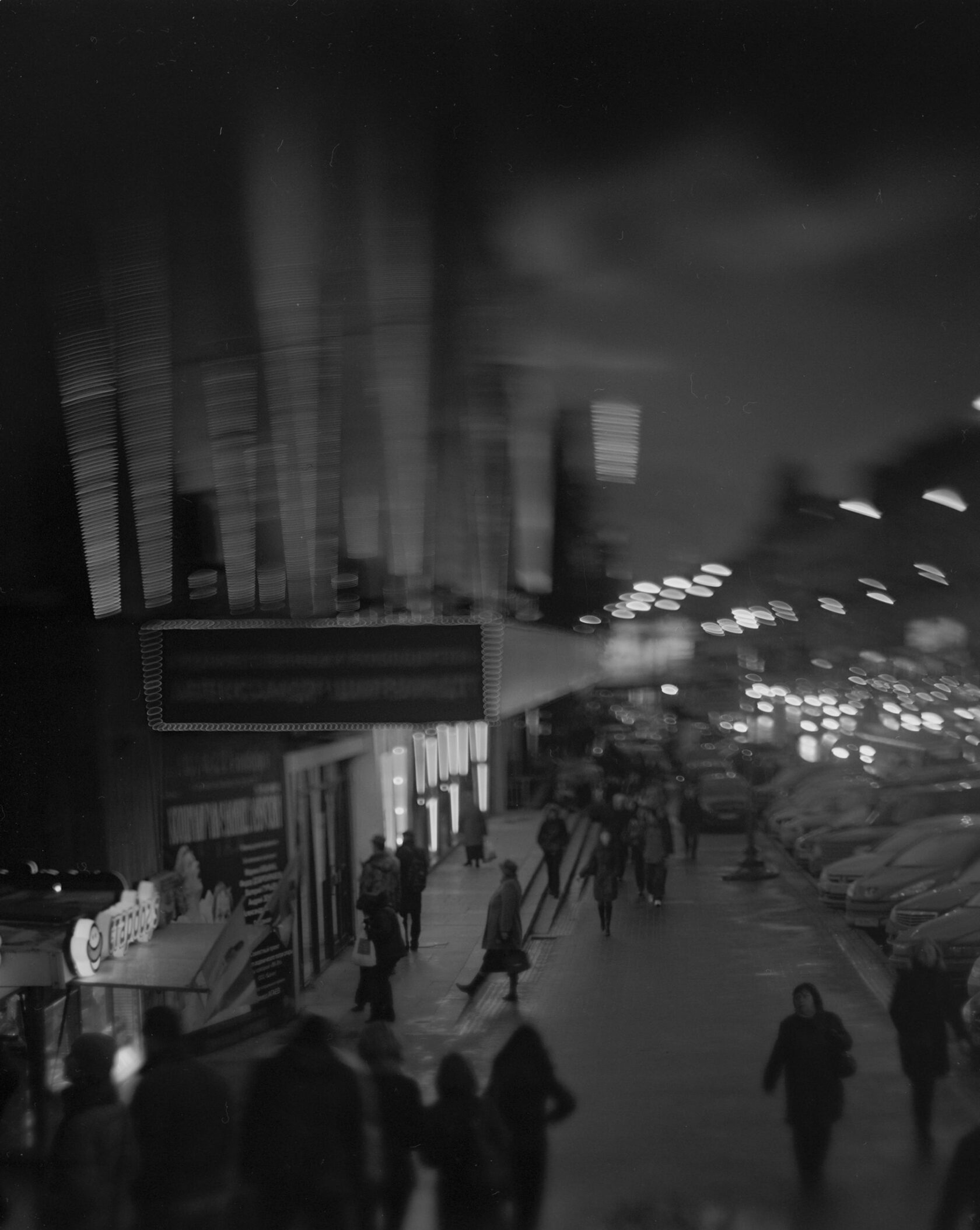
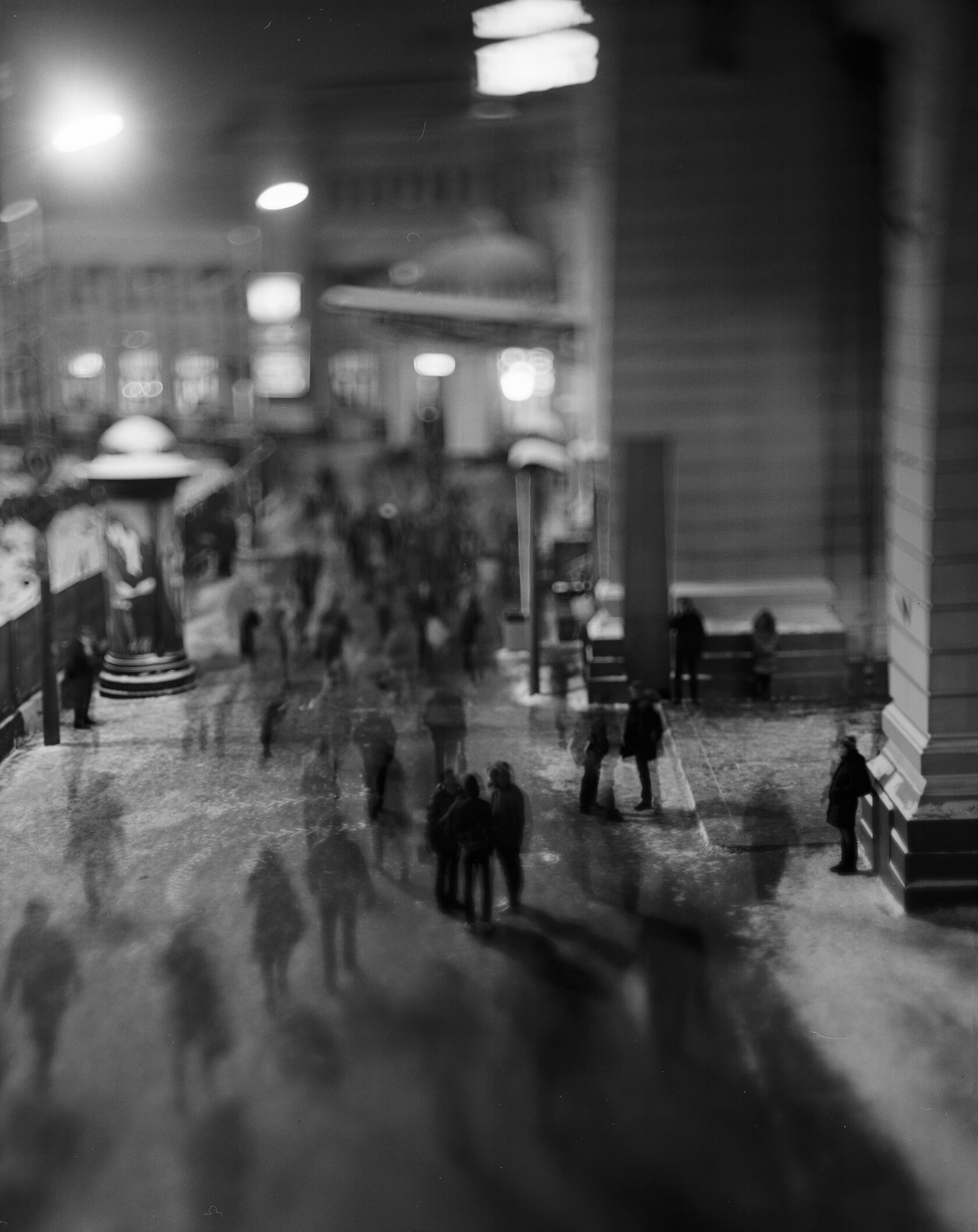
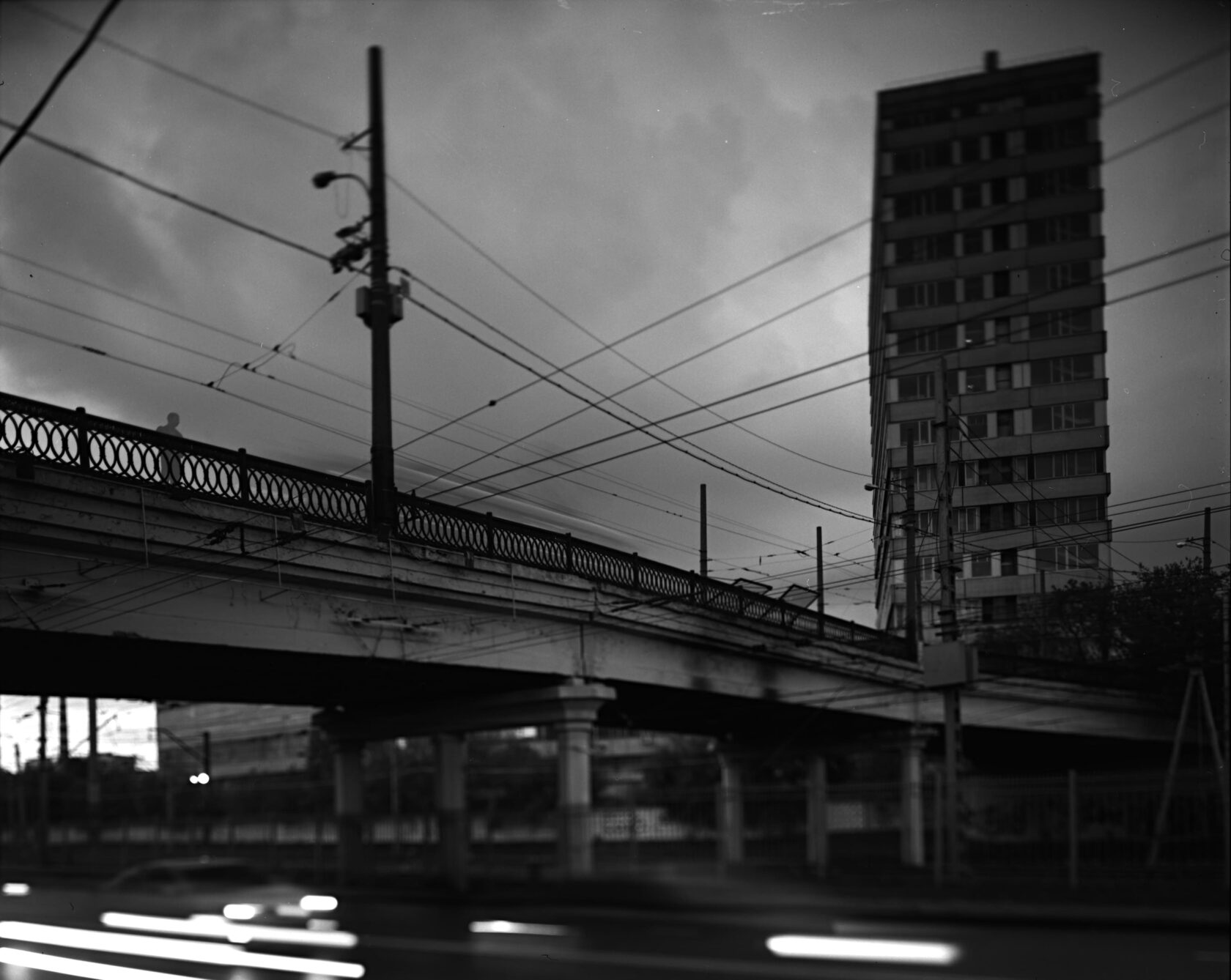
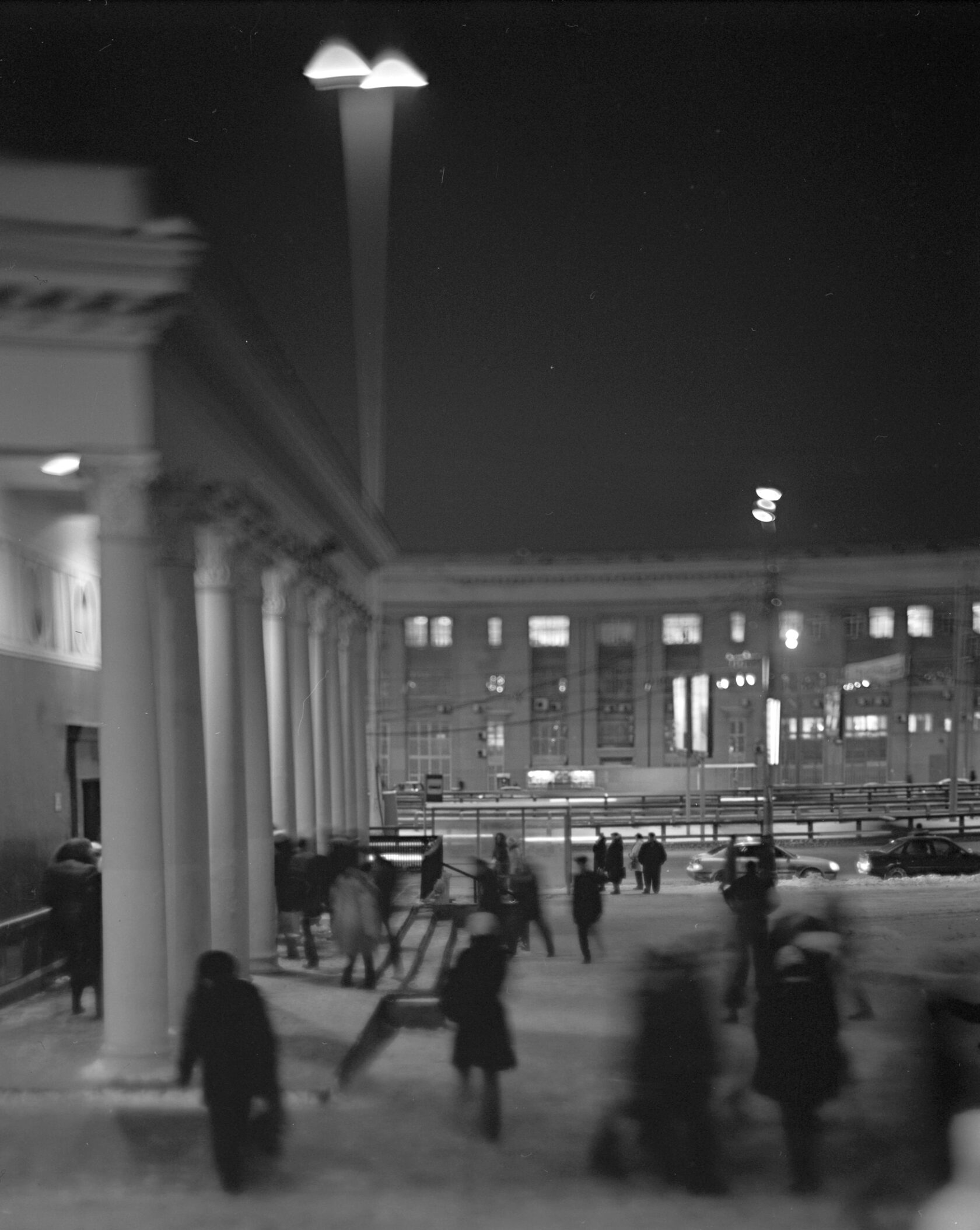
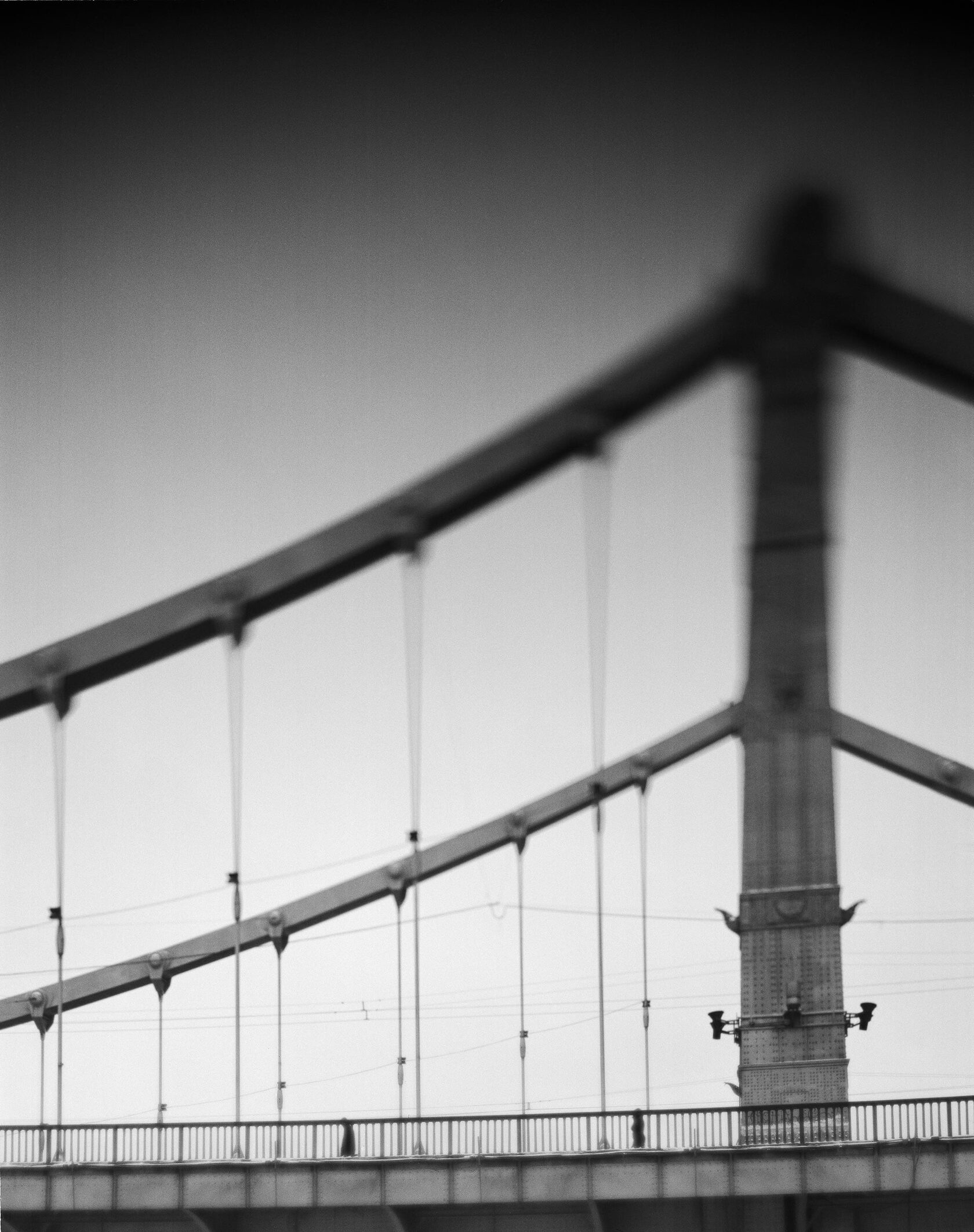
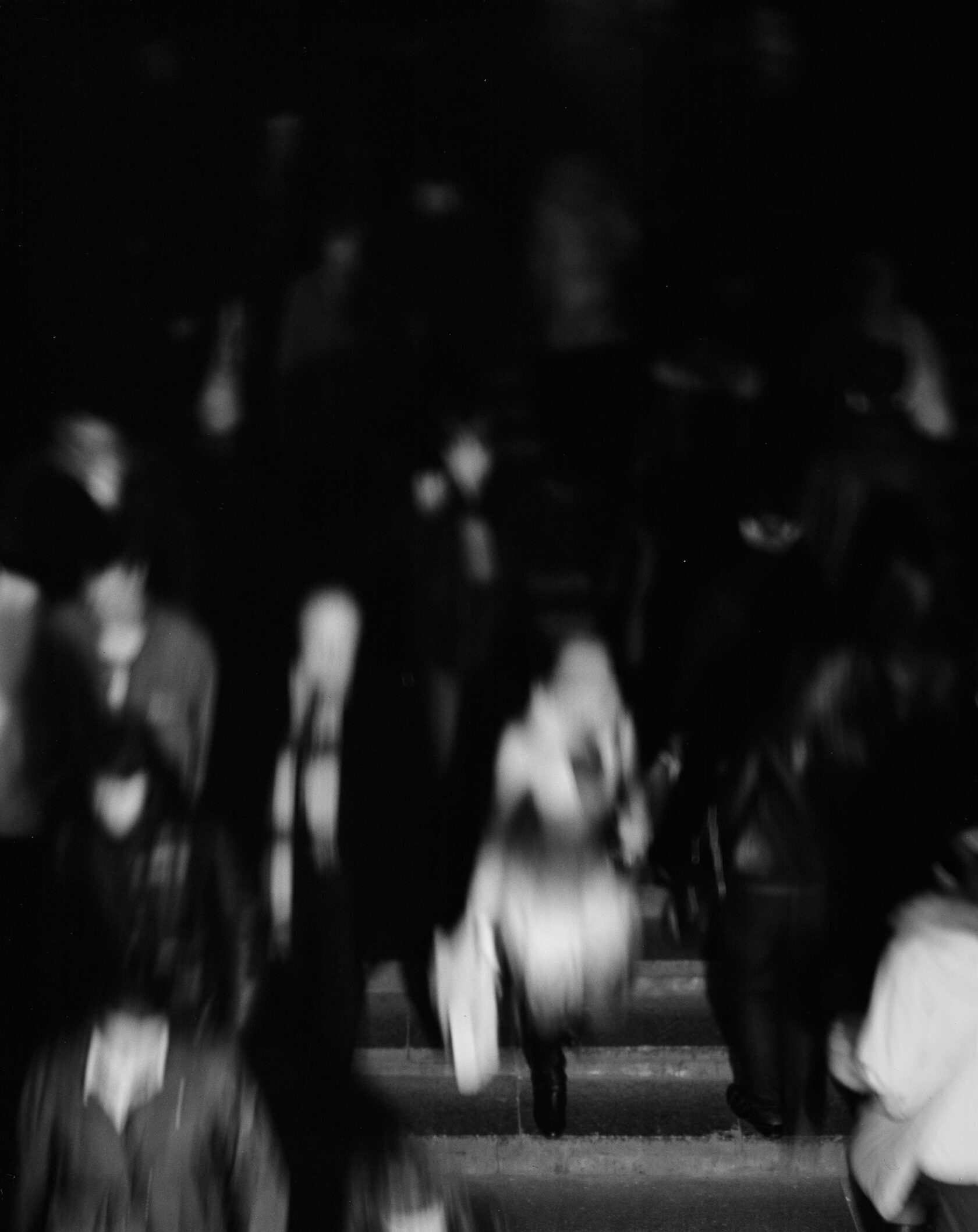
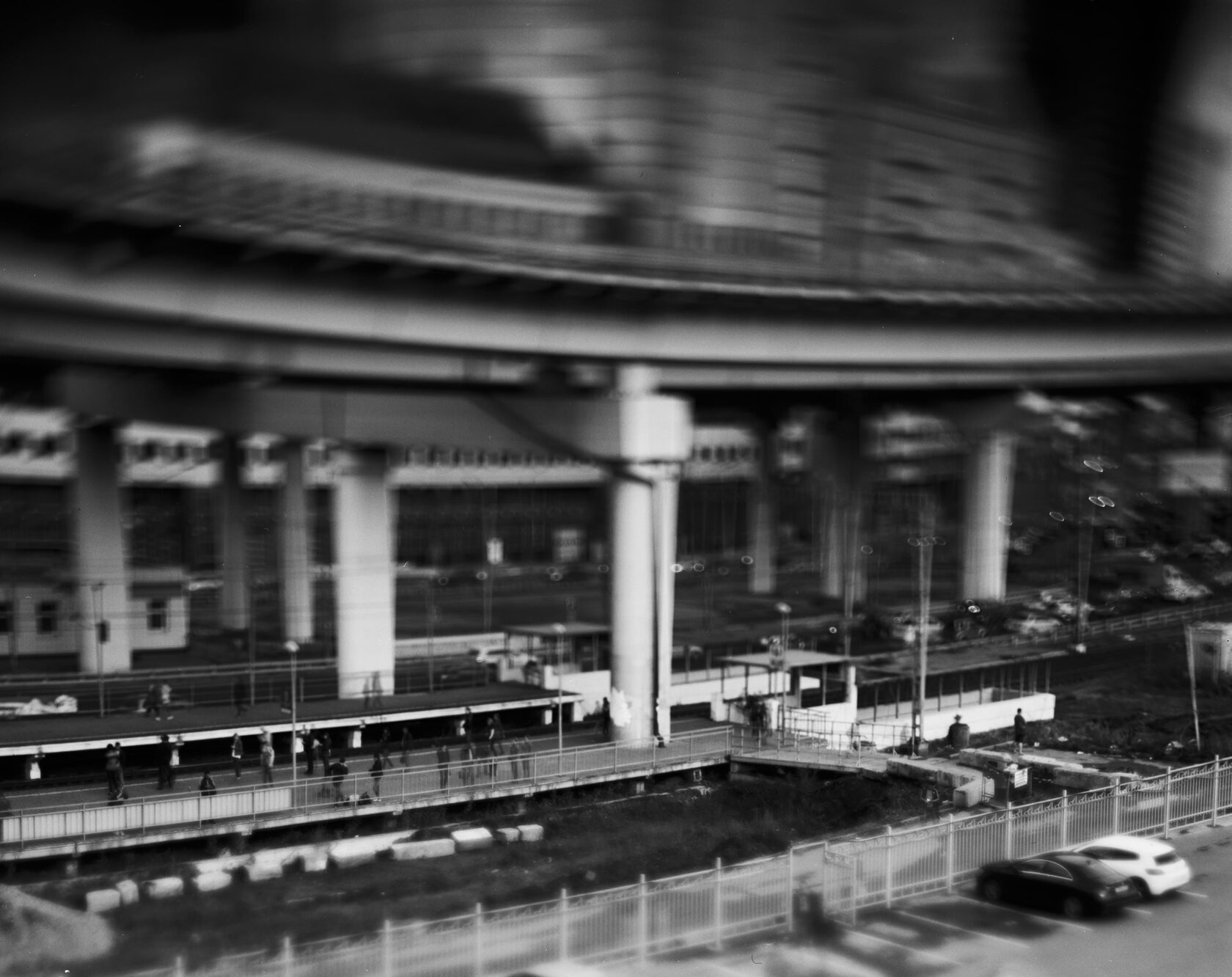
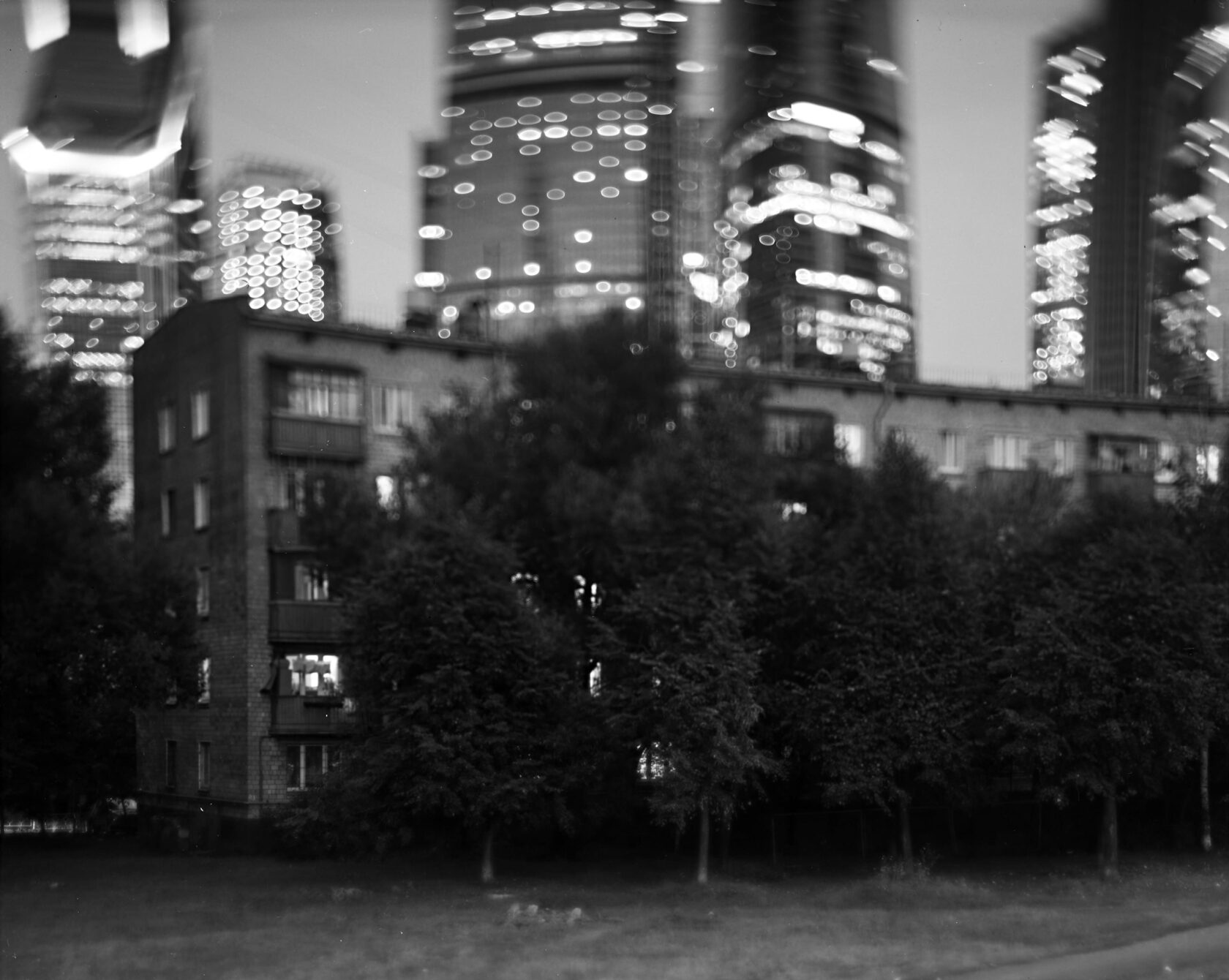
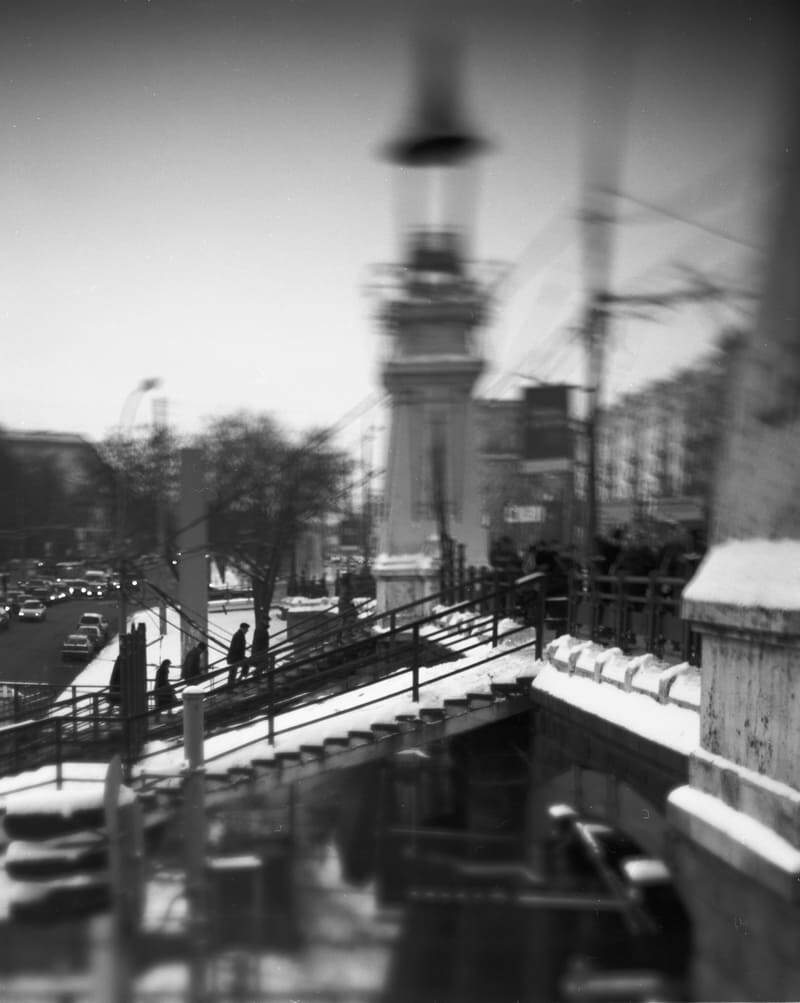
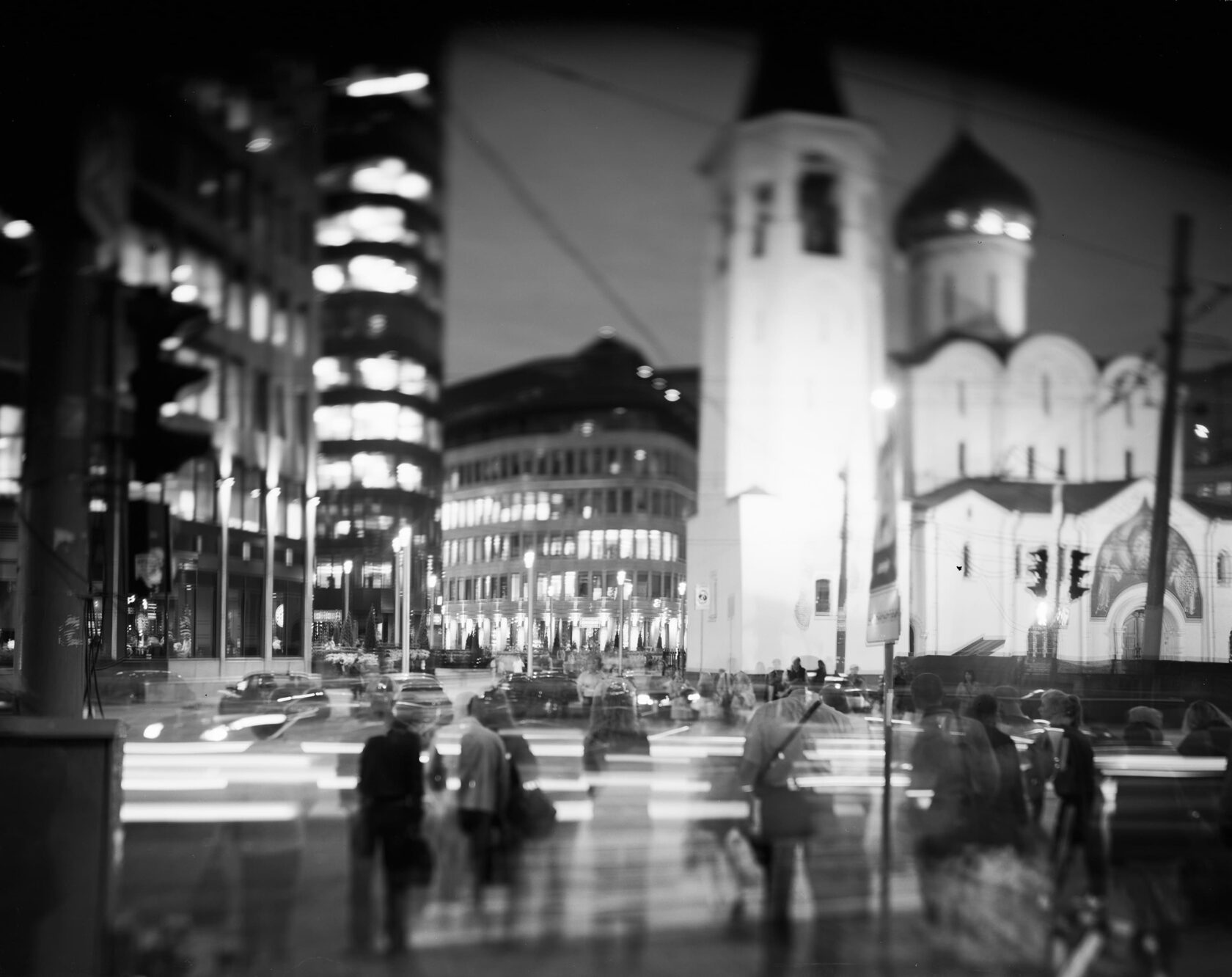
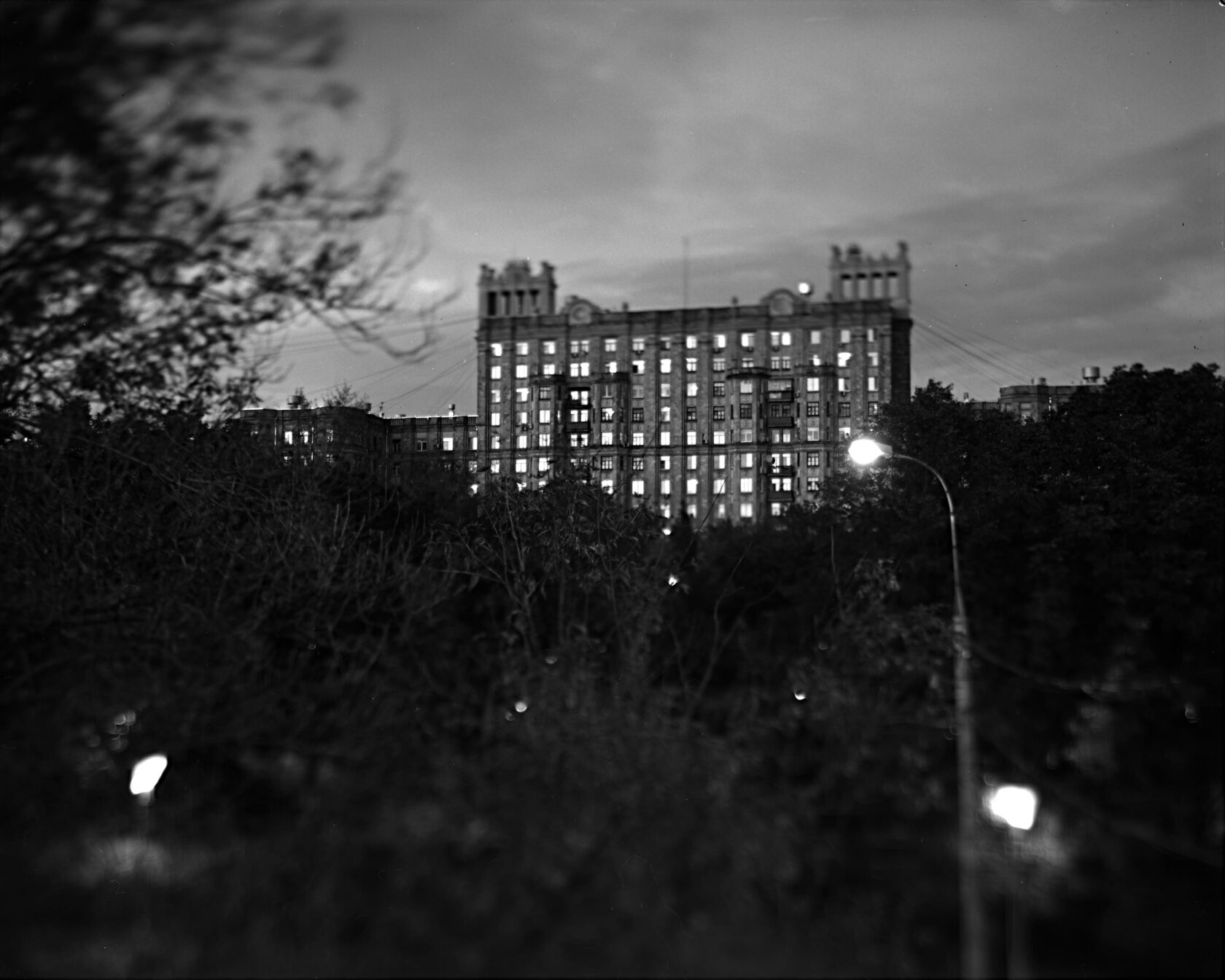
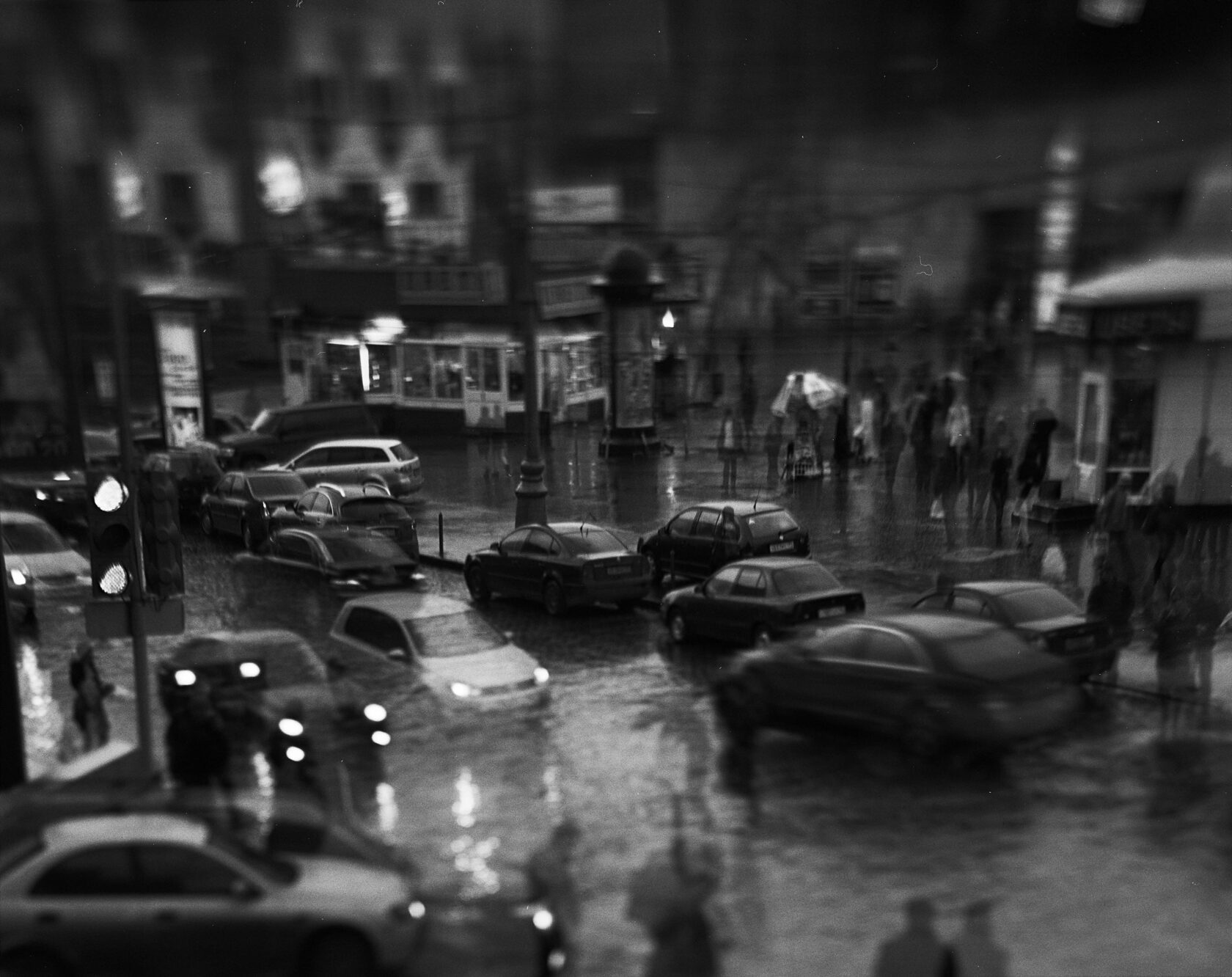
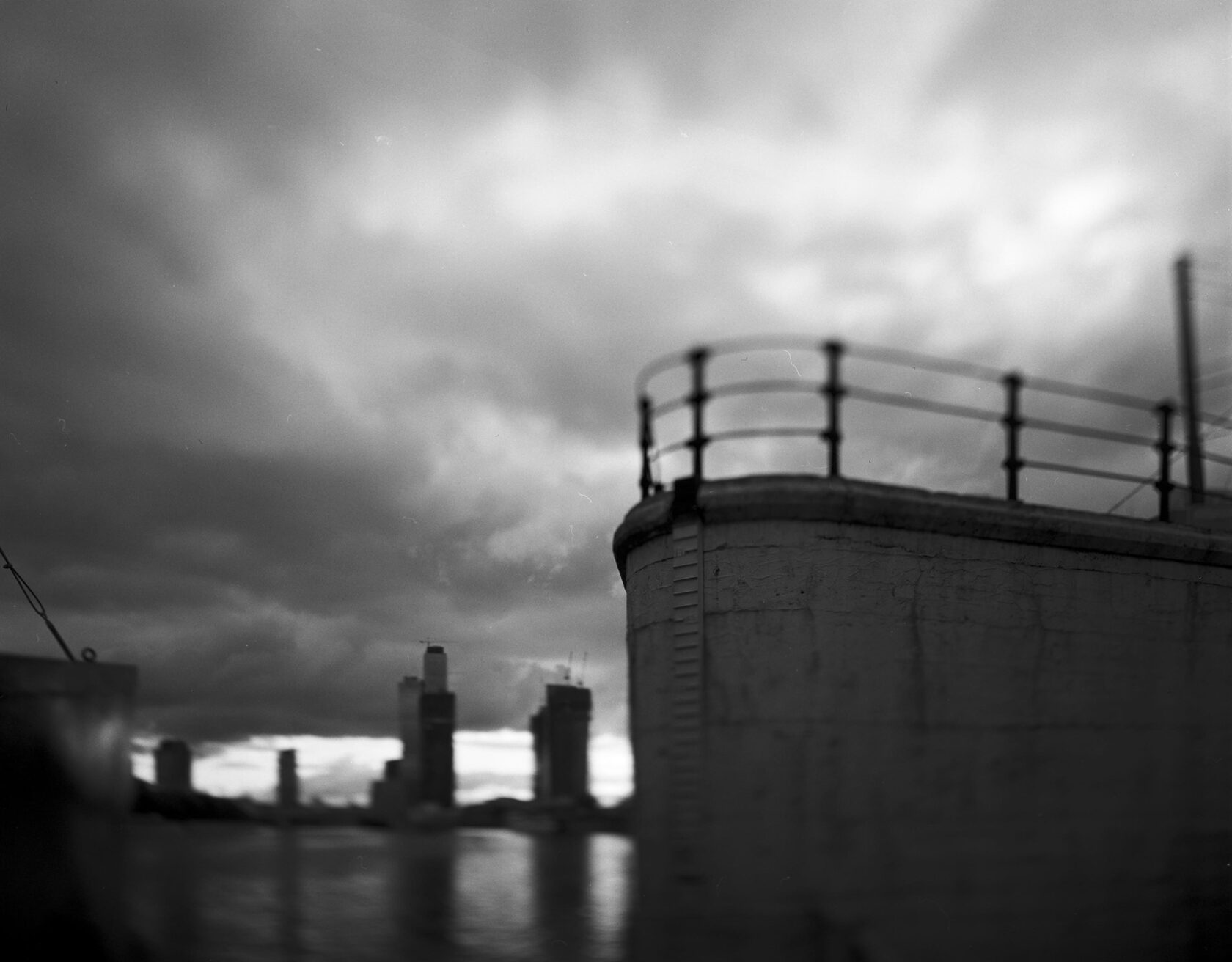
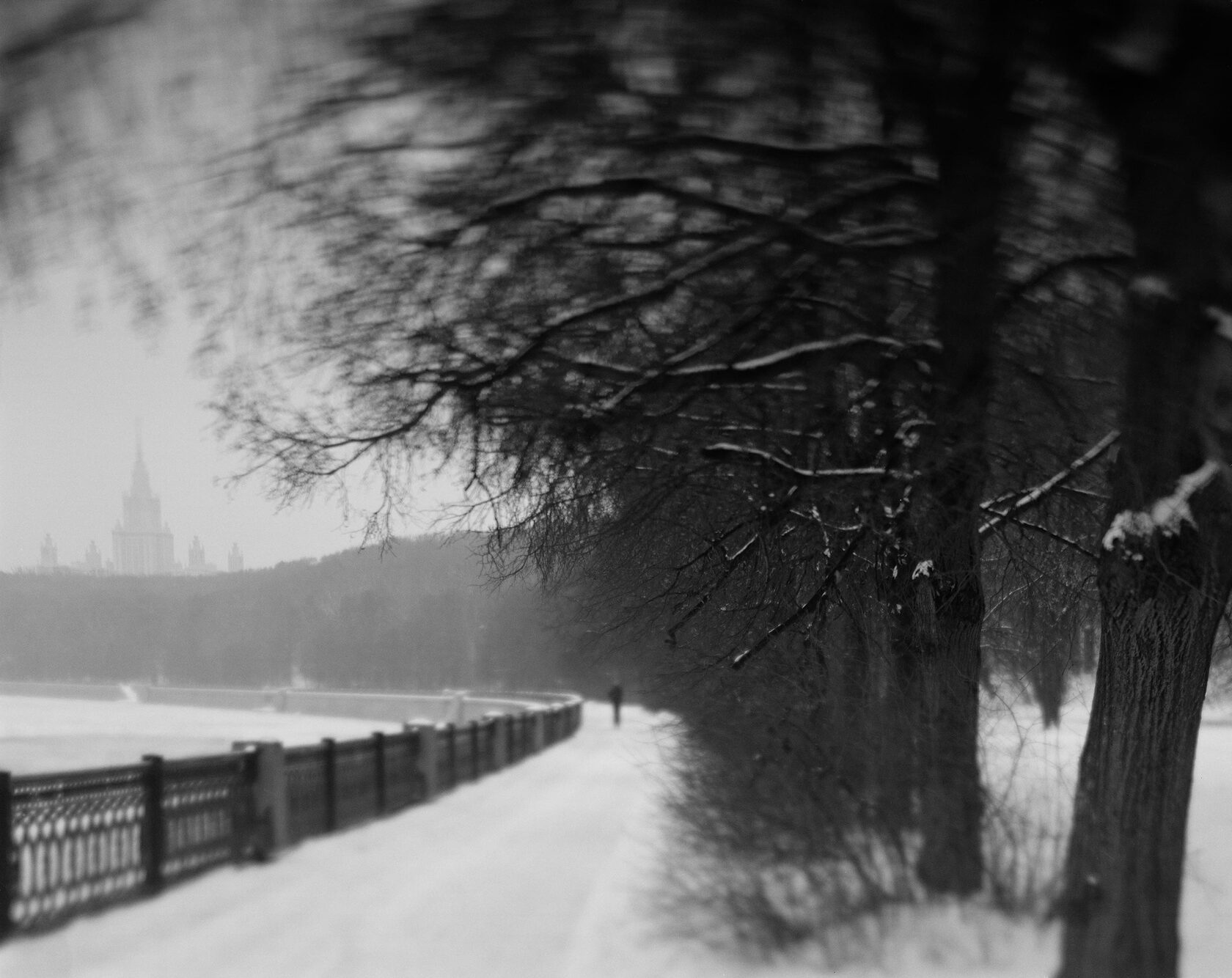
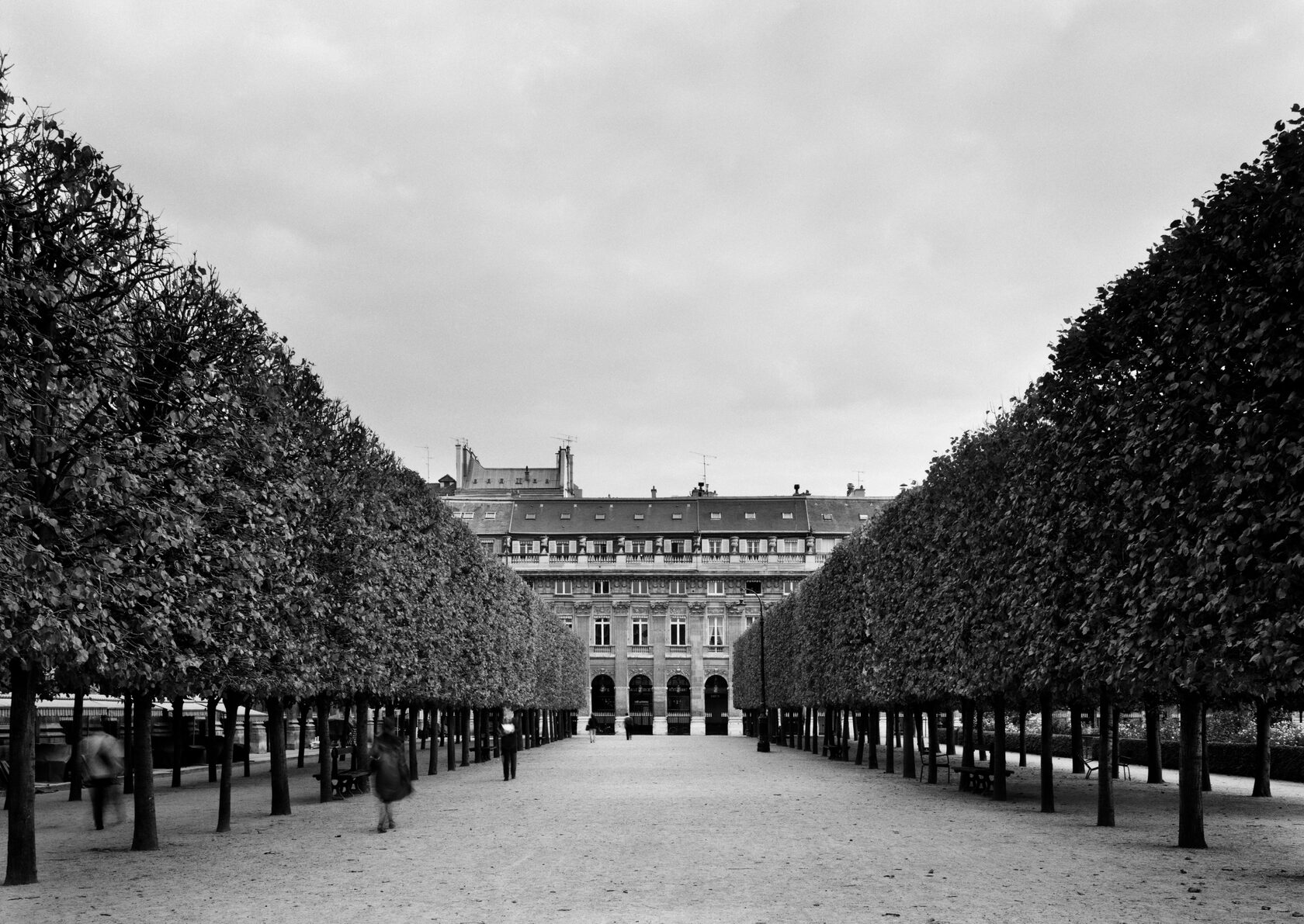
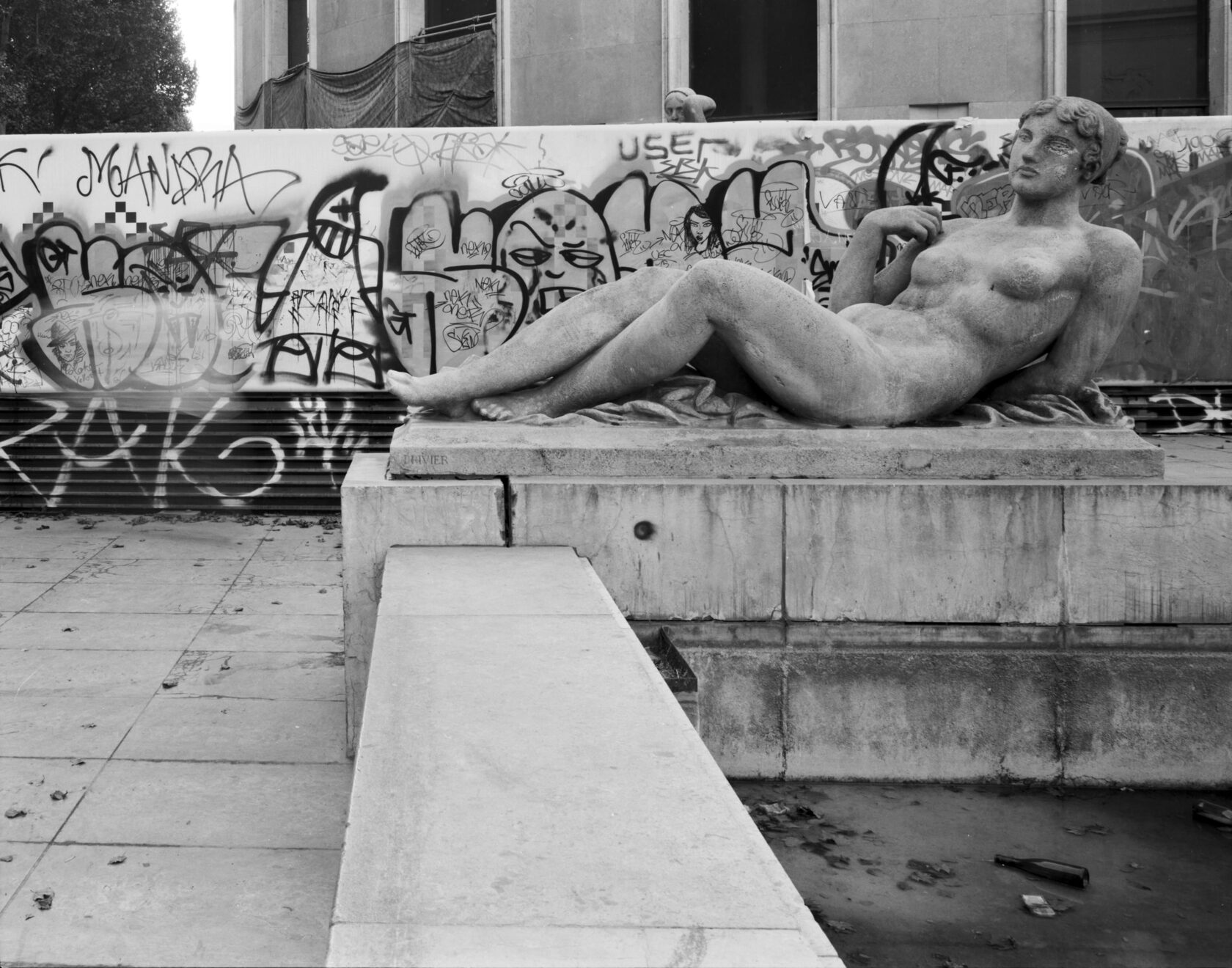
Paris. 2007
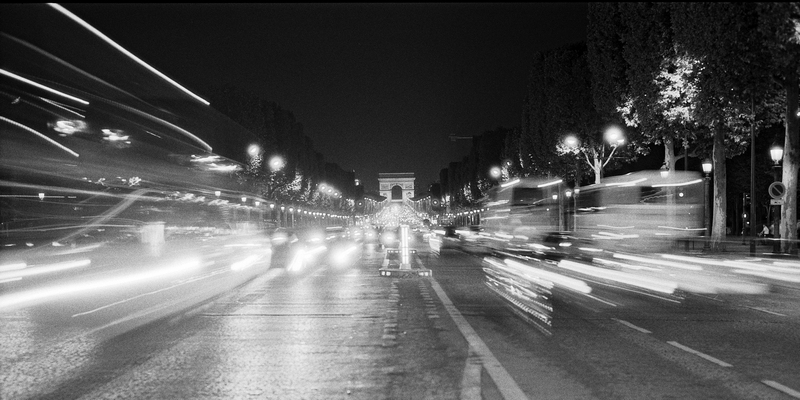
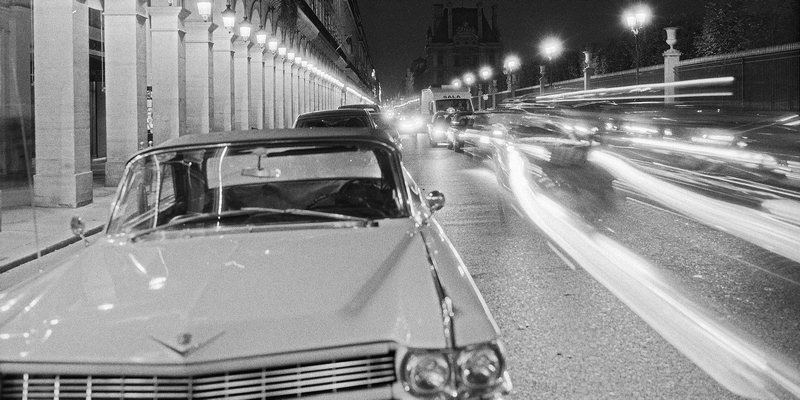
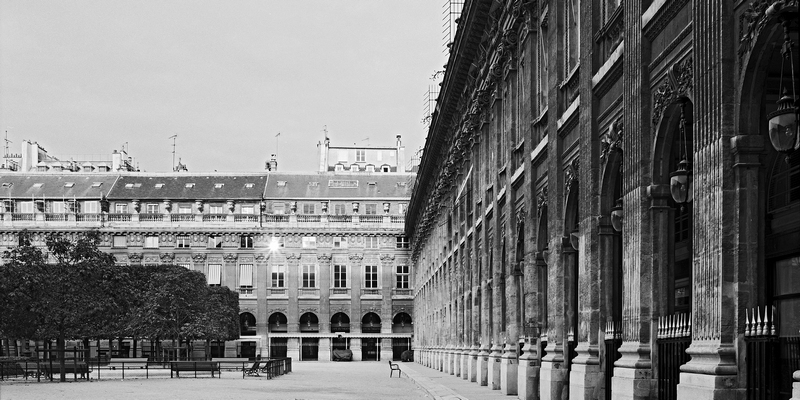
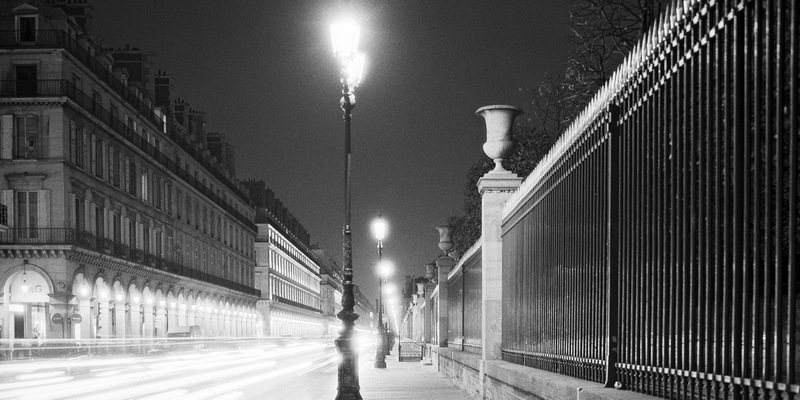
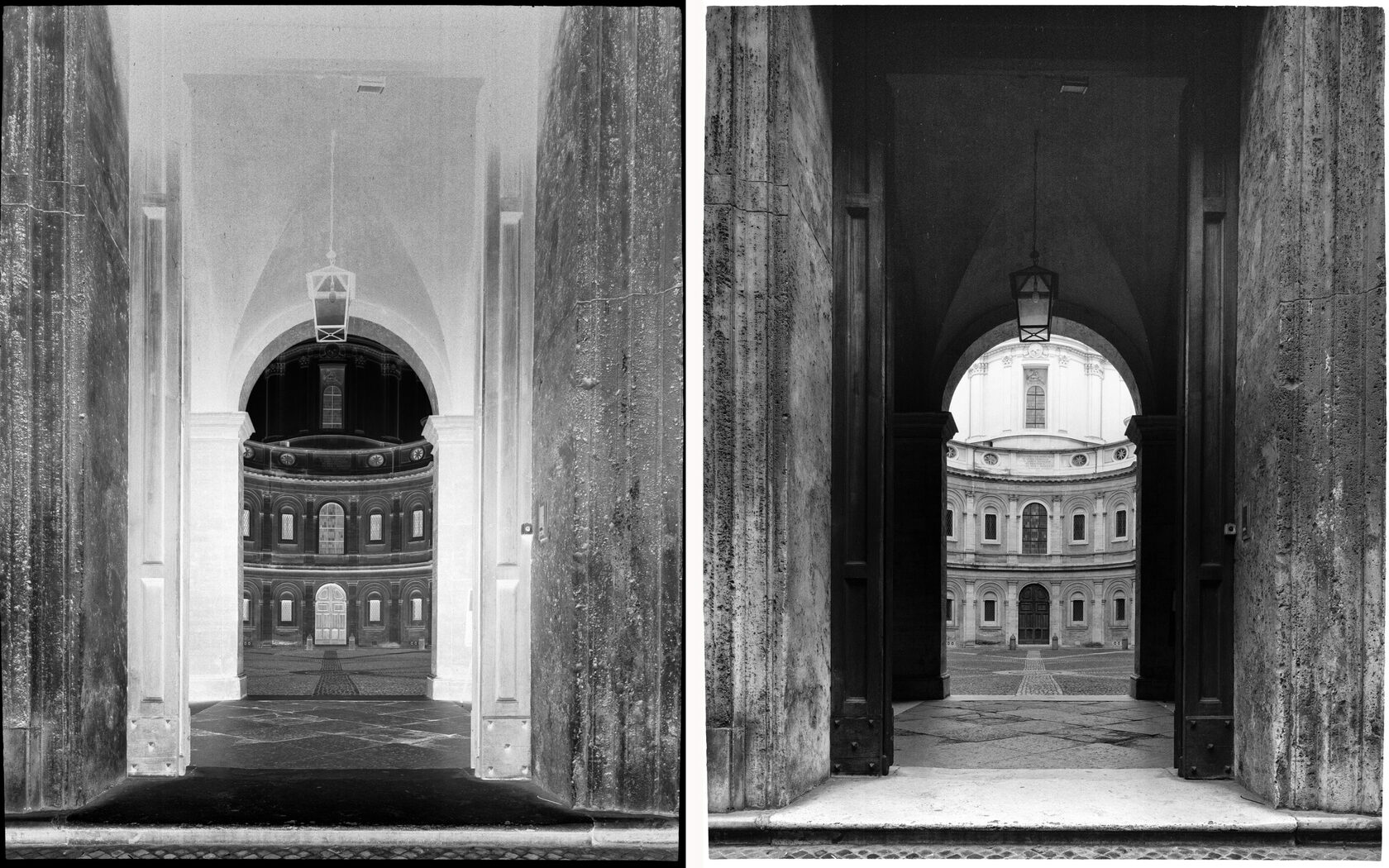
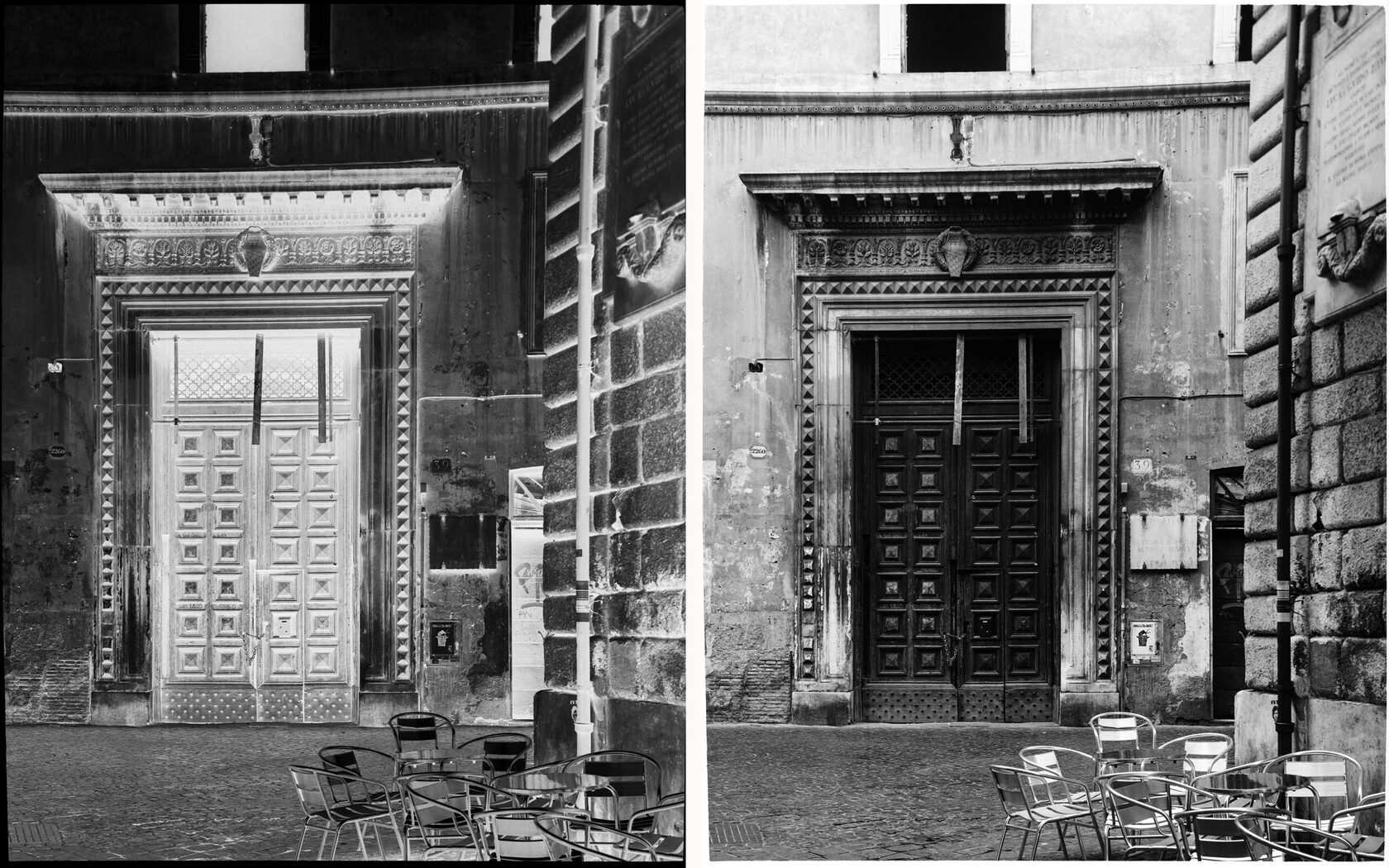
Rome on Negative. 2014
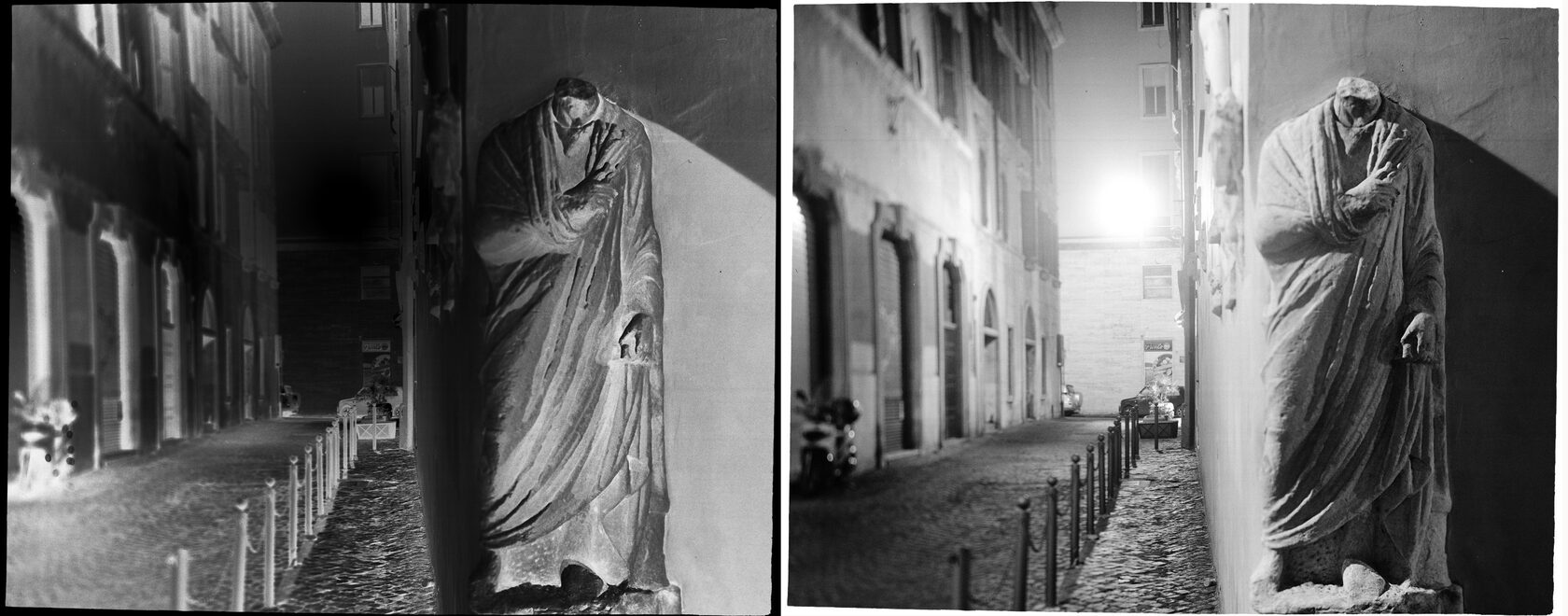
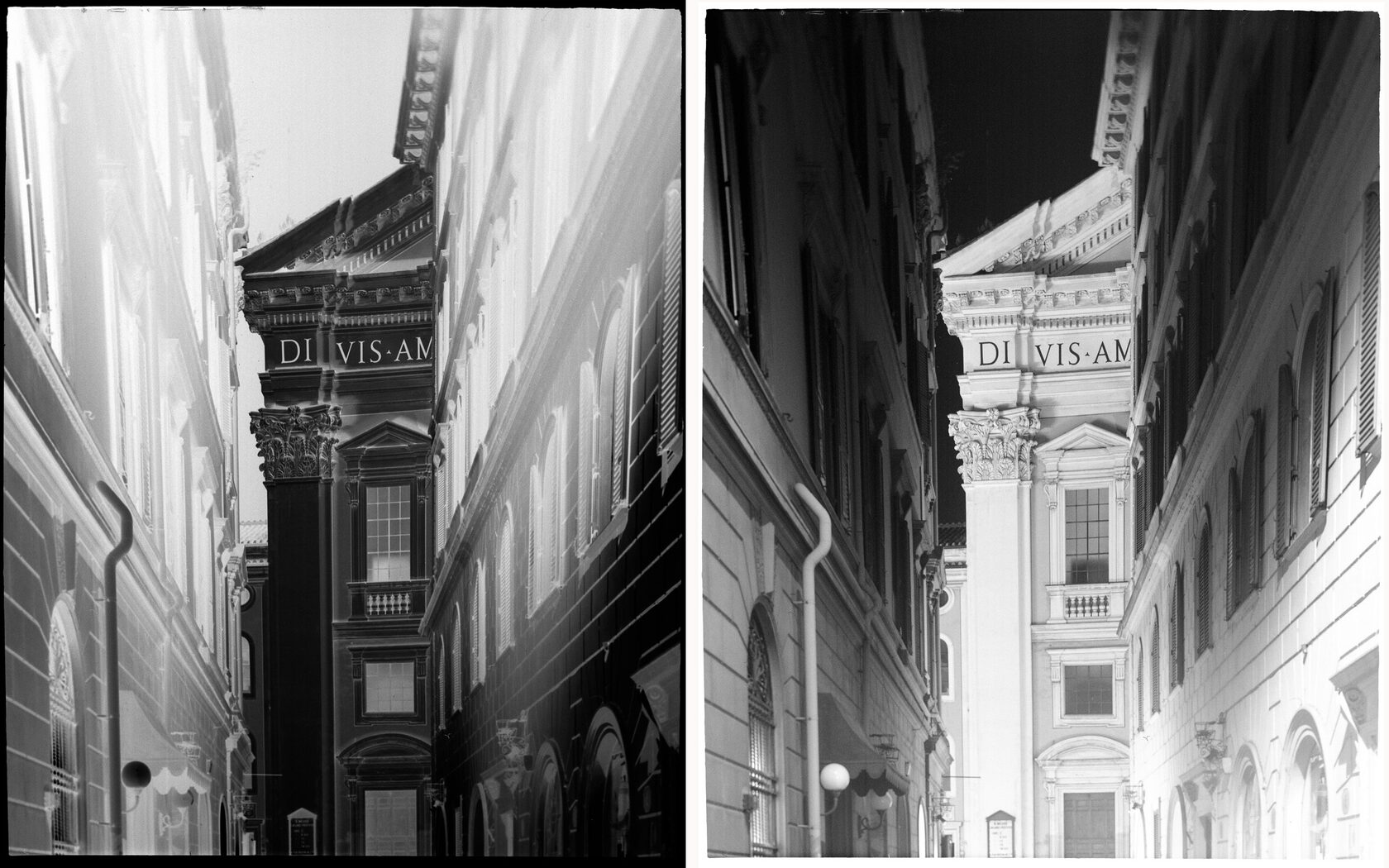
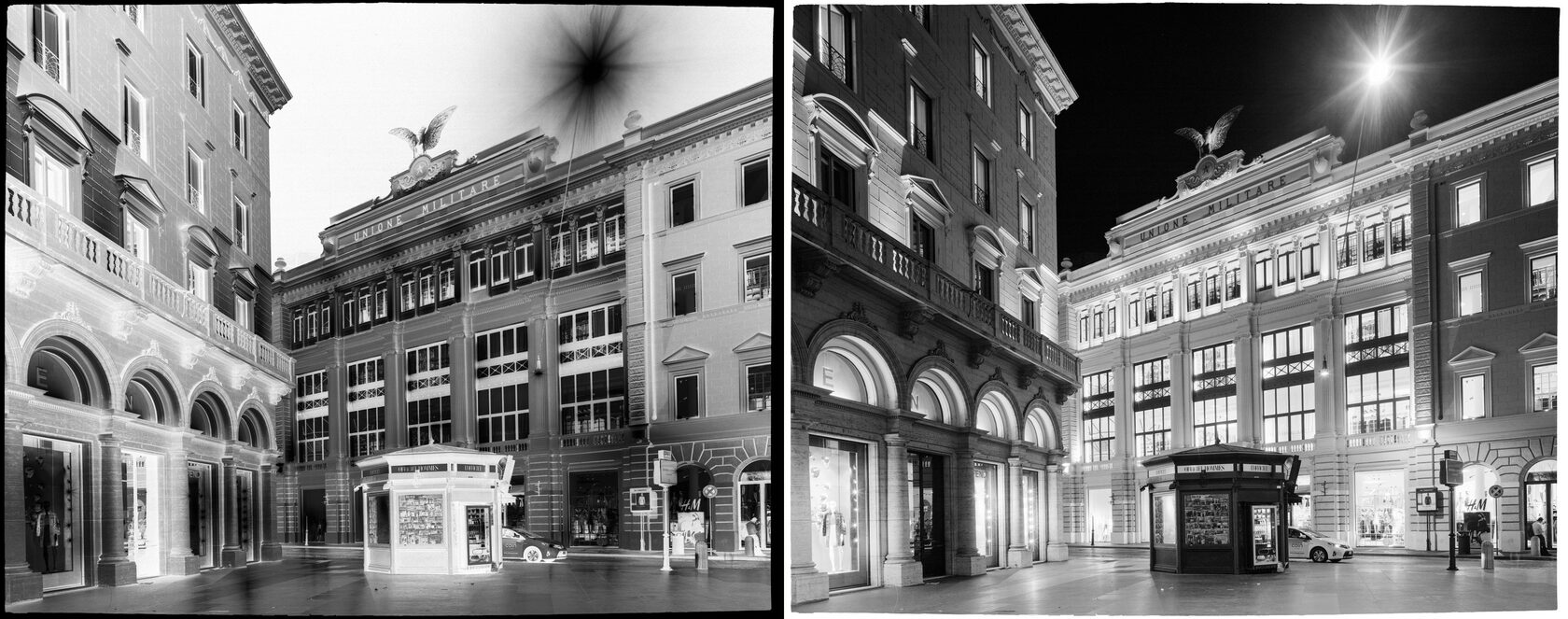
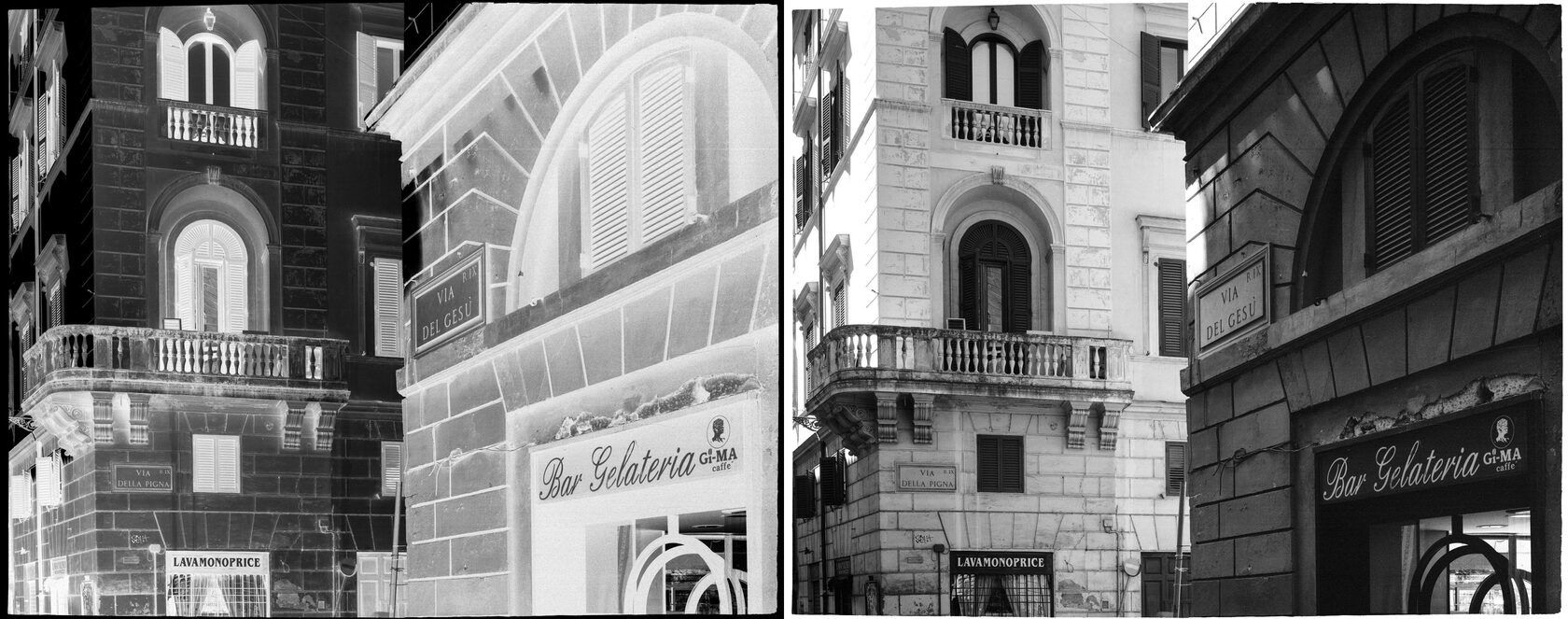
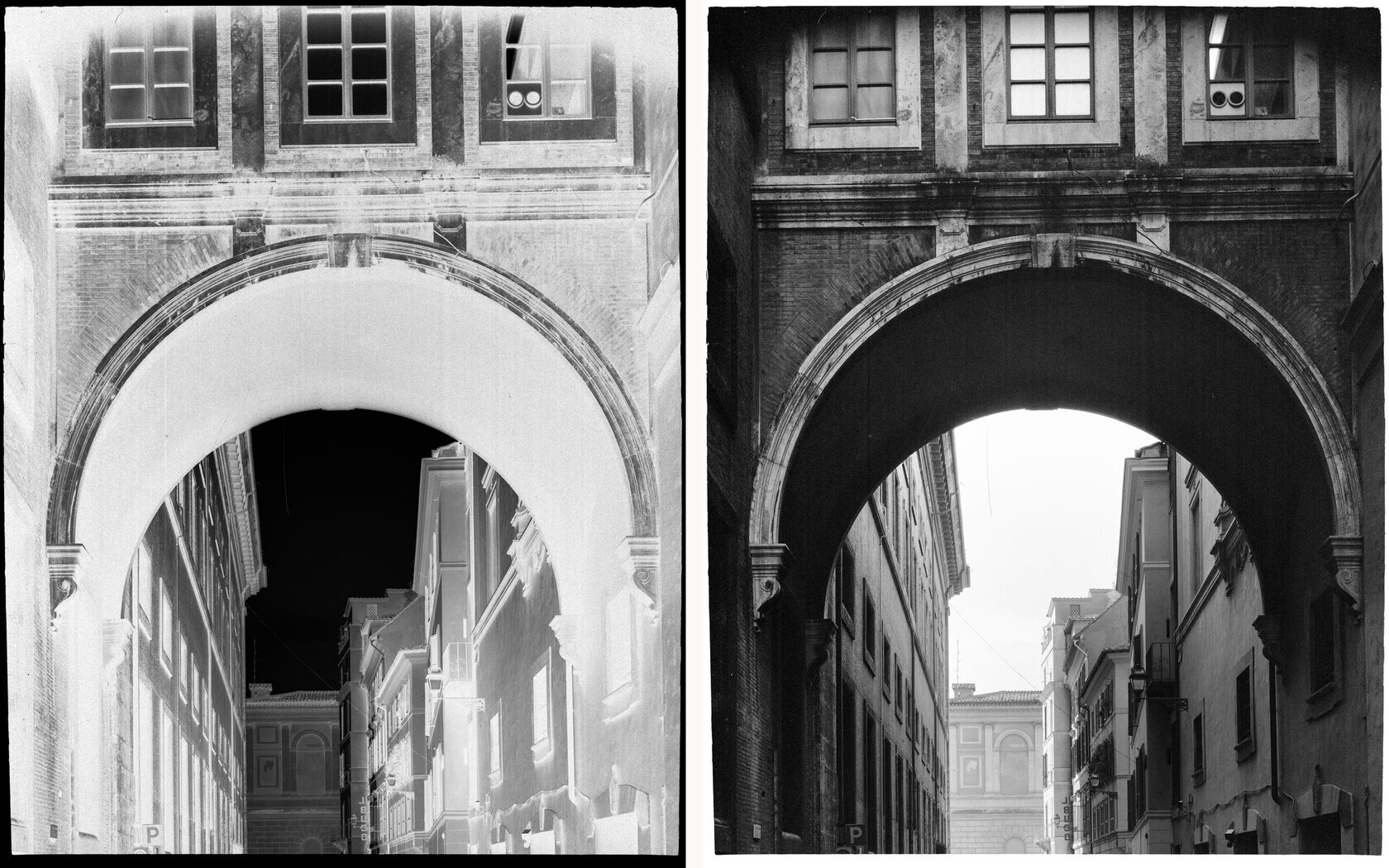
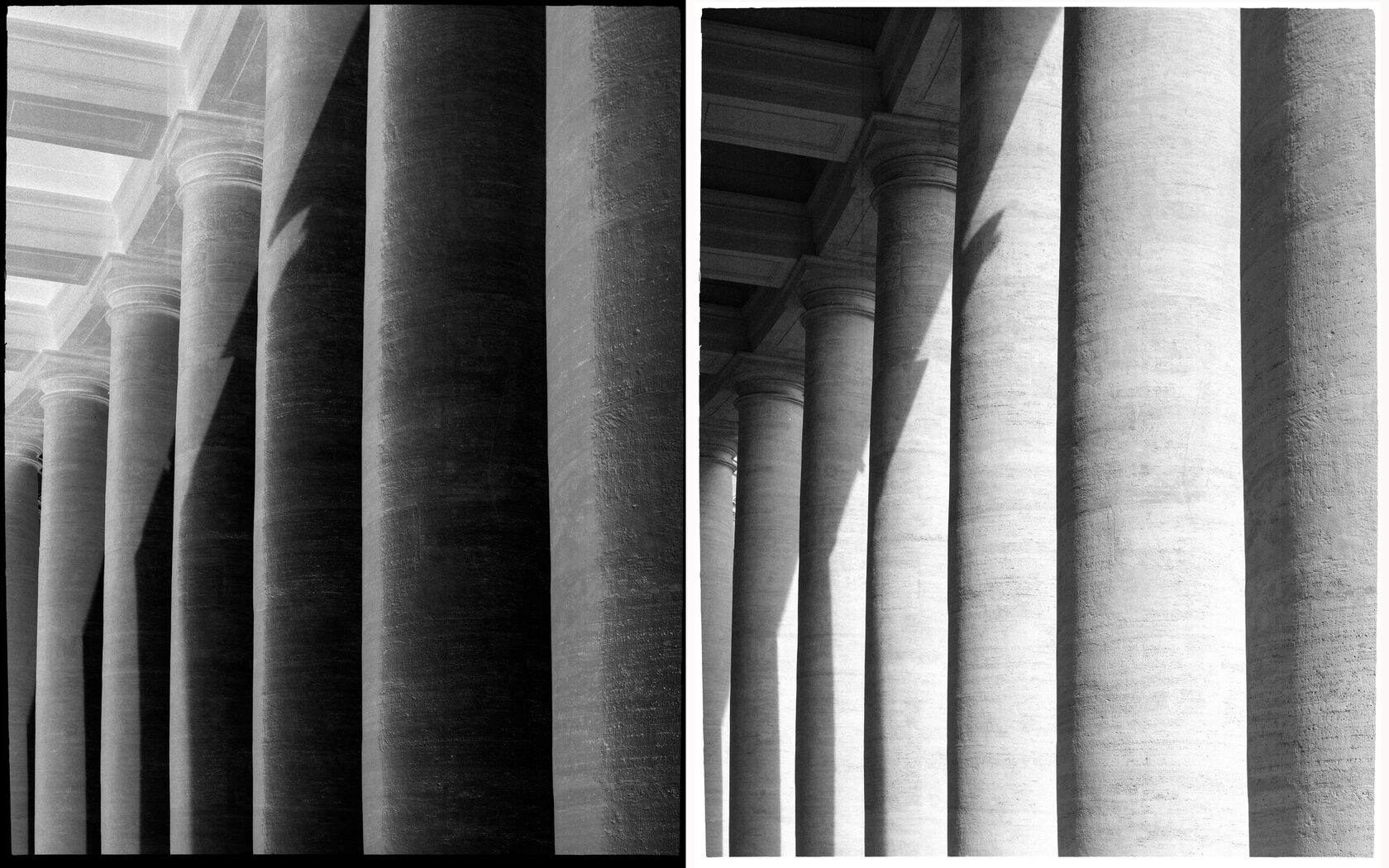
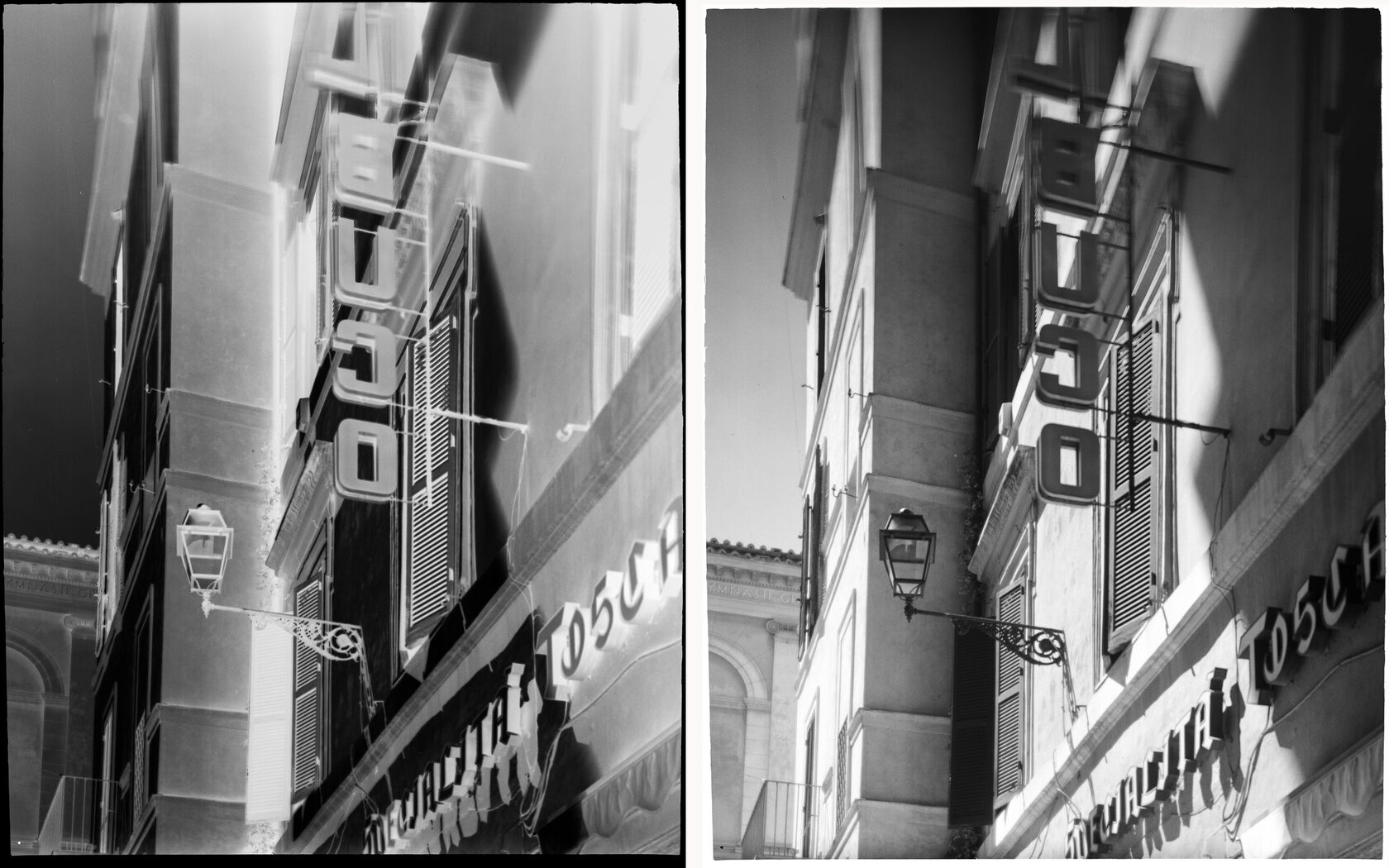
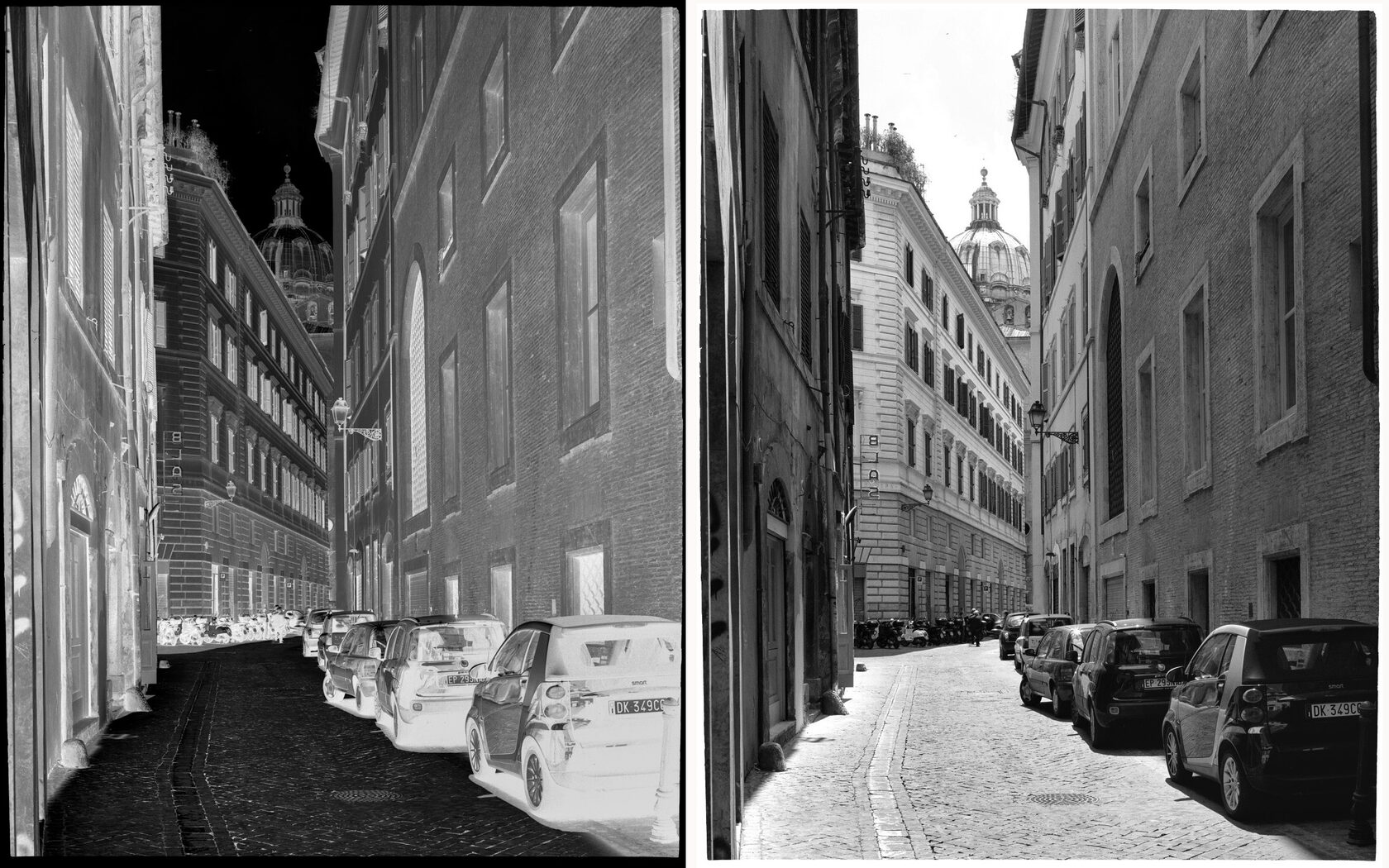
The photographs show us two states of an object, one positive and one negative. And the negative here becomes the final result of the author's work. The photographer's eye, like an X-ray, examines the anatomy of the Eternal City, the internal structure of its streets and squares. This is an ellipsis, a reflection on the nature of things.
Large-format black-and-white negatives (4×5 inches).
Large-format black-and-white negatives (4×5 inches).
The photographs show us two states of an object, one positive and one negative. And the negative here becomes the final result of the author's work. The photographer's eye, like an X-ray, examines the anatomy of the Eternal City, the internal structure of its streets and squares. This is an ellipsis, a reflection on the nature of things.
Large-format black-and-white negatives (4×5 inches).
Large-format black-and-white negatives (4×5 inches).
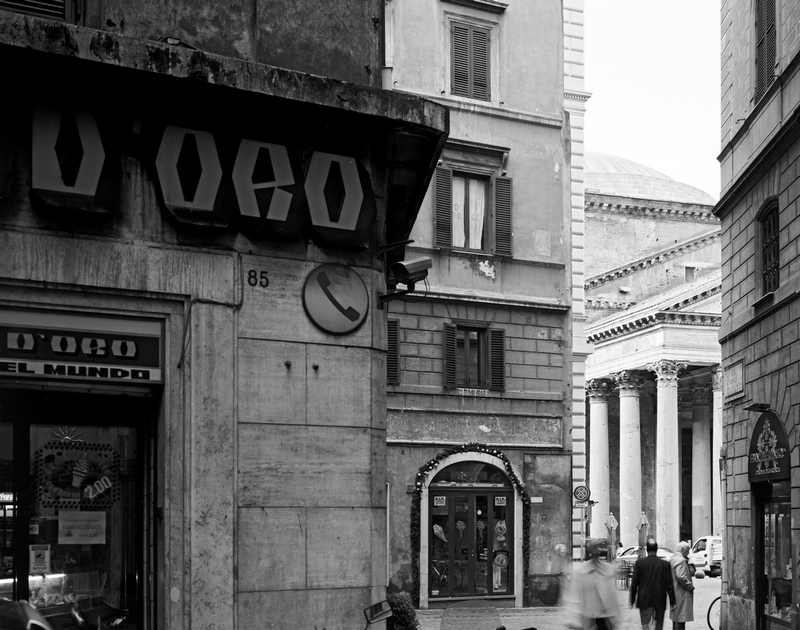
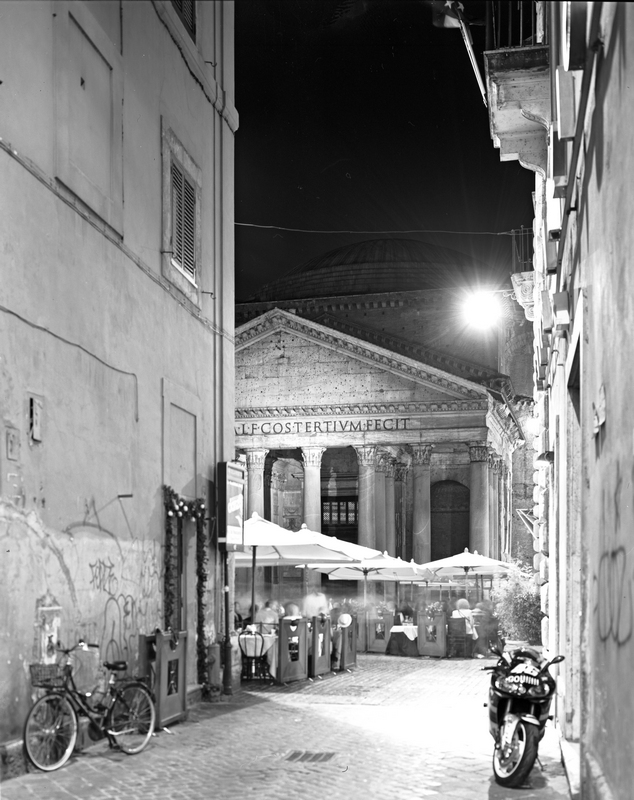
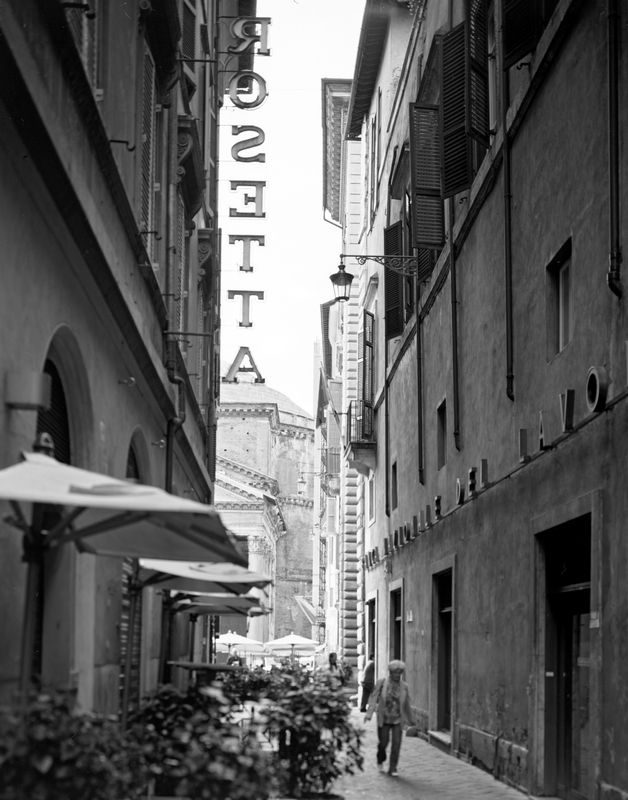
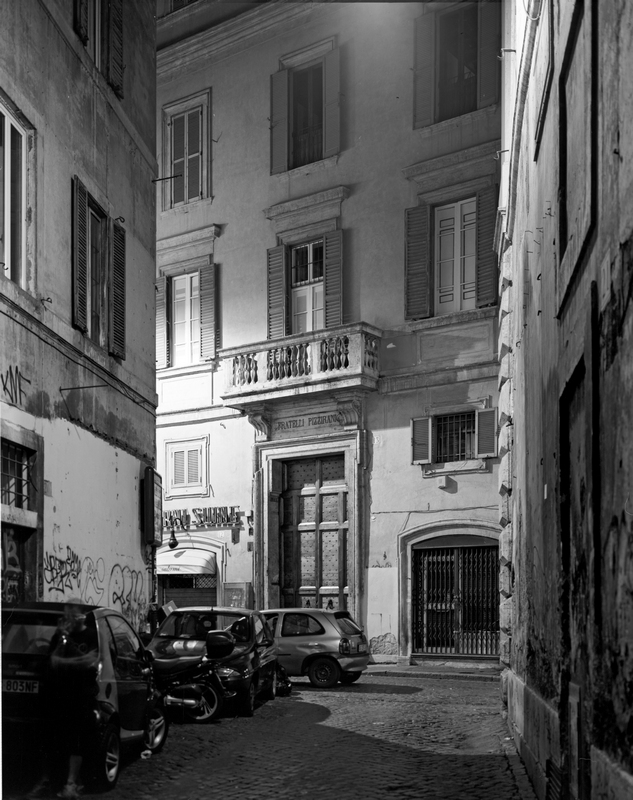
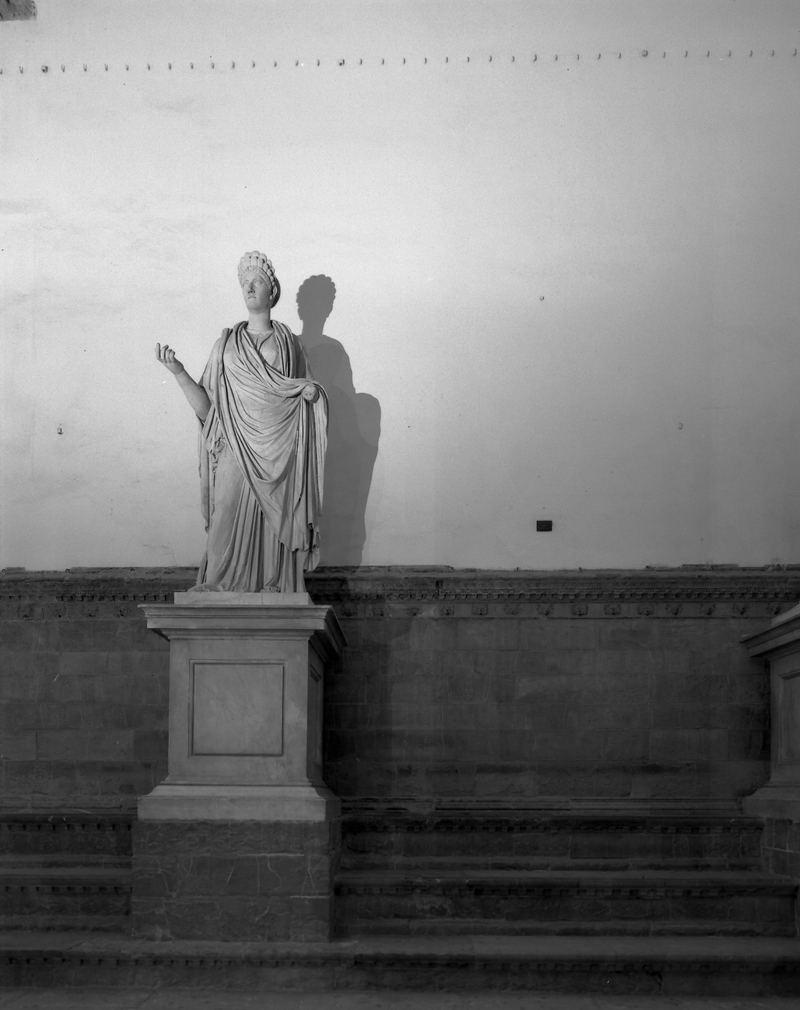
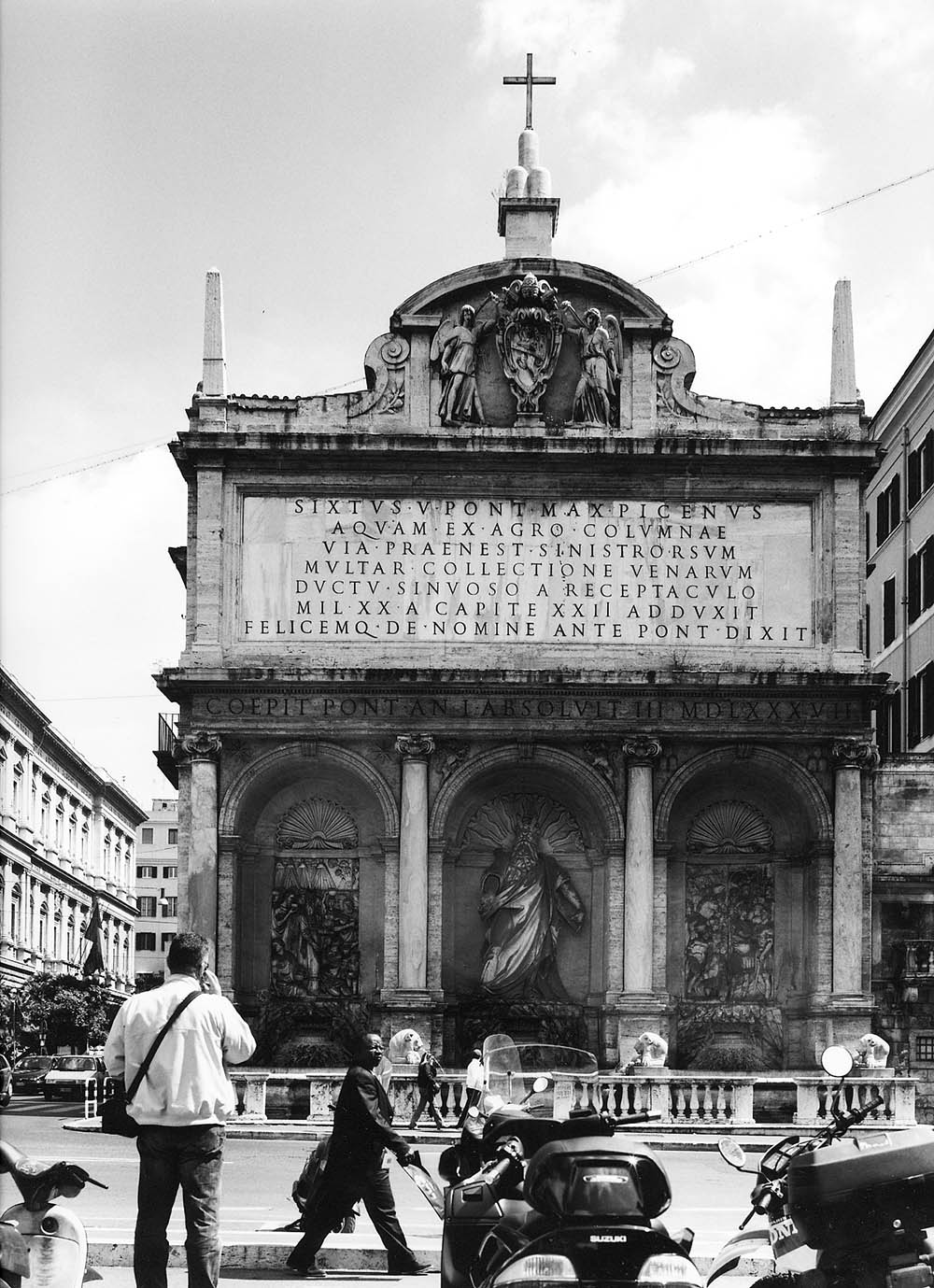
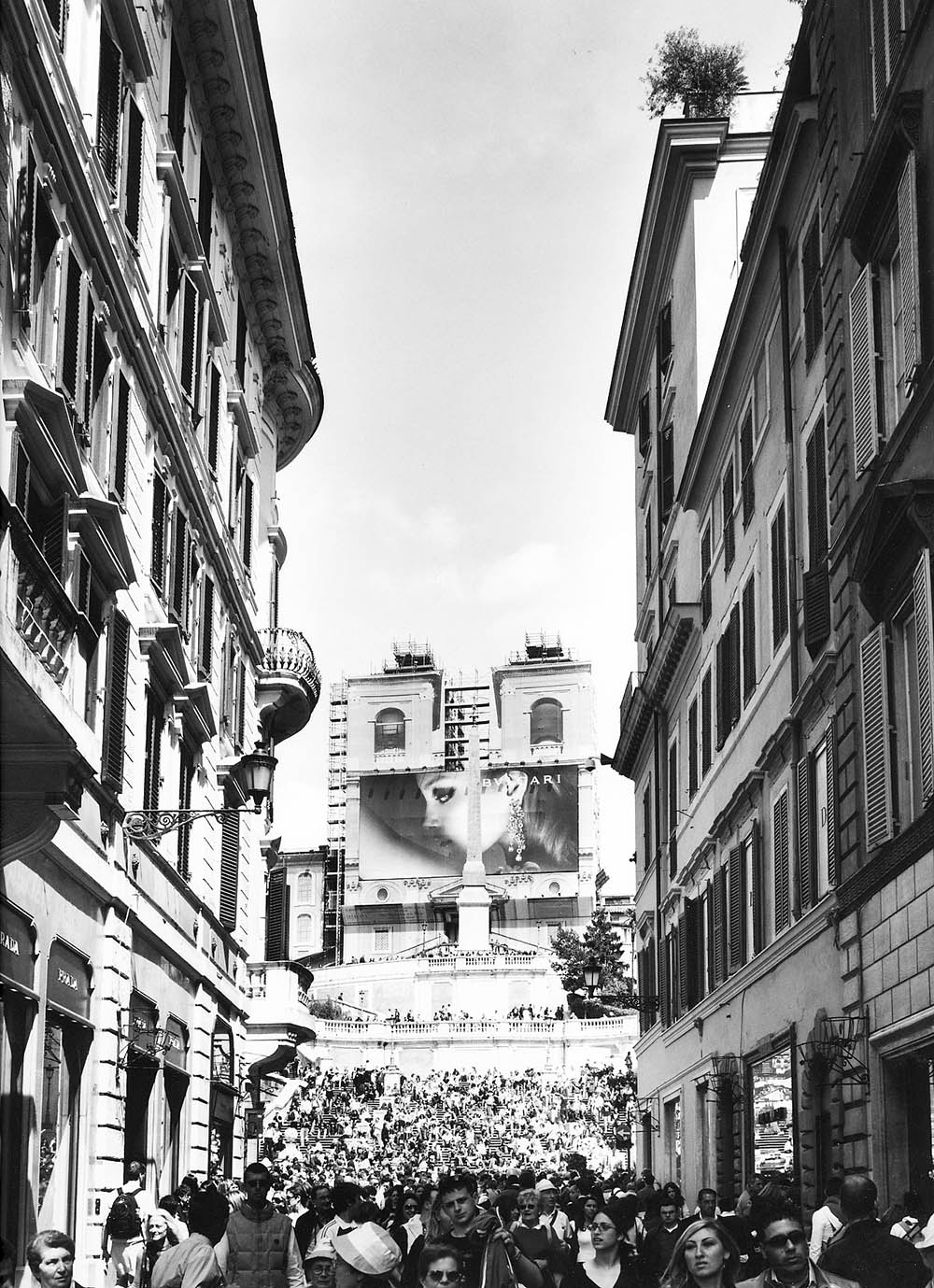
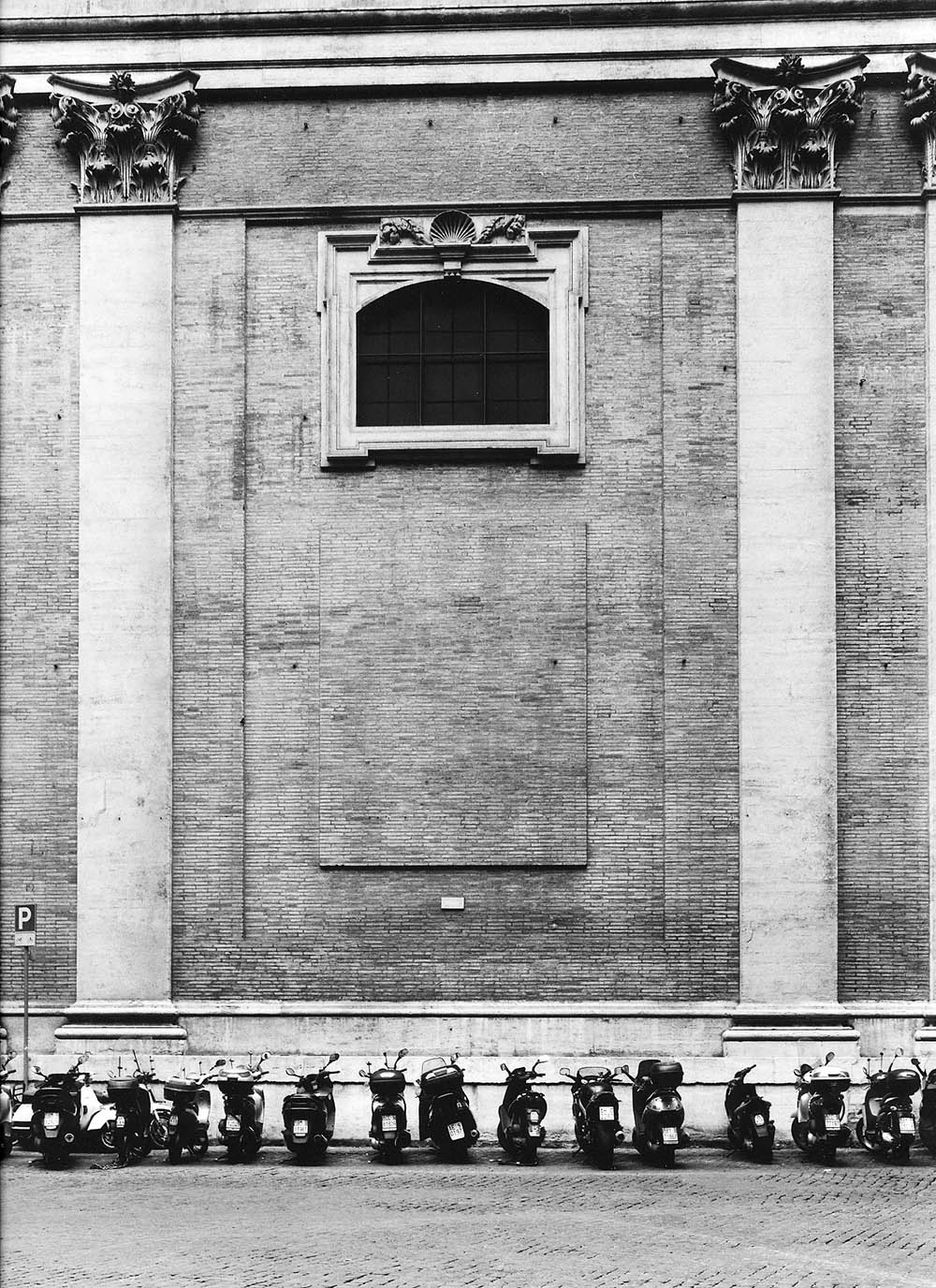
Roman Streets. 2006
The Hole and the Holy. 2012
Climate change is not only a matter of temperatures, emissions, or disappearing natural landscapes. What matters is the moment when humanity ceases to be merely a part of nature and becomes a force capable of physically altering it.
We extract millions of tons of rock from the earth, move mountains, reshape the terrain, build cities and factories, and gradually the imprint of human presence becomes comparable in scale to natural processes themselves.
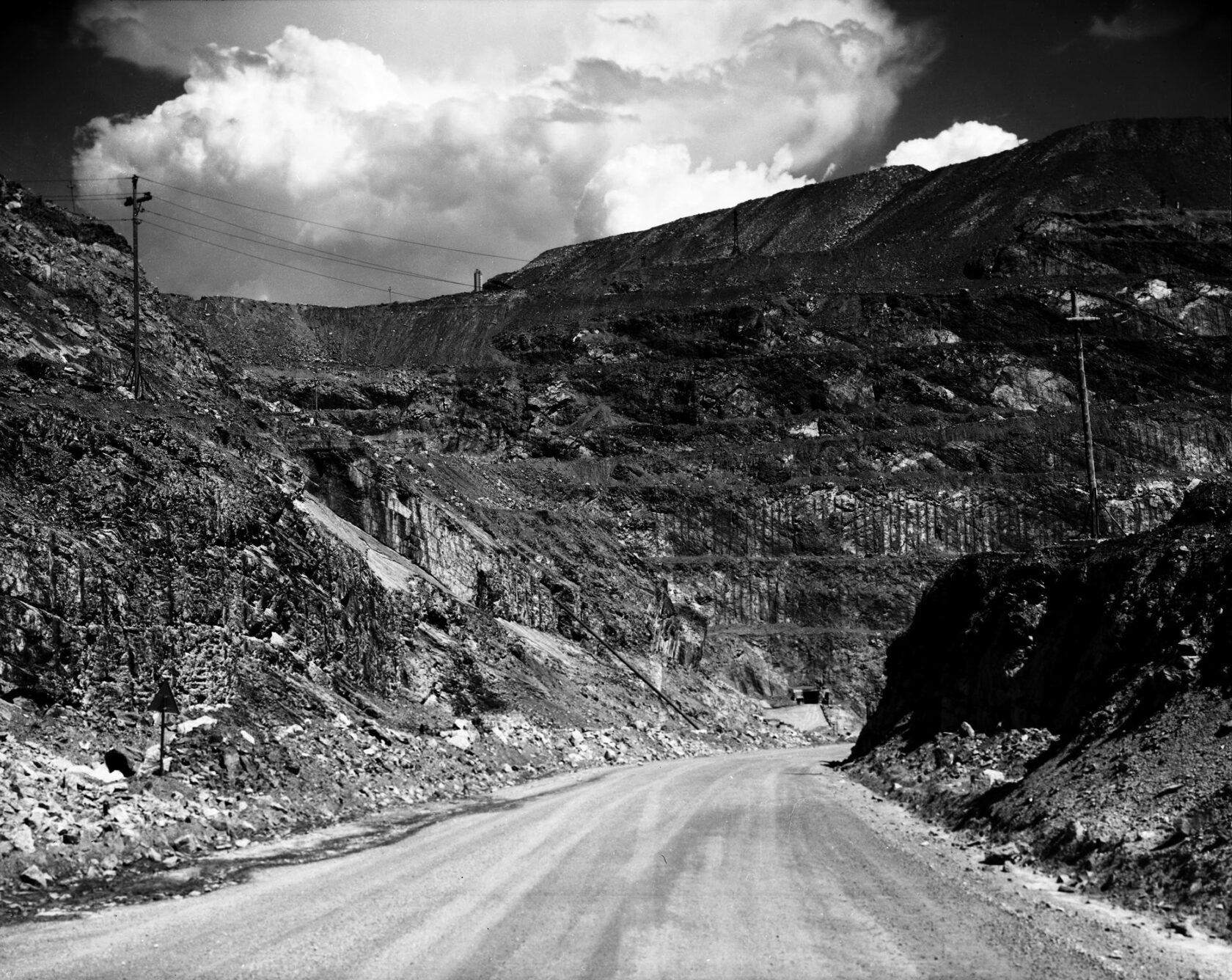
This story was photographed at the Magnezit industrial complex in Satka, one of the largest centers for magnesite mining and
We extract millions of tons of rock from the earth, move mountains, reshape the terrain, build cities and factories, and gradually the imprint of human presence becomes comparable in scale to natural processes themselves.
This story was photographed at the Magnezit industrial complex in Satka, one of the largest centers for magnesite mining and
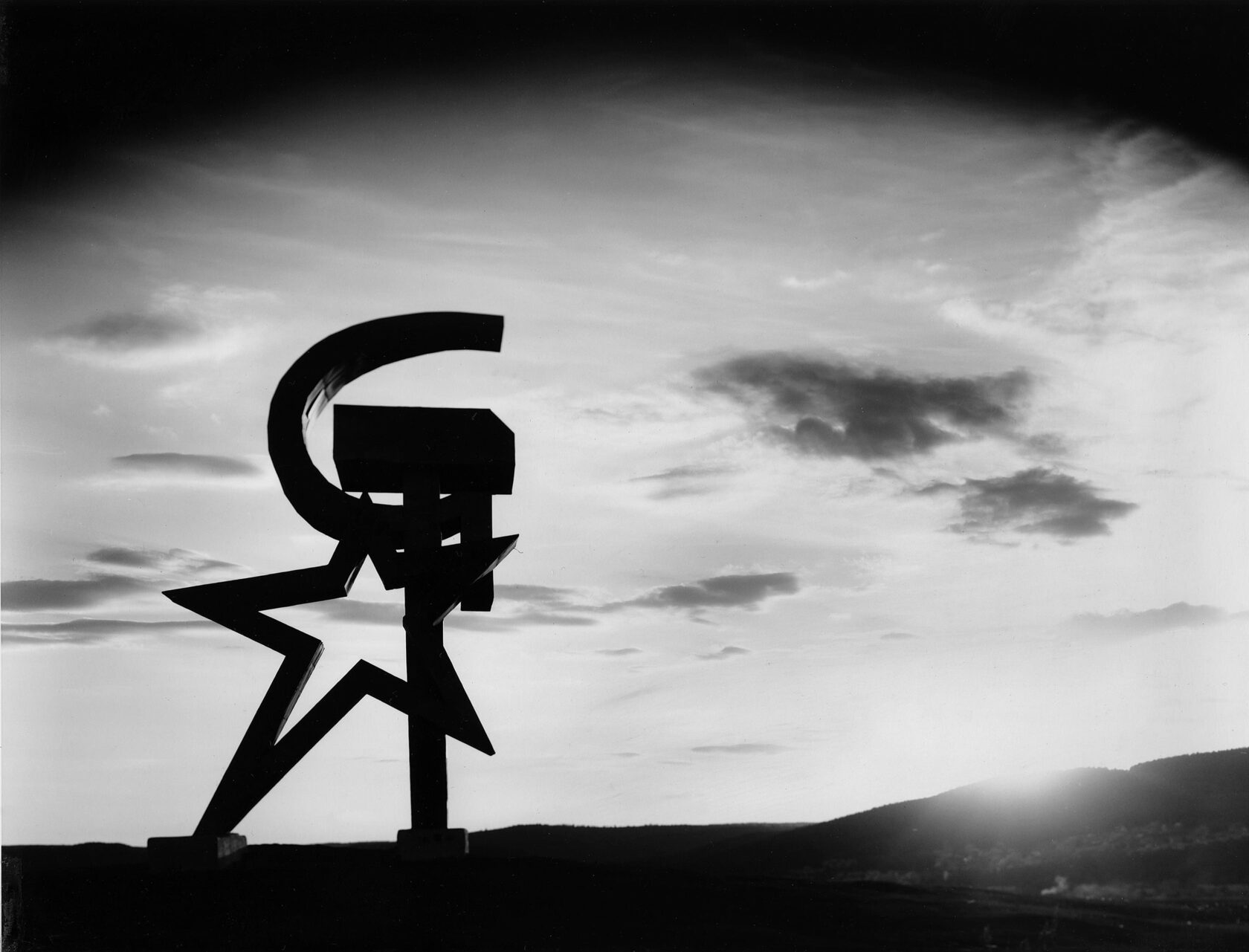
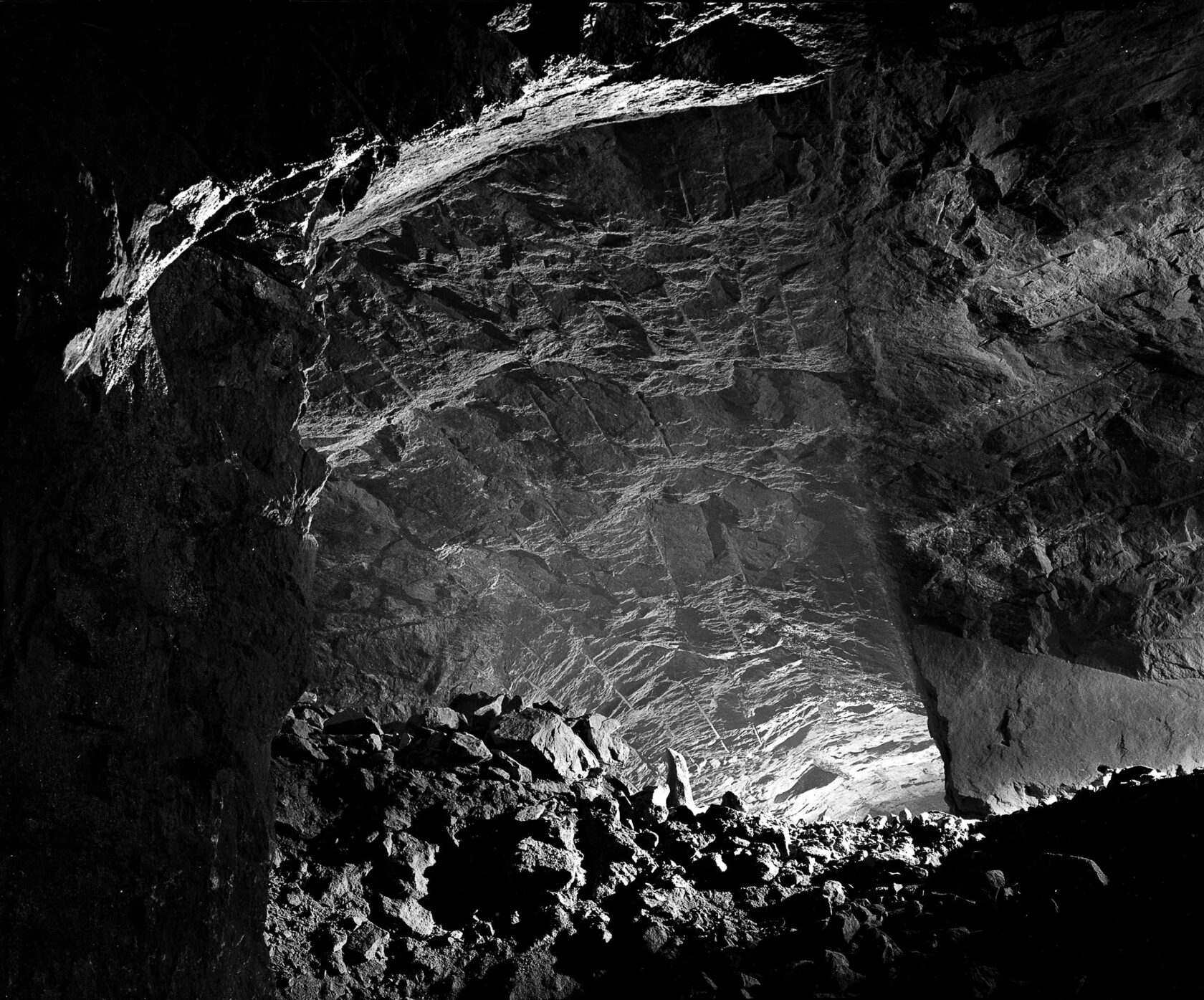
processing in the Southern Urals. The vast quarry appears not simply as an industrial site, but as an abyss created by human hands. Within this abyss, two systems of symbols collide. The Soviet star, hammer and sickle, hovering above the post-industrial landscape, evoke an era in which industrialization represented both a promise of the future and proof of human power.
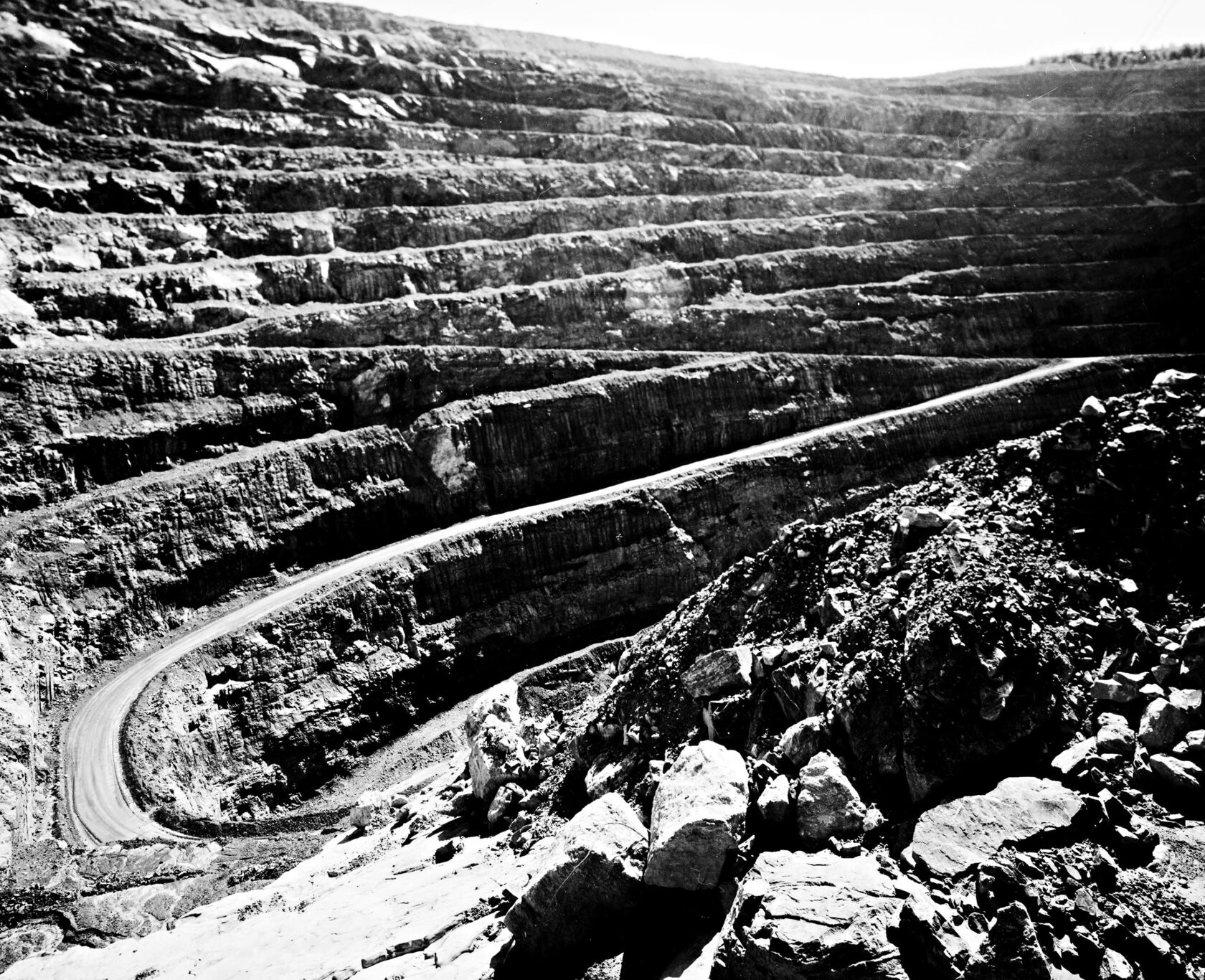
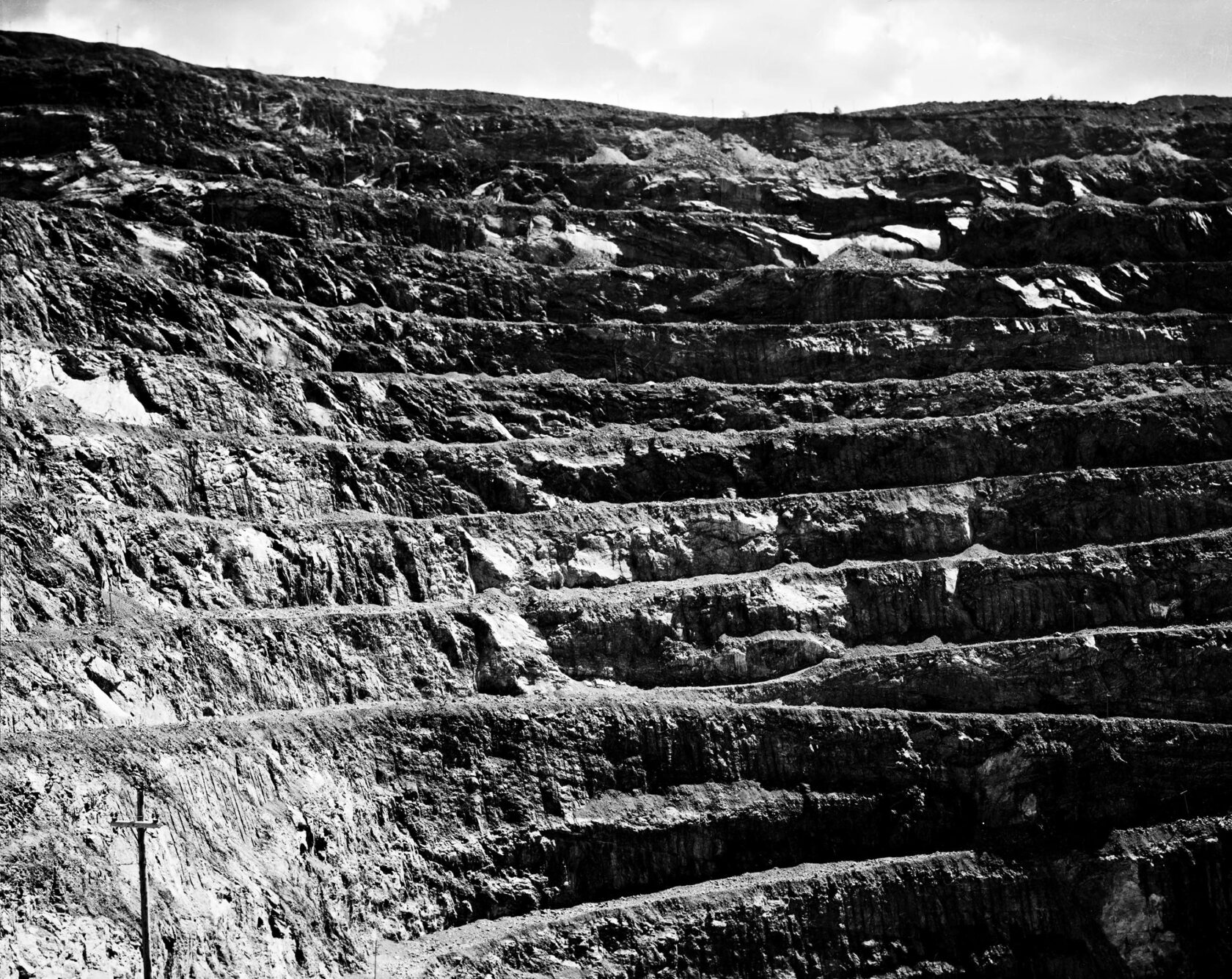
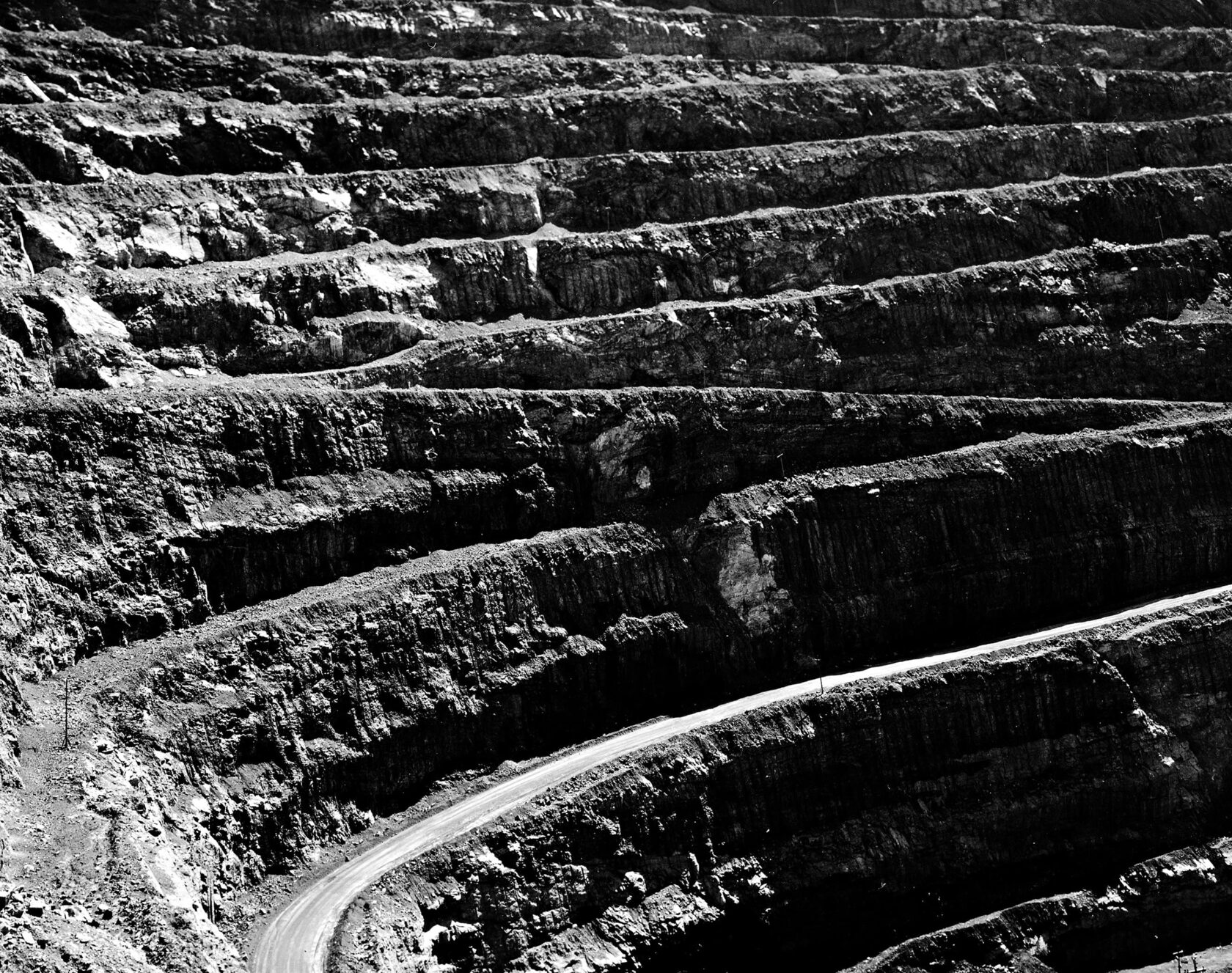
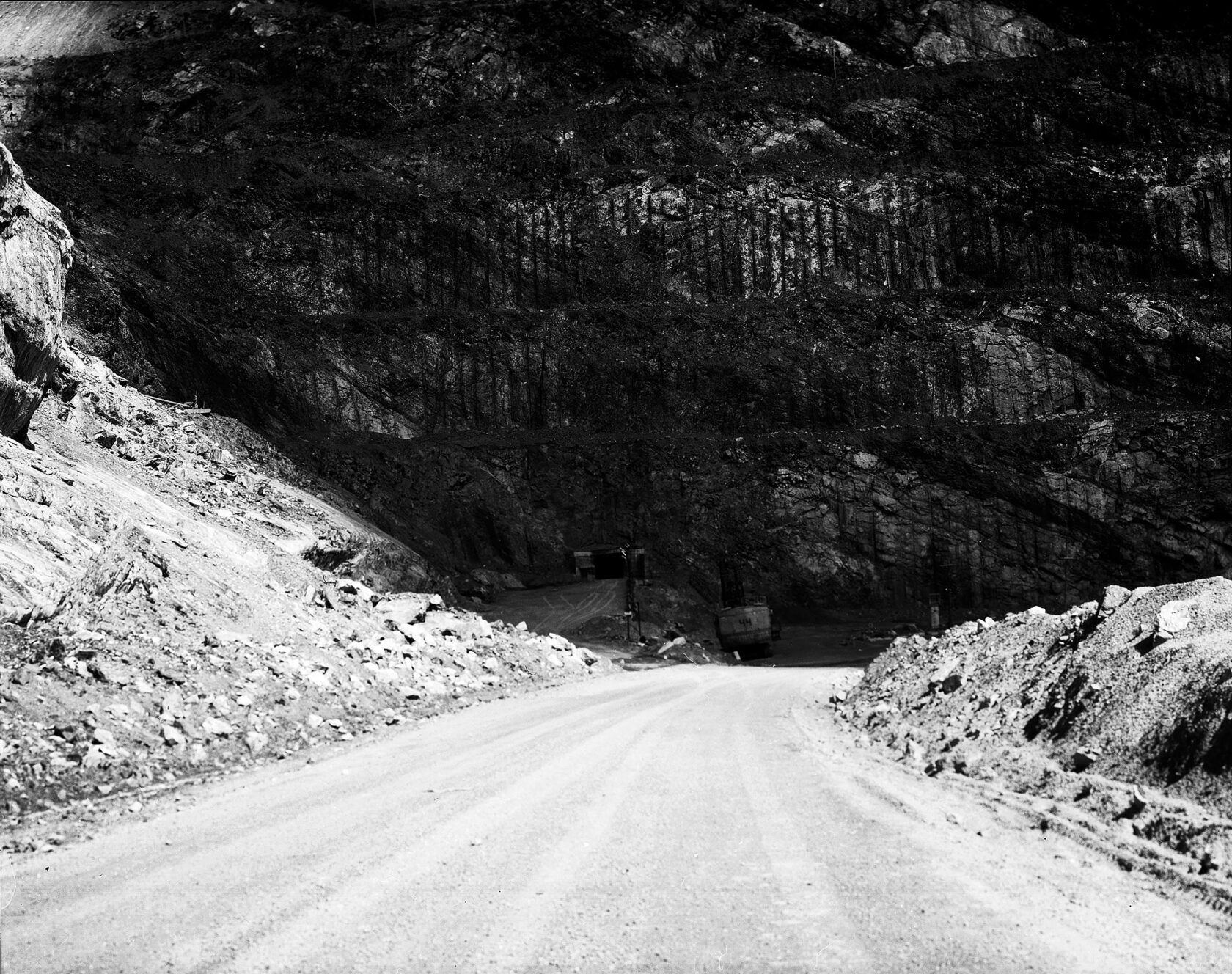
Unexpectedly, another system of symbols emerges alongside them. The terraces descending and rising through the quarry recall the circles of Hell. Roads lead into underground tunnels as
Unexpectedly, another system of symbols emerges alongside them. The terraces descending and rising through the quarry recall the circles of Hell. Roads lead into underground tunnels as
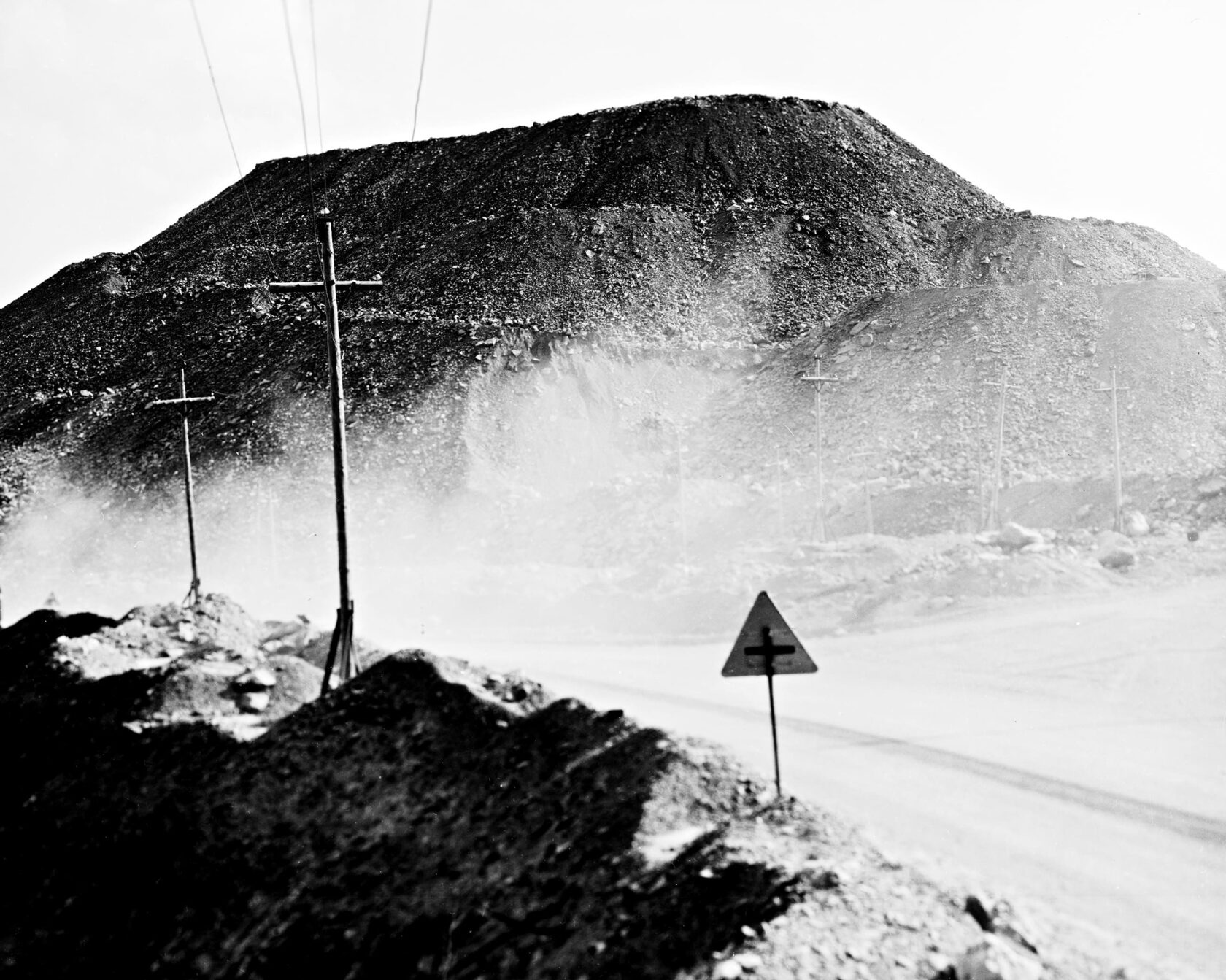
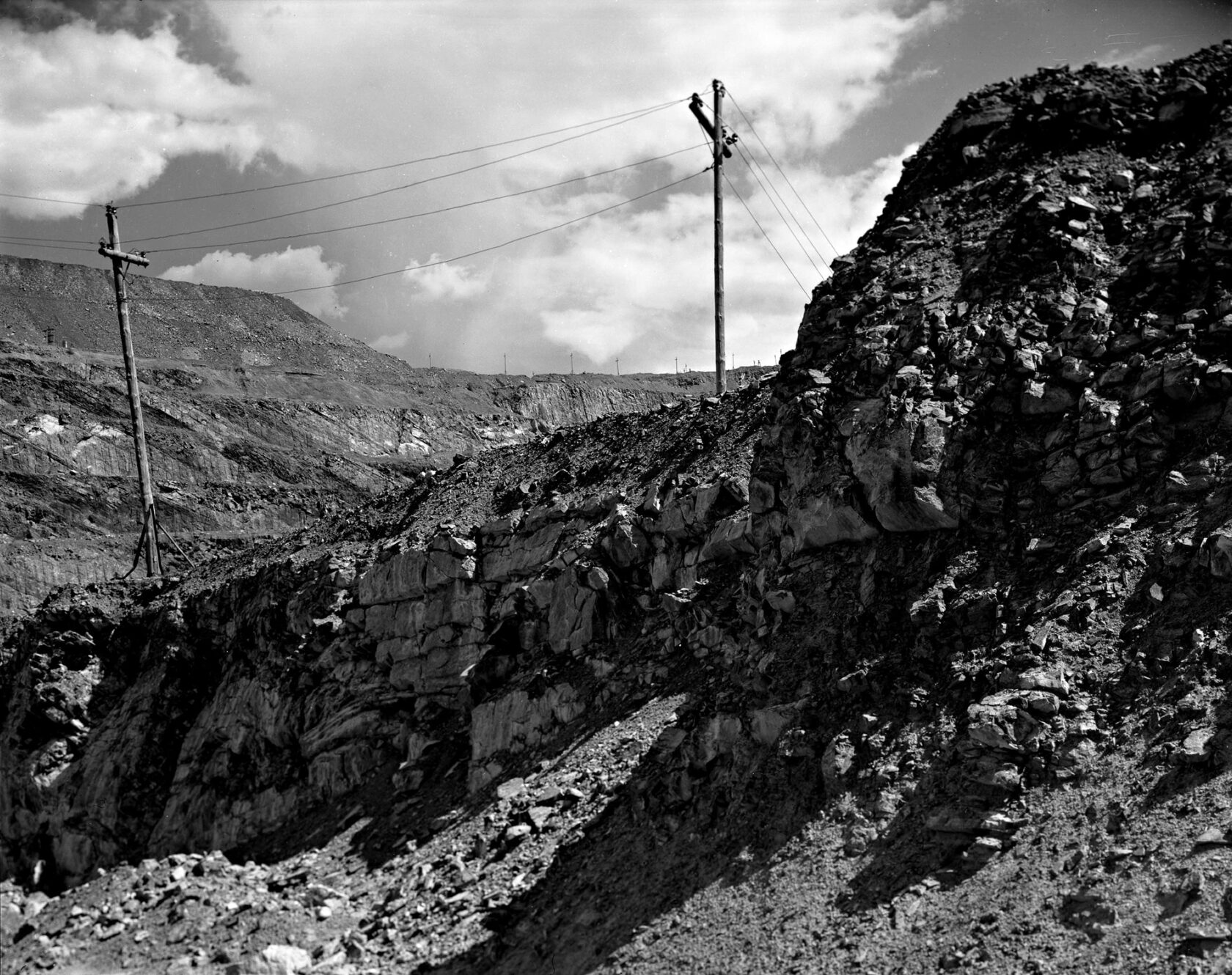
though from the world of the living into the world of the dead. Old telegraph and electricity poles begin to resemble the crosses of Golgotha, while the entire quarry takes on an almost biblical scale. Symbols of progress and symbols of suffering occupy the same space.
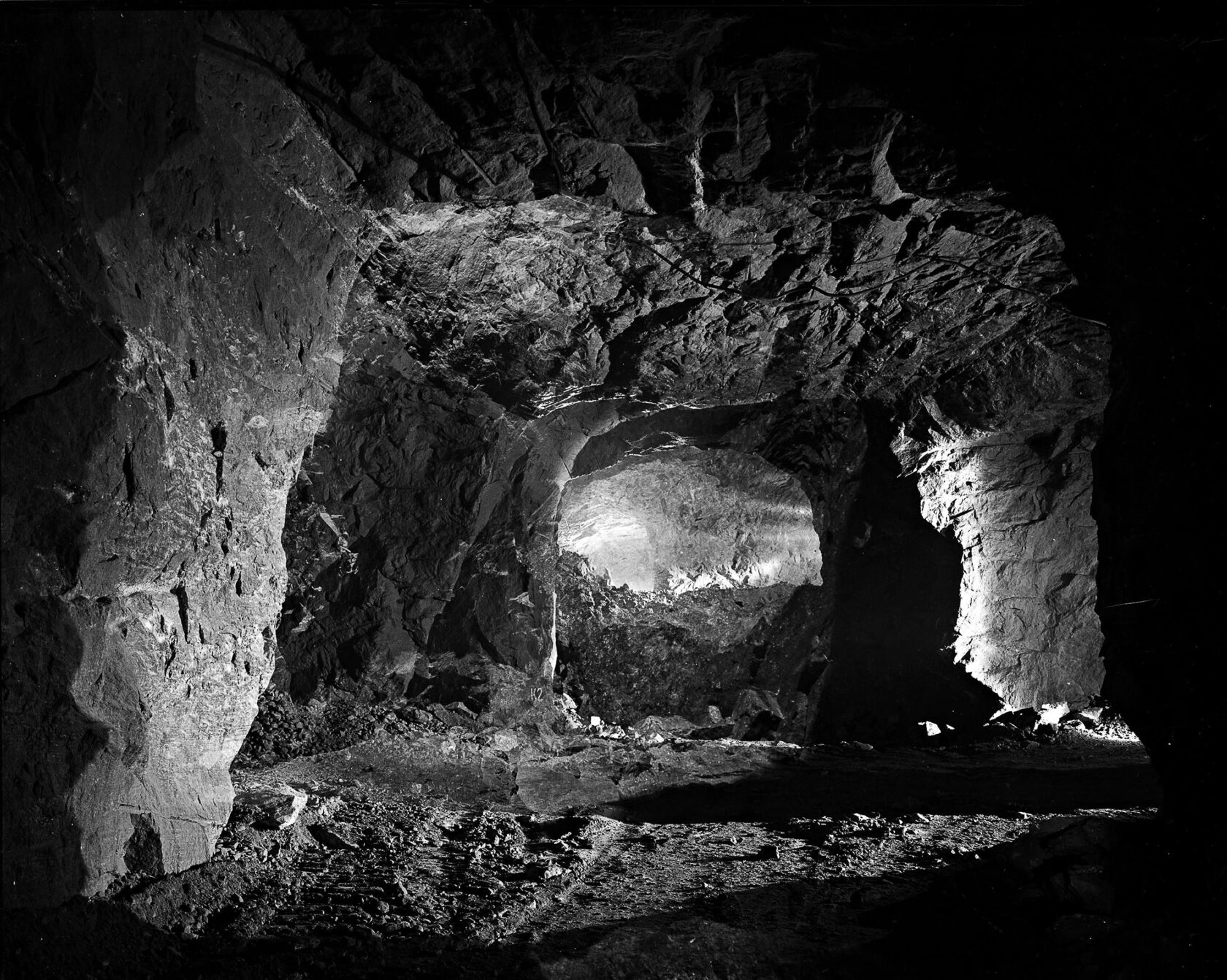
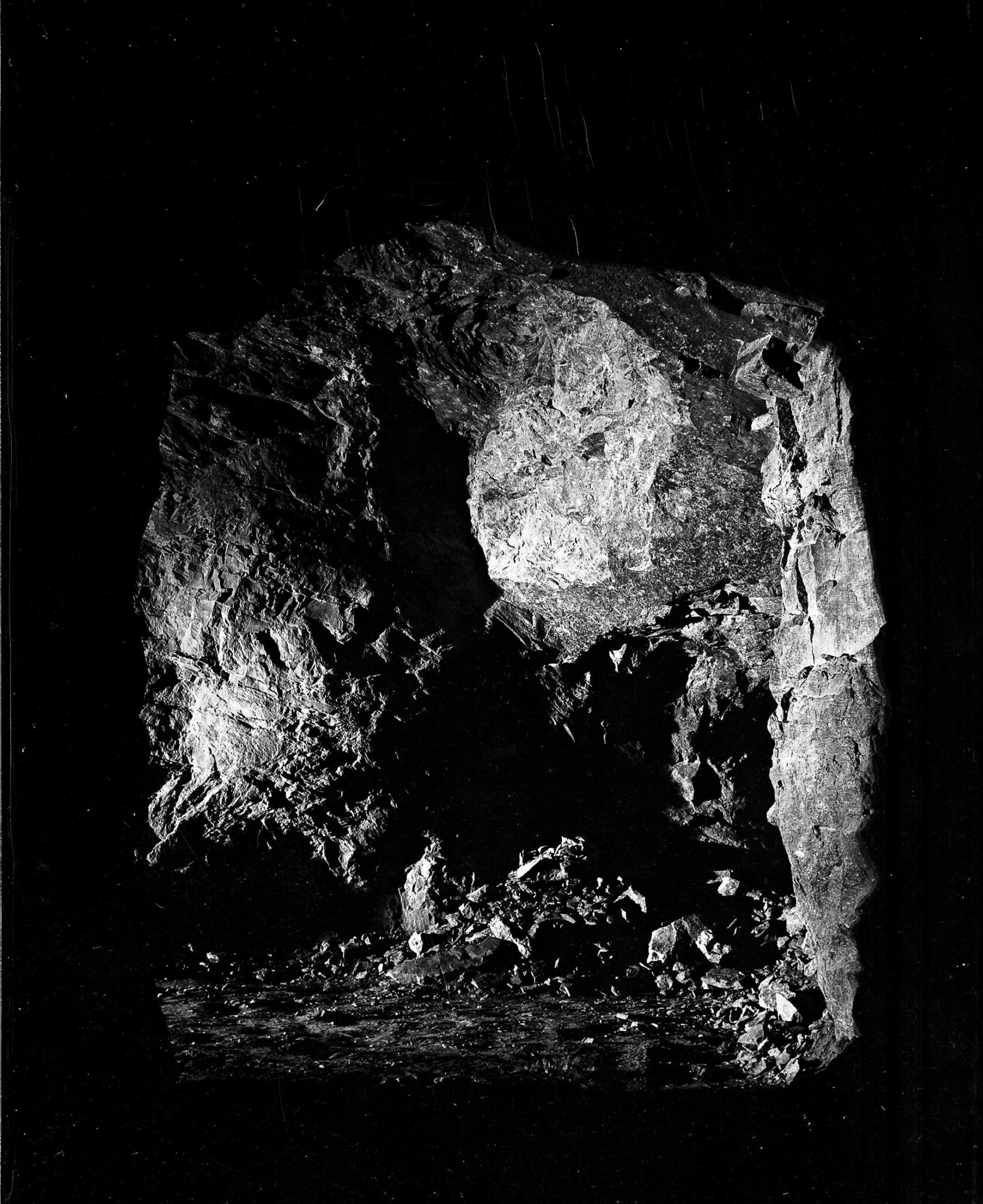
The underground tunnels - the central artistic theme of the series and a source of pride for the Magnezit enterprise - appear in the photographs as a chasm, an abyss, an image of Hell created not by a higher power, but by humanity itself.
The underground tunnels - the central artistic theme of the series and a source of pride for the Magnezit enterprise - appear in the photographs as a chasm, an abyss, an image of Hell created not by a higher power, but by humanity itself.
Climate change is not only a matter of temperatures, emissions, or disappearing natural landscapes. What matters is the moment when humanity ceases to be merely a part of nature and becomes a force capable of physically altering it.
We extract millions of tons of rock from the earth, move mountains, reshape the terrain, build cities and factories, and gradually the imprint of human presence becomes comparable in scale to natural processes themselves.
This story was photographed at the Magnezit industrial complex in Satka, one of the largest centers for magnesite mining and processing in the Southern Urals. The vast quarry appears not simply as an industrial site, but as an abyss created by human hands. Within this abyss, two systems of symbols collide. The Soviet star, hammer and sickle, hovering above the post-industrial landscape, evoke an era in which industrialization represented both a promise of the future and proof of human power.
Unexpectedly, another system of symbols emerges alongside them. The terraces descending and rising through the quarry recall the circles of Hell. Roads lead into underground tunnels as though from the world of the living into the world of the dead. Old telegraph and electricity poles begin to resemble the crosses of Golgotha, while the entire quarry takes on an almost biblical scale. Symbols of progress and symbols of suffering occupy the same space.
The underground tunnels - the central artistic theme of the series and a source of pride for the Magnezit enterprise - appear in the photographs as a chasm, an abyss, an image of Hell created not by a higher power, but by humanity itself.
We extract millions of tons of rock from the earth, move mountains, reshape the terrain, build cities and factories, and gradually the imprint of human presence becomes comparable in scale to natural processes themselves.
This story was photographed at the Magnezit industrial complex in Satka, one of the largest centers for magnesite mining and processing in the Southern Urals. The vast quarry appears not simply as an industrial site, but as an abyss created by human hands. Within this abyss, two systems of symbols collide. The Soviet star, hammer and sickle, hovering above the post-industrial landscape, evoke an era in which industrialization represented both a promise of the future and proof of human power.
Unexpectedly, another system of symbols emerges alongside them. The terraces descending and rising through the quarry recall the circles of Hell. Roads lead into underground tunnels as though from the world of the living into the world of the dead. Old telegraph and electricity poles begin to resemble the crosses of Golgotha, while the entire quarry takes on an almost biblical scale. Symbols of progress and symbols of suffering occupy the same space.
The underground tunnels - the central artistic theme of the series and a source of pride for the Magnezit enterprise - appear in the photographs as a chasm, an abyss, an image of Hell created not by a higher power, but by humanity itself.
The Stone Island. 2010
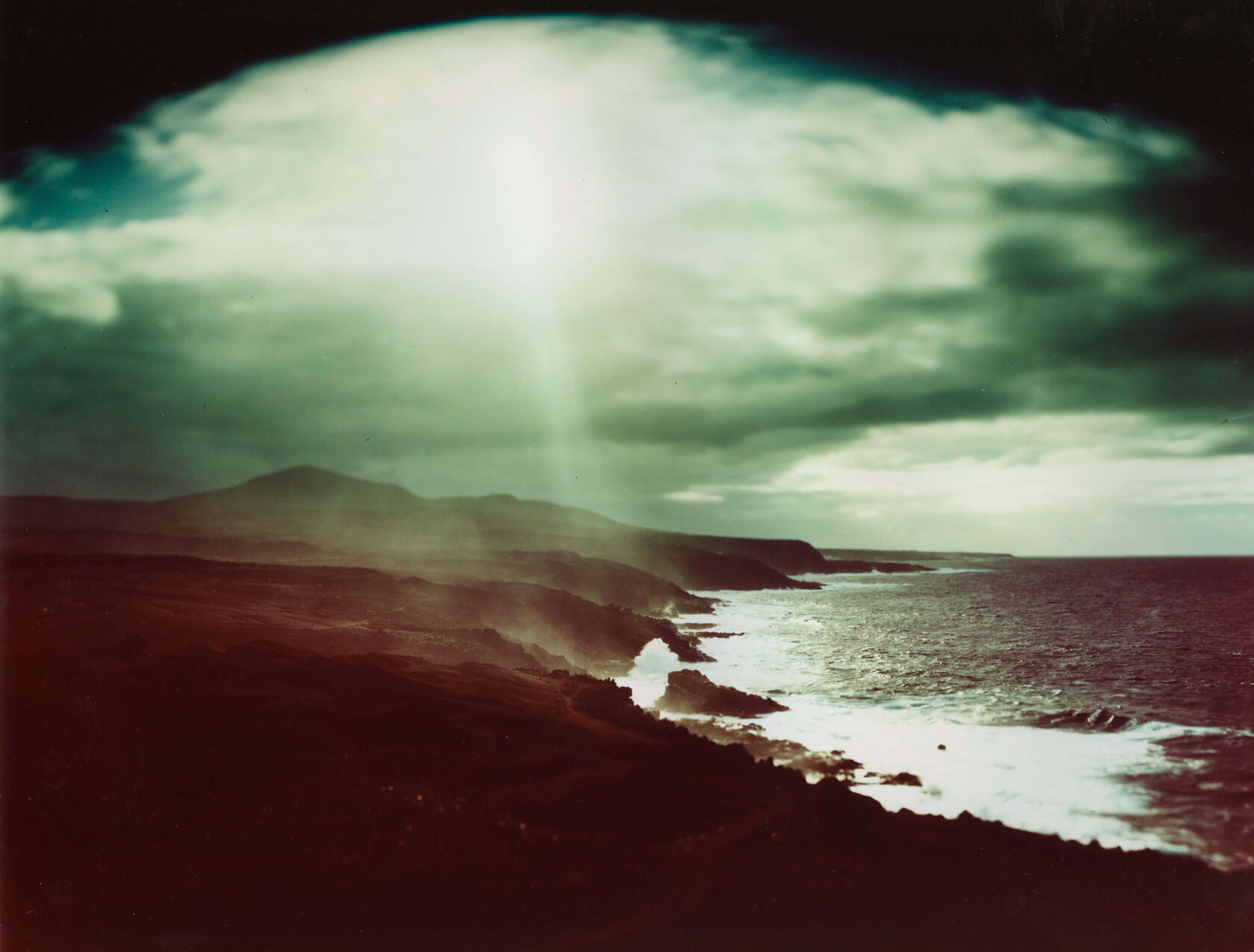
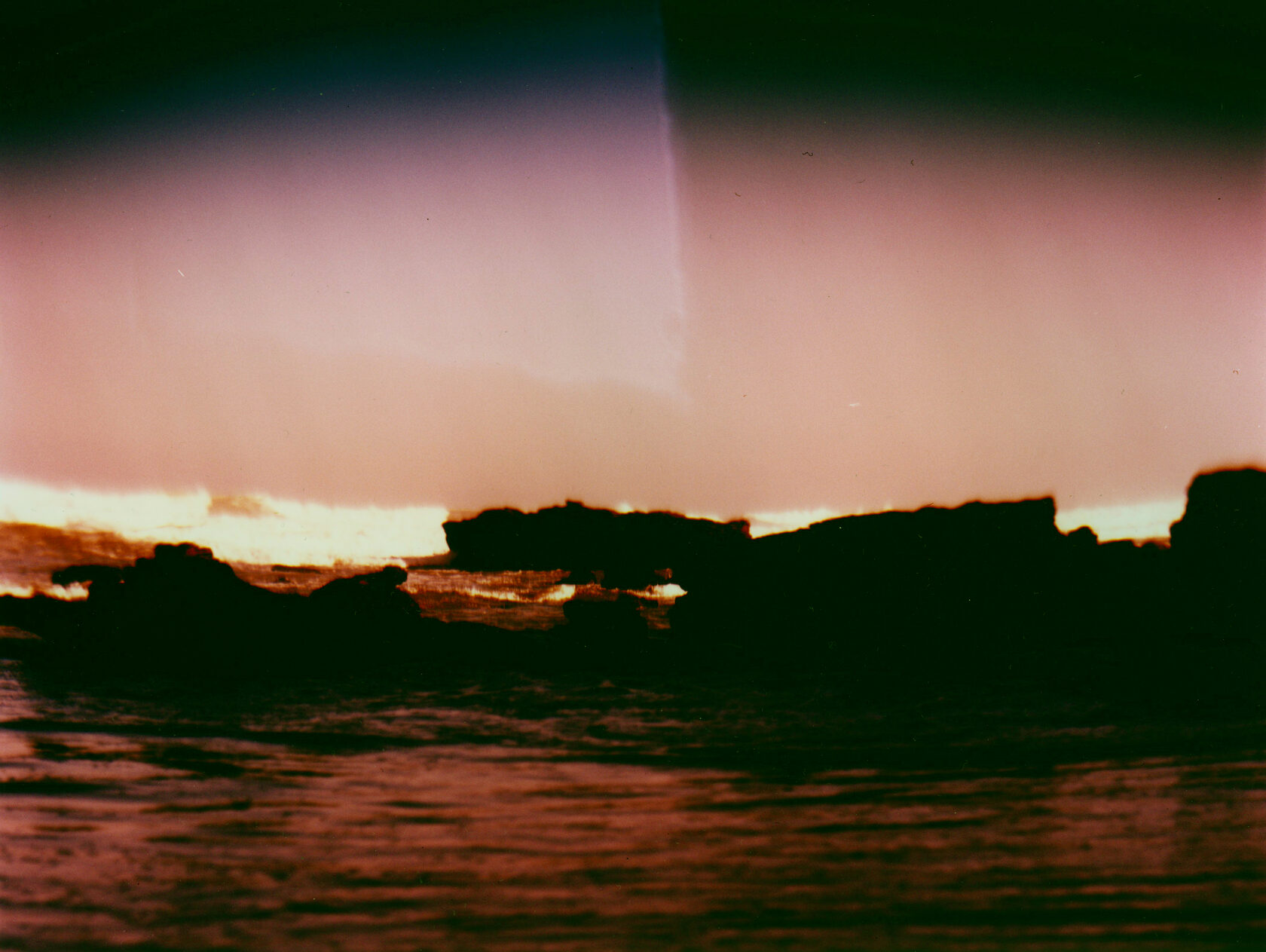
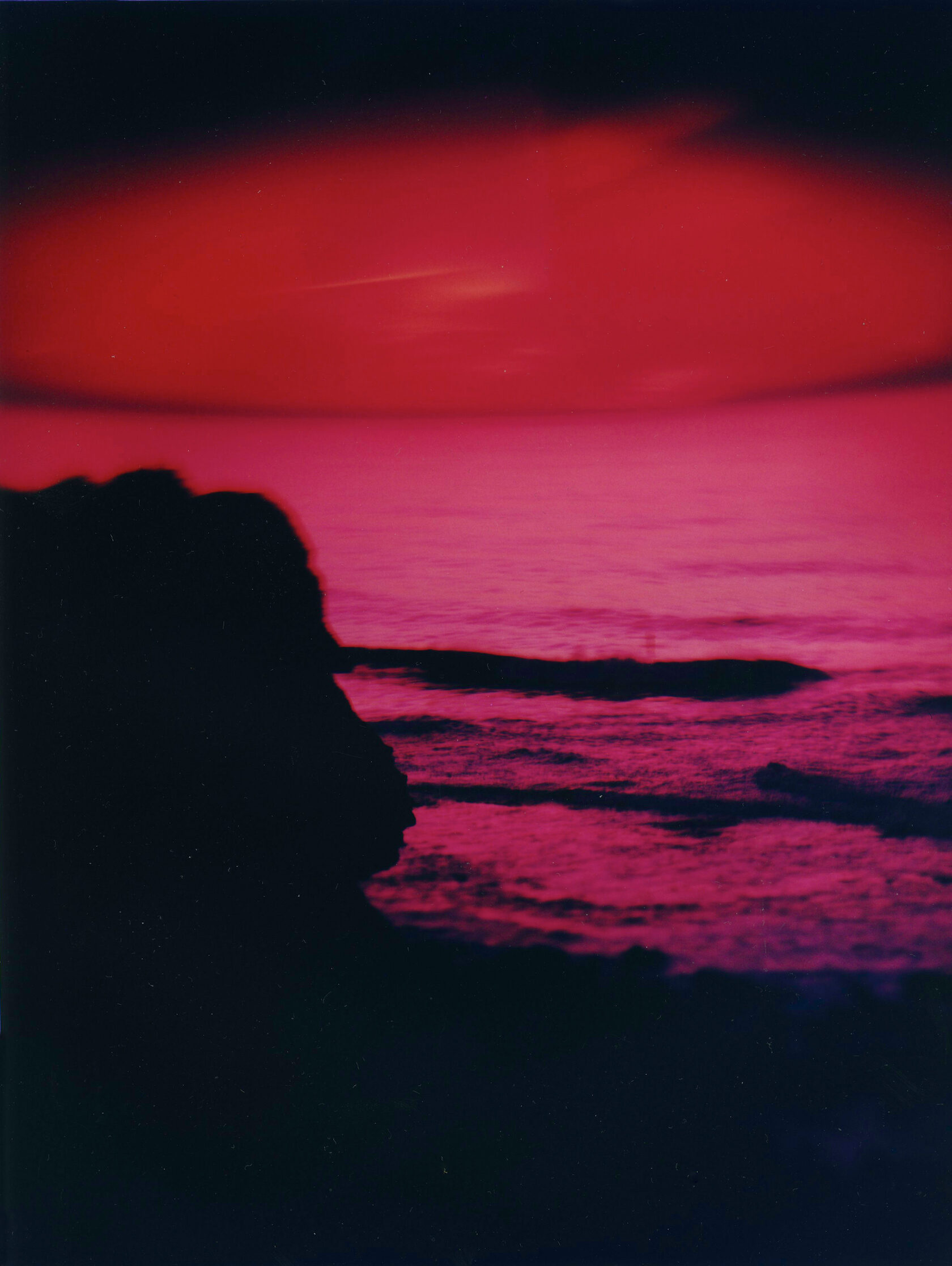
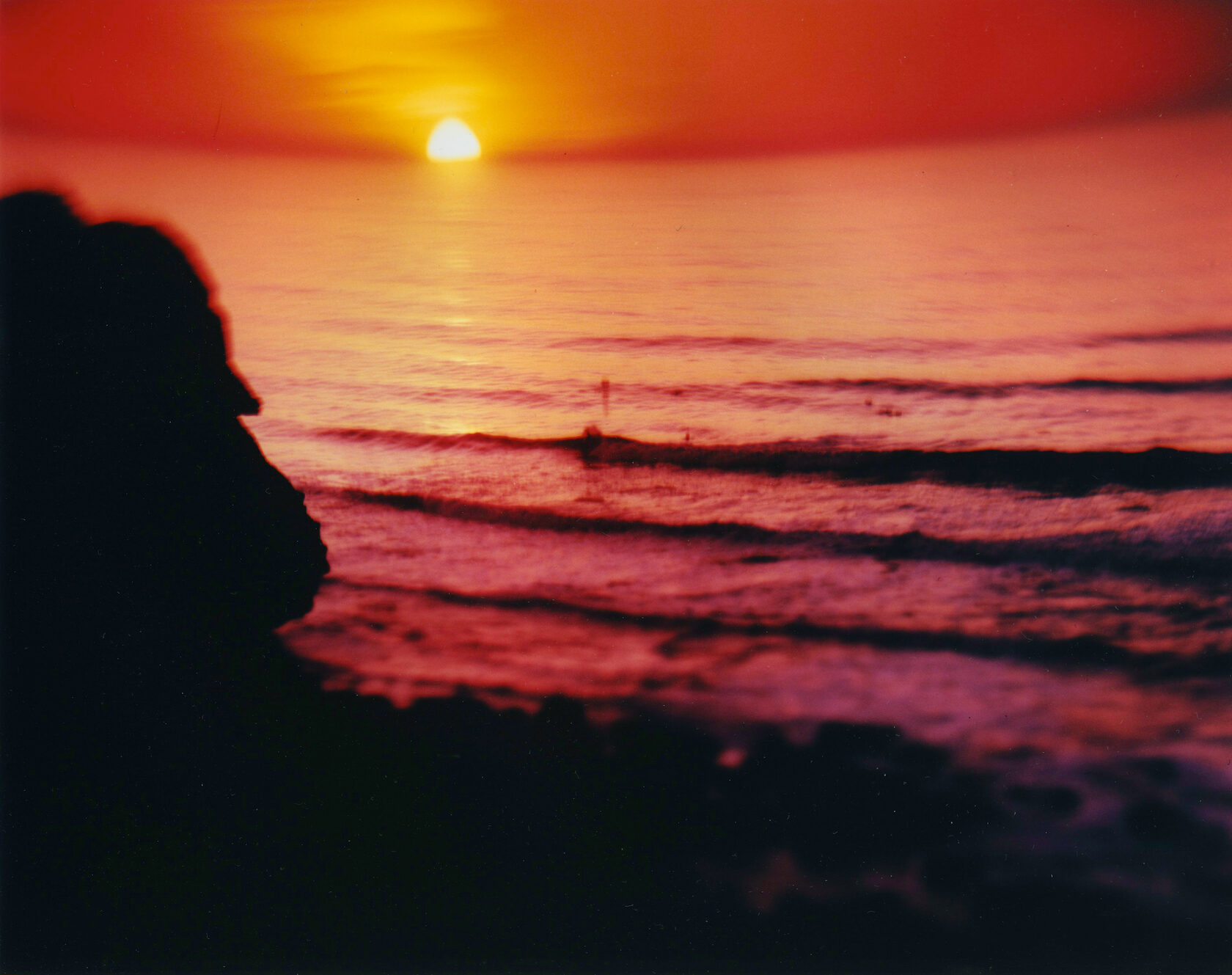
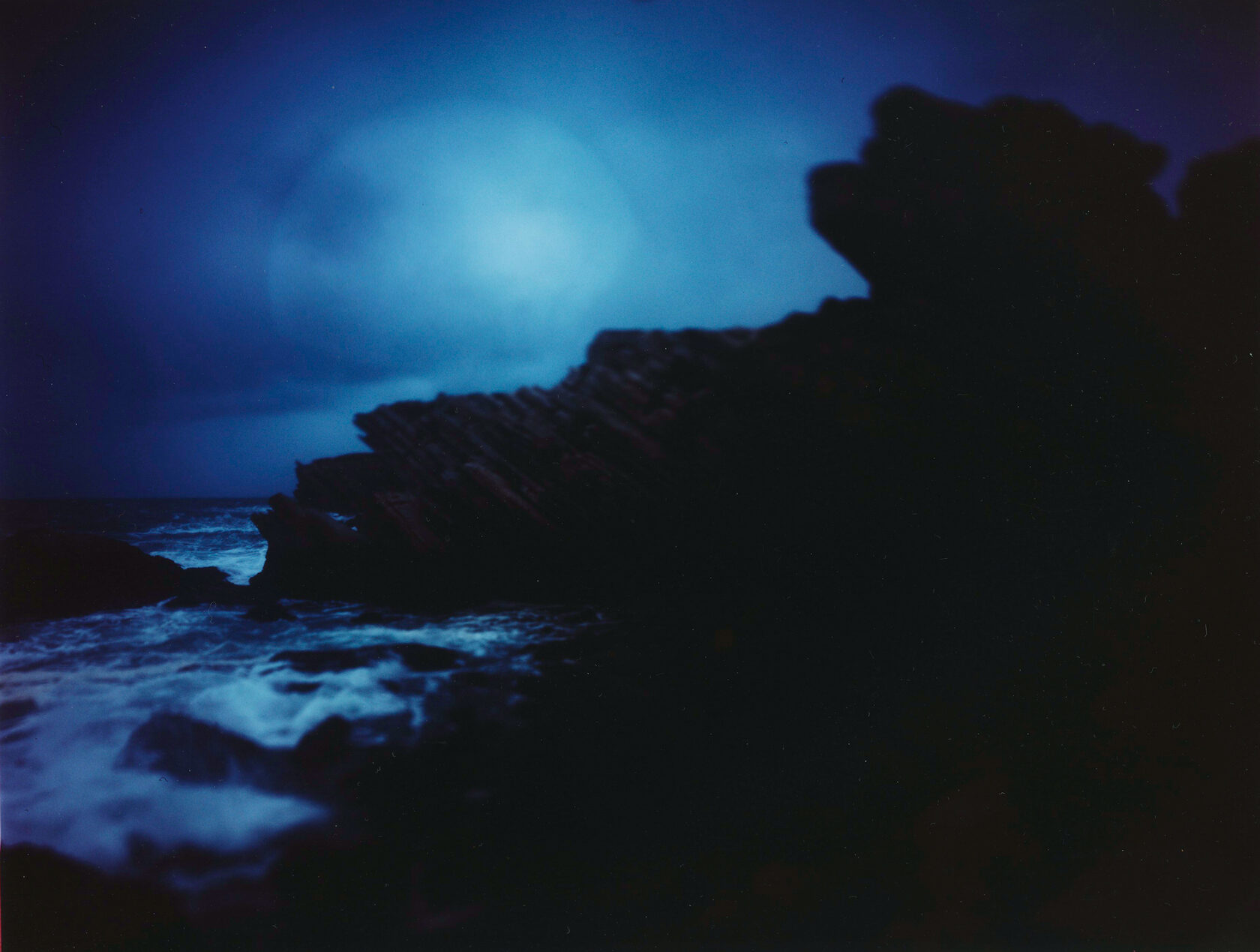
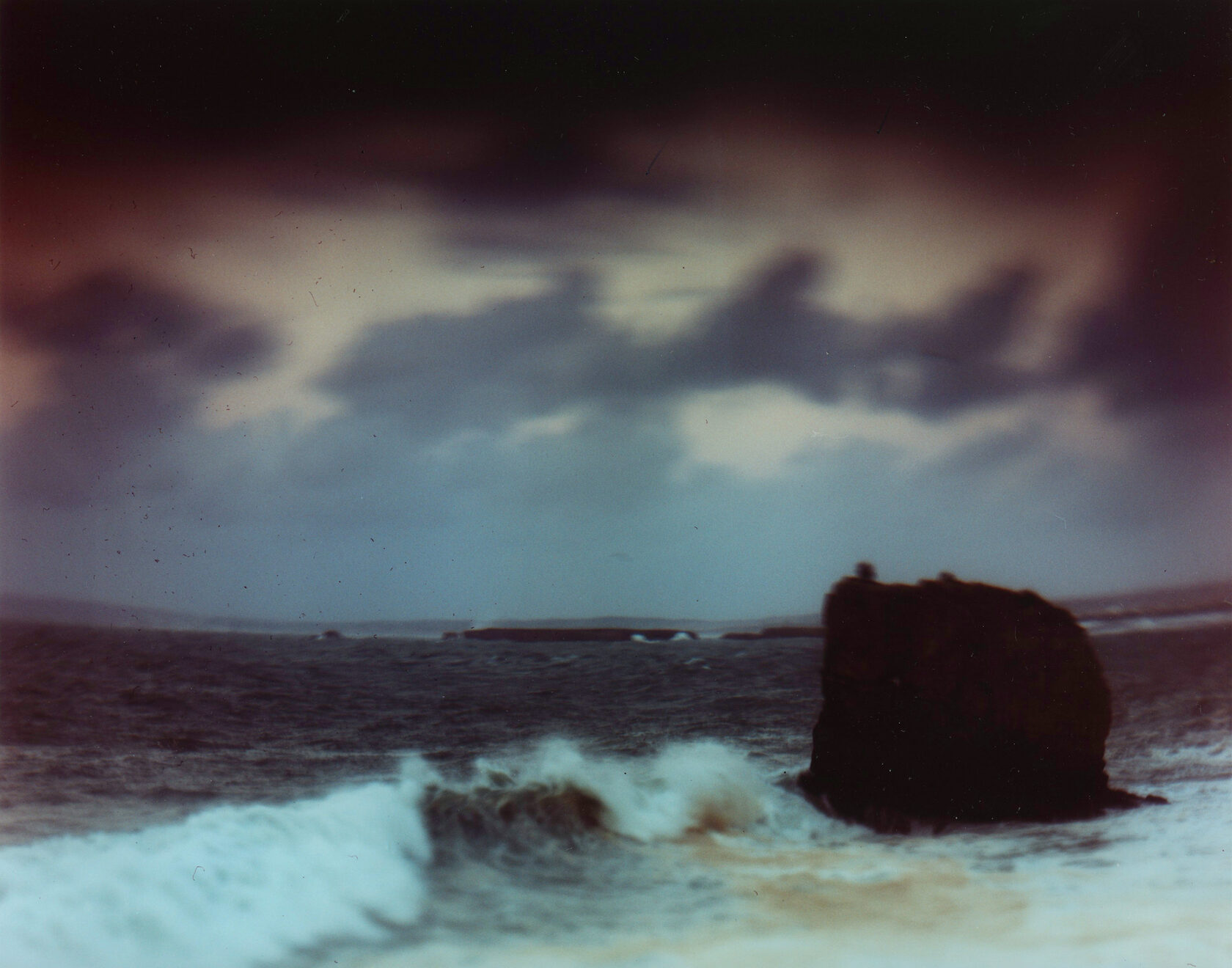
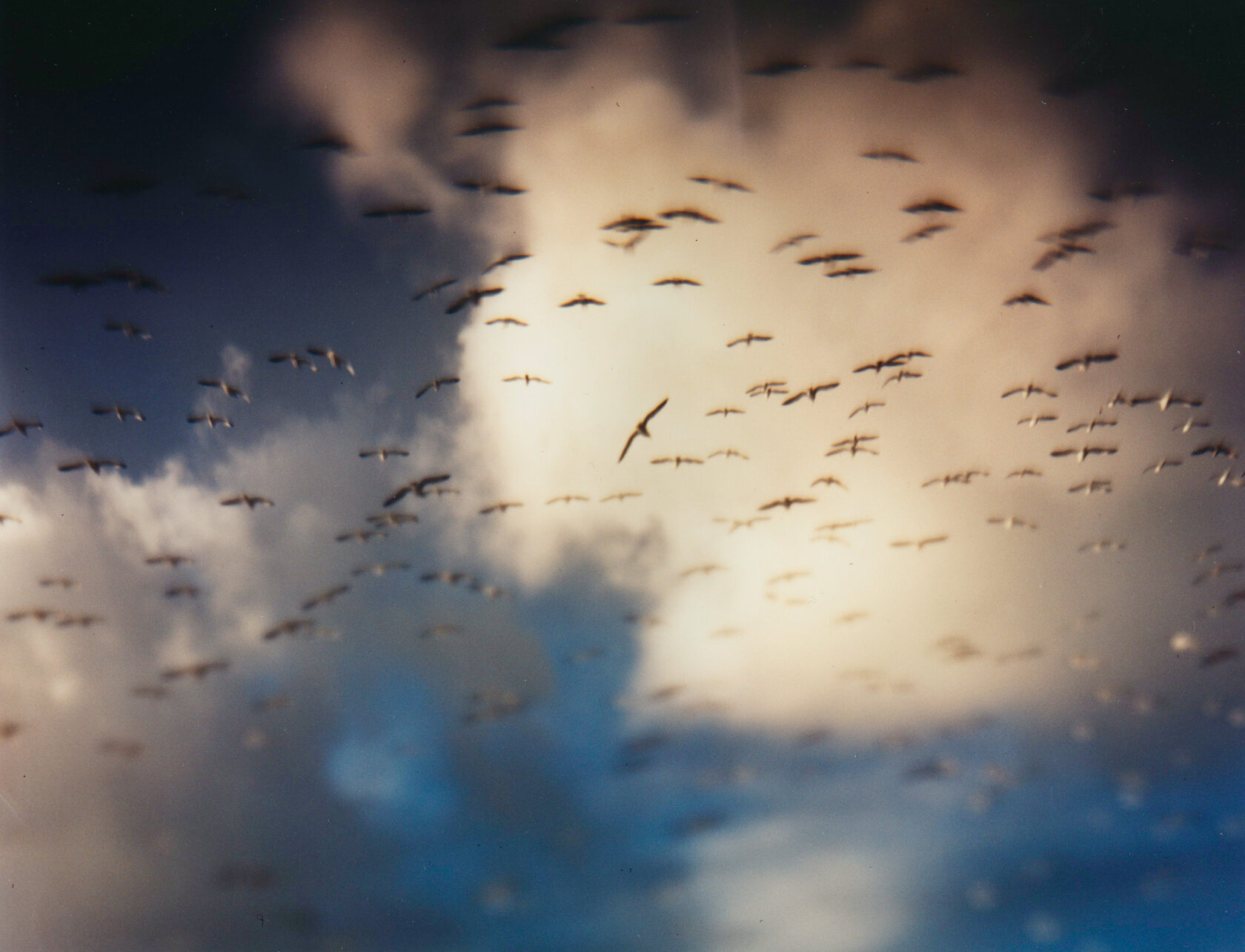
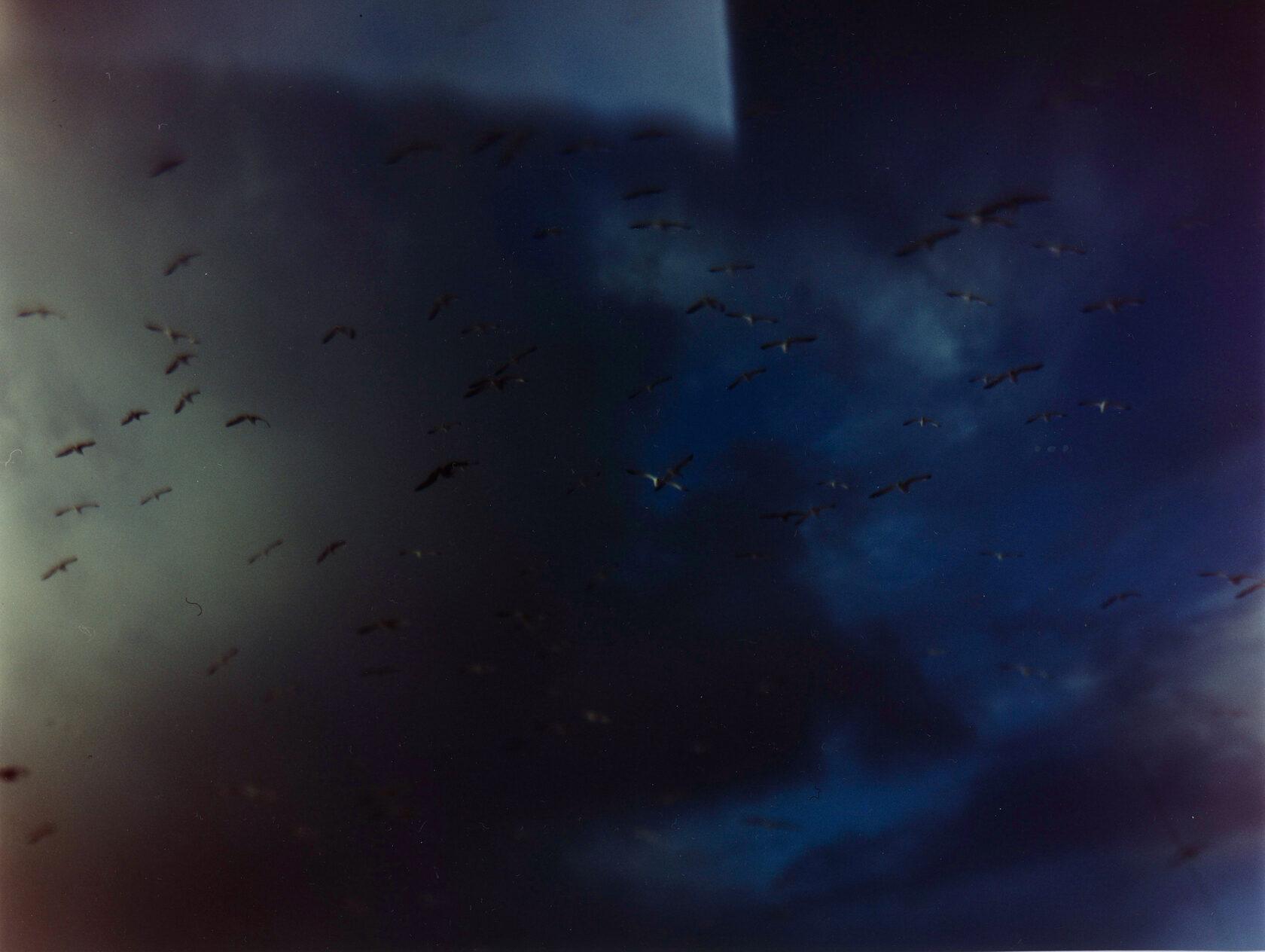
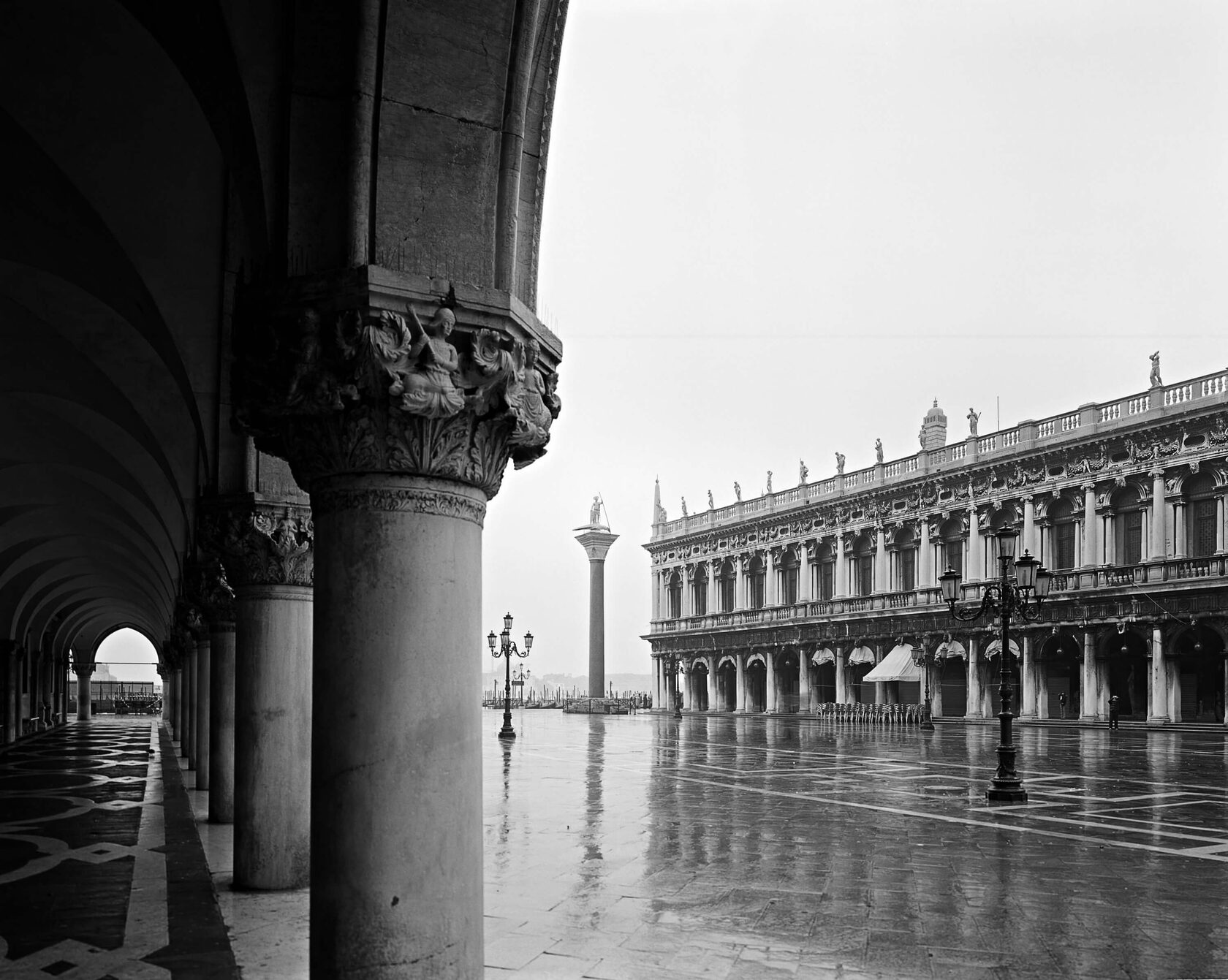
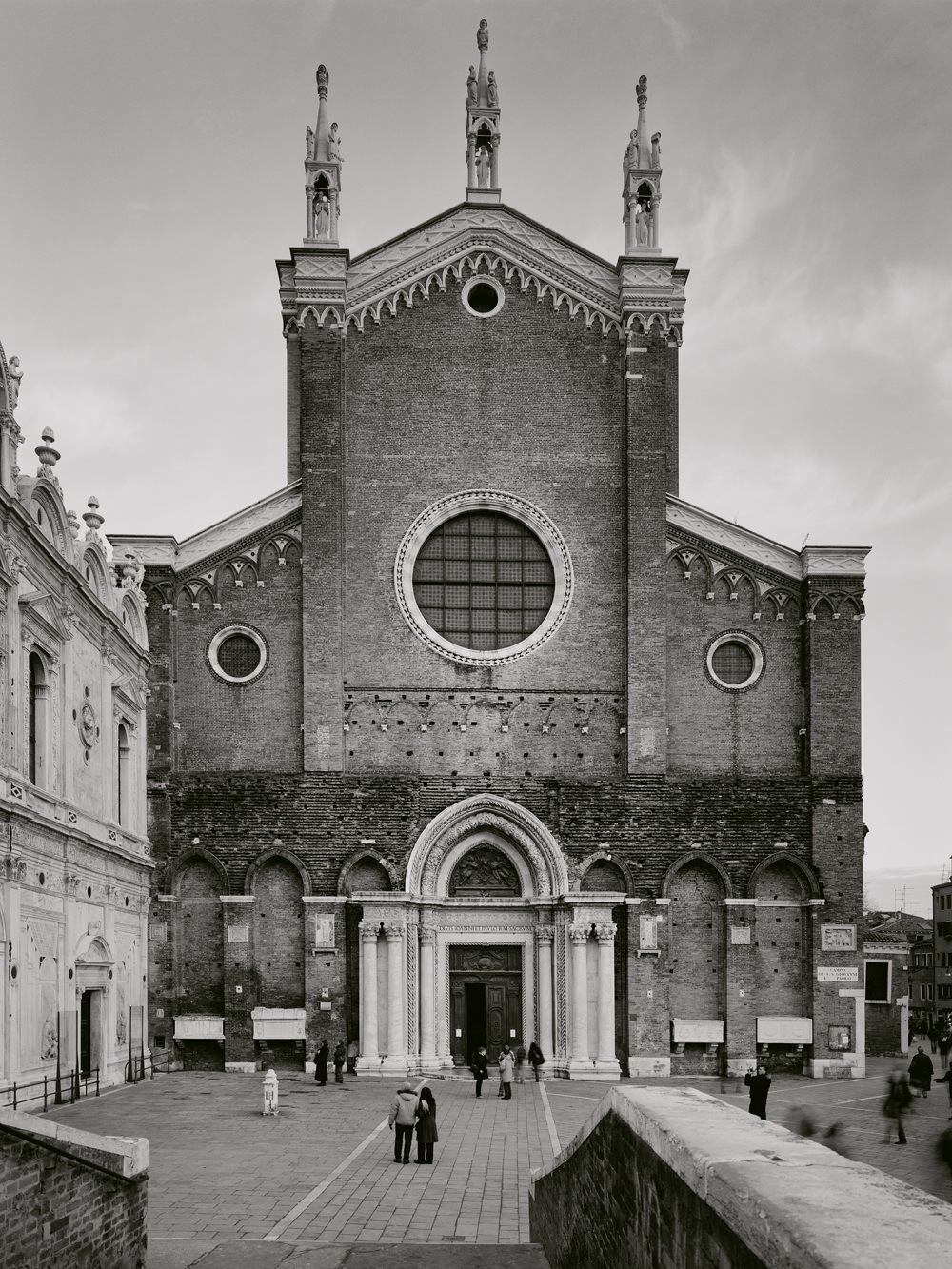
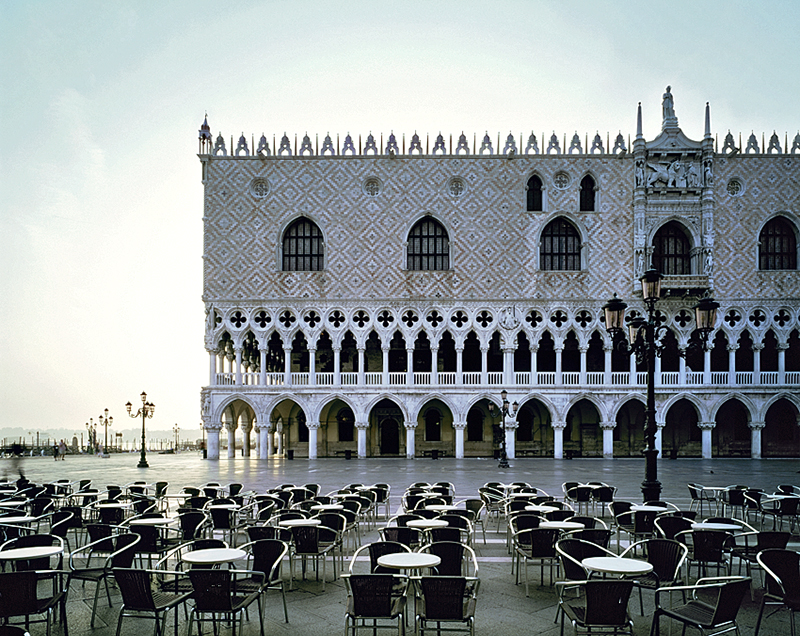
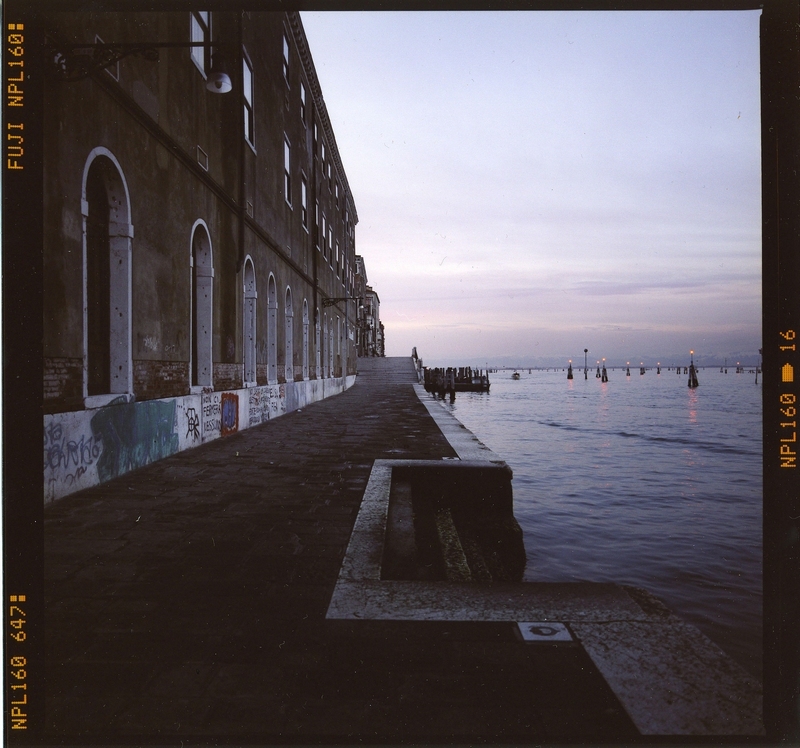
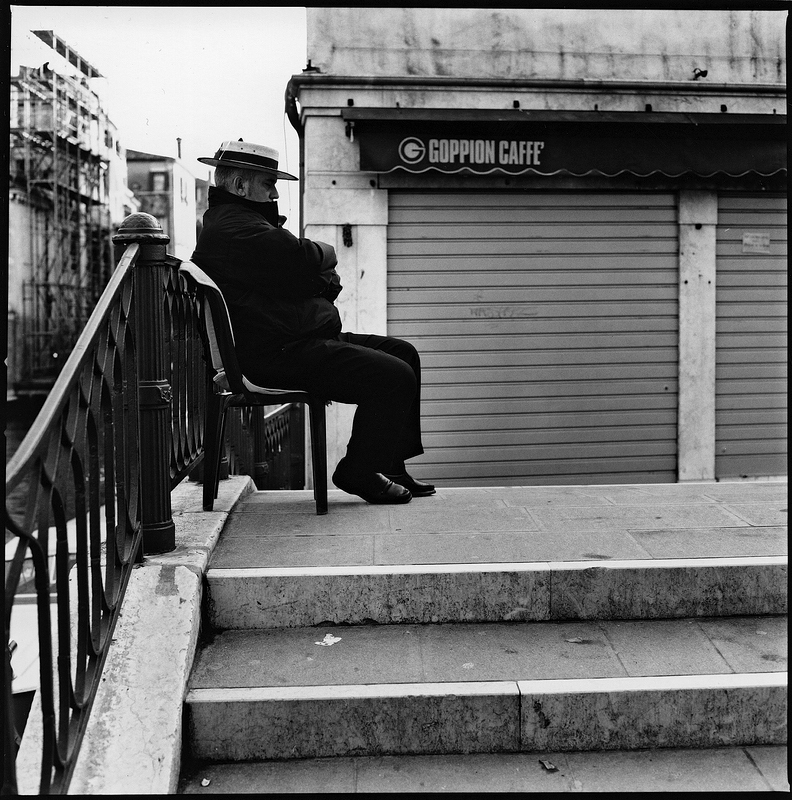
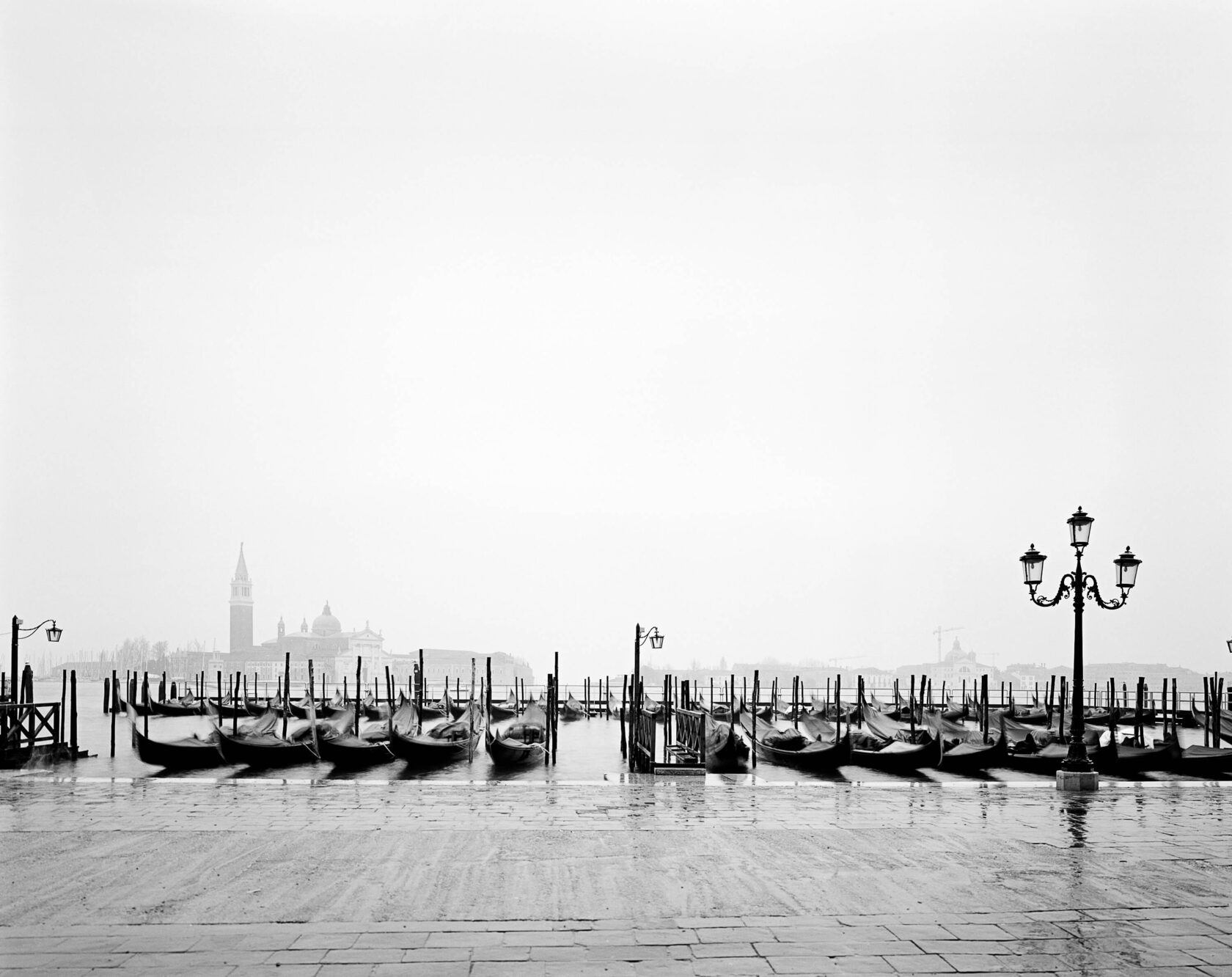
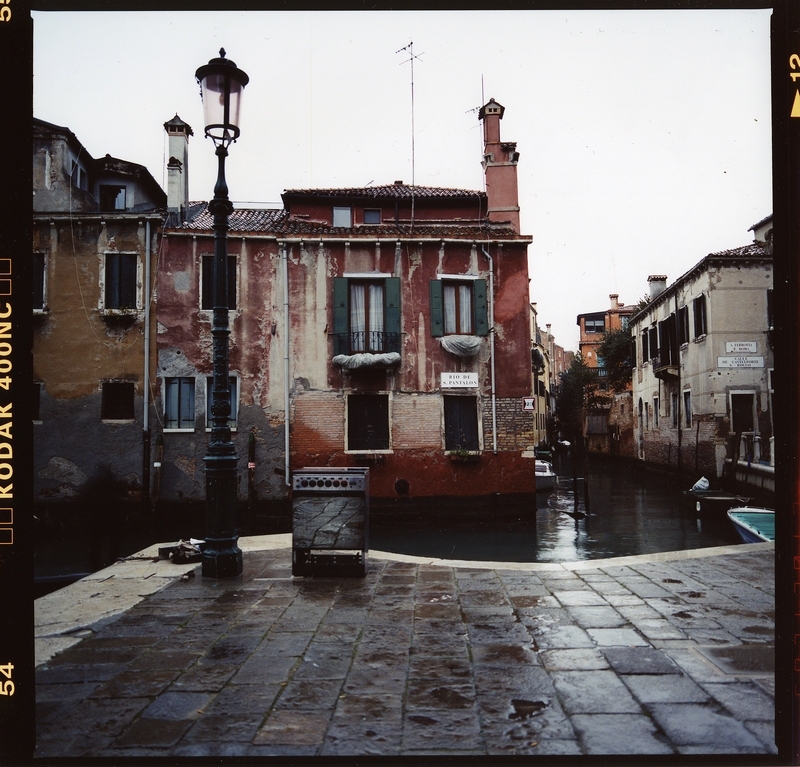
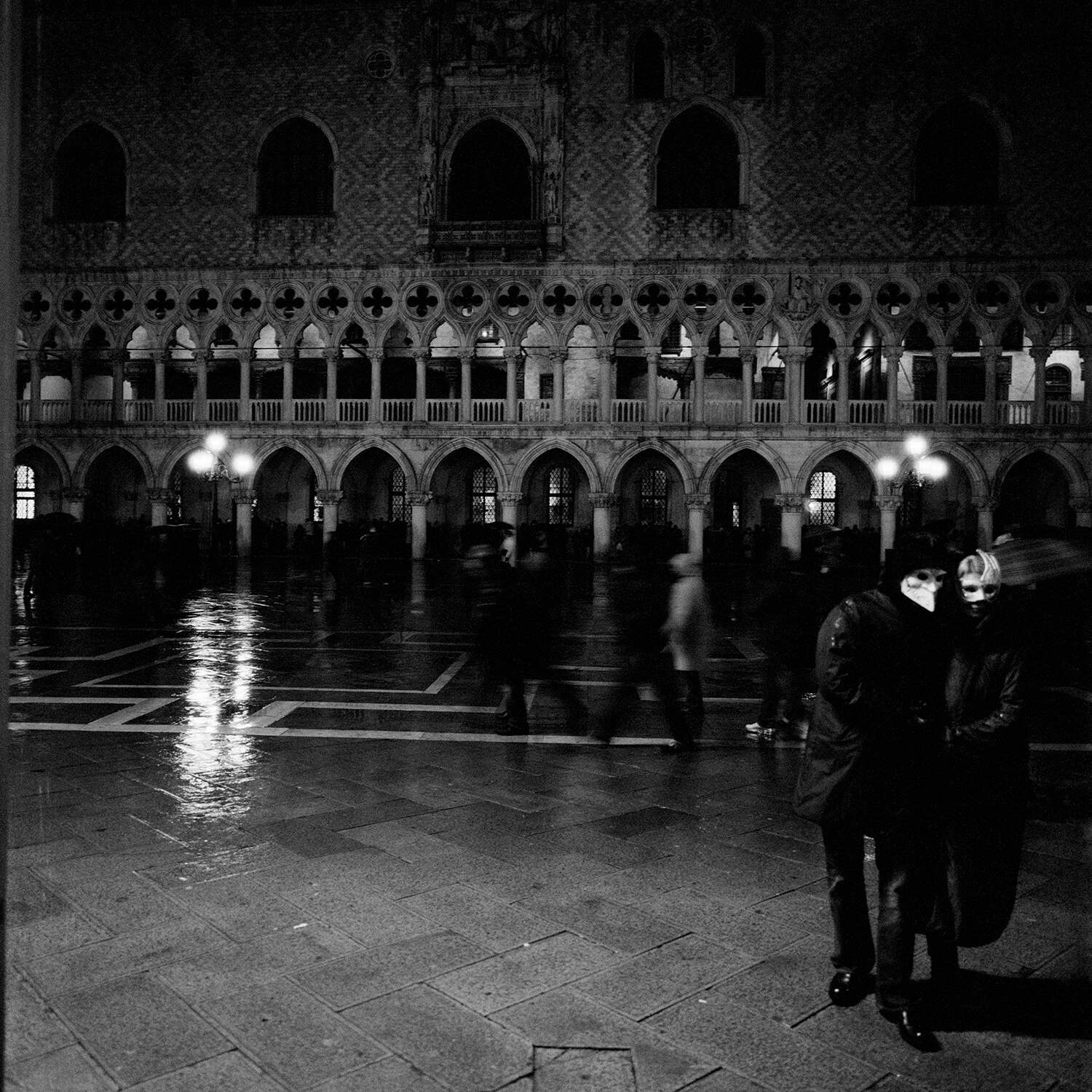
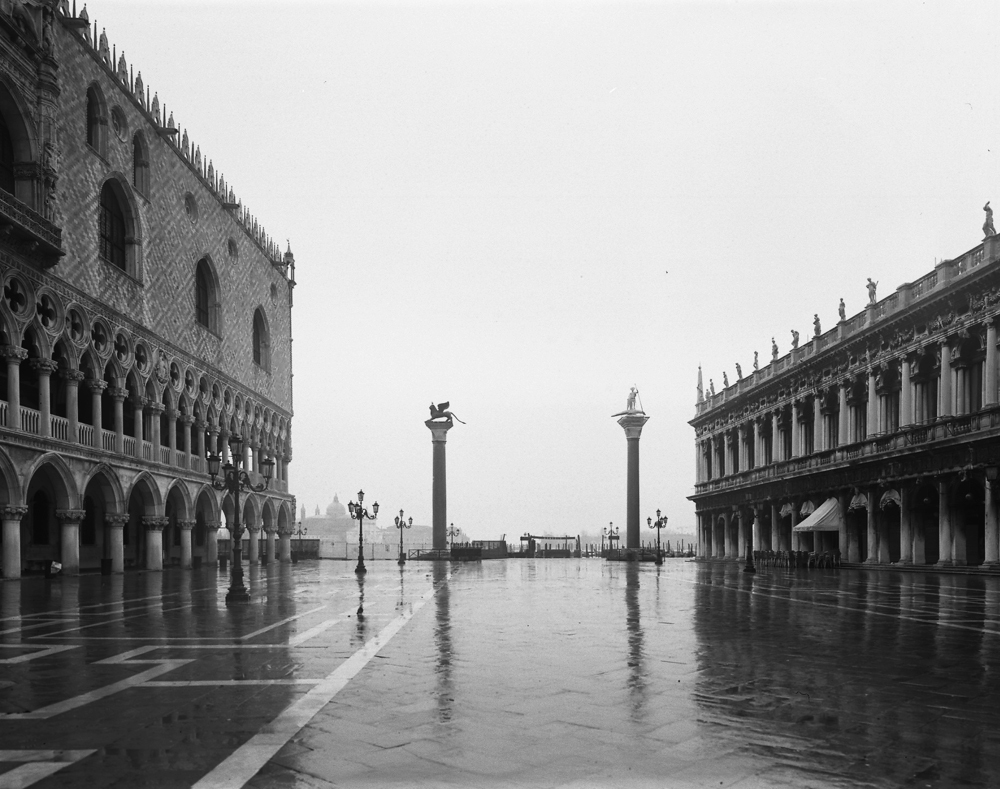
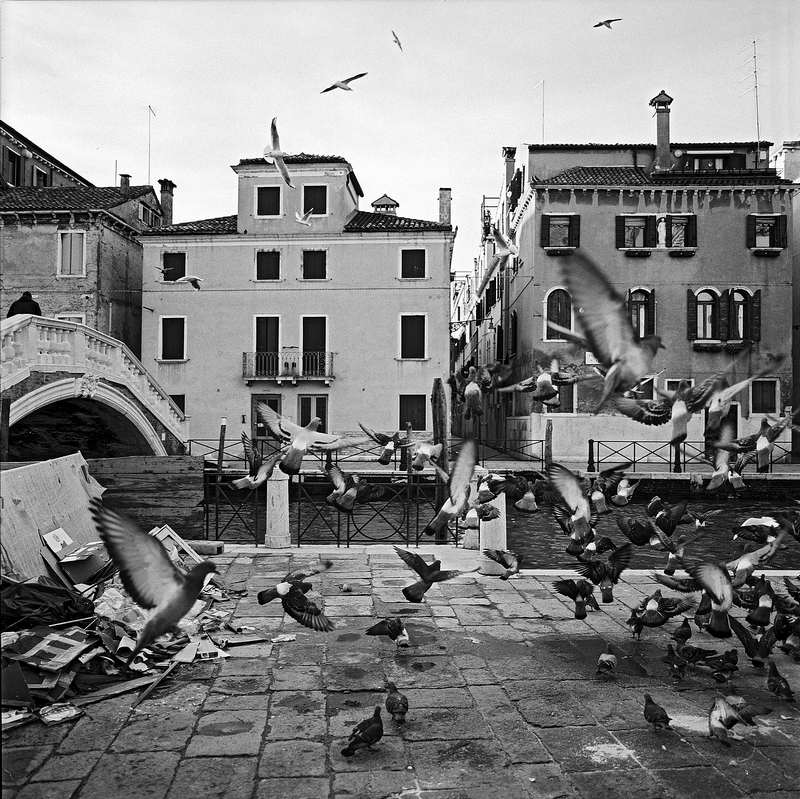
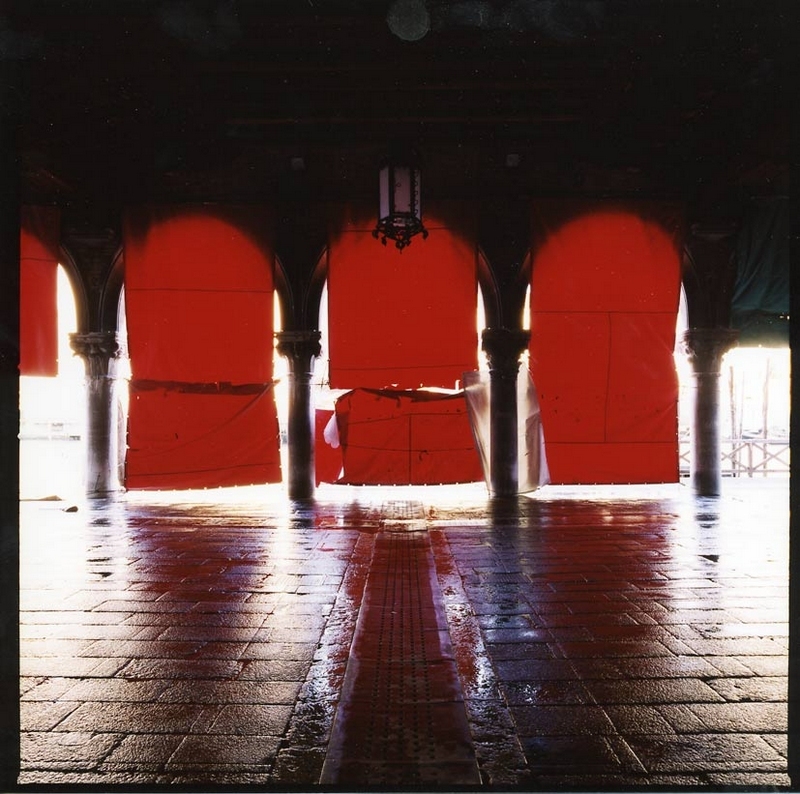
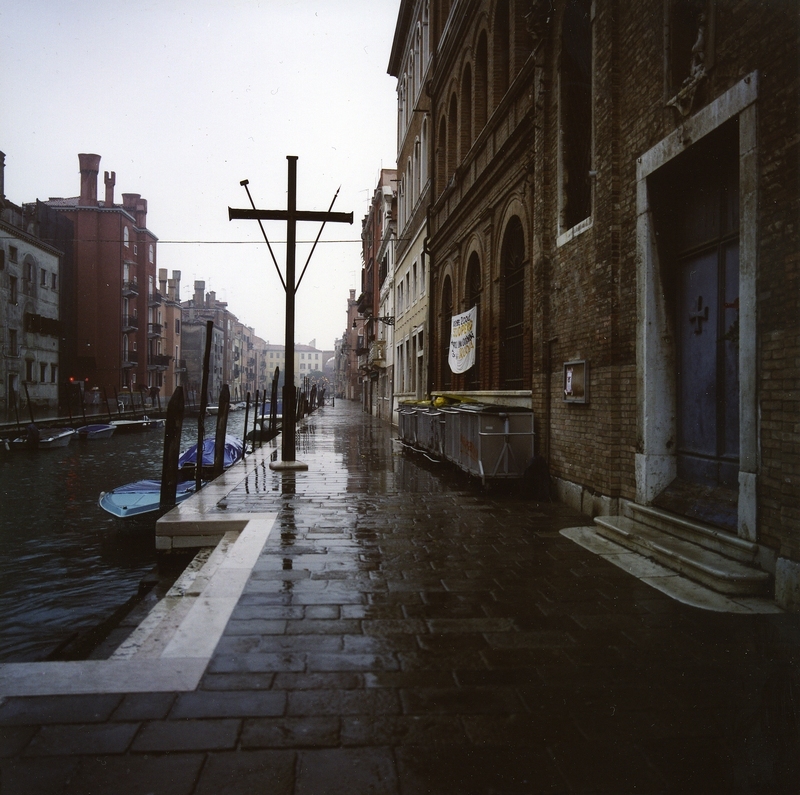
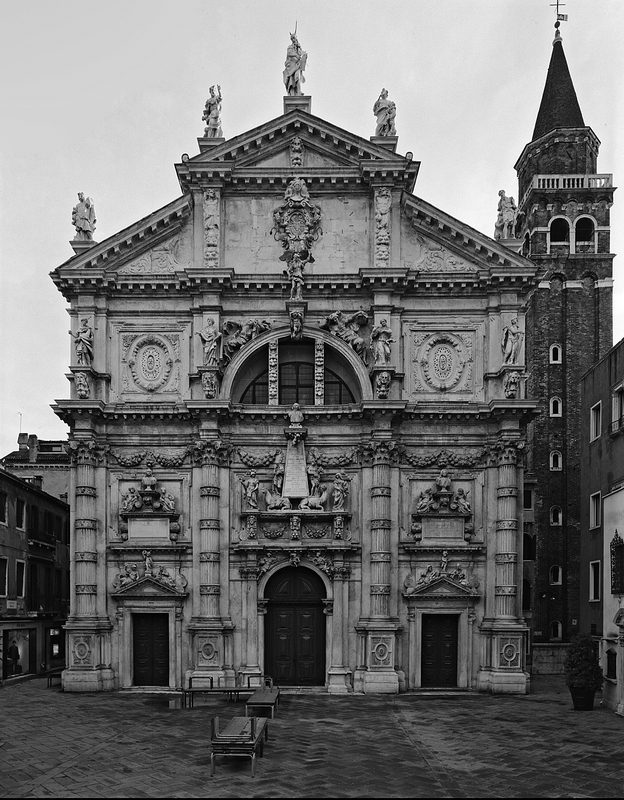
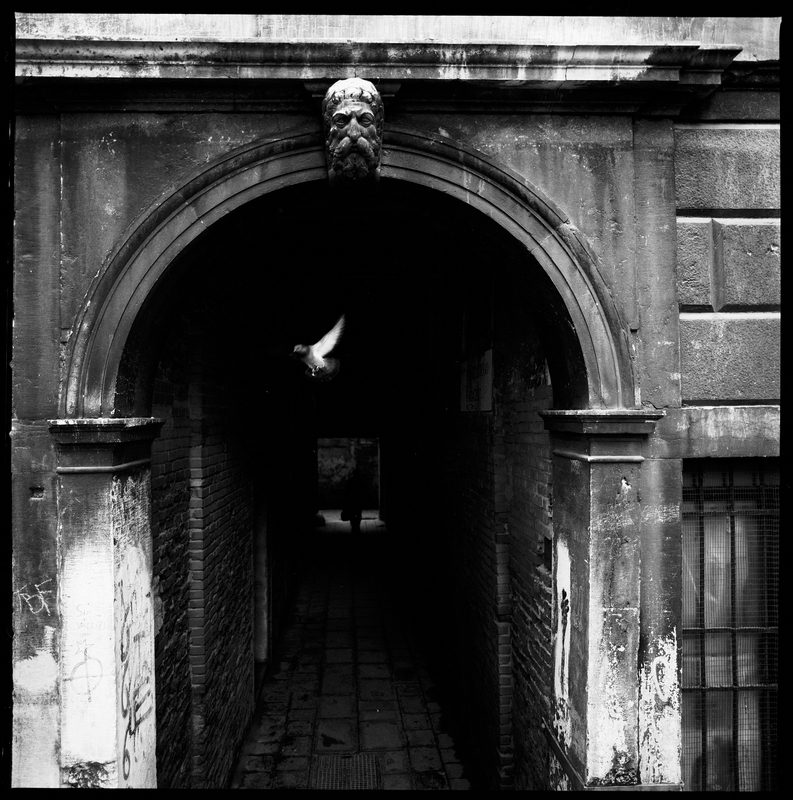
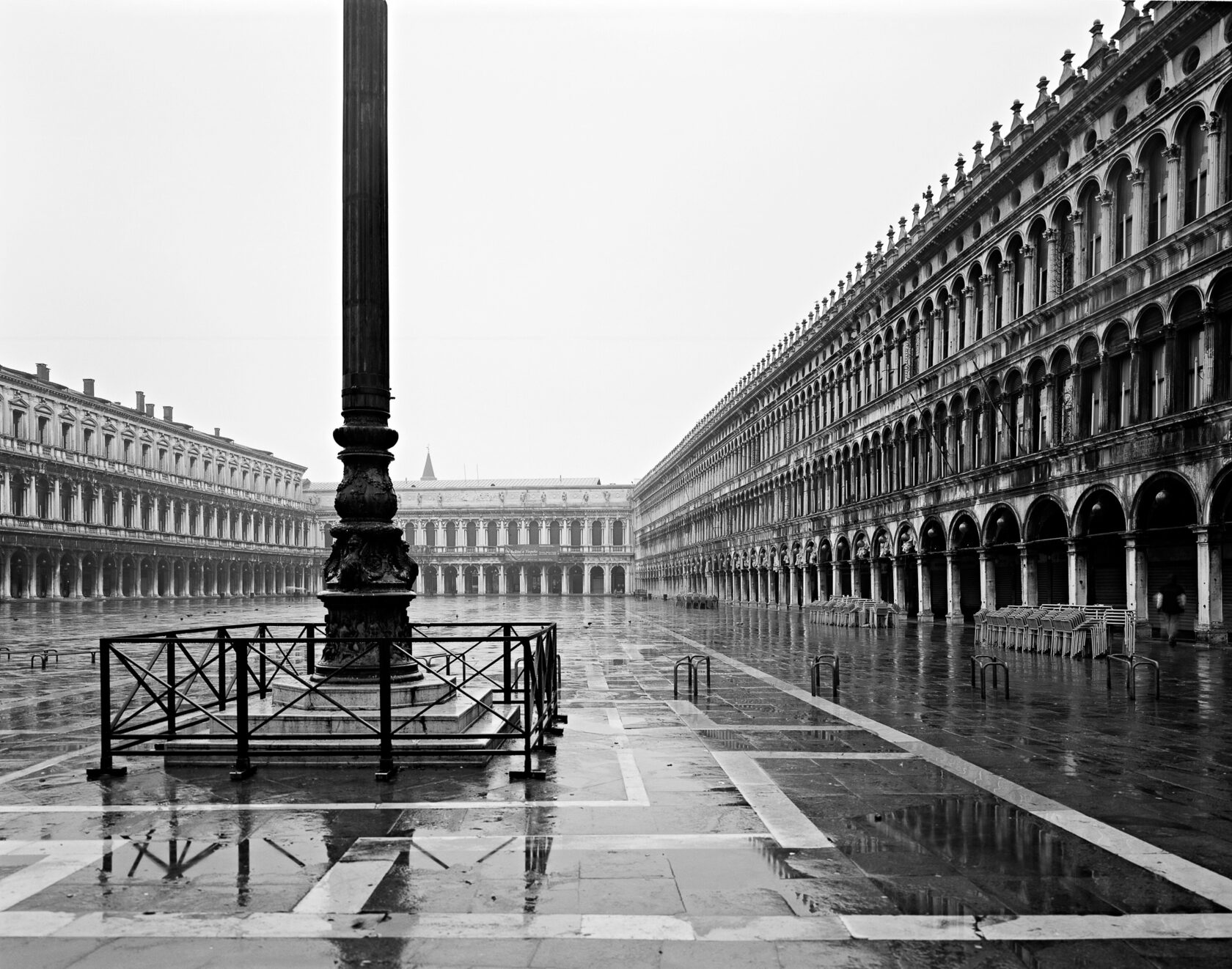
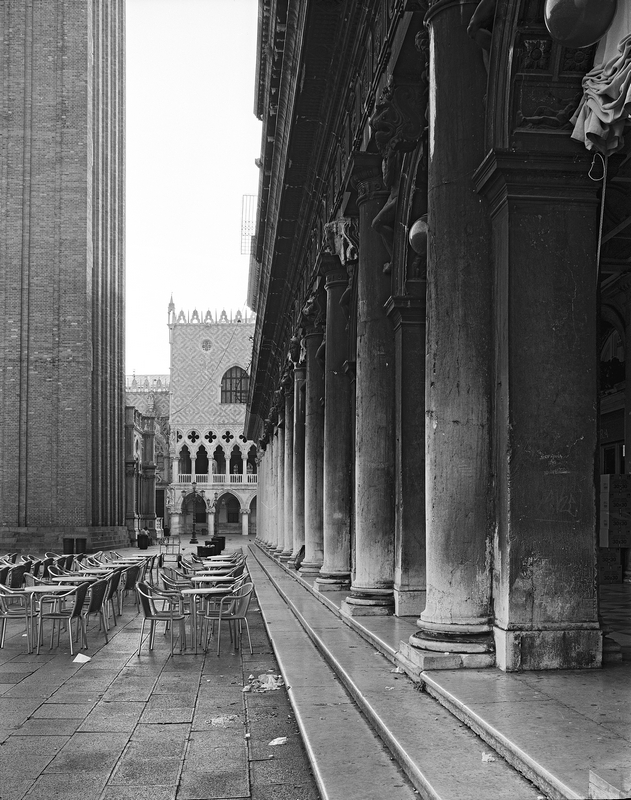
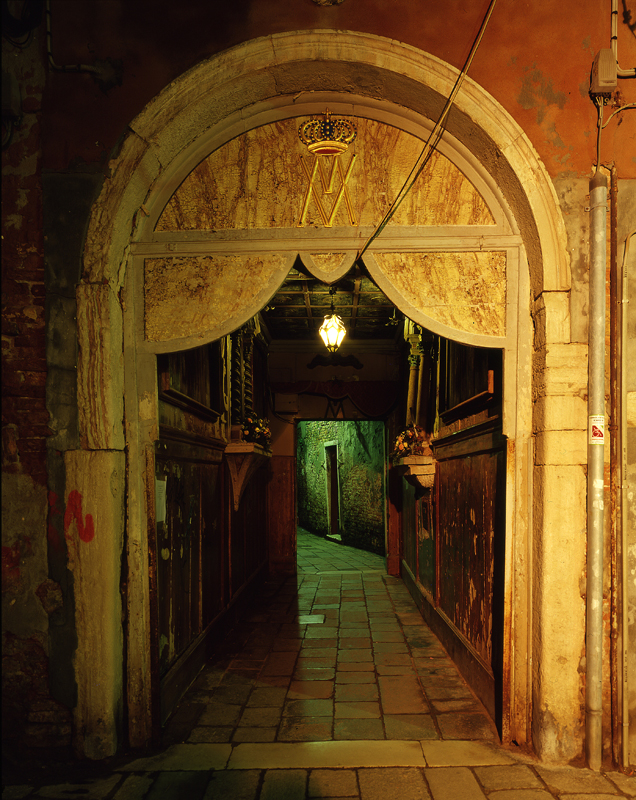
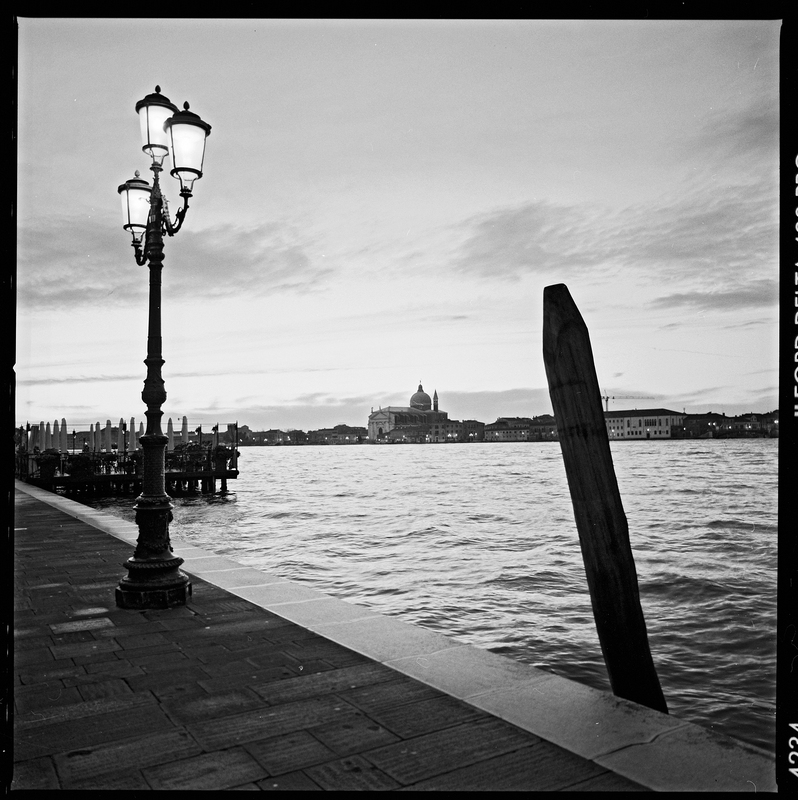
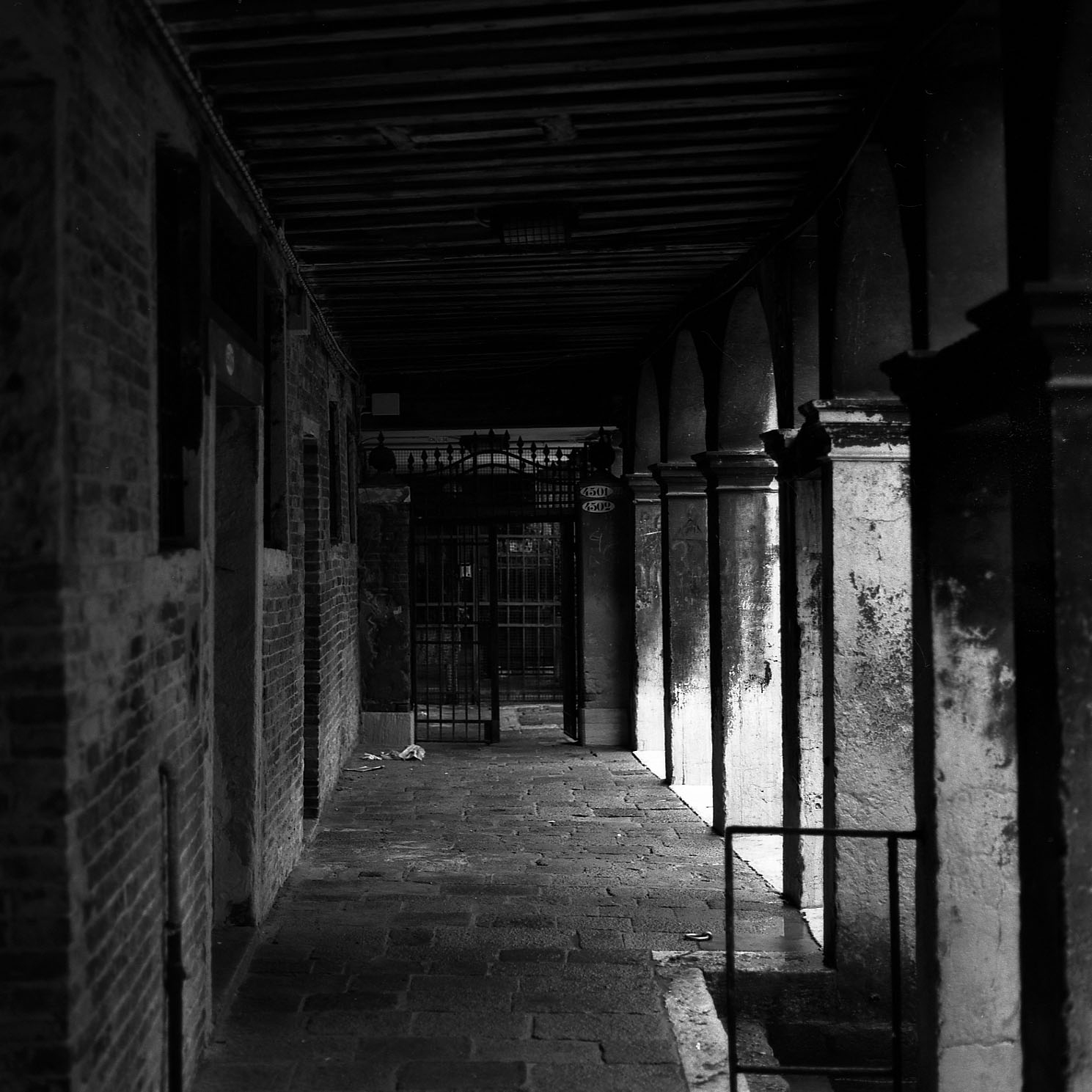
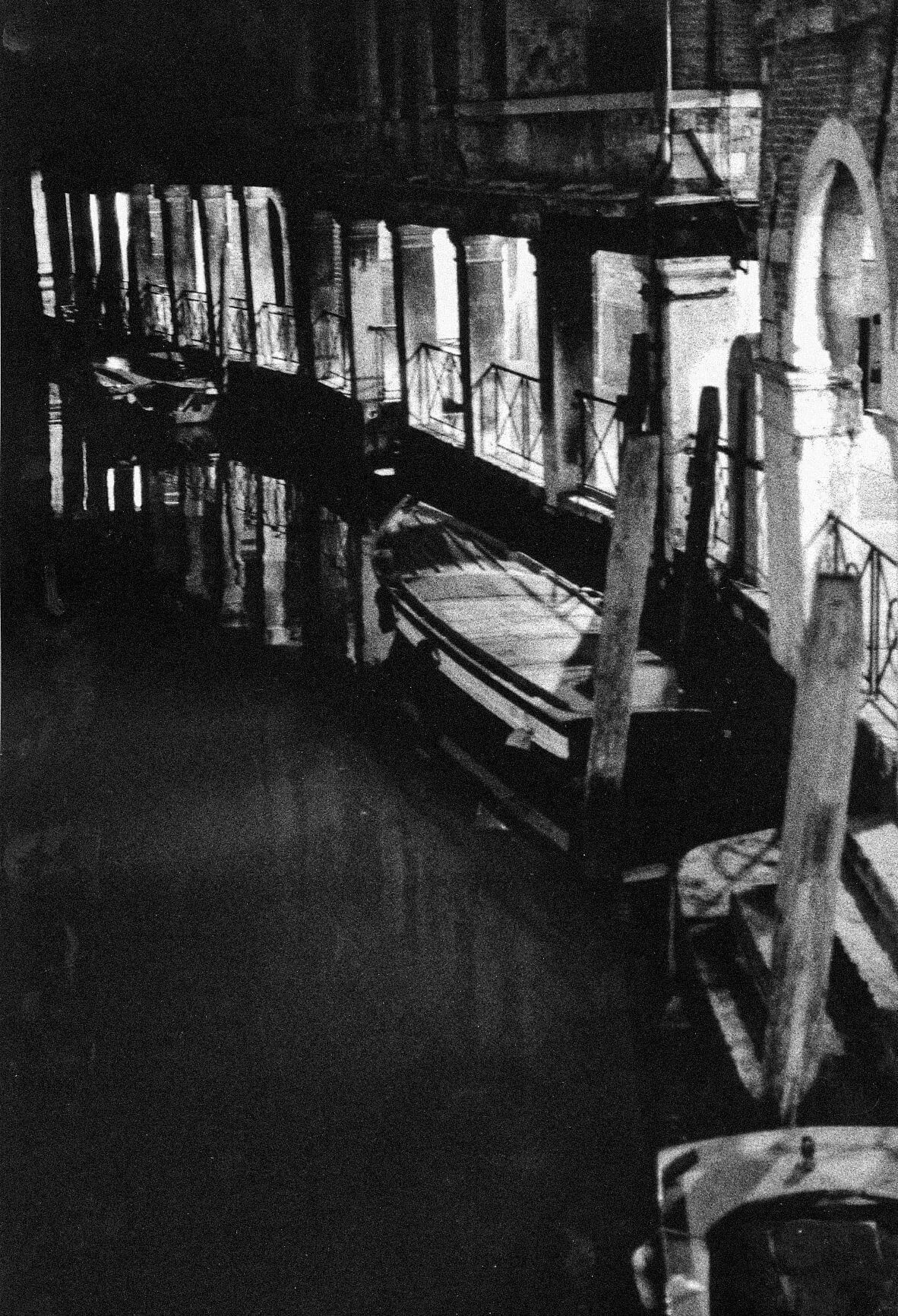
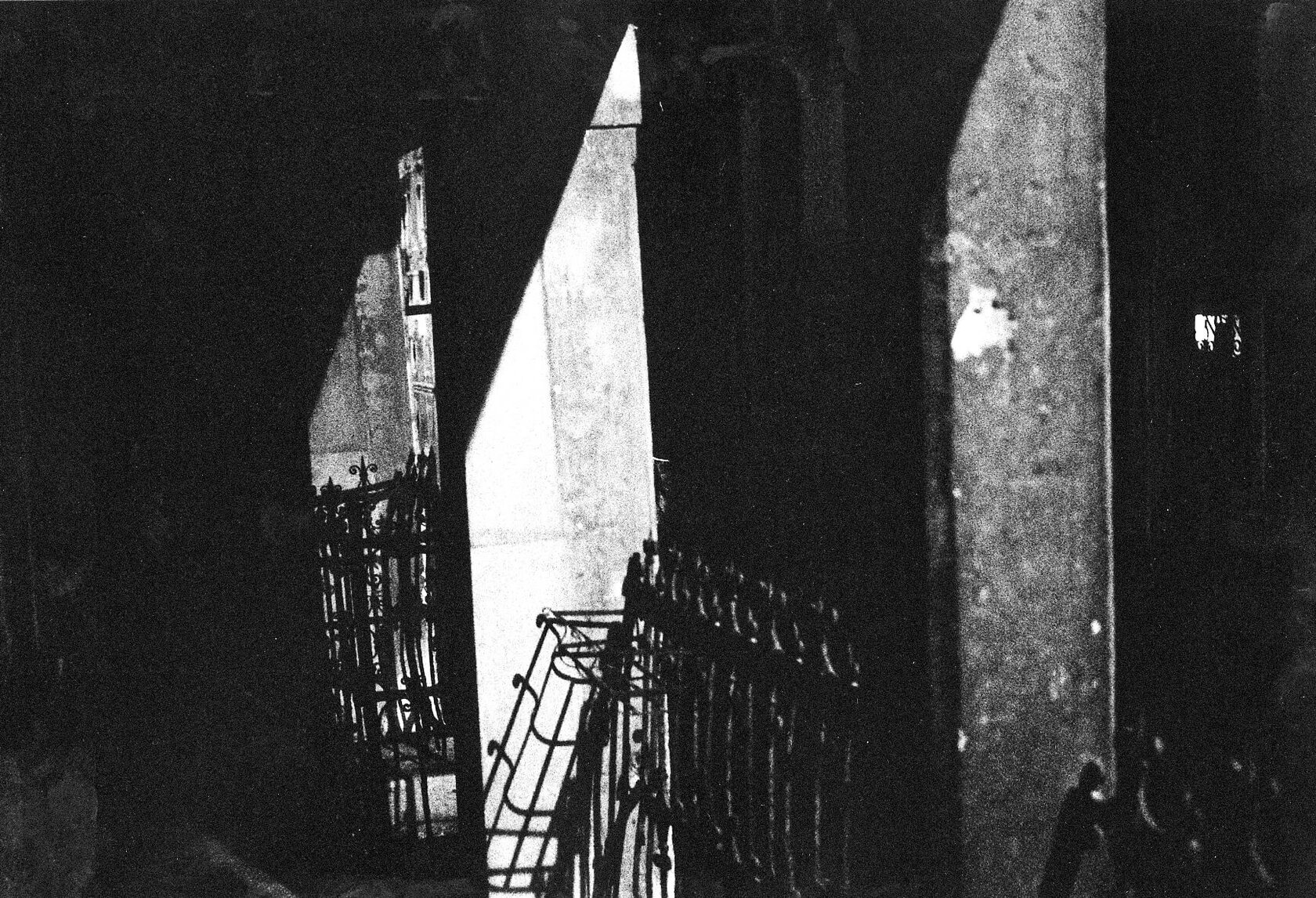
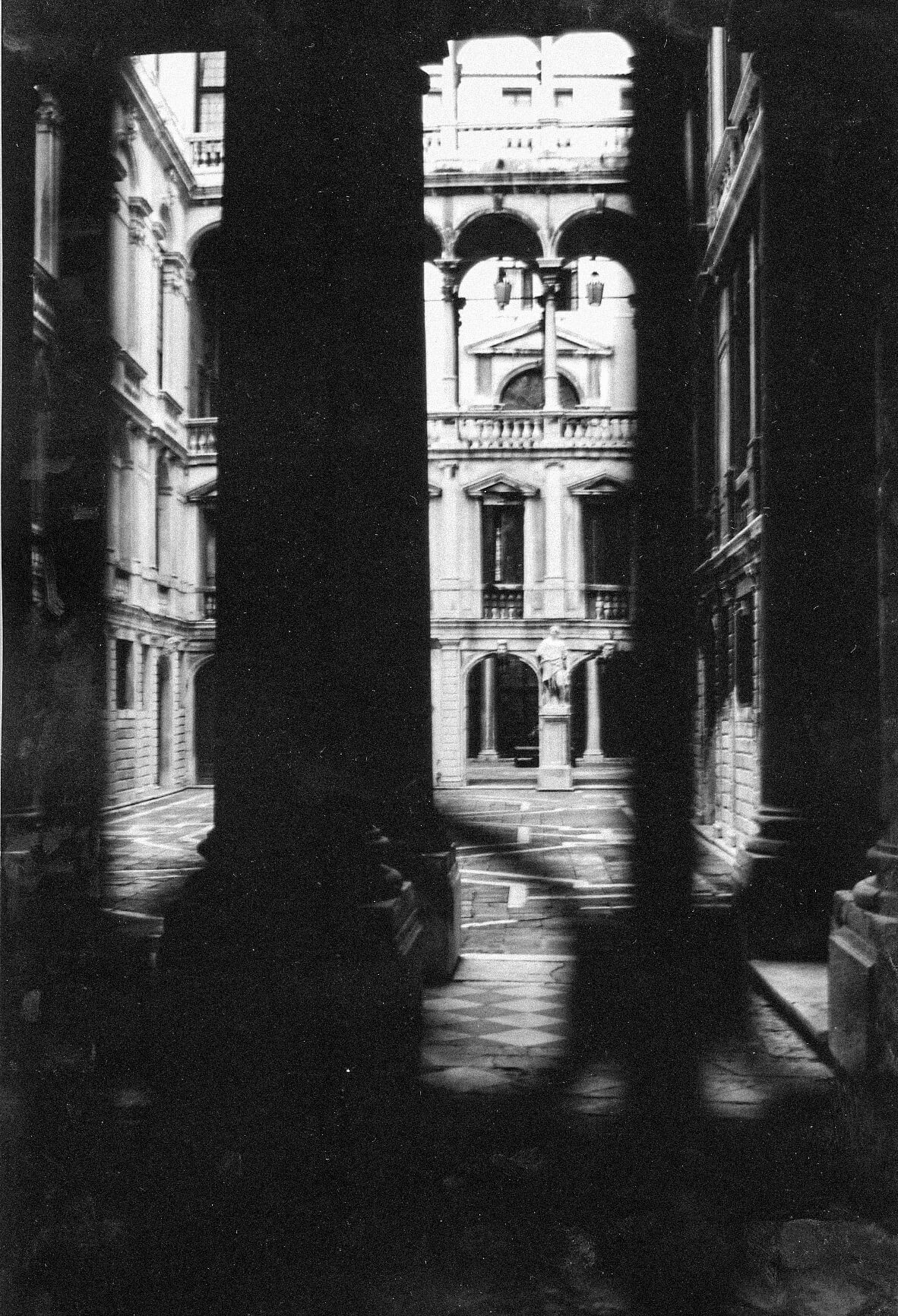
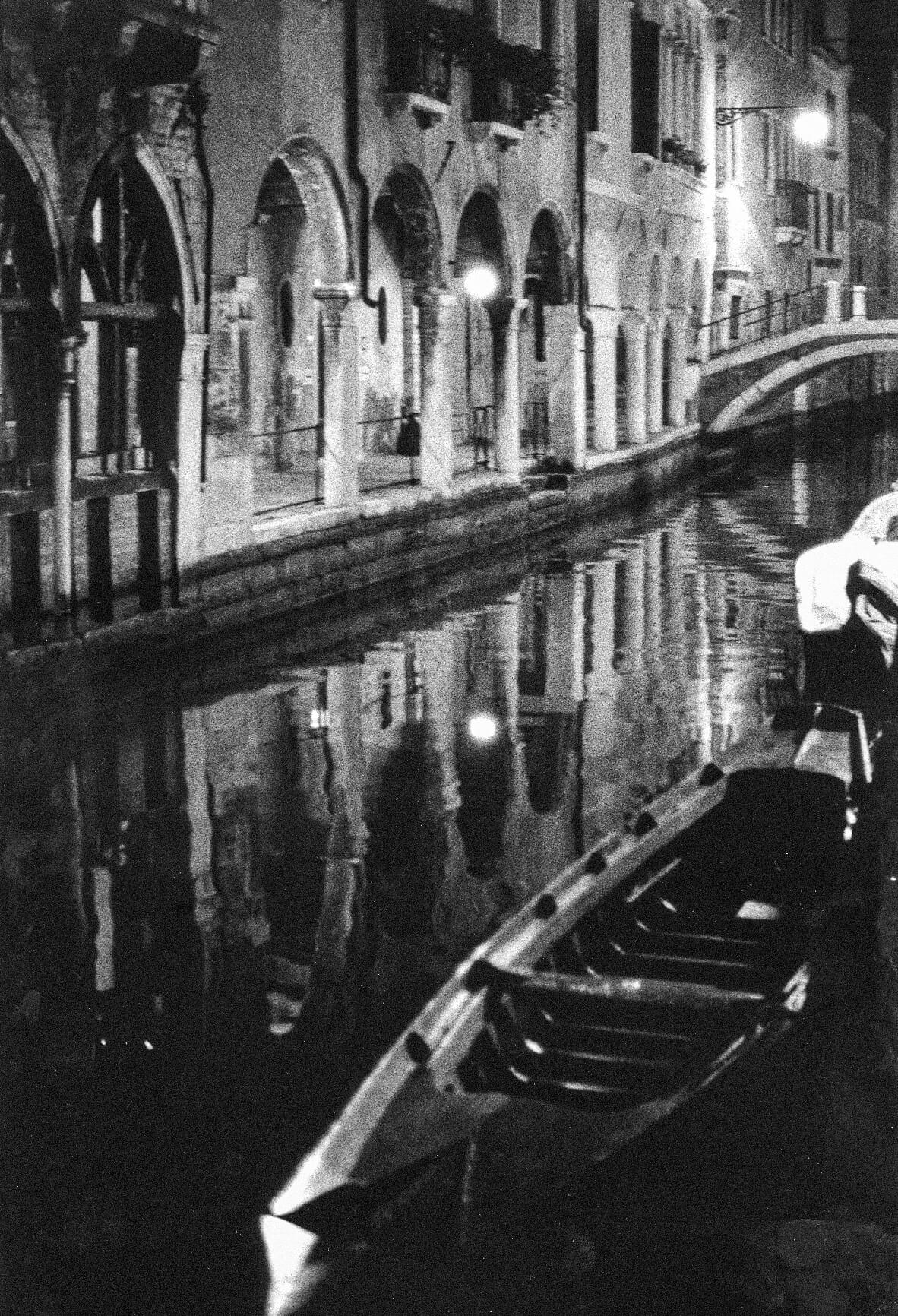
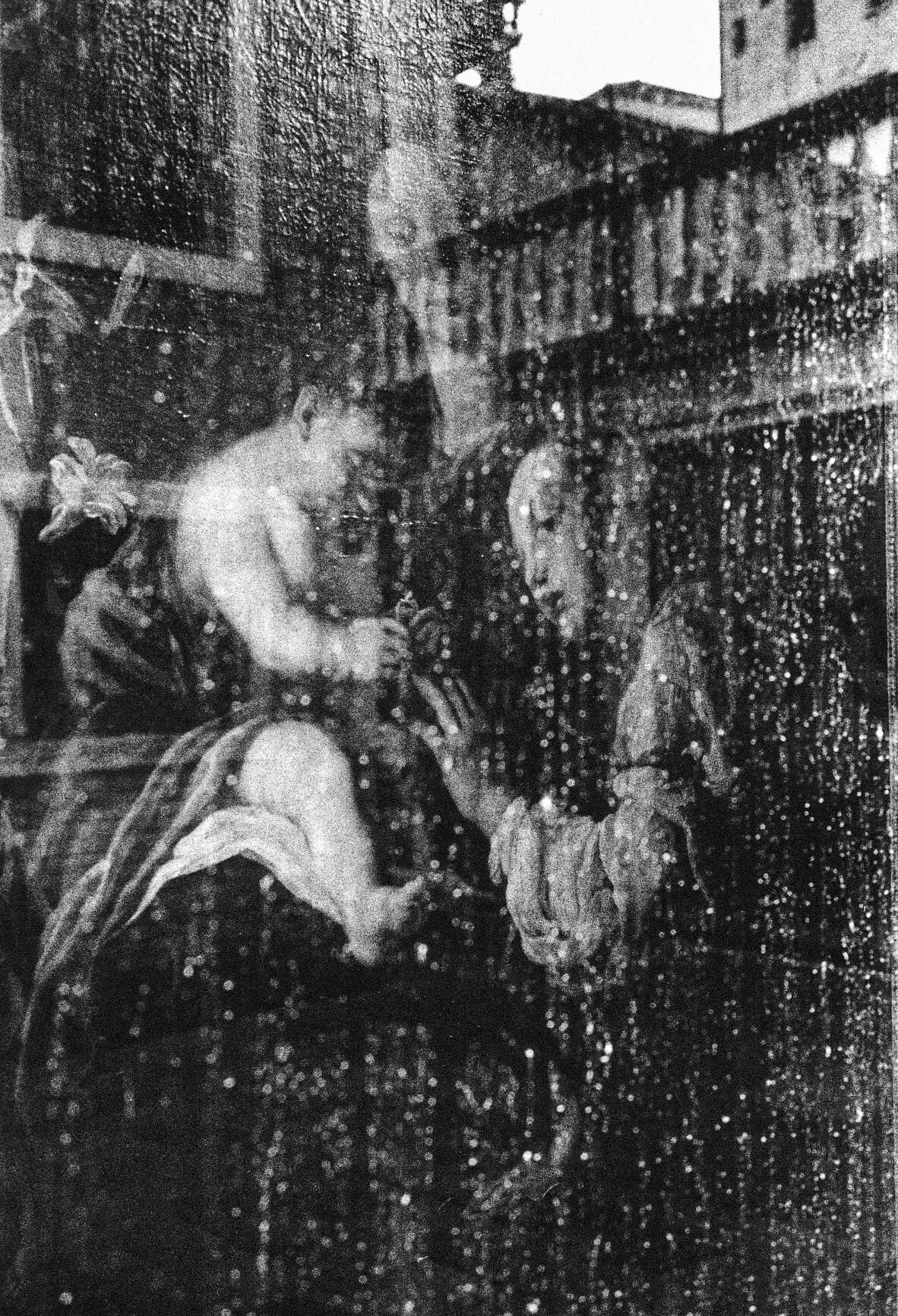
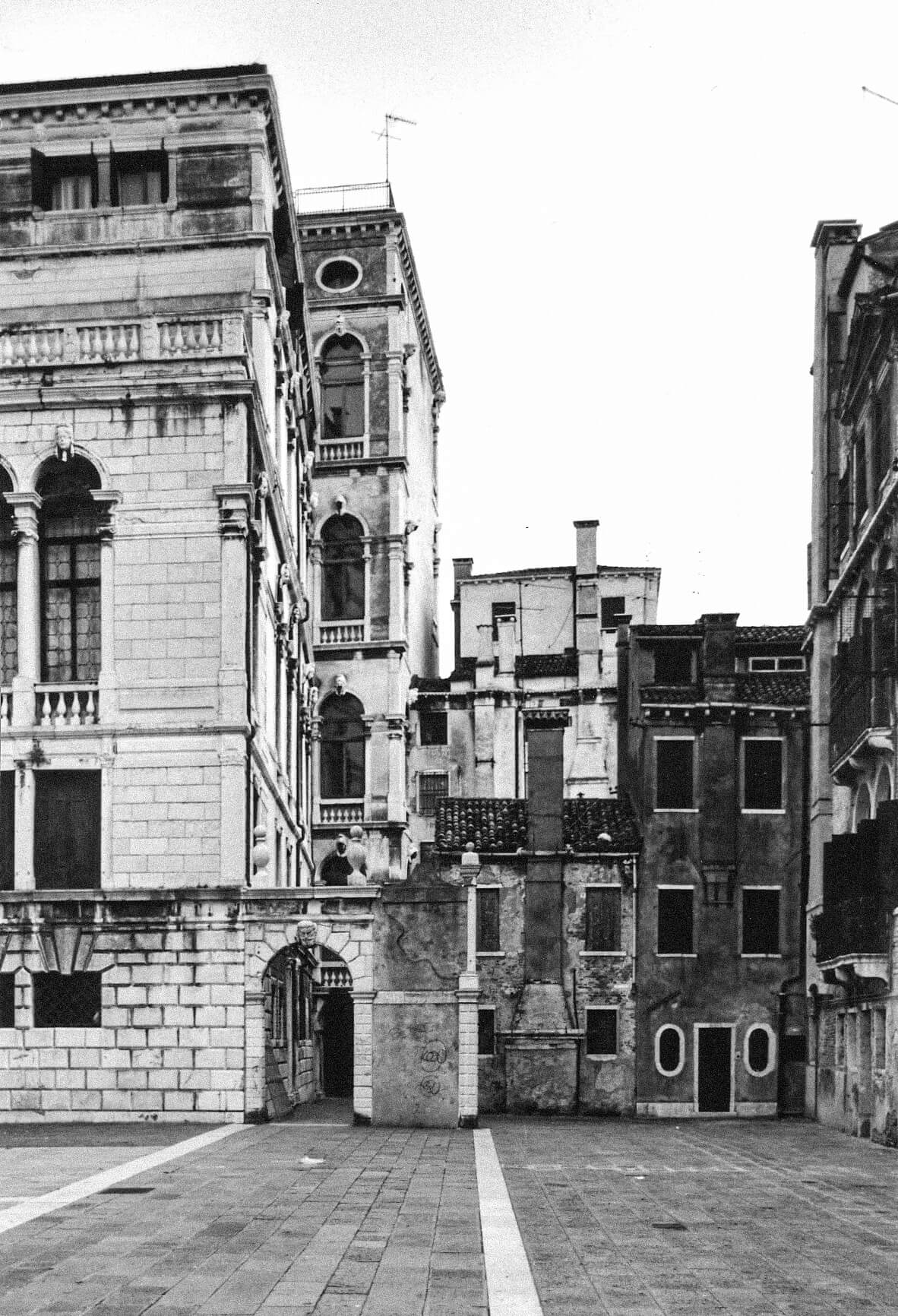
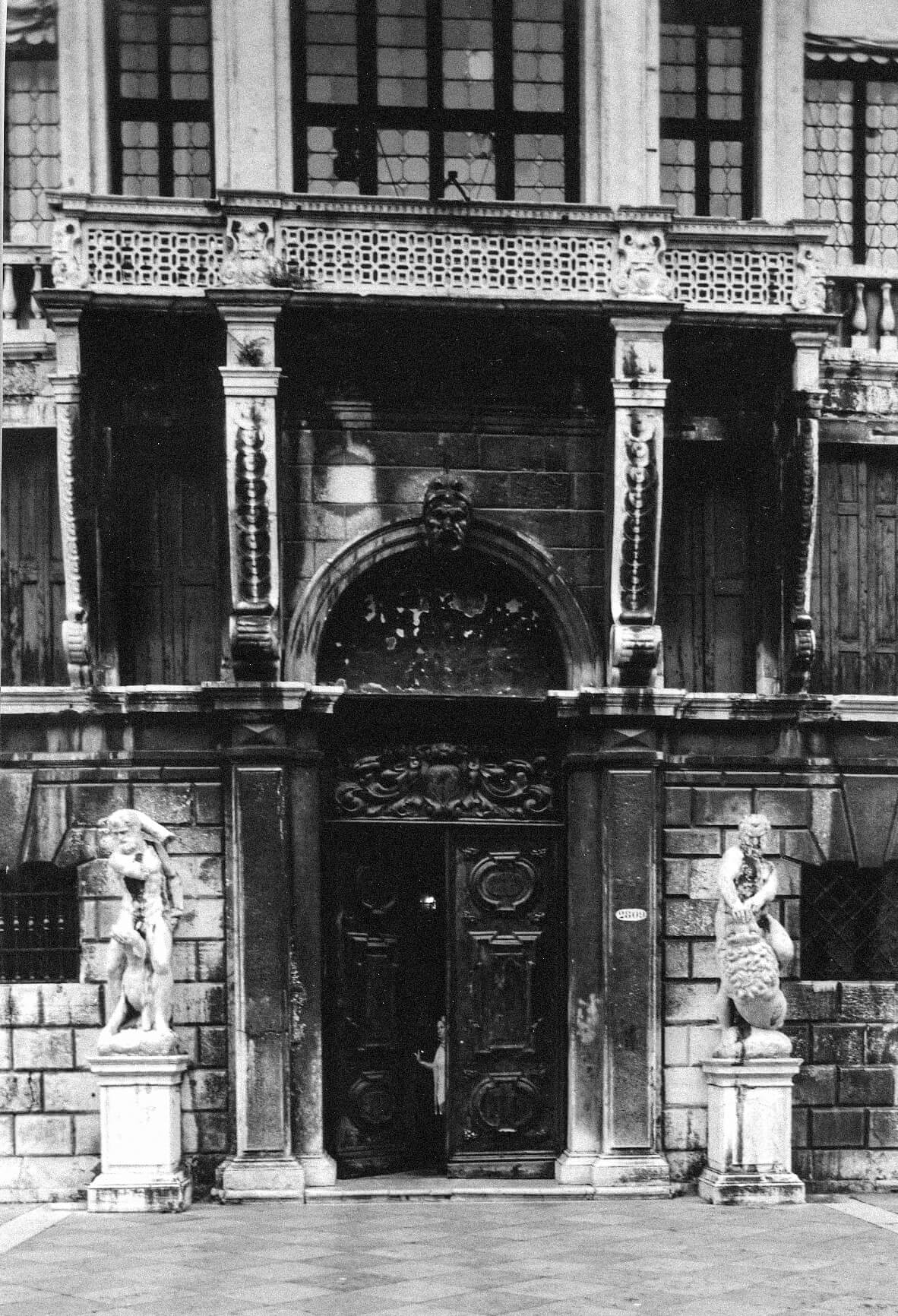
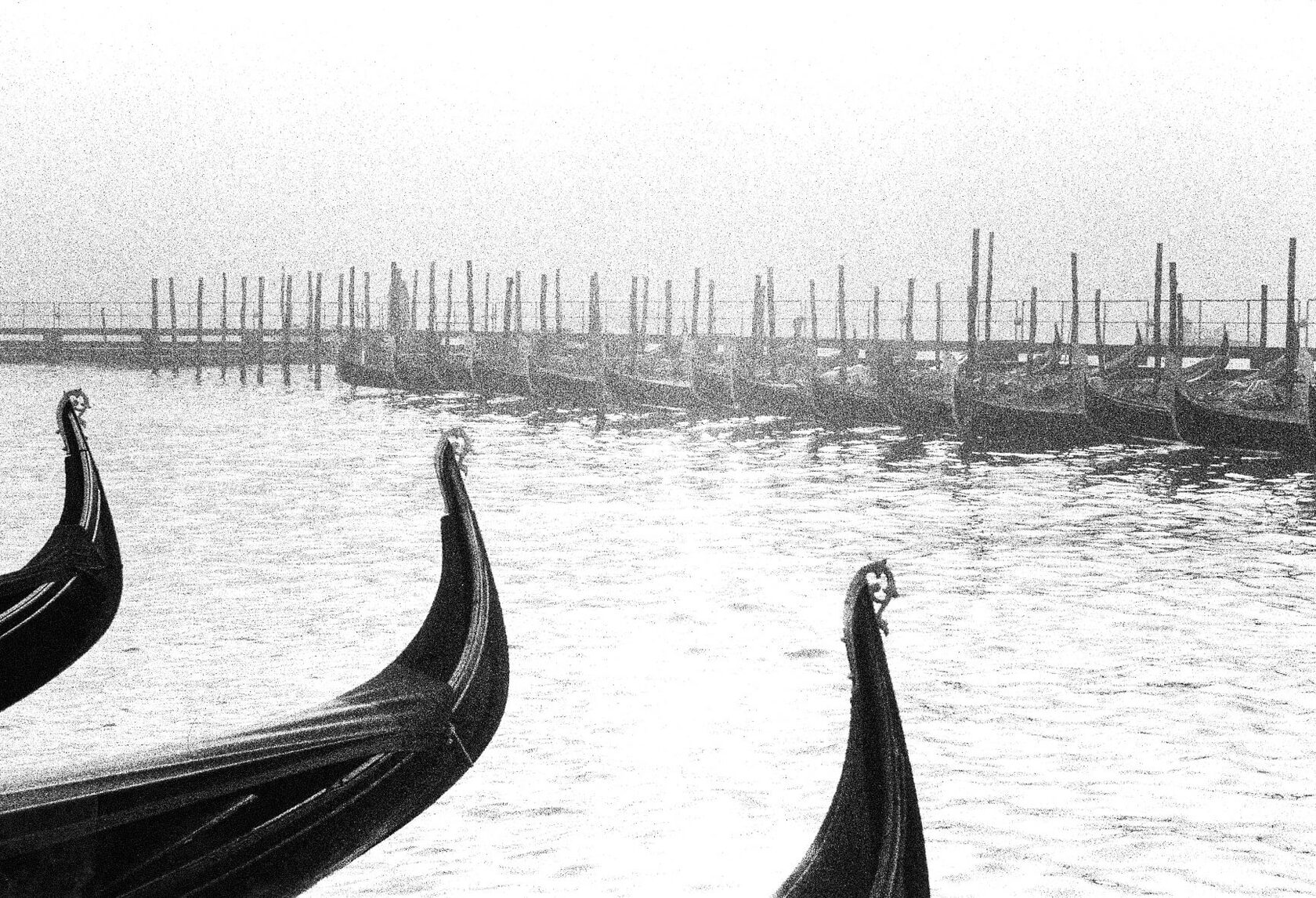
Venice. 2006–2007
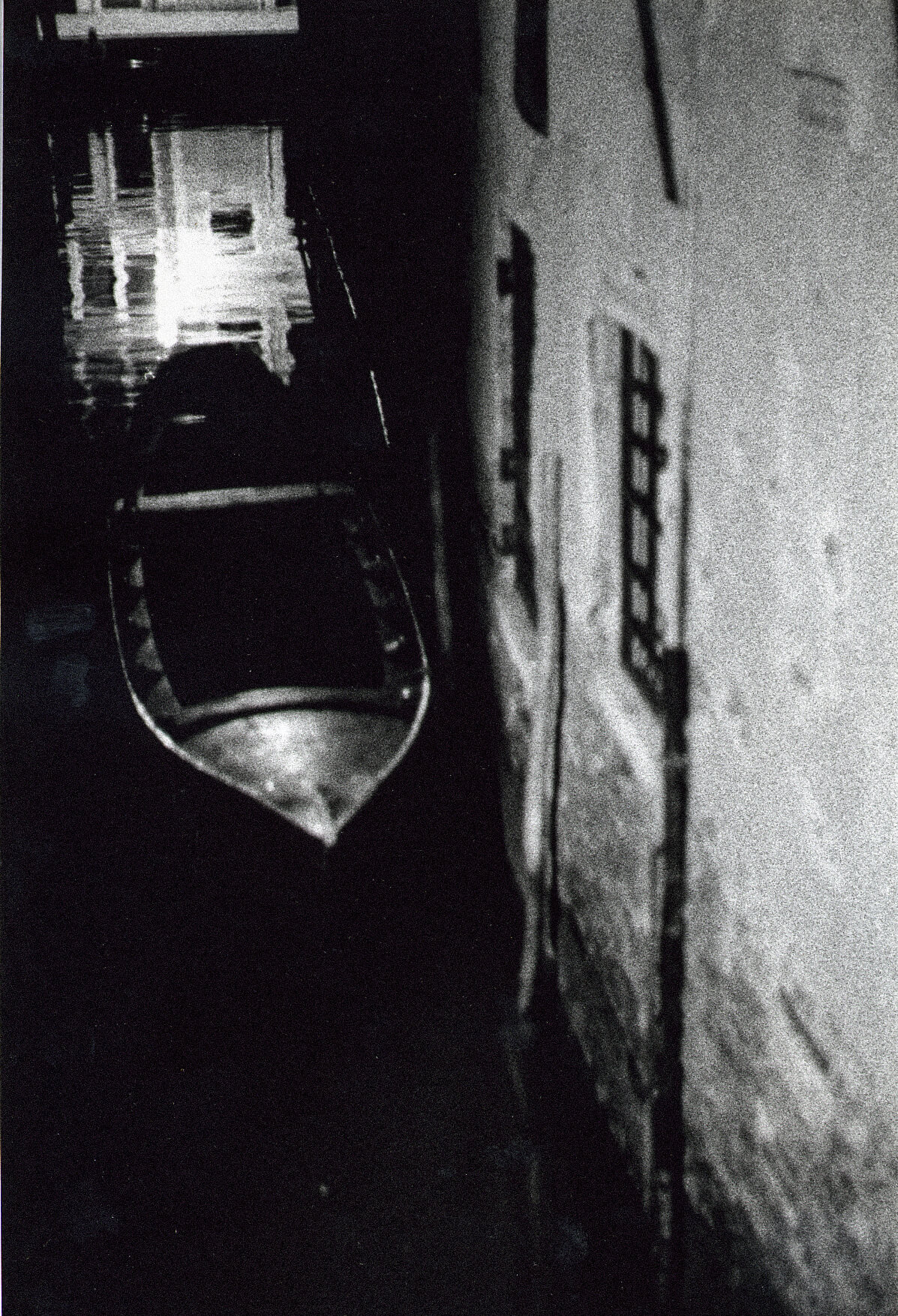
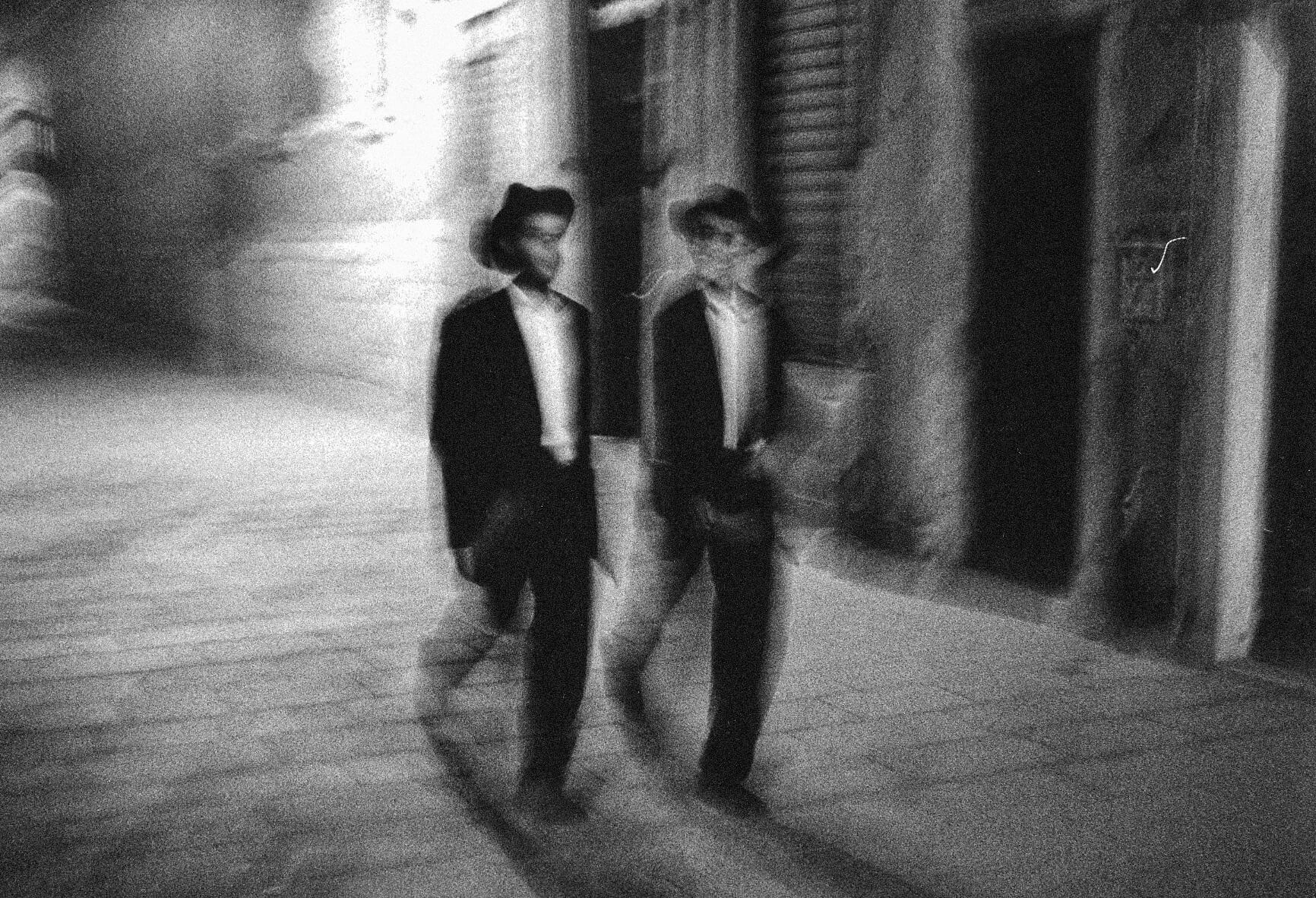
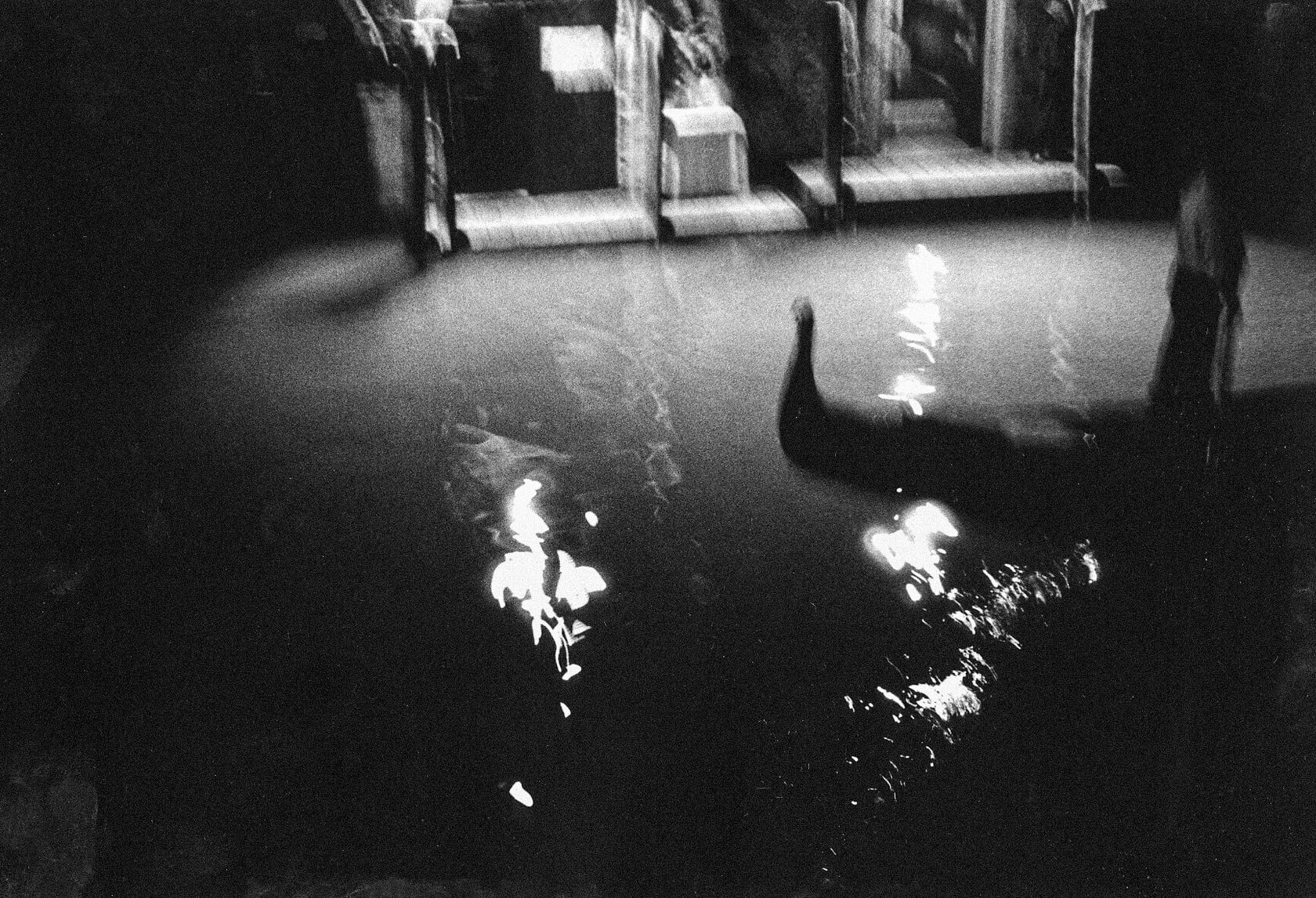
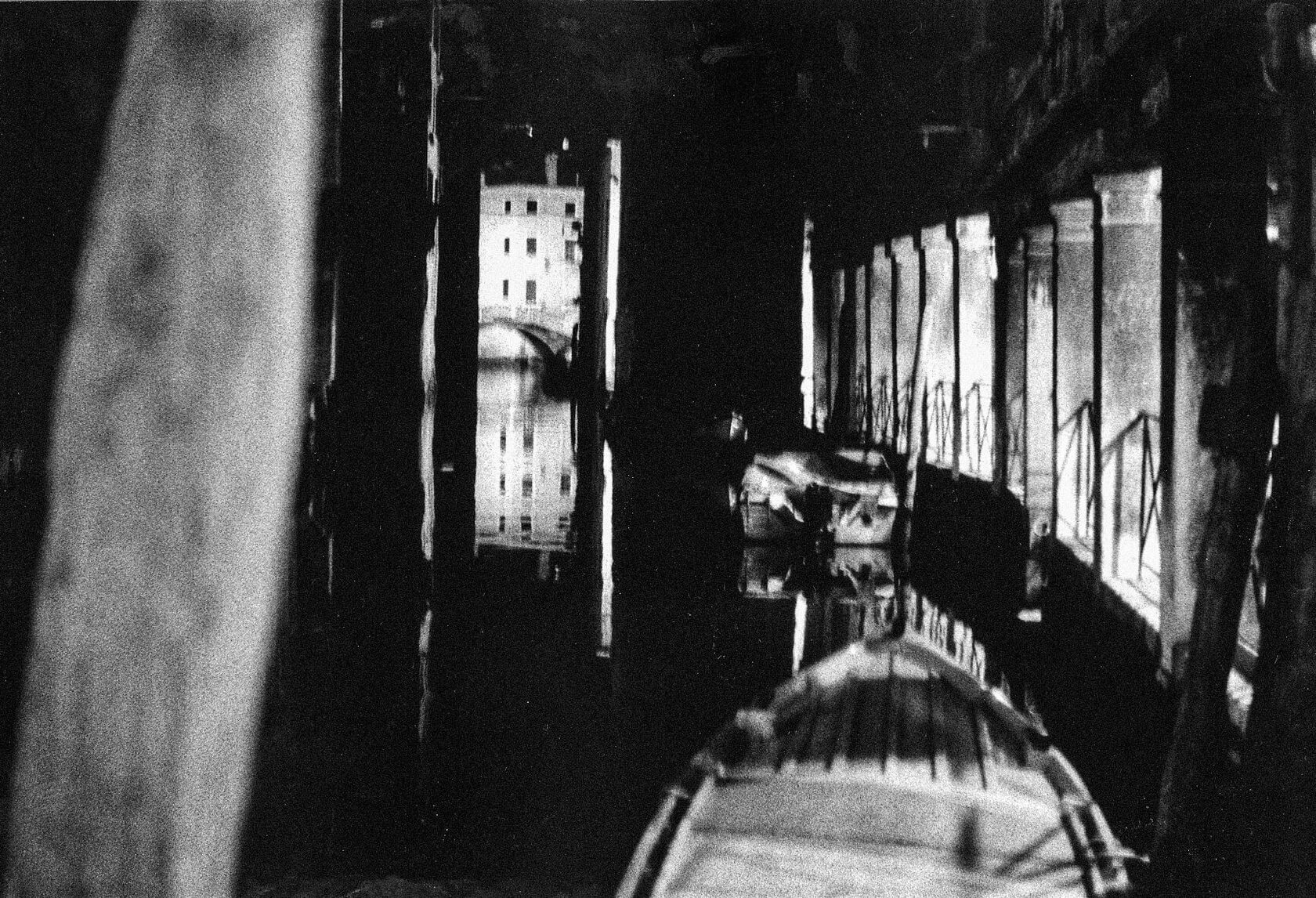
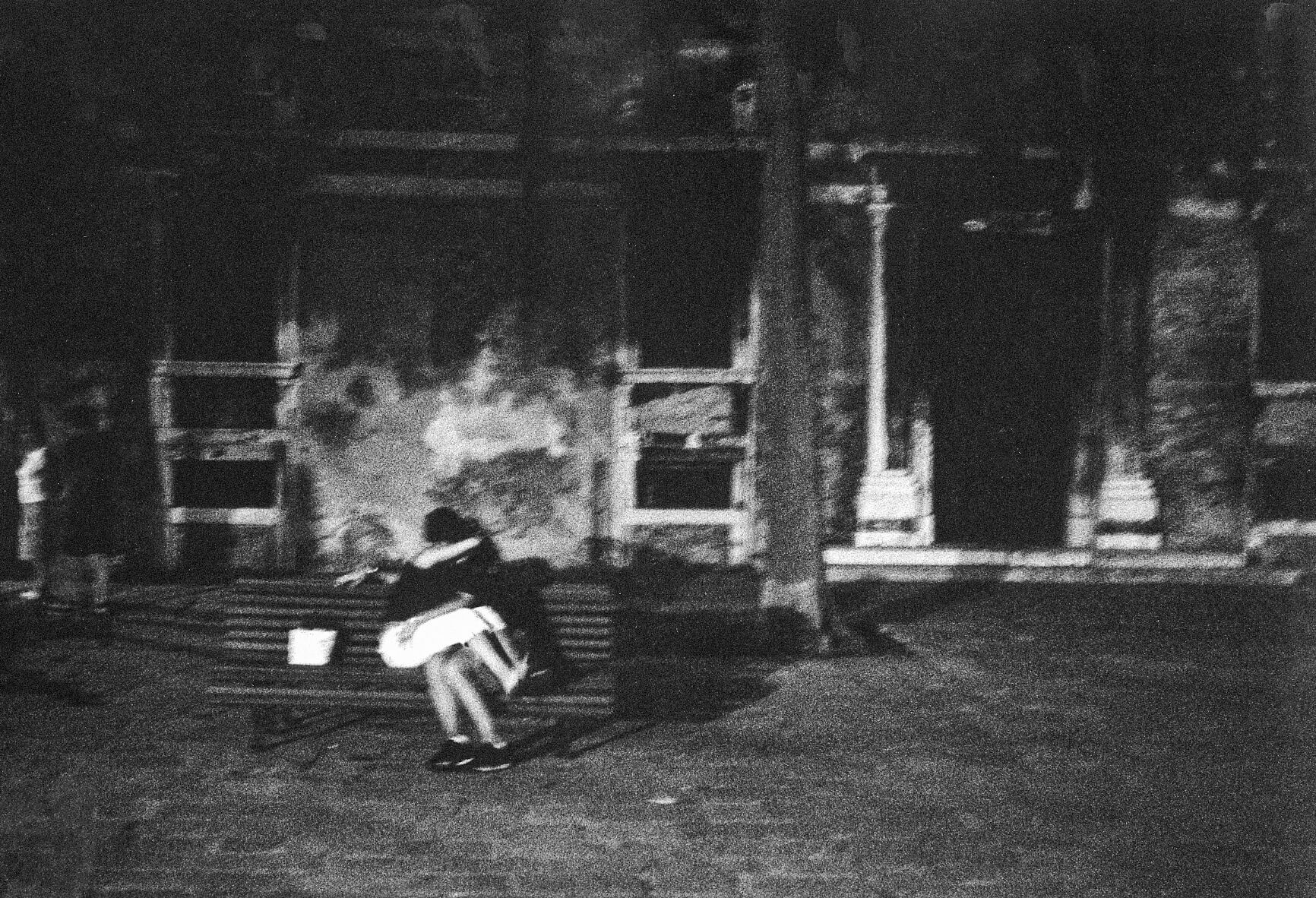
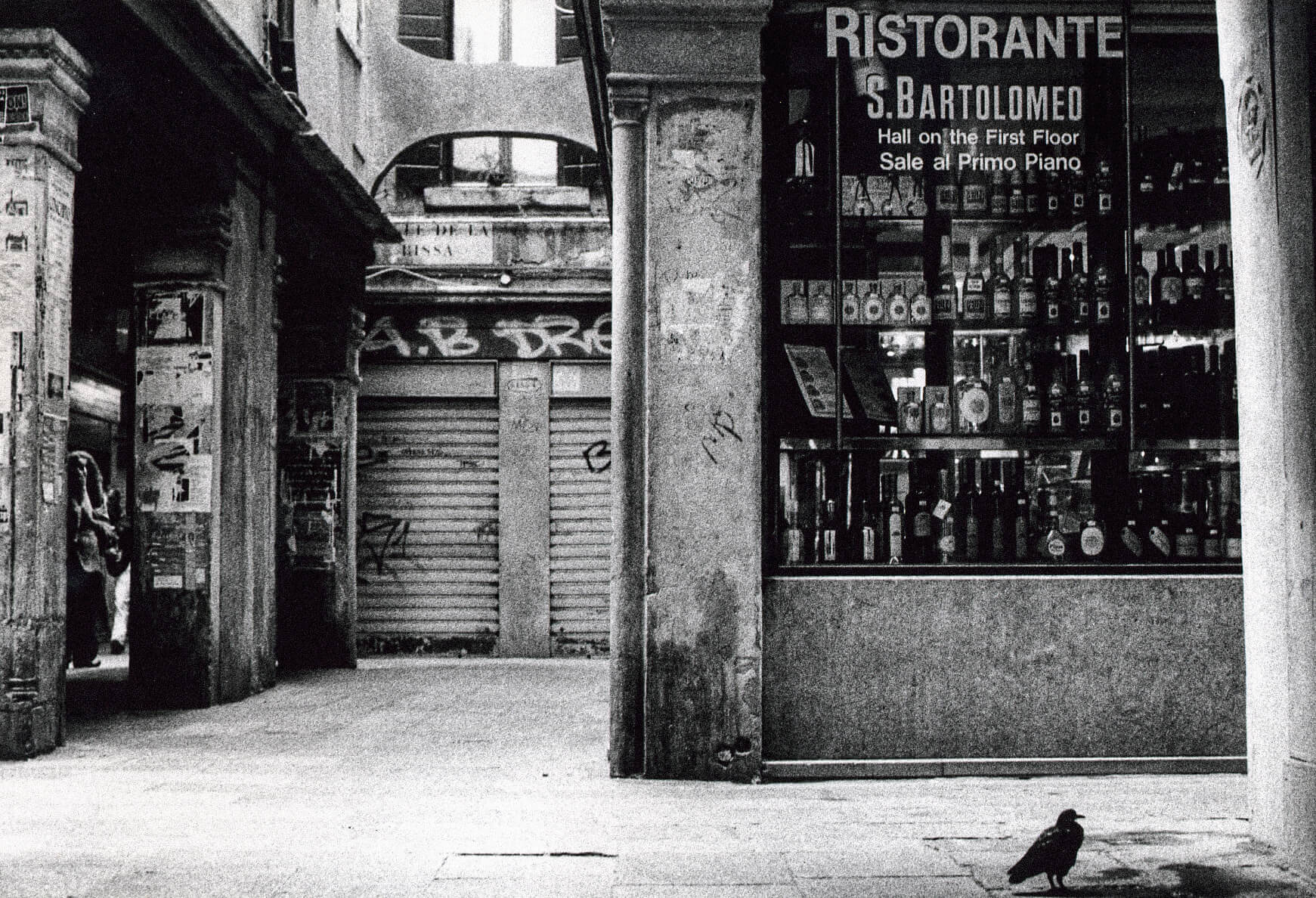
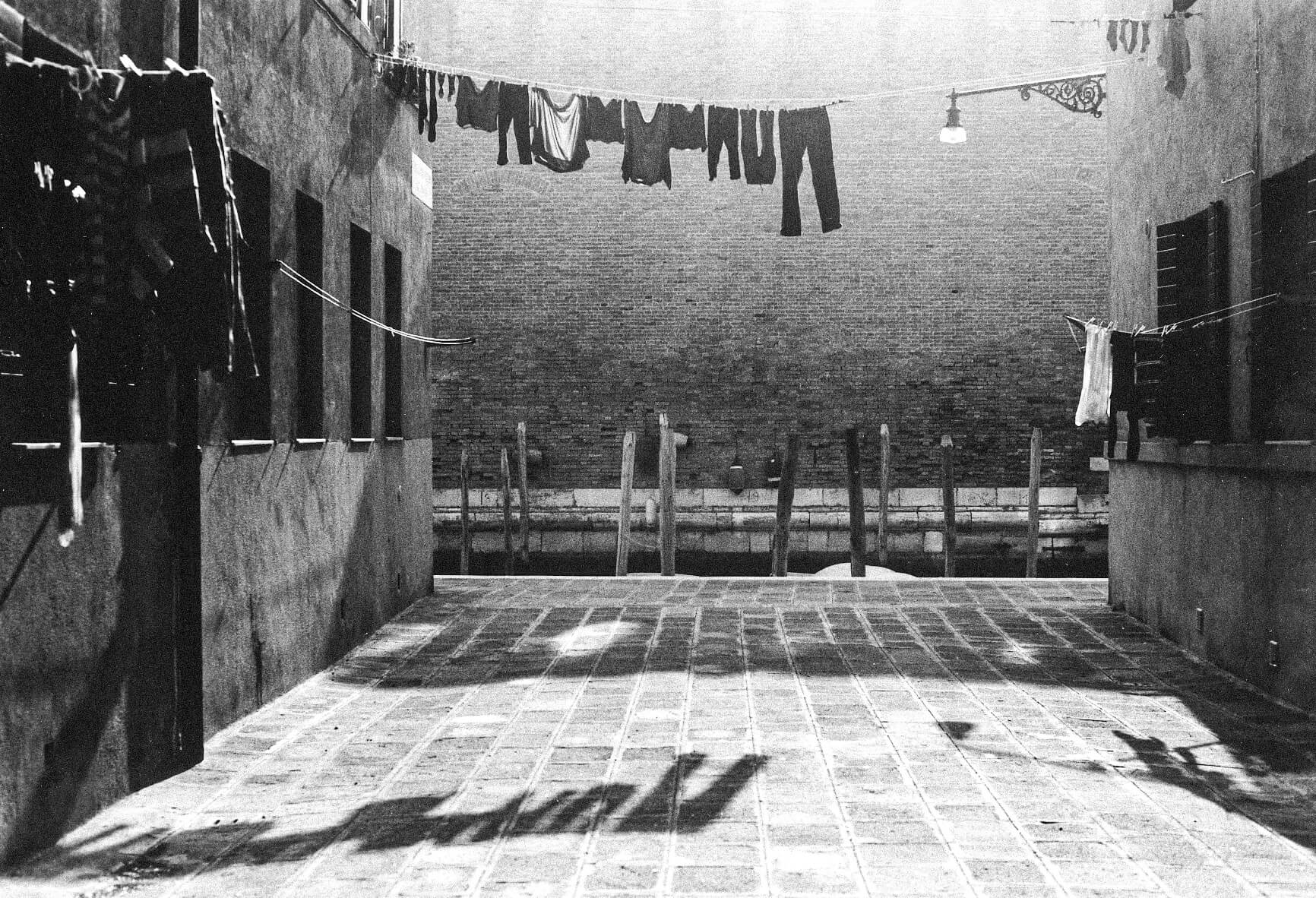
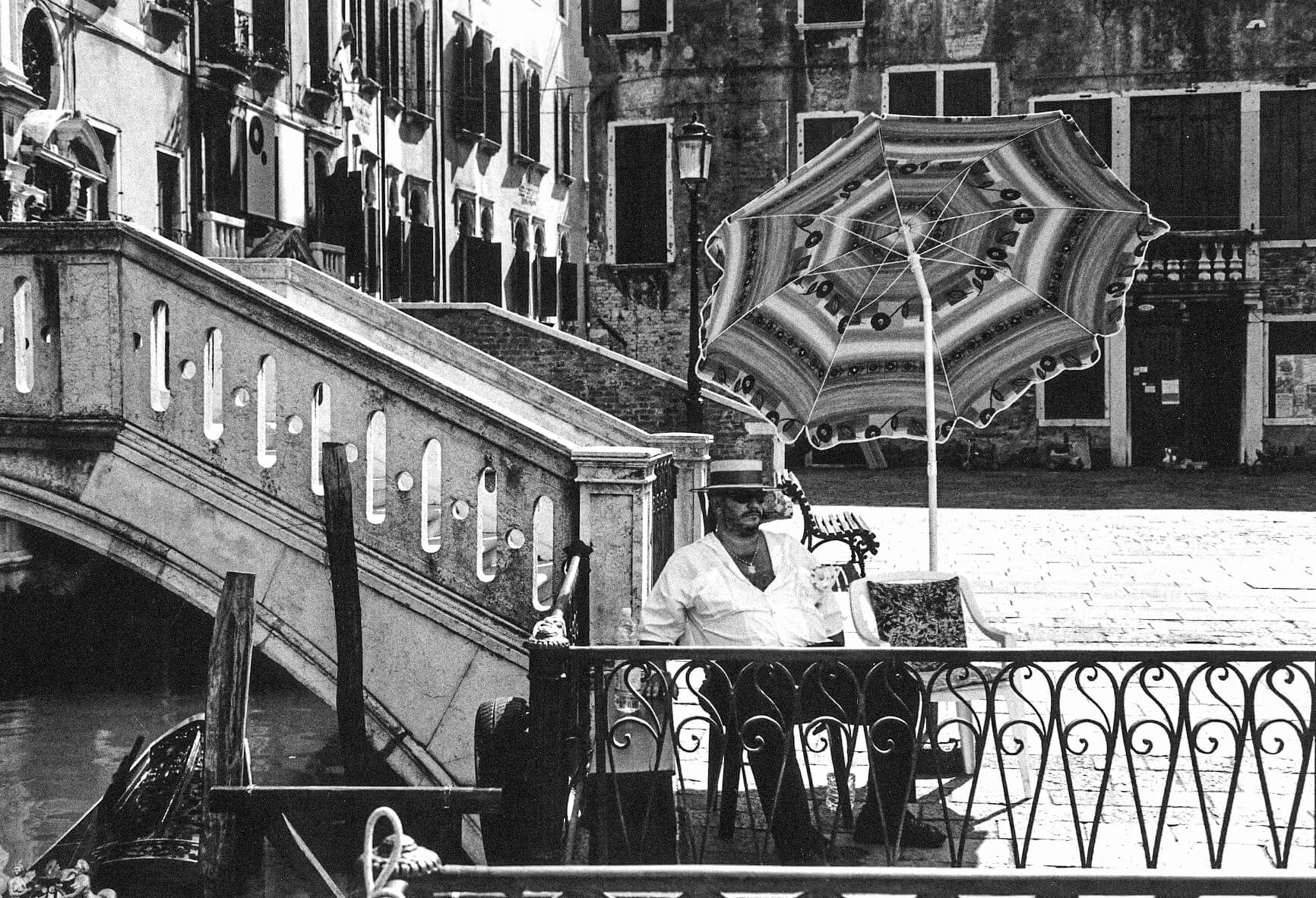
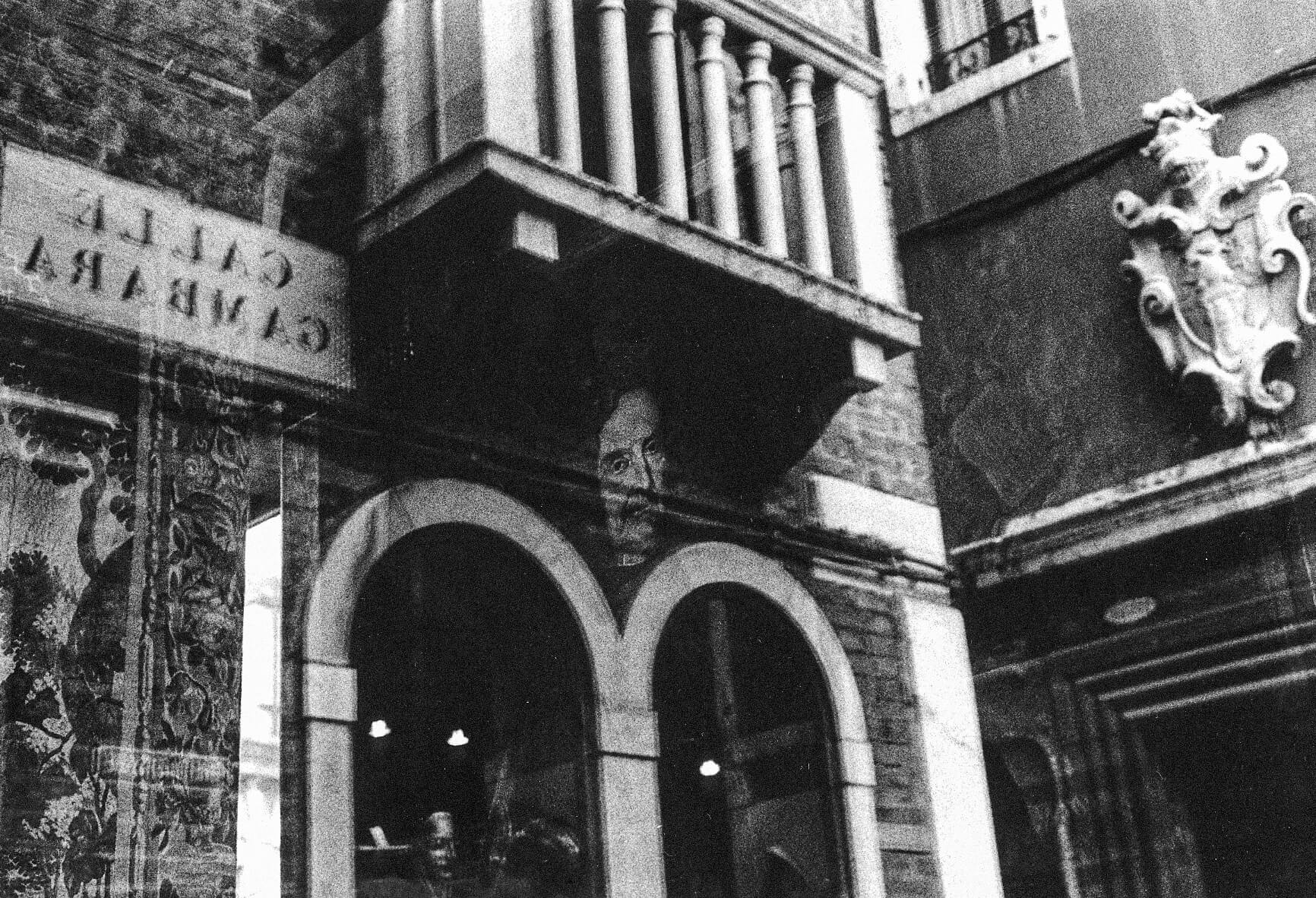
Venice. 35mm BW. 2004
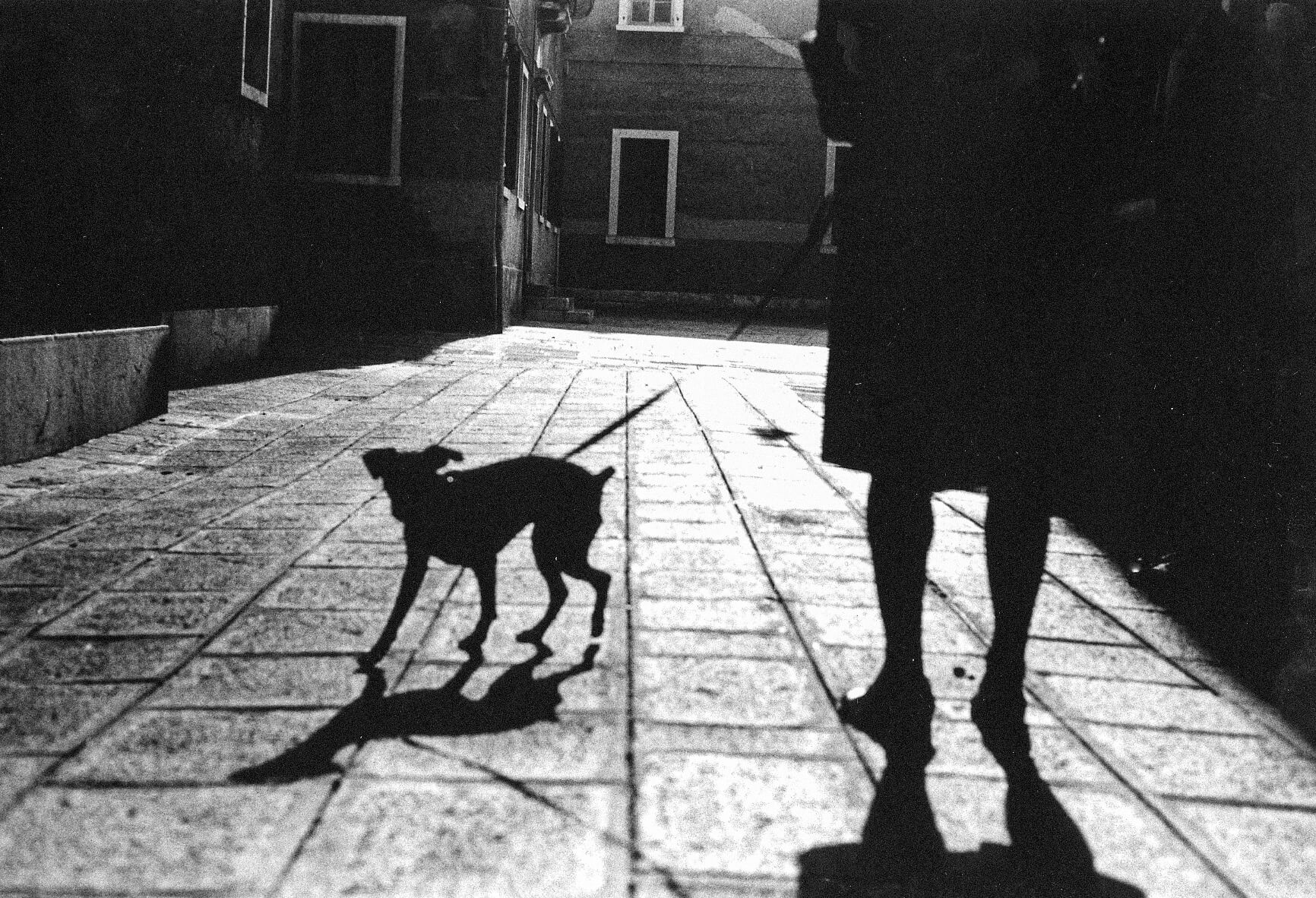
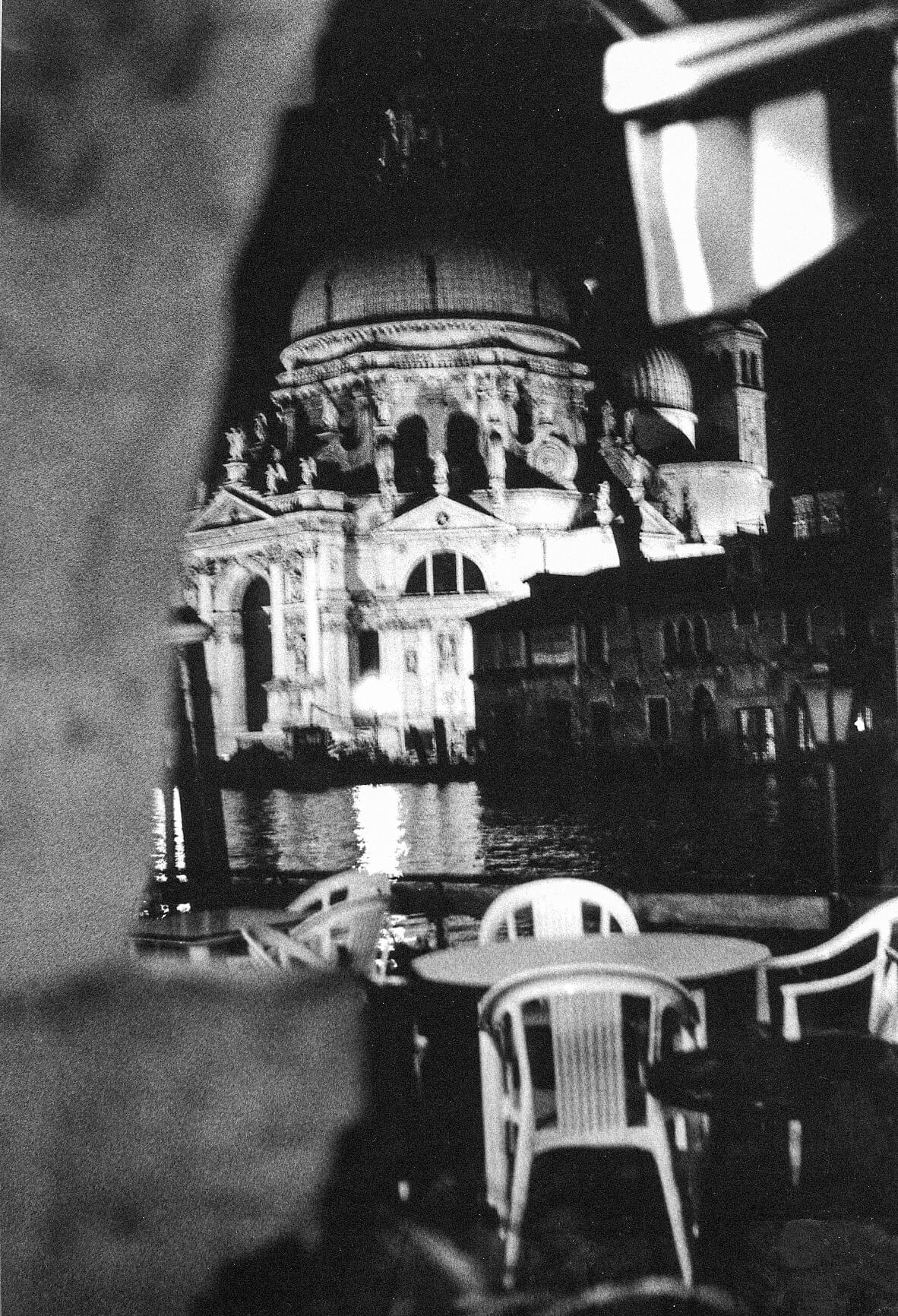
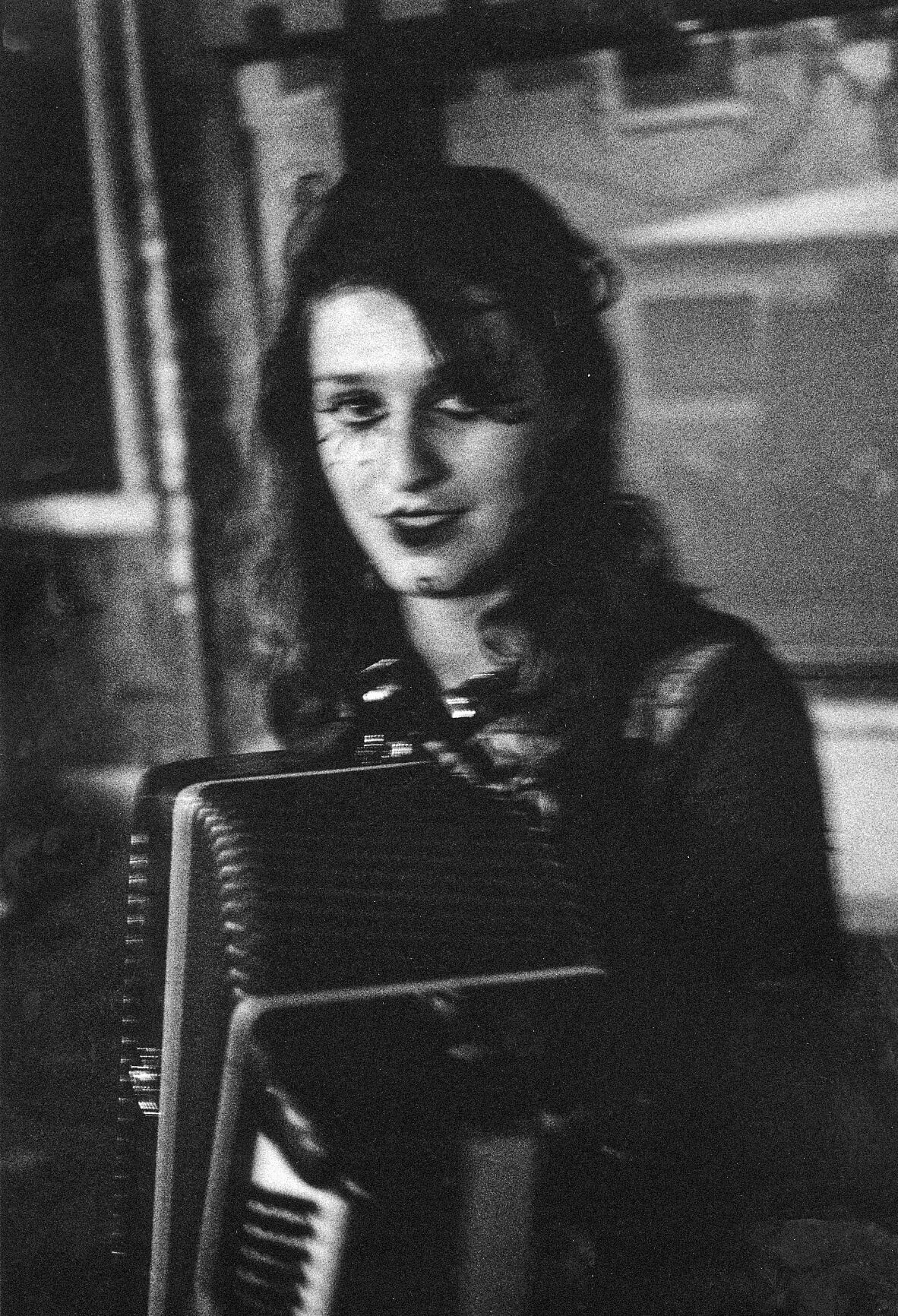
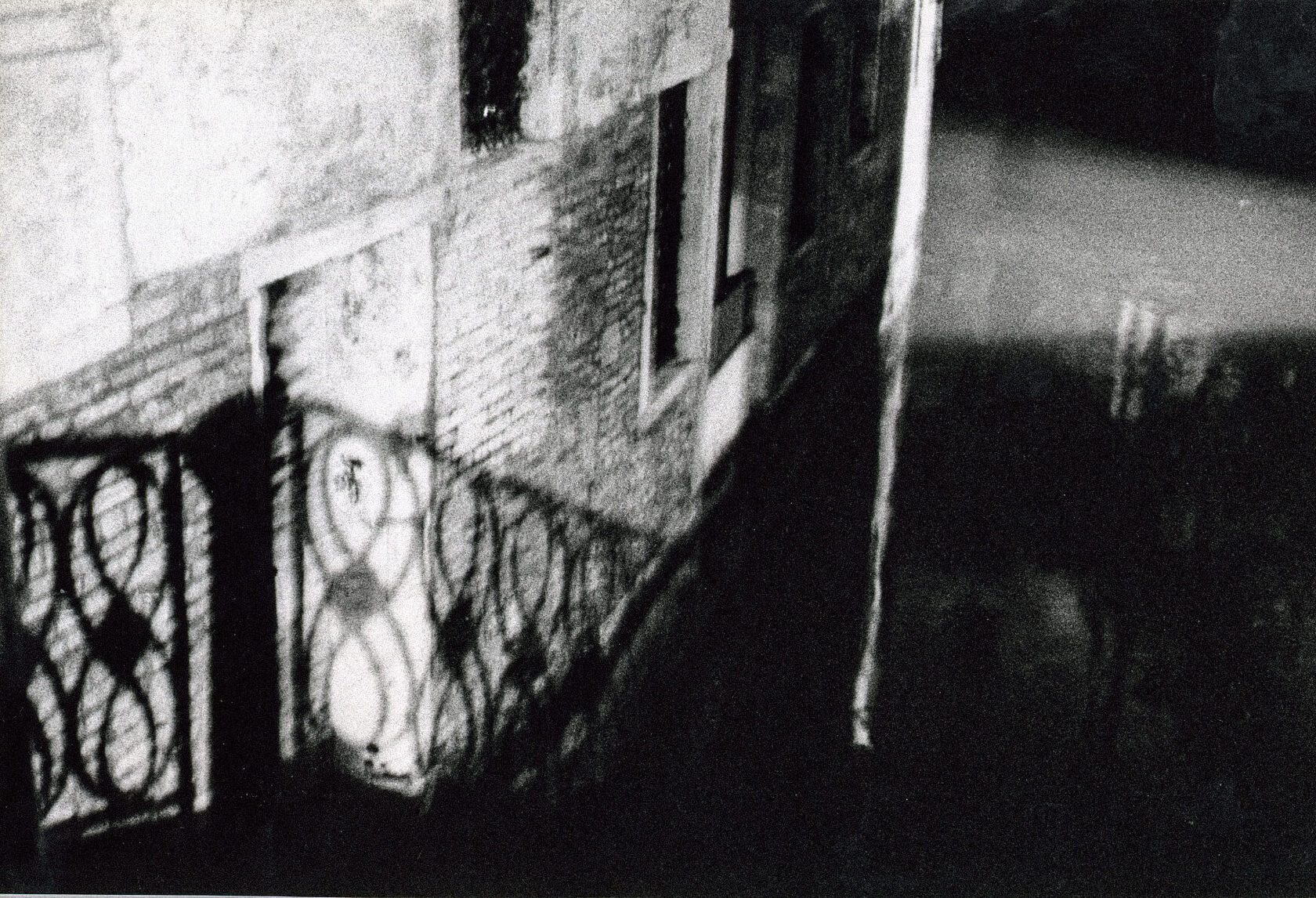
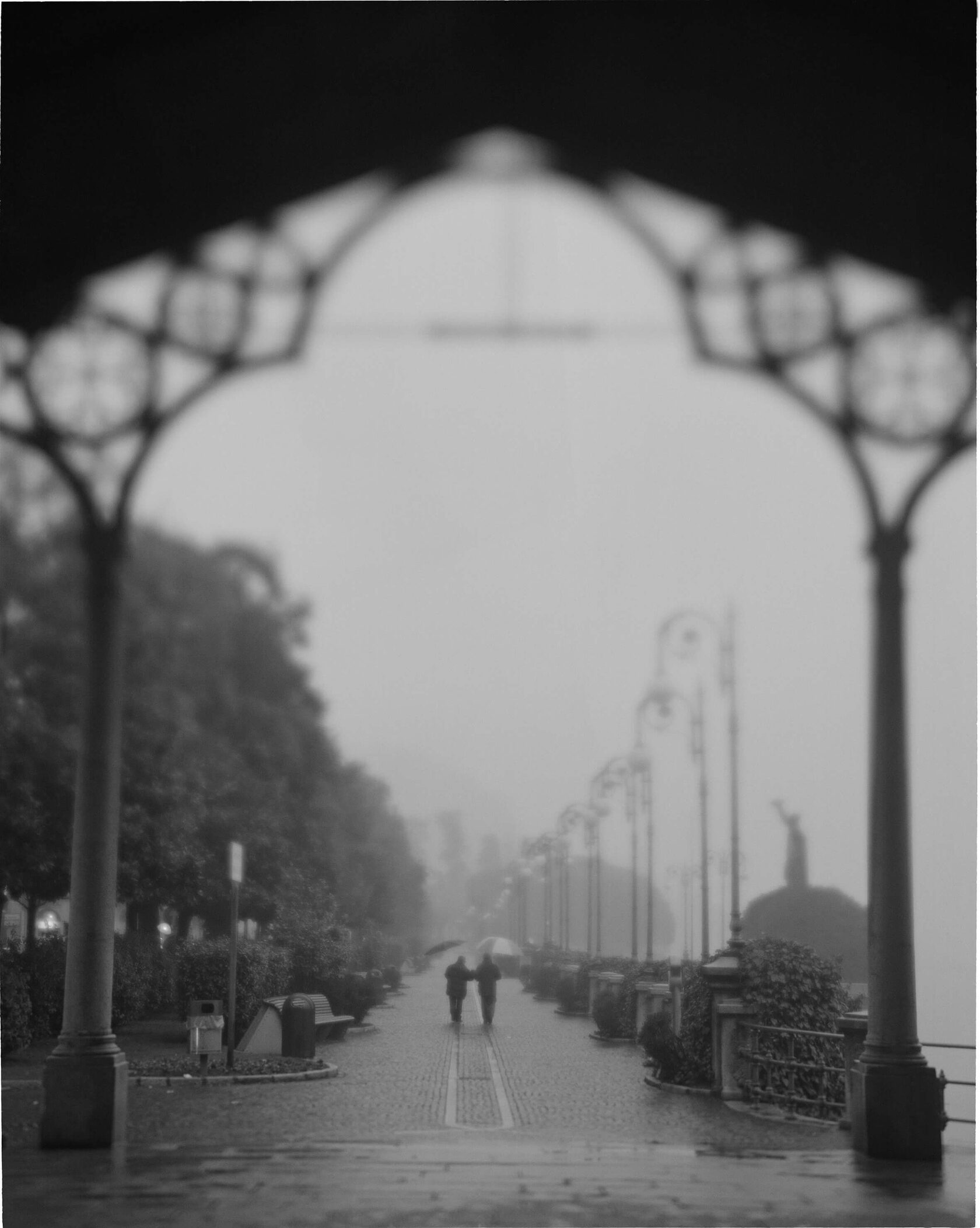
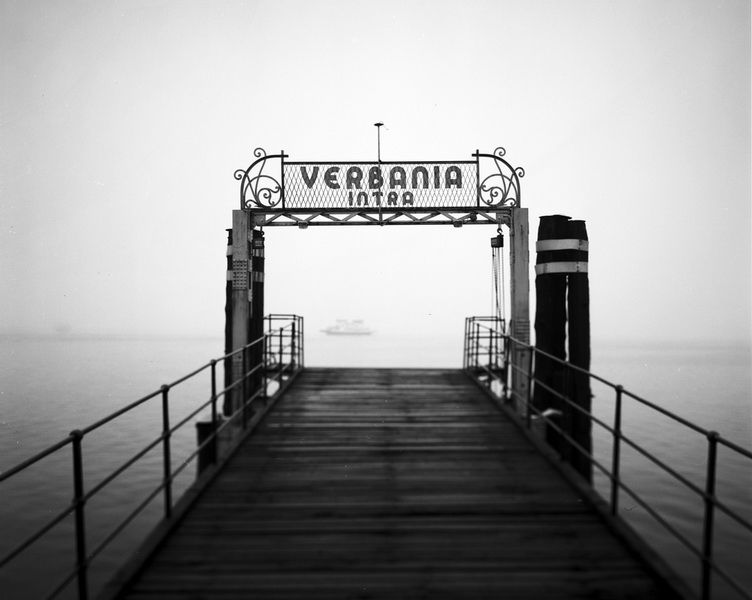
Verbania. 2009
Contacts
*Instagram is owned by Meta, an organization recognized as extremist and banned in the Russian Federation
*Instagram is owned by Meta, an organization recognized as extremist and banned in the Russian Federation
©2026.