0%
Journey to Kargopol. 2013
BUTTERFLIES.
In Russia, almost everything is done through personal connections. Through friends or relatives. Or through someone who has been "your person" for years - someone whose work you already know, or at least someone recommended by people you trust.
But every now and then a project arrives completely unexpectedly.
One day I received a phone call inviting me to an office to discuss a commission.
"My name is Lilia Khafizova, editor-in-chief. This is Evgeny Korneev, art director," my new acquaintances introduced themselves. "We're looking for an architectural photographer for a new book. We've seen your work, and we liked it."
"I would like the photographs," Lilia continued, "to be more than dry architectural documentation. They should convey the atmosphere of this extraordinary place, which I have loved since my student years. We are publishing the book as part of the Potanin Foundation's project on the museums of Kargopol, but I am convinced it can become something much deeper and far more meaningful."
This would not simply be a museum catalogue. It would be a book about the culture of the Russian North, about its atmosphere and spirit. Lilia had travelled there herself to collect folklore and knew the region intimately. According to her, it possessed a unique sense of the past, as though almost nothing had changed in two hundred years. Some places seemed suspended in time.
Until the nineteenth century, Kargopol had been an important cultural centre. Timber, salt, fish and furs were traded there. It was home to some of the finest pottery and leather workshops in Russia. Its monasteries copied manuscripts, printed books and painted icons. Then, in the nineteenth century, the railway was built eighty kilometres away, and history quietly took another direction, leaving Kargopol behind the country's main routes.
Later, the Old Believers settled there, preserving their faith and
In Russia, almost everything is done through personal connections. Through friends or relatives. Or through someone who has been "your person" for years - someone whose work you already know, or at least someone recommended by people you trust.
But every now and then a project arrives completely unexpectedly.
One day I received a phone call inviting me to an office to discuss a commission.
"My name is Lilia Khafizova, editor-in-chief. This is Evgeny Korneev, art director," my new acquaintances introduced themselves. "We're looking for an architectural photographer for a new book. We've seen your work, and we liked it."
"I would like the photographs," Lilia continued, "to be more than dry architectural documentation. They should convey the atmosphere of this extraordinary place, which I have loved since my student years. We are publishing the book as part of the Potanin Foundation's project on the museums of Kargopol, but I am convinced it can become something much deeper and far more meaningful."
This would not simply be a museum catalogue. It would be a book about the culture of the Russian North, about its atmosphere and spirit. Lilia had travelled there herself to collect folklore and knew the region intimately. According to her, it possessed a unique sense of the past, as though almost nothing had changed in two hundred years. Some places seemed suspended in time.
Until the nineteenth century, Kargopol had been an important cultural centre. Timber, salt, fish and furs were traded there. It was home to some of the finest pottery and leather workshops in Russia. Its monasteries copied manuscripts, printed books and painted icons. Then, in the nineteenth century, the railway was built eighty kilometres away, and history quietly took another direction, leaving Kargopol behind the country's main routes.
Later, the Old Believers settled there, preserving their faith and
way of life far from the great roads. The region became a quiet northern province - remote, difficult to reach and almost forgotten. Perhaps that is precisely why so much has survived.
"And one more thing," Lilia said. "The people there are extraordinary. They remember their history and preserve it. They pass customs and legends from one generation to the next, and every legend is connected to a specific place on the map. You have to go there. You have to photograph it.
"But we don't know how to photograph a church - or even a ruin - in a way that conveys its significance, or the ancient legend attached to it. A large part of the book is devoted to those stories. We saw something in your photographs that goes beyond architecture. That's why you're here."
I tried very hard to remain composed, but inside I was grinning like a child.
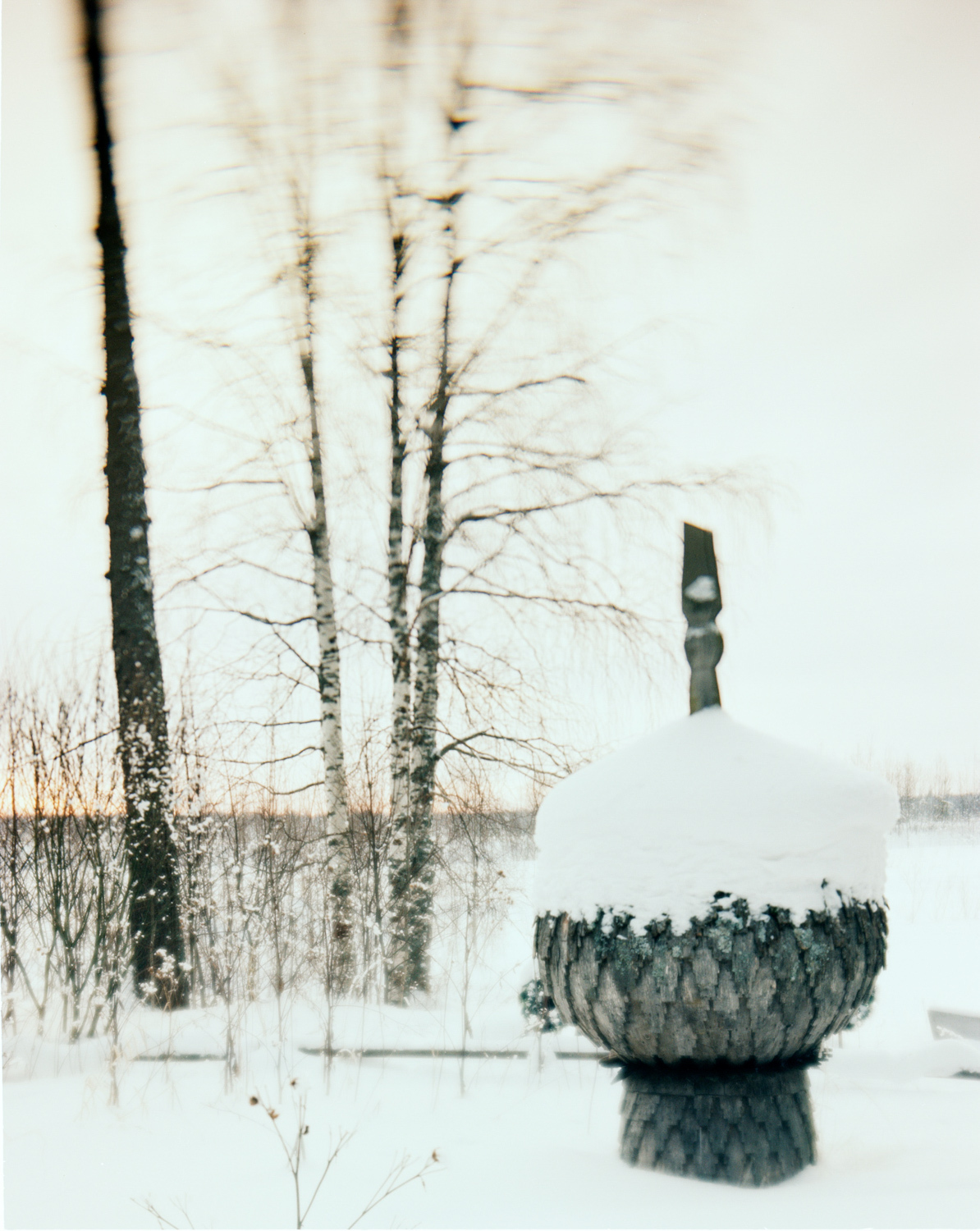
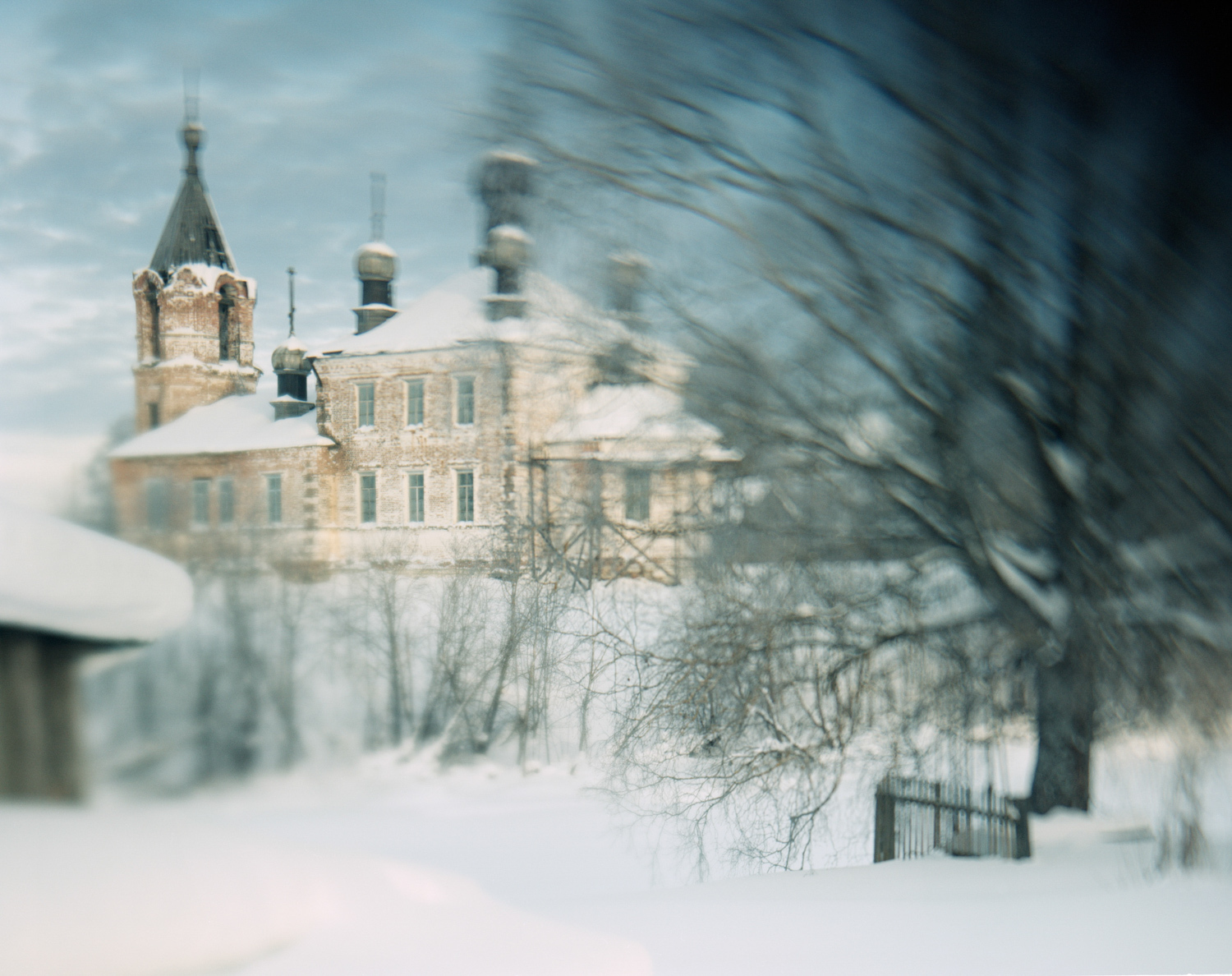
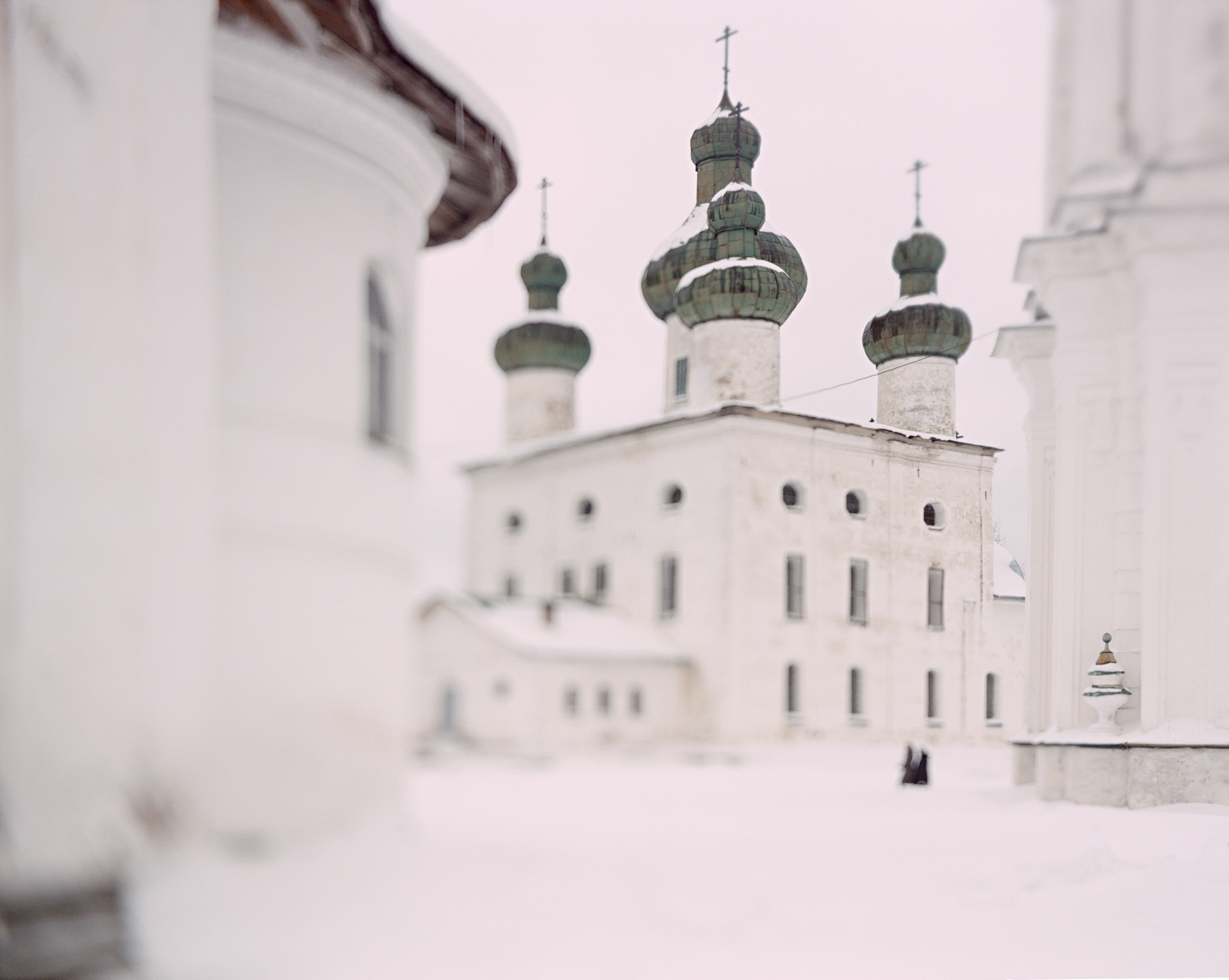
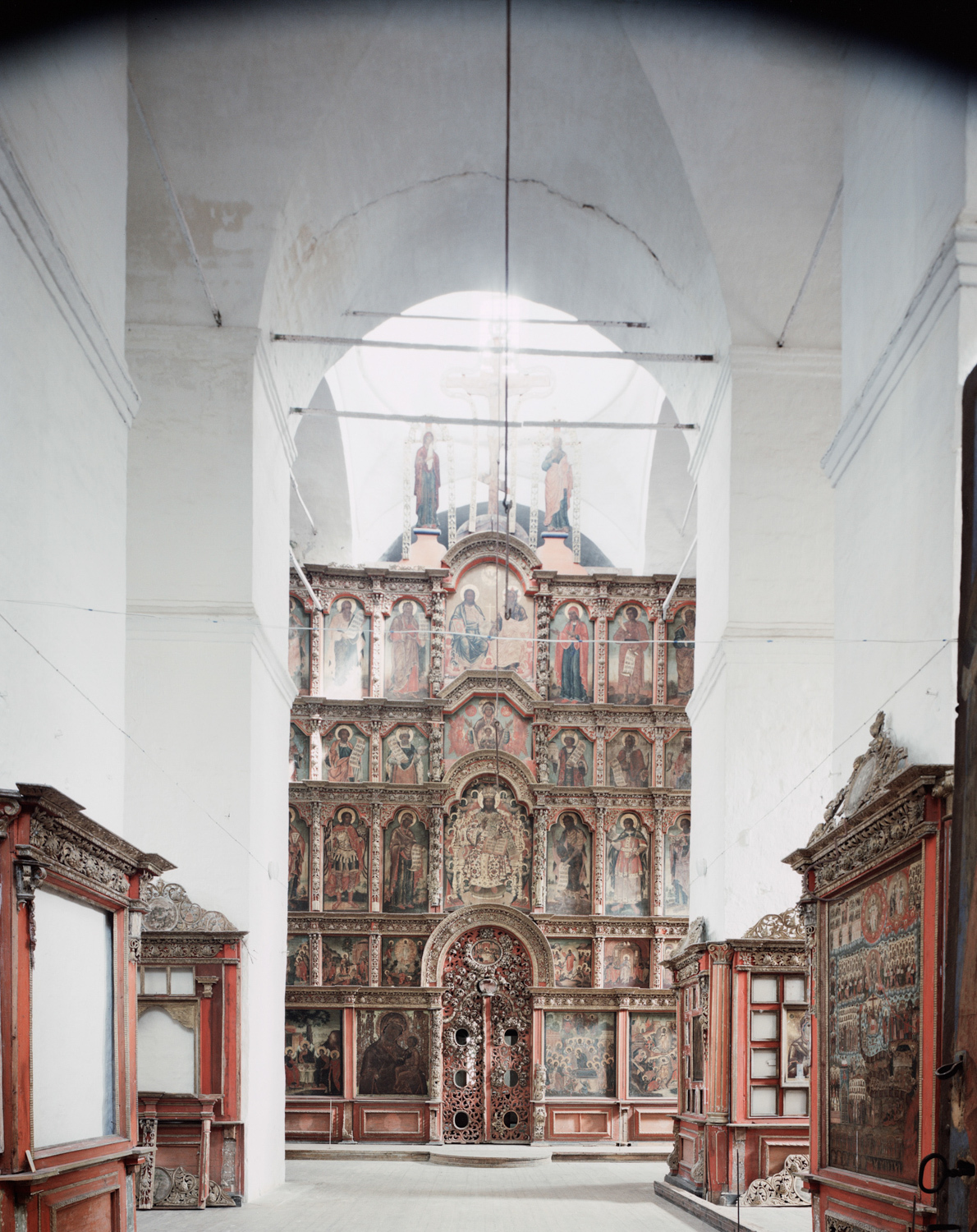
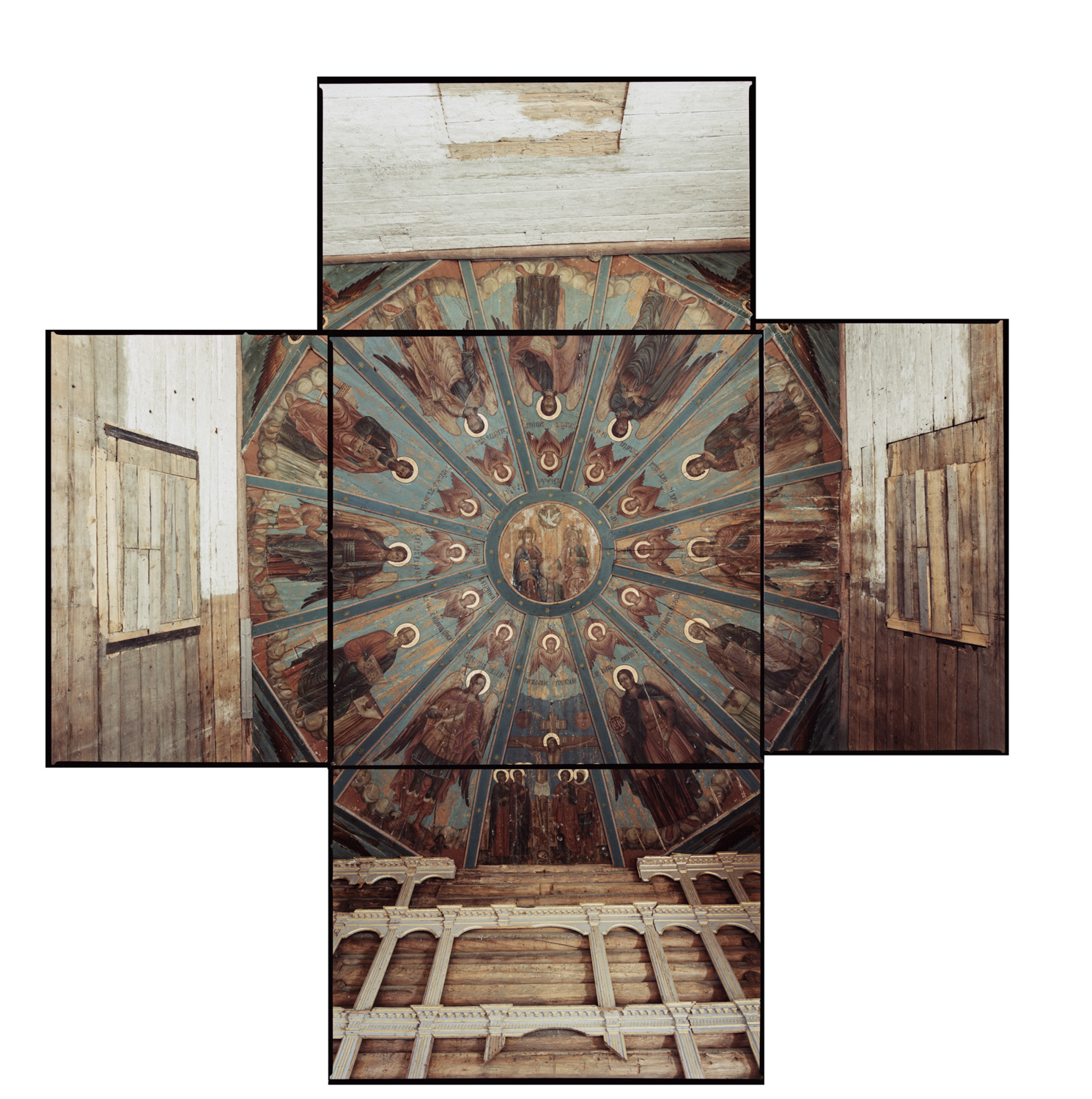
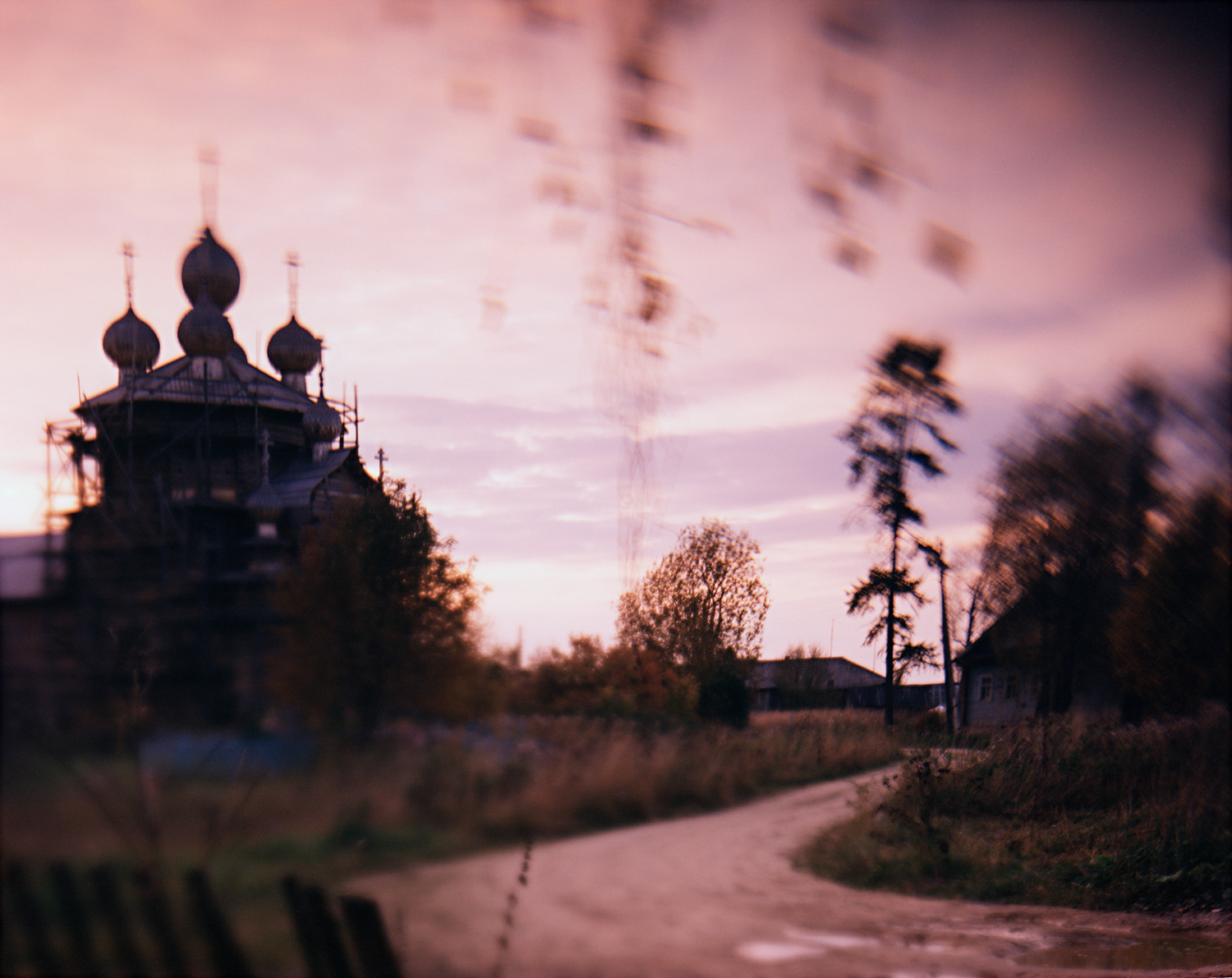
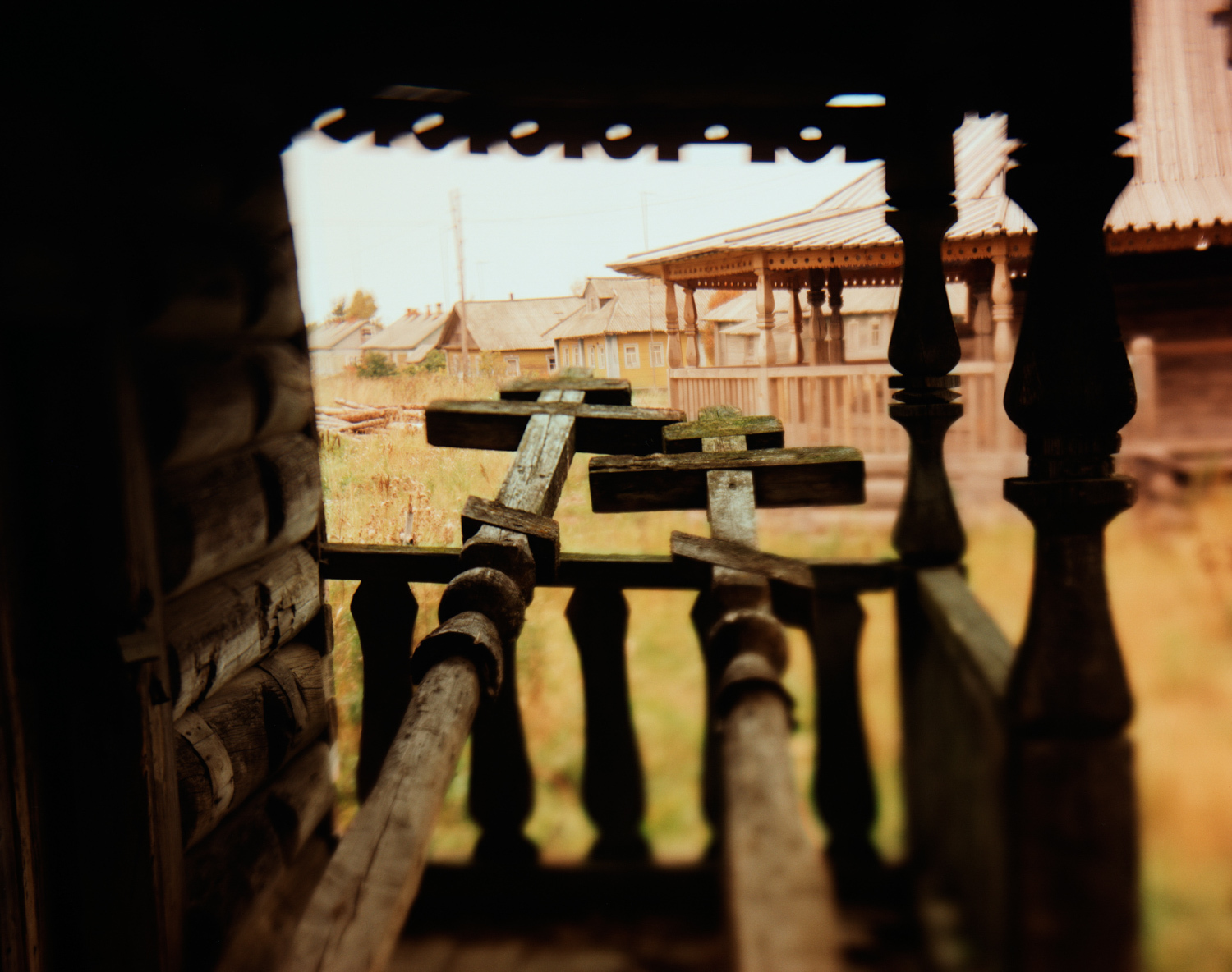
I had never expected to hear words like these. I was thrilled. For years I had wanted to bring more feeling into architectural photography - to make it as emotional as possible. What I photograph is not simply a building, but the space in which that building exists. My large-format view camera allowed me to do exactly that.
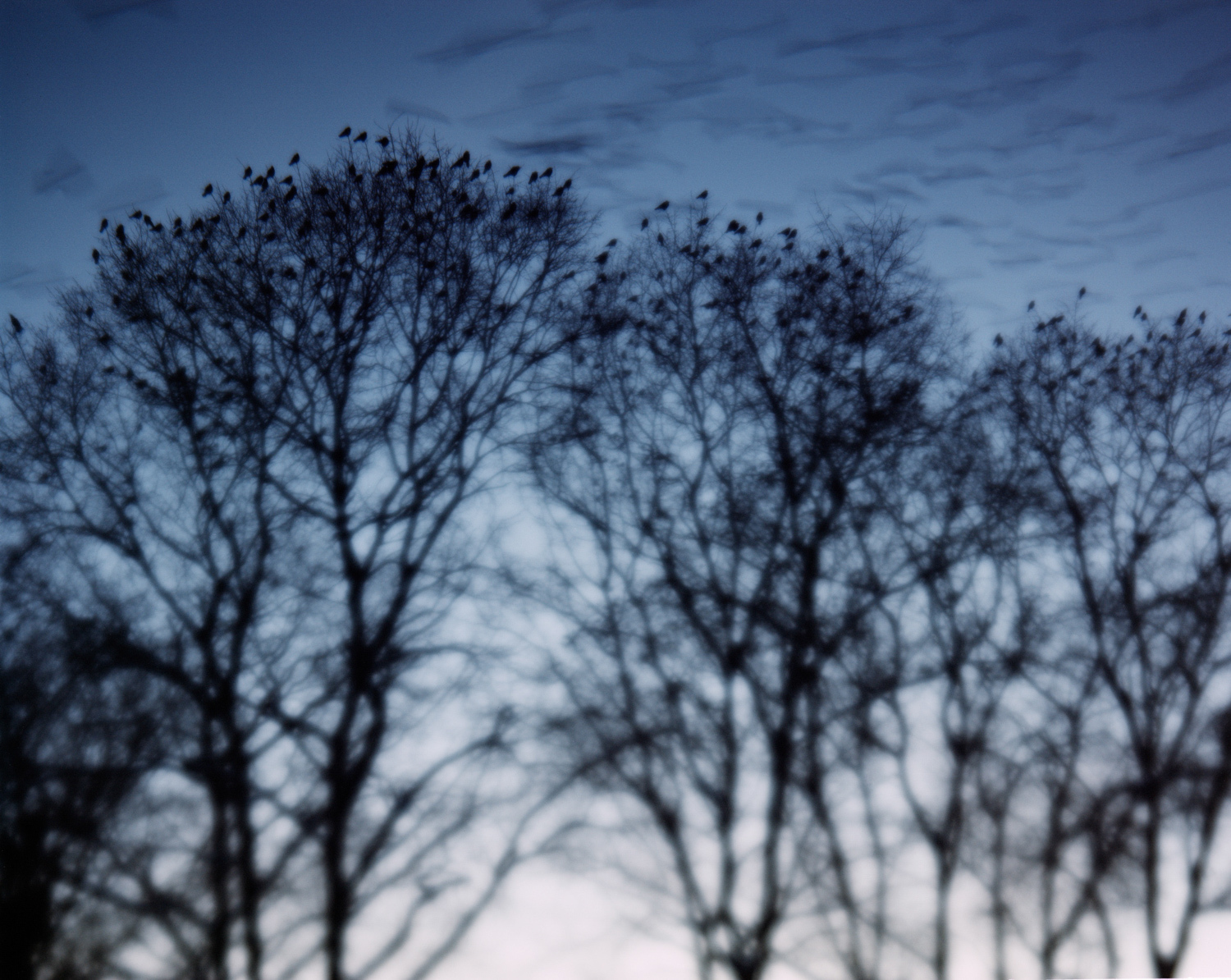
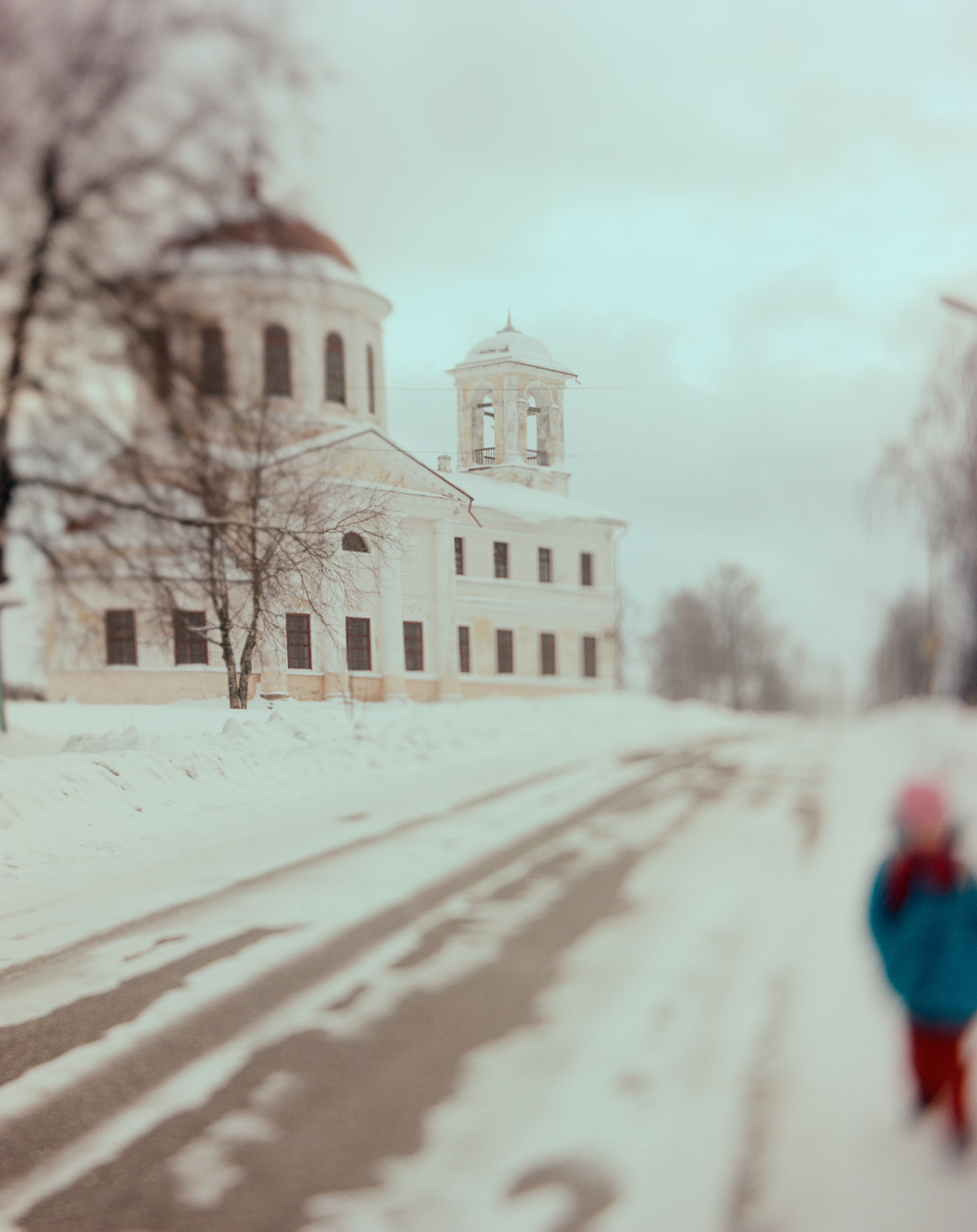
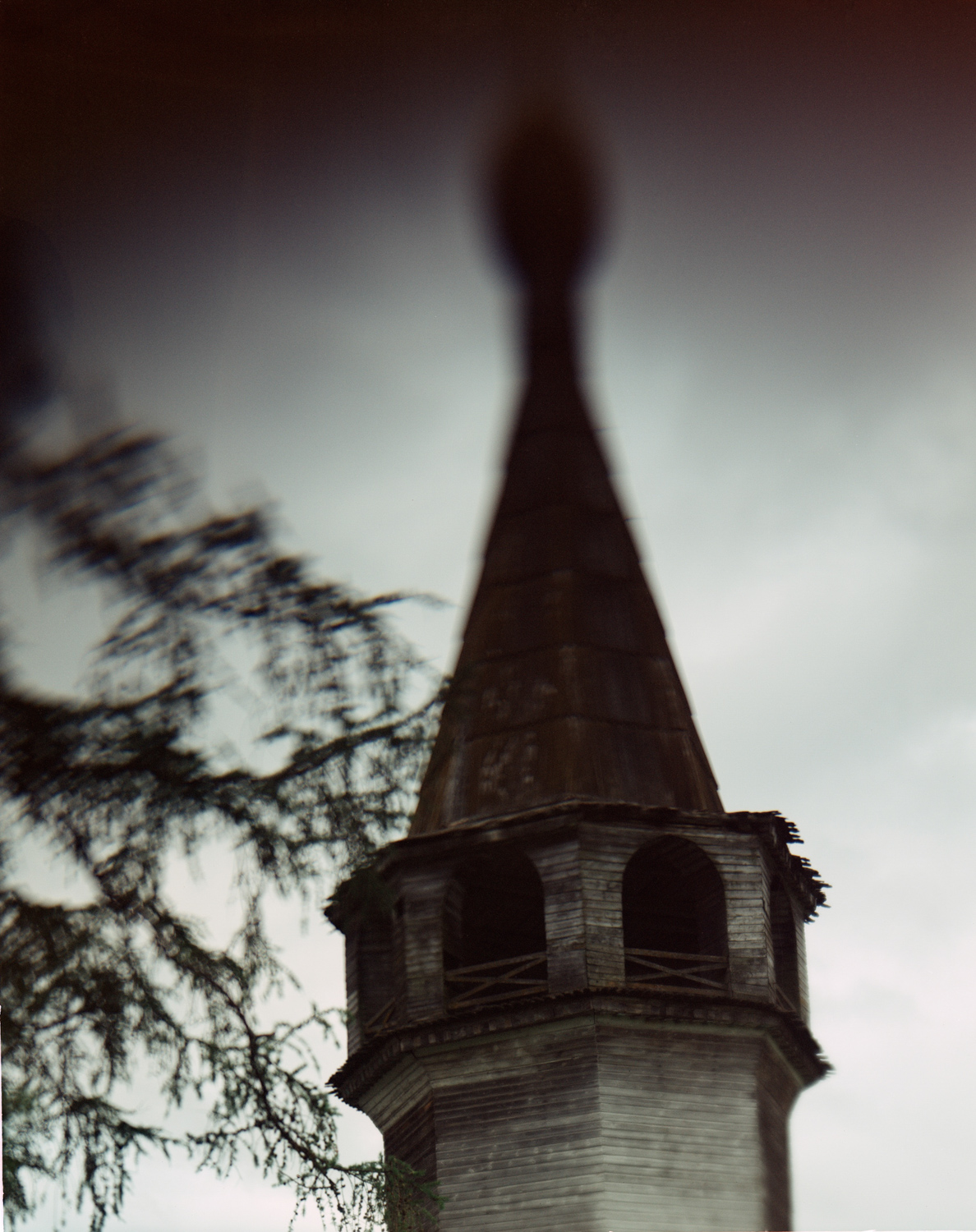
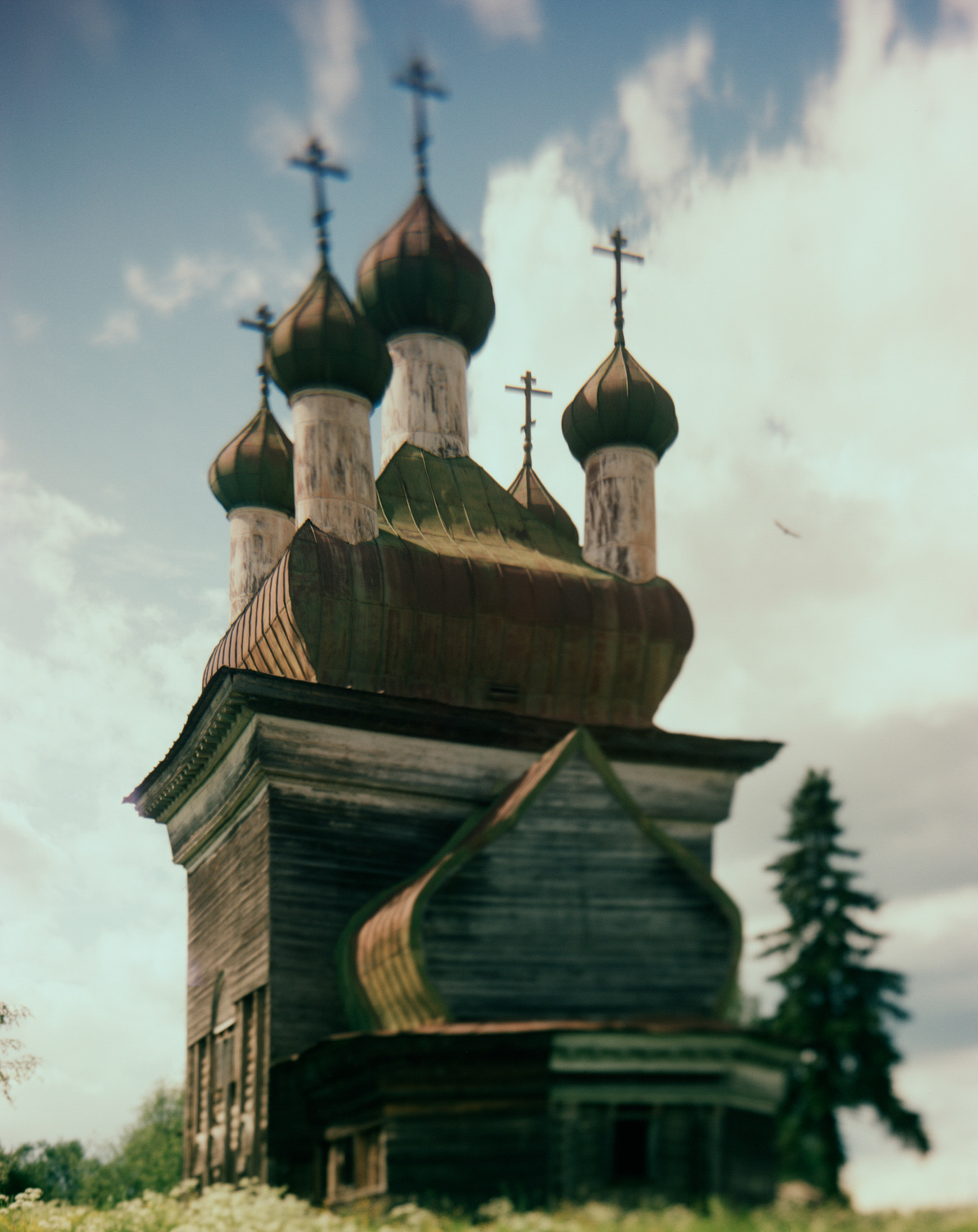
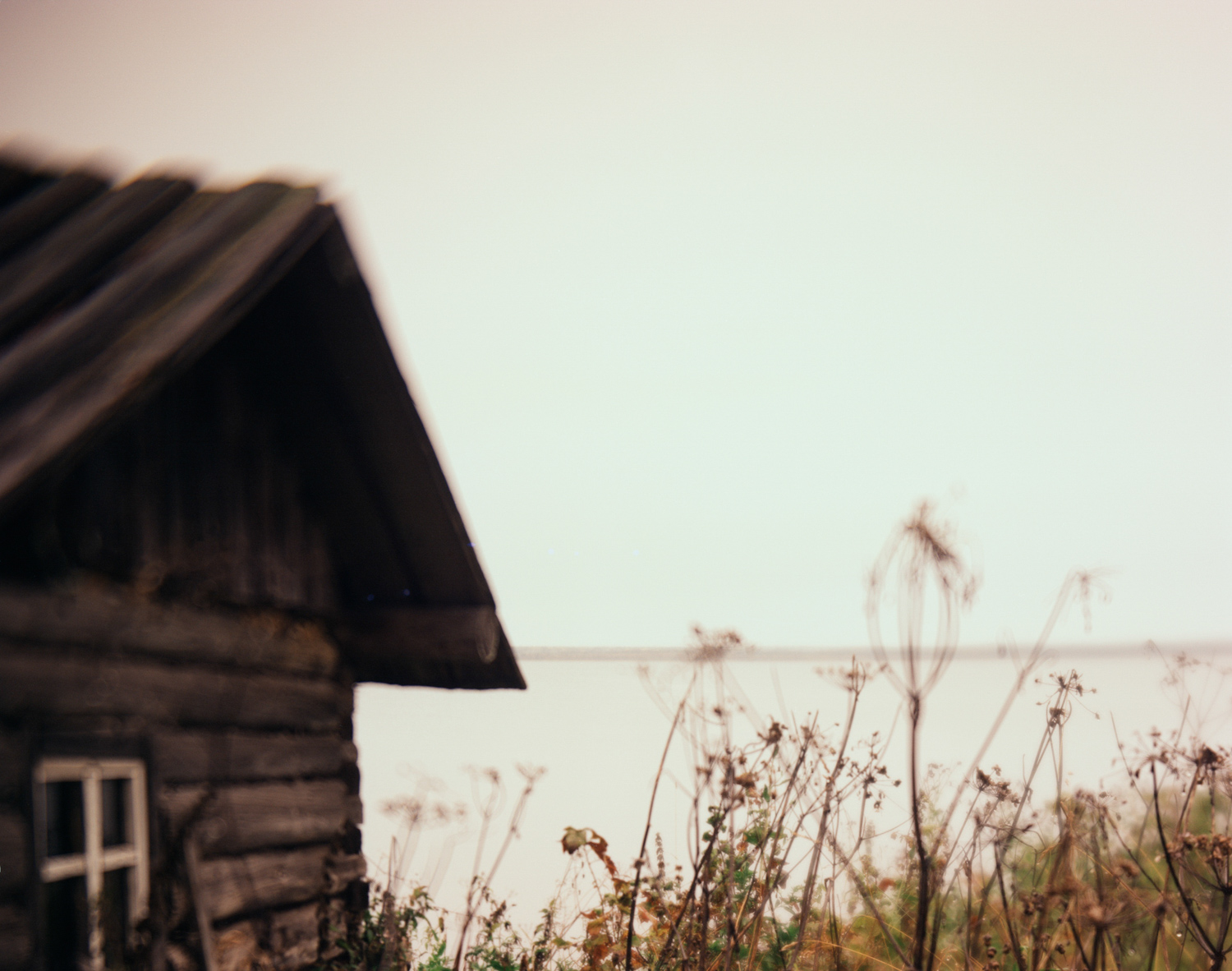
I had already begun experimenting with camera movements, deliberately throwing parts of the frame out of focus to reshape both composition and mood. To me, this assignment felt like a gift from fate. Naturally, I launched into an enthusiastic explanation of my ideas and of how these techniques could fill a photograph with atmosphere. I'm not entirely sure they understood everything I was saying, but somehow we reached an agreement.
We planned four major expeditions, one for each season, covering four geographical directions and ultimately seven routes that would form the structure of the book. The first journey was scheduled for summer.
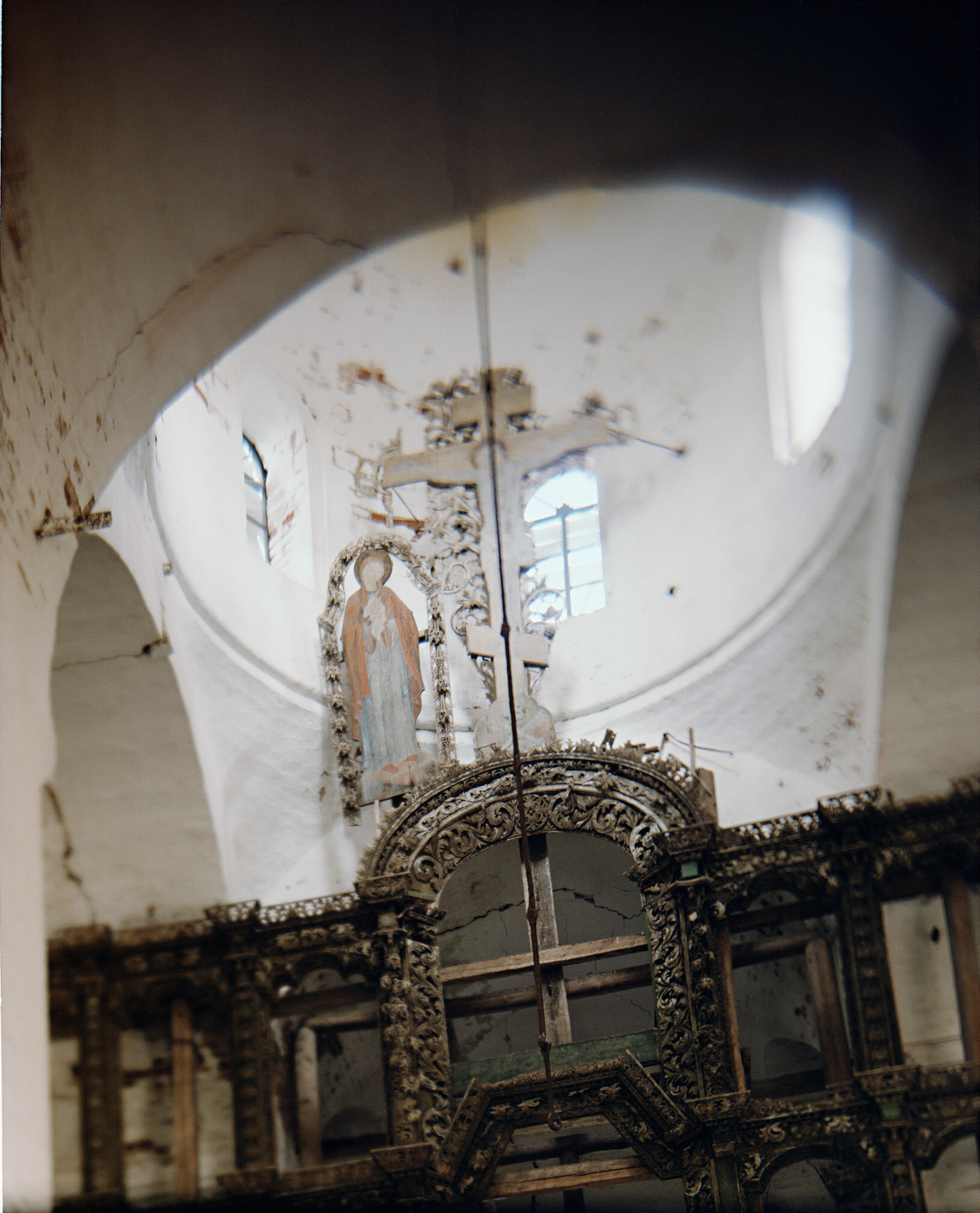
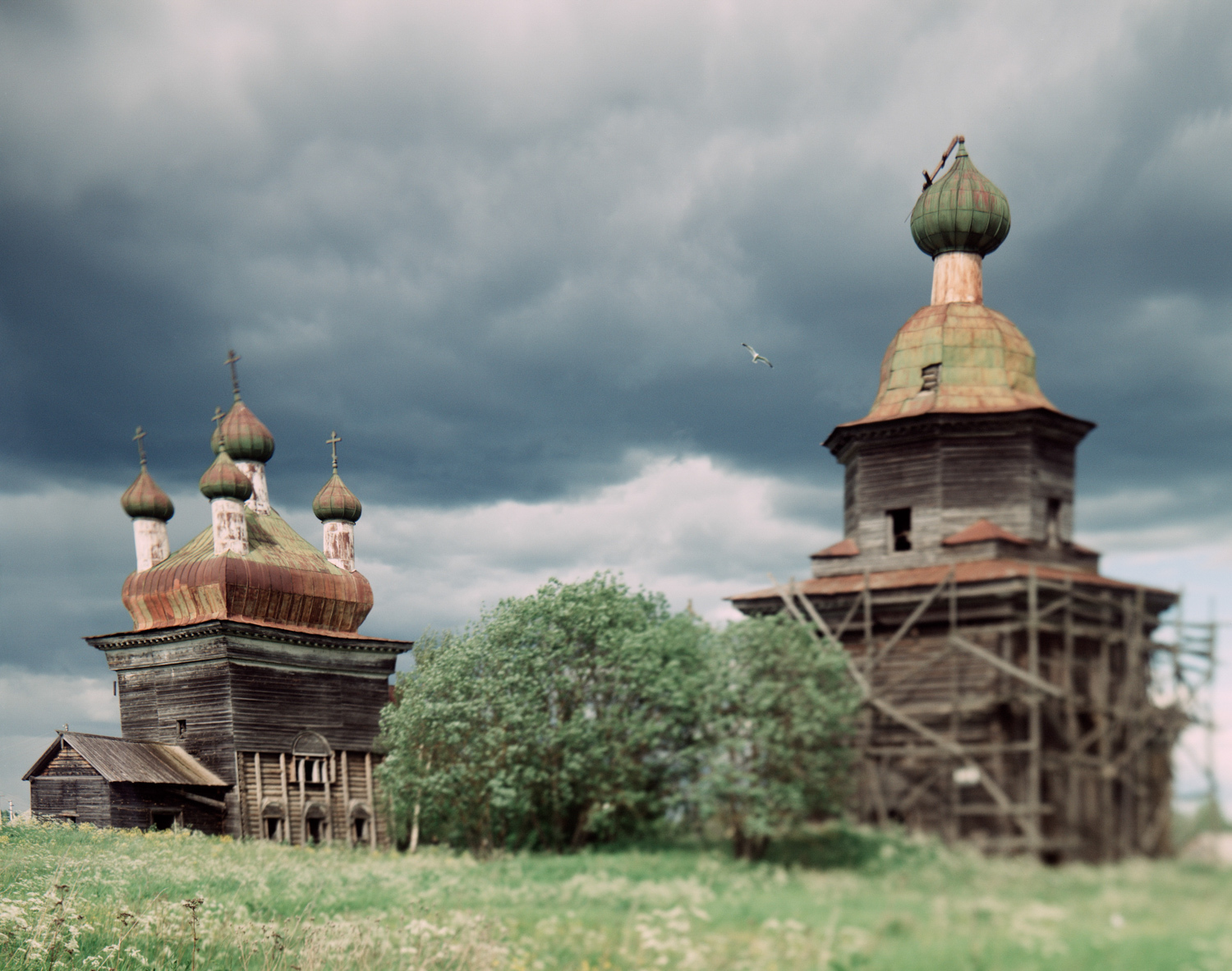
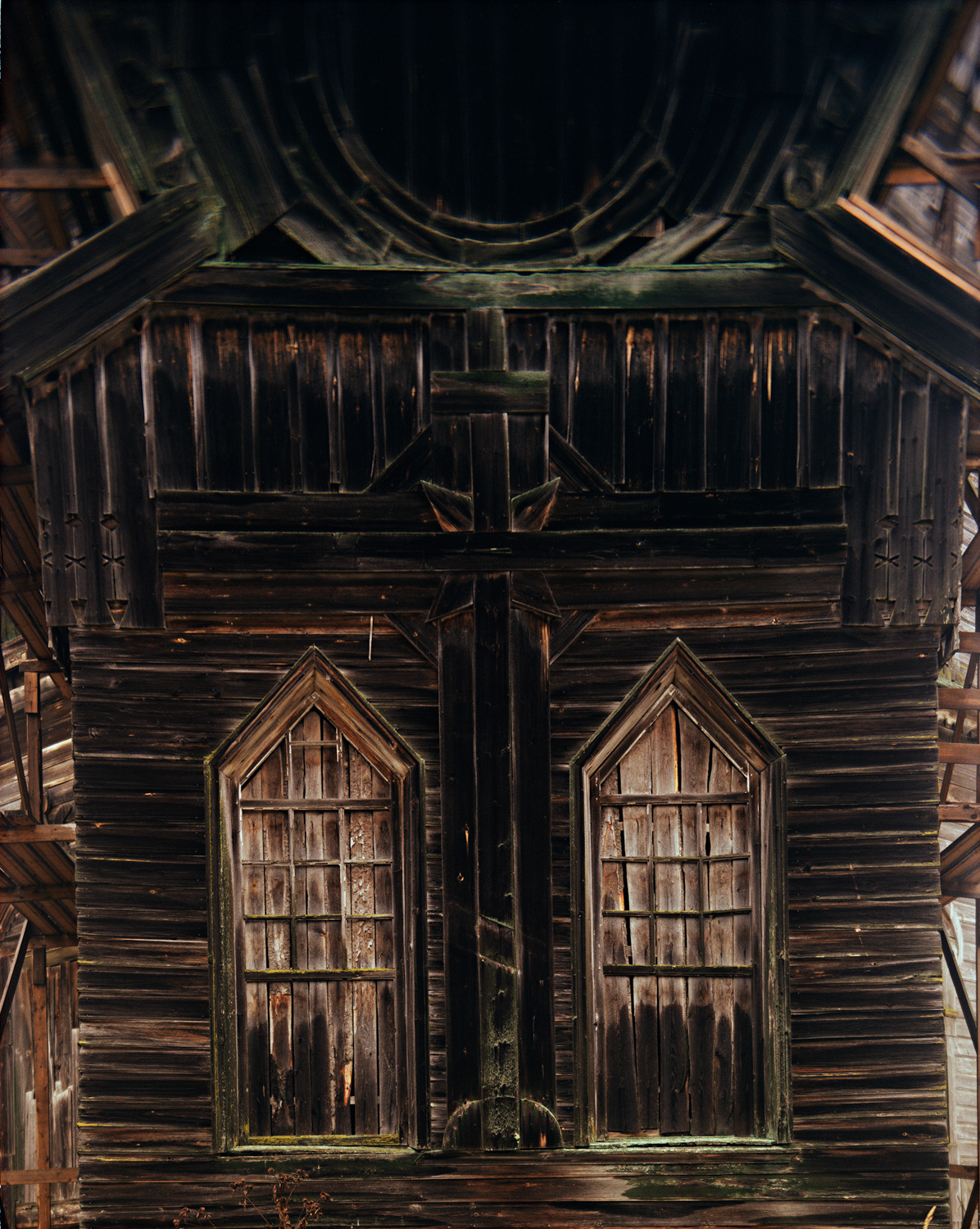
We arrived in Kargopol, and the work began. We started with the city's principal cathedrals. One of them was already in a desperate state of decay, but I soon realized that the less modern
"And one more thing," Lilia said. "The people there are extraordinary. They remember their history and preserve it. They pass customs and legends from one generation to the next, and every legend is connected to a specific place on the map. You have to go there. You have to photograph it.
"But we don't know how to photograph a church - or even a ruin - in a way that conveys its significance, or the ancient legend attached to it. A large part of the book is devoted to those stories. We saw something in your photographs that goes beyond architecture. That's why you're here."
I tried very hard to remain composed, but inside I was grinning like a child.
I had never expected to hear words like these. I was thrilled. For years I had wanted to bring more feeling into architectural photography - to make it as emotional as possible. What I photograph is not simply a building, but the space in which that building exists. My large-format view camera allowed me to do exactly that.
I had already begun experimenting with camera movements, deliberately throwing parts of the frame out of focus to reshape both composition and mood. To me, this assignment felt like a gift from fate. Naturally, I launched into an enthusiastic explanation of my ideas and of how these techniques could fill a photograph with atmosphere. I'm not entirely sure they understood everything I was saying, but somehow we reached an agreement.
We planned four major expeditions, one for each season, covering four geographical directions and ultimately seven routes that would form the structure of the book. The first journey was scheduled for summer.
We arrived in Kargopol, and the work began. We started with the city's principal cathedrals. One of them was already in a desperate state of decay, but I soon realized that the less modern
intervention remained, the stronger the photographs became.
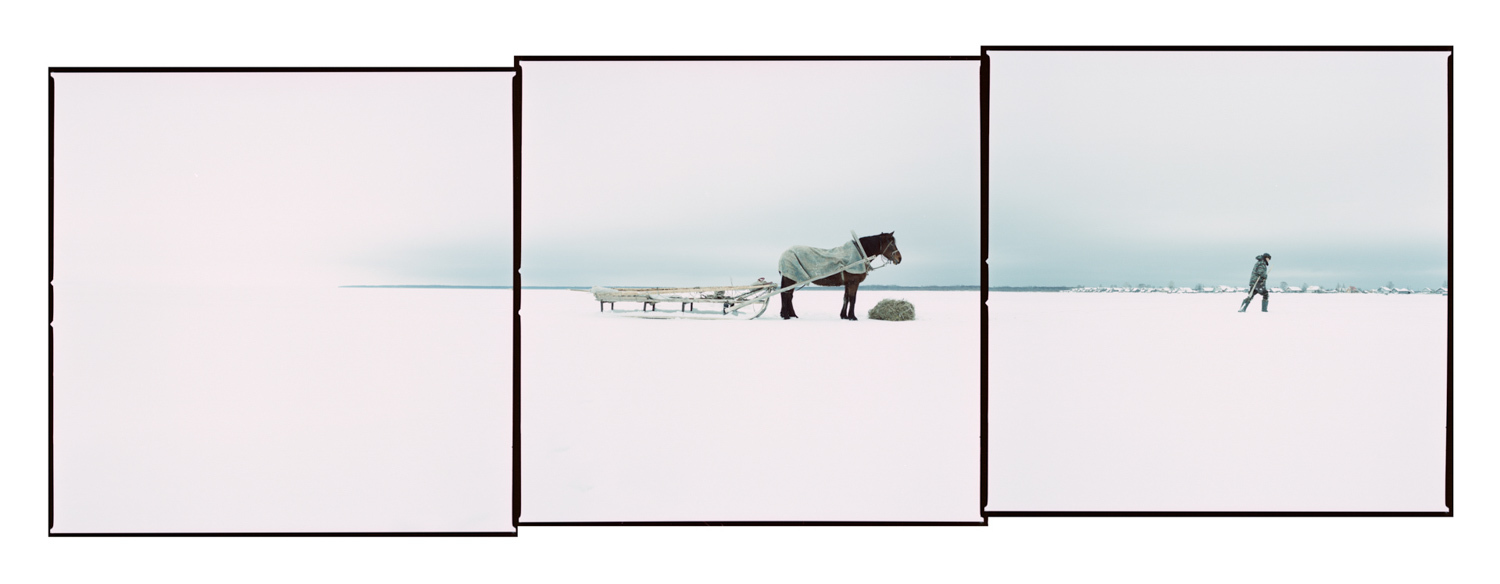
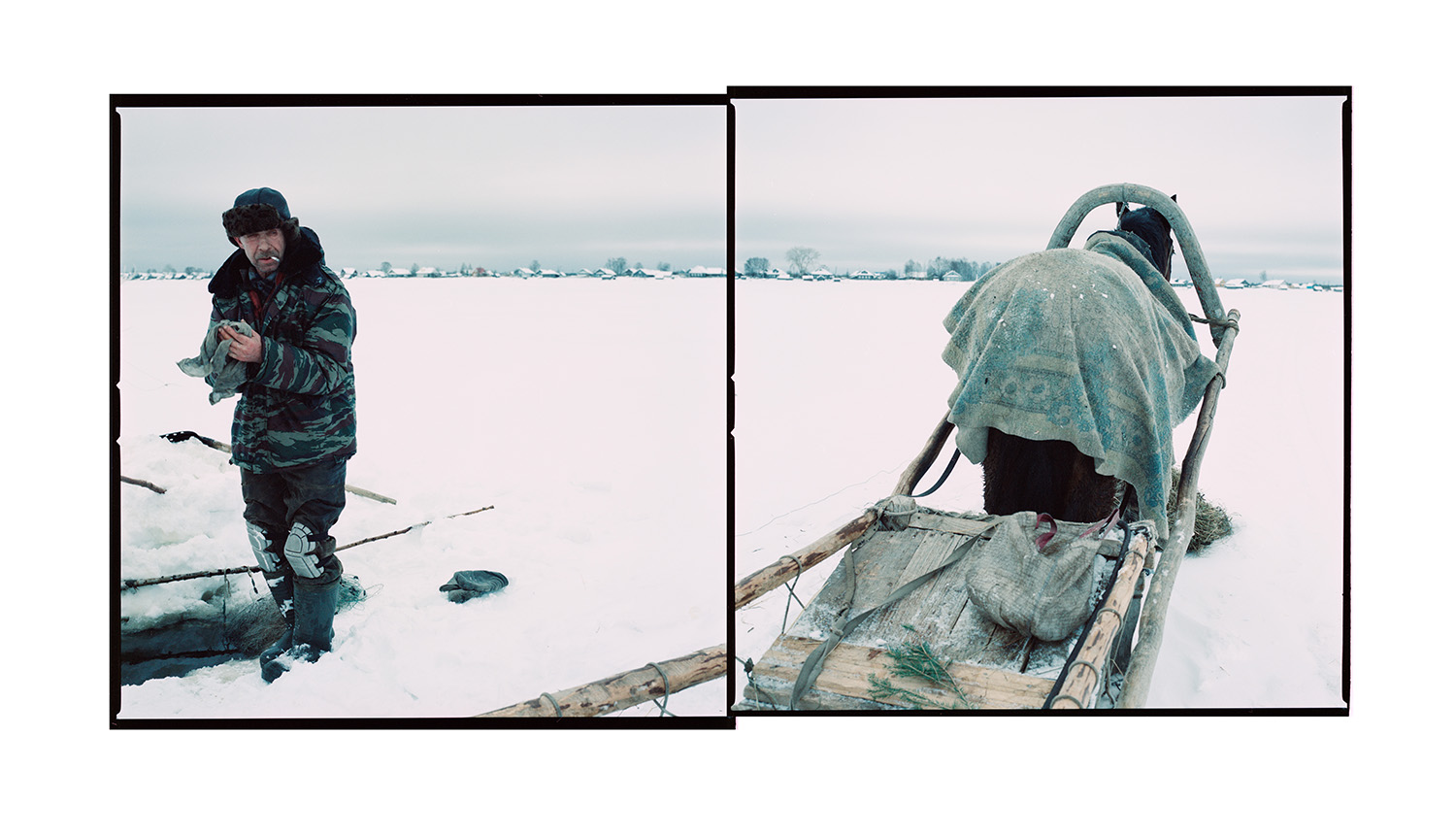
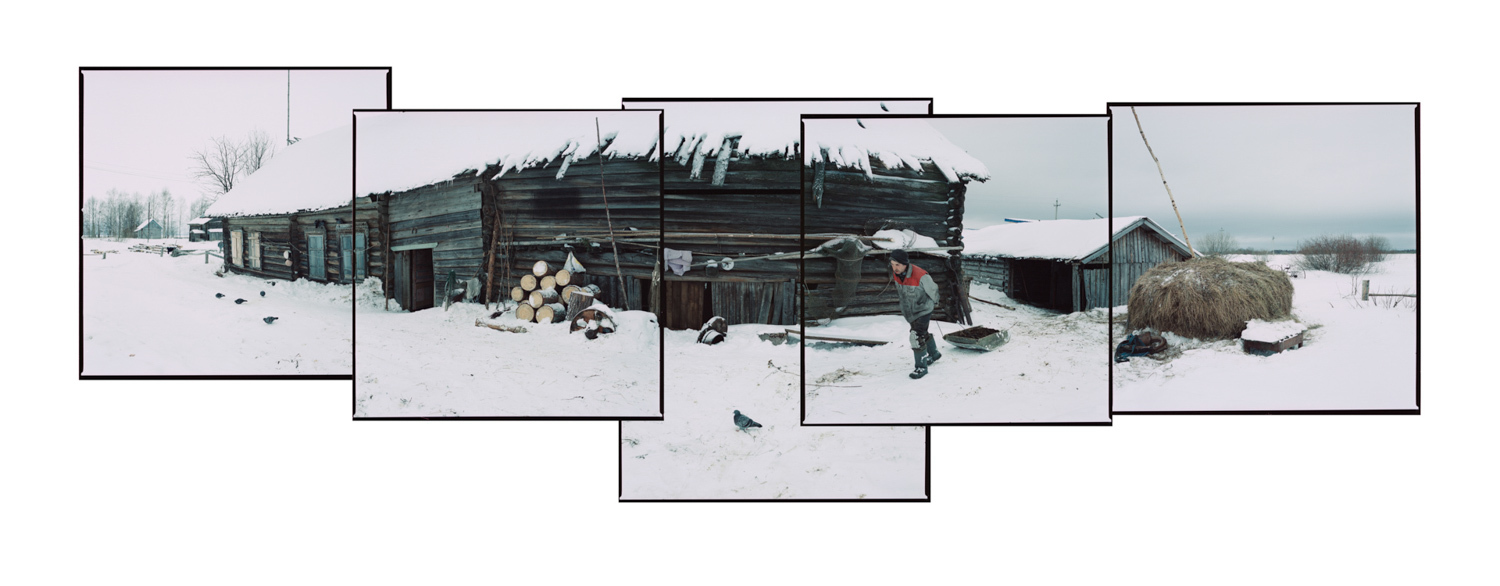
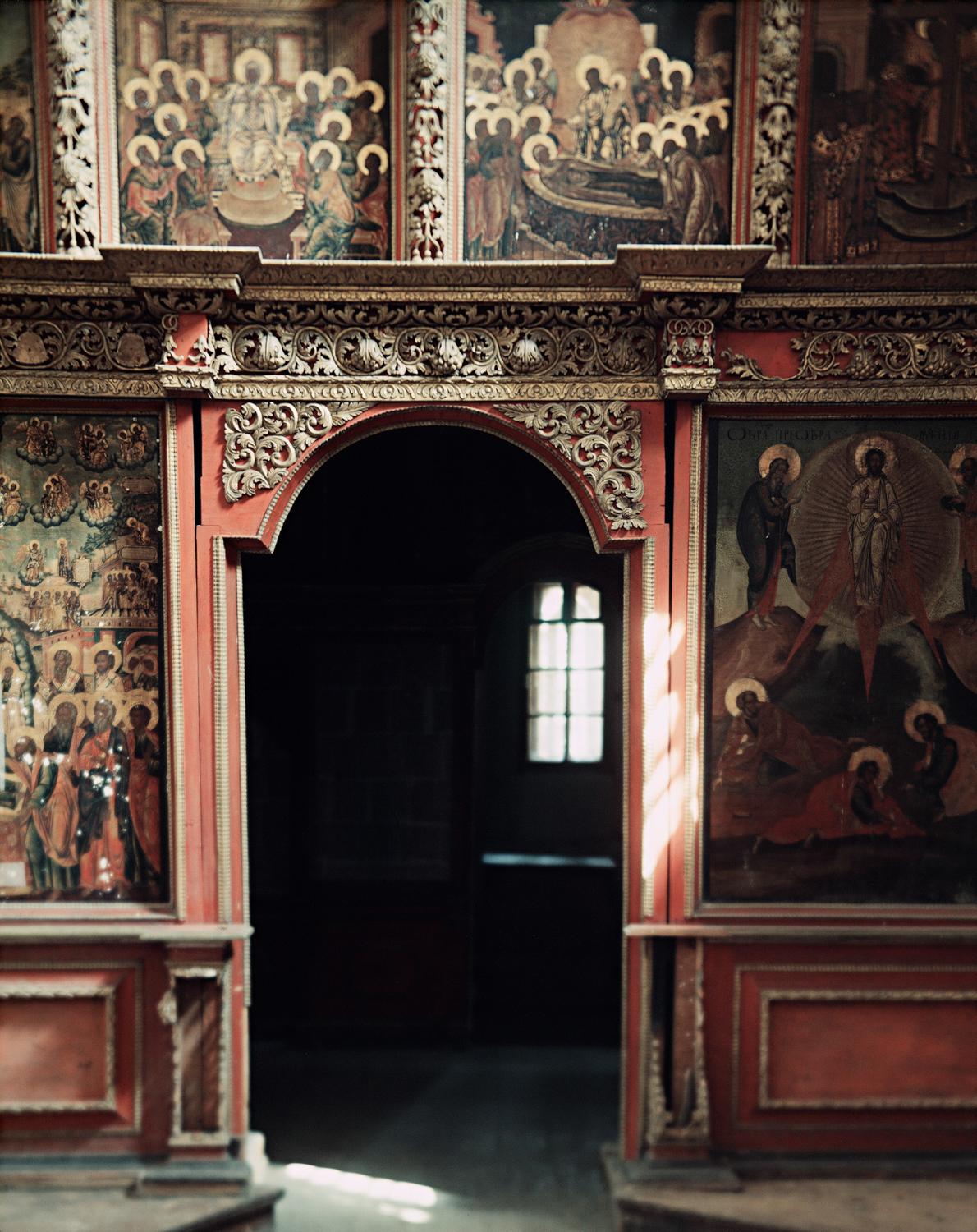
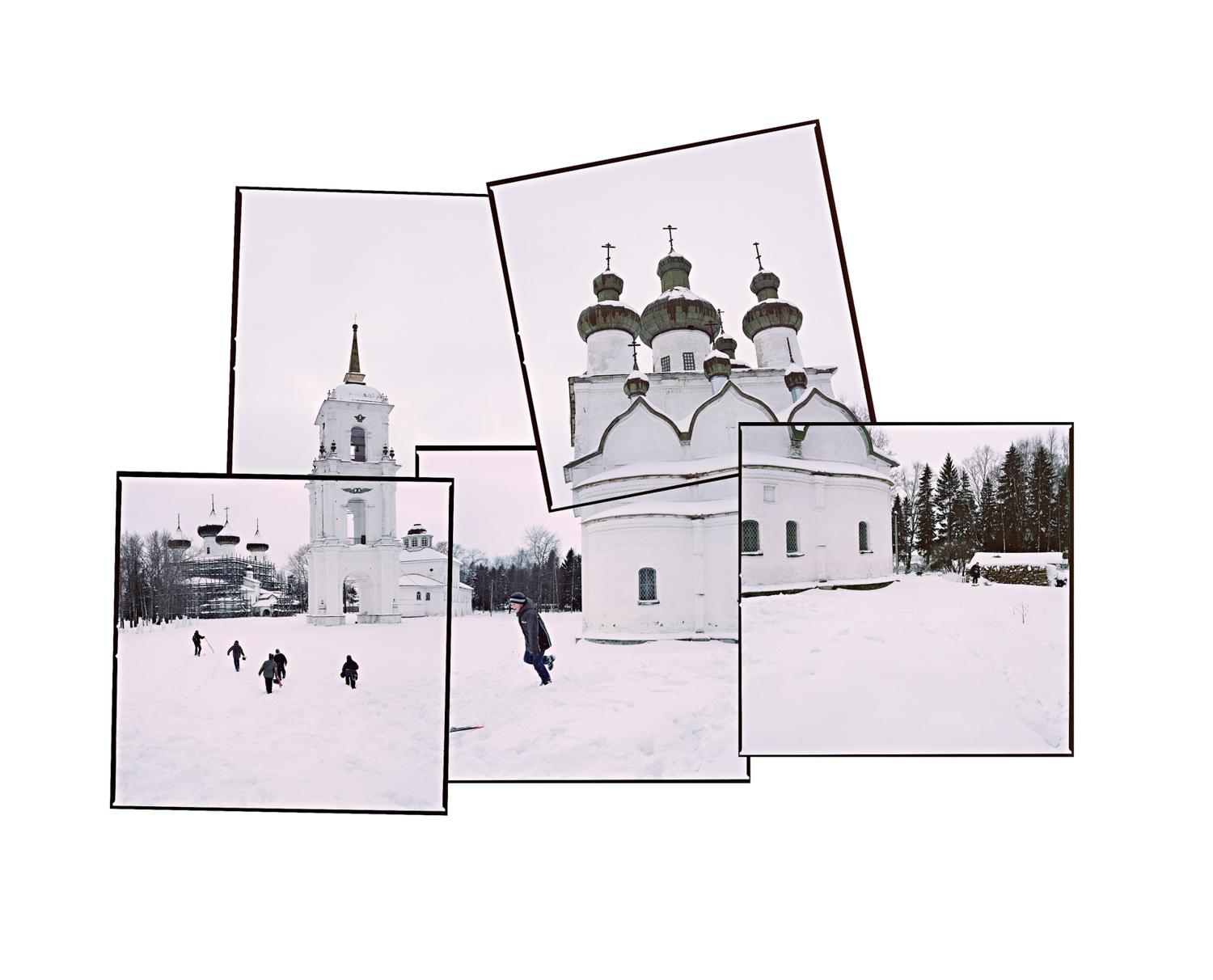
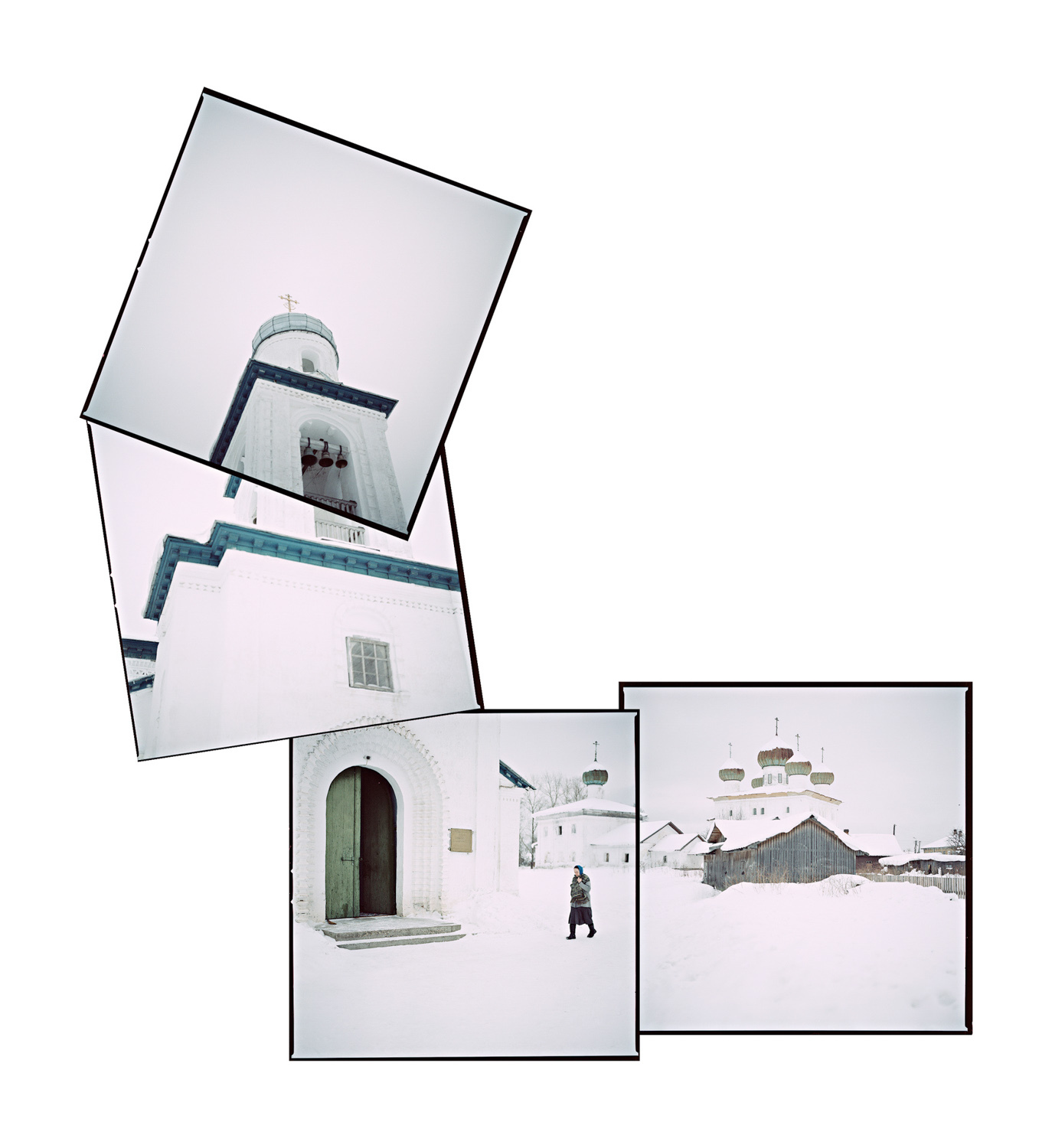
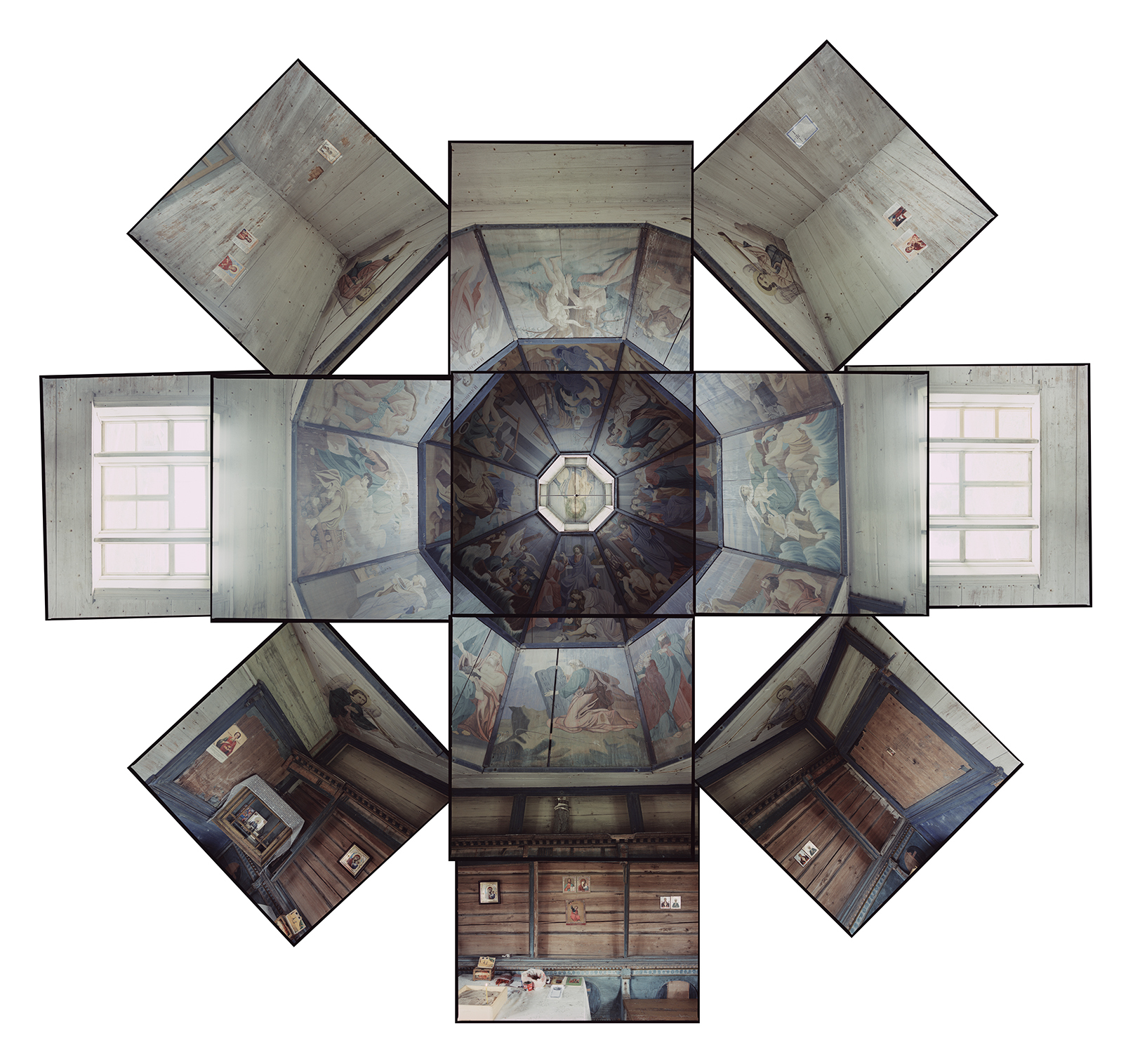
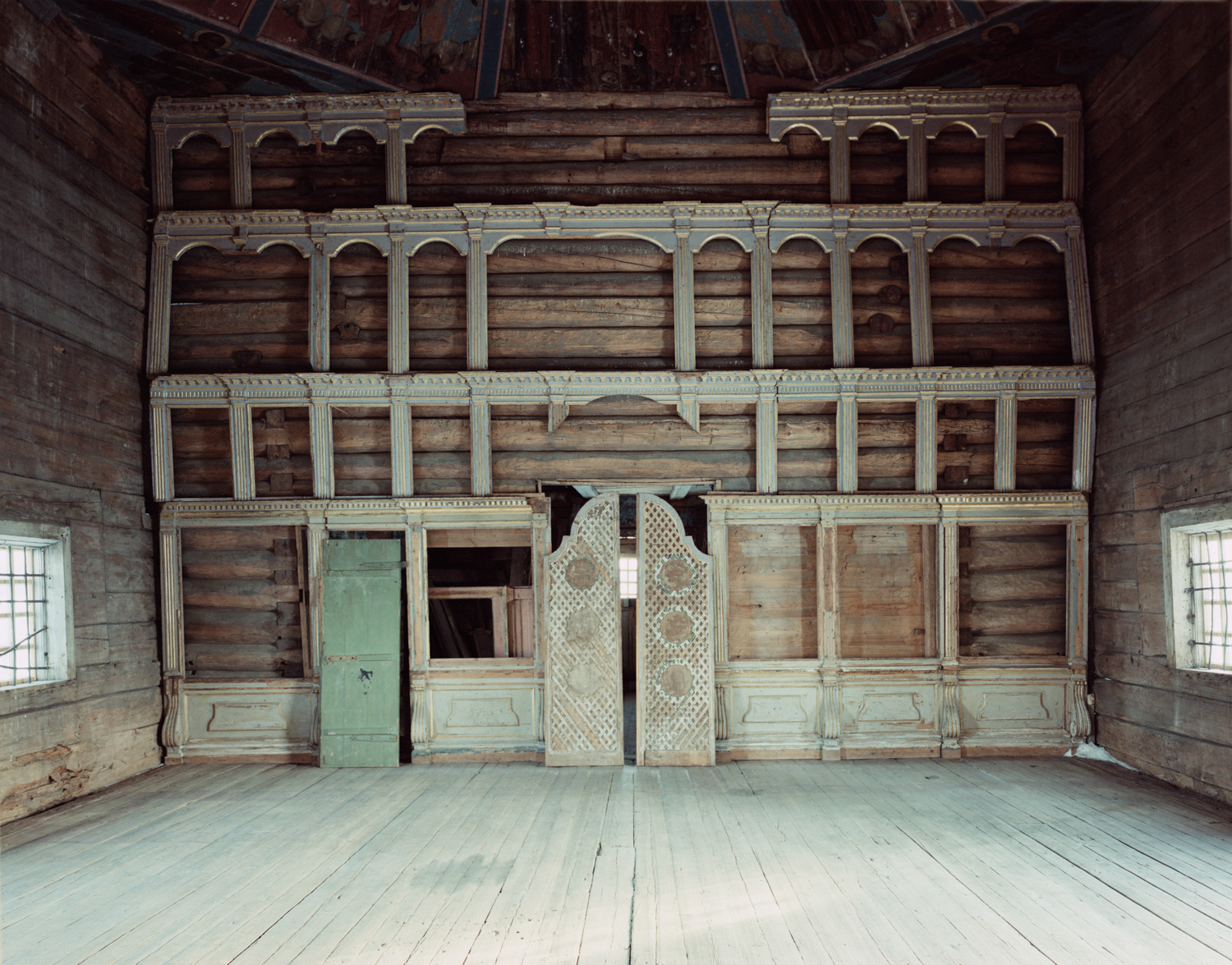
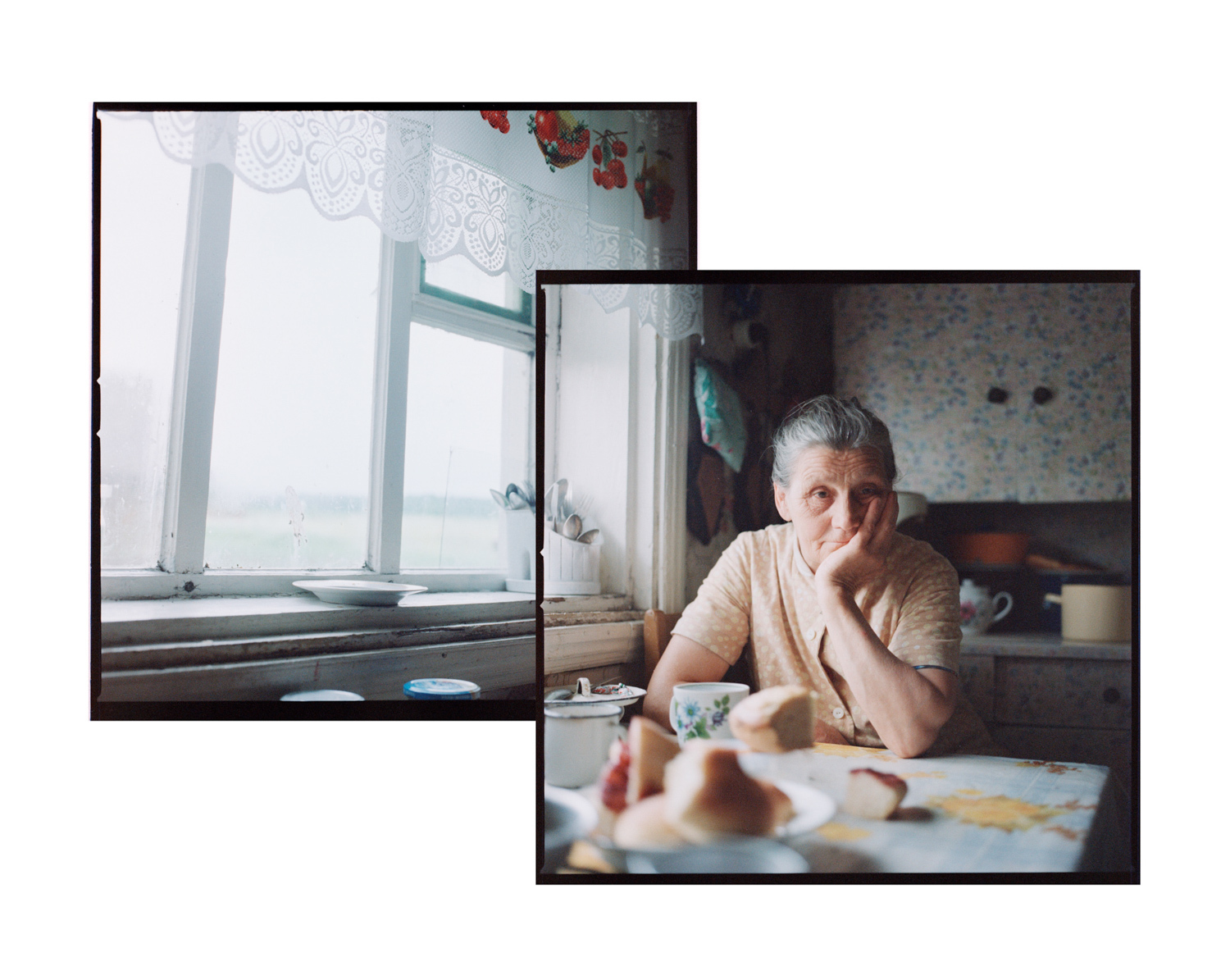
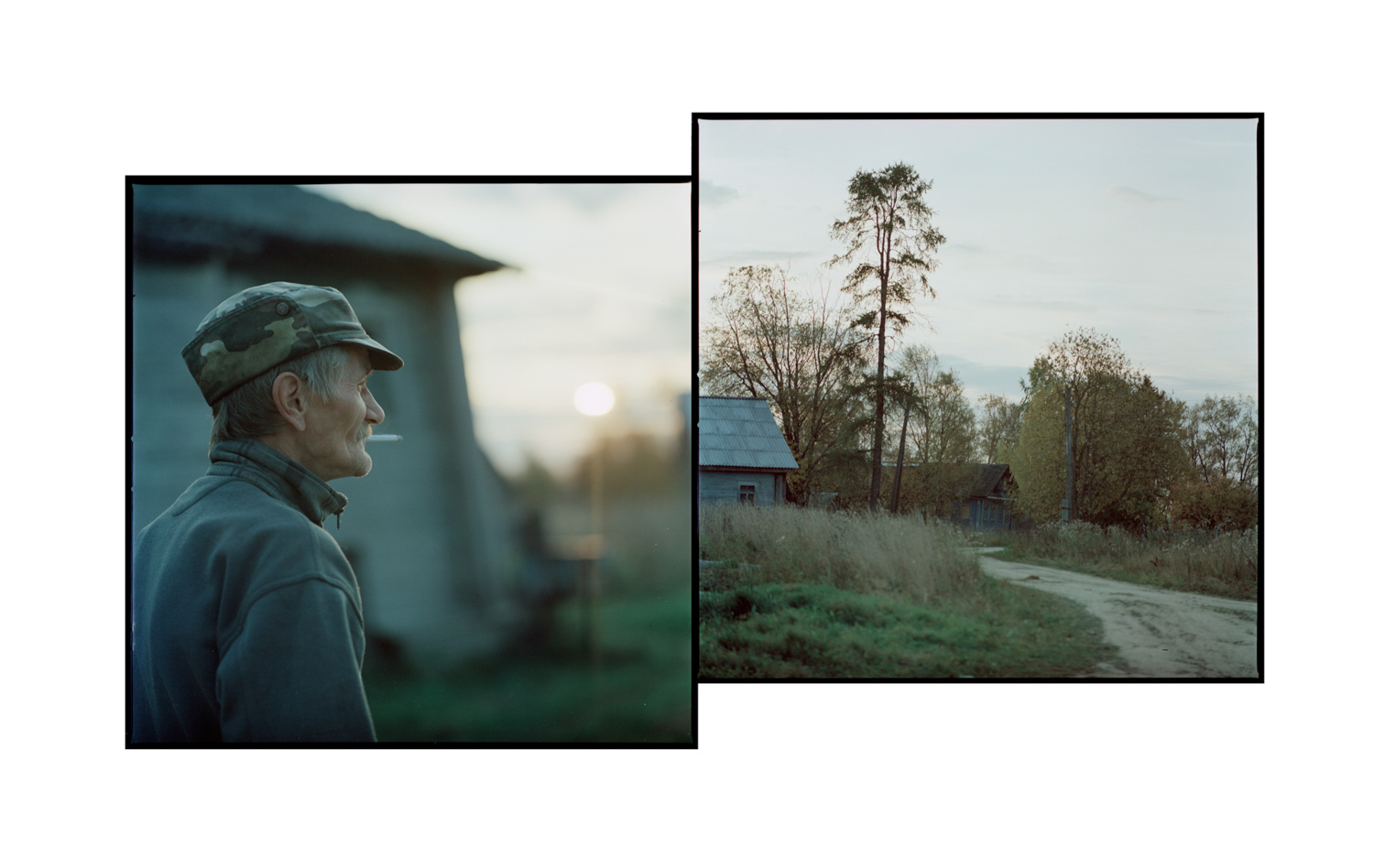
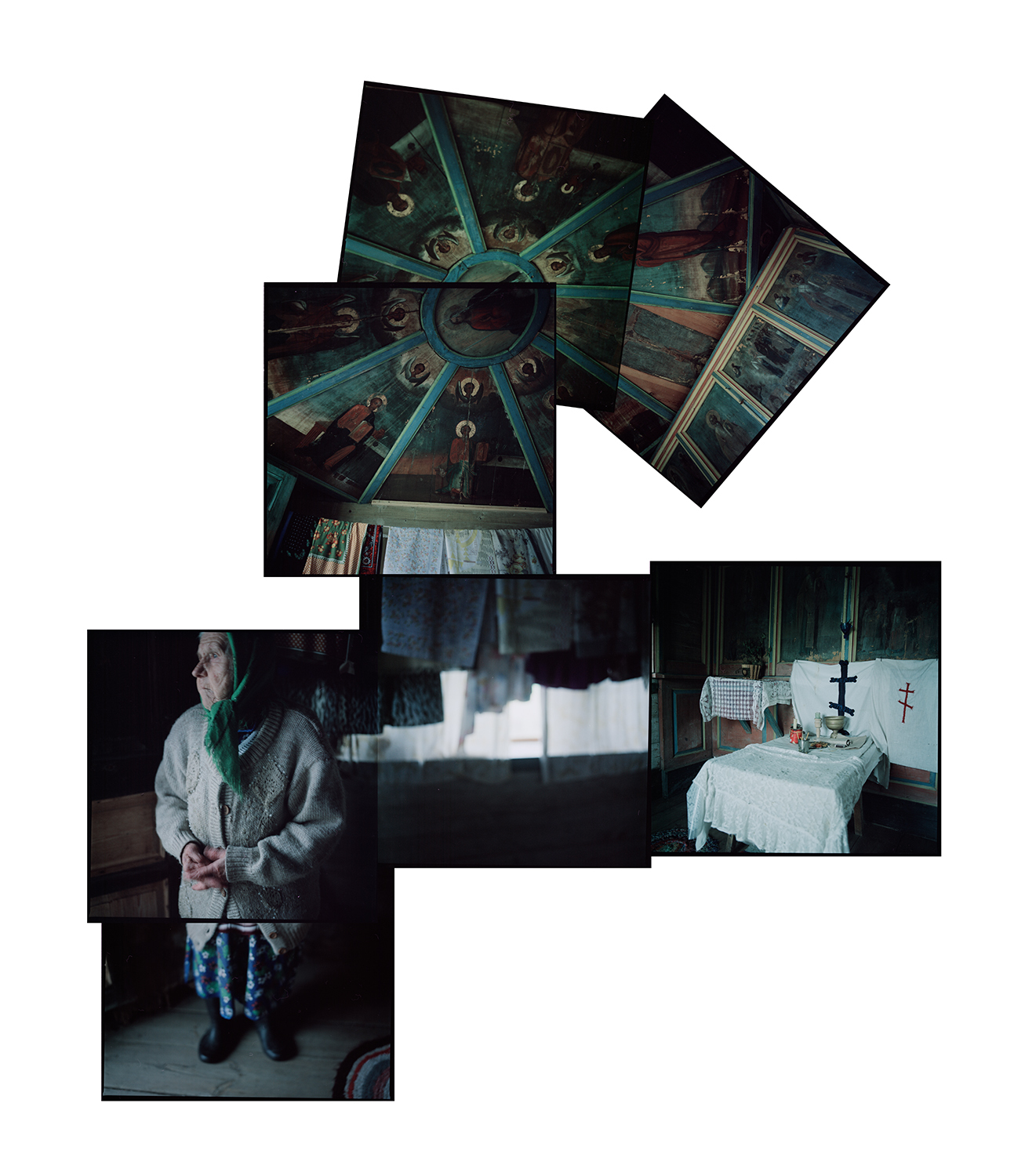
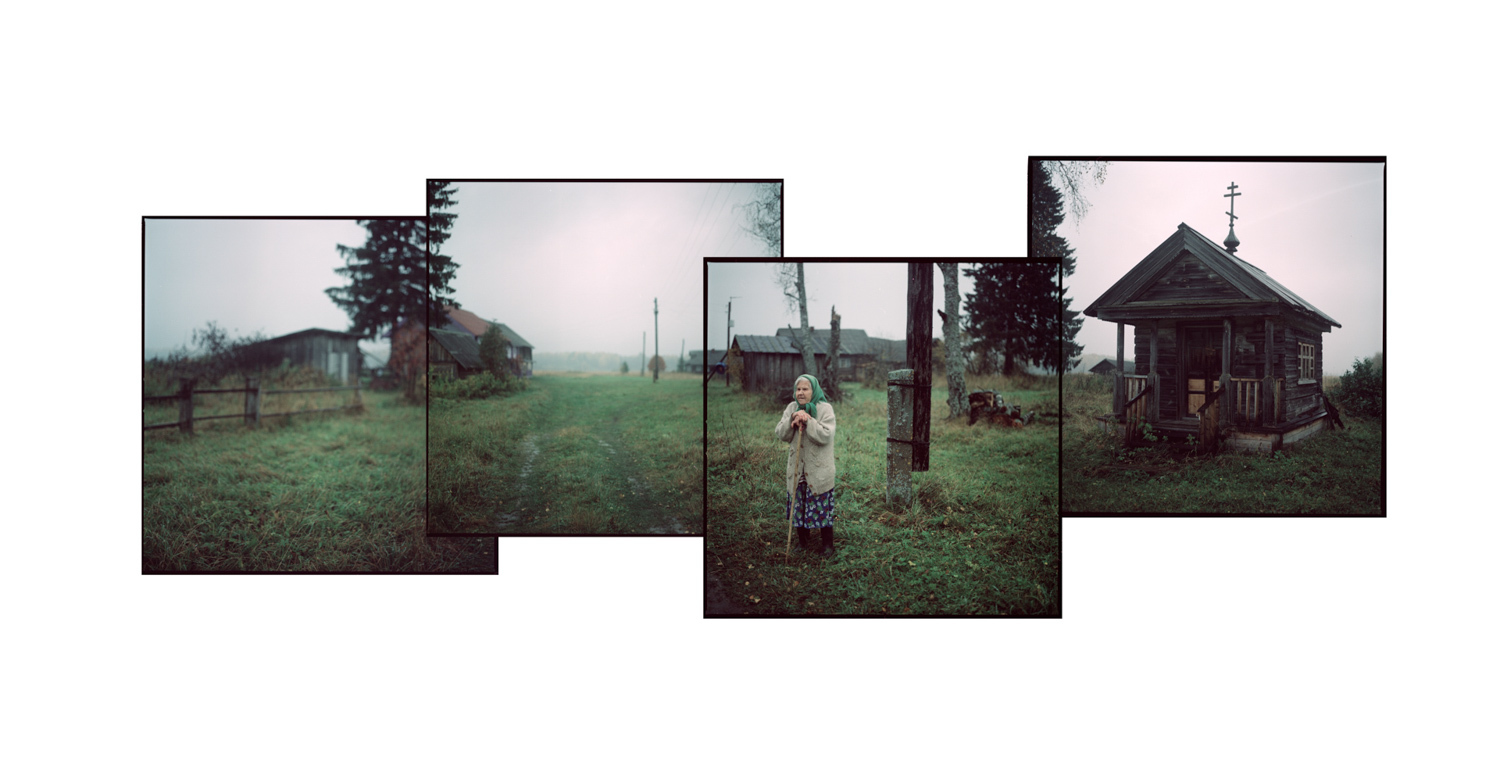
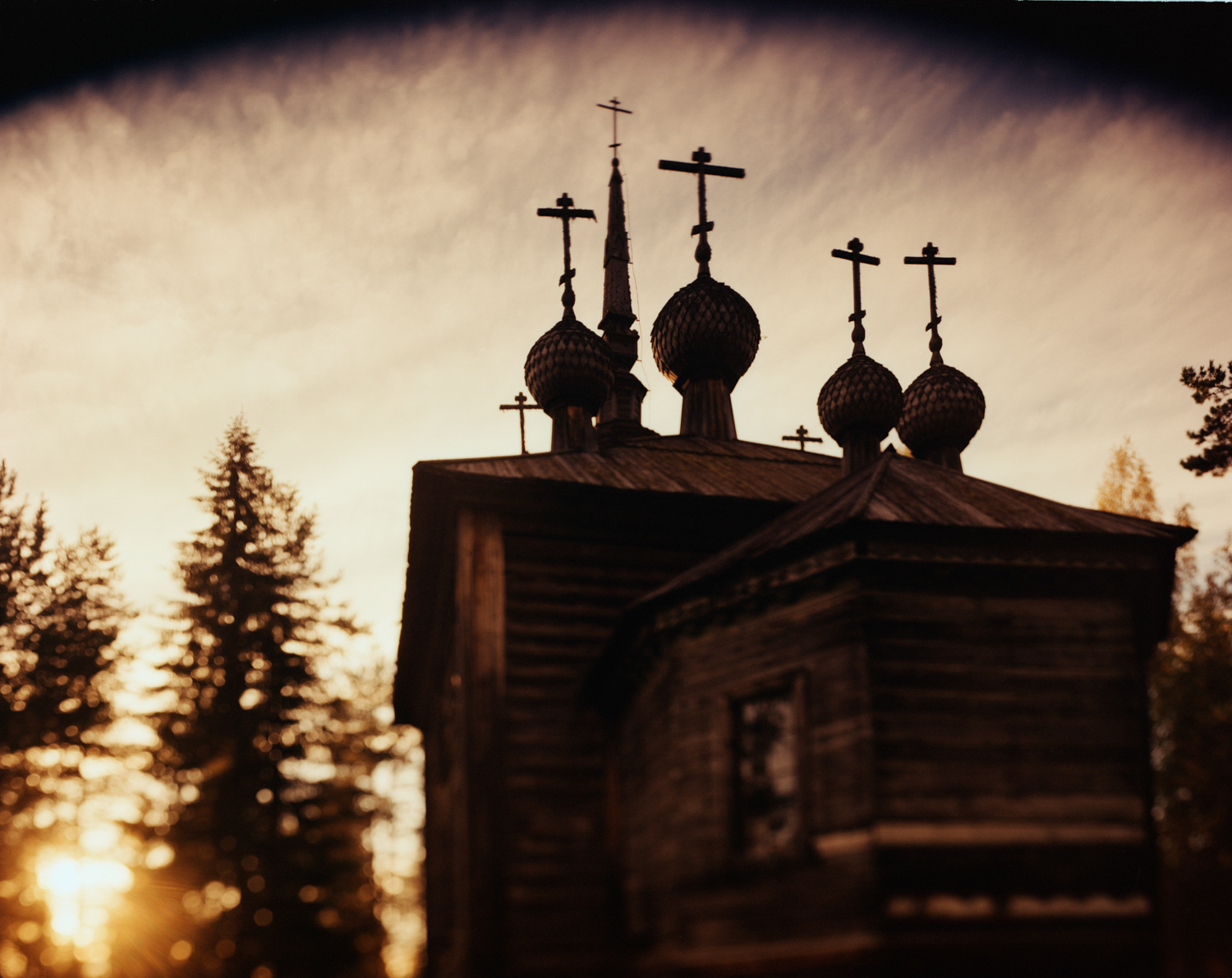
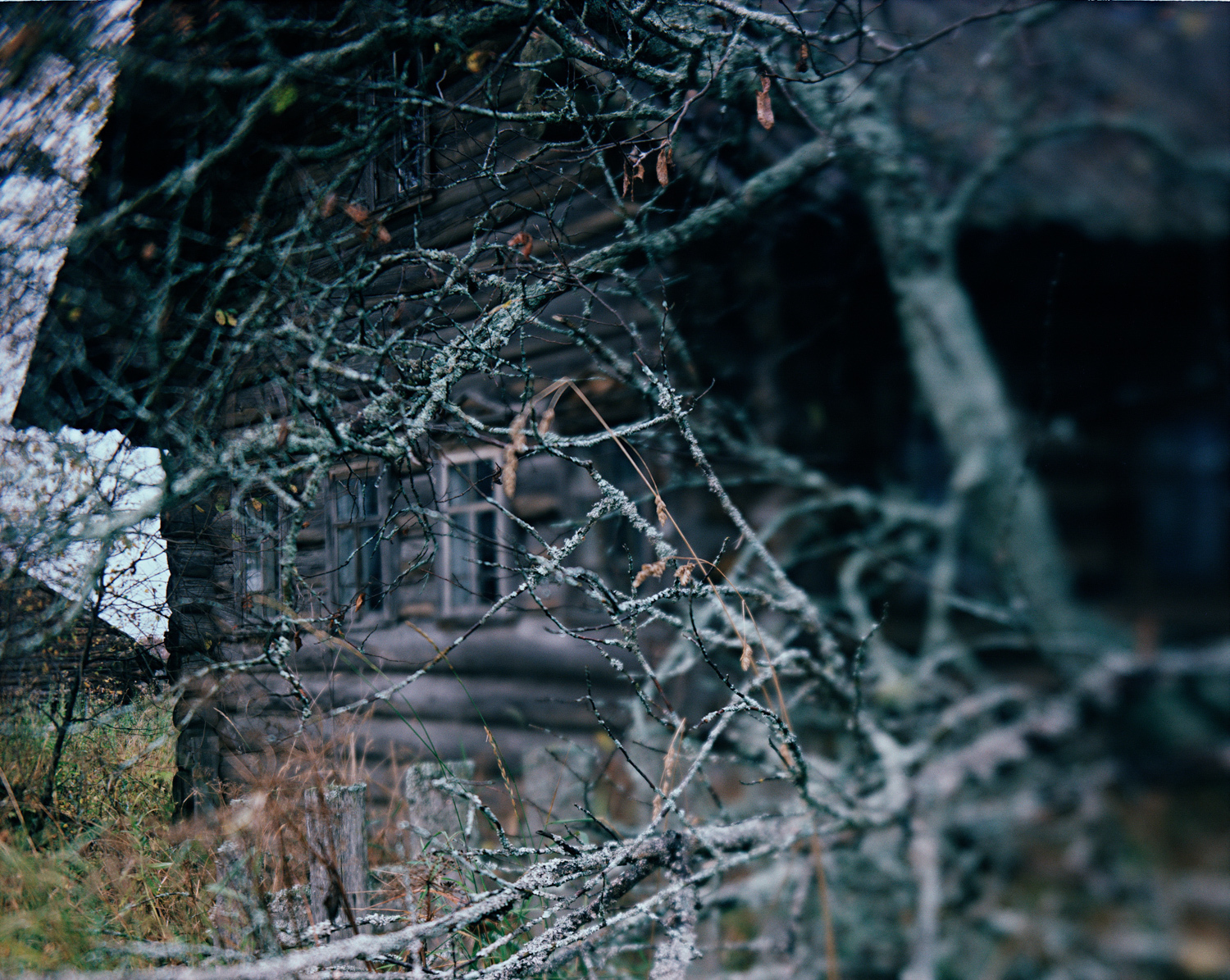
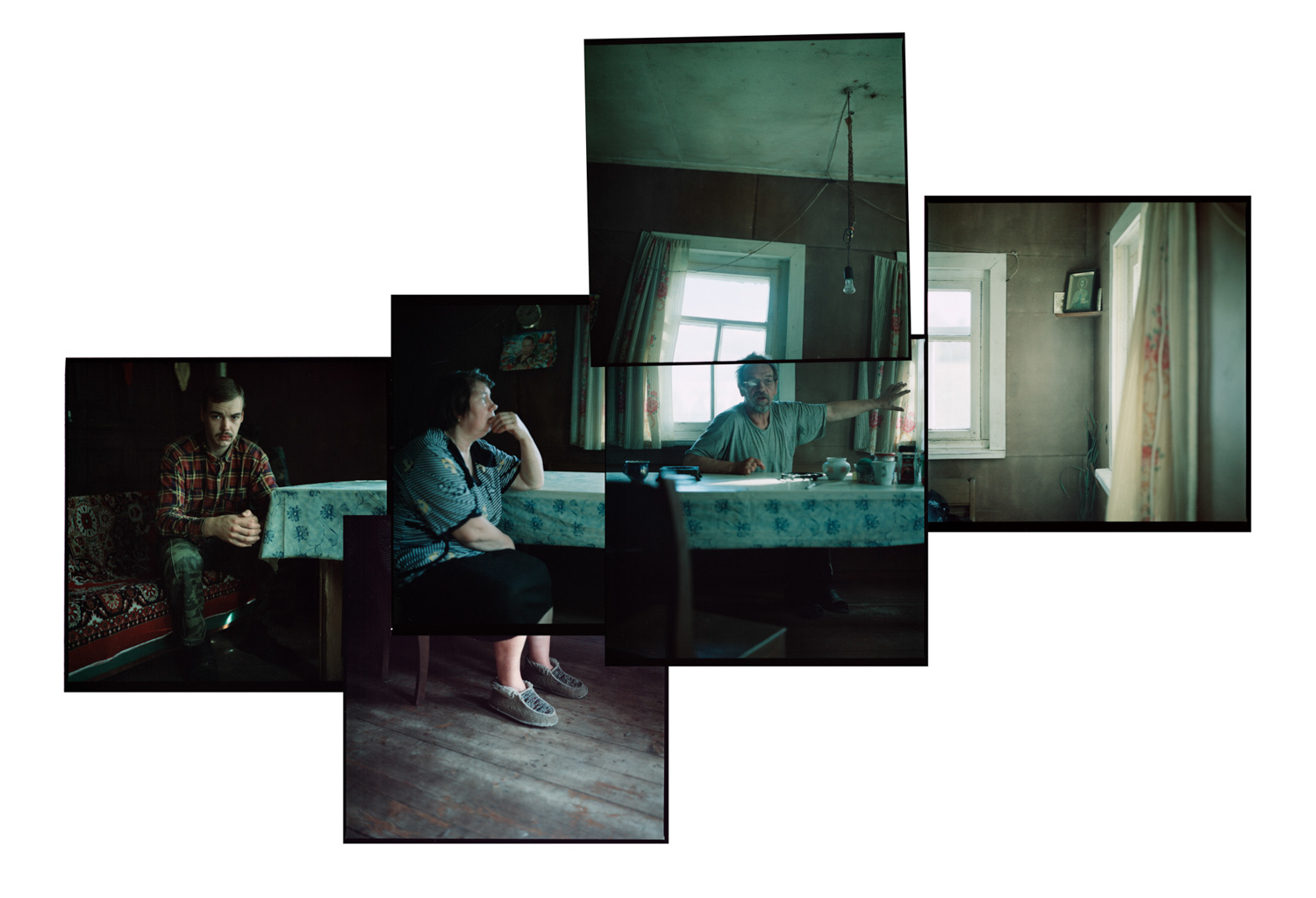
Then we began travelling along the different routes. I tried to capture the weightless atmosphere of the place - the air, the light, the silence. I photographed roads winding between villages, riverbanks, old houses that had merged into the landscape, their walls entwined with branches and draped in delicate cobwebs, and half-ruined churches. We visited people's homes, talked with the owners, asked them about their lives and the legends they remembered from the past. Everywhere we searched for the invisible thread connecting the present day with a distant history.
It was deeply poetic work.
One morning we turned onto a dirt road, and I slammed on the brakes in surprise.
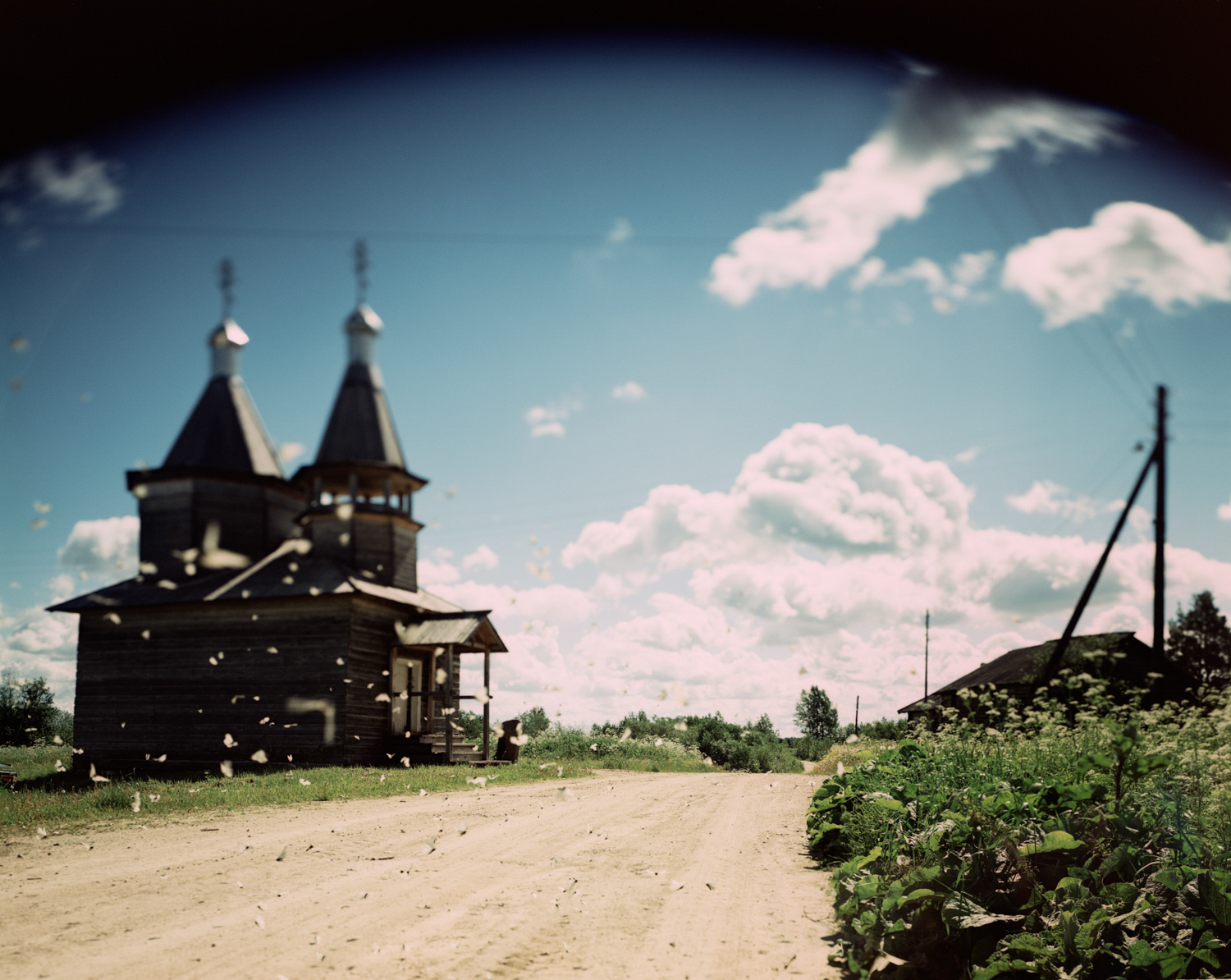
It had rained during the night, leaving puddles in every hollow of the road. Ahead of us, the entire surface was covered, like a carpet, with white butterflies.
The carpet was alive.
It shimmered like mother-of-pearl as thousands of tiny wings trembled in unison. Every so often the butterflies rose into the air, only to settle back onto the road again. There were so many of them that the scene felt unreal, like something from a dream.
I walked forward.
In places, you could already see where a car had driven across them.
They hadn't flown away.
They simply remained there, spread across the road like a living carpet.
It was heartbreakingly beautiful - and terrifying.
How impossibly thin the line is between life and death. How elusive, how instantaneous, and yet at the same time how immense and eternal.
Nearby stood a wooden church that was one of the mandatory photographs on our list.
Lilia and I found it.
I made the picture.
By then, how the church itself would appear in the frame had become the least important thing to me.
Then we began travelling along the different routes. I tried to capture the weightless atmosphere of the place - the air, the light, the silence. I photographed roads winding between villages, riverbanks, old houses that had merged into the landscape, their walls entwined with branches and draped in delicate cobwebs, and half-ruined churches. We visited people's homes, talked with the owners, asked them about their lives and the legends they remembered from the past. Everywhere we searched for the invisible thread connecting the present day with a distant history.
It was deeply poetic work.
One morning we turned onto a dirt road, and I slammed on the brakes in surprise.
It had rained during the night, leaving puddles in every hollow of the road. Ahead of us, the entire surface was covered, like a carpet, with white butterflies.
The carpet was alive.
It shimmered like mother-of-pearl as thousands of tiny wings trembled in unison. Every so often the butterflies rose into the air, only to settle back onto the road again. There were so many of them that the scene felt unreal, like something from a dream.
I walked forward.
In places, you could already see where a car had driven across them.
They hadn't flown away.
They simply remained there, spread across the road like a living carpet.
It was heartbreakingly beautiful - and terrifying.
How impossibly thin the line is between life and death. How elusive, how instantaneous, and yet at the same time how immense and eternal.
Nearby stood a wooden church that was one of the mandatory photographs on our list.
Lilia and I found it.
I made the picture.
By then, how the church itself would appear in the frame had become the least important thing to me.
BUTTERFLIES.
In Russia, almost everything is done through personal connections. Through friends or relatives. Or through someone who has been "your person" for years - someone whose work you already know, or at least someone recommended by people you trust.
But every now and then a project arrives completely unexpectedly.
One day I received a phone call inviting me to an office to discuss a commission.
"My name is Lilia Khafizova, editor-in-chief. This is Evgeny Korneev, art director," my new acquaintances introduced themselves. "We're looking for an architectural photographer for a new book. We've seen your work, and we liked it."
"I would like the photographs," Lilia continued, "to be more than dry architectural documentation. They should convey the atmosphere of this extraordinary place, which I have loved since my student years. We are publishing the book as part of the Potanin Foundation's project on the museums of Kargopol, but I am convinced it can become something much deeper and far more meaningful."
Read more
In Russia, almost everything is done through personal connections. Through friends or relatives. Or through someone who has been "your person" for years - someone whose work you already know, or at least someone recommended by people you trust.
But every now and then a project arrives completely unexpectedly.
One day I received a phone call inviting me to an office to discuss a commission.
"My name is Lilia Khafizova, editor-in-chief. This is Evgeny Korneev, art director," my new acquaintances introduced themselves. "We're looking for an architectural photographer for a new book. We've seen your work, and we liked it."
"I would like the photographs," Lilia continued, "to be more than dry architectural documentation. They should convey the atmosphere of this extraordinary place, which I have loved since my student years. We are publishing the book as part of the Potanin Foundation's project on the museums of Kargopol, but I am convinced it can become something much deeper and far more meaningful."
Read more
Contacts
*Instagram is owned by Meta, an organization recognized as extremist and banned in the Russian Federation
*Instagram is owned by Meta, an organization recognized as extremist and banned in the Russian Federation
©2026.