0%
Myanmar. Fashion Story. 2012
THE GIRL.
Every photographer dreams of shooting travel assignments. Everyone loves to travel, especially when someone else is willing to pay for it. Photographing on the road seems like the most natural and effortless thing in the world. Of course, now and then you have to sweat - or freeze - but those are insignificant details, hardly worth mentioning.
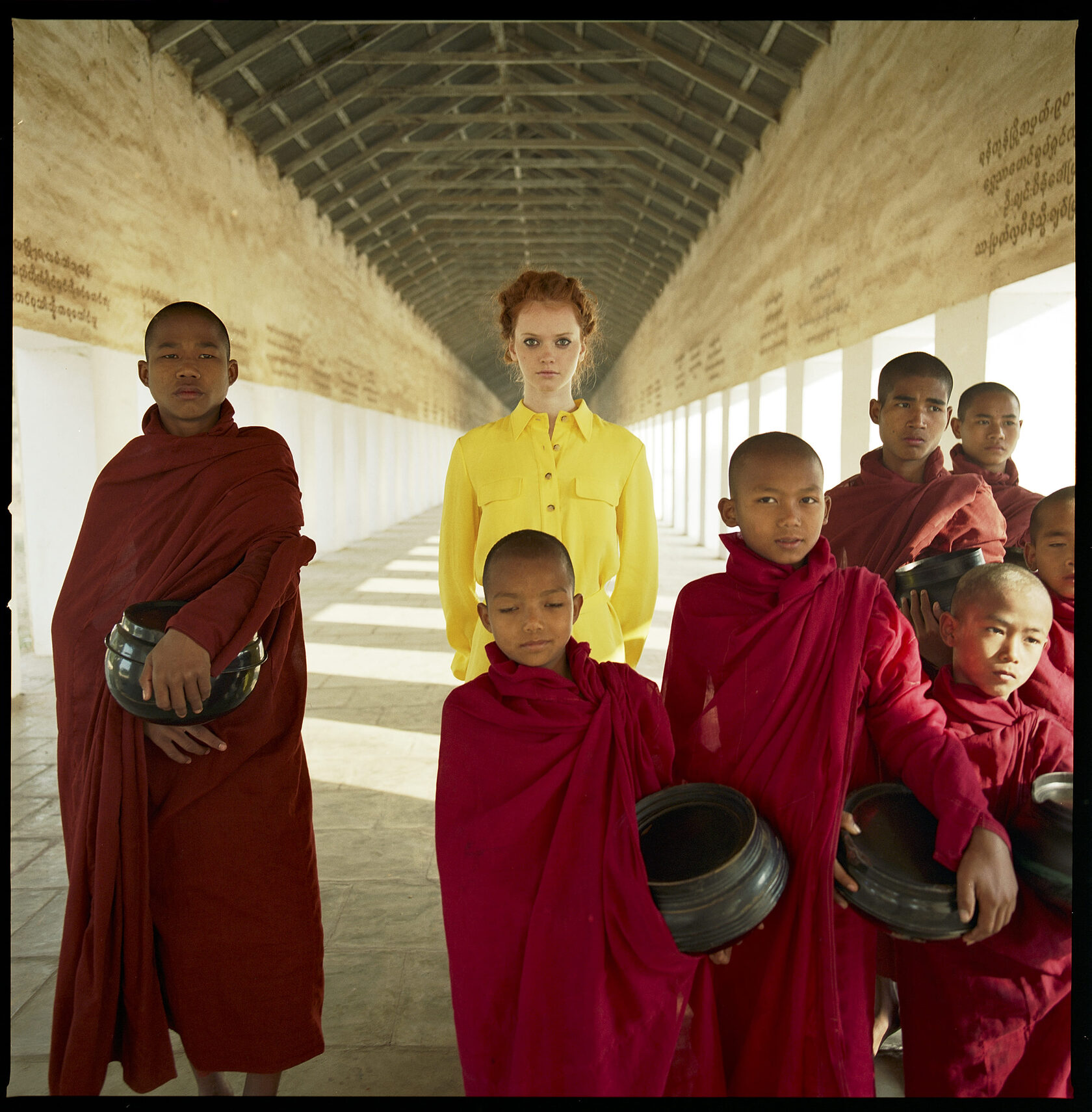
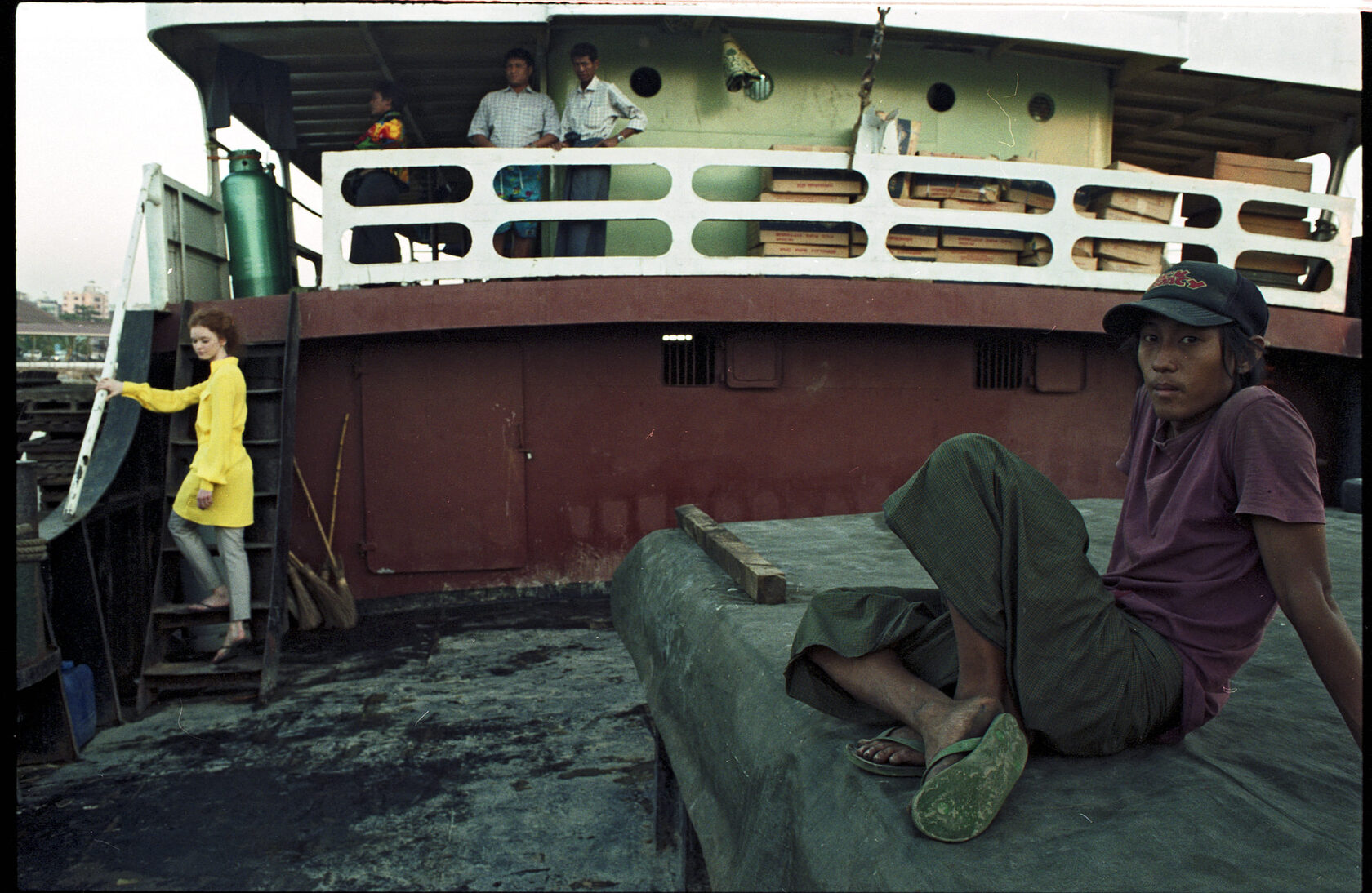
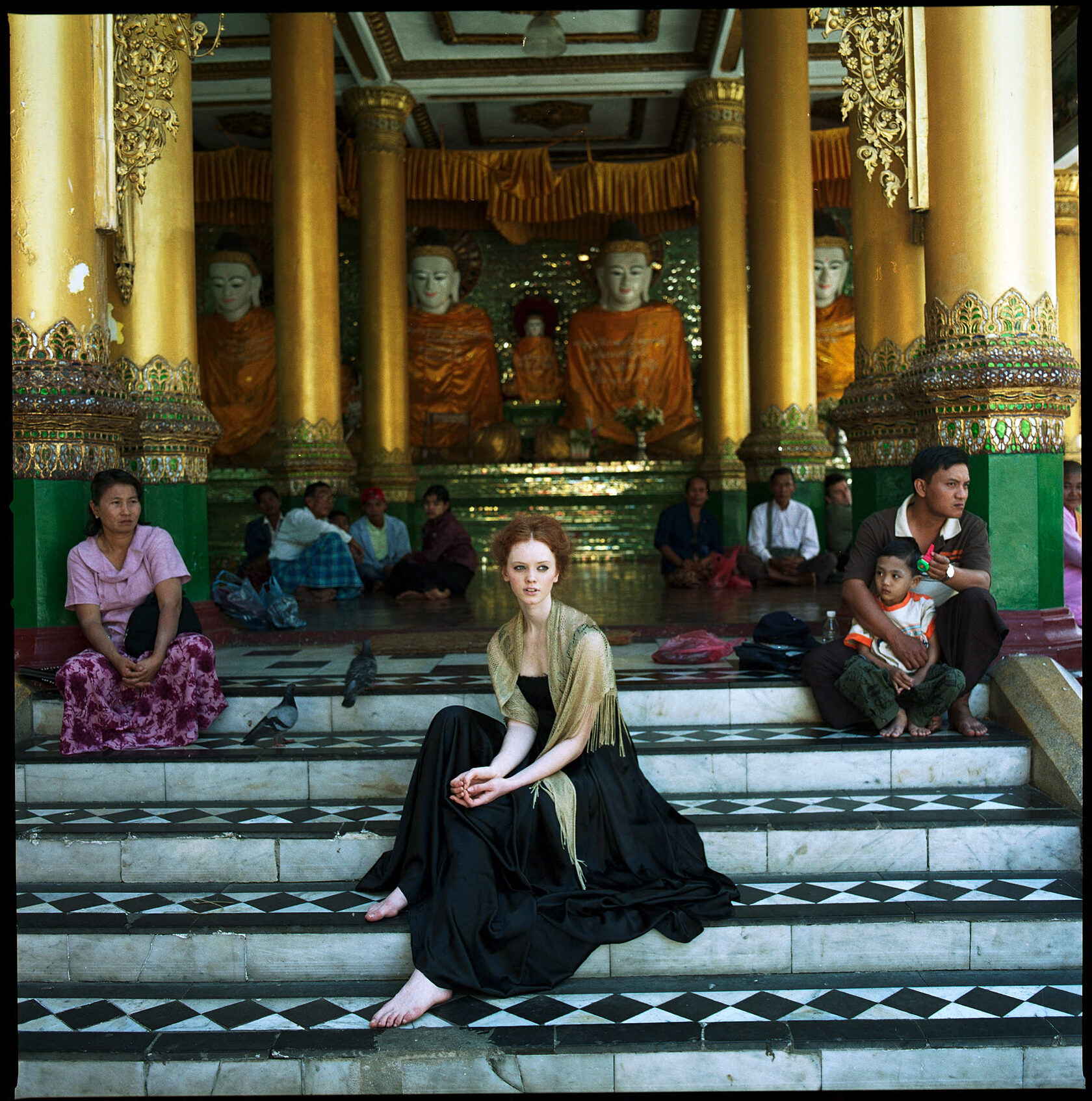
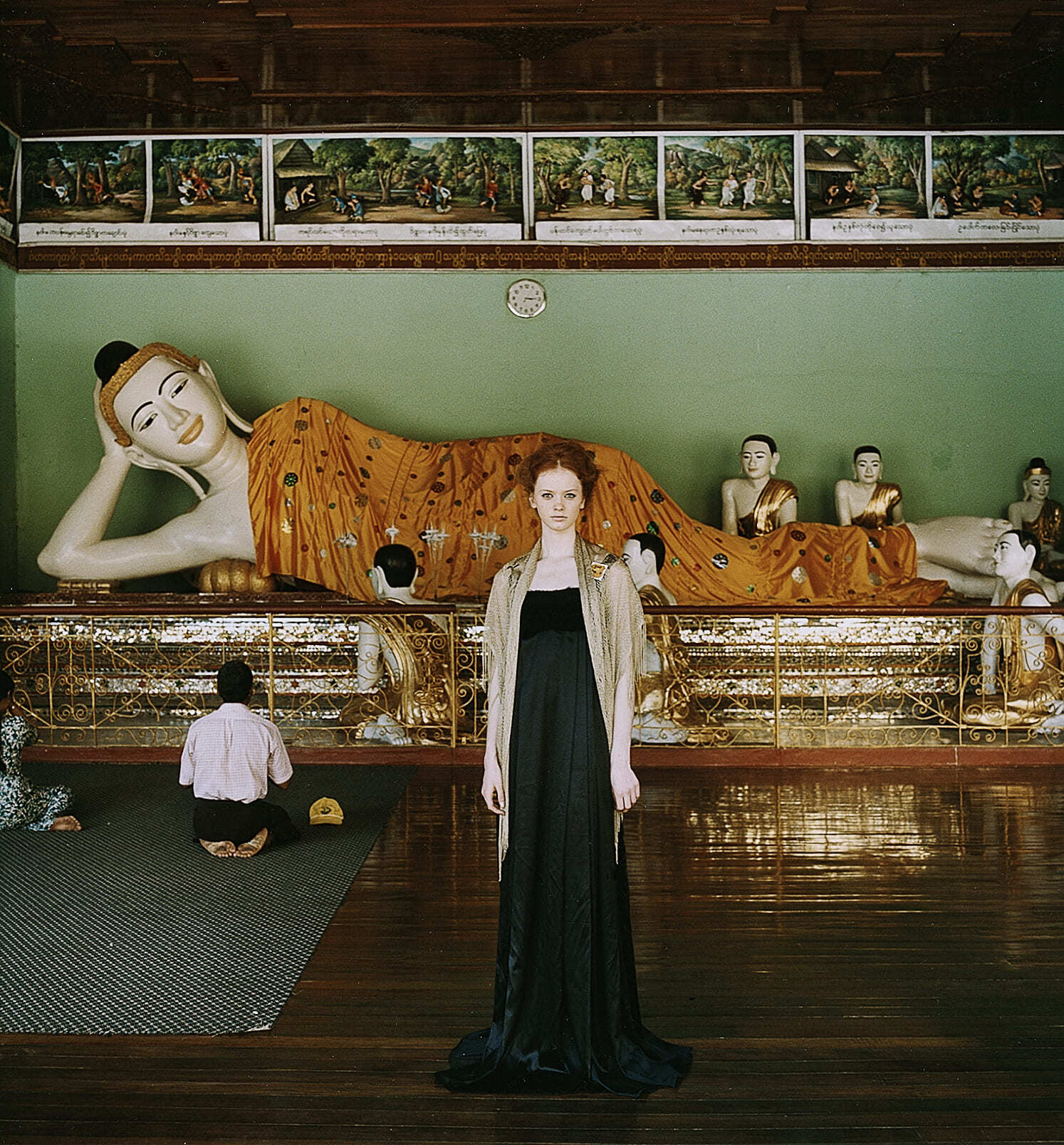
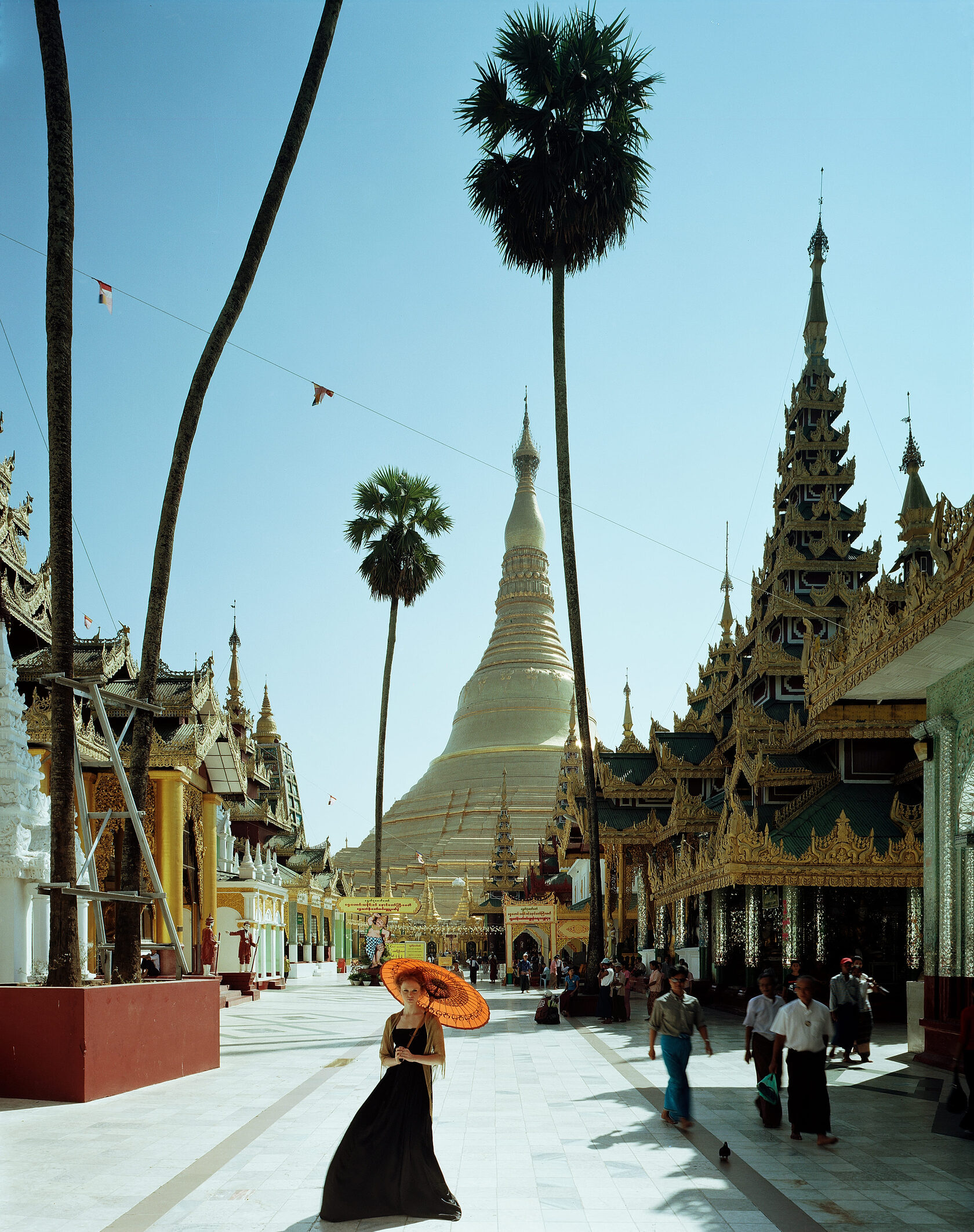
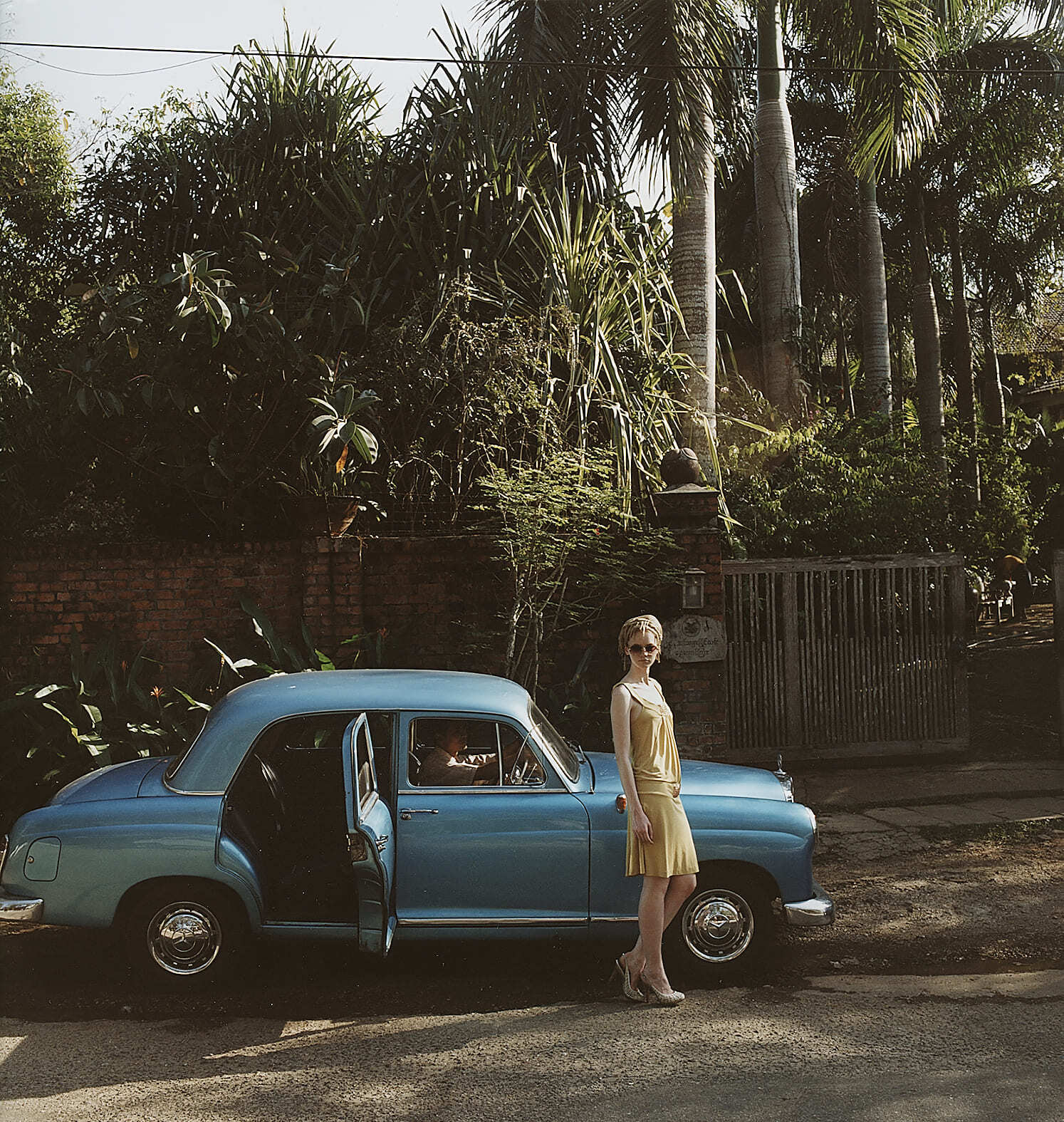
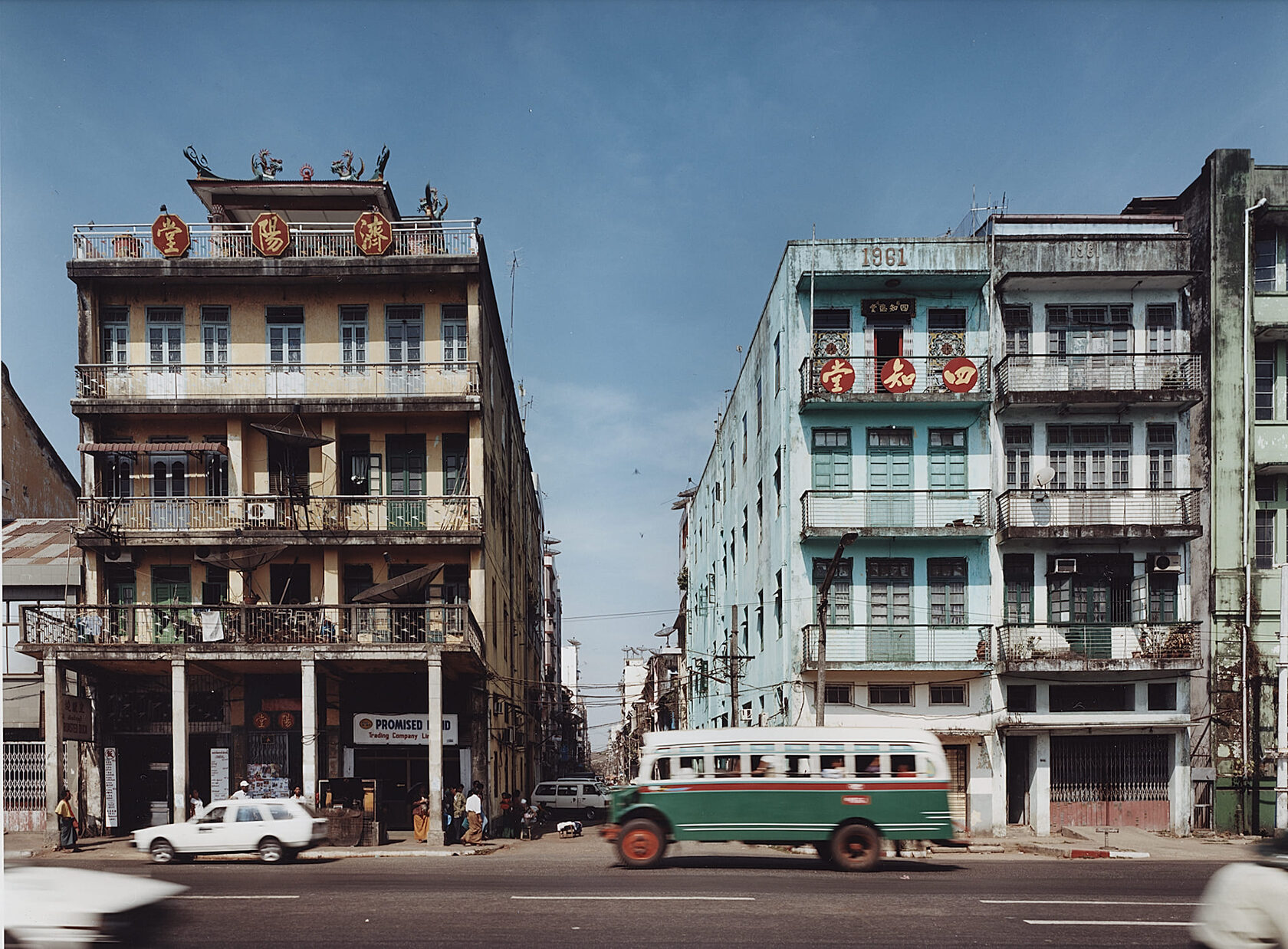
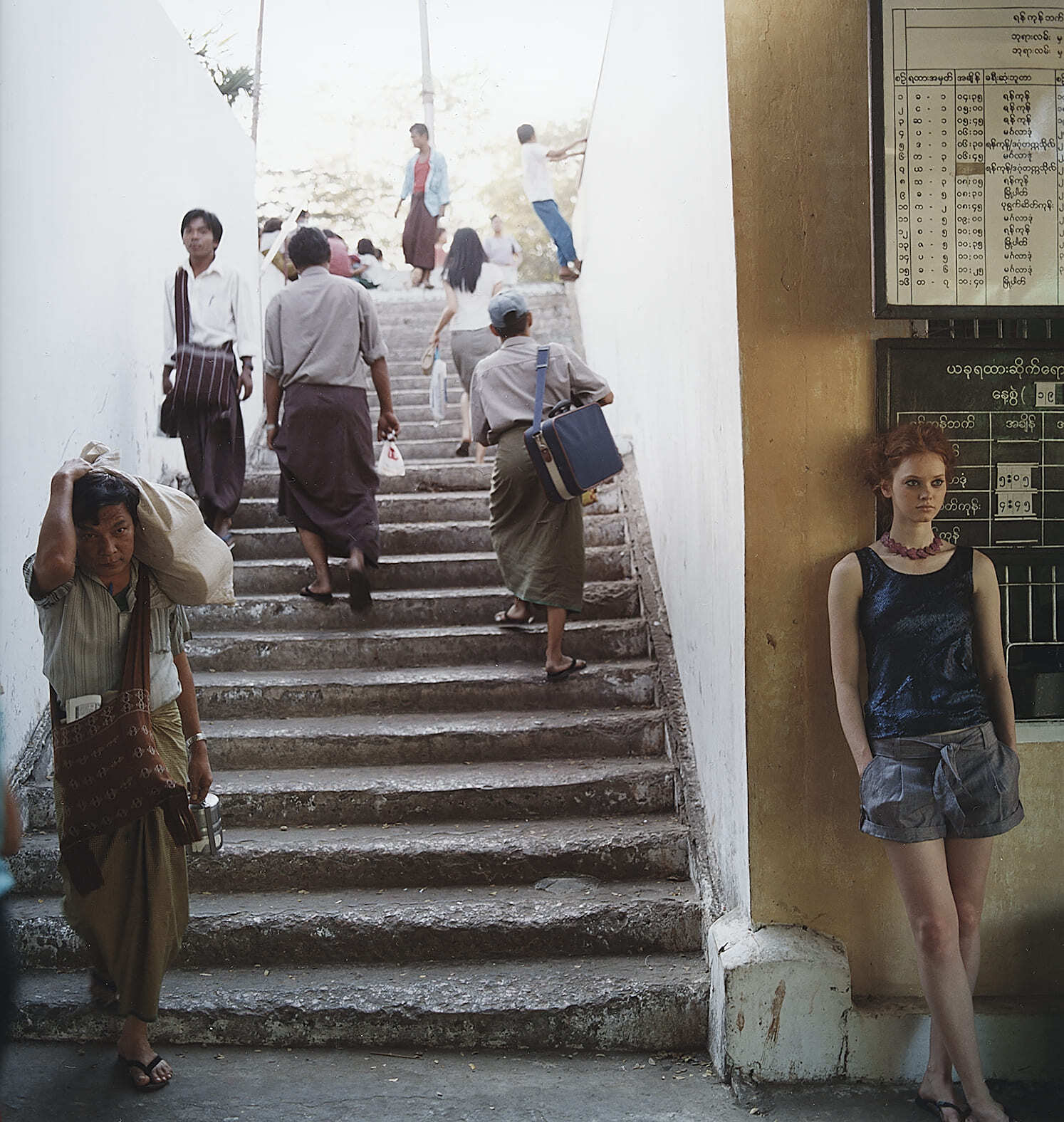
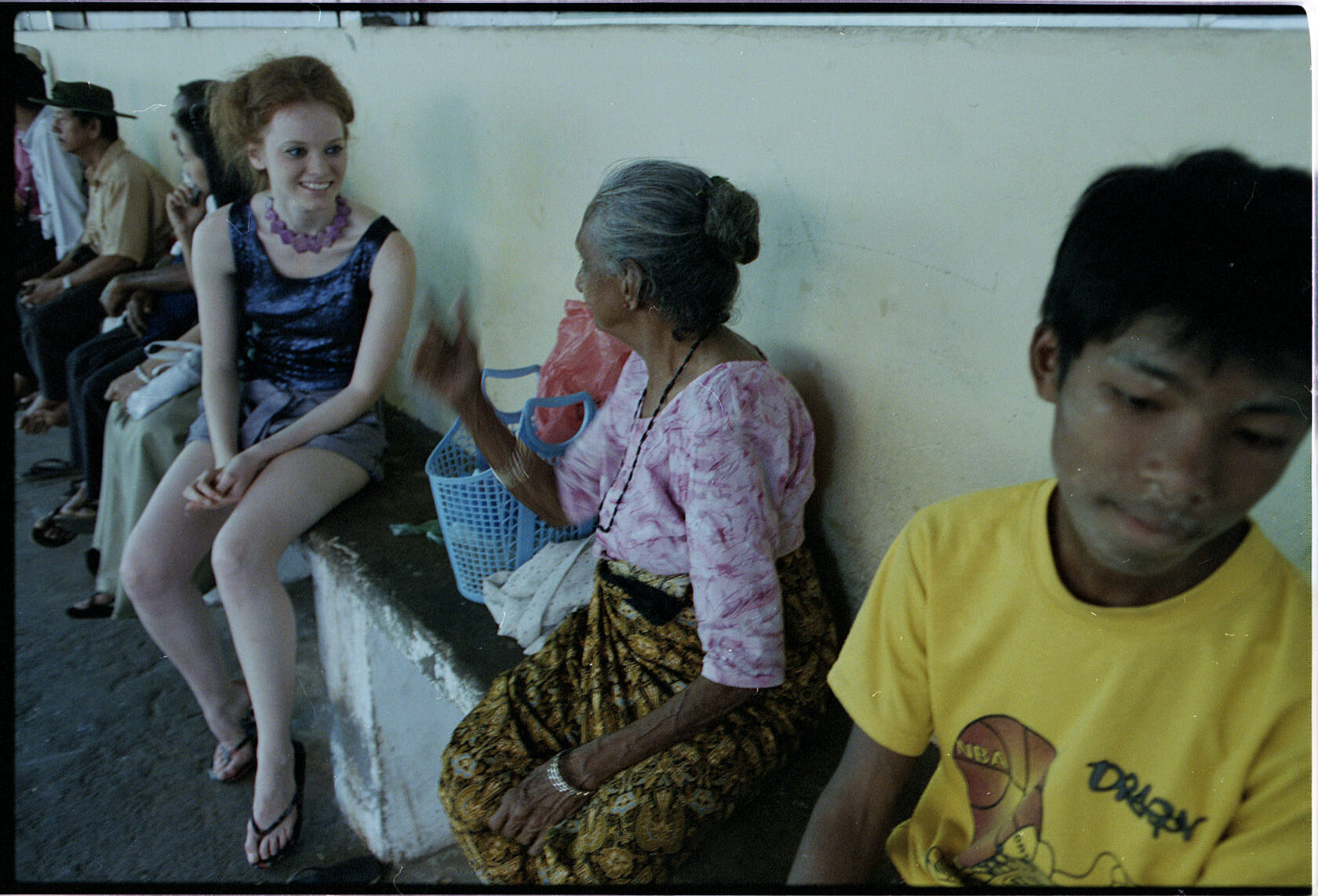
One day I was invited to shoot a fashion story for Travel + Leisure. It was meant to appear in the magazine's pilot issue. Our small crew flew into Yangon, the capital of Myanmar: editor-in-chief Maxim Maslakov, a model, a makeup artist, a stylist, and myself.
Everything was first-class.
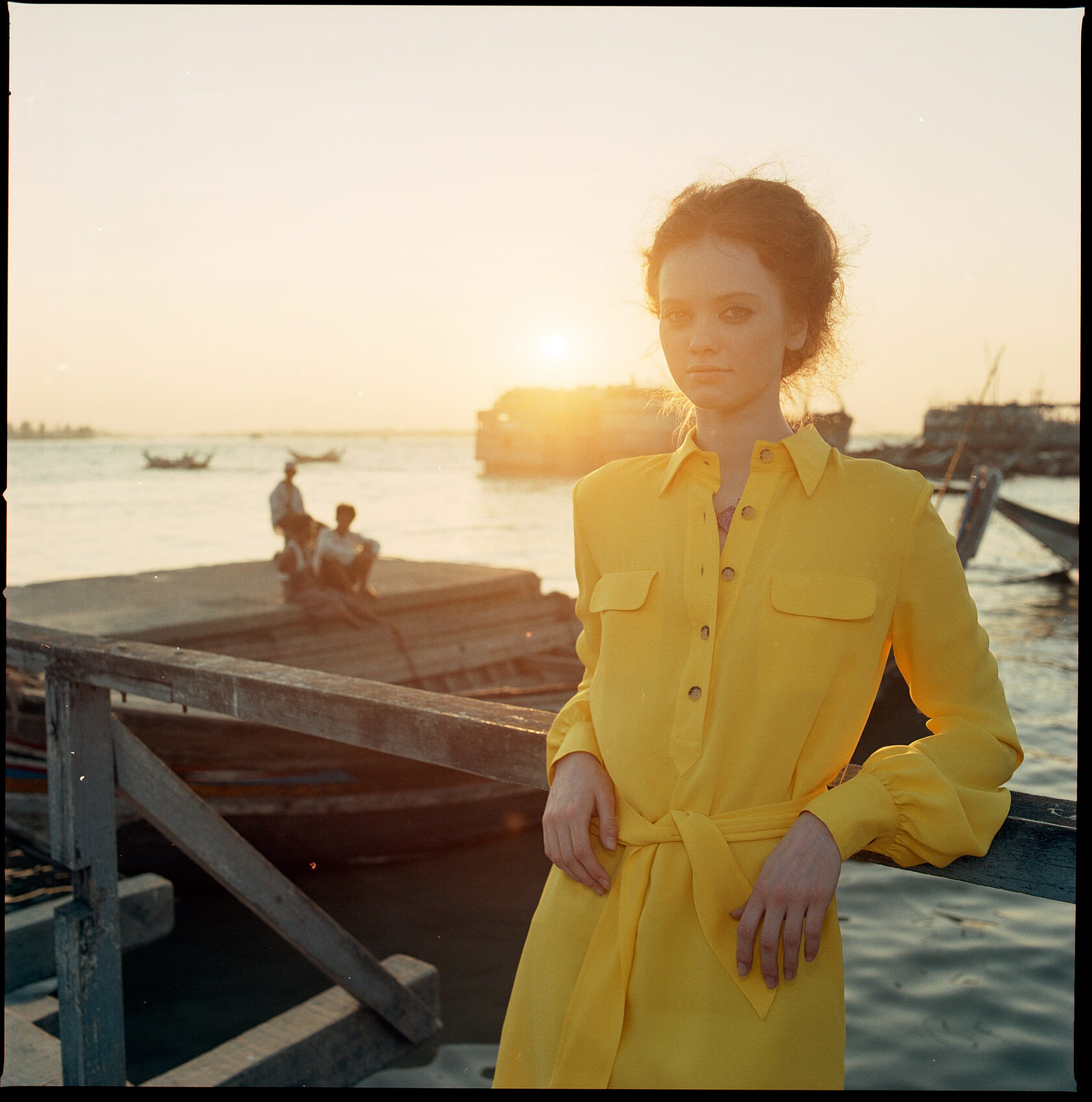
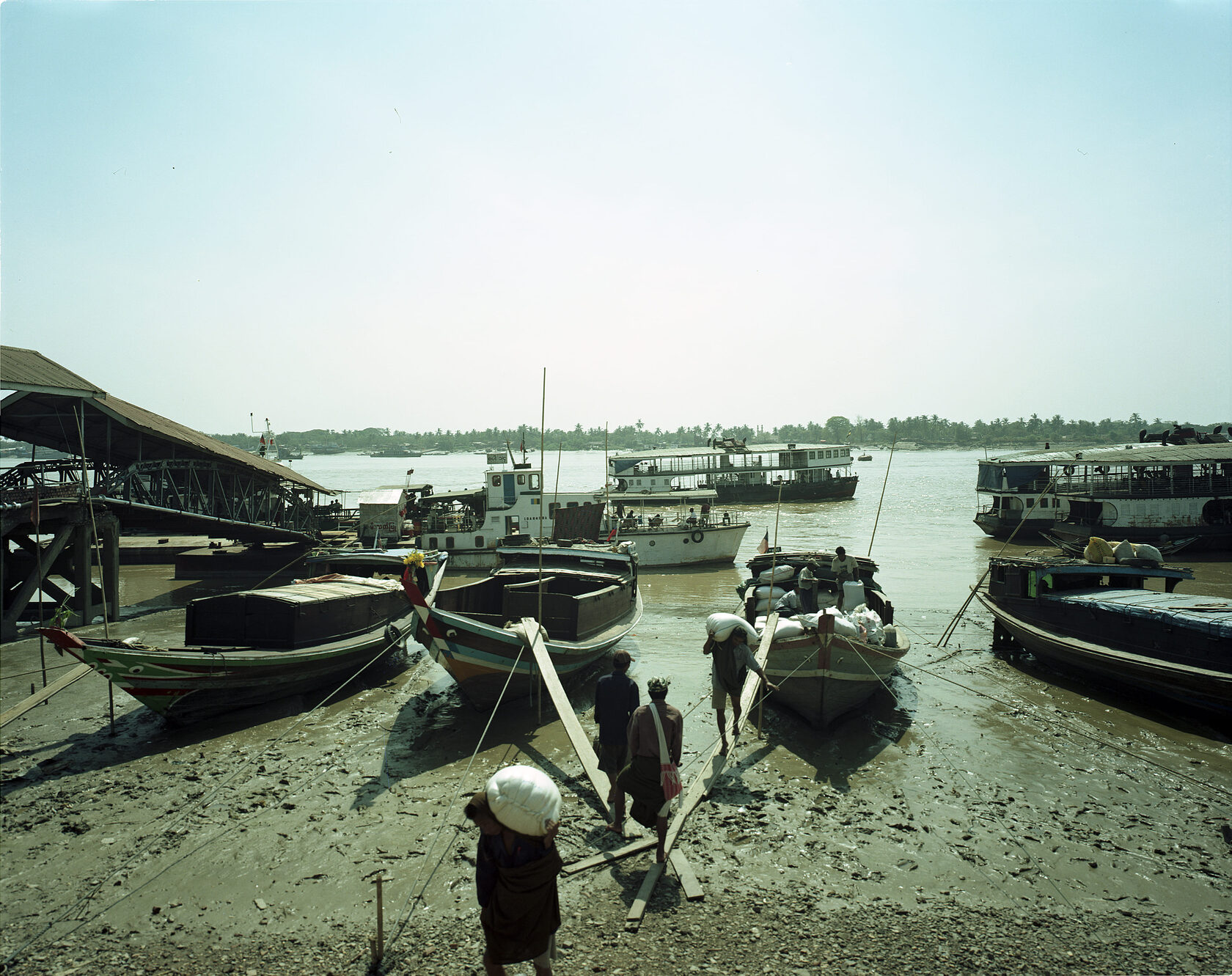
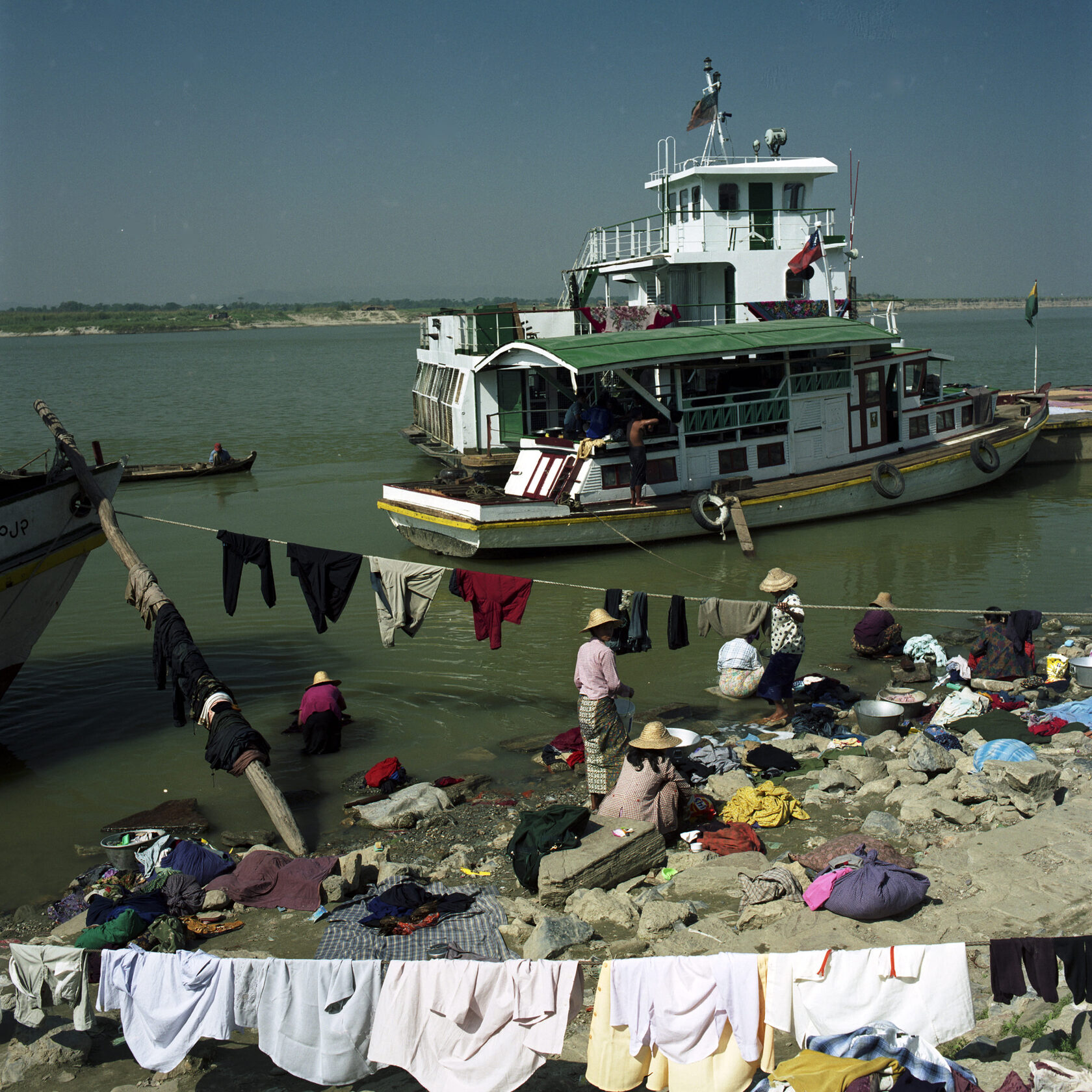
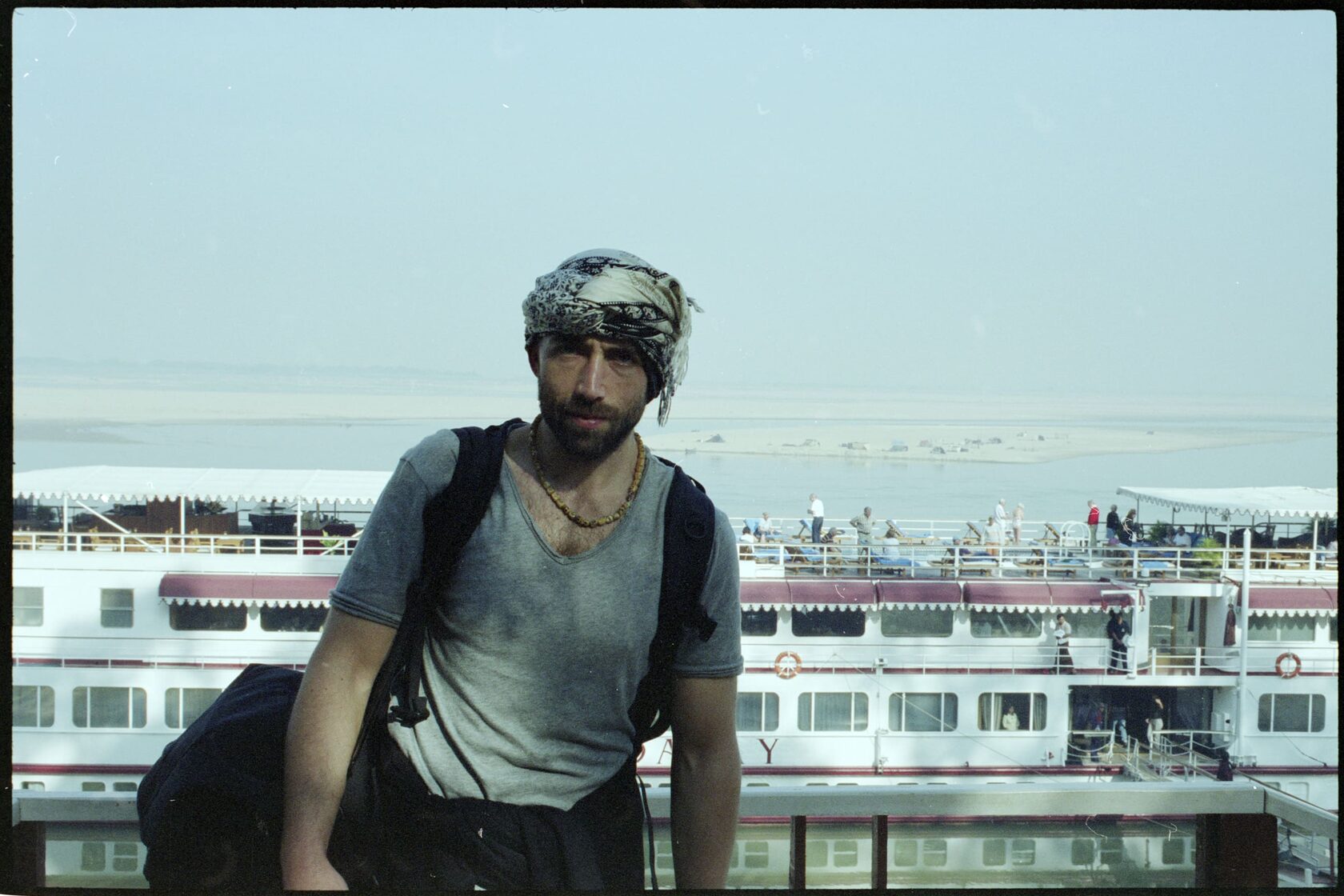
We travelled along the Irrawaddy River aboard a luxurious cruise ship, stopping at ancient towns along the way. Every day brought a new menu. The French chef did everything he could to impress us. Delicacies, fine wines, elaborate desserts...
I drank whisky.
Then, one unfortunate evening, the entire ship was struck by food poisoning.
The next morning, no one appeared for breakfast. A pale English couple timidly asked for boiled vegetables. The entire production team was suffering as well. Yet that afternoon we were scheduled to go ashore in one of the ancient cities, and I simply couldn't miss an opportunity like that.
So I gathered my camera equipment, my flask of whisky, and what little determination I had left, and went ashore alone. Loaded down with cameras, swaying slightly as I walked, I remained stubbornly determined.
The whisky kept me alive.
Disinfection.
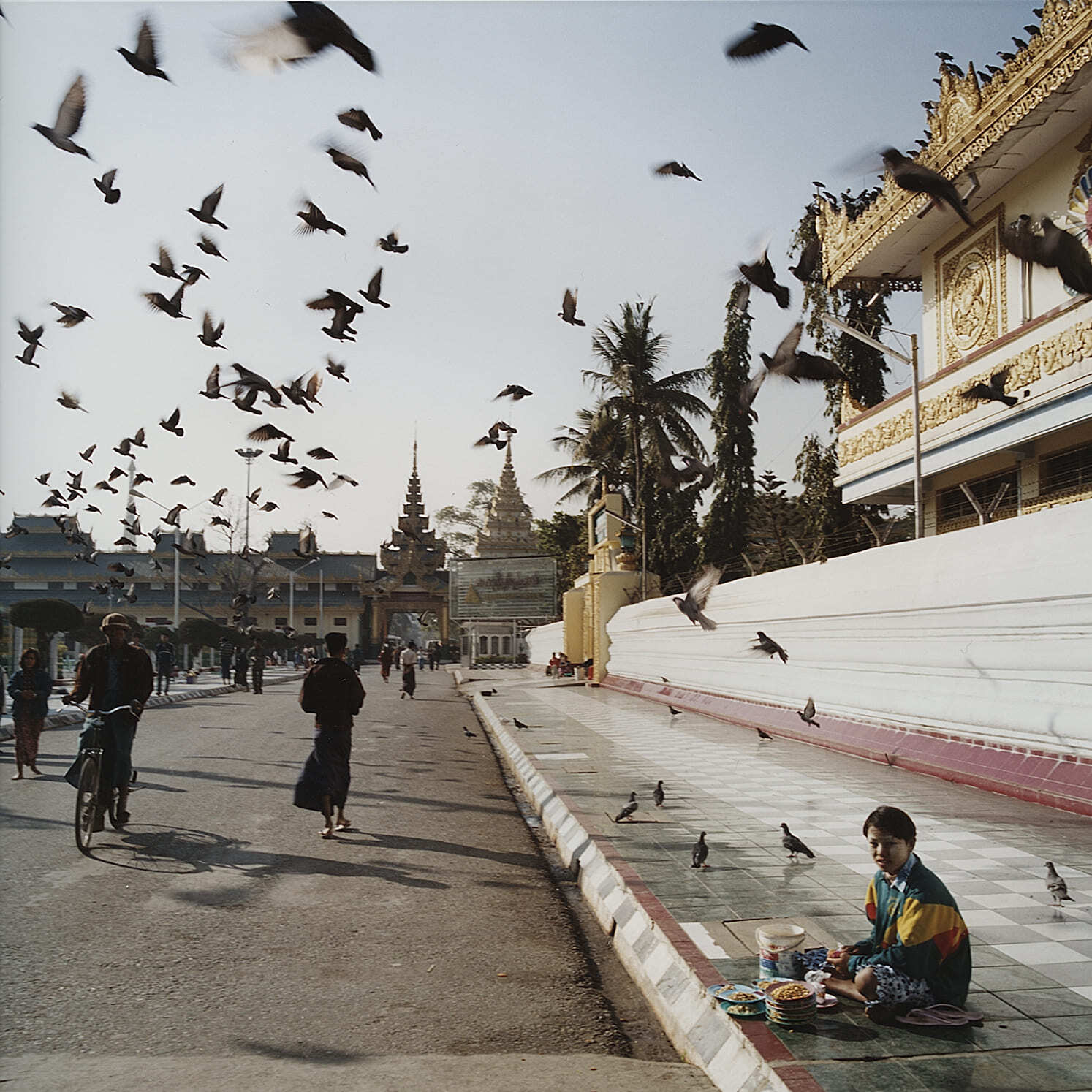
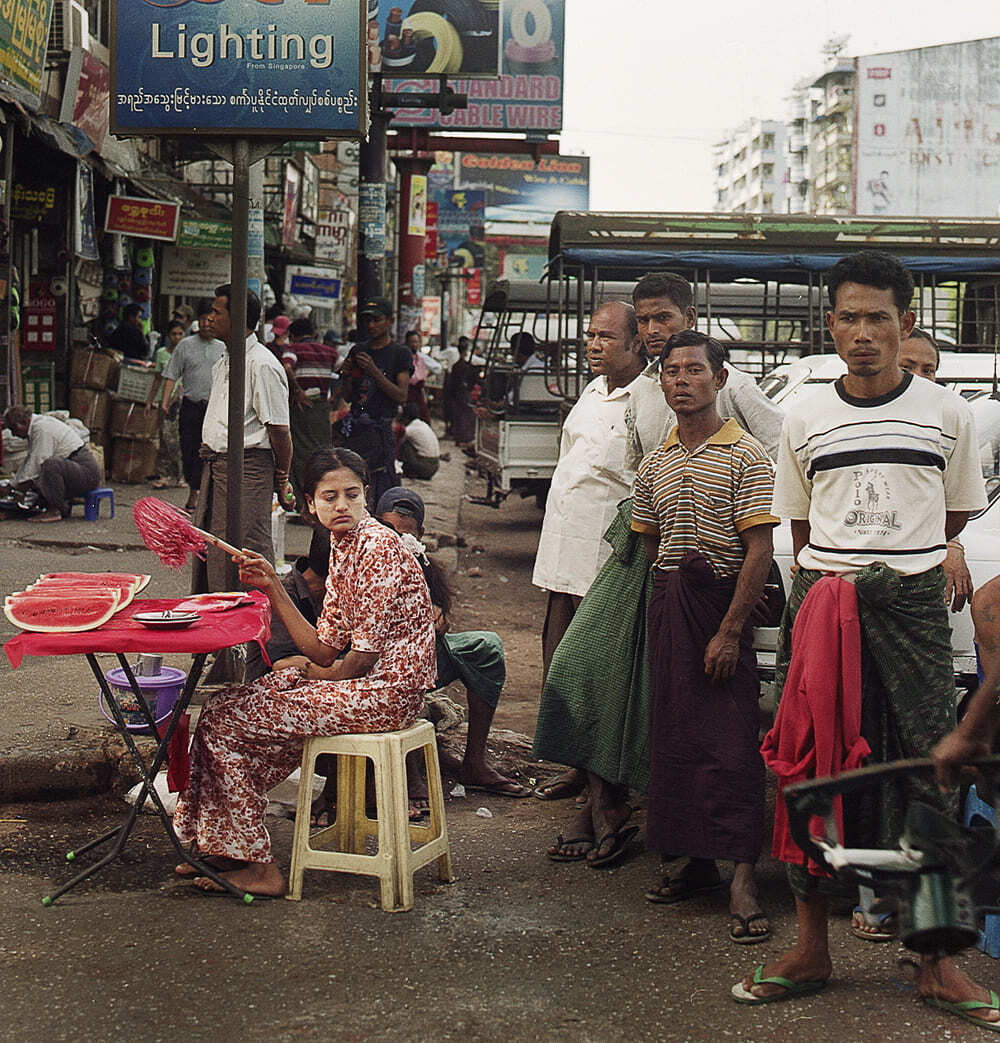
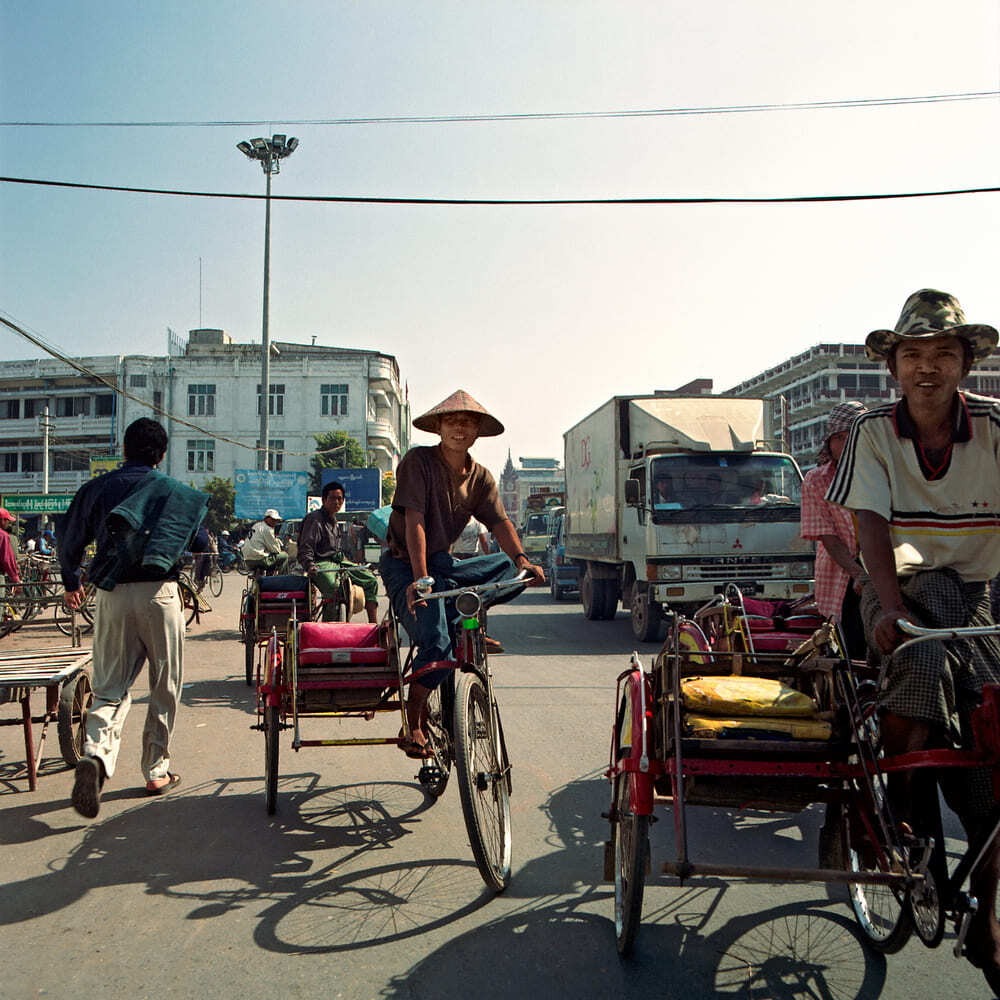
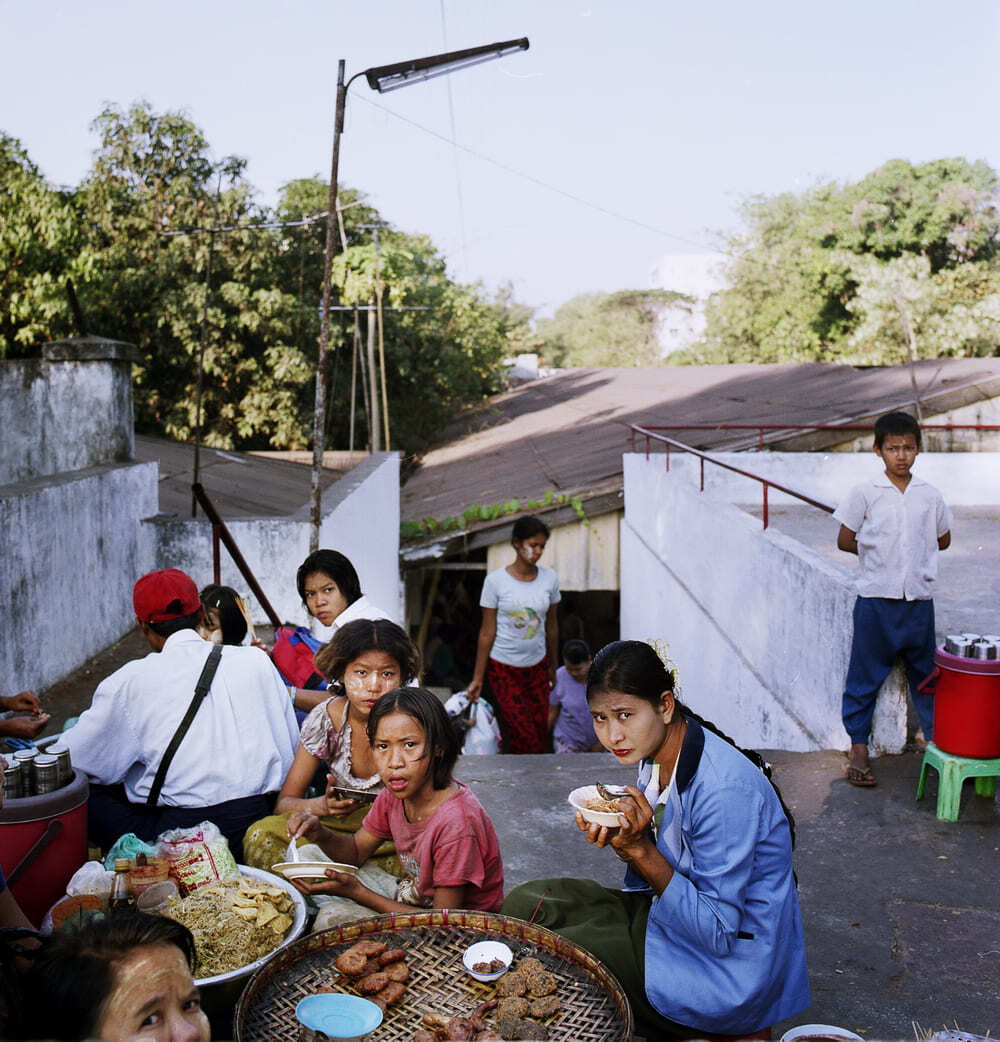
While the model and the rest of the crew were still absent, I wanted to make documentary photographs. I needed real life. I wanted dirt. I couldn't bear the thought that we were spending all our time aboard a luxurious ship surrounded by wealthy English tourists and their wives while missing everything that truly mattered in Myanmar.
A small bus was waiting for me at the pier. I asked the driver to
Every photographer dreams of shooting travel assignments. Everyone loves to travel, especially when someone else is willing to pay for it. Photographing on the road seems like the most natural and effortless thing in the world. Of course, now and then you have to sweat - or freeze - but those are insignificant details, hardly worth mentioning.
One day I was invited to shoot a fashion story for Travel + Leisure. It was meant to appear in the magazine's pilot issue. Our small crew flew into Yangon, the capital of Myanmar: editor-in-chief Maxim Maslakov, a model, a makeup artist, a stylist, and myself.
Everything was first-class.
We travelled along the Irrawaddy River aboard a luxurious cruise ship, stopping at ancient towns along the way. Every day brought a new menu. The French chef did everything he could to impress us. Delicacies, fine wines, elaborate desserts...
I drank whisky.
Then, one unfortunate evening, the entire ship was struck by food poisoning.
The next morning, no one appeared for breakfast. A pale English couple timidly asked for boiled vegetables. The entire production team was suffering as well. Yet that afternoon we were scheduled to go ashore in one of the ancient cities, and I simply couldn't miss an opportunity like that.
So I gathered my camera equipment, my flask of whisky, and what little determination I had left, and went ashore alone. Loaded down with cameras, swaying slightly as I walked, I remained stubbornly determined.
The whisky kept me alive.
Disinfection.
While the model and the rest of the crew were still absent, I wanted to make documentary photographs. I needed real life. I wanted dirt. I couldn't bear the thought that we were spending all our time aboard a luxurious ship surrounded by wealthy English tourists and their wives while missing everything that truly mattered in Myanmar.
A small bus was waiting for me at the pier. I asked the driver to
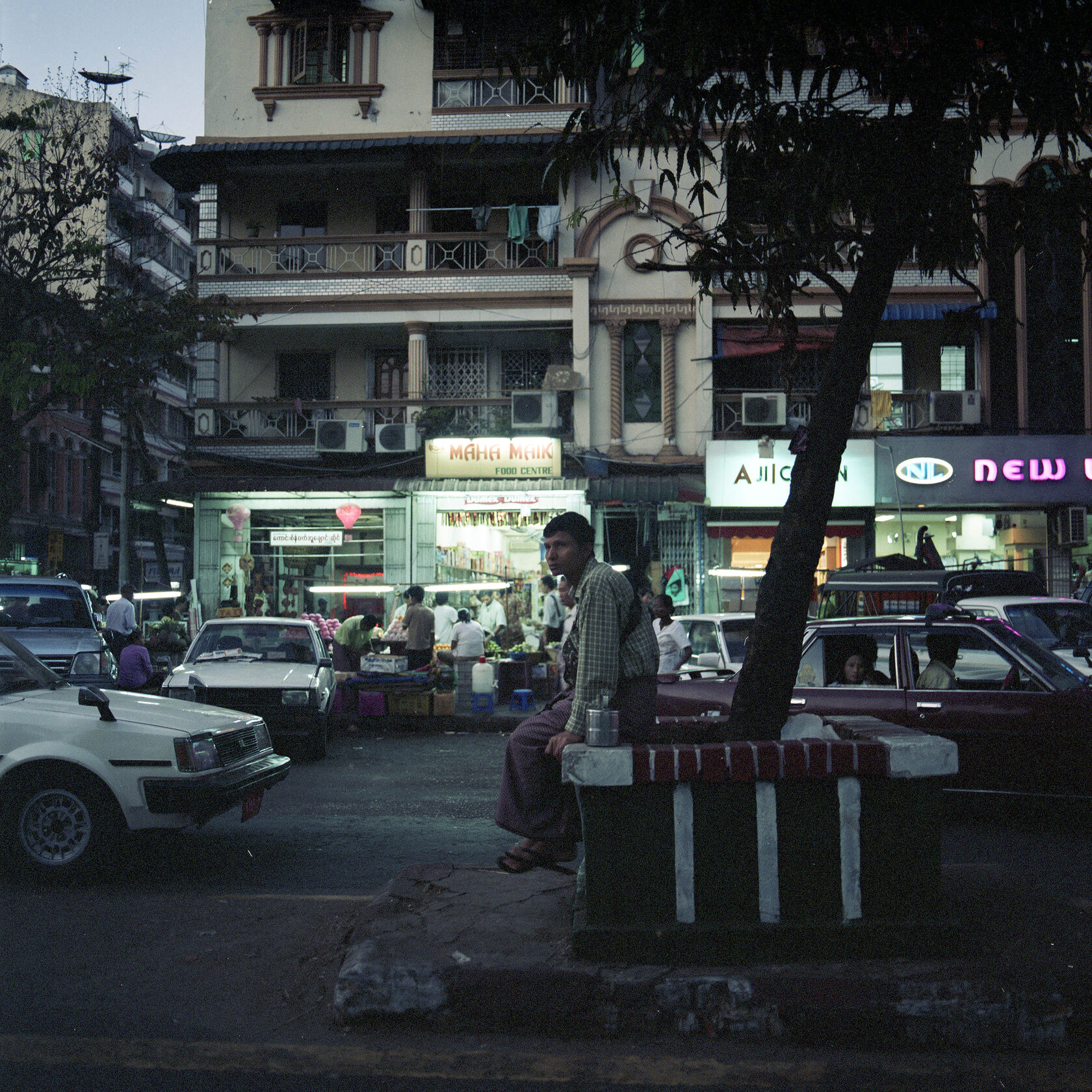
take me to the town centre, and from there I continued on foot. I wandered through the streets, photographing whatever caught my eye, until I came upon the local market.
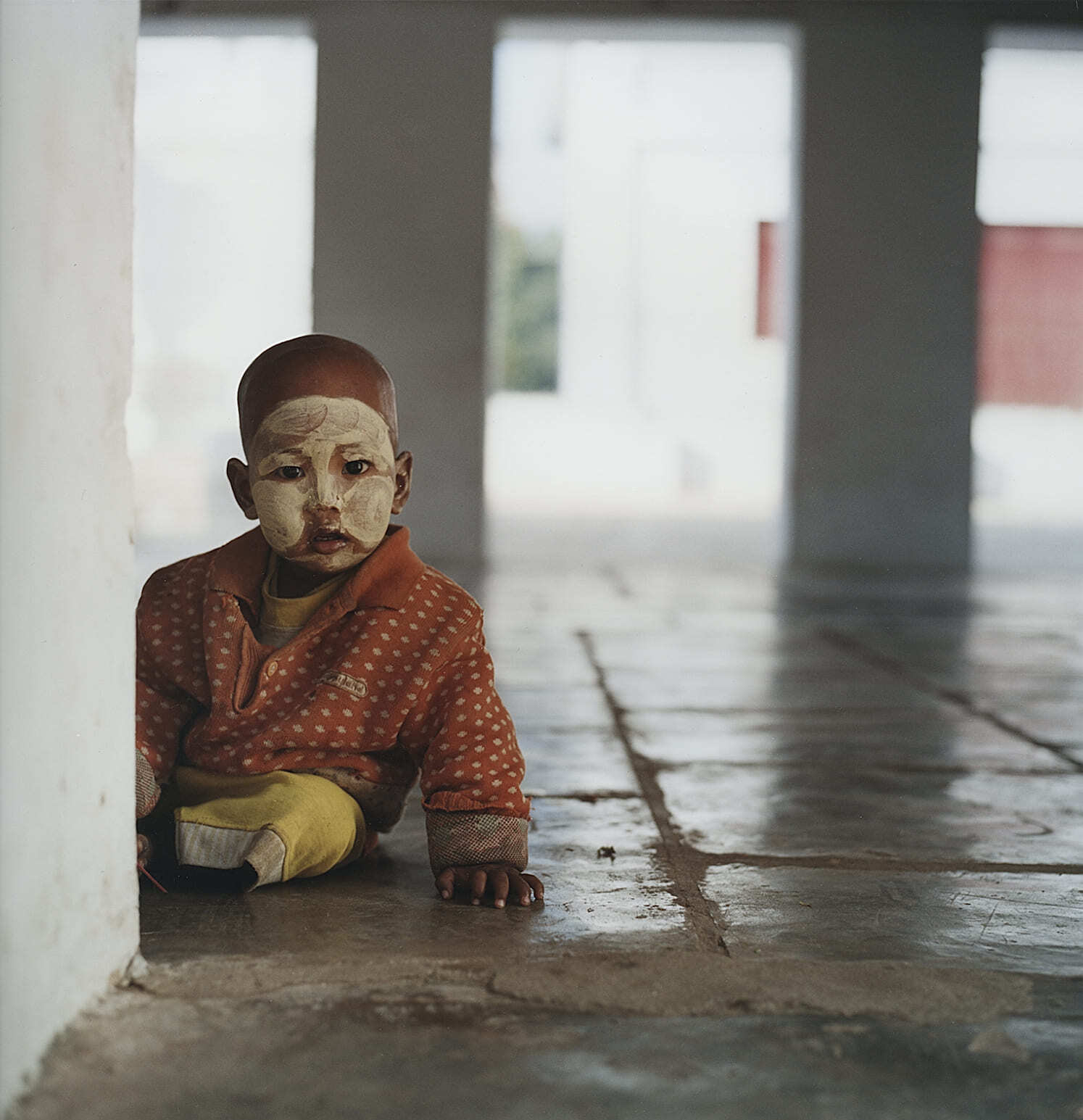
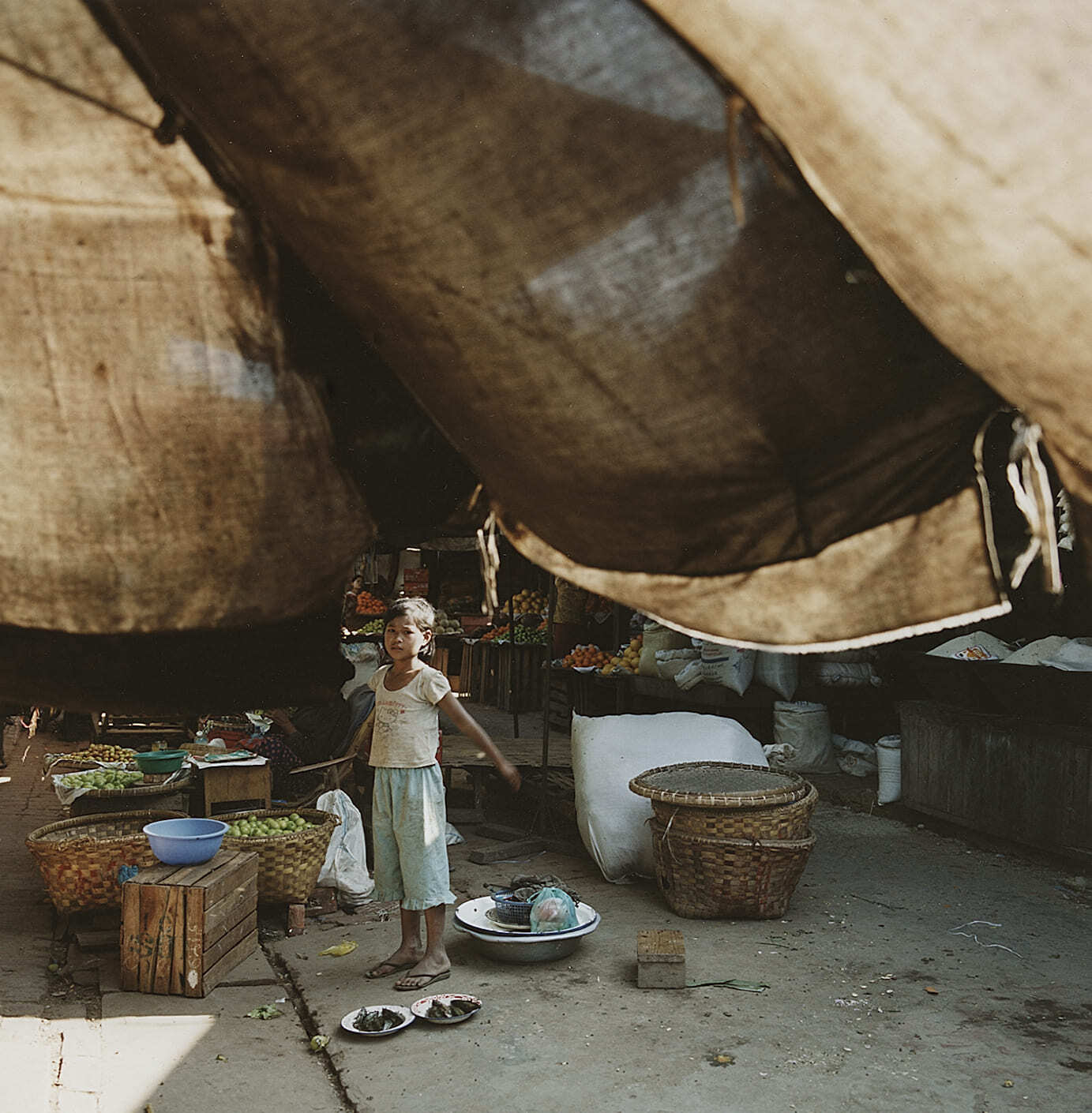
At the very centre of it, beneath a filthy canvas awning, I saw a little girl standing in a brilliant shaft of light.
I walked closer.
The air was thick and suffocating. It was almost impossible to breathe. The smell of rotten fish was overwhelming, and clouds of green flies swarmed everywhere.
I felt sick.
I froze.
Focused.
Held my breath.
Pressed the shutter.
With its familiar double click, the Hasselblad completed the exposure.
The girl was cleaning fish. Around her lay severed heads, tails, and entrails, already long spoiled in the heat. The flies buzzed so loudly it felt as though they had found their way inside my head.
I barely managed to lower the camera.
Then everything I had been holding back for so long erupted out of me in a violent torrent.
Relieved, strangely satisfied, and considerably lighter, I slowly made my way back to the bus.
BAGAN.
The true destination of our journey was the ancient capital of Myanmar - Bagan.
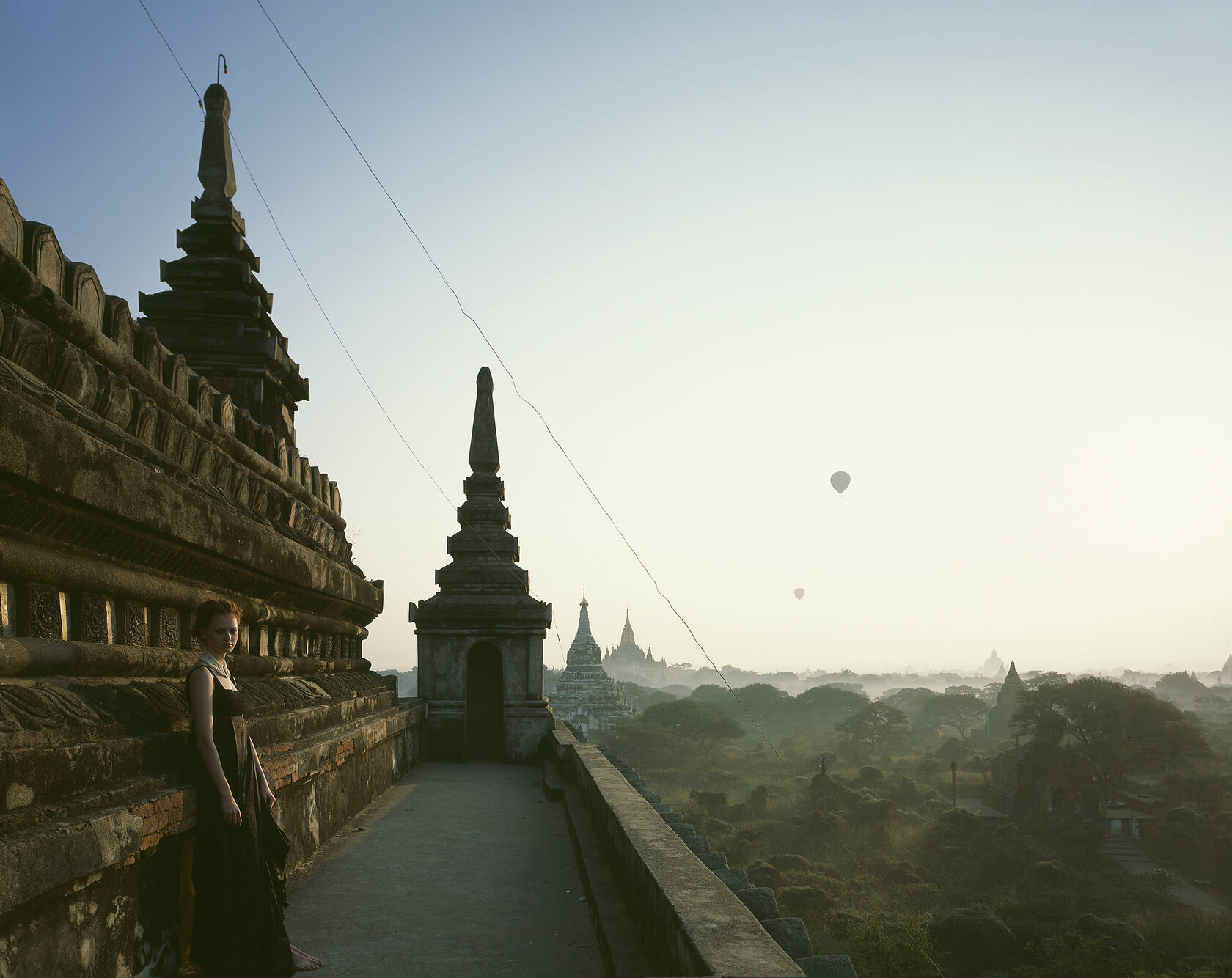
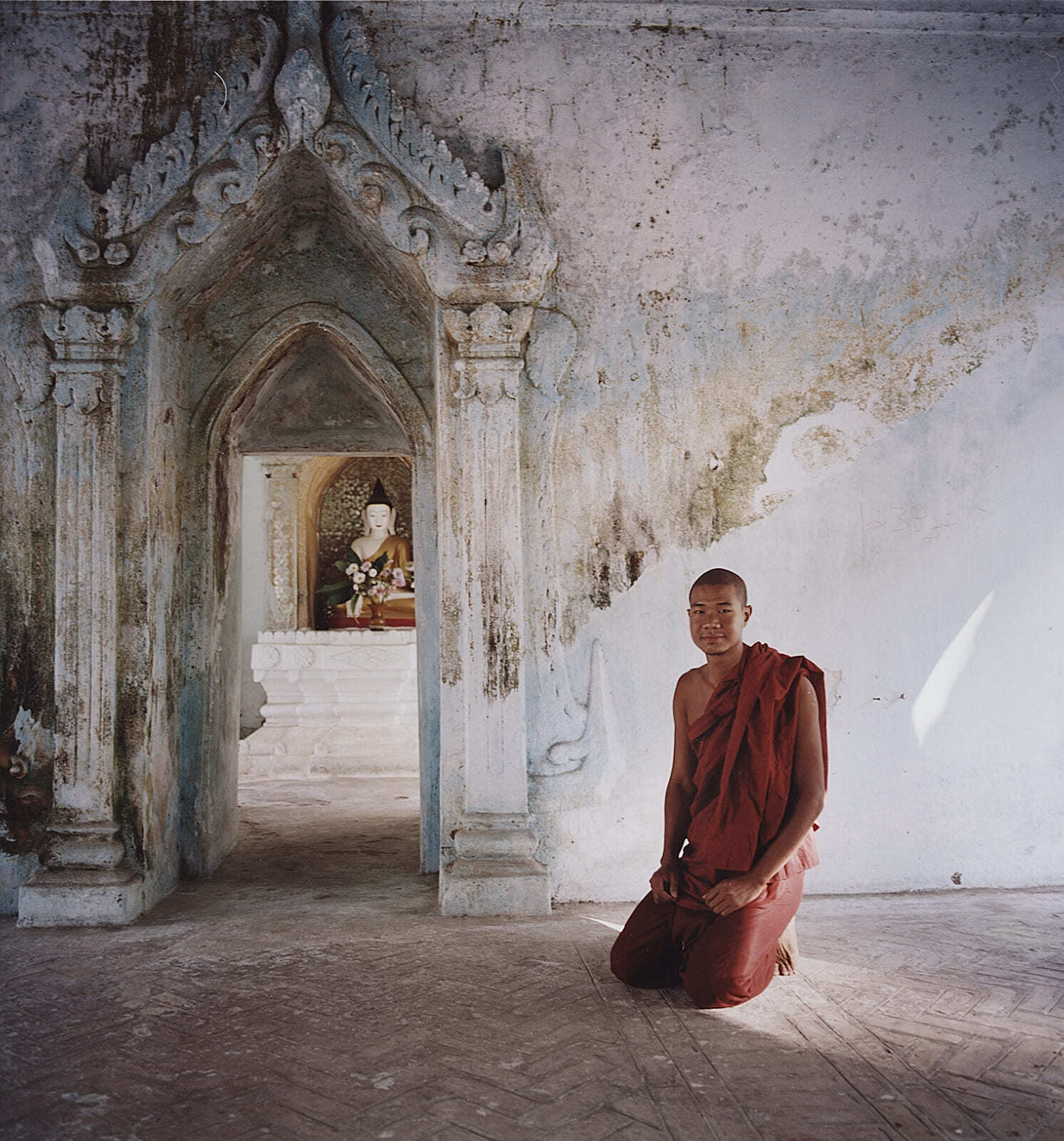
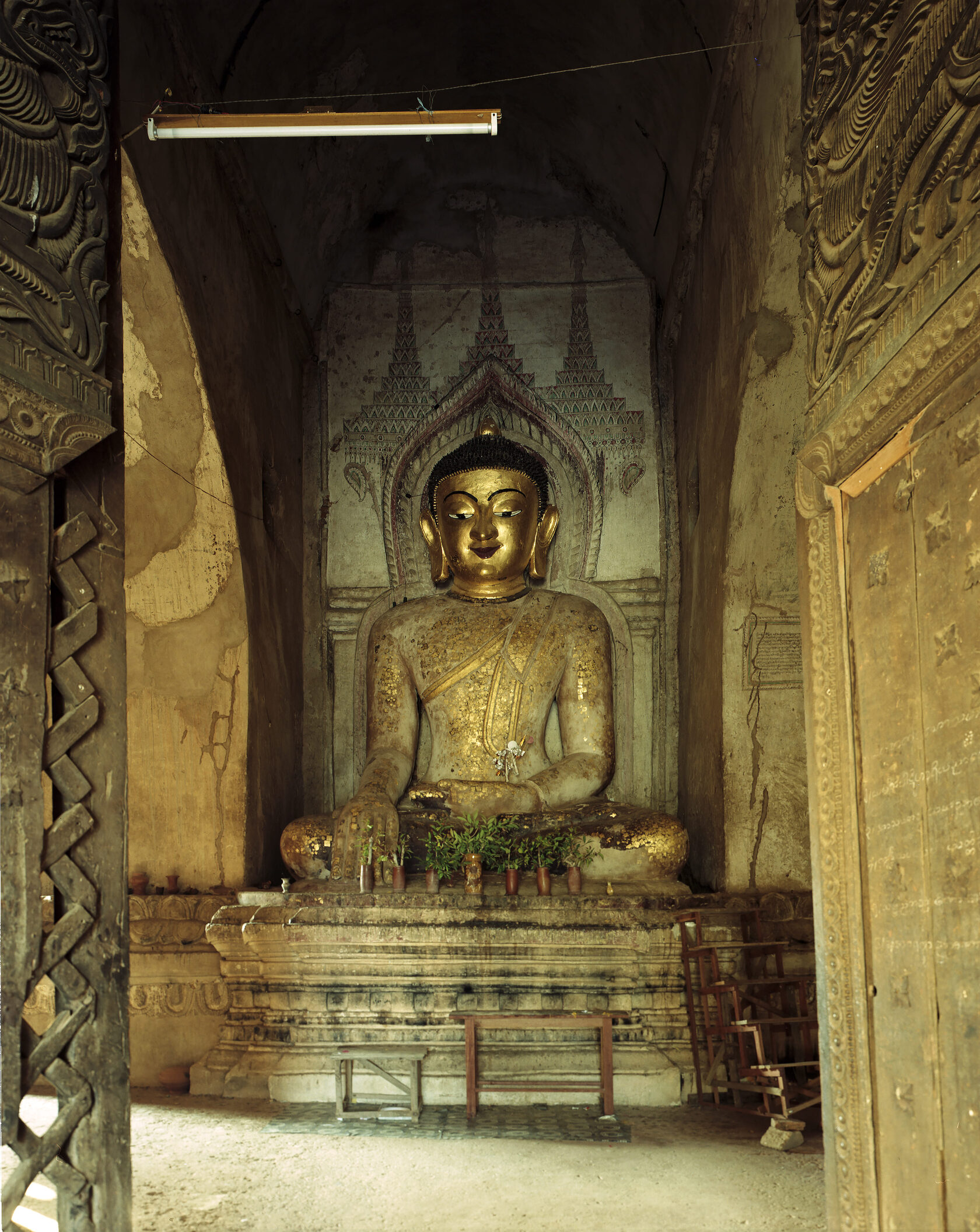
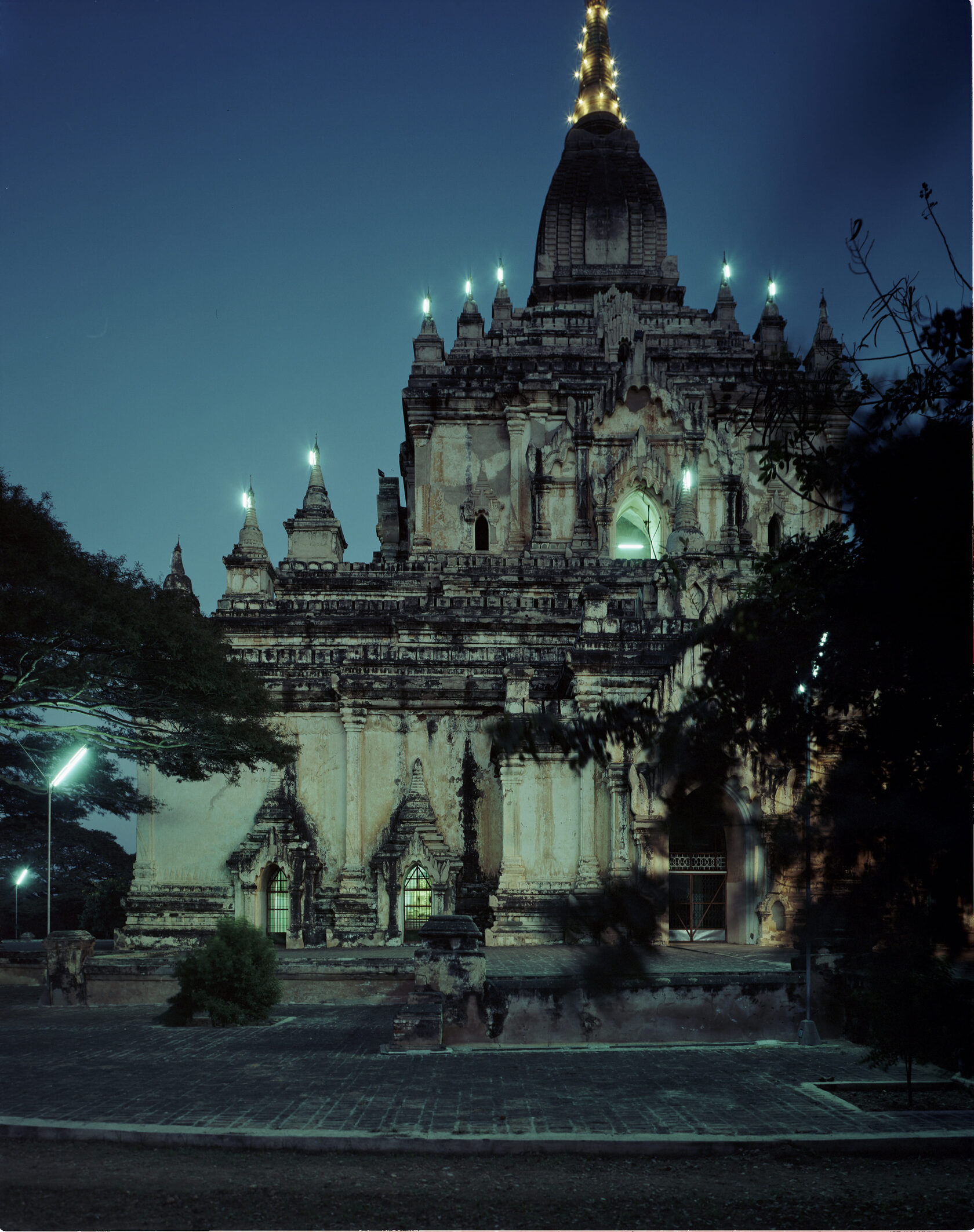
The Burmese kings had moved their capital many times over the centuries, and Bagan had gradually fallen into decline, leaving behind little more than a scattering of small villages and several thousand temples. For nearly one hundred kilometres, ancient stupas and pagodas stretched across the landscape. Many lay in ruins. In one of them we discovered an enormous gilded Buddha. Between the temples spread abandoned fields, forests, and marshland.
It was a ghost city.
I wandered through its deserted streets filled with an
At the very centre of it, beneath a filthy canvas awning, I saw a little girl standing in a brilliant shaft of light.
I walked closer.
The air was thick and suffocating. It was almost impossible to breathe. The smell of rotten fish was overwhelming, and clouds of green flies swarmed everywhere.
I felt sick.
I froze.
Focused.
Held my breath.
Pressed the shutter.
With its familiar double click, the Hasselblad completed the exposure.
The girl was cleaning fish. Around her lay severed heads, tails, and entrails, already long spoiled in the heat. The flies buzzed so loudly it felt as though they had found their way inside my head.
I barely managed to lower the camera.
Then everything I had been holding back for so long erupted out of me in a violent torrent.
Relieved, strangely satisfied, and considerably lighter, I slowly made my way back to the bus.
BAGAN.
The true destination of our journey was the ancient capital of Myanmar - Bagan.
The Burmese kings had moved their capital many times over the centuries, and Bagan had gradually fallen into decline, leaving behind little more than a scattering of small villages and several thousand temples. For nearly one hundred kilometres, ancient stupas and pagodas stretched across the landscape. Many lay in ruins. In one of them we discovered an enormous gilded Buddha. Between the temples spread abandoned fields, forests, and marshland.
It was a ghost city.
I wandered through its deserted streets filled with an
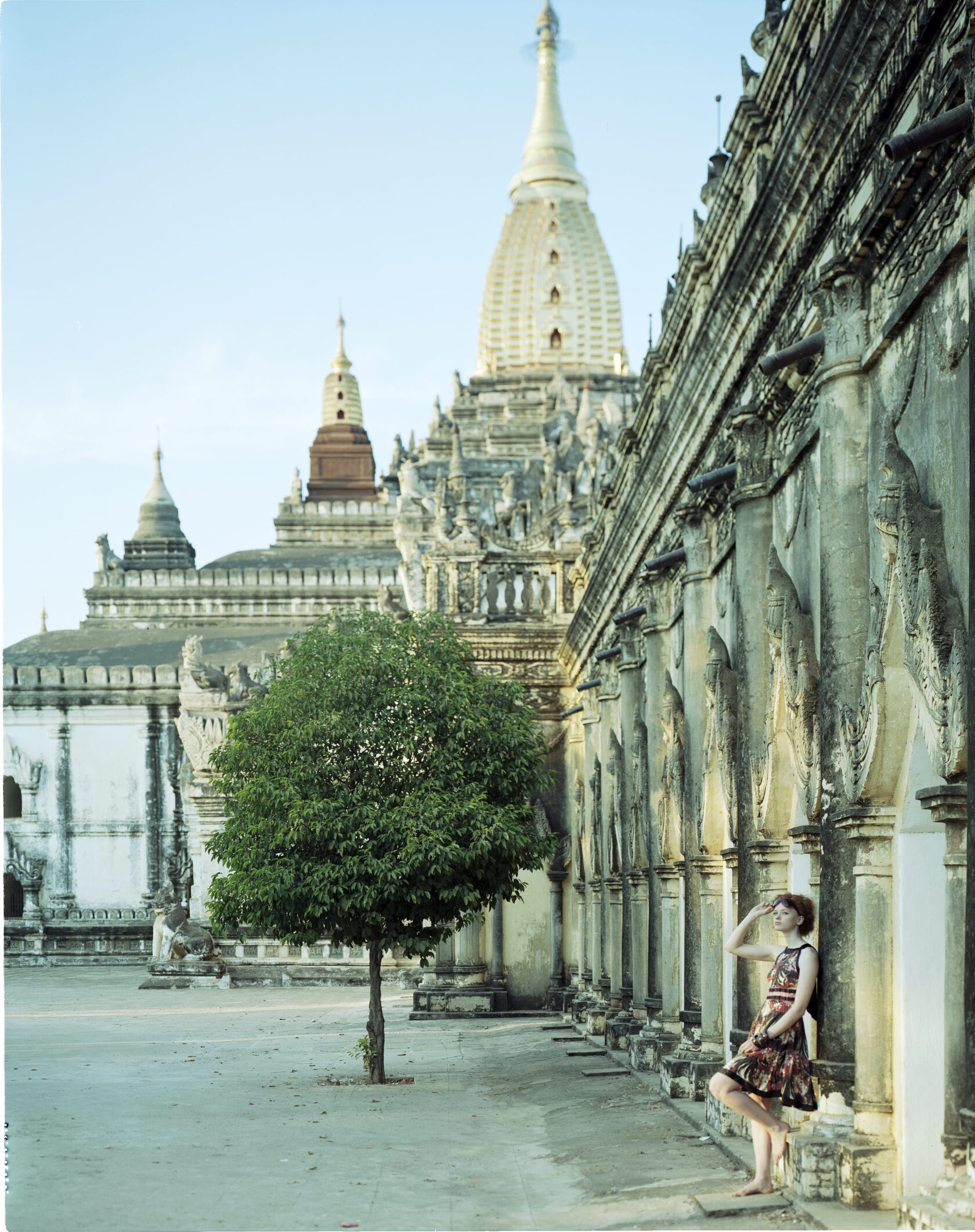
overwhelming sense of excitement, convinced that this was where the principal scene of our story had to be photographed. By dusk I had already found the temple I wanted. After photographing it with my view camera as it shimmered through the trees, I finally felt at peace.
I carried three cameras everywhere: a Hasselblad 6×6 for the main work, a 4×5-inch view camera for architecture and the most important images, and a 35mm Nikon for documentary photography. My backpack, shoulder bag, and tripod together weighed nearly forty kilograms.
Exhausted, I returned to the ship.
That evening I gathered everyone together to explain my plan for the following morning. They liked the idea, although it took some persuasion. I insisted so passionately that, in the end, everyone agreed.
We would have to leave two hours before sunrise.
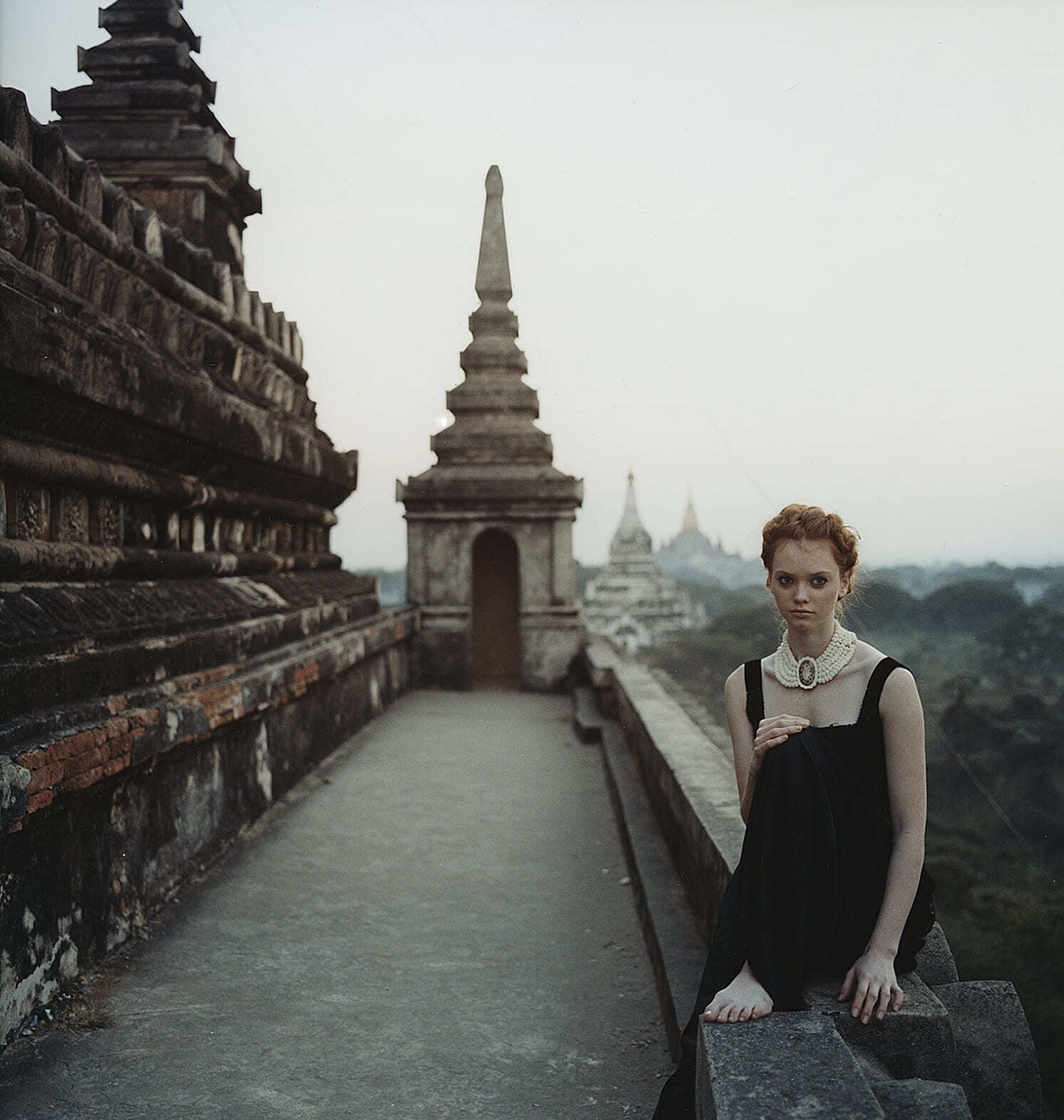
It took us almost an hour to reach the temple I had chosen. After climbing two hundred stone steps - the equivalent of about ten storeys - we arrived at the upper terrace of one of the tallest temples in Bagan.
From there the entire ancient city stretched out beneath us.
Breathing heavily, I assembled the camera while dawn slowly approached. The crew dressed the model and finished her makeup. When the horizon finally turned pale pink, we were ready.
I measured the light again and again, determined not to make a single mistake with the exposure.
The model's face remained in shadow.
She did not move.
Remove the dark slide.
Open the shutter.
Release it.
Replace the dark slide.
A few more exposures.
Finished.
I no longer remember exactly what I felt at that moment.
Today, I suspect I would have burst into tears.
Age has a way of making us sentimental.
I carried three cameras everywhere: a Hasselblad 6×6 for the main work, a 4×5-inch view camera for architecture and the most important images, and a 35mm Nikon for documentary photography. My backpack, shoulder bag, and tripod together weighed nearly forty kilograms.
Exhausted, I returned to the ship.
That evening I gathered everyone together to explain my plan for the following morning. They liked the idea, although it took some persuasion. I insisted so passionately that, in the end, everyone agreed.
We would have to leave two hours before sunrise.
It took us almost an hour to reach the temple I had chosen. After climbing two hundred stone steps - the equivalent of about ten storeys - we arrived at the upper terrace of one of the tallest temples in Bagan.
From there the entire ancient city stretched out beneath us.
Breathing heavily, I assembled the camera while dawn slowly approached. The crew dressed the model and finished her makeup. When the horizon finally turned pale pink, we were ready.
I measured the light again and again, determined not to make a single mistake with the exposure.
The model's face remained in shadow.
She did not move.
Remove the dark slide.
Open the shutter.
Release it.
Replace the dark slide.
A few more exposures.
Finished.
I no longer remember exactly what I felt at that moment.
Today, I suspect I would have burst into tears.
Age has a way of making us sentimental.
THE GIRL.
Every photographer dreams of shooting travel assignments. Everyone loves to travel, especially when someone else is willing to pay for it. Photographing on the road seems like the most natural and effortless thing in the world. Of course, now and then you have to sweat - or freeze - but those are insignificant details, hardly worth mentioning.
One day I was invited to shoot a fashion story for Travel + Leisure. It was meant to appear in the magazine's pilot issue. Our small crew flew into Yangon, the capital of Myanmar: editor-in-chief Maxim Maslakov, a model, a makeup artist, a stylist, and myself.
Everything was first-class.
We travelled along the Irrawaddy River aboard a luxurious cruise ship, stopping at ancient towns along the way. Every day brought a new menu. The French chef did everything he could to impress us. Delicacies, fine wines, elaborate desserts...
Read more
Every photographer dreams of shooting travel assignments. Everyone loves to travel, especially when someone else is willing to pay for it. Photographing on the road seems like the most natural and effortless thing in the world. Of course, now and then you have to sweat - or freeze - but those are insignificant details, hardly worth mentioning.
One day I was invited to shoot a fashion story for Travel + Leisure. It was meant to appear in the magazine's pilot issue. Our small crew flew into Yangon, the capital of Myanmar: editor-in-chief Maxim Maslakov, a model, a makeup artist, a stylist, and myself.
Everything was first-class.
We travelled along the Irrawaddy River aboard a luxurious cruise ship, stopping at ancient towns along the way. Every day brought a new menu. The French chef did everything he could to impress us. Delicacies, fine wines, elaborate desserts...
Read more
Contacts
*Instagram is owned by Meta, an organization recognized as extremist and banned in the Russian Federation
*Instagram is owned by Meta, an organization recognized as extremist and banned in the Russian Federation
©2026.