0%
Rosa Khutor Resort. Krasnaya Polyana. 2015
THE OTHER SIDE OF ROSA KHUTOR.
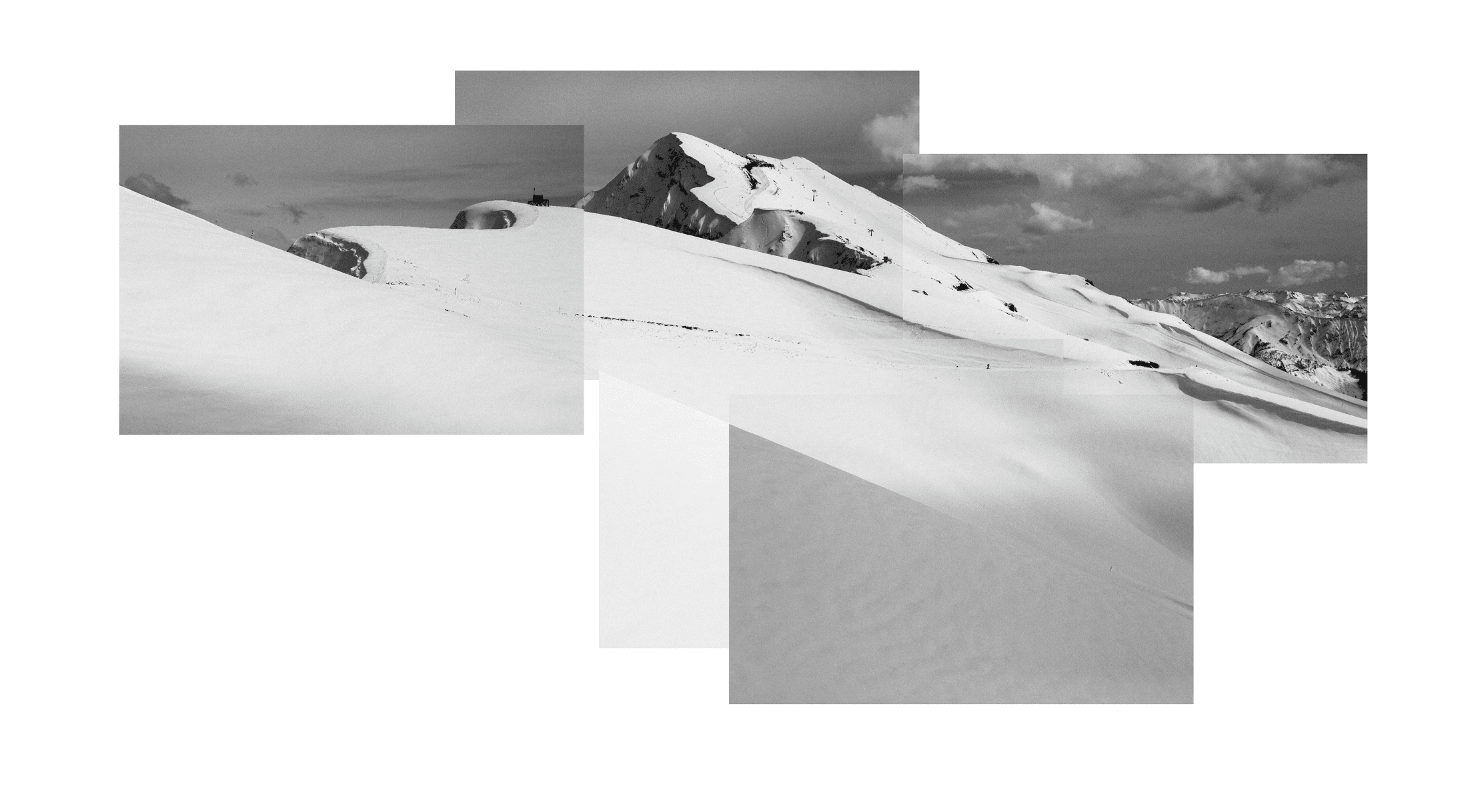
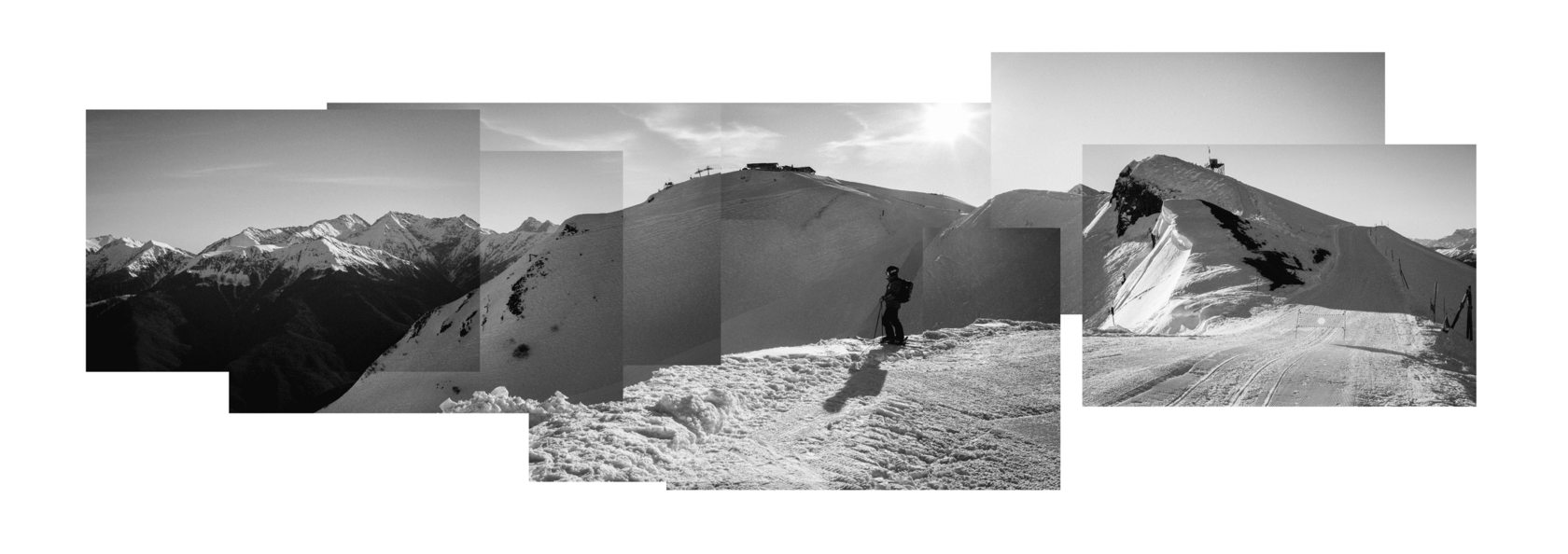
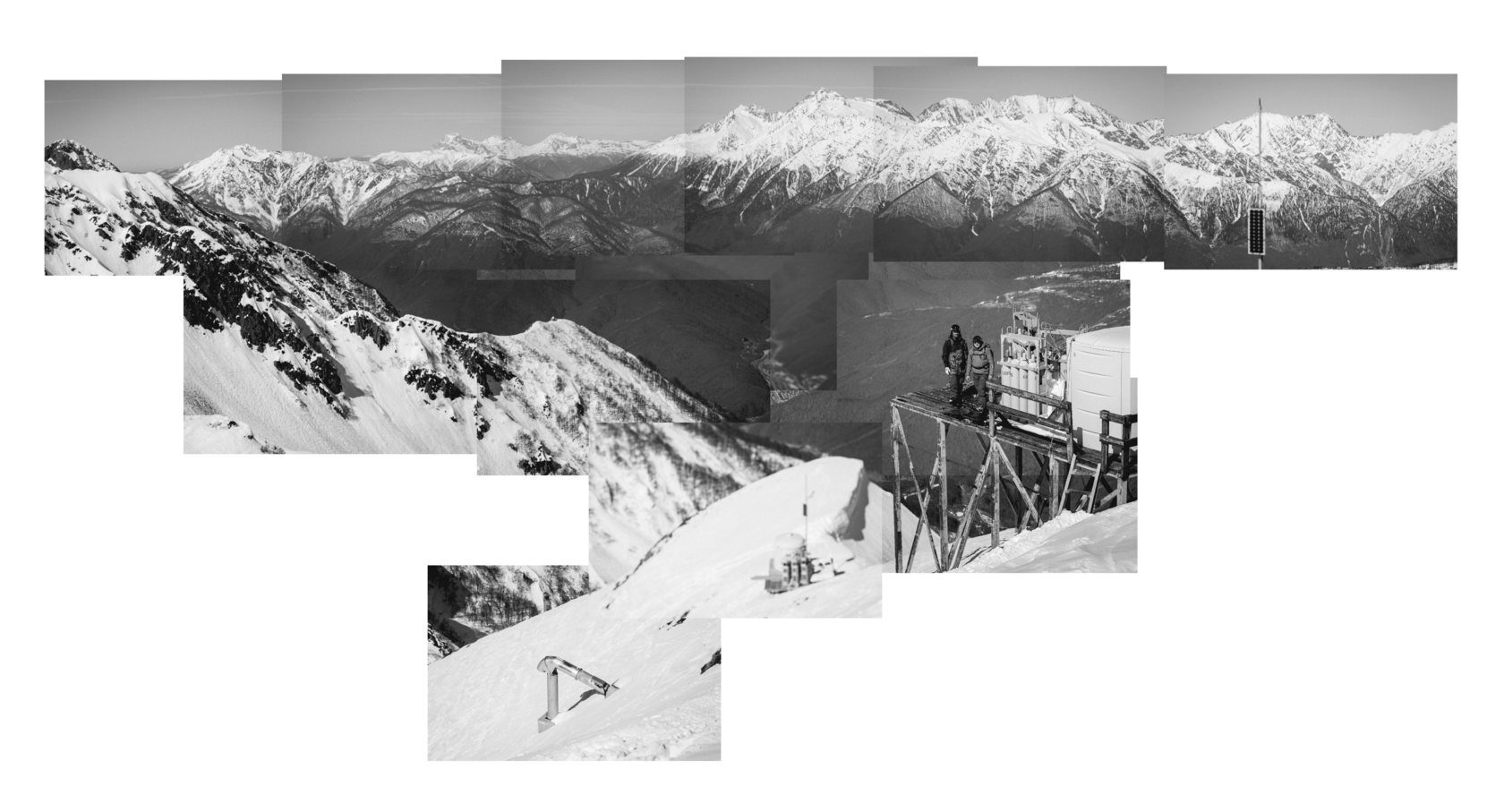
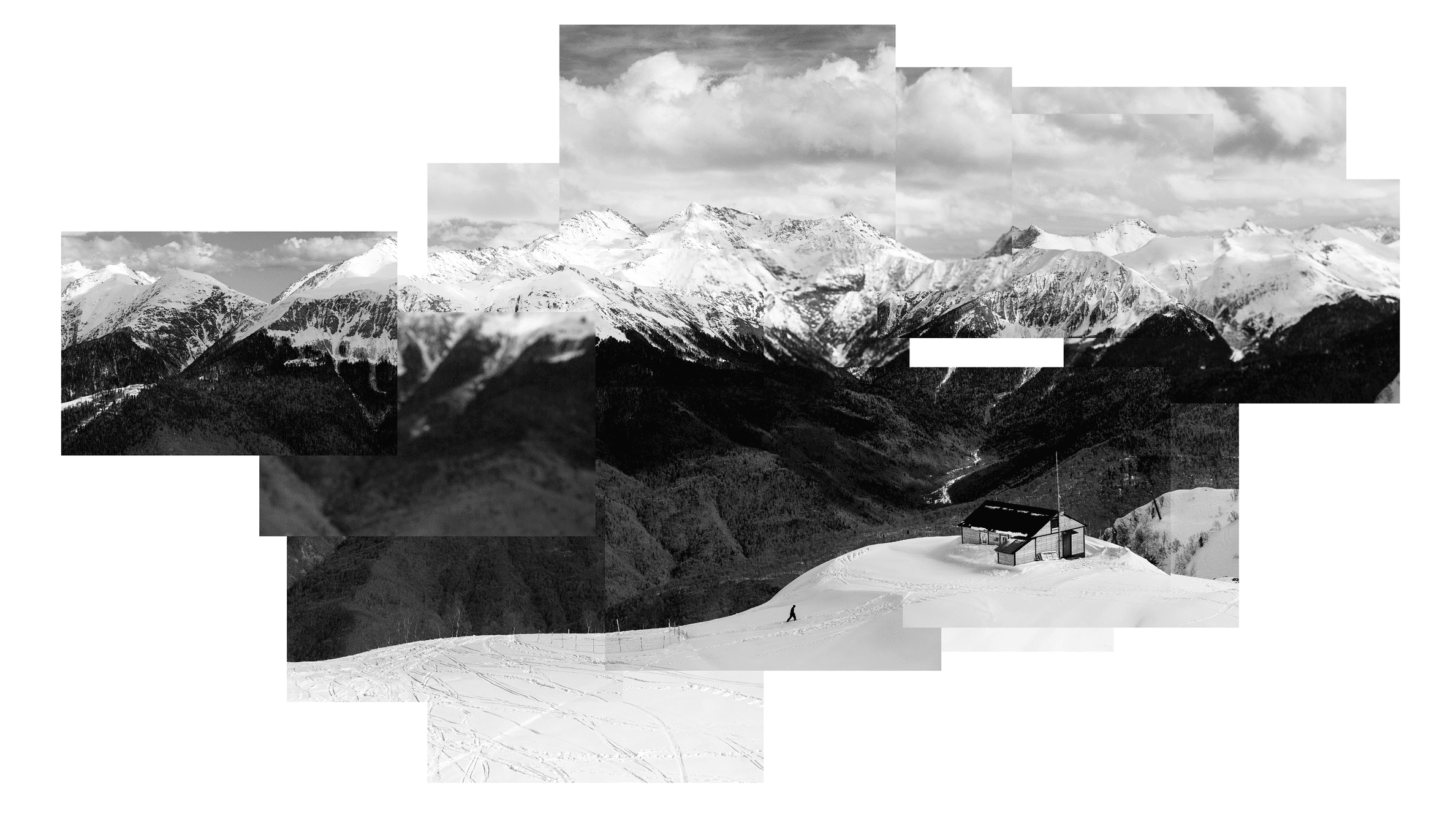
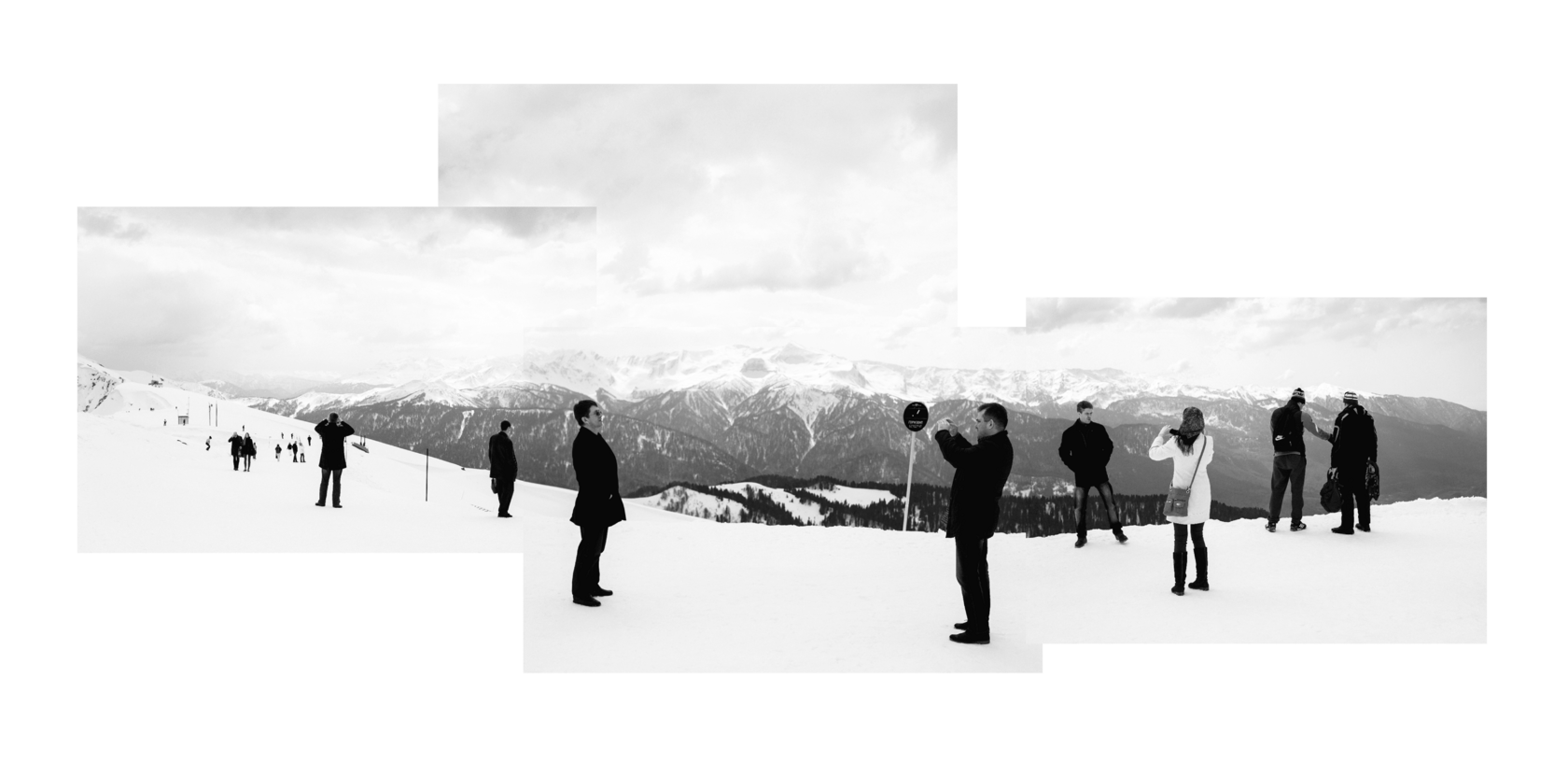
Rosa Khutor Ski Resort was one of the key venues of the XXII Olympic Winter Games held in Sochi in 2014. Its geographical location is unique: only forty kilometers separate it from both Sochi and the Black Sea coast. At its foot lies the mountain village of Krasnaya Polyana, while above it rise the slopes of the Aibga Ridge. The highest point of the resort reaches 2,320 meters near the Main Caucasian Ridge.
Covering an area of 1,820 hectares, Rosa Khutor stretches across the northern, northeastern, and southern slopes of Aibga. Within this vast territory are 77 kilometers of ski runs, welcoming more than ten thousand visitors every day.
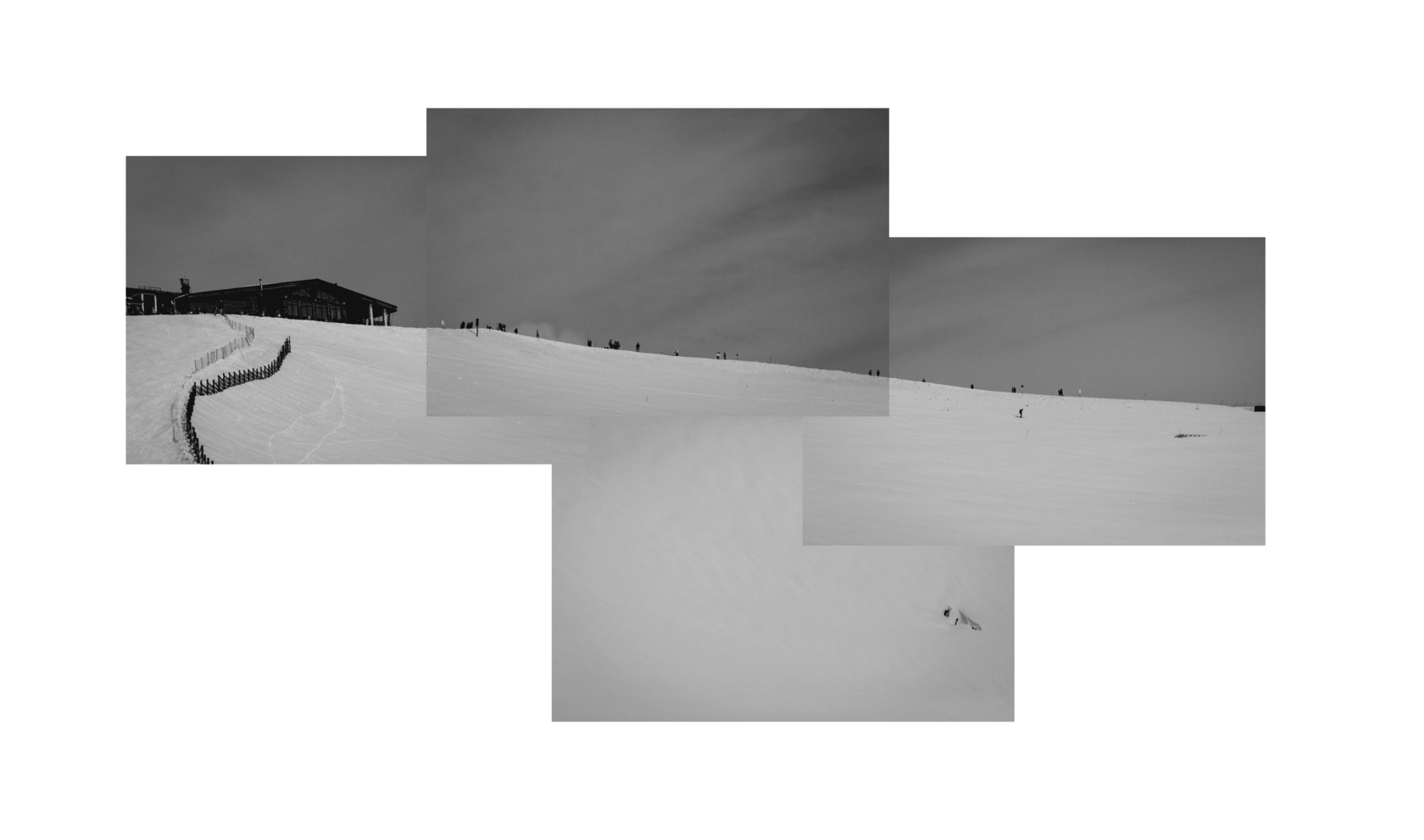
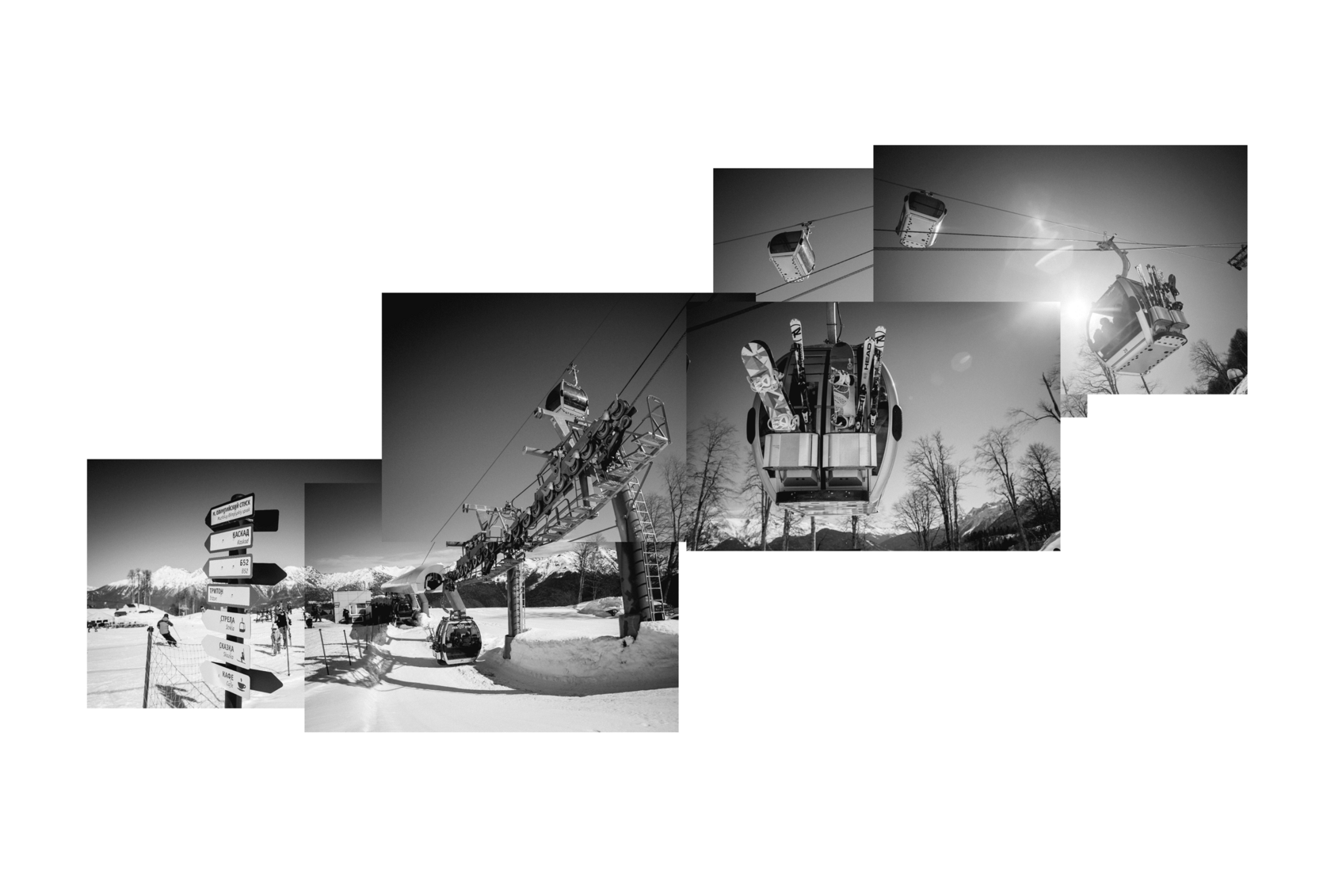
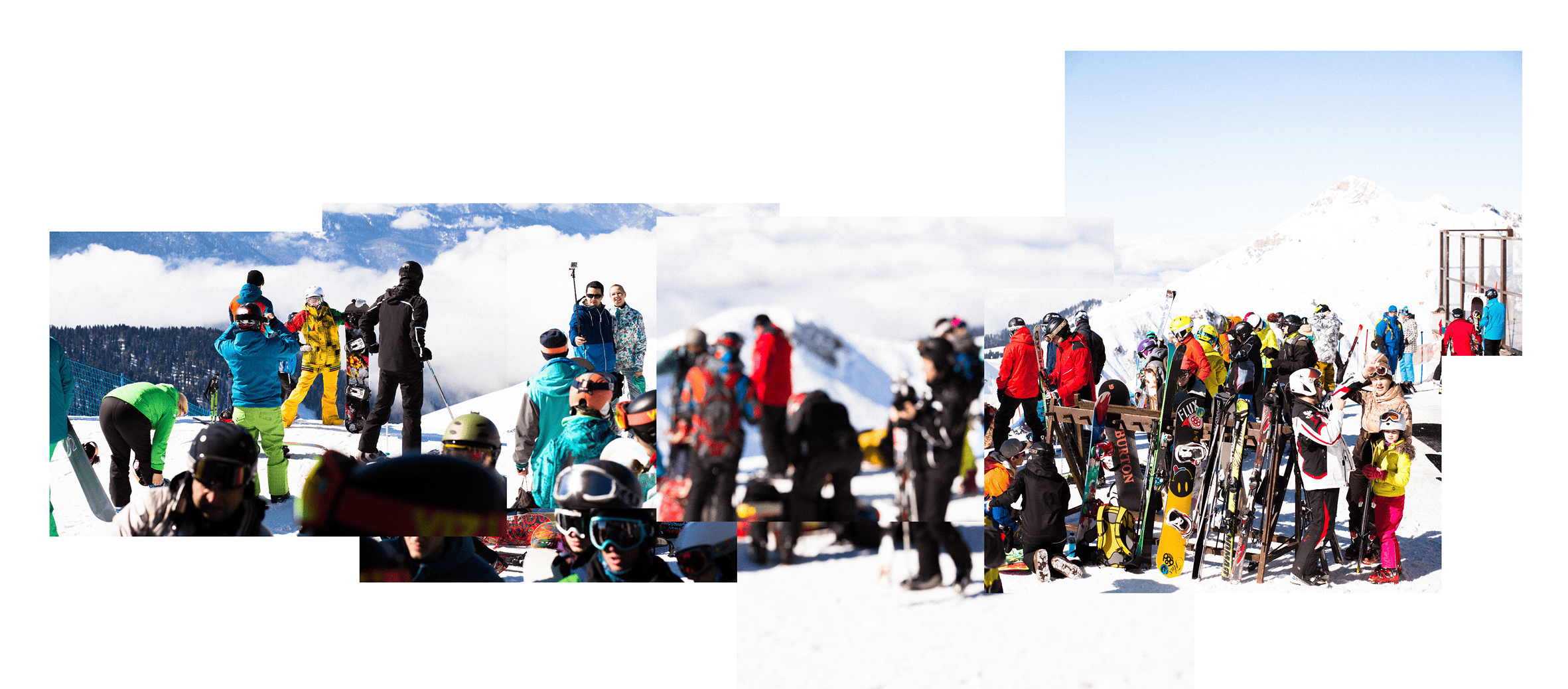
For most people, Rosa Khutor is simply a resort, a place of leisure and escape. We come here for snow, speed, breathtaking views, and that special sense of freedom only the mountains can provide. We step into comfortable lifts, enjoy perfectly groomed slopes, and admire the fresh corduroy snow every morning. Yet we rarely stop to think about what lies behind all of it.
As an avid snowboarder, I have visited many resorts. I spent years riding at Rosa Khutor and always viewed it through the eyes of an ordinary guest. Like everyone else, I tried to make the most of the mountain and everything it had to offer, chasing the simple pleasure of riding. Never once did I stop to consider how
Rosa Khutor Ski Resort was one of the key venues of the XXII Olympic Winter Games held in Sochi in 2014. Its geographical location is unique: only forty kilometers separate it from both Sochi and the Black Sea coast. At its foot lies the mountain village of Krasnaya Polyana, while above it rise the slopes of the Aibga Ridge. The highest point of the resort reaches 2,320 meters near the Main Caucasian Ridge.
Covering an area of 1,820 hectares, Rosa Khutor stretches across the northern, northeastern, and southern slopes of Aibga. Within this vast territory are 77 kilometers of ski runs, welcoming more than ten thousand visitors every day.
For most people, Rosa Khutor is simply a resort, a place of leisure and escape. We come here for snow, speed, breathtaking views, and that special sense of freedom only the mountains can provide. We step into comfortable lifts, enjoy perfectly groomed slopes, and admire the fresh corduroy snow every morning. Yet we rarely stop to think about what lies behind all of it.
As an avid snowboarder, I have visited many resorts. I spent years riding at Rosa Khutor and always viewed it through the eyes of an ordinary guest. Like everyone else, I tried to make the most of the mountain and everything it had to offer, chasing the simple pleasure of riding. Never once did I stop to consider how
this enormous organism actually functioned.
And yet behind every operating lift, every safe descent, and every perfectly prepared slope stand people we almost never see.
One day I became curious about how the resort works from the inside. Who monitors the weather? Who makes decisions during snowstorms? Who is the first to step onto the mountain each morning? Who works while everyone else is resting?
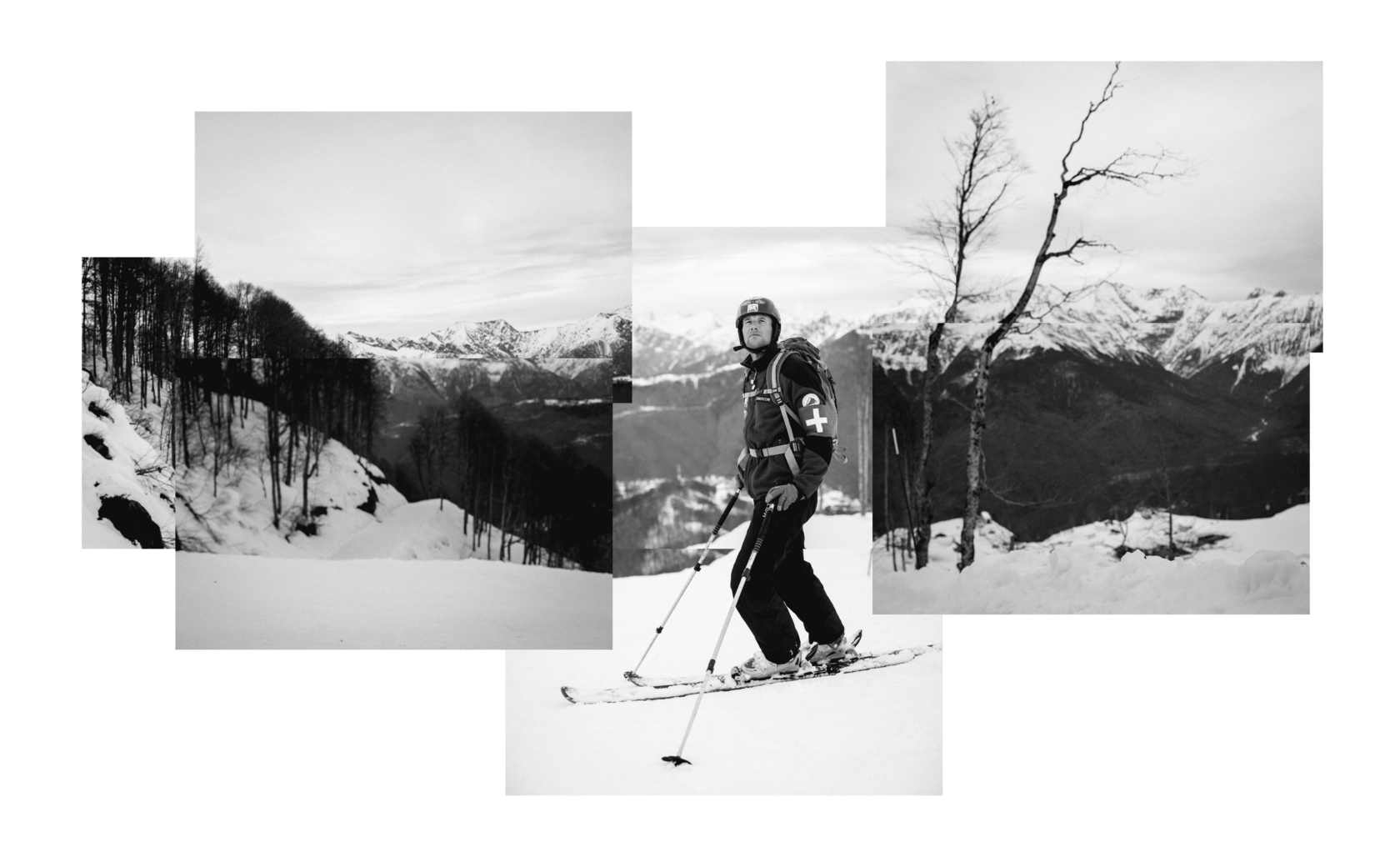
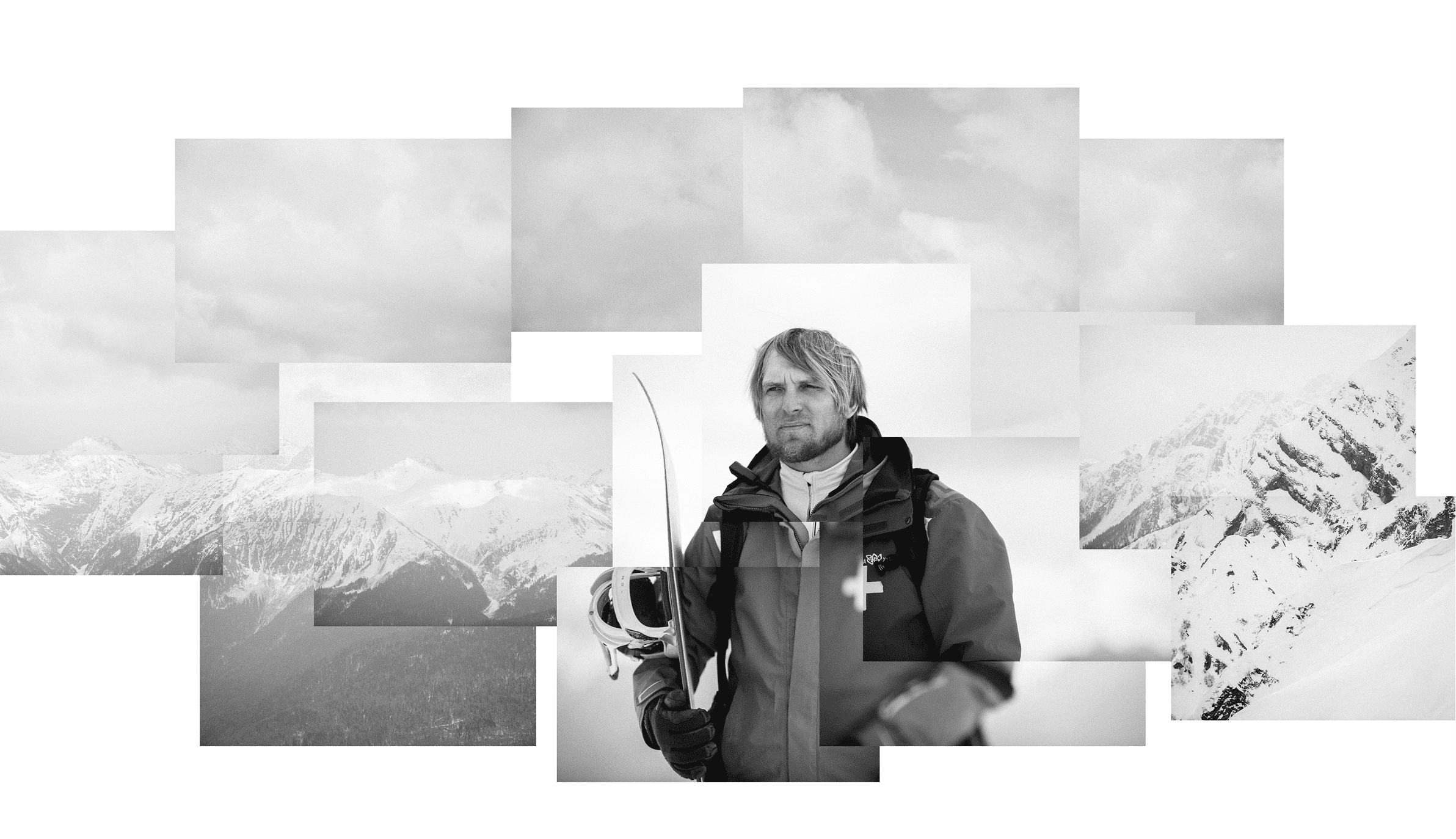
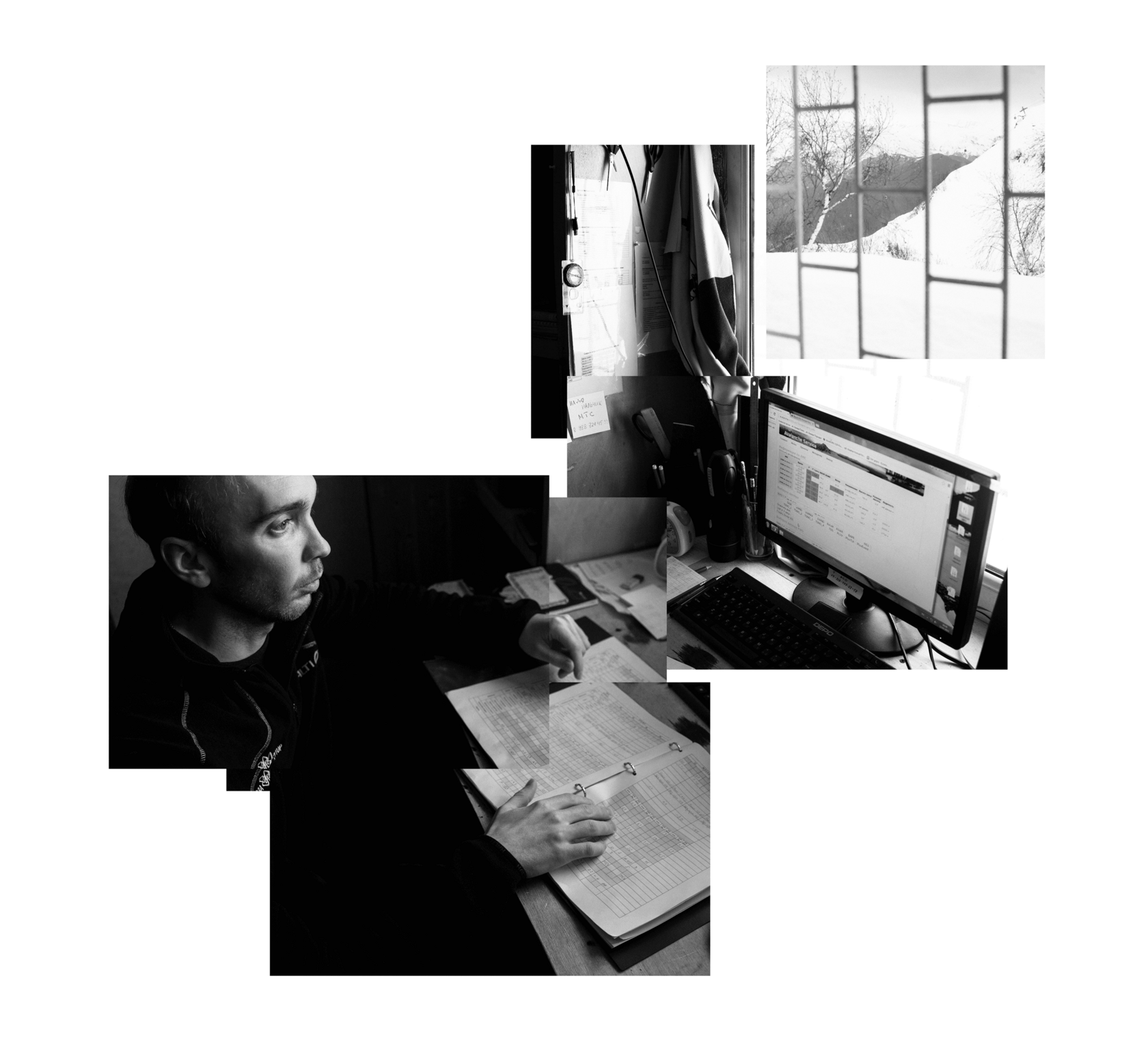
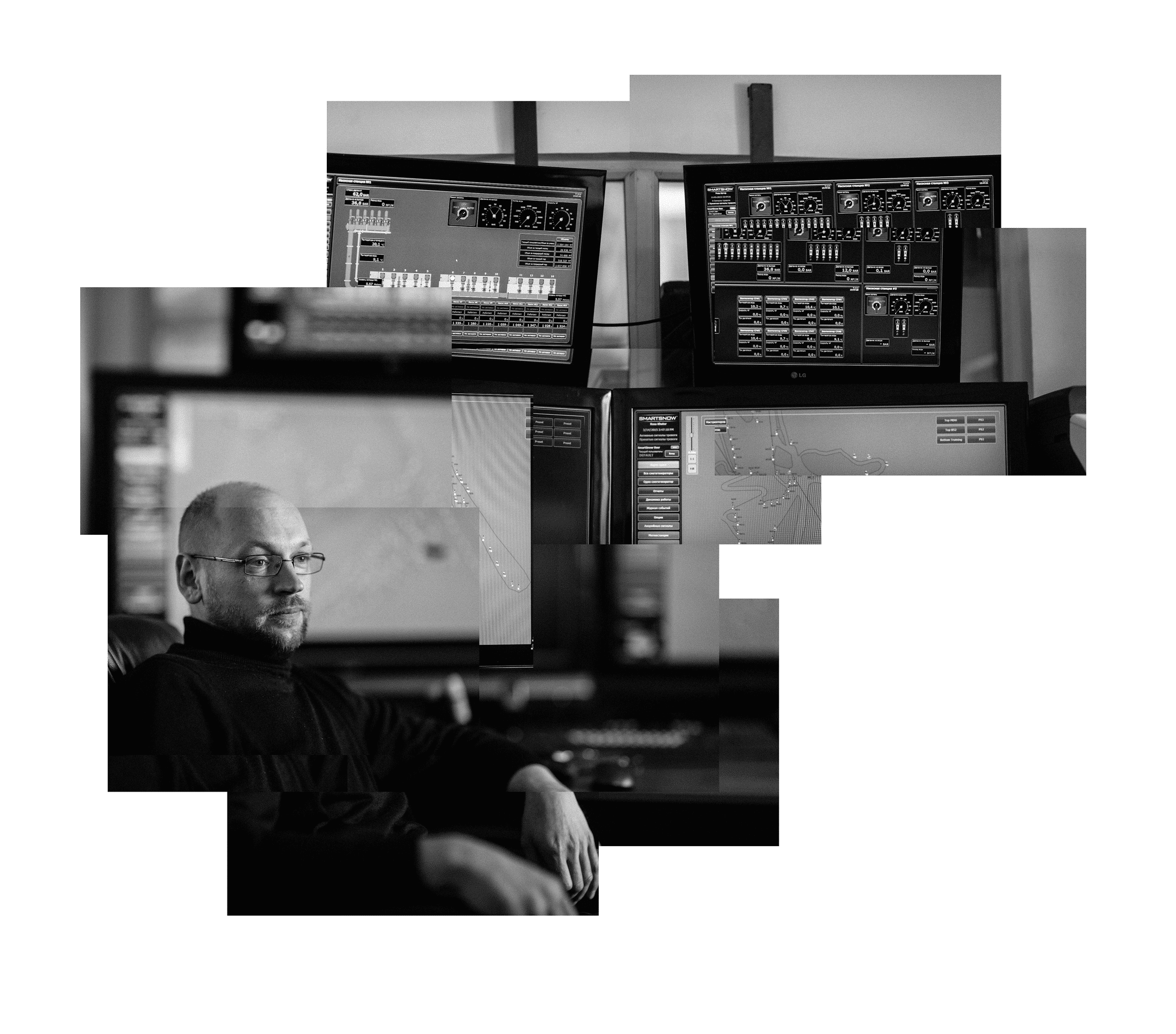
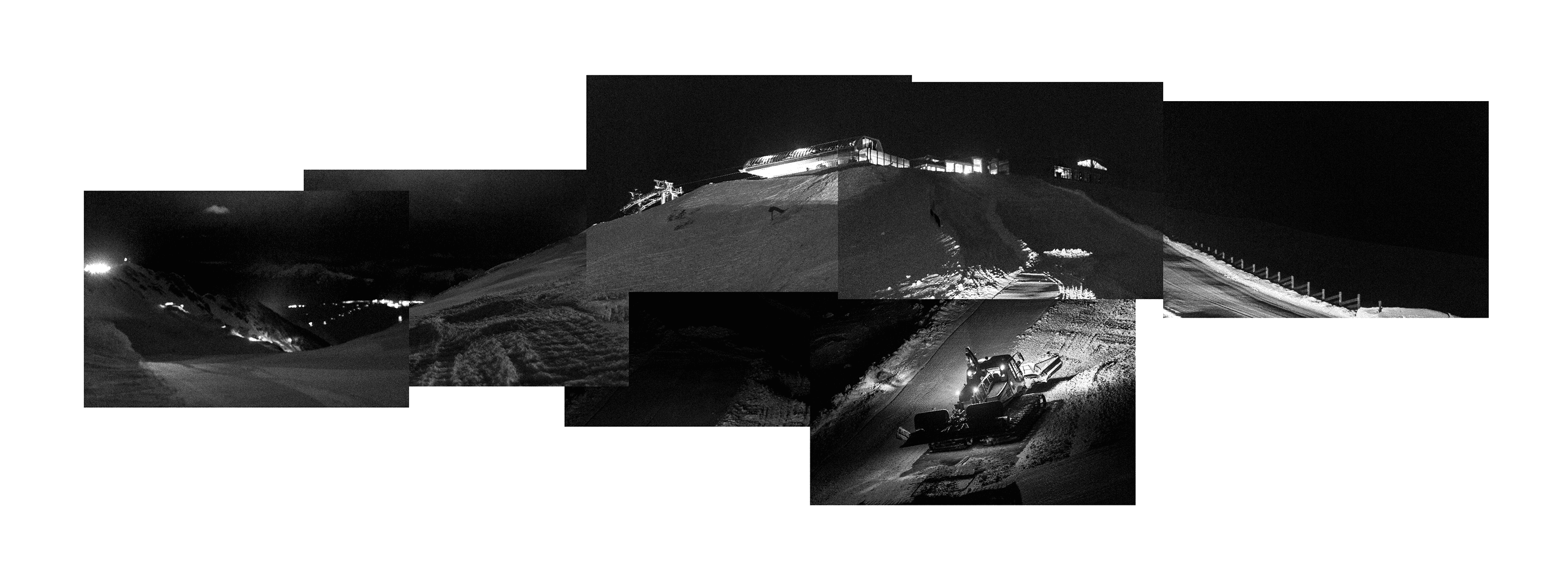
That curiosity became the starting point of this project. Before long, I was packing my camera equipment and snowboard gear for the trip. From the very beginning, I saw my task as a simple one: to immerse myself as deeply as possible in the life of the resort and to understand how rescuers, avalanche specialists, meteorologists, and snowcat operators work and live.
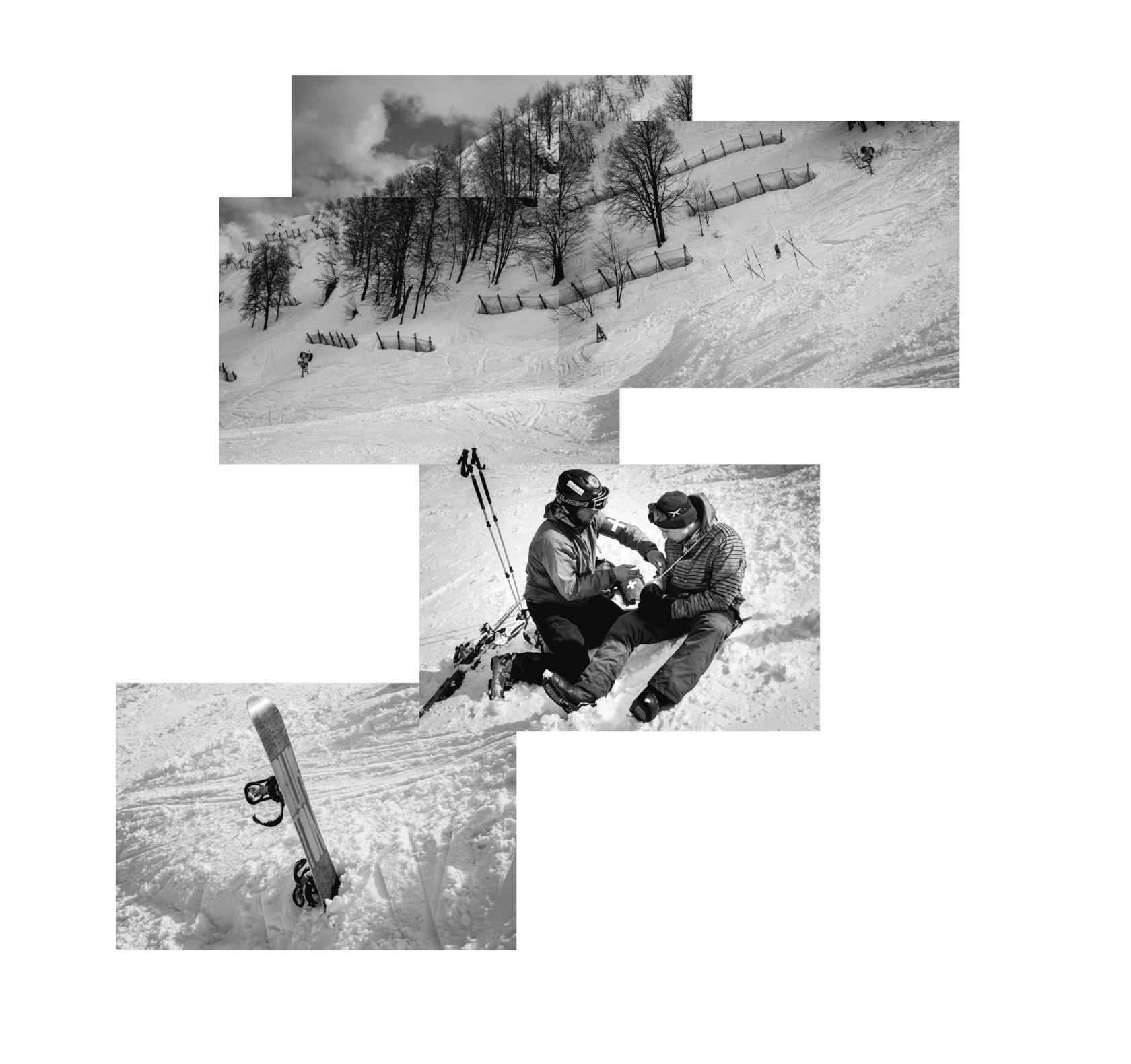
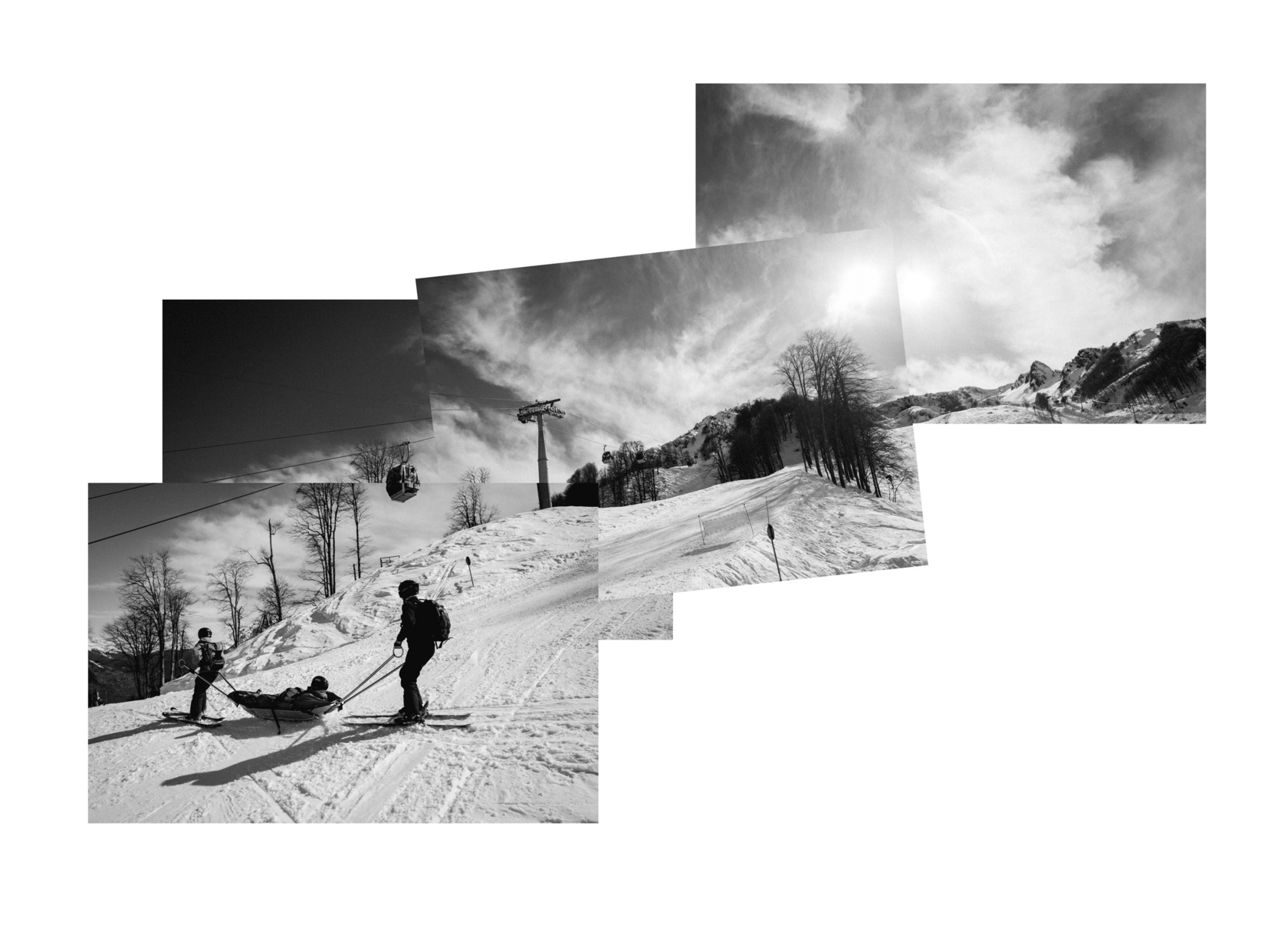
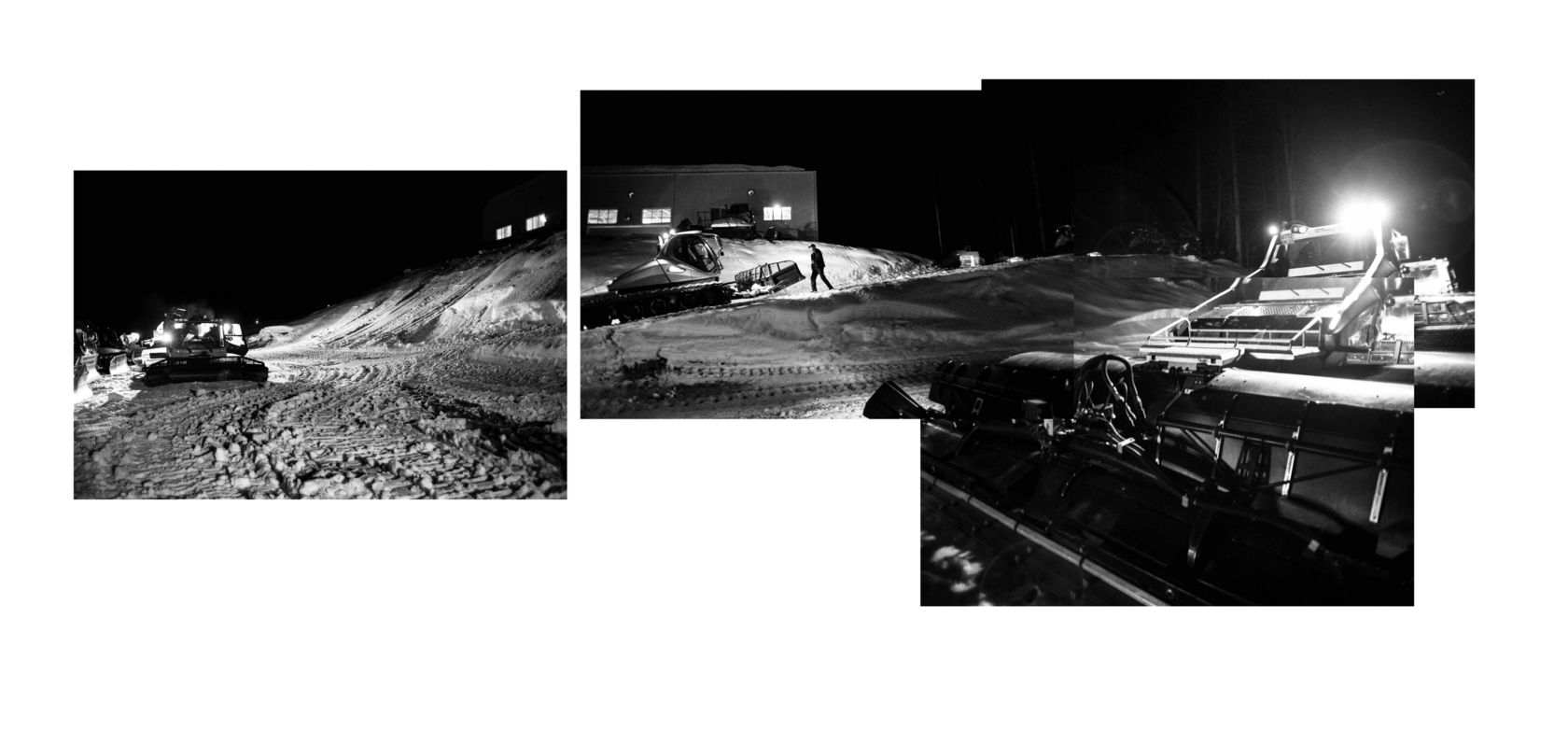
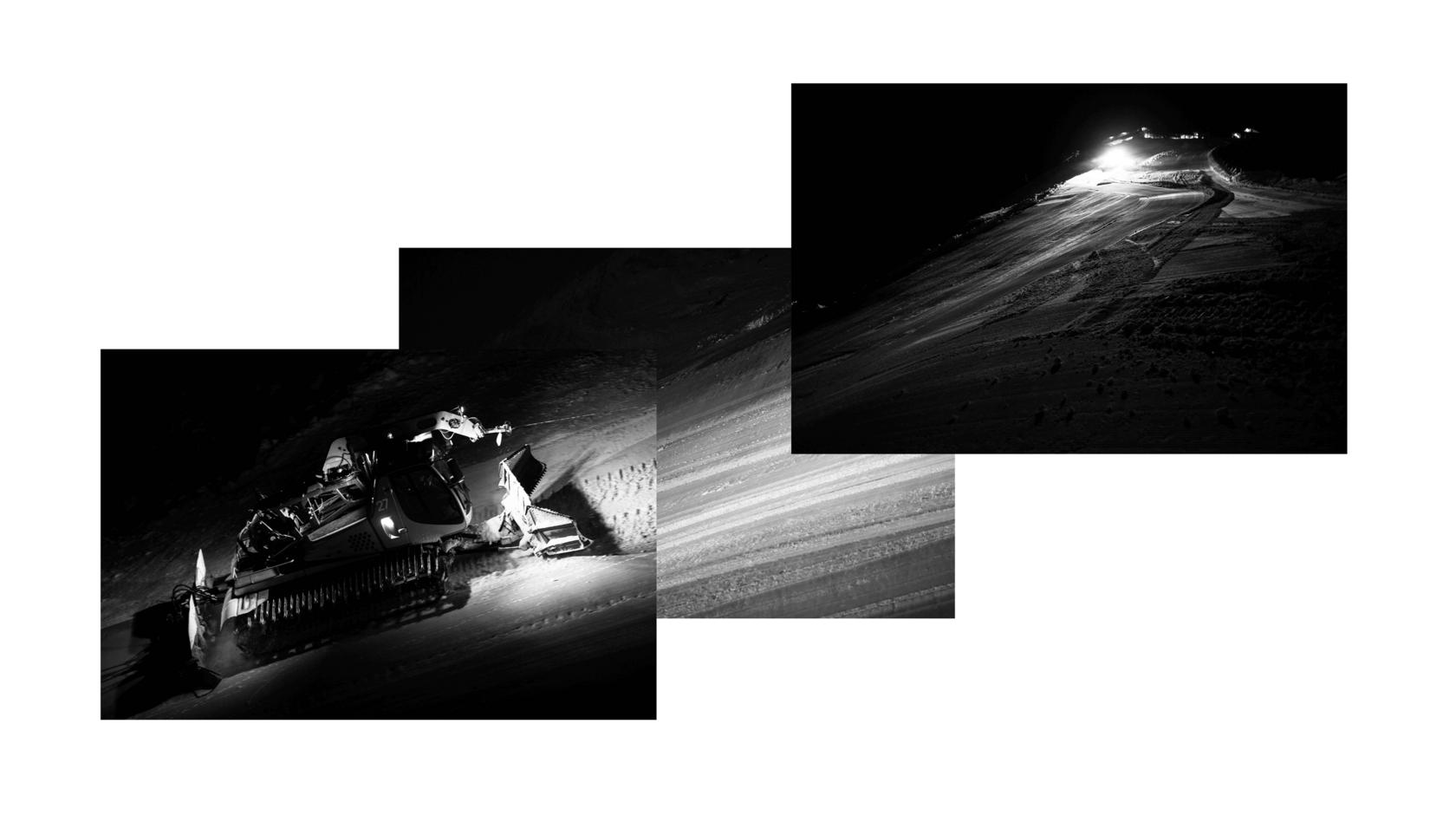
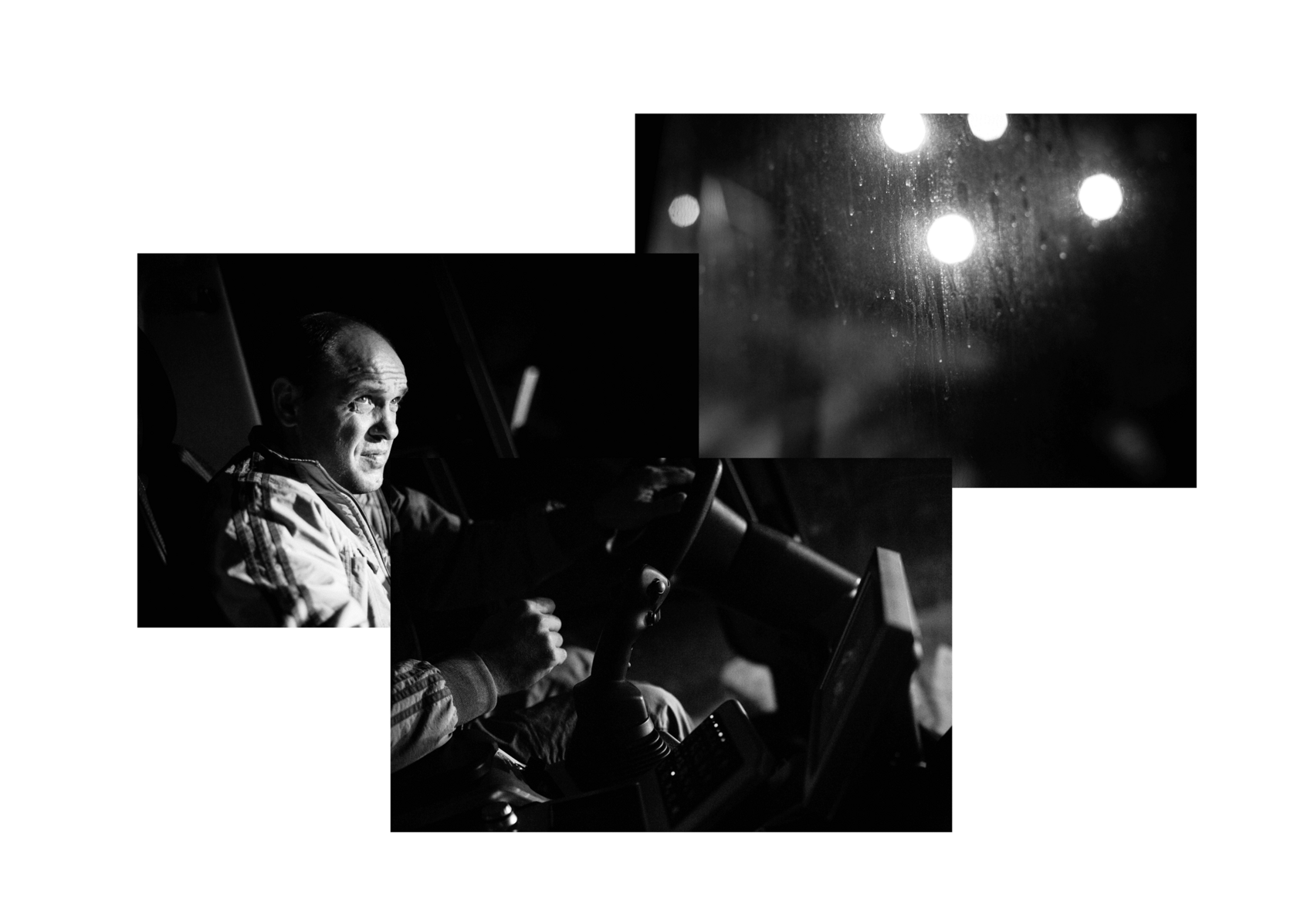
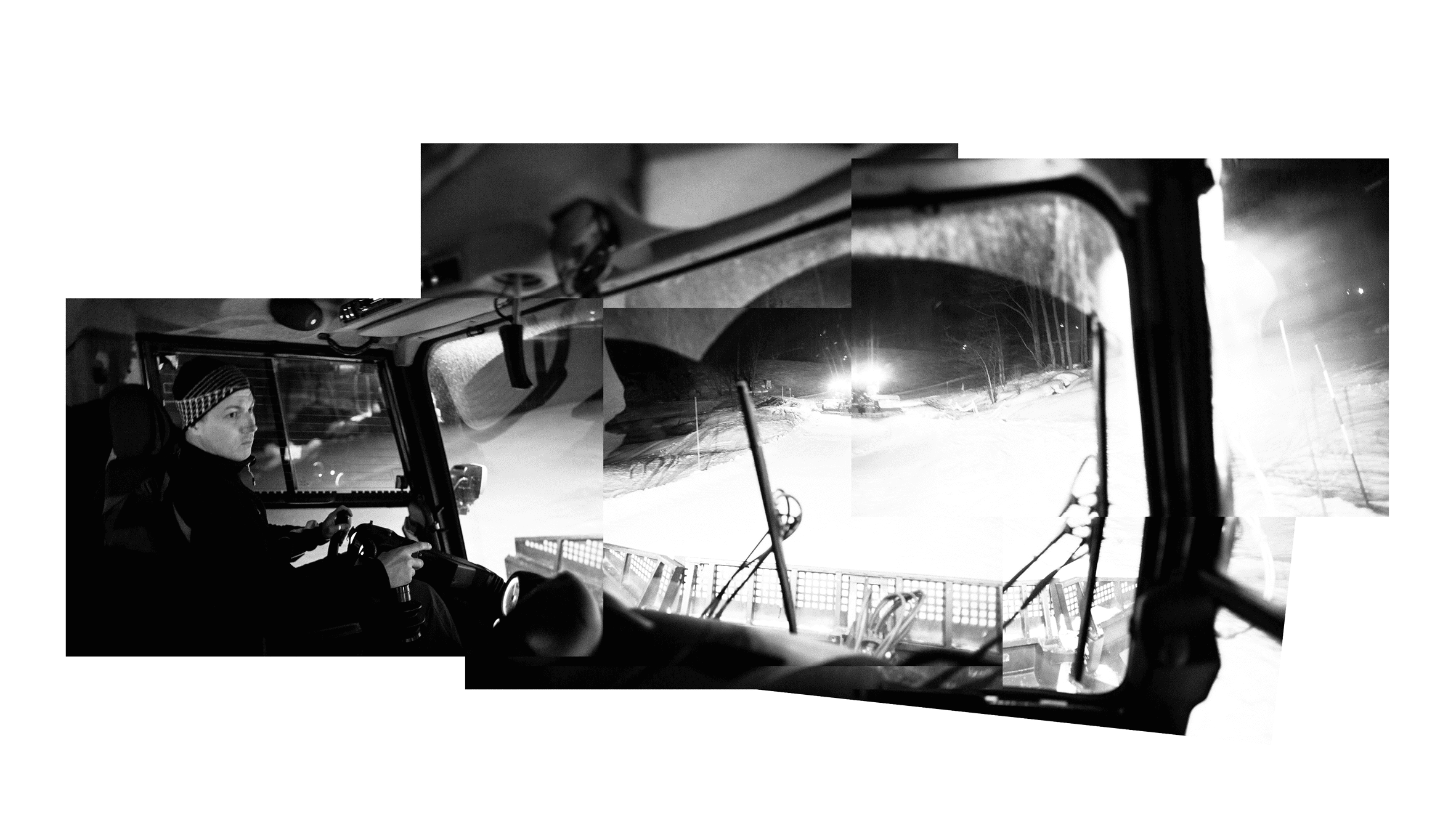
We know something about guides and ski patrol teams. We know a little less about avalanche specialists, although many of us have heard the distant thunder of avalanches at night. The work of meteorologists almost always remains hidden behind the scenes. As for snowcat operators, most visitors know virtually nothing about them.
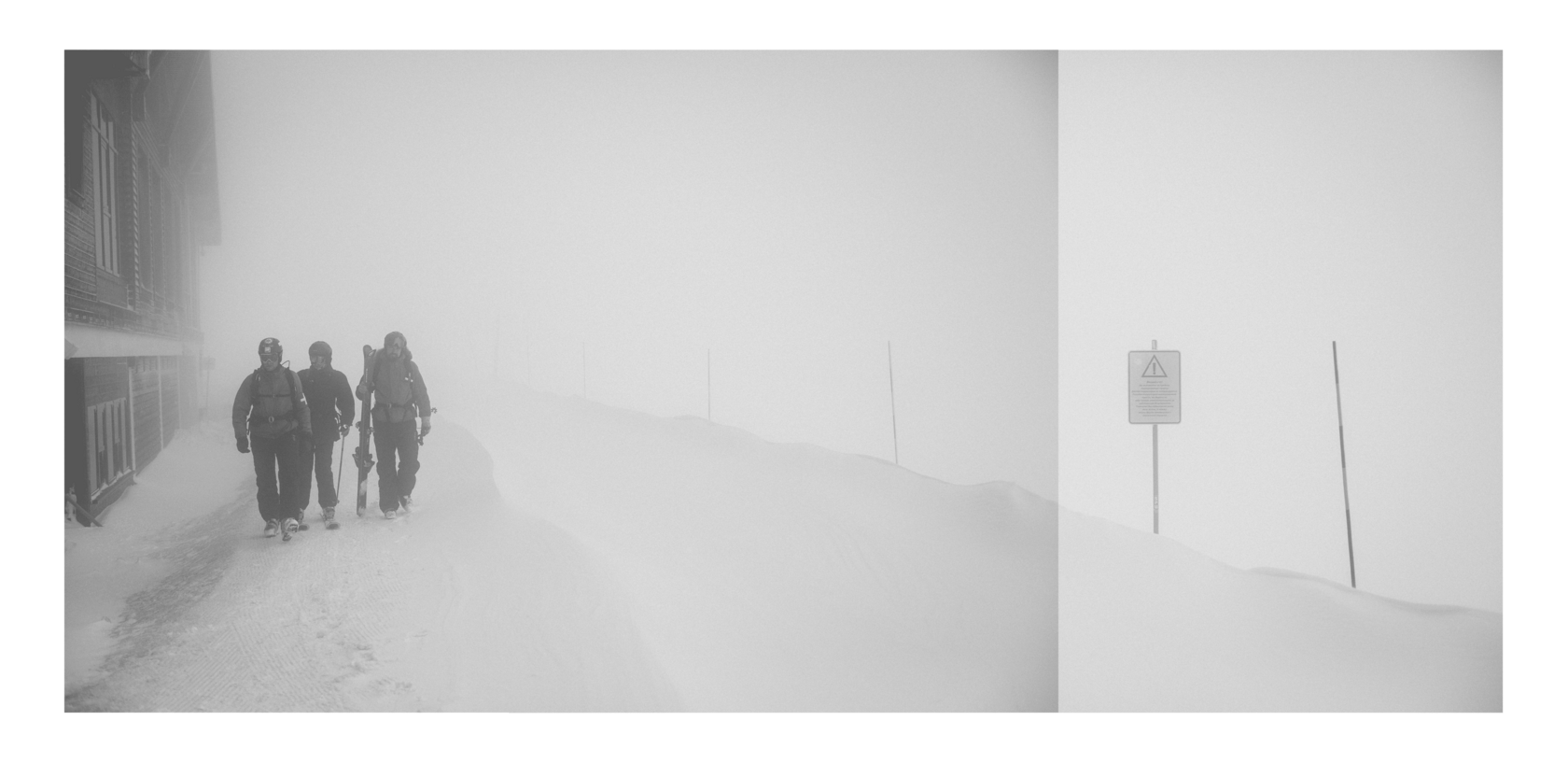
While they are working, we are asleep. While they head out into snowstorms, fog, and fierce mountain winds, we rest in our
And yet behind every operating lift, every safe descent, and every perfectly prepared slope stand people we almost never see.
One day I became curious about how the resort works from the inside. Who monitors the weather? Who makes decisions during snowstorms? Who is the first to step onto the mountain each morning? Who works while everyone else is resting?
That curiosity became the starting point of this project. Before long, I was packing my camera equipment and snowboard gear for the trip. From the very beginning, I saw my task as a simple one: to immerse myself as deeply as possible in the life of the resort and to understand how rescuers, avalanche specialists, meteorologists, and snowcat operators work and live.
We know something about guides and ski patrol teams. We know a little less about avalanche specialists, although many of us have heard the distant thunder of avalanches at night. The work of meteorologists almost always remains hidden behind the scenes. As for snowcat operators, most visitors know virtually nothing about them.
While they are working, we are asleep. While they head out into snowstorms, fog, and fierce mountain winds, we rest in our
hotels, looking forward to the first turns of the morning on perfectly groomed slopes.
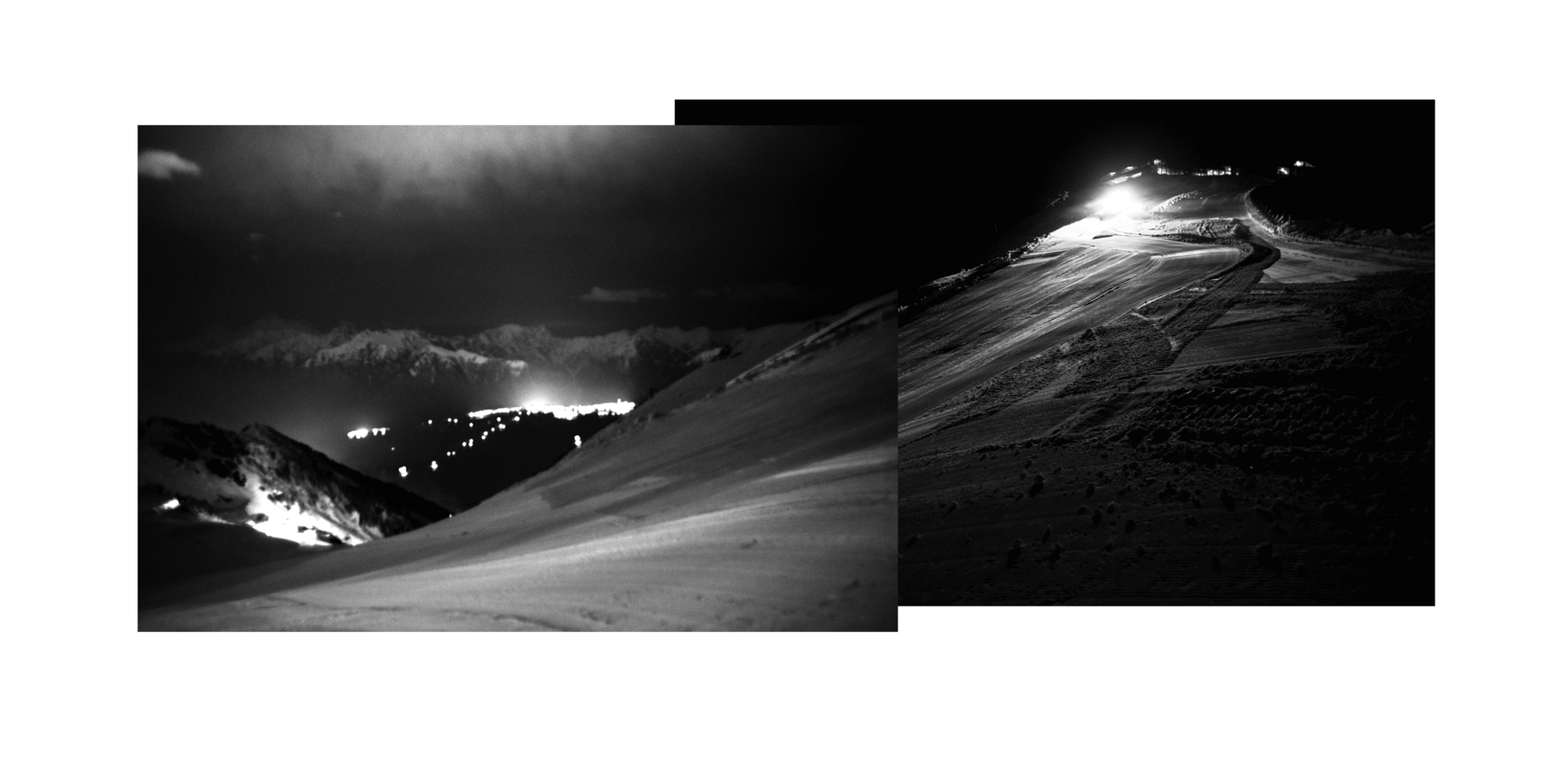
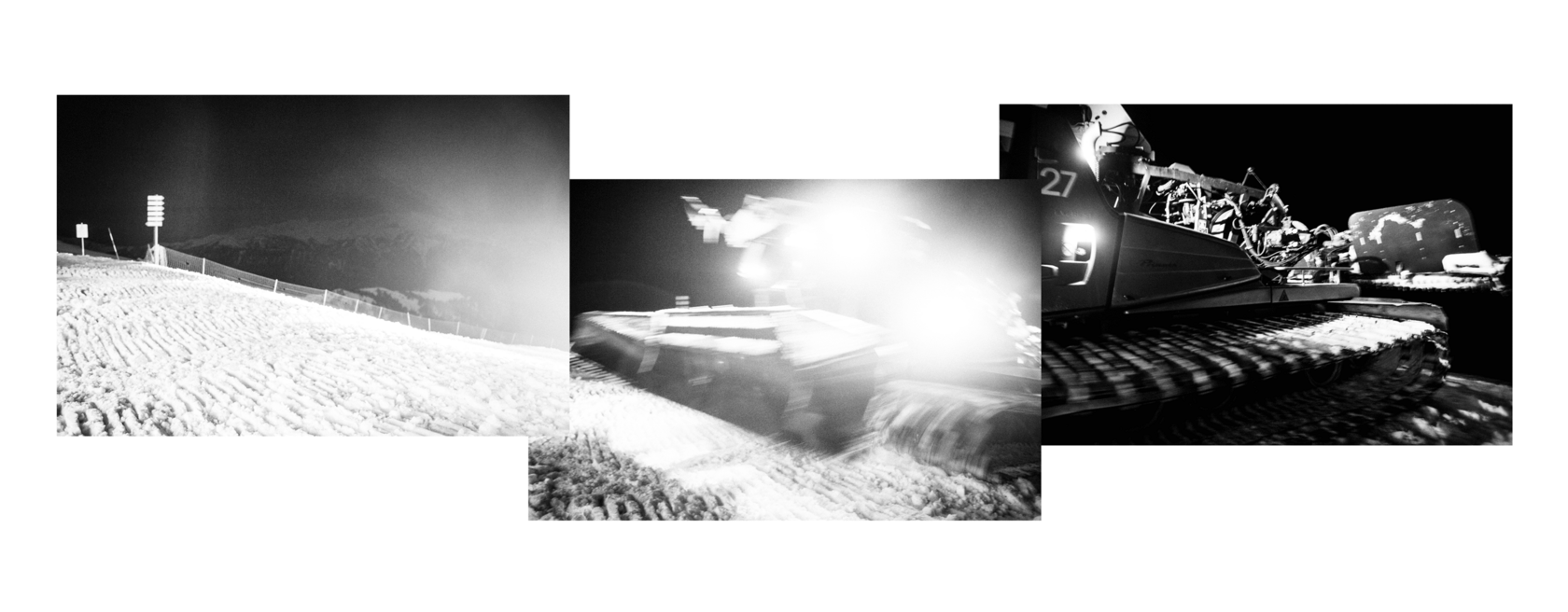
We may complain about trail conditions without realizing the effort required to rebuild dozens of kilometers of runs every single day after thousands of skiers and snowboarders, rain, wet snow, and constantly changing mountain weather have left their mark.
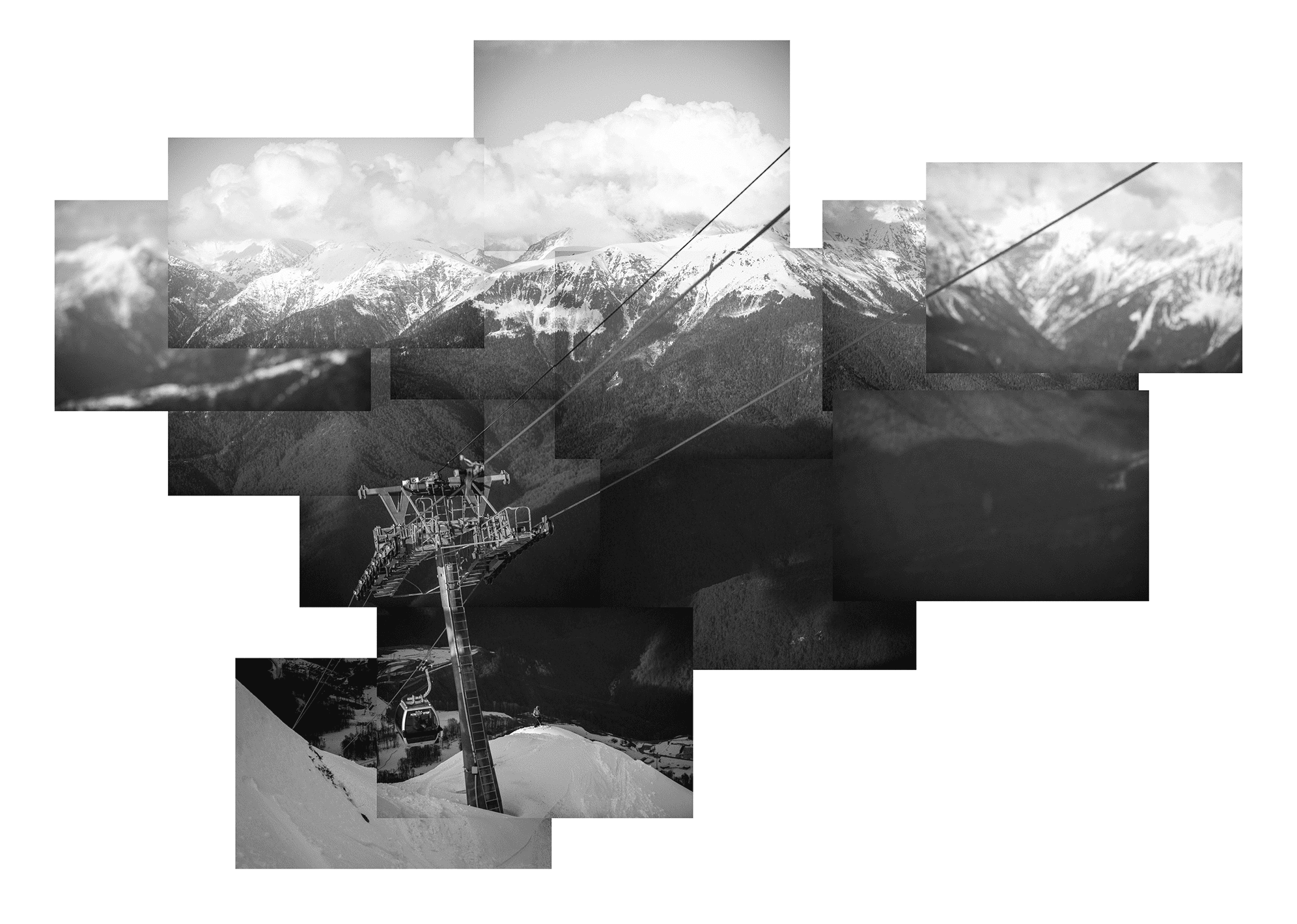
Technical services operate around the clock. They keep the lifts running, launch snowmaking systems, monitor the condition of the slopes, and do everything possible to ensure that a new day on the mountain begins on time.
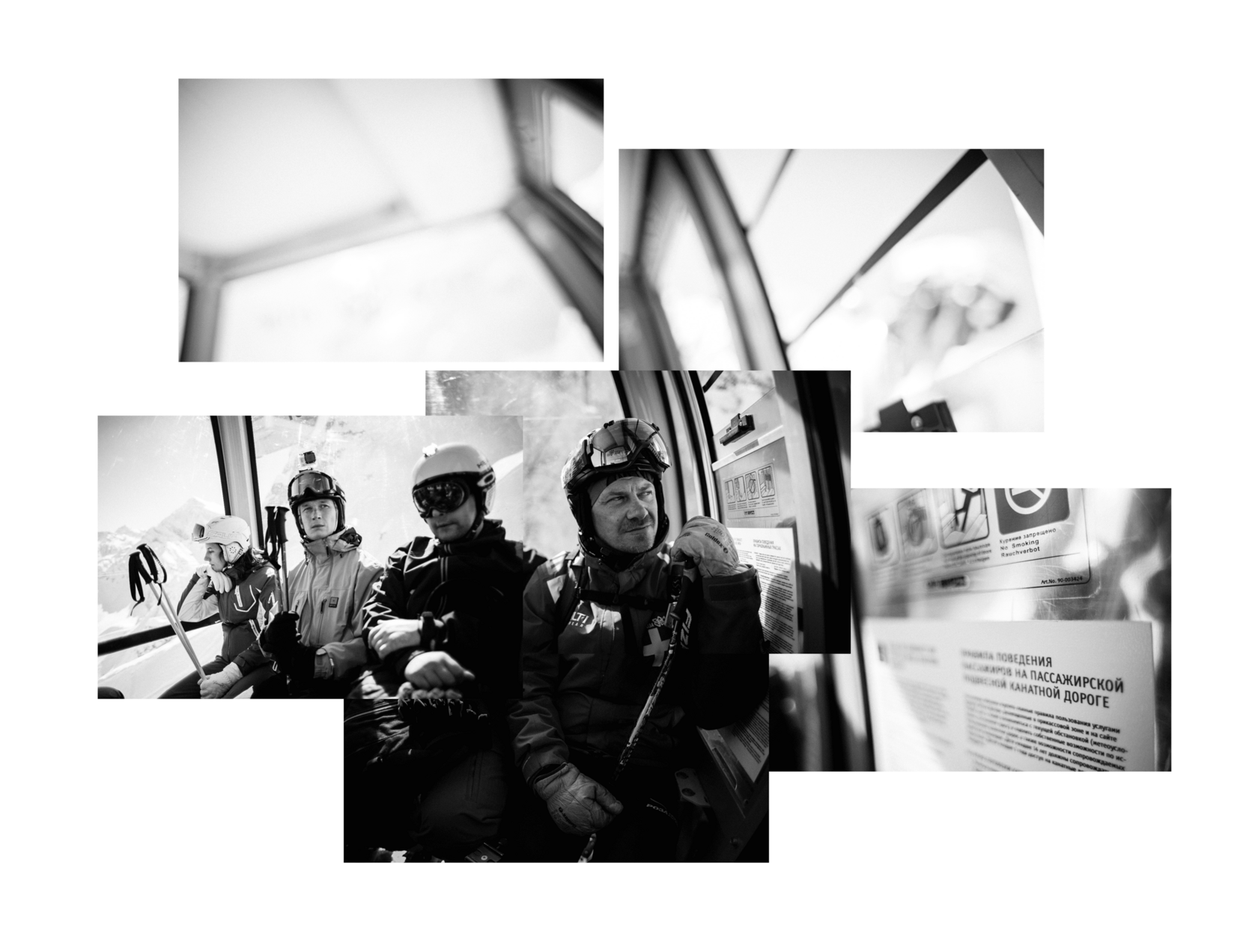
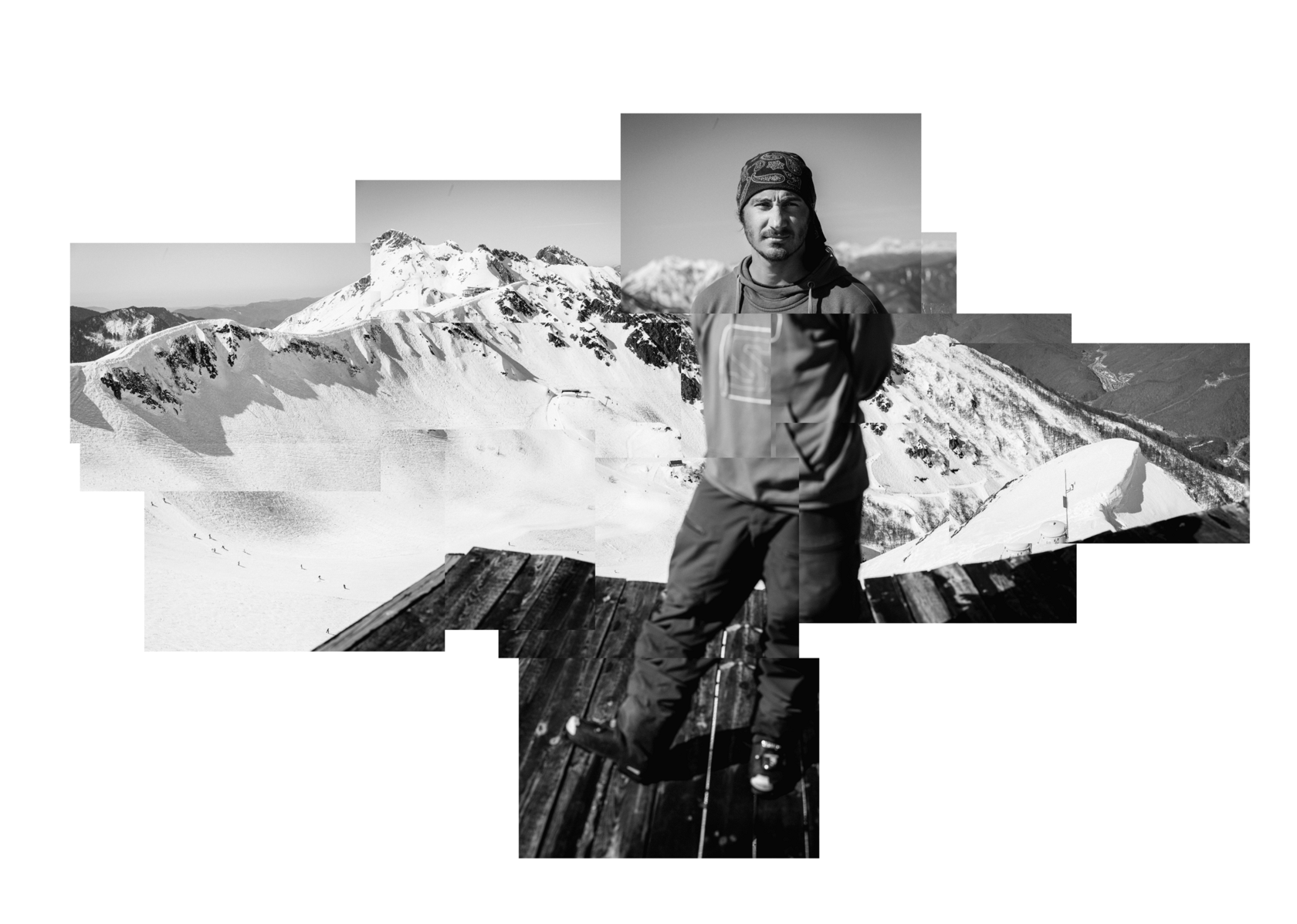
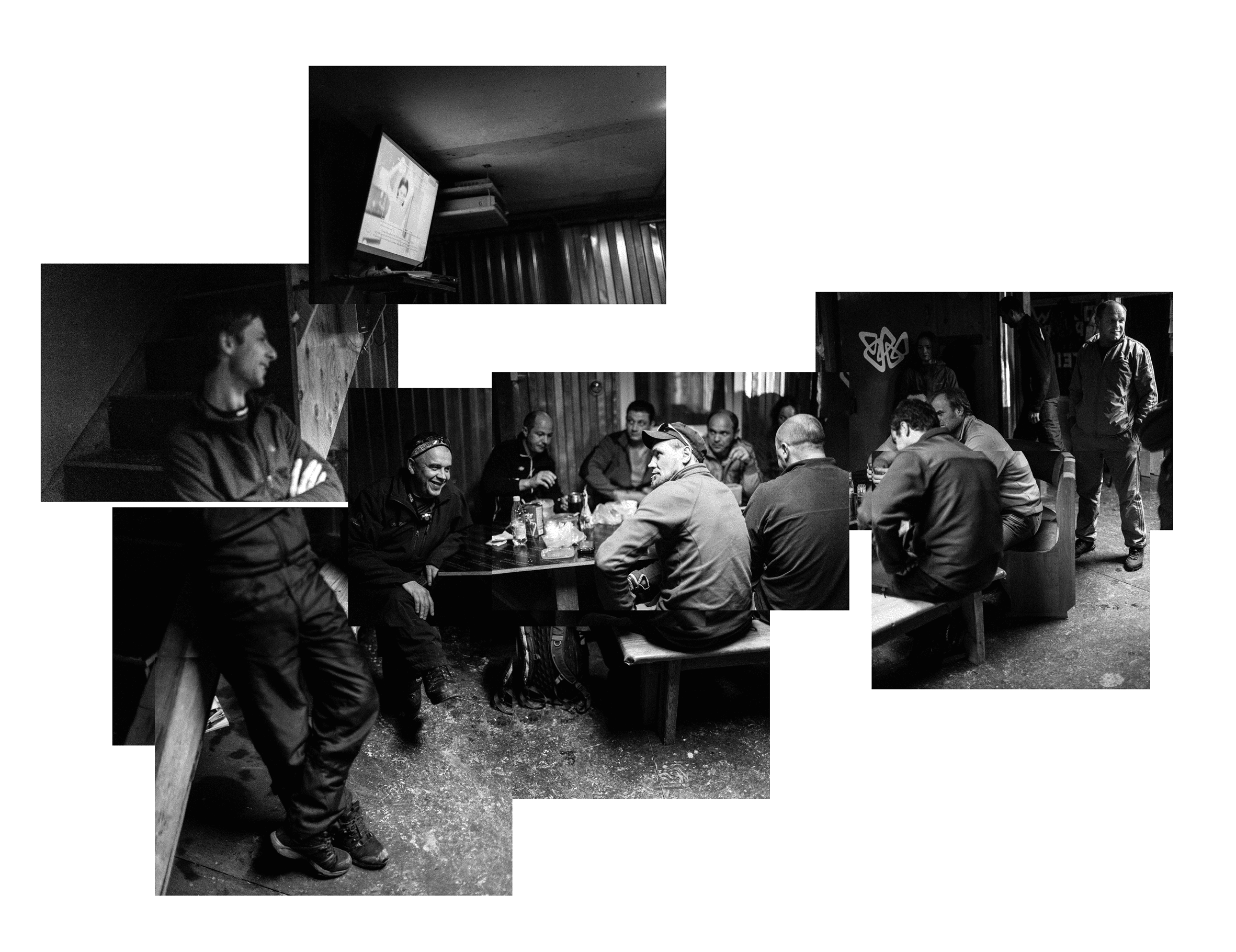
For two weeks I worked side by side with these people. I accompanied them onto the mountain, observed their work, listened to their stories, and gradually discovered a completely different side of the resort - one that no tourist will ever see.
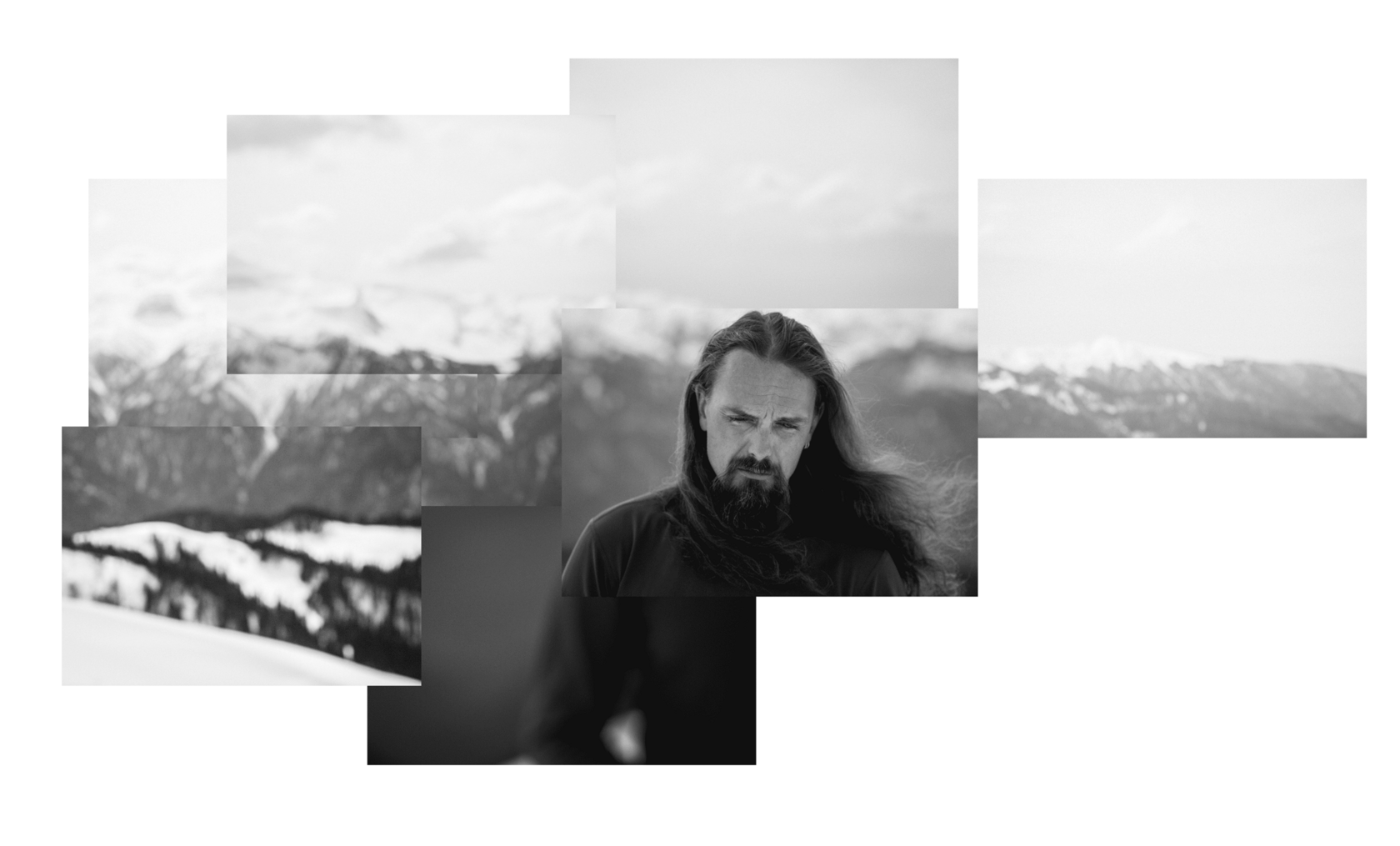
Over time they ceased to be merely employees of Rosa Khutor. They became the protagonists of this project.
Thanks to them, thousands of people step onto the slopes every morning without ever realizing how much effort, experience, and responsibility lie behind a few hours of pleasure in the mountains.
We may complain about trail conditions without realizing the effort required to rebuild dozens of kilometers of runs every single day after thousands of skiers and snowboarders, rain, wet snow, and constantly changing mountain weather have left their mark.
Technical services operate around the clock. They keep the lifts running, launch snowmaking systems, monitor the condition of the slopes, and do everything possible to ensure that a new day on the mountain begins on time.
For two weeks I worked side by side with these people. I accompanied them onto the mountain, observed their work, listened to their stories, and gradually discovered a completely different side of the resort - one that no tourist will ever see.
Over time they ceased to be merely employees of Rosa Khutor. They became the protagonists of this project.
Thanks to them, thousands of people step onto the slopes every morning without ever realizing how much effort, experience, and responsibility lie behind a few hours of pleasure in the mountains.
THE OTHER SIDE OF ROSA KHUTOR.
Rosa Khutor Ski Resort was one of the key venues of the XXII Olympic Winter Games held in Sochi in 2014. Its geographical location is unique: only forty kilometers separate it from both Sochi and the Black Sea coast. At its foot lies the mountain village of Krasnaya Polyana, while above it rise the slopes of the Aibga Ridge. The highest point of the resort reaches 2,320 meters near the Main Caucasian Ridge.
Covering an area of 1,820 hectares, Rosa Khutor stretches across the northern, northeastern, and southern slopes of Aibga. Within this vast territory are 77 kilometers of ski runs, welcoming more than ten thousand visitors every day.
For most people, Rosa Khutor is simply a resort, a place of leisure and escape. We come here for snow, speed, breathtaking views, and that special sense of freedom only the mountains can provide. We step into comfortable lifts, enjoy perfectly groomed slopes, and admire the fresh corduroy snow every morning. Yet we rarely stop to think about what lies behind all of it.
Read more
Rosa Khutor Ski Resort was one of the key venues of the XXII Olympic Winter Games held in Sochi in 2014. Its geographical location is unique: only forty kilometers separate it from both Sochi and the Black Sea coast. At its foot lies the mountain village of Krasnaya Polyana, while above it rise the slopes of the Aibga Ridge. The highest point of the resort reaches 2,320 meters near the Main Caucasian Ridge.
Covering an area of 1,820 hectares, Rosa Khutor stretches across the northern, northeastern, and southern slopes of Aibga. Within this vast territory are 77 kilometers of ski runs, welcoming more than ten thousand visitors every day.
For most people, Rosa Khutor is simply a resort, a place of leisure and escape. We come here for snow, speed, breathtaking views, and that special sense of freedom only the mountains can provide. We step into comfortable lifts, enjoy perfectly groomed slopes, and admire the fresh corduroy snow every morning. Yet we rarely stop to think about what lies behind all of it.
Read more
Contacts
*Instagram is owned by Meta, an organization recognized as extremist and banned in the Russian Federation
*Instagram is owned by Meta, an organization recognized as extremist and banned in the Russian Federation
©2026.