0%
FJL. Franz Josef Land. 2012
WHITE RUBBER BOOTS.
Whenever I reach into the wardrobe, I keep running into a pair of enormous white rubber boots. They are always in the way, yet I cannot bring myself to throw them out. I wore them only once.
It was summer, a good summer for assignments, promising both fees and impressions. I was working in the Arkhangelsk Region on a new book, A Journey through Kargopol. I had arrived only the day before and had barely begun shooting when a call came from Moscow. Russian Reporter. Nastya Svartsevich. Her familiar cool voice asked whether I would like to go to Franz Josef Land. I would have to leave the following day and decide immediately, on the spot. The plane was in the morning.
Fragments of memory flashed through my mind: perhaps In Search of the Castaways… No, more likely The Two Captains, the schooner Saint Maria. For some reason, the actor Bogatyryov… Then Queen Maud Land in Antarctica surfaced from the school maps of my childhood. I asked her to repeat the name, buying time, wondering what the editors of the book would say. It was a serious project, and this was only the first day of the assignment. Lilia, the editor, was already entering the edge of my vision, her face filled with disbelief.
“Yes,” I answered uncertainly, trying to gather my thoughts into something resembling order and somehow concentrate. Then, with a sense of surrender, I added, “Of course, yes. The name alone is beautiful…”
Early the next morning I stood at Vnukovo-3 Airport holding a pair of insulated rubber boots of an indecently white color. I had bought them the evening before, on the way, at a fishing-supply shop. They had treacherously refused to fit into my luggage and now discredited their owner with their glaring whiteness. I was flying with a television crew from the channel My Planet.
“Vadim. Director,” one of them introduced himself.
He told me this was already their second expedition to FJL. That is how seasoned polar explorers refer to Franz Josef Land, casually and familiarly, as though speaking of beloved heroes or poets, immediately revealing the degree of their intimacy with something that is less a geographical place than an idea or a phenomenon. I, meanwhile, was innocent and blank as a sheet of paper sticking out of a printer.
Once we had boarded the plane, I began asking Vadim what
Whenever I reach into the wardrobe, I keep running into a pair of enormous white rubber boots. They are always in the way, yet I cannot bring myself to throw them out. I wore them only once.
It was summer, a good summer for assignments, promising both fees and impressions. I was working in the Arkhangelsk Region on a new book, A Journey through Kargopol. I had arrived only the day before and had barely begun shooting when a call came from Moscow. Russian Reporter. Nastya Svartsevich. Her familiar cool voice asked whether I would like to go to Franz Josef Land. I would have to leave the following day and decide immediately, on the spot. The plane was in the morning.
Fragments of memory flashed through my mind: perhaps In Search of the Castaways… No, more likely The Two Captains, the schooner Saint Maria. For some reason, the actor Bogatyryov… Then Queen Maud Land in Antarctica surfaced from the school maps of my childhood. I asked her to repeat the name, buying time, wondering what the editors of the book would say. It was a serious project, and this was only the first day of the assignment. Lilia, the editor, was already entering the edge of my vision, her face filled with disbelief.
“Yes,” I answered uncertainly, trying to gather my thoughts into something resembling order and somehow concentrate. Then, with a sense of surrender, I added, “Of course, yes. The name alone is beautiful…”
Early the next morning I stood at Vnukovo-3 Airport holding a pair of insulated rubber boots of an indecently white color. I had bought them the evening before, on the way, at a fishing-supply shop. They had treacherously refused to fit into my luggage and now discredited their owner with their glaring whiteness. I was flying with a television crew from the channel My Planet.
“Vadim. Director,” one of them introduced himself.
He told me this was already their second expedition to FJL. That is how seasoned polar explorers refer to Franz Josef Land, casually and familiarly, as though speaking of beloved heroes or poets, immediately revealing the degree of their intimacy with something that is less a geographical place than an idea or a phenomenon. I, meanwhile, was innocent and blank as a sheet of paper sticking out of a printer.
Once we had boarded the plane, I began asking Vadim what
awaited me.
“Here, read this. I’ve just finished it.”
He handed me the book he had been holding. On its white cover were the words: Southward, to Franz Josef Land. V. Albanov.
We were all waiting for the flight to Arkhangelsk. Gradually, I sank into the rather dry narrative. The crew of the schooner Saint Anna was preparing to abandon the ship, trapped in the ice, and drag sledges across the pressure ridges toward Franz Josef Land, which the sailors knew from Nansen’s writings. The party was led by the navigator Albanov.
After a while I lost all sense of the flight and became aware of the world again only when we were landing. I left the plane with the book in my hands. I sat in the airport reading for several hours without looking up and merely nodded when we were told that the flight to FJL had been postponed until the following day. Still carrying the book, I found myself on a couch in a hotel, slept a little, returned to the airport, boarded a cargo Ilyushin Il-76, and turned the final page.
The story had taken hold of me. Its plain, adjective-free account of a journey through endless ice toward unknown land seemed almost unbearably emotional. There is a strange sensation in reading a diary. The dry record of everyday details creates an overwhelming sense of presence, as though you were looking through a keyhole.
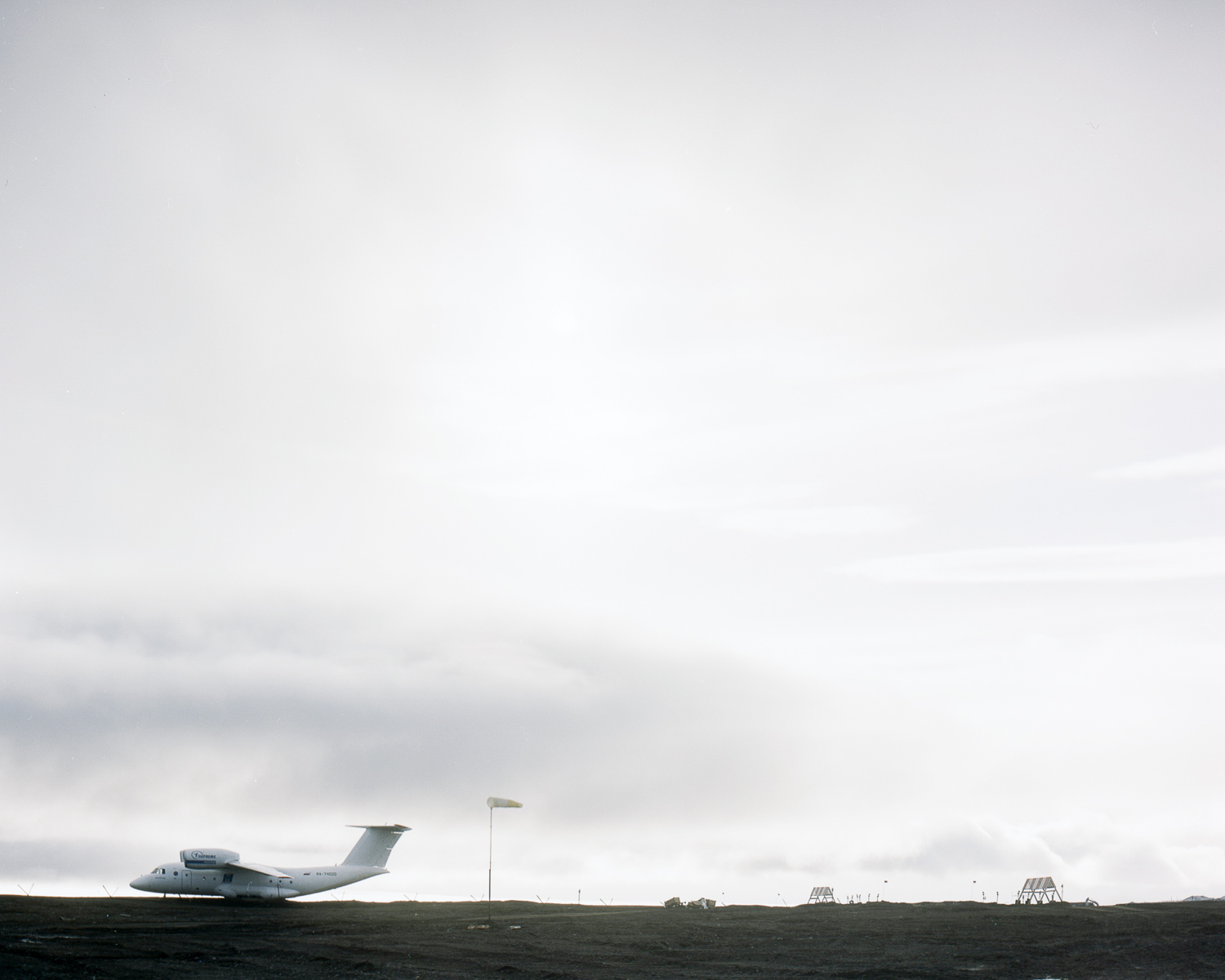
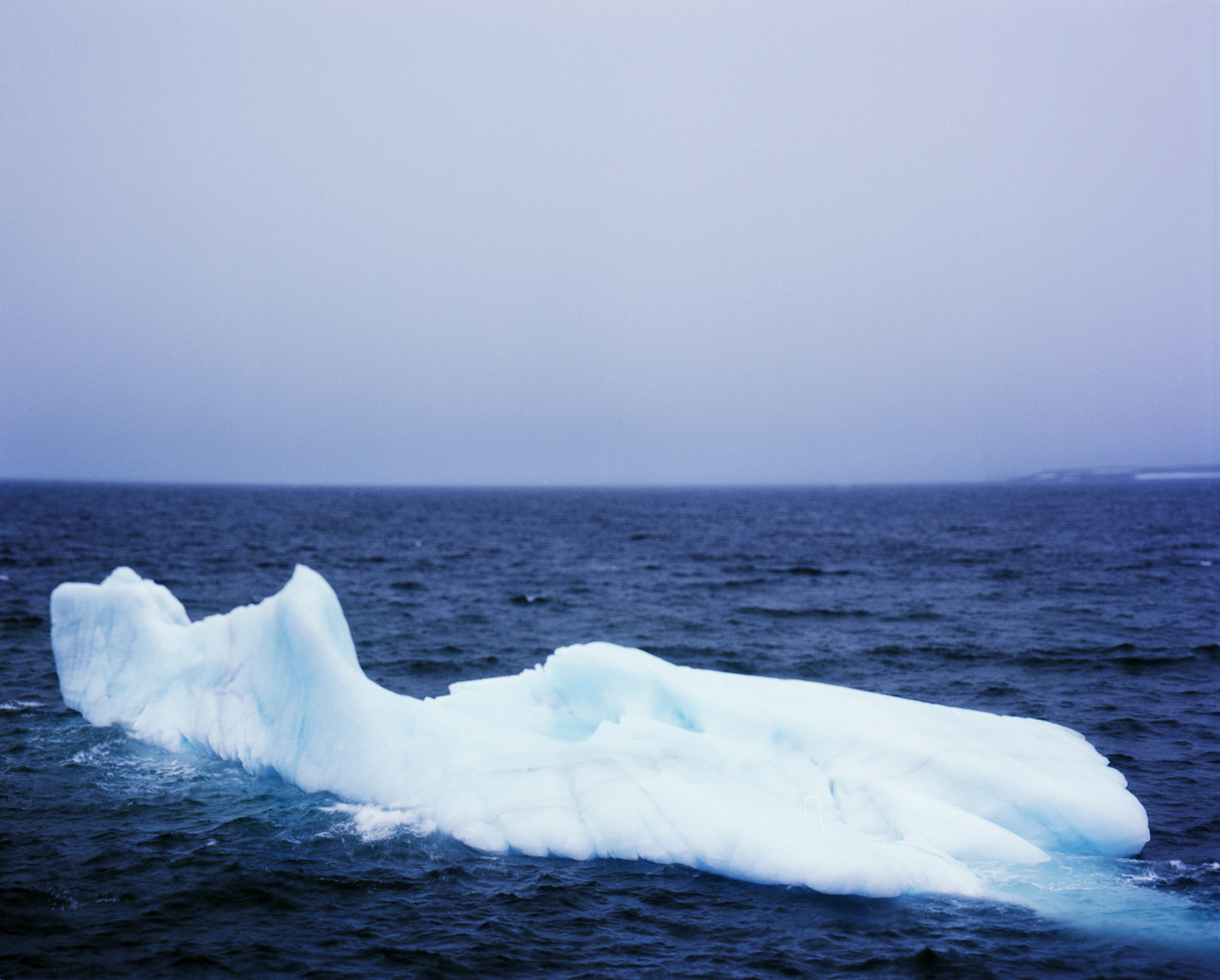
And just as Navigator Albanov placed the final full stop in his account, I saw land through the window. We were descending. This was Franz Josef Land. Alexandra Land.
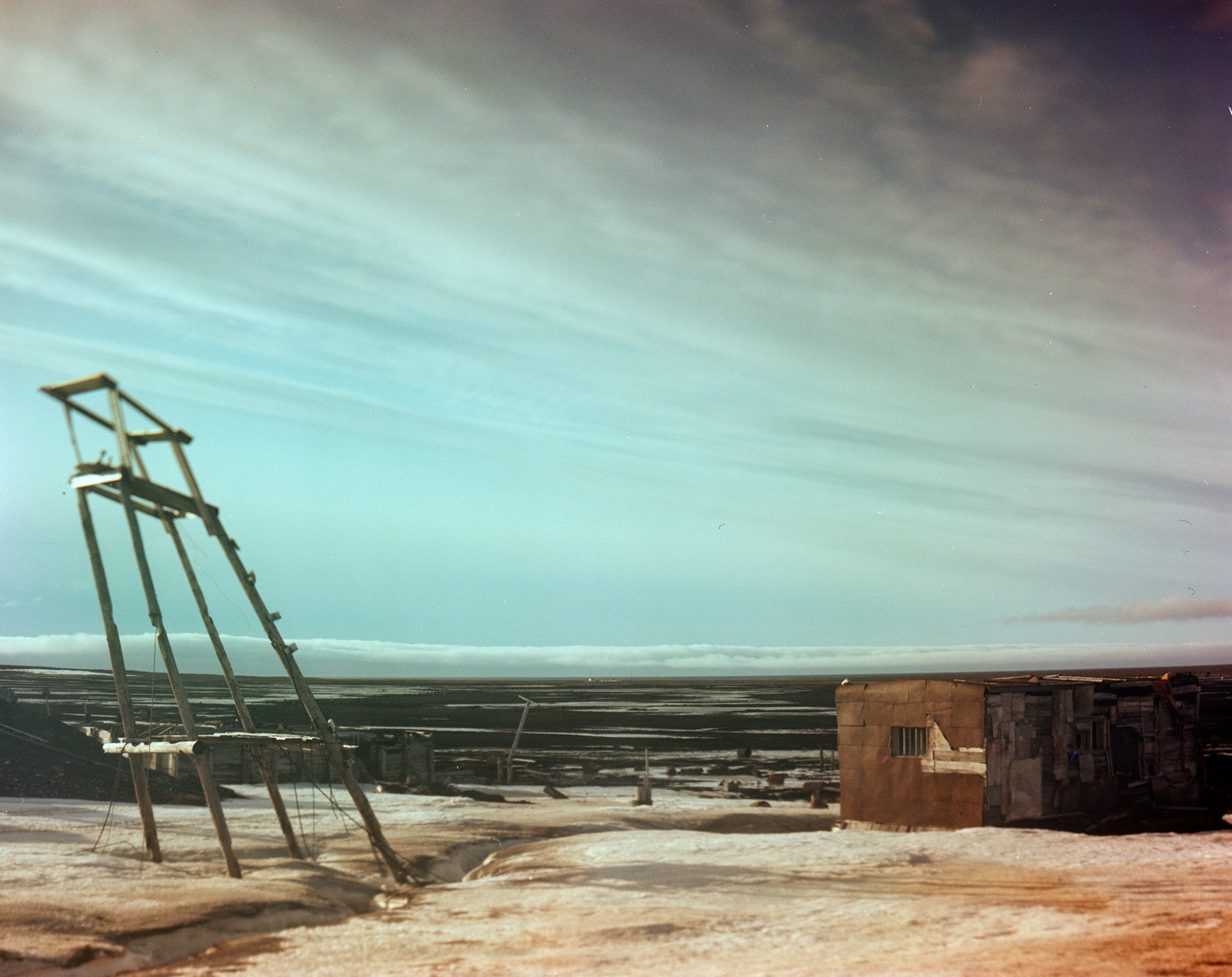
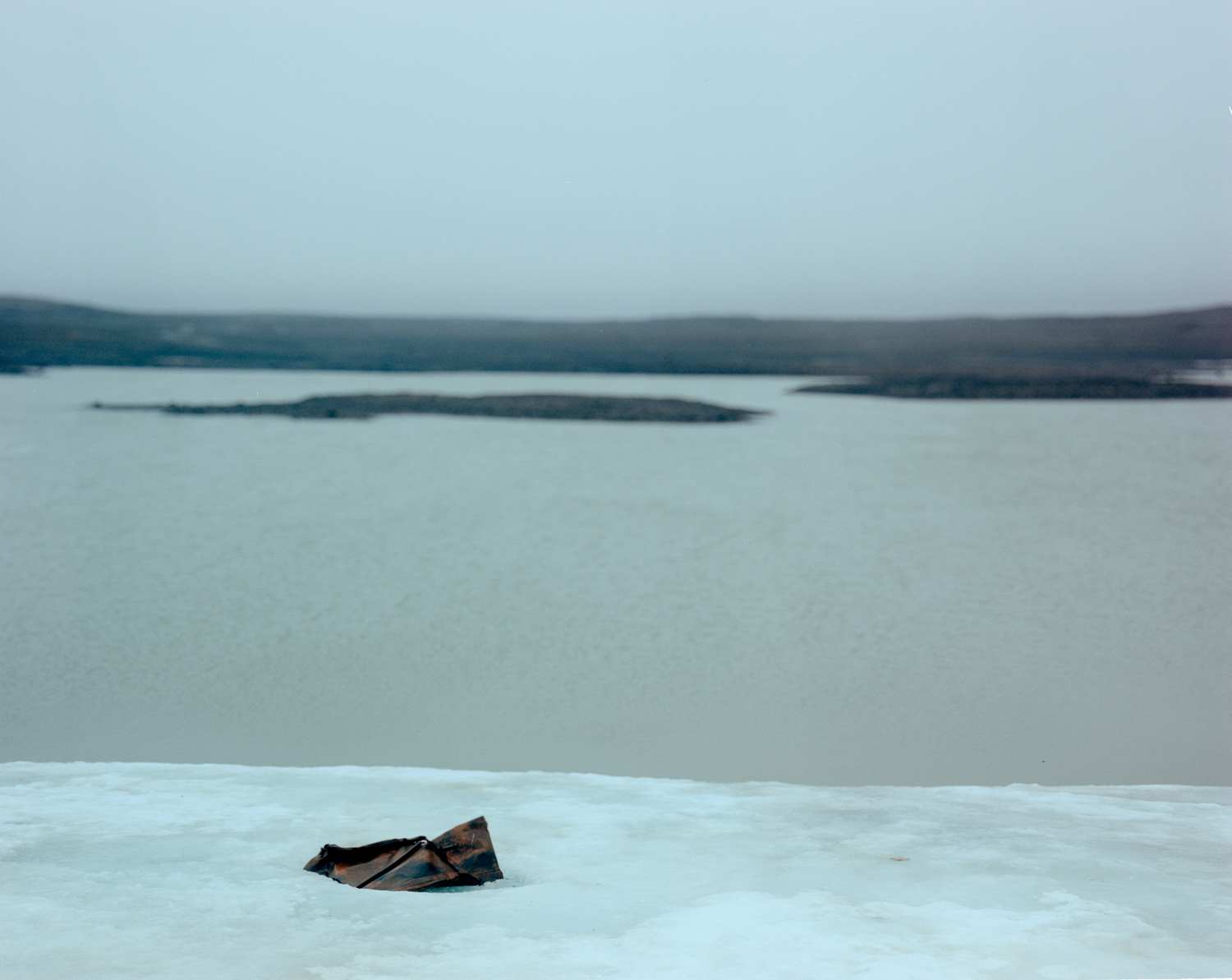
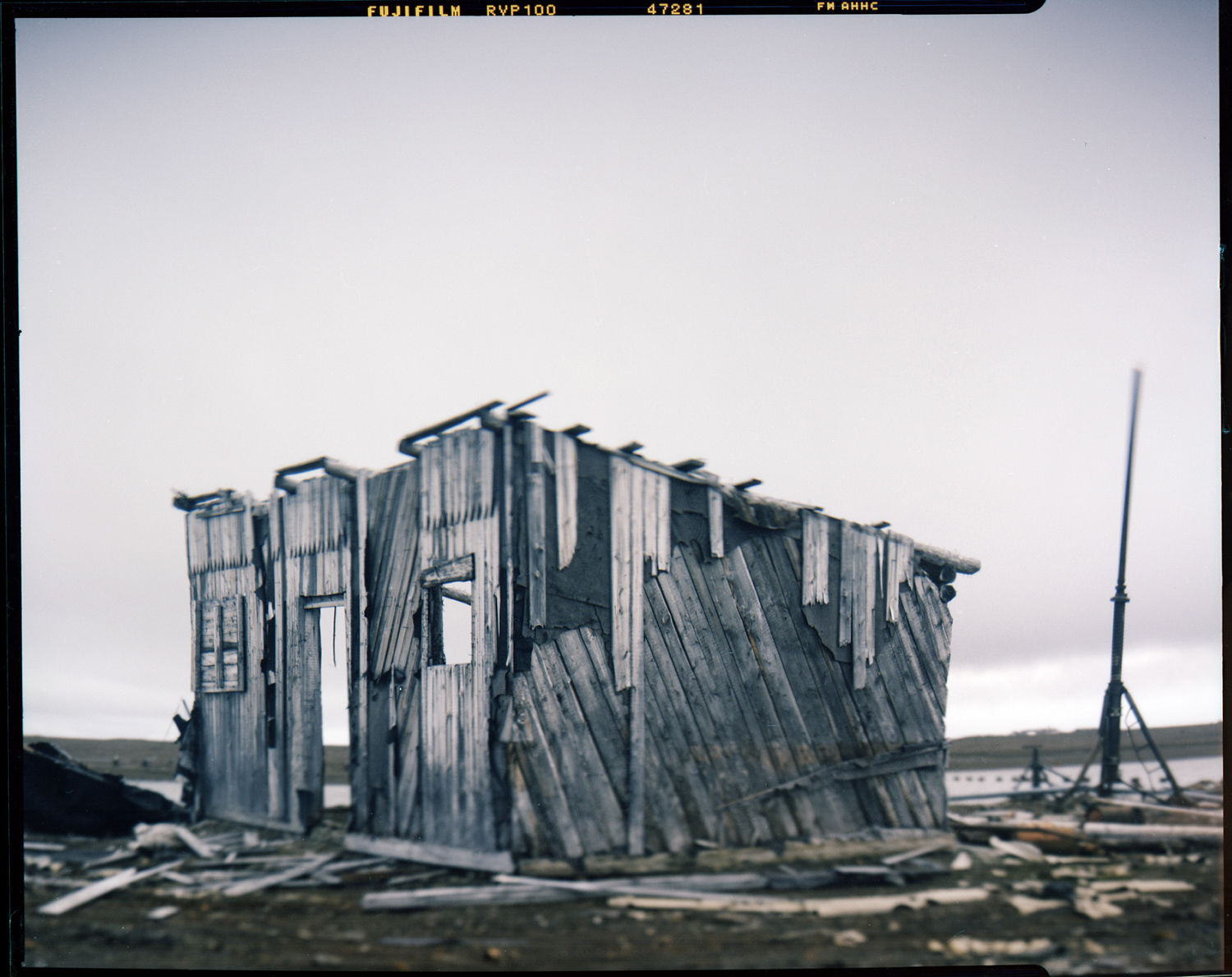
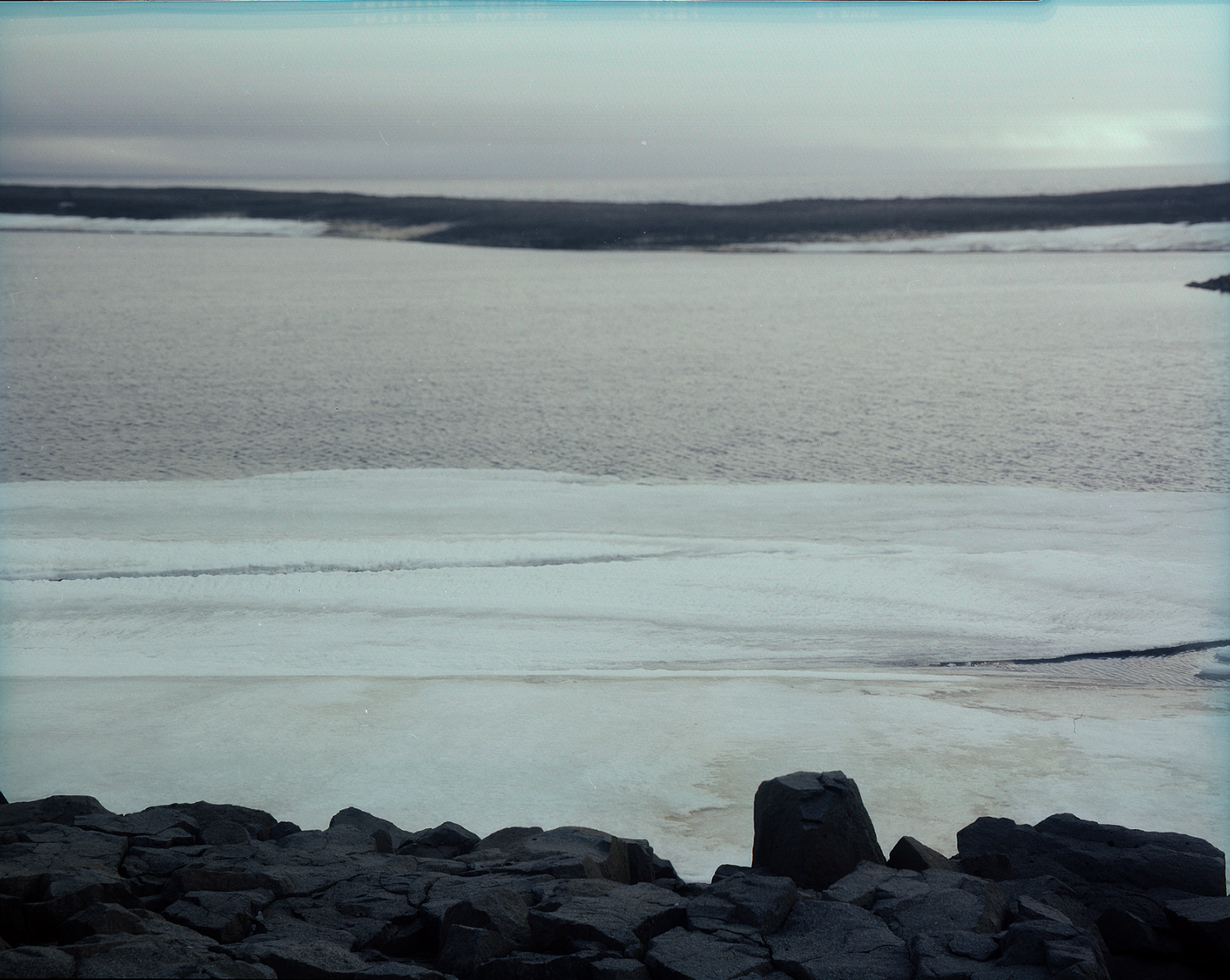
An absolutely flat expanse of bare ground. A sun that never set. A uniform white sky. And the horizon. The same horizon everywhere. Then that strange sensation of emptiness—vast, unearthly emptiness and solitude.
It was, of course, an extraordinary coincidence. The navigator’s notes came alive at every step. Standing in the same place, my imagination effortlessly supplied the missing fragments. I wandered as though under a spell, walking and photographing the horizon. Not even the fear of meeting a polar bear could stop me.
Polar bears in the Arctic are extremely dangerous and very fast. I was euphoric and felt like a fearless polar navigator. I could see the monstrous loneliness and uselessness of this land, which had
“Here, read this. I’ve just finished it.”
He handed me the book he had been holding. On its white cover were the words: Southward, to Franz Josef Land. V. Albanov.
We were all waiting for the flight to Arkhangelsk. Gradually, I sank into the rather dry narrative. The crew of the schooner Saint Anna was preparing to abandon the ship, trapped in the ice, and drag sledges across the pressure ridges toward Franz Josef Land, which the sailors knew from Nansen’s writings. The party was led by the navigator Albanov.
After a while I lost all sense of the flight and became aware of the world again only when we were landing. I left the plane with the book in my hands. I sat in the airport reading for several hours without looking up and merely nodded when we were told that the flight to FJL had been postponed until the following day. Still carrying the book, I found myself on a couch in a hotel, slept a little, returned to the airport, boarded a cargo Ilyushin Il-76, and turned the final page.
The story had taken hold of me. Its plain, adjective-free account of a journey through endless ice toward unknown land seemed almost unbearably emotional. There is a strange sensation in reading a diary. The dry record of everyday details creates an overwhelming sense of presence, as though you were looking through a keyhole.
And just as Navigator Albanov placed the final full stop in his account, I saw land through the window. We were descending. This was Franz Josef Land. Alexandra Land.
An absolutely flat expanse of bare ground. A sun that never set. A uniform white sky. And the horizon. The same horizon everywhere. Then that strange sensation of emptiness—vast, unearthly emptiness and solitude.
It was, of course, an extraordinary coincidence. The navigator’s notes came alive at every step. Standing in the same place, my imagination effortlessly supplied the missing fragments. I wandered as though under a spell, walking and photographing the horizon. Not even the fear of meeting a polar bear could stop me.
Polar bears in the Arctic are extremely dangerous and very fast. I was euphoric and felt like a fearless polar navigator. I could see the monstrous loneliness and uselessness of this land, which had
never known an indigenous population. An example of the absurdity of politics. Or perhaps the politics of absurdity.
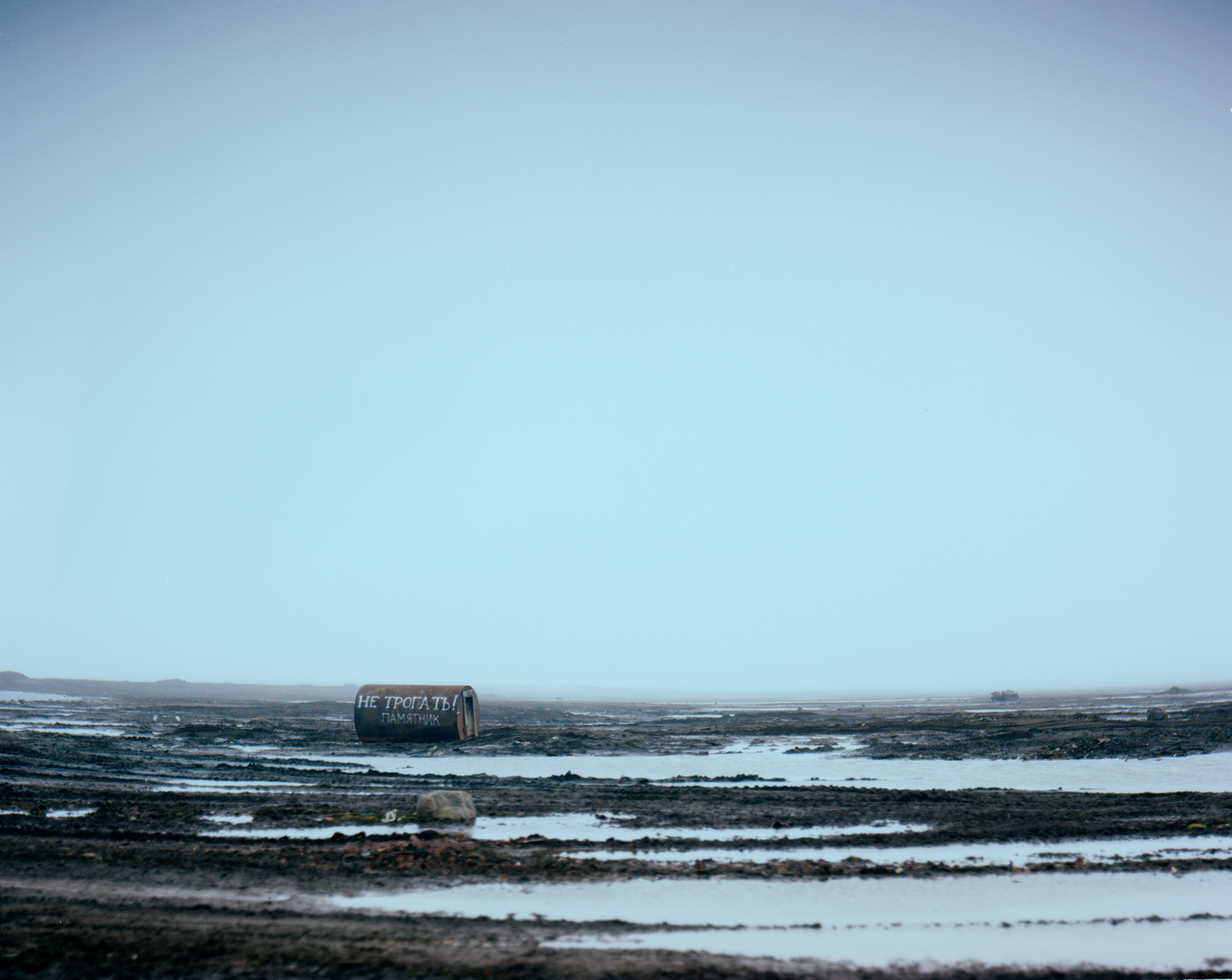
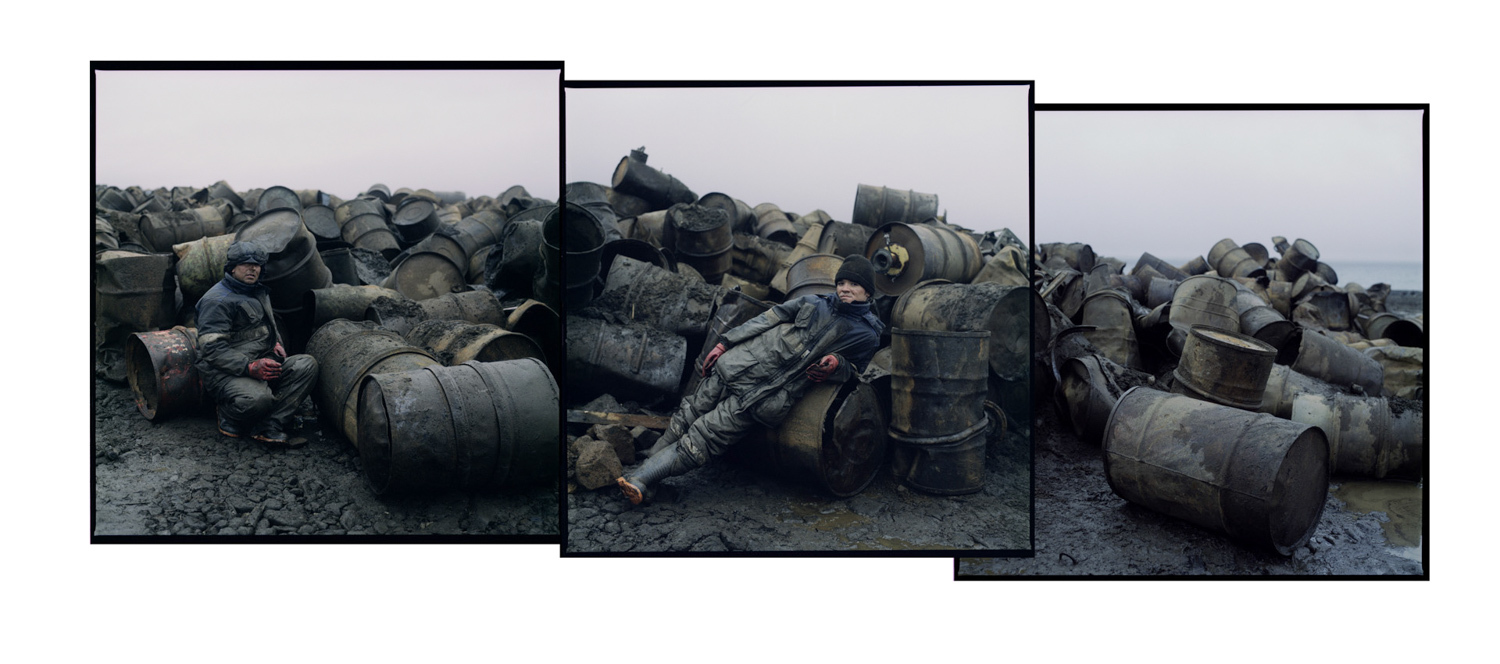
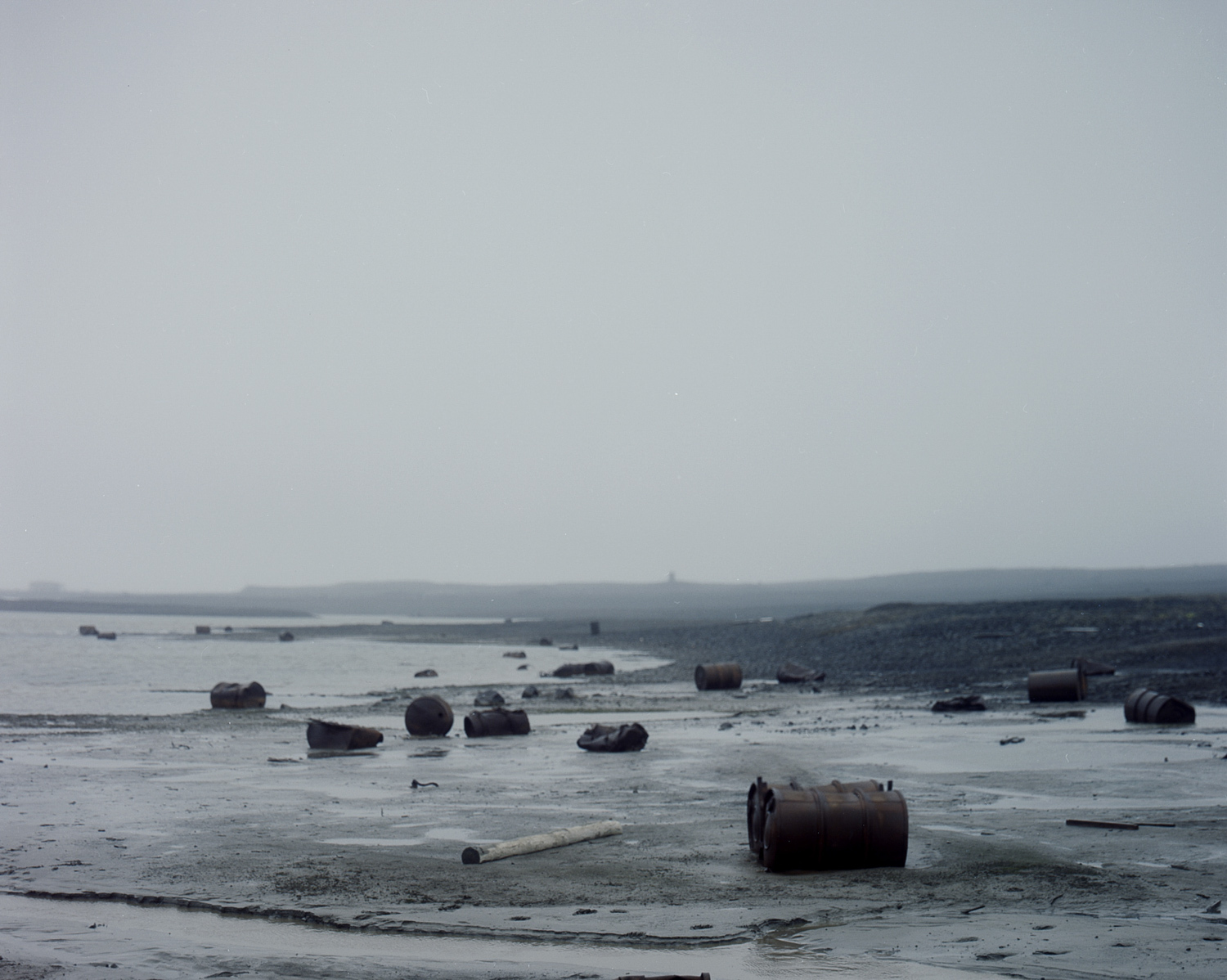
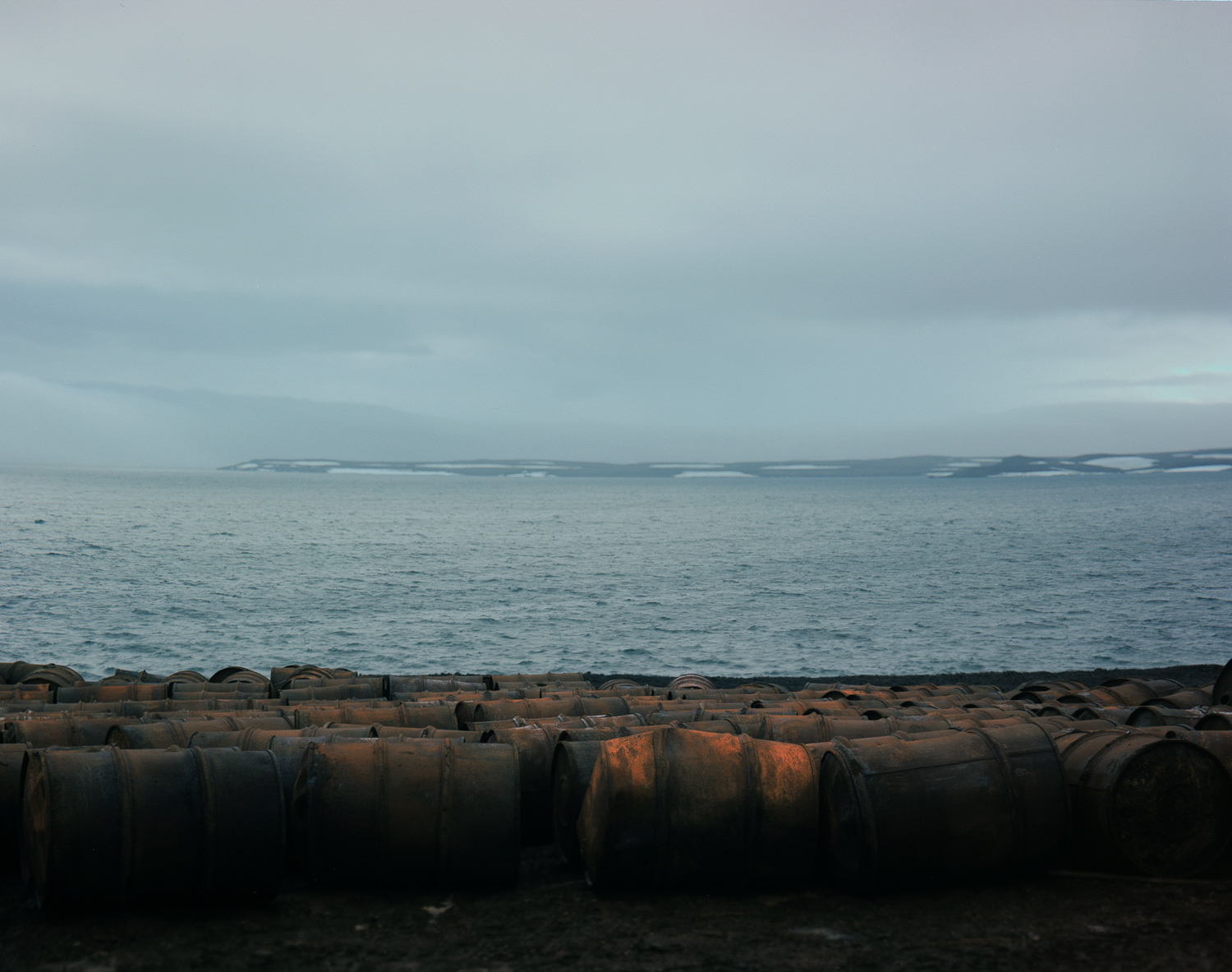
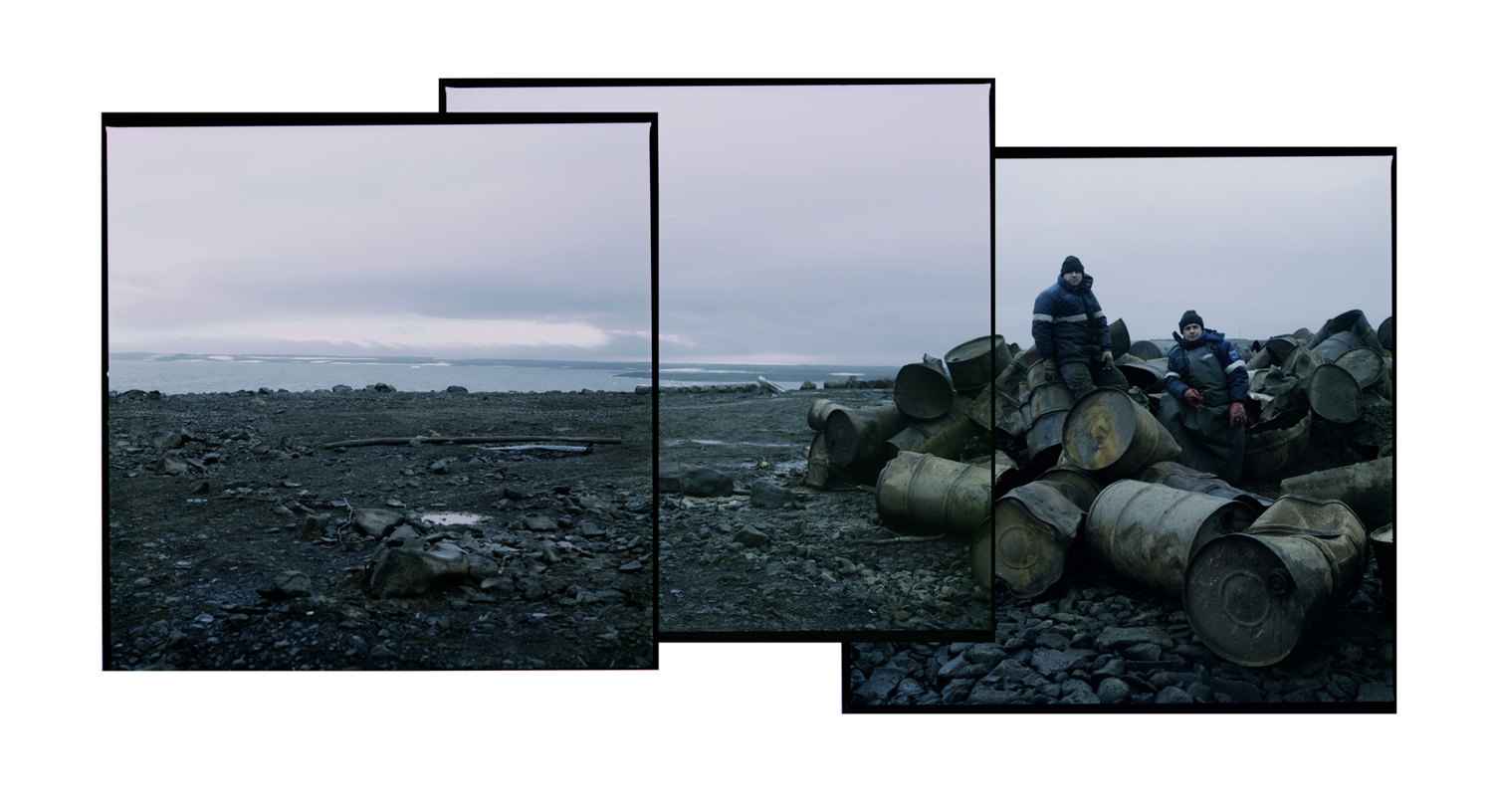
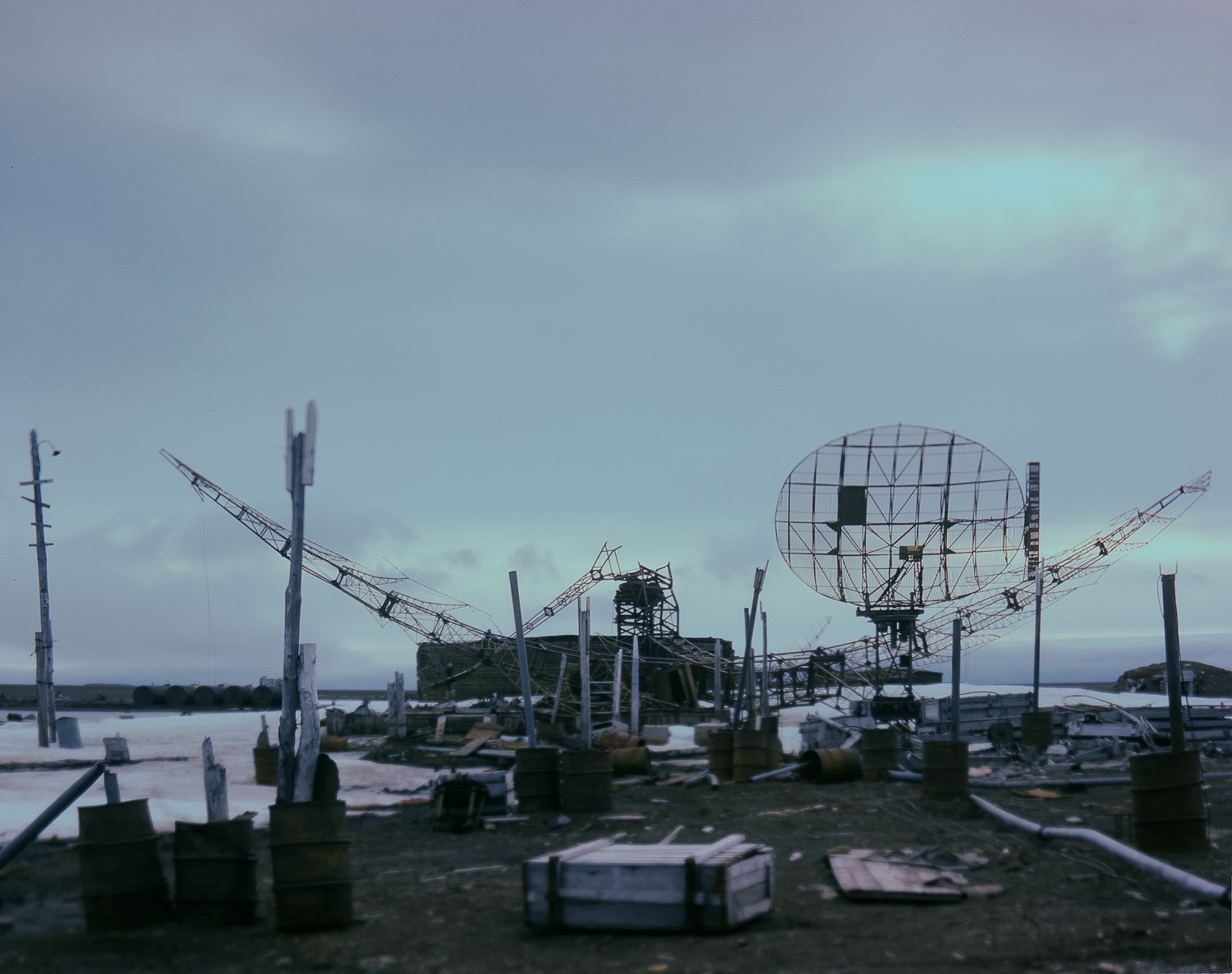
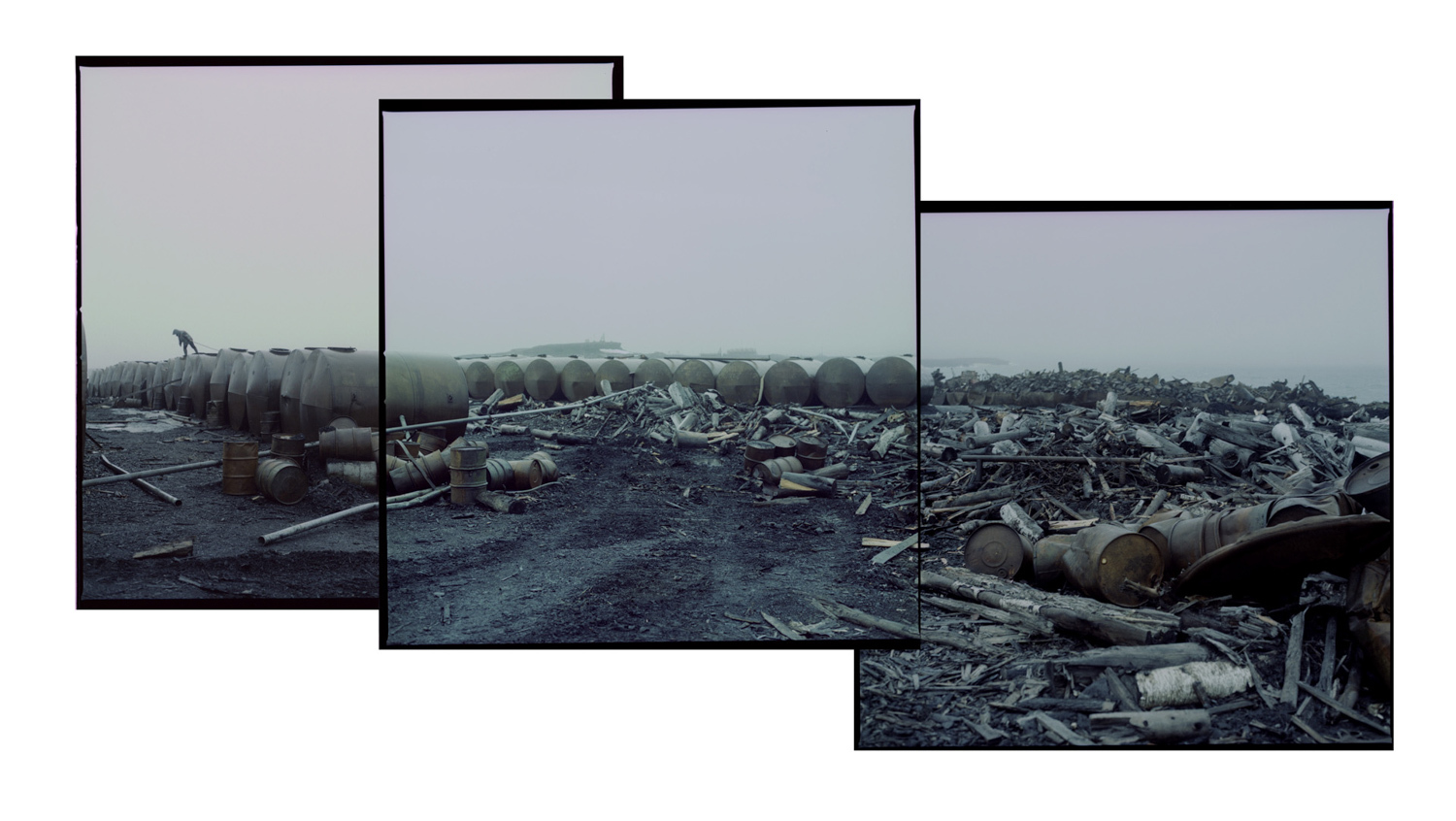
Empty fuel drums were scattered all over the island. They had been dropped from aircraft during the Cold War, when a small garrison was stationed there. The barrels stood everywhere like mushrooms, sometimes in groups, sometimes alone. These rusty signs of humanity’s pointless presence, scattered across the island, intensified the impression.
One of them was distinguished by its exceptional size and by an inscription. In the context of my thoughts, the words painted on the barrel were so absurd that I burst out laughing. Laughter in the solitude of that desert was equally absurd, but it brought me back to earth.
I took a photograph and headed toward the barracks, soberly hoping to have my own dinner rather than become one without intending to. Geologists eaten by polar bears were a favorite subject of conversation in the evenings.
At dinner I was reprimanded for wandering off without permission. No one was allowed outside without a rifle, and I was not entitled to one. I could leave only in the company of a station employee, but everyone had been busy when we arrived, so I had gone off on my own.
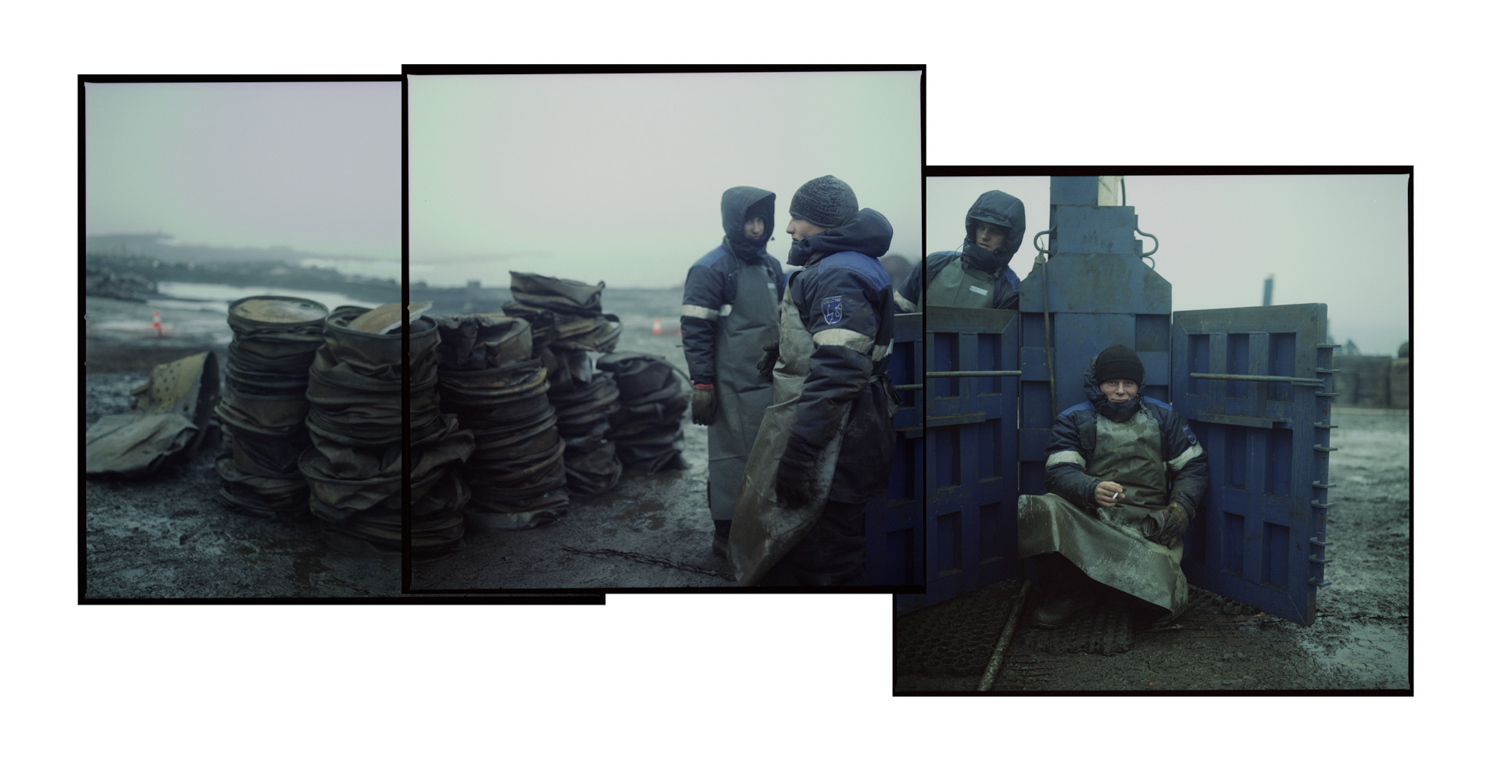
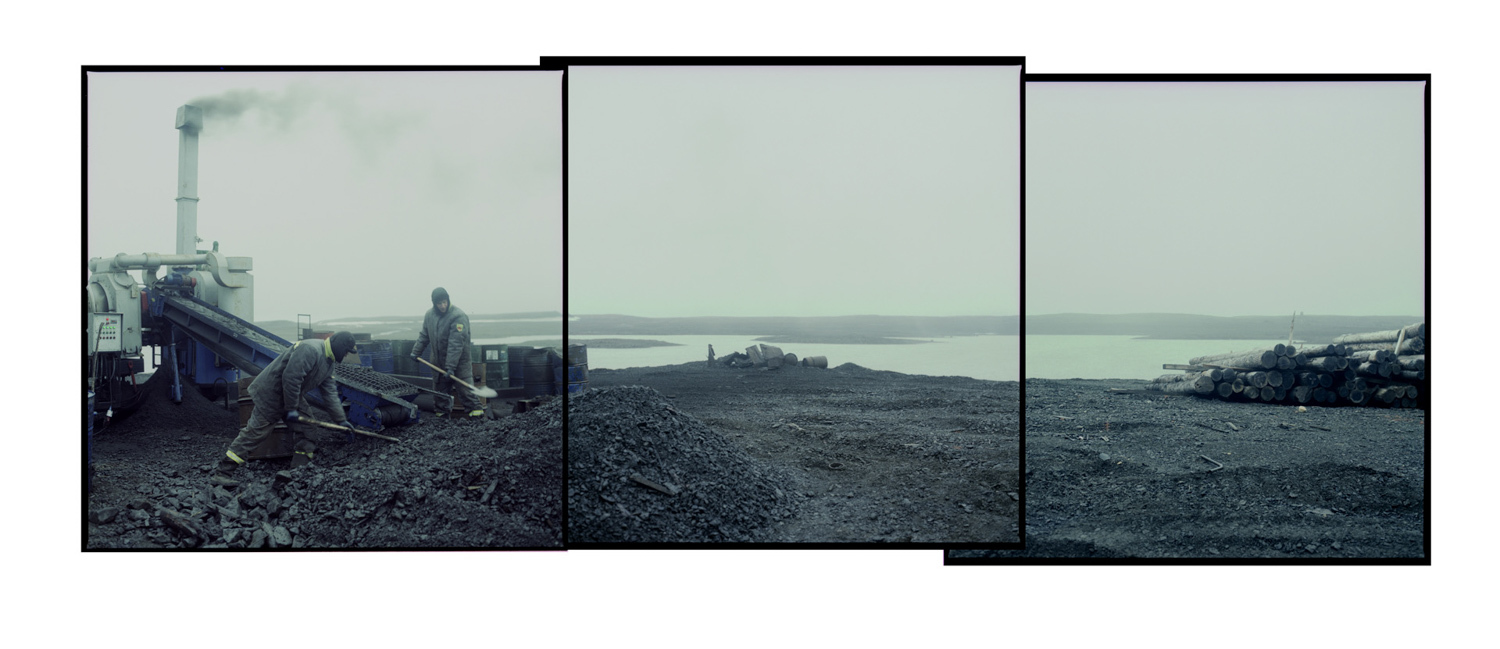
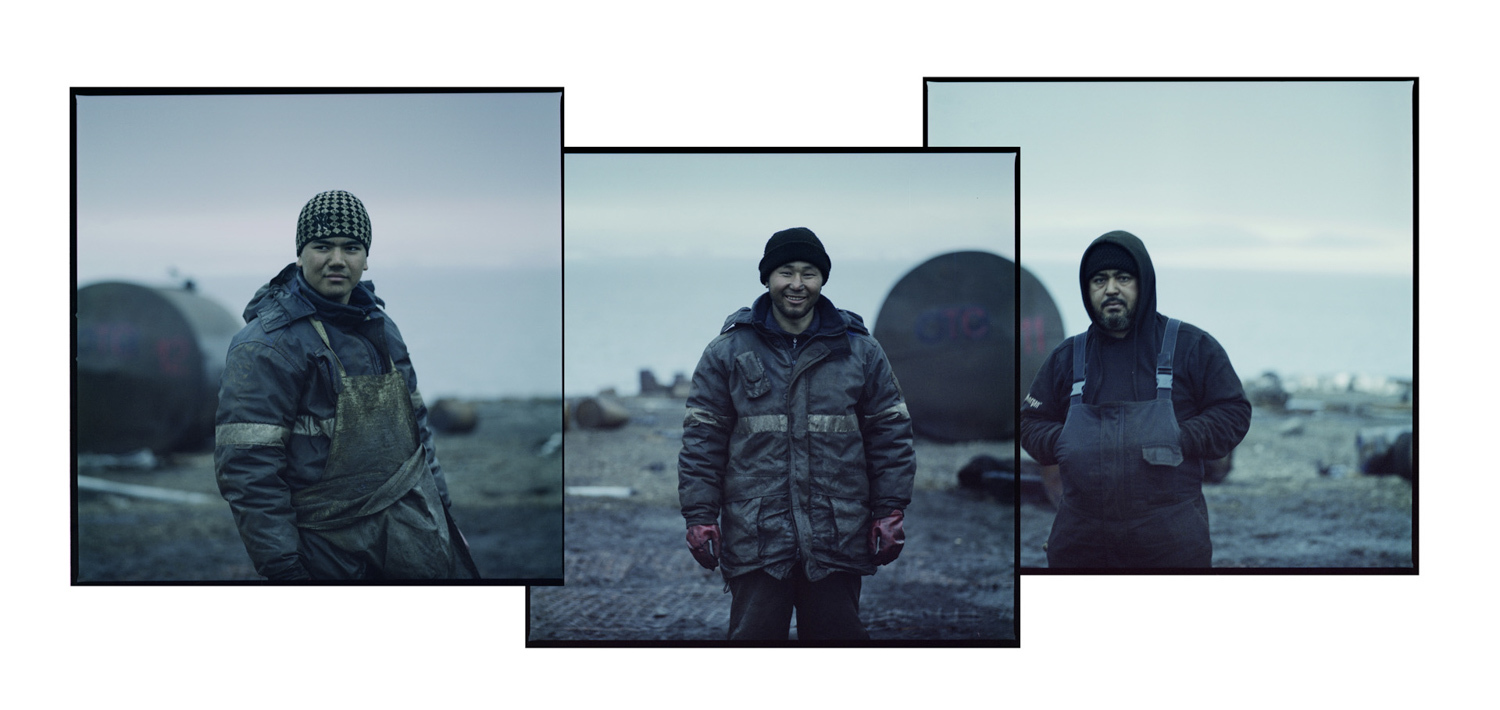
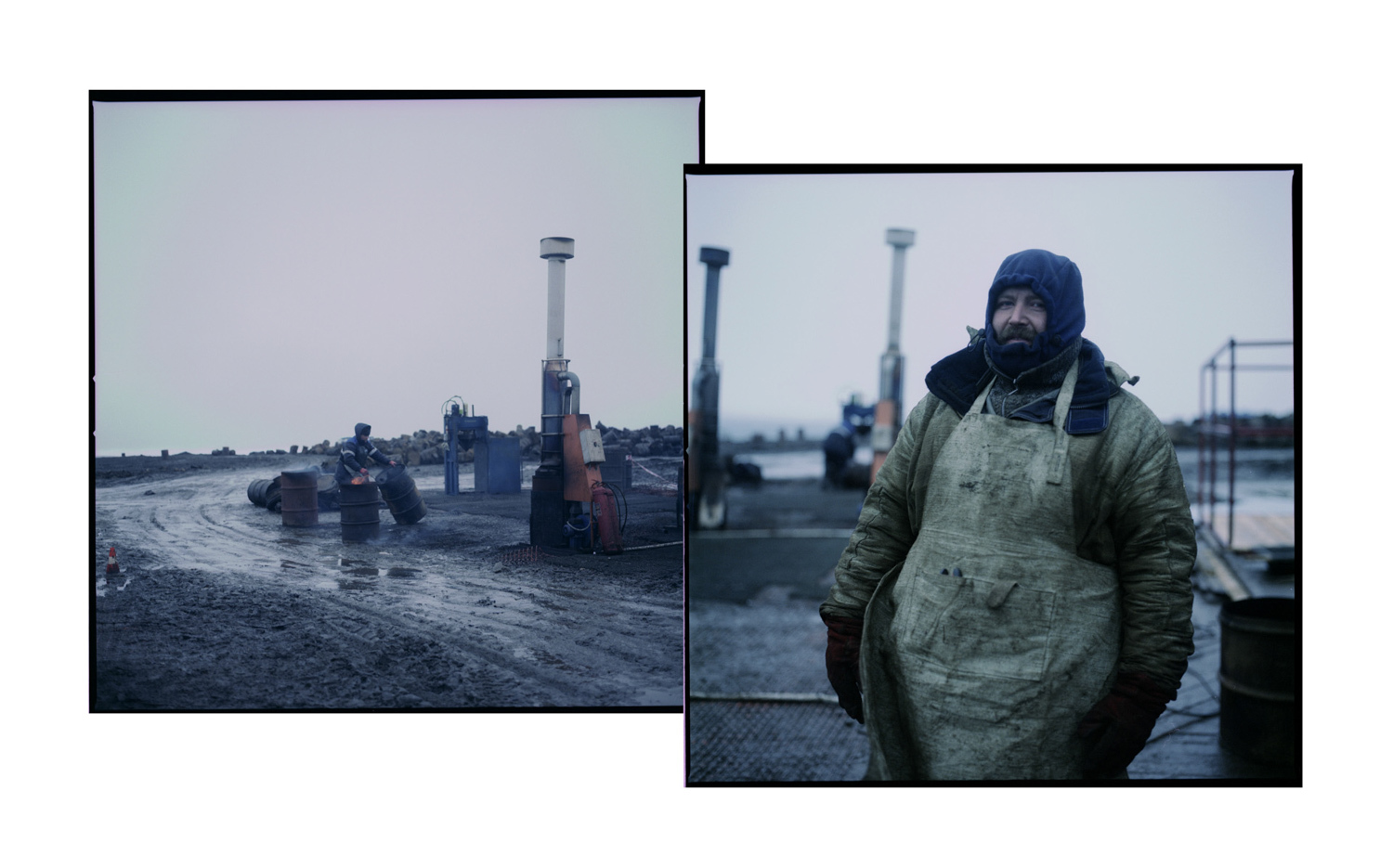
The origin of the inscription was perfectly prosaic. Putin had announced a campaign to clean up the Arctic. Several teams of workers were brought to the archipelago. The Tajiks looked particularly unexpected in the Arctic landscape. They collected the barrels and prepared them for disposal so they could later be shipped back to the mainland.
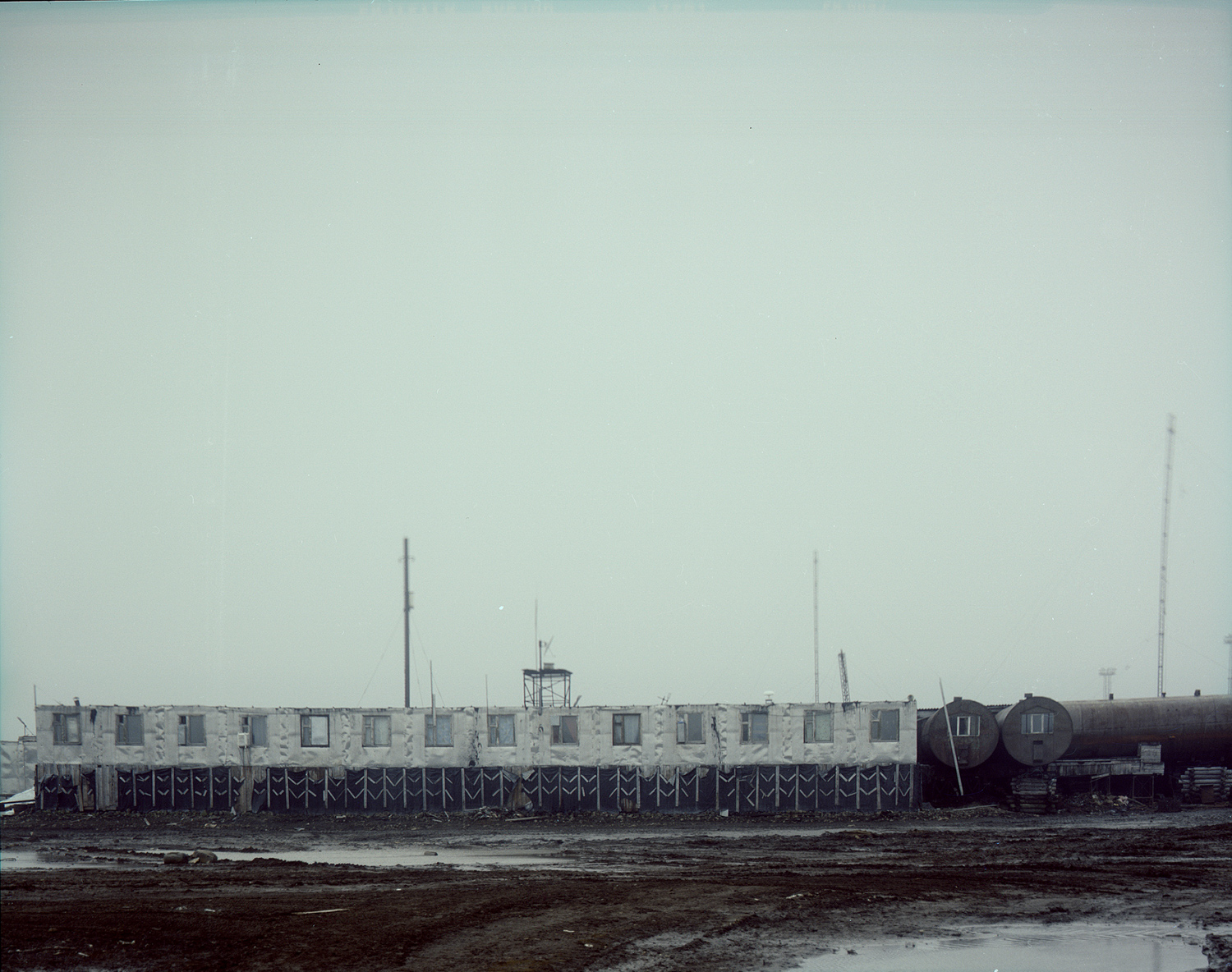
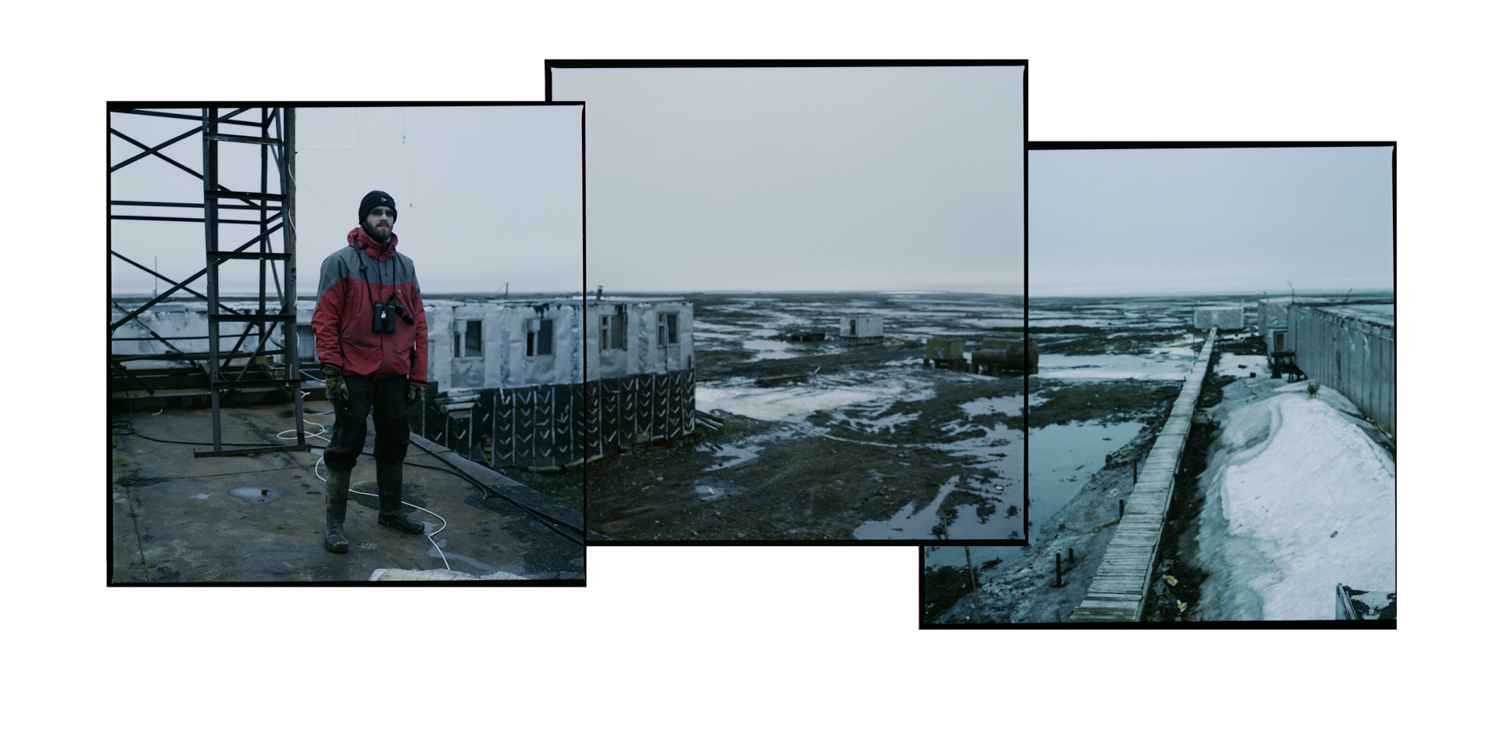
In the large rectangular barracks clad in sheet metal, where we had also been housed, lived a historian and geographer named Yevgeny. He was collecting objects for a museum. This barrel was the largest of them all and was meant to become one of the future exhibits. To prevent the workers from cutting it apart, Yevgeny had written across it in enormous white letters: “Do not touch! Monument.”
As for the boots, they proved absolutely indispensable in mud that reached almost to the knees, even though they looked entirely out of place beside the rest of the team’s branded Arctic gear.
Empty fuel drums were scattered all over the island. They had been dropped from aircraft during the Cold War, when a small garrison was stationed there. The barrels stood everywhere like mushrooms, sometimes in groups, sometimes alone. These rusty signs of humanity’s pointless presence, scattered across the island, intensified the impression.
One of them was distinguished by its exceptional size and by an inscription. In the context of my thoughts, the words painted on the barrel were so absurd that I burst out laughing. Laughter in the solitude of that desert was equally absurd, but it brought me back to earth.
I took a photograph and headed toward the barracks, soberly hoping to have my own dinner rather than become one without intending to. Geologists eaten by polar bears were a favorite subject of conversation in the evenings.
At dinner I was reprimanded for wandering off without permission. No one was allowed outside without a rifle, and I was not entitled to one. I could leave only in the company of a station employee, but everyone had been busy when we arrived, so I had gone off on my own.
The origin of the inscription was perfectly prosaic. Putin had announced a campaign to clean up the Arctic. Several teams of workers were brought to the archipelago. The Tajiks looked particularly unexpected in the Arctic landscape. They collected the barrels and prepared them for disposal so they could later be shipped back to the mainland.
In the large rectangular barracks clad in sheet metal, where we had also been housed, lived a historian and geographer named Yevgeny. He was collecting objects for a museum. This barrel was the largest of them all and was meant to become one of the future exhibits. To prevent the workers from cutting it apart, Yevgeny had written across it in enormous white letters: “Do not touch! Monument.”
As for the boots, they proved absolutely indispensable in mud that reached almost to the knees, even though they looked entirely out of place beside the rest of the team’s branded Arctic gear.
WHITE RUBBER BOOTS.
Whenever I reach into the wardrobe, I keep running into a pair of enormous white rubber boots. They are always in the way, yet I cannot bring myself to throw them out. I wore them only once.
It was summer, a good summer for assignments, promising both fees and impressions. I was working in the Arkhangelsk Region on a new book, A Journey through Kargopol. I had arrived only the day before and had barely begun shooting when a call came from Moscow. Russian Reporter. Nastya Svartsevich. Her familiar cool voice asked whether I would like to go to Franz Josef Land. I would have to leave the following day and decide immediately, on the spot. The plane was in the morning.
Fragments of memory flashed through my mind: perhaps In Search of the Castaways… No, more likely The Two Captains, the schooner Saint Maria. For some reason, the actor Bogatyryov… Then Queen Maud Land in Antarctica surfaced from the school maps of my childhood. I asked her to repeat the name, buying time, wondering what the editors of the book would say. It was a serious project, and this was only the first day of the assignment. Lilia, the editor, was already entering the edge of my vision, her face filled with disbelief.
Read more
Whenever I reach into the wardrobe, I keep running into a pair of enormous white rubber boots. They are always in the way, yet I cannot bring myself to throw them out. I wore them only once.
It was summer, a good summer for assignments, promising both fees and impressions. I was working in the Arkhangelsk Region on a new book, A Journey through Kargopol. I had arrived only the day before and had barely begun shooting when a call came from Moscow. Russian Reporter. Nastya Svartsevich. Her familiar cool voice asked whether I would like to go to Franz Josef Land. I would have to leave the following day and decide immediately, on the spot. The plane was in the morning.
Fragments of memory flashed through my mind: perhaps In Search of the Castaways… No, more likely The Two Captains, the schooner Saint Maria. For some reason, the actor Bogatyryov… Then Queen Maud Land in Antarctica surfaced from the school maps of my childhood. I asked her to repeat the name, buying time, wondering what the editors of the book would say. It was a serious project, and this was only the first day of the assignment. Lilia, the editor, was already entering the edge of my vision, her face filled with disbelief.
Read more
Contacts
*Instagram is owned by Meta, an organization recognized as extremist and banned in the Russian Federation
*Instagram is owned by Meta, an organization recognized as extremist and banned in the Russian Federation
©2026.